4 Shrubs To Plant In Georgia During March And 4 That Are Safer To Plant In April
By mid-March in Georgia, the mornings are cool, the soil is finally workable, and even the backyard azaleas seem to stretch toward the sun.
Gardeners with long-standing routines know that planting at the right time can make all the difference between a lively bed and a listless one.
Some shrubs settle happily into March’s mild days, while others perform best when the soil has warmed a few more weeks.
Choosing the right shrub for the right moment helps new plants establish roots, fight pests, and fill your beds with blooms without extra worry.
Keep reading to see which shrubs can go in now and which ones wait for April so your Georgia garden gets a head start without missteps this spring.
1. Knock Out Rose Bursting With Endless Color
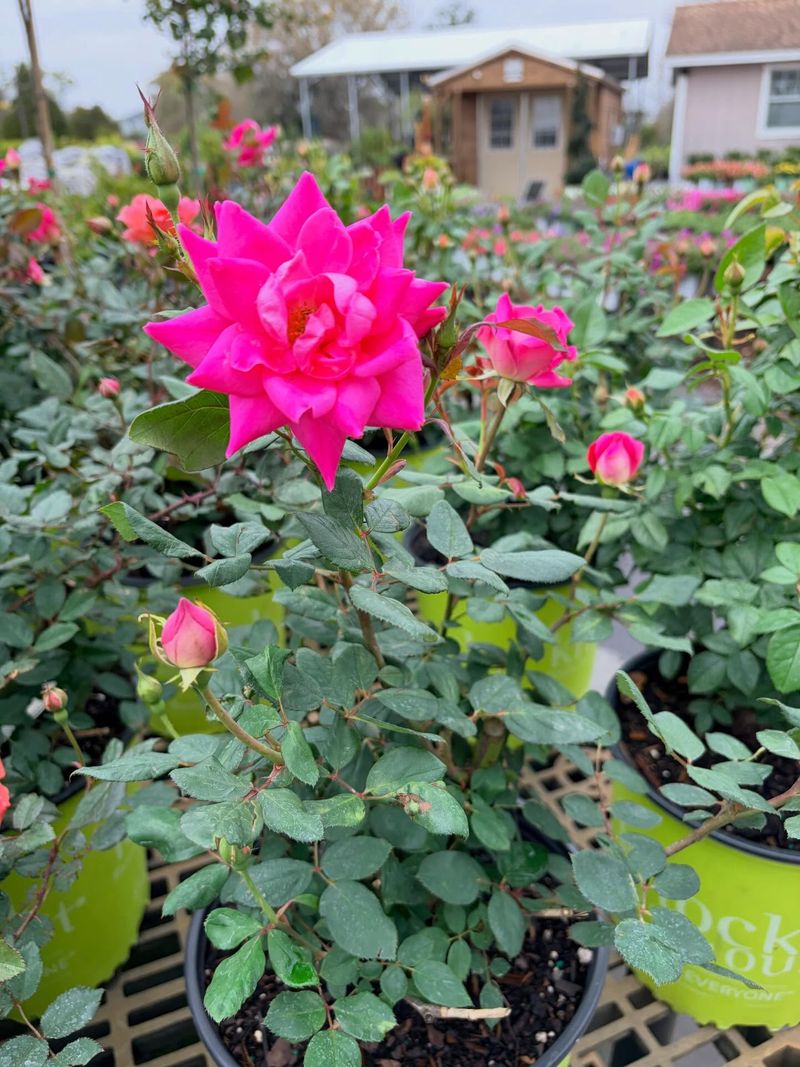
Few shrubs deliver as much color with as little fuss as the Knock Out Rose. This popular flowering shrub has earned its reputation across Georgia yards because it blooms heavily, resists disease, and keeps going through the heat of a Southern summer.
Planting it in March can give the roots time to settle before warmer temperatures arrive, helping support early-season growth.
Knock Out Roses do best in full sun, meaning they need at least six hours of direct sunlight each day. In Georgia, finding a sunny garden bed is rarely a challenge, which makes this shrub a natural fit for most yards.
Well-drained soil is key, so if your ground tends to hold water, mix in some compost before planting to improve drainage.
Once established, these roses are surprisingly tough. They can handle short dry spells and bounce back quickly after a rough weather stretch.
Water at the base of the plant rather than overhead to keep the foliage dry and reduce the chance of fungal issues. Pruning them lightly in late winter or early March before new growth appears helps shape the plant and encourages stronger blooming.
With just a little care, Knock Out Roses reward Georgia gardeners with waves of color from spring all the way through fall, making them one of the most satisfying shrubs you can grow.
2. Boxwood Anchoring Gardens With Classic Green
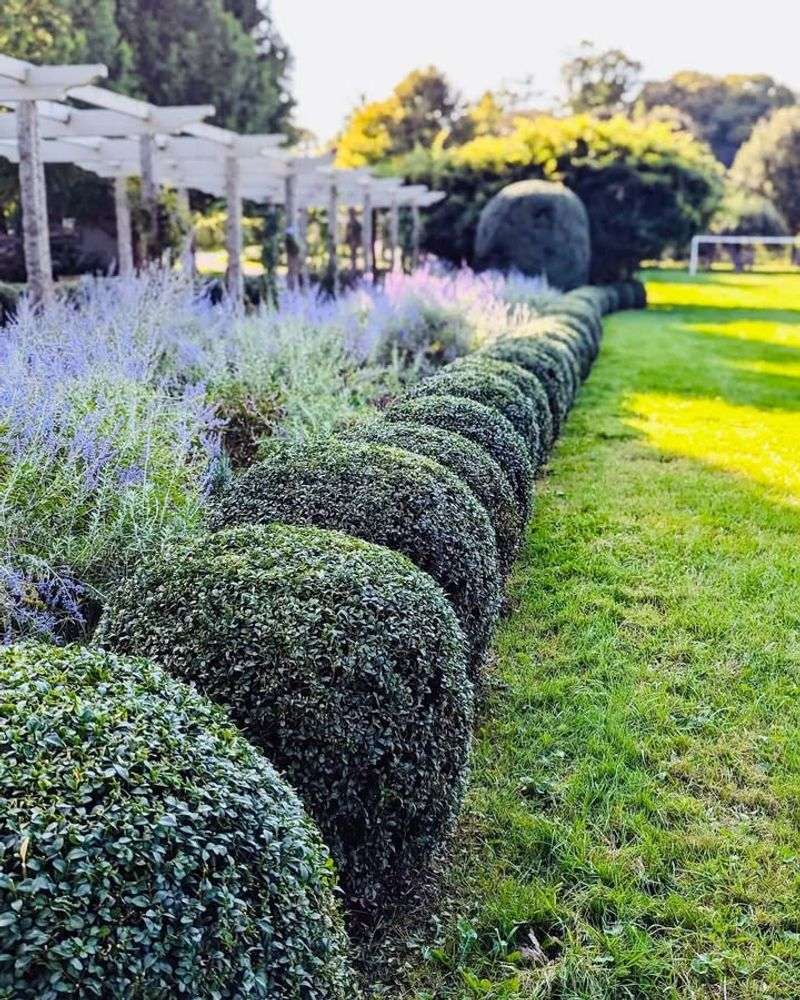
One of those classic evergreen shrubs that never really goes out of style is boxwood. Walk through almost any established Georgia neighborhood and you will spot it lining driveways, framing front doors, or forming tidy borders along garden beds.
Its dense, compact growth makes it a favorite for anyone who wants structure and year-round greenery without a lot of drama.
March can be a suitable time to plant boxwood in Georgia, depending on soil readiness and regional temperatures.. The cooler temperatures help the roots establish without the stress of summer heat, and the shrub will be ready to push out fresh new growth once the season warms up.
Choose a spot with partial to full sun and make sure the soil drains well, as boxwood roots are sensitive to sitting in soggy ground for too long.
One practical tip for Georgia gardeners is to mulch around the base of each plant after planting. A two to three inch layer of mulch holds moisture, keeps roots cool as summer approaches, and helps suppress weeds.
Boxwood is generally low maintenance, but it does benefit from light shaping once or twice a year to keep its tidy appearance. Avoid heavy pruning in late summer, as new growth may not harden off in time before cooler fall nights arrive.
With proper placement and a little seasonal attention, boxwood will anchor your Georgia landscape beautifully for many years.
3. Gardenia Filling Yards With Sweet Fragrance
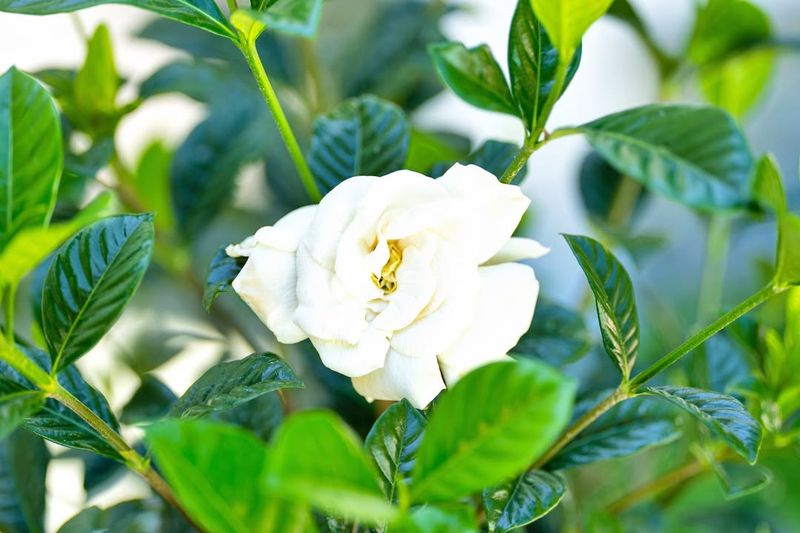
If there is one shrub that captures the essence of a Southern garden, it might just be the gardenia. Those creamy white flowers carry a scent so rich and sweet that a single blooming plant can perfume an entire porch or patio.
Gardenias are deeply tied to Georgia’s garden culture, and planting them in March can provide a longer growing season for establishment before summer, but growth depends on soil, water, and climate conditions.
Gardenias thrive in Georgia’s warm climate but do have some preferences worth knowing. They love slightly acidic soil, so testing your soil before planting is a smart move.
If the pH is too high, you can lower it by working in sulfur or using an acidifying fertilizer. Partial shade is ideal, especially in the hotter parts of Georgia where afternoon sun can scorch the glossy leaves and stress the plant.
Consistent moisture is important for gardenias, particularly during their first growing season. Letting the soil dry out too much between waterings can cause buds to drop before they open, which is a frustrating experience after waiting all spring for those gorgeous flowers.
A layer of pine straw mulch works beautifully around gardenias, helping hold soil moisture while also slowly acidifying the soil as it breaks down. Feed them with an acid-forming fertilizer in spring and again in midsummer to keep the foliage deep green and the blooms coming strong throughout the season.
4. Wax Myrtle Bringing Year-Round Beauty And Wildlife
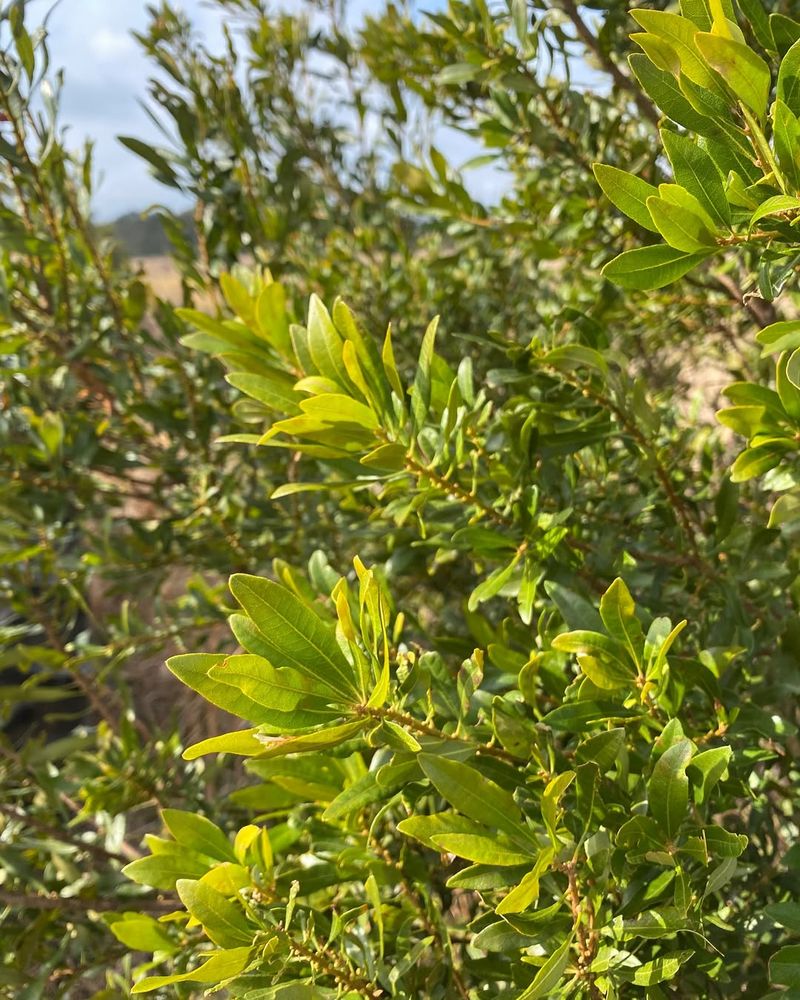
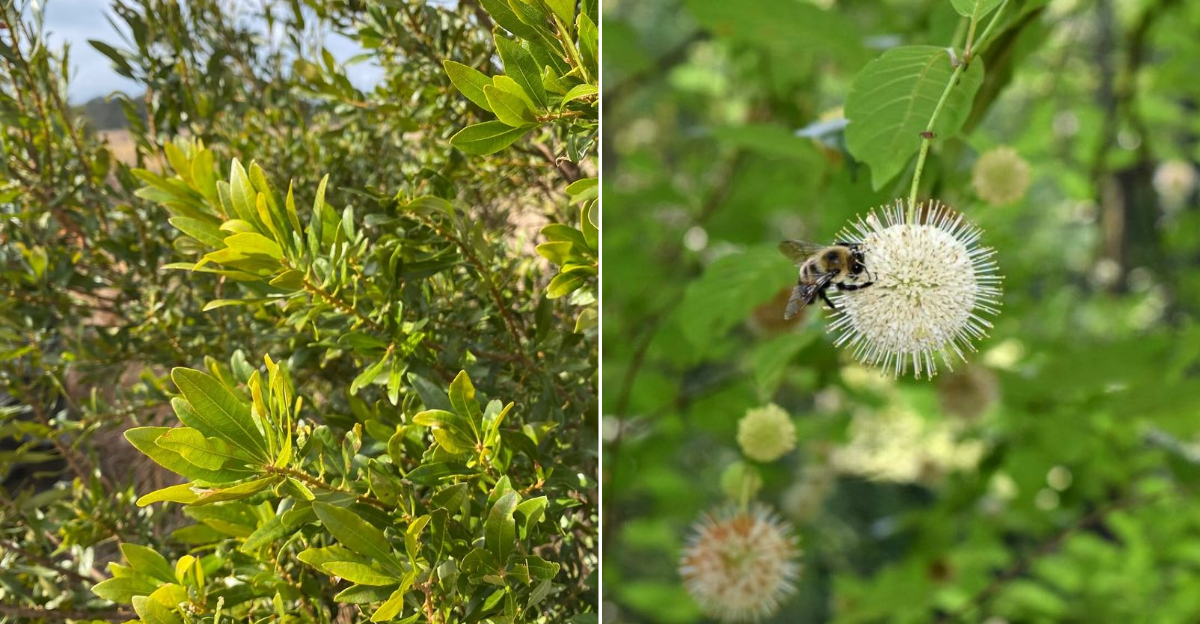
One of Georgia’s most underrated native shrubs, which quickly wins over gardeners, is wax myrtle. It grows quickly, handles a wide range of soil conditions, and provides year-round interest with its aromatic evergreen foliage and clusters of waxy blue-gray berries.
Birds absolutely love those berries, so planting wax myrtle is a great way to invite more wildlife into your yard.
March can be a suitable month to plant wax myrtle in Georgia if soil is workable, allowing roots to establish before warmer temperatures arrive. This shrub is remarkably adaptable and can handle everything from wet, low-lying areas to drier upland spots.
Full sun to partial shade both work well, making it a flexible choice for yards that have varying light conditions throughout the day.
One of the best things about wax myrtle is how little fuss it requires once it gets going. It is naturally resistant to many common pests and diseases, which means fewer headaches for the home gardener.
It can be grown as a large shrub or pruned into a small multi-trunk tree, giving you options depending on how much space you are working with. In coastal and central Georgia especially, wax myrtle is a go-to choice for screening, hedgerows, or naturalized plantings.
Its fast growth rate means you will not be waiting long to enjoy the full effect of this hardworking native plant in your landscape.
5. Arrowwood Viburnum Shining Across Every Season
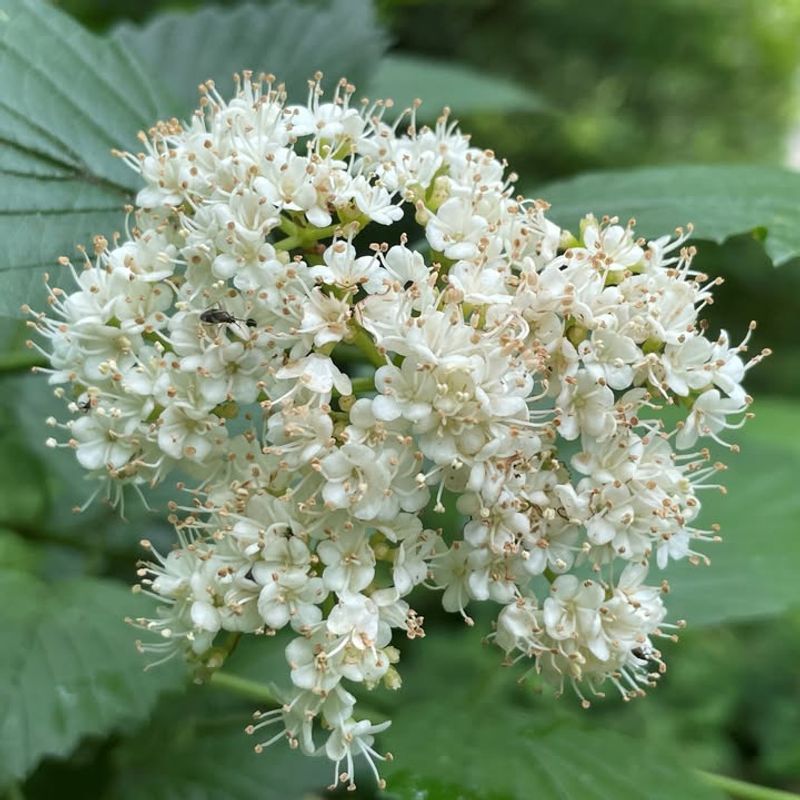
The kind of shrub that earns its place in a garden by doing several things well at once is arrowwood viburnum. It produces clusters of small white flowers in late spring, deep green foliage through summer, and then dazzles with blue-black berries and rich fall color as the season changes.
For Georgia gardeners looking for a plant that pulls its weight across multiple seasons, this viburnum is hard to beat.
Arrowwood Viburnum can be planted in late March to early April in Georgia, but soil readiness and moisture are more important than strict calendar timing to ensure proper root establishment. This shrub prefers moist, well-drained soil and can handle both full sun and partial shade, making it adaptable to a variety of yard conditions.
It also tolerates Georgia’s summer humidity better than many ornamental shrubs.
Arrowwood Viburnum grows in an upright, rounded shape and can reach six to ten feet tall at maturity, so give it enough room to spread out naturally. It works wonderfully as a privacy screen, a naturalized border planting, or a backdrop for smaller flowering perennials.
Birds are drawn to the berries in fall, adding another layer of life and movement to your garden. This shrub is also relatively drought tolerant once established, which is a real bonus during Georgia’s occasionally dry summer stretches.
Minimal pruning is needed, just a light trim after flowering to keep the shape tidy and encourage strong growth the following season.
6. Highbush Cranberry Glowing With Jewel-Like Berries
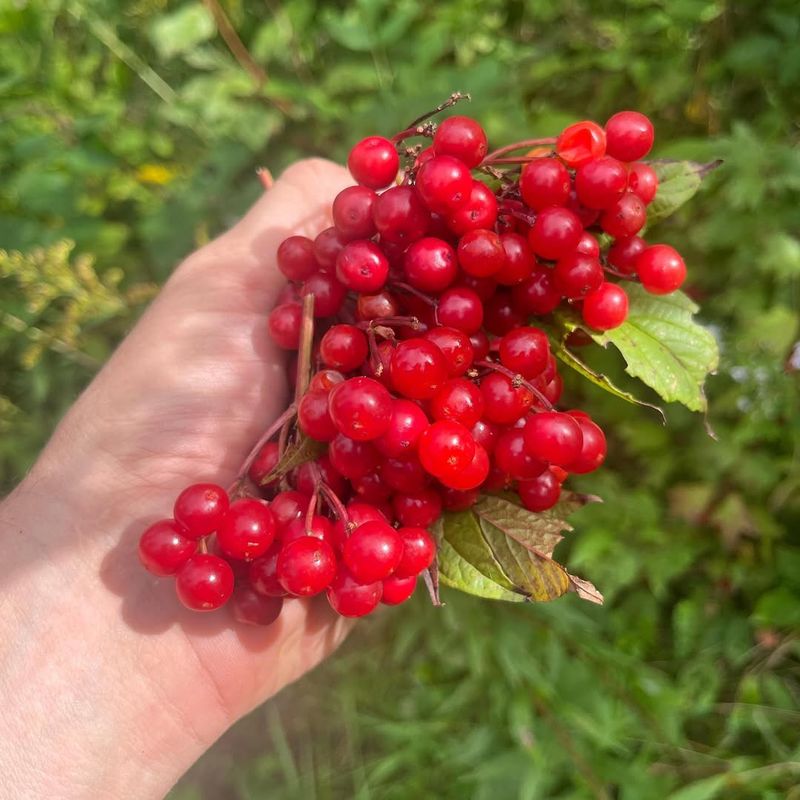
Despite the name, Highbush Cranberry is not actually a true cranberry at all. It belongs to the viburnum family and is officially known as Viburnum opulus var. americanum.
The name comes from its bright red berries, which look strikingly similar to cranberries and can even be used in cooking, though they are quite tart on their own. This is the kind of plant that sparks conversation whenever guests spot those jewel-like clusters of fruit hanging from the branches.
April is the better planting window for Highbush Cranberry in Georgia because the warmer soil temperatures in April help the roots establish more quickly. This shrub prefers moist conditions and does particularly well near areas with consistent soil moisture, like the edge of a rain garden or a low spot in the yard.
It can tolerate partial shade, which makes it useful in spots where other shrubs might struggle.
In terms of ornamental value, Highbush Cranberry delivers across all four seasons. Spring brings clusters of white flowers that attract pollinators, summer offers lush green foliage, fall lights up with red berries and colorful leaves, and winter provides structure and texture even after the leaves drop.
For Georgia gardeners who want to support local wildlife, this shrub is a strong choice since birds rely on the berries as a food source during colder months. Plant it in a naturalized area or use it as a bold specimen shrub to showcase its full seasonal range.
7. Buttonbush Attracting Bees Butterflies And Hummingbirds
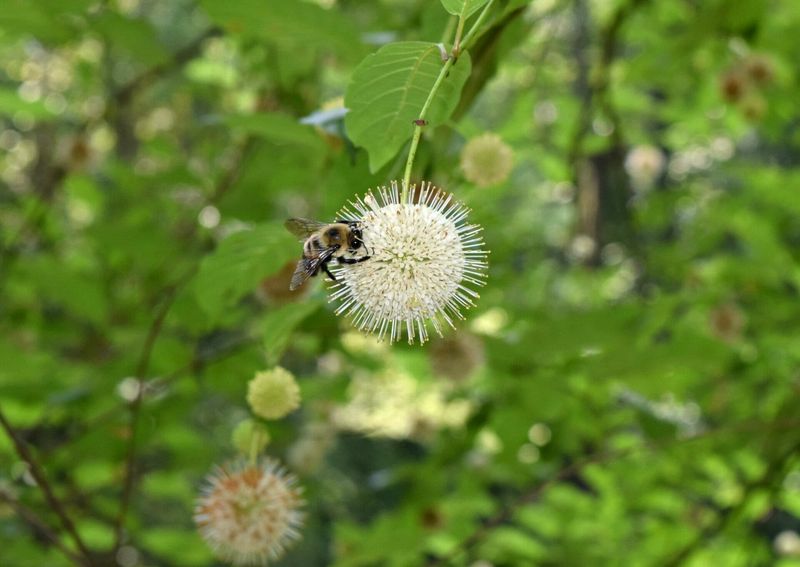
There is nothing quite like the flower of a Buttonbush. Those perfectly round, white, pin-cushion blooms look like something out of a botanical illustration, and they appear at exactly the right time to fuel pollinators during the busy summer season.
Bees, butterflies, and hummingbirds all visit Buttonbush regularly, making it one of the most wildlife-friendly shrubs you can add to a Georgia garden.
Planting Buttonbush in April in Georgia allows the soil to reach a temperature that supports healthy root growth before the plant kicks into its active summer growing phase. This native shrub is naturally adapted to wet conditions and thrives in areas that stay consistently moist or even periodically flooded.
If you have a low spot in your yard that always seems waterlogged, Buttonbush may be exactly what that problem area needs.
Buttonbush can grow quite large in ideal conditions, sometimes reaching ten feet or more in height and spread, so plan accordingly when choosing a location. It works beautifully along pond edges, creek banks, or in rain gardens throughout Georgia’s many counties.
The spherical seed heads that follow the flowers add visual interest through fall and into winter, giving the plant extended seasonal appeal. One fun fact worth knowing is that Buttonbush has been used in traditional medicine for centuries, though it should never be consumed without expert guidance.
As a landscape plant, however, it is a fantastic and underused gem that deserves far more attention from Georgia gardeners.
8. Azalea Thriving In Vibrant Southern Blooms

Ask any long-time Georgia resident what shrub they think of first in spring, and the answer is almost always the azalea. These flowering shrubs are practically synonymous with Southern spring, and for good reason.
Their blooms in shades of pink, red, white, coral, and purple are breathtaking, and a well-established azalea in full flower is one of the most stunning sights a home garden can offer during the season.
Azaleas can be planted in late March in most of Georgia, but gardeners should ensure soil is workable and risk of frost has passed to protect young roots and buds. April planting lets you avoid any risk of frost damage to newly planted specimens and puts the shrub in the ground just as soil temperatures become consistently favorable for root development.
Azaleas prefer acidic, well-drained soil and do best in partial shade, particularly in areas with hot afternoon sun.
One of the most rewarding things about growing azaleas in Georgia is how well they adapt to the local climate once established. They are relatively drought tolerant after their first season and require only minimal fertilizing to stay healthy and blooming year after year.
Choosing native or locally adapted varieties, such as Florida Flame or Piedmont azaleas, gives you the best chance of long-term success. A pine straw mulch around the root zone keeps moisture in and maintains the soil acidity these plants love.
With proper care and conditions, azaleas have the potential to bloom successfully for many years in Georgia landscapes.