7 Shrubs To Prune This April In Ohio (And 4 You Shouldn’t Touch)
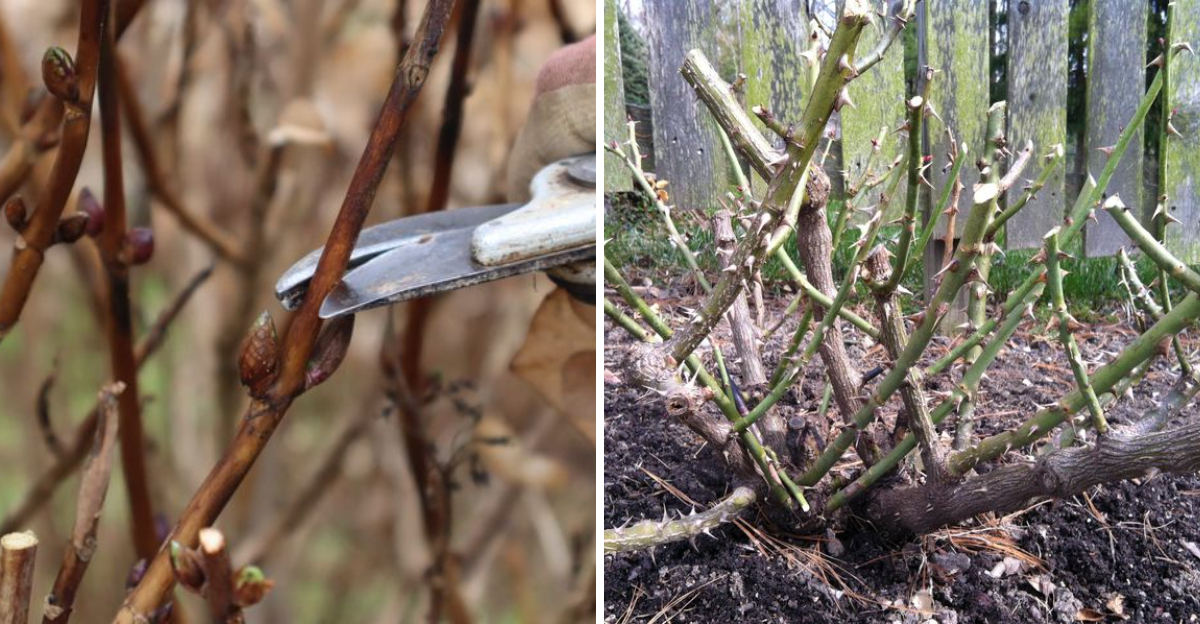
April in Ohio can make you want to grab the pruners the moment the first warm stretch hits. Buds are swelling, branches look messy after winter, and the urge to clean everything up feels hard to ignore.
This is where many gardeners run into trouble. Prune at the wrong time, and you can lose an entire season of blooms without realizing it.
Some shrubs set their flower buds months in advance, while others respond best to a spring cut that encourages fresh growth. Knowing the difference matters more than the cut itself.
Ohio’s mix of late frosts and quick warmups adds another layer, making timing even more important. A few smart decisions in April can lead to fuller plants, stronger structure, and better flowering later on.
The wrong ones can leave your garden looking bare when summer arrives.
1. Panicle Hydrangea Blooms On New Wood And Can Be Pruned Now
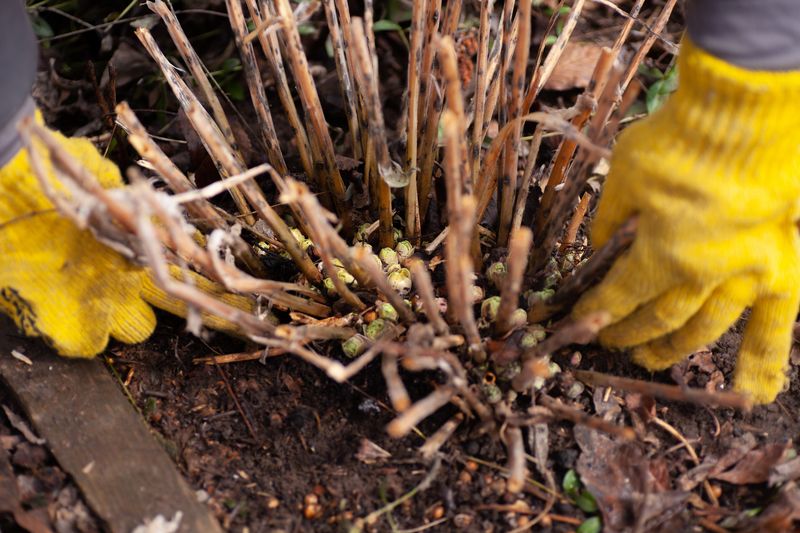
Few shrubs reward early spring attention quite like the panicle hydrangea. Hydrangea paniculata is one of the most forgiving and rewarding shrubs you can grow in Ohio, and April is a perfectly acceptable time to get your pruners out.
Because it blooms entirely on new wood, meaning growth that the plant produces this season, removing last year’s stems does not cost you a single flower.
Pruning in late winter through early spring is the standard recommendation, and Ohio gardeners who push into April are still well within the safe window. The goal is to cut stems back to a strong pair of buds, reducing the overall height by about one-third to one-half.
This encourages the plant to push out multiple new branches, which means more flower clusters by midsummer.
Focus on removing any weak, spindly, or crossing stems first. These thin branches rarely support heavy blooms and tend to flop over by late summer anyway.
Shaping the outer framework into a rounded form gives the shrub a cleaner look throughout the season. Always use sharp, clean pruners to avoid tearing the stems, which can invite disease into fresh wounds.
2. Smooth Hydrangea Responds Well To Early Spring Pruning
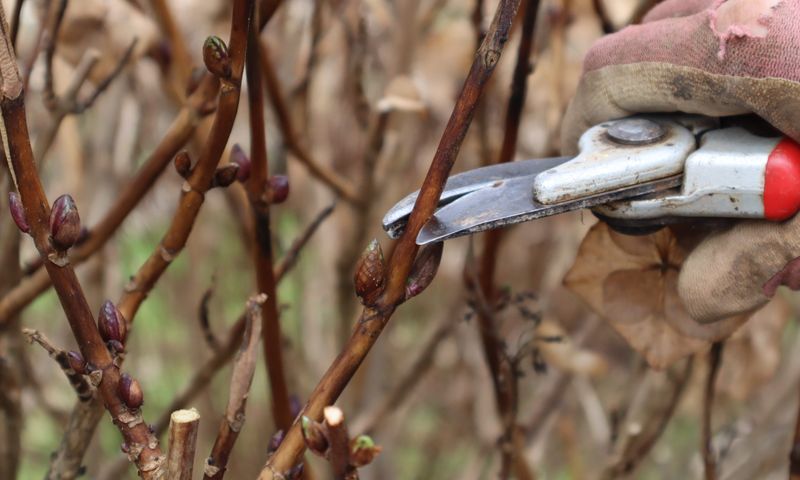
If you have ever watched a smooth hydrangea bounce back from a hard cutback looking fuller and more lush than ever, you already understand why April pruning works so well for this plant. Hydrangea arborescens, which includes popular varieties like Annabelle and Incrediball, blooms entirely on new wood.
That means the flowers you will enjoy this summer are produced on stems that have not even started growing yet.
Because of this new wood blooming habit, you can cut the shrub back significantly without any worry about losing blooms. Many Ohio gardeners bring smooth hydrangeas down to about 12 to 18 inches above the ground each spring.
This kind of hard pruning encourages thick, vigorous new growth that supports the large, heavy flower heads these plants are known for.
That said, leaving a little structure behind is actually helpful. Keeping a short framework of older woody stems gives the new growth something sturdy to lean against as it gets taller.
Without any base structure, the stems can flop badly under the weight of blooms, especially after summer rain. A light stake or a simple peony ring can also help if your plants tend to sprawl.
3. Summer-Blooming Spirea Can Be Cut Back For Better Shape And Flowers
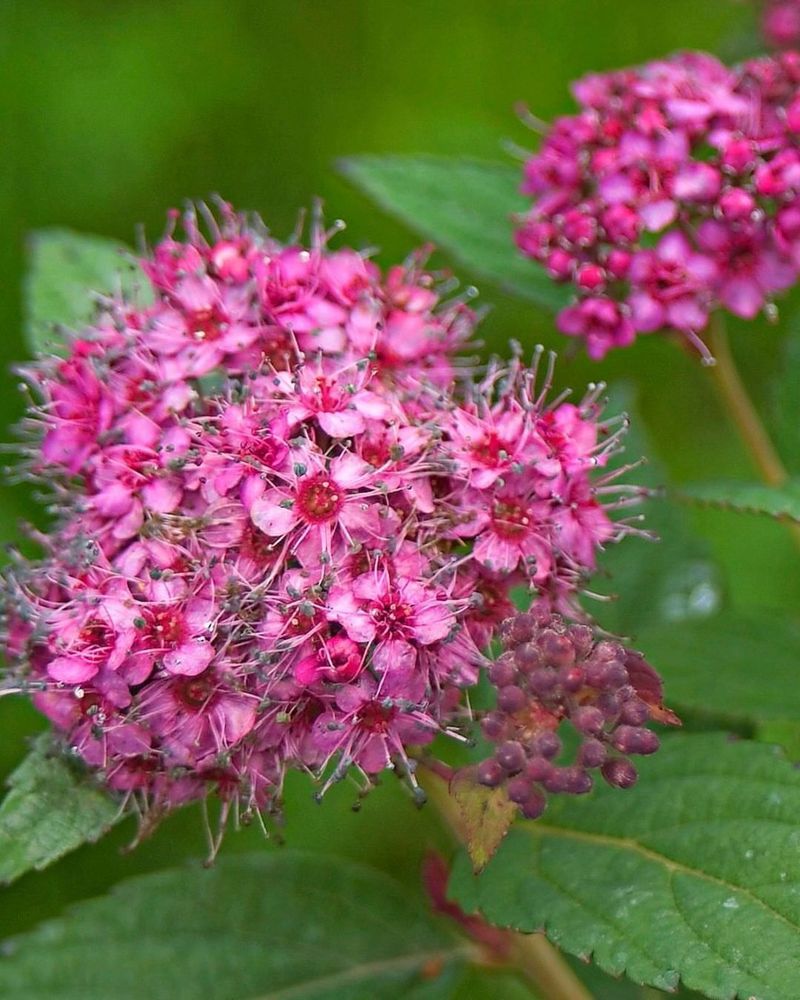
Not all spireas are the same, and that distinction matters a lot when it comes to April pruning. Spiraea japonica and other summer-blooming spirea types flower on new growth produced in the current season, which makes early spring the ideal time to cut them back.
Spring-blooming spireas like Bridal Wreath are a completely different story and should not be touched right now since they bloom on old wood set last fall.
For summer types like Japanese spirea, goldflame, or Little Princess, cutting back the entire shrub by one-third to one-half before new leaves fully unfurl gives you a tighter, more compact plant with a better natural shape. Left unpruned for several seasons, these shrubs tend to get woody and open in the center, producing fewer flowers and looking a bit raggedy by midsummer.
A practical tip for keeping these plants tidy is to cut just above a set of healthy outward-facing buds. This guides new growth away from the center of the plant, improving air circulation and reducing the chance of powdery mildew, which can be a real issue in Ohio’s humid summers.
Sharp bypass pruners work much better than hedge shears for this kind of selective trimming.
4. Rose Of Sharon Blooms On New Growth And Handles Spring Pruning Well
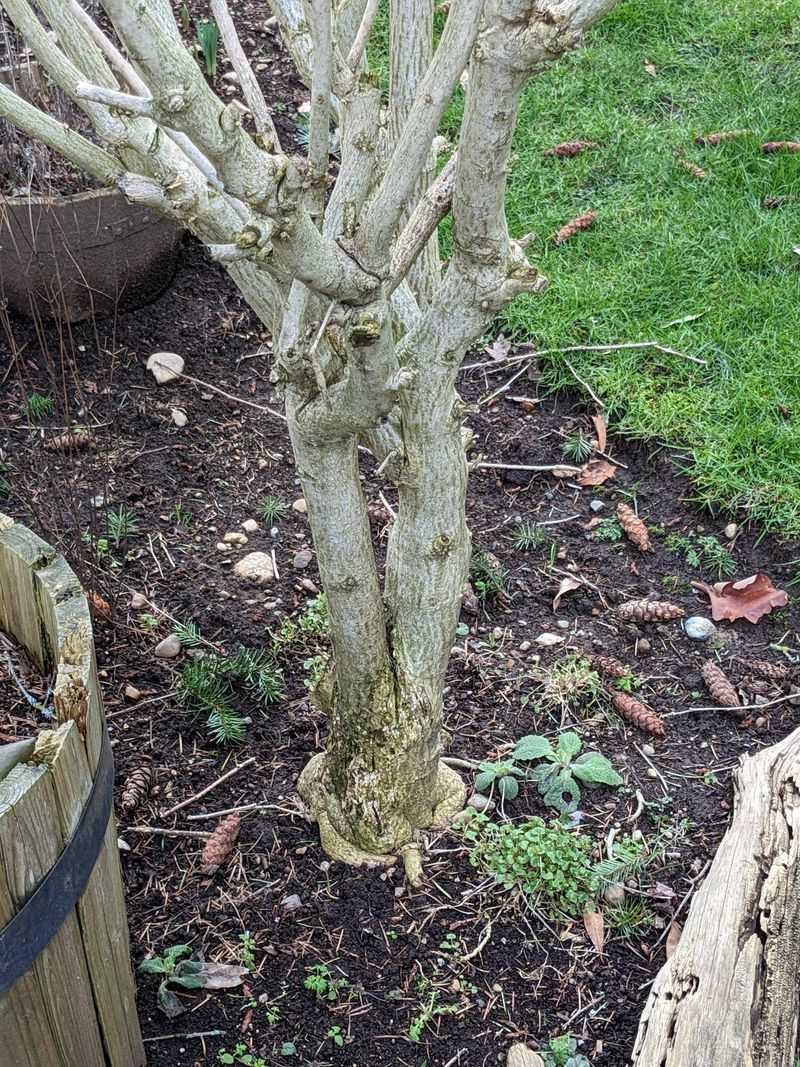
Rose of Sharon has a reputation for being one of the last shrubs to leaf out in spring, which can make newer gardeners nervous about its health. But that slow start is completely normal for Hibiscus syriacus, and it actually lines up perfectly with April pruning.
Because this shrub blooms on new wood produced each season, cutting it back while it still looks bare is not only safe but genuinely beneficial.
Pruning improves both the size and quality of the flowers. When you remove crowded or crossing branches, the plant can put more energy into fewer, larger blooms rather than spreading resources thin across a tangle of stems.
Aim to open up the center of the shrub by removing branches that grow inward, which also helps air move through the plant more freely.
Crossing branches are worth paying special attention to because they rub against each other over time, creating wounds that can attract pests and fungal problems. Removing them in April gives the plant a clean start before the heat of summer arrives.
Rose of Sharon can handle fairly hard pruning if needed, so do not be shy about taking it back if the shrub has gotten larger than you want it.
5. Butterfly Bush Benefits From Hard Pruning Before New Growth Starts
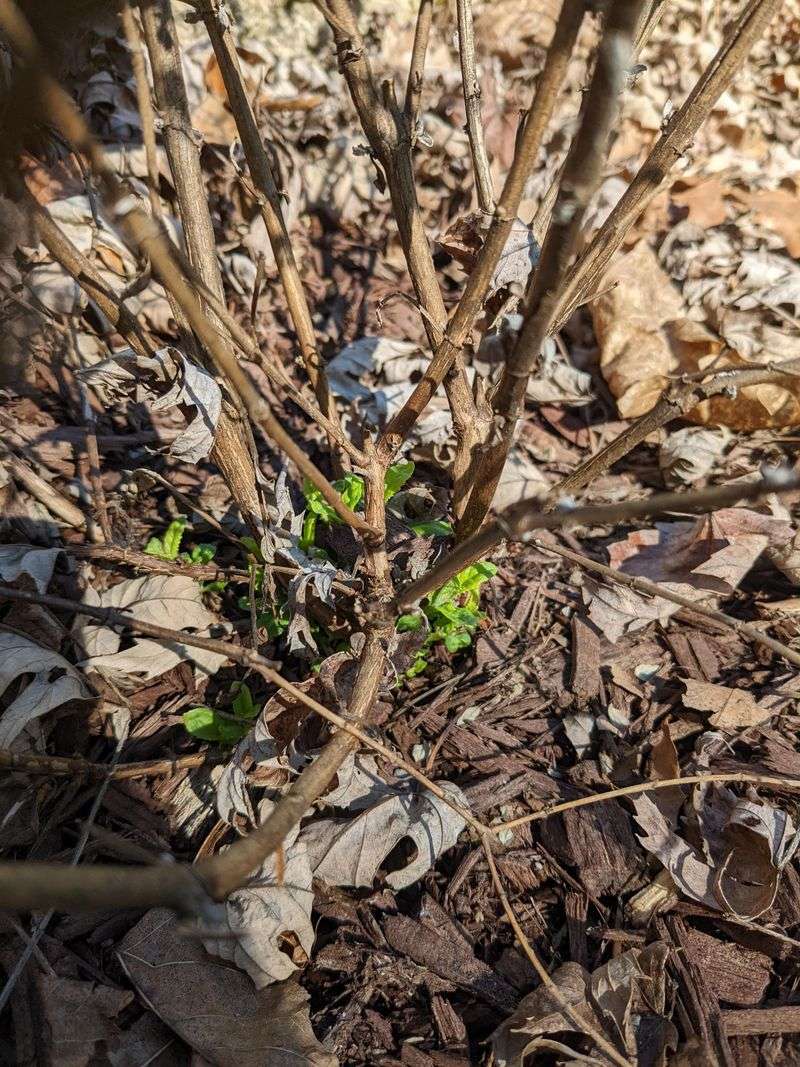
Walk past a butterfly bush in April and it might look completely lifeless, with nothing but dry, woody stems standing above the soil. Do not let that fool you.
Buddleja davidii is a tough, fast-growing shrub that blooms entirely on new wood, and those bare stems are just waiting for a hard cutback to explode into growth. In fact, the harder you prune it, the more vigorous and floriferous the regrowth tends to be.
The standard recommendation for Ohio gardeners is to cut butterfly bush back to somewhere between 12 and 24 inches above the ground before new growth really kicks in. This might feel extreme, but the plant will easily push back to five or six feet by midsummer if conditions are good.
Cutting too lightly often results in a leggy, open shrub that flops in the wind and produces smaller flower spikes.
After pruning, look closely at the base of the plant for any new green shoots already emerging from the crown. Use those as your guide for how low you can safely go.
Leaving a few inches above those emerging shoots ensures you are not removing the new growth that is already underway. Clean up all the cut stems and remove them from the garden bed.
6. Bluebeard Should Be Cut Back In Early Spring For Strong Growth
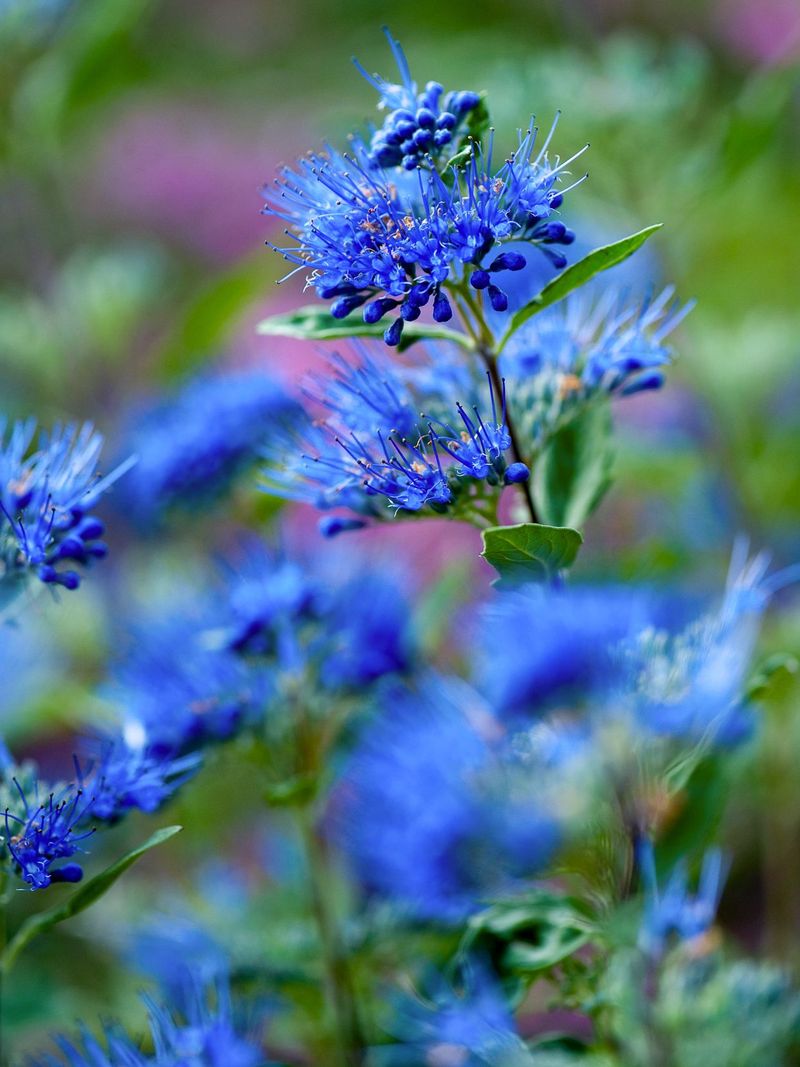
Bluebeard is one of those shrubs that confuses gardeners because it looks completely gone by the time April rolls around. The woody stems are dry, brittle, and show almost no signs of life from the outside.
But Caryopteris x clandonensis is a tough little plant that reliably regrows from its base each year, almost behaving more like a perennial than a traditional woody shrub in Ohio’s climate.
Because it essentially starts fresh each season, cutting it back hard in early spring is exactly the right move. Prune the stems down to just above the lowest set of healthy buds or emerging green growth, which is usually only a few inches above the soil.
This encourages the plant to push out multiple new shoots from the base, resulting in a fuller, more rounded shape by the time it blooms in late summer.
Skipping the spring cutback on bluebeard tends to produce a plant that is tall and thin with flowers only at the very tips of long, bare stems. That might not bother everyone, but most gardeners find the compact, bushy version much more attractive in a border planting.
April is a great time to also clean up any mulch that has piled up around the crown, which can slow down soil warming.
7. Knock Out Roses Can Be Pruned Now For A Fresh Flush Of Blooms
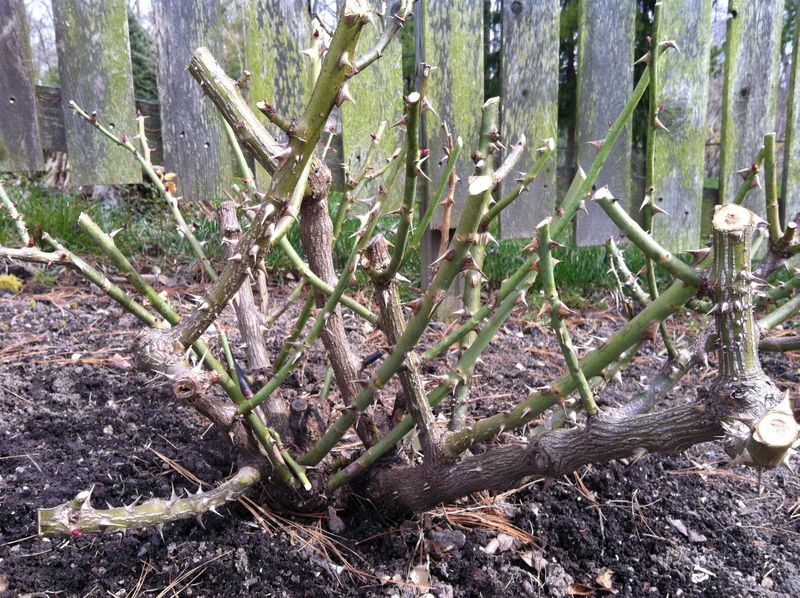
Knock Out roses have earned their reputation as the most forgiving roses you can grow, and their spring pruning routine is just as straightforward as everything else about them. Rosa ‘Knock Out’ group blooms on new growth produced throughout the season, which means April pruning encourages a strong, fresh flush of flowers rather than delaying them.
The ideal window is right when you can see the buds beginning to swell on the canes.
Start by removing any withered, discolored, or damaged wood first. Winter in Ohio can be rough on rose canes, and some dieback is normal even on tough varieties like Knock Out.
Cut those damaged sections back until you reach healthy, white-centered wood. Then shape the overall plant by reducing the remaining healthy canes by about one-third, cutting at a slight angle just above an outward-facing bud.
Keeping cuts angled and positioned above outward-facing buds helps direct new growth away from the center of the plant, which improves air circulation and reduces the risk of black spot fungal disease. Knock Out roses are more resistant to disease than many other varieties, but good pruning habits still go a long way.
Collect all clippings and dispose of them away from the garden to avoid spreading any overwintering fungal spores.
8. Lilacs Set Buds Early And Lose Blooms If Pruned Now
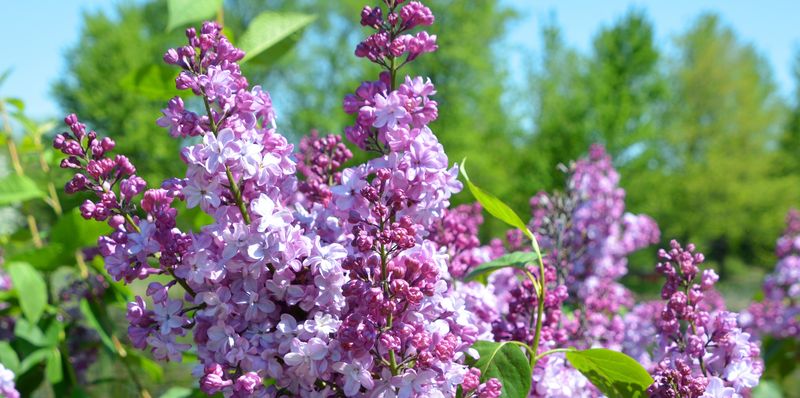
Lilacs are one of the most beloved flowering shrubs in Ohio, and nothing is quite as disappointing as pruning one in April only to realize you just cut off every bloom for the season. Syringa vulgaris is a classic old wood bloomer, which means the flower buds you are hoping to enjoy this spring were actually formed on last year’s growth.
By the time April arrives, those buds are already fully developed and just waiting for warm temperatures to open.
Cutting into lilac stems now removes those pre-formed buds along with the wood that holds them. You will still get a healthy shrub, but it will not flower until next year at the earliest.
For a plant that only blooms once a season and is so closely tied to spring memories for so many people, that is a real loss worth avoiding.
The correct time to prune lilacs is immediately after the flowers fade, usually in late May in most parts of Ohio. Pruning within a few weeks of bloom drop gives the plant the rest of the growing season to set new buds for next spring.
Removing spent flower clusters promptly also encourages the plant to put energy into bud development rather than seed production.
9. Forsythia Should Be Pruned Only After Spring Flowering Ends
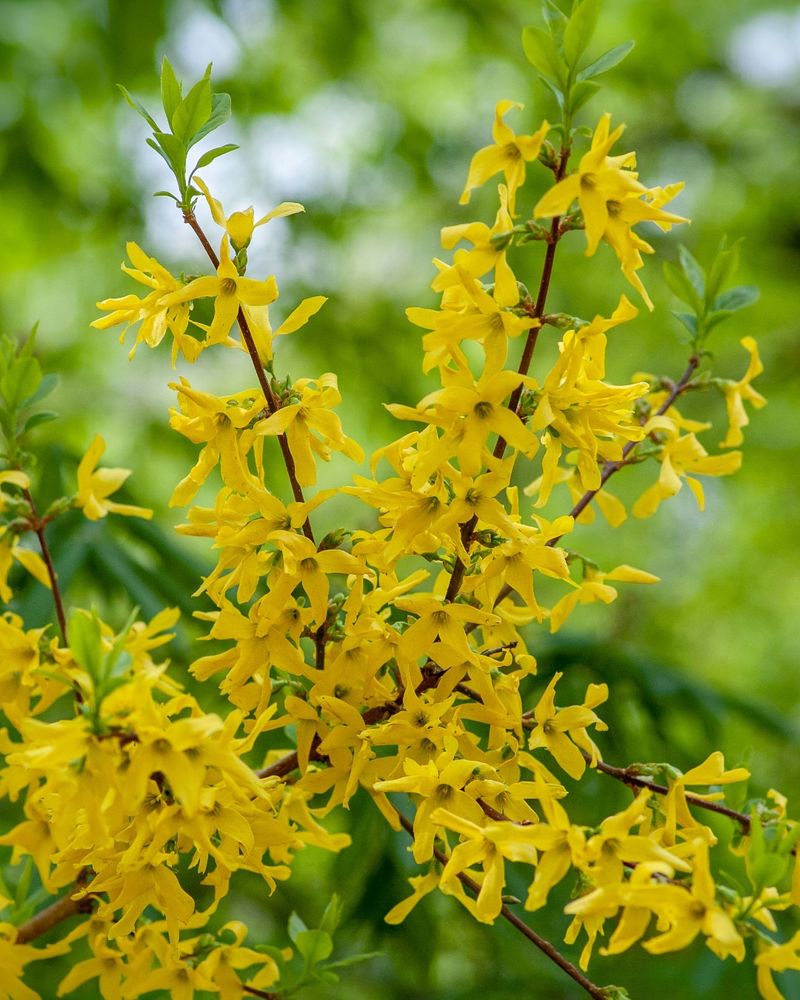
Forsythia is practically the official signal that spring has arrived in Ohio. Those bright yellow flowers burst open on bare stems before most other plants even think about waking up, and they do it entirely on old wood that formed the previous growing season.
That early bloom timing is exactly why pruning forsythia in April is such a common mistake that costs gardeners their entire spring flower show.
By the time you are thinking about April garden tasks, forsythia is likely already in full bloom or just finishing up. Cutting into those stems now removes the flowers that are currently open or the buds that are about to open.
The shrub will recover just fine, but you will not get those flowers back until next year.
Wait until the blooms have fully faded before reaching for your pruners. In Ohio, that usually happens by late April or early May depending on the year.
Pruning right after flowering gives forsythia the longest possible window to grow new wood and set fresh buds for next spring. Remove the oldest, thickest stems at the base to keep the shrub from getting too dense, and shape the outer branches to whatever size and form works best for your space.
10. Azaleas Already Have Buds And Should Not Be Cut Back Now
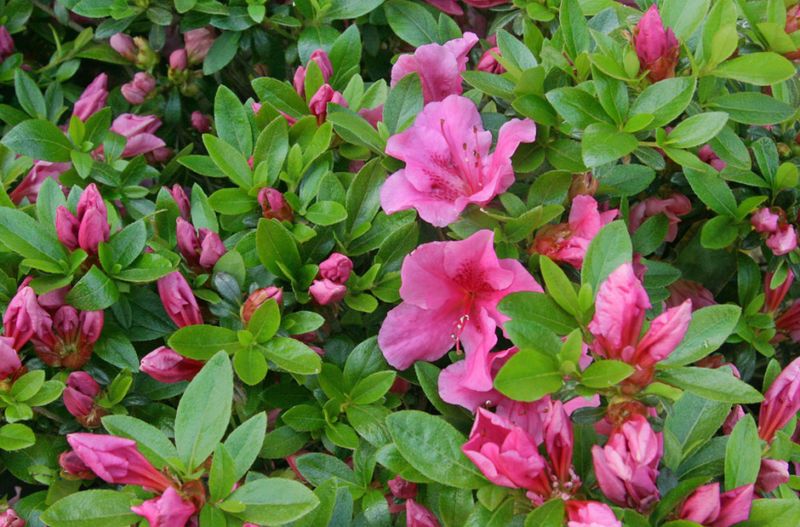
Azaleas are a springtime showstopper in Ohio landscapes, and they are also one of the easiest shrubs to accidentally ruin with poorly timed pruning. Rhododendron spp., which includes all the azaleas commonly grown in Ohio, blooms on old wood.
The buds that will open this spring were formed back in late summer and early fall of last year. They have been sitting there through winter, just waiting for the right temperatures to trigger flowering.
Pruning azaleas in April means cutting off those pre-formed buds before they ever get a chance to open. The shrub will not be harmed in any lasting way, but you will sacrifice the blooms for this entire season.
Since azaleas are grown almost entirely for their spring flower display, that is a significant trade-off that most gardeners would rather avoid.
The right time to prune azaleas is right after the flowers finish, which in Ohio typically falls somewhere between late April and early June depending on the variety and location. Pruning within a month of bloom drop allows the plant to spend the rest of summer setting new buds for next year.
Light shaping is usually all these shrubs need, as heavy pruning can stress them and reduce flowering for more than one season.
11. Weigela Forms Buds Early And Pruning Now Reduces Blooms
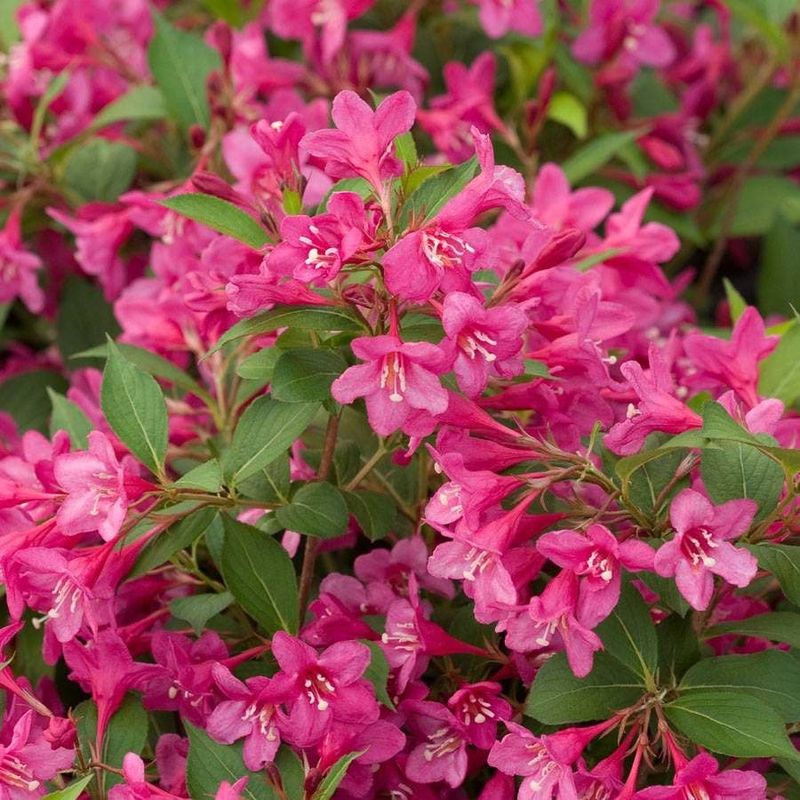
Weigela is a shrub that earns its place in Ohio gardens with a reliable and colorful spring bloom, but it is also one that gets pruned at the wrong time more often than it should. Weigela florida blooms on old wood, which means the buds responsible for this spring’s flowers were set during the previous growing season.
April pruning cuts directly into that stored potential and reduces the flower display you have been waiting all winter to see.
The bud formation process for weigela wraps up in late summer and early fall. From that point forward, the buds are essentially locked in and ready for spring.
Cutting stems in April removes sections of that bud-bearing old wood and leaves you with a tidier shrub that simply has fewer flowers than it should.
Pruning weigela after it finishes flowering, usually in late May or early June in most Ohio locations, is the approach that protects your blooms while still keeping the plant in good shape. Remove the oldest, woodiest stems at the base to encourage fresh growth, and lightly shape the outer branches if the shrub has gotten too wide.
Avoid removing more than one-third of the total plant at once, as heavy pruning can slow recovery and delay next year’s bud set.