9 Shrubs With Golden Leaves That Add Color To North Carolina Gardens
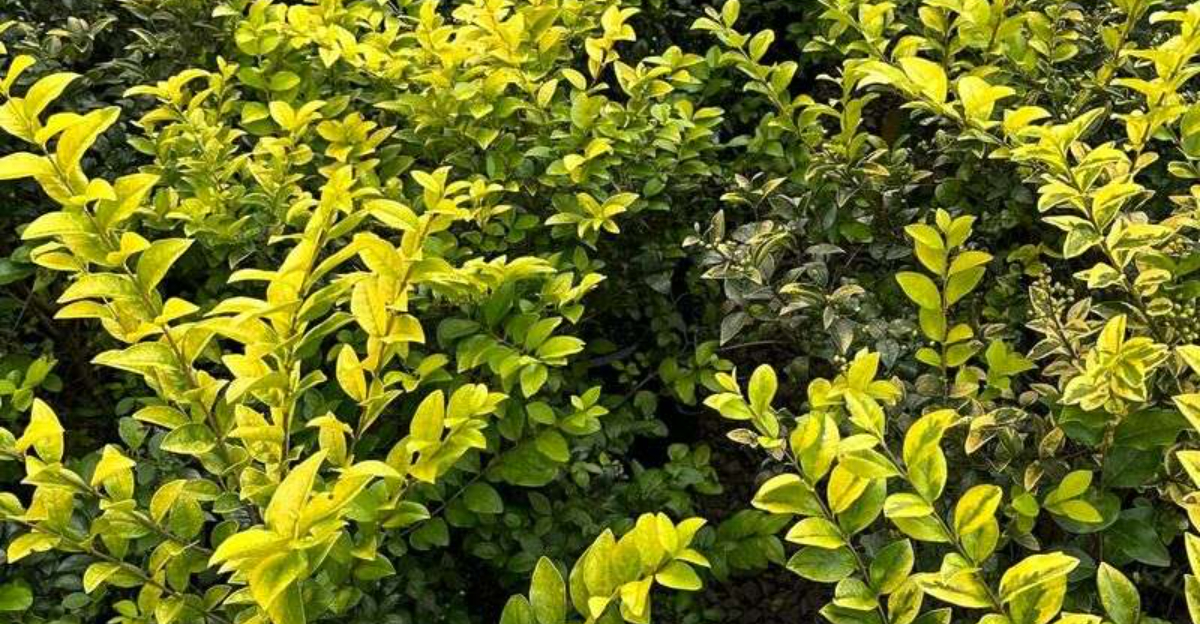
In North Carolina, gardens are about more than flowers, they are about layers of color, texture, and movement that catch the eye and keep spaces lively.
Shrubs with golden leaves are a gardener’s secret weapon, bringing warmth and light even when blooms are sparse.
Their bright foliage stands out against green backdrops, creating contrast that makes every corner of a garden feel intentional and polished.
Golden-leaved shrubs do more than look good.
They act as natural highlights, framing paths, anchoring borders, and drawing attention to focal points.
In the sunlight, their leaves almost glow, adding a sense of energy and cheer that lifts the mood of anyone strolling through the garden.
When the seasons change, these shrubs hold their own, keeping landscapes colorful and dynamic long after flowers fade.
Choosing shrubs with golden leaves is like adding brushstrokes of sunlight to the garden.
They thrive in North Carolina’s climate, tolerate a range of soil types, and require minimal fuss once established.
With a few well-placed plants, gardens gain dimension, warmth, and visual intrigue.
For homeowners who want lasting impact and effortless beauty, golden-leaved shrubs are an easy way to make every garden shine.
1. Golden Barberry
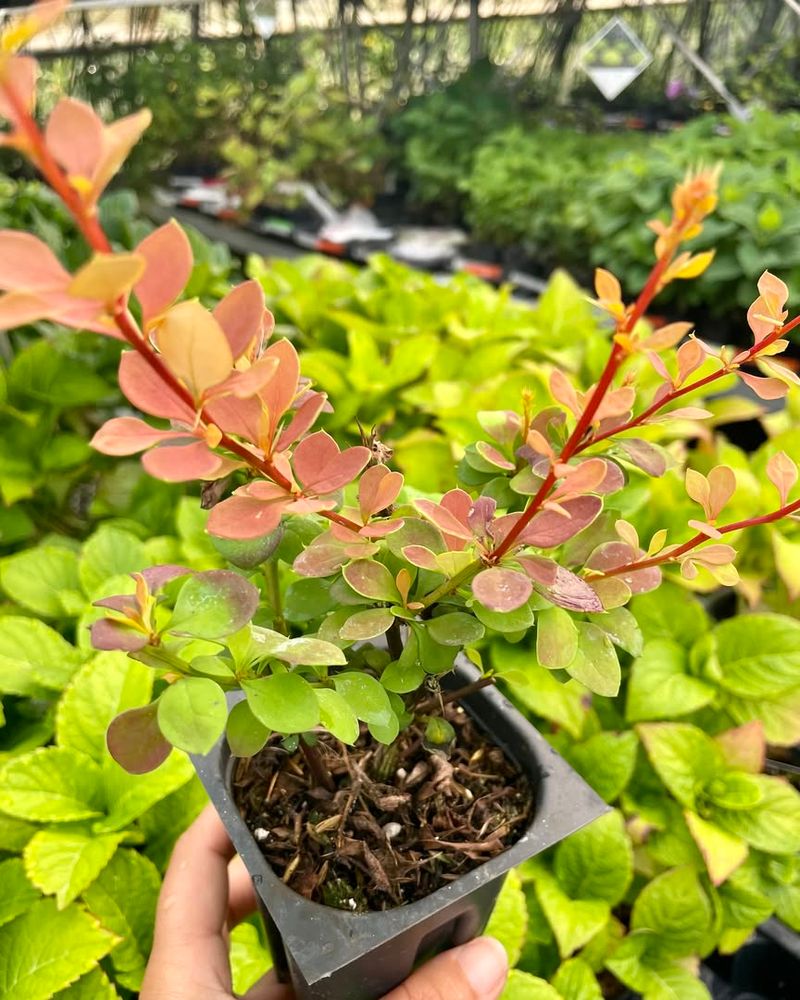
Barberry shrubs bring intense golden-yellow foliage that practically glows when sunlight hits the leaves.
This compact shrub works wonderfully as a low hedge or foundation plant around North Carolina homes.
The small, rounded leaves create a dense texture that provides privacy while adding brilliant color to your landscape.
Golden barberry thrives in full sun to partial shade, though the color intensity increases with more sunlight exposure.
These tough plants tolerate North Carolina’s summer heat remarkably well and require minimal watering once established.
They’re also resistant to most pests and diseases, making them low-maintenance choices for busy gardeners.
The plant typically reaches three to four feet in height and width, creating a manageable size for most garden spaces.
Pruning is straightforward and can be done in late winter to maintain shape and encourage bushier growth.
The thorny branches provide an added security benefit when planted beneath windows.
During fall, the golden leaves often develop orange and red tints before dropping, extending the seasonal interest.
Small yellow flowers appear in spring, followed by bright red berries that birds enjoy throughout winter.
This shrub adapts well to various soil types common in North Carolina, from clay to sandy loam, as long as drainage is adequate.
2. Sunshine Ligustrum

Ligustrum ‘Sunshine’ earned its name honestly with leaves that seem to radiate warmth and brightness year-round.
Unlike traditional green privets, this variety sports lime-gold foliage that stays colorful through all four seasons in North Carolina.
The evergreen nature means your garden never loses that golden pop, even during January’s coldest weeks.
This shrub grows quickly, reaching about six feet tall and wide at maturity, making it perfect for screening or creating garden rooms.
The dense branching habit fills in gaps rapidly, which North Carolina gardeners appreciate when establishing new landscapes.
You can easily shape it into formal hedges or let it grow naturally for a softer appearance.
Sunshine Ligustrum handles both full sun and partial shade conditions, though brighter light produces the most vivid golden color.
It tolerates the humidity and occasional drought conditions common across North Carolina’s Piedmont and Coastal regions.
The plant rarely suffers from serious pest problems and bounces back quickly from any environmental stress.
White flowers bloom in spring, attracting butterflies and beneficial insects to your garden.
The fragrant blossoms add another dimension beyond the visual appeal of the golden leaves.
This versatile shrub works equally well in contemporary and traditional landscape designs throughout the state.
3. Gold Mound Spirea

Few shrubs pack as much color punch as Gold Mound Spirea, which combines golden foliage with clusters of pink flowers.
The mounded growth habit creates perfect dome shapes that look great lining walkways or filling front yard beds in North Carolina neighborhoods.
Each leaf emerges bright gold in spring, maintaining its color through summer heat.
This deciduous shrub typically stays under three feet tall, making it ideal for smaller gardens or tight spaces where larger shrubs would overwhelm.
The compact size also means less pruning work for you, though light trimming after flowering keeps plants looking their best.
Gold Mound Spirea adapts to various North Carolina soil conditions and tolerates both clay and sandy soils.
Pink flower clusters appear in late spring and early summer, creating a stunning contrast against the golden leaves.
The blooms attract butterflies and bees, supporting pollinator populations in your neighborhood.
After flowering, you can deadhead spent blooms to encourage a second lighter flush of flowers.
The golden foliage often develops orange and copper tones in fall before leaves drop for winter.
This seasonal change adds another layer of interest to your landscape design.
Plant several together for maximum impact, or mix with purple-leaved plants for dramatic color combinations that showcase North Carolina’s gardening potential.
4. Golden Ninebark
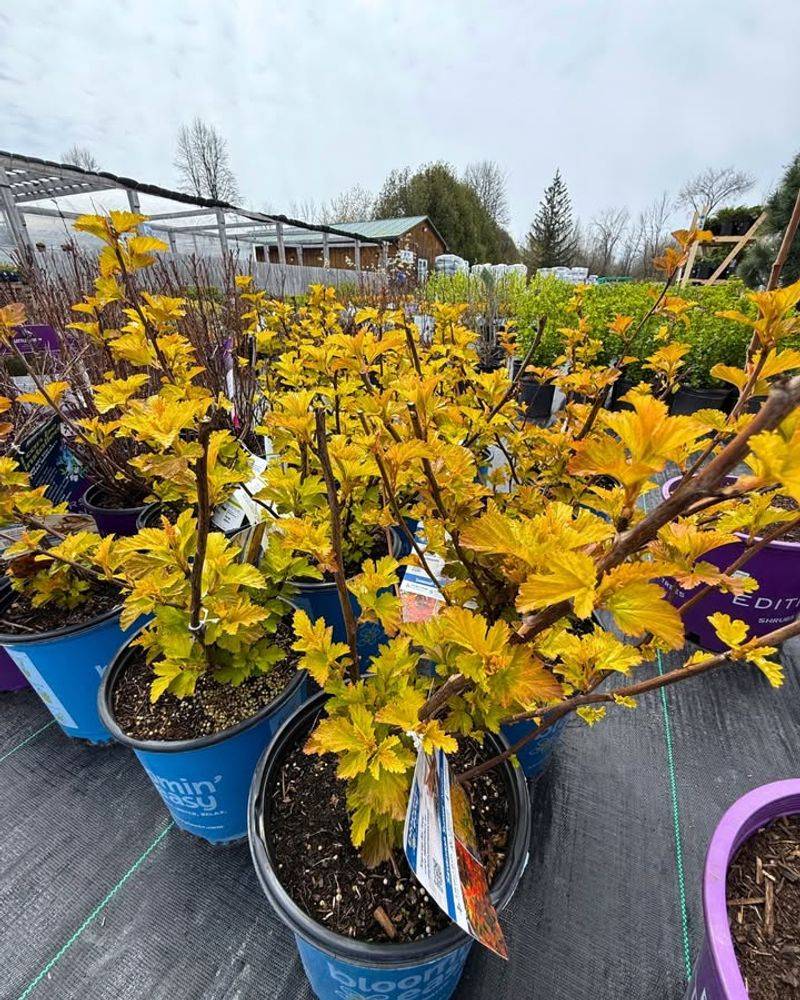
Ninebark varieties with golden foliage offer bold texture and color that commands attention in North Carolina landscapes.
The maple-like leaves create visual interest beyond simple color, with their lobed shape adding architectural quality to plantings.
These native North American shrubs feel right at home in gardens throughout the state, from mountain elevations to coastal areas.
Golden ninebark grows vigorously, reaching six to eight feet tall and wide, making it suitable for larger properties or as specimen plants.
The exfoliating bark adds winter interest after leaves drop, revealing layers of brown and tan that peel away in strips.
White or pink flower clusters bloom in late spring, covering branches with frothy displays that pollinators adore.
This shrub handles North Carolina’s variable weather patterns with ease, tolerating both wet and dry periods once established.
It prefers full sun for the best golden color but accepts partial shade, though leaves may appear more chartreuse in lower light.
The plant grows quickly, filling in spaces within a couple of growing seasons.
Fall brings a color shift as golden leaves develop bronze and copper tones before dropping.
The plant requires minimal maintenance beyond occasional pruning to control size or remove old stems.
Golden ninebark pairs beautifully with dark-leaved plants and works well in naturalistic garden styles popular throughout North Carolina.
5. Golden Privet

Golden privet stands out with leaves that feature bright yellow margins surrounding green centers, creating a two-toned effect that catches eyes from across the yard.
This classic hedge plant has been lighting up North Carolina gardens for generations, proving its reliability through decades of changing weather patterns.
The variegated foliage provides color without the solid intensity of pure golden varieties.
Reaching ten to fifteen feet if left unpruned, golden privet works beautifully as a tall hedge or privacy screen in North Carolina properties.
Most gardeners keep it trimmed to six or eight feet for easier maintenance and a more formal appearance.
The plant responds well to shearing and can be shaped into precise geometric forms or left slightly informal.
Full sun produces the brightest yellow coloration, though the shrub tolerates partial shade reasonably well.
It grows in almost any soil type found across North Carolina, from heavy clay in the Piedmont to sandy coastal soils.
The plant establishes quickly and requires moderate watering during its first season.
White flowers appear in early summer, though many gardeners trim them off during regular hedge maintenance.
The blooms have a distinctive fragrance that some people enjoy while others find too strong.
Golden privet remains semi-evergreen in milder North Carolina winters, keeping much of its foliage when temperatures stay moderate.
6. Gold Dust Aucuba
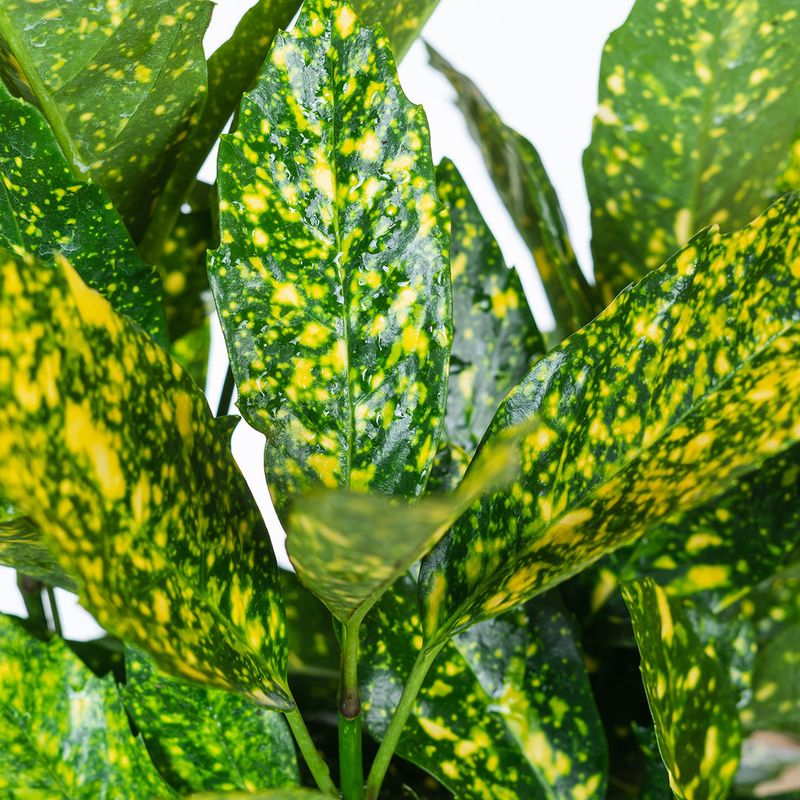
Aucuba brings something completely different to the golden shrub category with leaves that look like they’ve been splattered with gold paint.
The glossy, dark green foliage speckled with yellow spots creates a spotted pattern that adds playfulness to shaded North Carolina gardens.
This evergreen shrub thrives where many golden plants struggle, making it perfect for those difficult shady spots.
Growing four to six feet tall and wide, Gold Dust Aucuba fills space reliably without requiring constant attention.
The thick, leathery leaves withstand North Carolina’s occasional winter freezes better than many broadleaf evergreens.
It grows slowly compared to other shrubs, which means less frequent pruning but also more patience during establishment.
Shade is actually this plant’s preference, making it ideal for planting under trees or on the north side of buildings throughout North Carolina.
Too much direct sun can bleach the golden variegation and stress the plant.
The shrub tolerates dry shade once established, solving one of gardening’s most challenging conditions.
Female plants produce bright red berries in fall if a male plant grows nearby for pollination.
The berries add winter color and attract birds to your garden.
Gold Dust Aucuba rarely suffers from pest problems and maintains its appearance year-round with minimal care, making it a favorite among North Carolina gardeners seeking reliable color in shaded areas.
7. Golden Japanese Euonymus
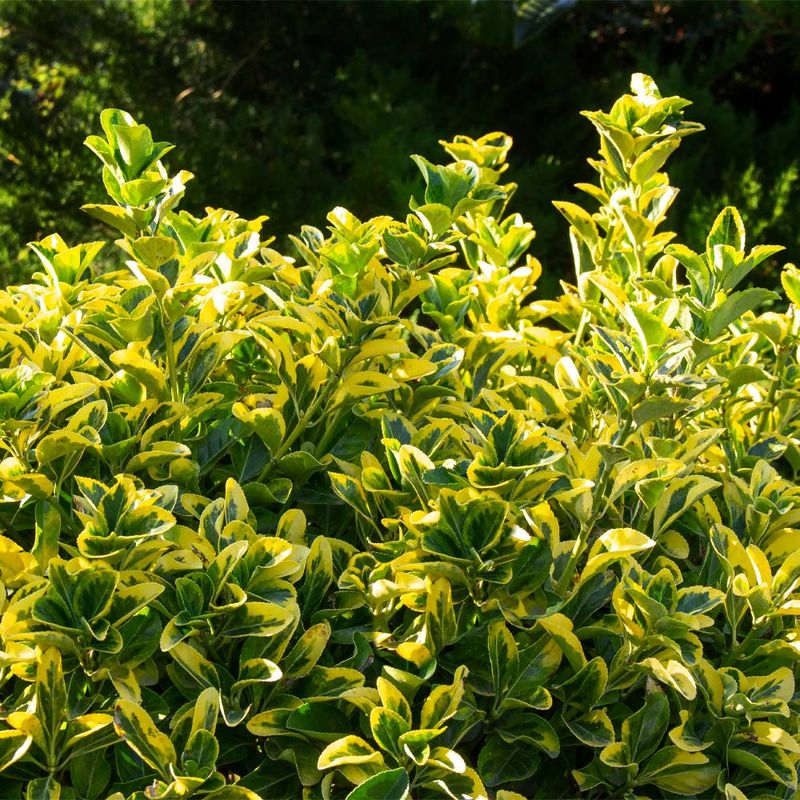
Japanese euonymus varieties with golden variegation bring formal elegance to North Carolina landscapes with their glossy, perfectly shaped leaves.
The bright yellow margins frame each green leaf center, creating a refined appearance that works in both traditional and contemporary garden designs.
This evergreen shrub maintains its color and foliage throughout the year, providing consistent visual interest.
Typically growing four to six feet tall, golden euonymus responds exceptionally well to pruning and shaping.
North Carolina gardeners often use it for low hedges, foundation plantings, or even container specimens on patios.
The dense branching creates full coverage that hides bare stems and provides good screening.
This shrub handles full sun to partial shade across North Carolina’s various regions, though some afternoon shade helps in the hottest areas.
It tolerates urban conditions well, including air pollution and reflected heat from pavement.
The plant adapts to different soil types but performs best with regular moisture during establishment.
Golden euonymus requires minimal maintenance beyond occasional pruning to maintain shape and remove any all-green branches that sometimes appear.
These solid green shoots should be cut out promptly to prevent them from overtaking the variegated growth.
The plant resists most pests and diseases, though scale insects can occasionally become problematic.
Regular monitoring and quick treatment keep plants healthy and vibrant throughout North Carolina’s growing season.
8. Golden Elderberry
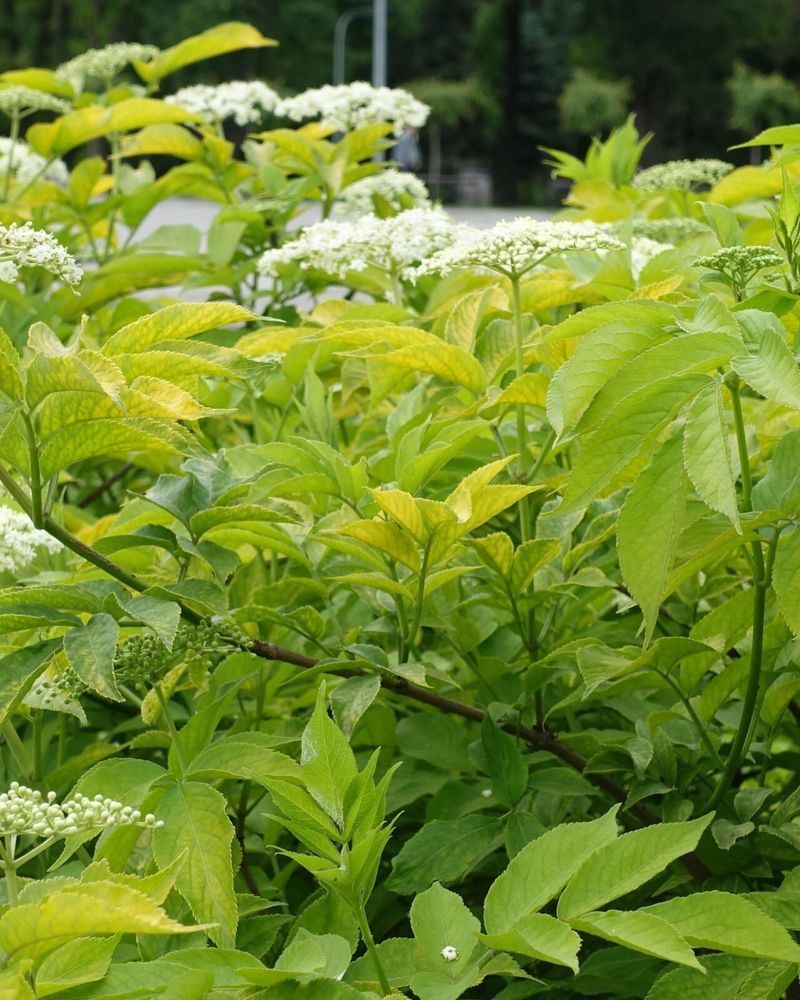
Elderberry takes on a magical quality when grown in its golden-leaved form, with chartreuse foliage that seems to illuminate shaded areas.
The compound leaves create a feathery texture quite different from other golden shrubs, adding variety to North Carolina plantings.
This deciduous shrub brings cottage garden charm while providing edible berries that you can harvest for jams and syrups.
Golden elderberry grows vigorously, often reaching eight to ten feet tall in North Carolina’s fertile soils.
The fast growth rate means you’ll see results quickly, but also requires more frequent pruning to keep size manageable.
The plant suckers from the base, creating a multi-stemmed form that fills space naturally.
Creamy white flower clusters appear in late spring, standing out dramatically against the golden foliage.
The flowers attract numerous pollinators and beneficial insects to your North Carolina garden.
After flowering, dark purple berries develop that birds enjoy, though you can harvest them first for culinary use.
This shrub prefers consistent moisture and performs best with some afternoon shade in North Carolina’s hotter regions.
The golden color actually intensifies with partial shade, unlike many golden plants that need full sun.
Golden elderberry works beautifully in naturalistic gardens, rain gardens, or mixed borders where its informal habit fits the relaxed style.
The plant tolerates wet soil better than most golden shrubs, solving drainage challenges in some North Carolina properties.
9. Golden Arborvitae
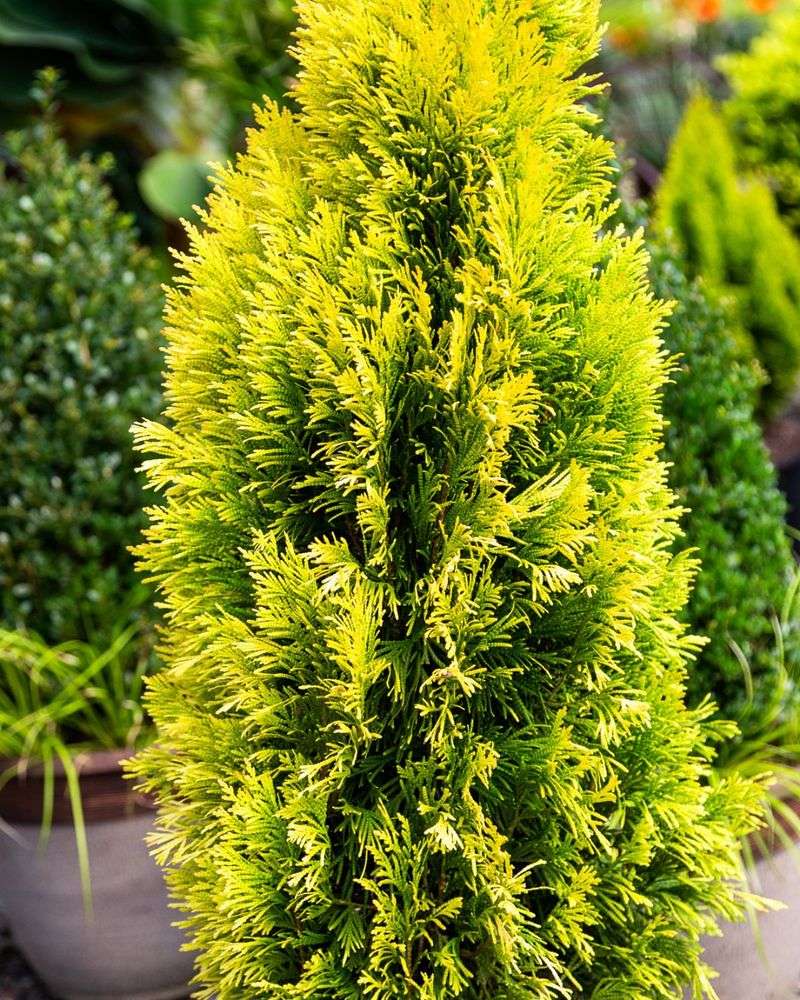
Arborvitae offers a completely different texture in the golden shrub category with its soft, scale-like foliage arranged in flat sprays.
Golden varieties maintain their sunny color year-round, providing reliable brightness even during North Carolina’s winter months.
The evergreen nature means your landscape never loses that golden accent, making these plants valuable for four-season interest.
Depending on the specific variety, golden arborvitae can range from compact three-foot shrubs to tall specimens reaching twelve feet or more.
North Carolina gardeners can choose sizes appropriate for their specific needs, from foundation plantings to privacy screens.
The naturally pyramidal or columnar shape requires little pruning to maintain attractive form.
These shrubs prefer full sun to bring out the best golden color, though they tolerate light shade reasonably well.
They grow best in North Carolina’s mountain and Piedmont regions where cooler temperatures suit their preferences.
Adequate moisture during establishment helps plants develop strong root systems.
Golden arborvitae works particularly well in formal garden designs where their geometric shapes complement architectural elements.
They also provide excellent winter interest when many other plants have lost their leaves.
The dense foliage offers good screening and windbreak qualities.
While generally pest-resistant, occasional issues with bagworms or spider mites may require attention.
Regular inspection and proper watering keep plants healthy and vibrant throughout North Carolina’s changing seasons, ensuring your golden investment pays off year after year.