10 Shrubs With Golden Leaves That Stand Out In Your Georgia Garden
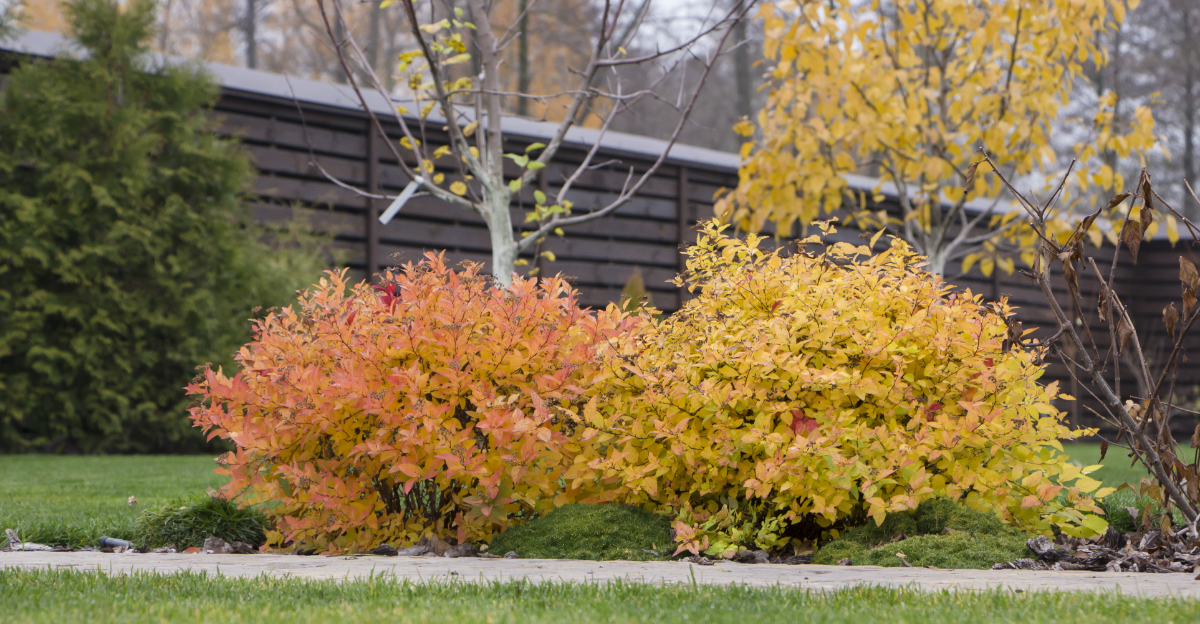
Golden foliage has a way of catching your eye even on the most ordinary day in a Georgia garden, especially when summer heat deepens every shade of green around it.
You might be looking at your yard and feeling like something is missing, even though everything is technically healthy and growing.
Sometimes what changes the entire look is not more flowers, but shrubs with bright, golden leaves that hold their color through humidity, heat, and long growing seasons. In Georgia’s climate, the right golden shrub does more than stand out, it stays strong.
Golden leaves create contrast that instantly lifts the entire landscape. In a sea of green, that warm glow becomes the detail everyone notices first.
When chosen carefully, these shrubs handle Georgia heat and still keep their color steady without fading or burning out.
1. Sunshine Ligustrum Stays Bright In Georgia Heat
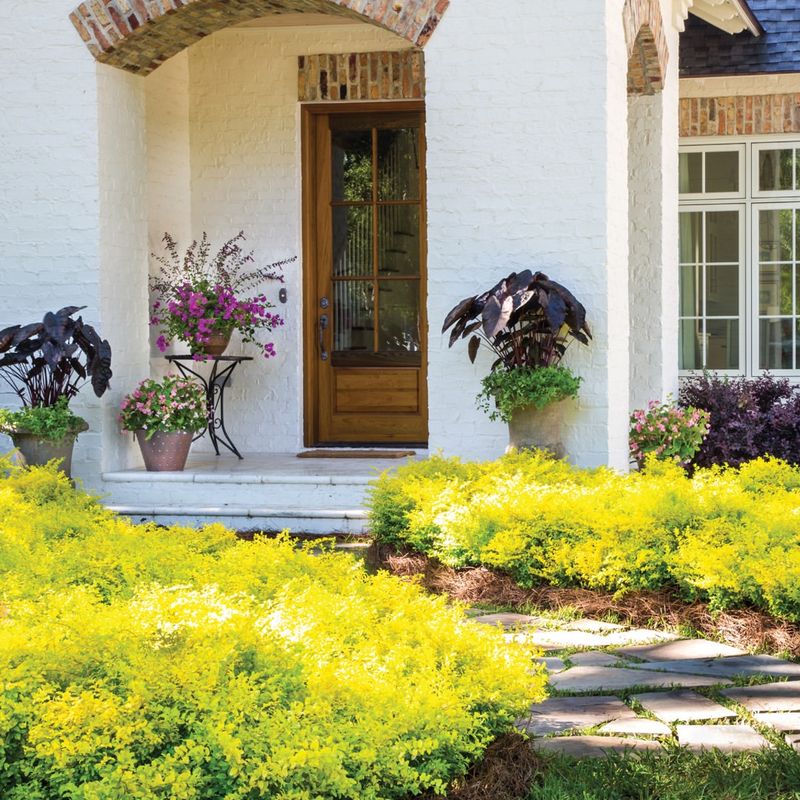
Sunshine Ligustrum earns its name by holding onto brilliant golden-yellow foliage even when Georgia temperatures soar into the nineties. This tough evergreen shrub laughs at humidity and keeps glowing through conditions that fade lesser plants.
Gardeners across Atlanta and Savannah rely on it for year-round color that never disappoints.
The compact growth habit makes it perfect for foundation plantings or low hedges that need minimal trimming. You can expect it to reach about four feet tall and wide, creating a neat mound that requires little shaping.
New growth emerges in chartreuse shades that deepen to rich gold as leaves mature.
Plant it in full sun to partial shade, though the brightest color develops with at least six hours of direct sunlight daily. Georgia’s clay soil poses no problem as long as drainage stays reasonable.
Water regularly during the first growing season to establish strong roots.
2. Lemon Lime Nandina Glows Through Humid Summers
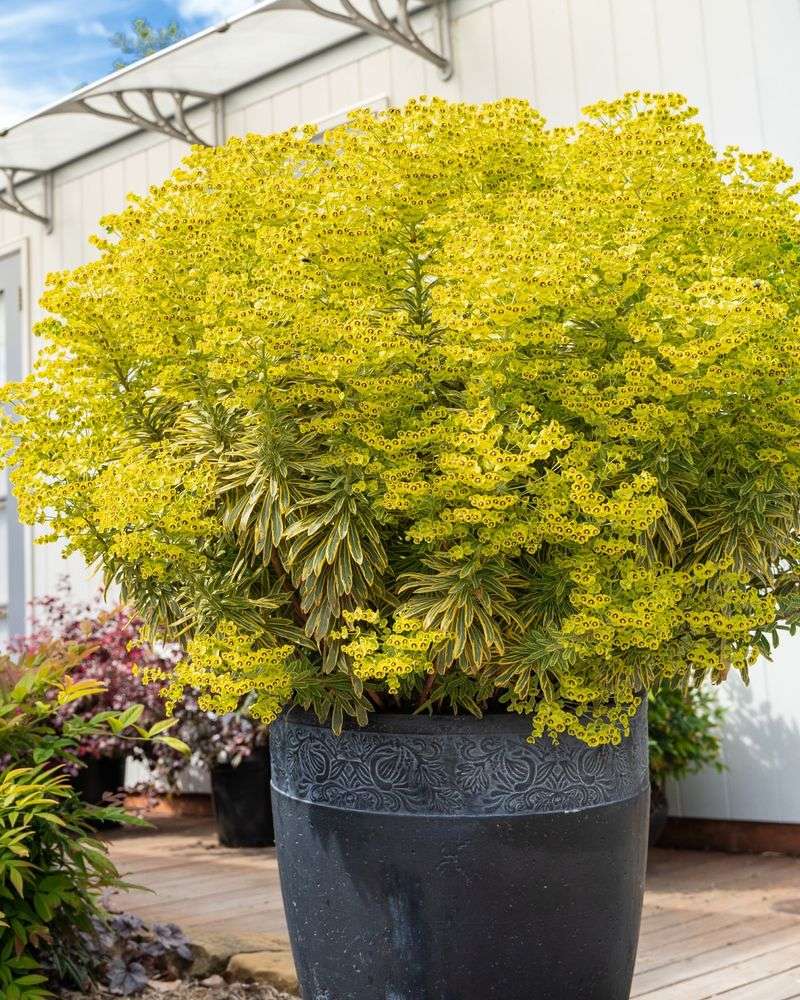
Bamboo-like foliage in electric shades of chartreuse and gold makes Lemon Lime Nandina a showstopper that handles Georgia’s sticky summers better than most golden shrubs.
Unlike traditional red-berried nandinas, this variety focuses all its energy on producing spectacular foliage that shifts through multiple shades as seasons change.
The airy, delicate leaves create a tropical feeling that works beautifully in contemporary Georgia landscapes.
Expect a mature height of about five feet with a slightly narrower spread, making it ideal for tight spaces between homes or along walkways. The upright growth habit means you won’t need constant pruning to keep paths clear.
It tolerates both sun and shade, though partial shade in Georgia often produces the most vibrant color.
Southern gardeners appreciate how this nandina resists the leaf spot issues that plague some varieties in humid climates. Water needs stay moderate once established, and it bounces back quickly from occasional drought stress.
The fine-textured foliage provides perfect contrast against broad-leaved plants like hostas or hydrangeas.
Container growing works exceptionally well with this variety, letting you add golden accents to patios and entryways throughout Georgia. Winter brings hints of orange and coral to the foliage without losing that signature golden glow completely.
3. Gold Mop Cypress Adds Year Round Golden Texture
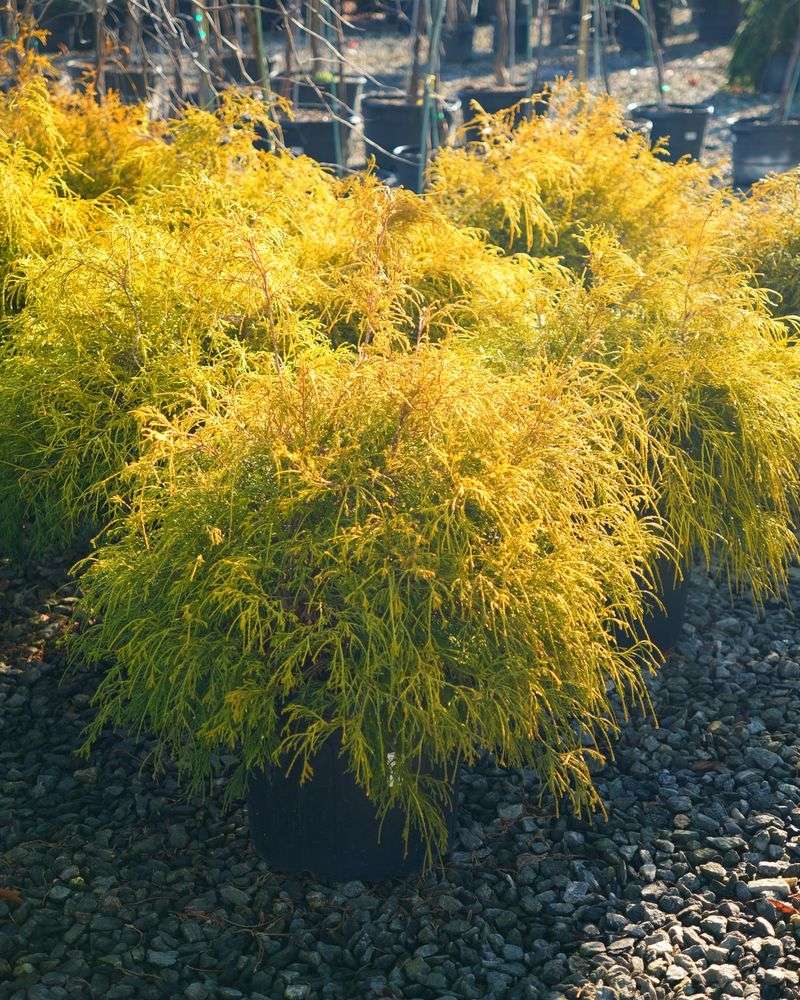
Thread-like golden foliage cascades in soft mounds that look like sunshine puddled on the ground when you plant Gold Mop Cypress in your Georgia yard. The weeping, stringy texture sets it apart from every other golden shrub on this list.
Each branch drapes gracefully, creating movement and interest even on still days.
This slow-growing cypress typically reaches three feet tall and slightly wider after several years, making it perfect for rock gardens or the front of perennial borders. The compact size means it won’t outgrow its space or require aggressive pruning.
Full sun brings out the richest gold tones, though it tolerates light afternoon shade in southern Georgia where summer sun can be intense. Well-drained soil is essential because this cypress won’t forgive soggy roots during our rainy springs.
Mulch around the base to keep roots cool and moisture consistent.
The fine texture makes it an excellent companion for boulders, ornamental grasses, or bold-leaved perennials that need a soft contrast. Deer avoid it completely, and insect problems rarely appear.
Use it as a specimen plant in containers or group several together for a golden carpet effect that transforms ordinary beds into something special.
4. Gold Dust Aucuba Thrives In Georgia Shade
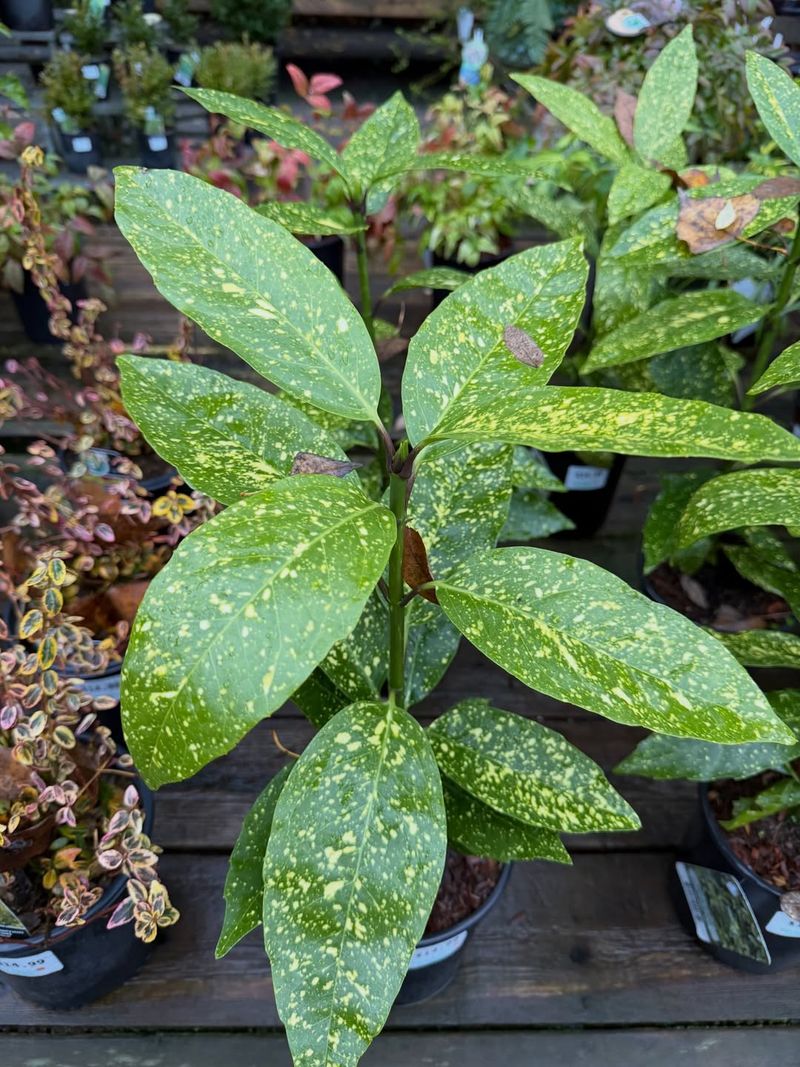
Glossy leaves splattered with golden-yellow spots make Gold Dust Aucuba look hand-painted by an artist with a flair for drama. This shade-loving shrub solves the problem of bringing bright color to those dark corners under Georgia’s towering oaks and pines.
The speckled pattern catches whatever light filters through, creating sparkle where most plants would just sulk.
Growing six to ten feet tall in ideal conditions, it maintains a rounded shape that fills space without looking overgrown or messy. Prune it hard if needed because aucuba responds well to aggressive cutting and bounces back quickly.
The thick, leathery leaves shrug off deer browsing and stay attractive through Georgia winters.
Deep shade to partial shade suits it best, making it invaluable for north-facing foundations or beneath shade trees where little else thrives. Rich, moist soil produces the healthiest plants, though established specimens tolerate brief dry spells.
Add organic matter to Georgia clay before planting to improve drainage and root development.
Female plants produce bright red berries in fall if a male pollinator grows nearby, adding another layer of interest beyond the golden foliage. The bold leaf pattern pairs beautifully with solid green ferns and hostas.
Use it to brighten entryways or create privacy screens in shaded areas where golden color seems impossible to achieve.
5. Golden Spirea Brings Fresh Spring Color
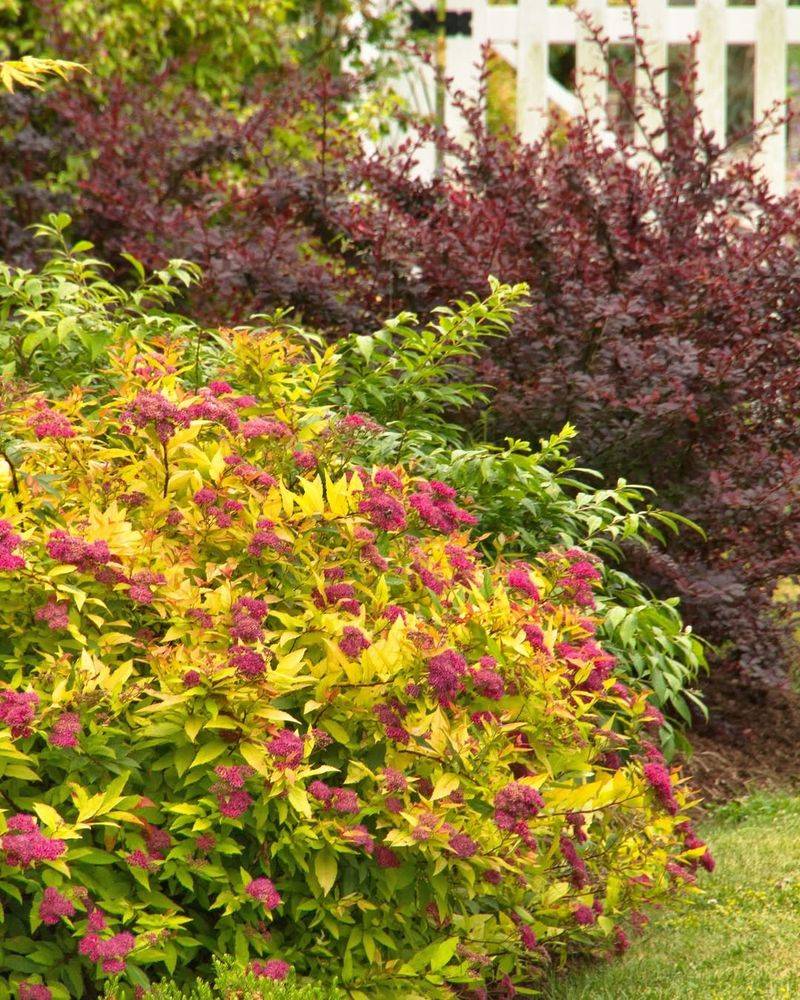
Spring arrives with an explosion of golden-lime foliage on Golden Spirea that practically glows against Georgia’s blue skies. The cheerful color emerges just as daffodils finish blooming, extending your garden’s bright season by several weeks.
Small white flowers appear in late spring, creating a stunning contrast against those golden leaves.
Compact varieties stay under four feet tall, making them perfect for edging walkways or planting in front of taller shrubs throughout Georgia landscapes. The mounding growth habit requires minimal pruning to maintain an attractive shape.
Foliage transitions to golden-green in summer, then picks up orange and red tones before leaves drop in fall.
Full sun to light shade works well, though the brightest gold develops with plenty of direct sunlight during Georgia’s growing season. Average soil and moderate water keep it happy without special amendments or fussy care routines.
It establishes quickly and starts putting on a show the first spring after planting.
Gardeners in Athens and Columbus appreciate how Golden Spirea tolerates both heat and occasional drought once roots settle in. The fine-textured foliage creates soft contrast when planted near bolder shrubs like boxwoods or hollies.
Prune right after flowering if you want to control size, because buds for next year’s blooms form on current season’s growth.
6. Sunshine Forsythia Shines Beyond Bloom Season
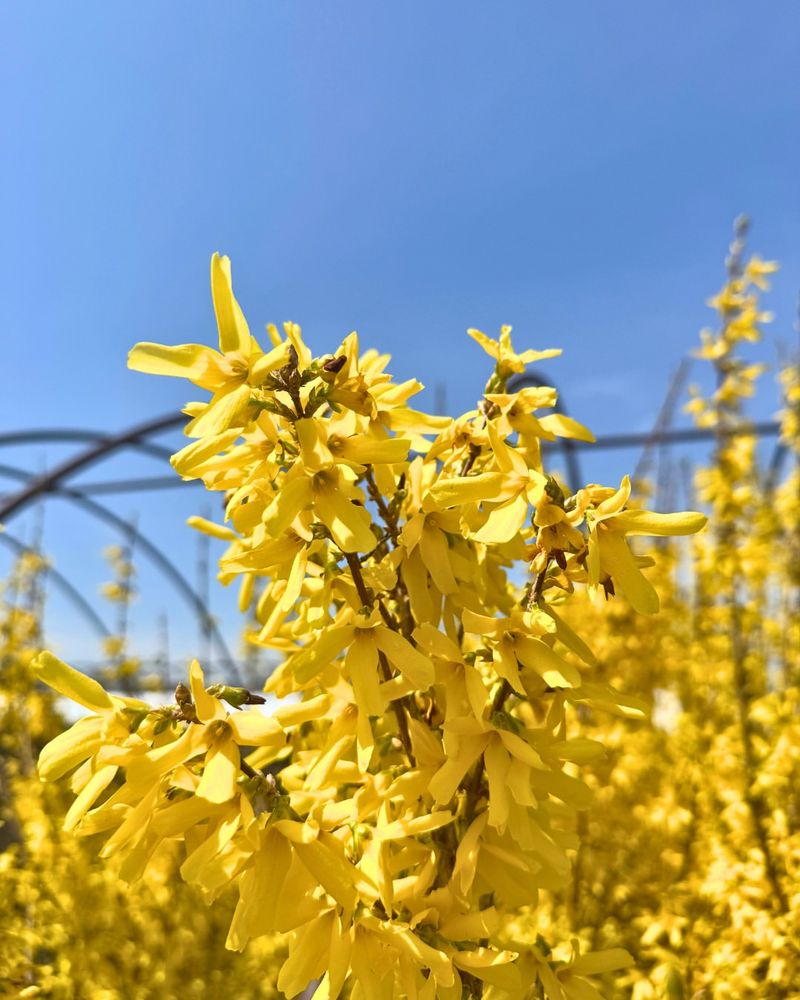
Most forsythias offer two weeks of yellow flowers then fade into boring green, but Sunshine Forsythia keeps delivering golden foliage from spring through fall across Georgia gardens.
The bright yellow-gold leaves emerge after the flower show ends, maintaining color intensity that traditional varieties can’t match.
You get months of brilliance instead of a brief floral cameo.
This compact selection grows about five feet tall and equally wide, fitting easily into mixed borders or foundation beds throughout Georgia. The arching branches create a graceful fountain shape that softens hard landscape edges.
Prune immediately after flowering if you want to shape it, though the natural form looks attractive without intervention.
Plant it in full sun for the most vibrant foliage color, though it tolerates partial shade better than most golden-leaved shrubs. Georgia’s clay soil and summer heat don’t faze it one bit.
Water regularly during establishment, then step back and let it thrive on rainfall alone.
The golden foliage provides excellent backdrop color for purple coneflowers, black-eyed Susans, and other summer perennials popular in Georgia gardens. Deer occasionally browse new growth but rarely cause serious damage.
7. Kaleidoscope Abelia Handles Heat With Style
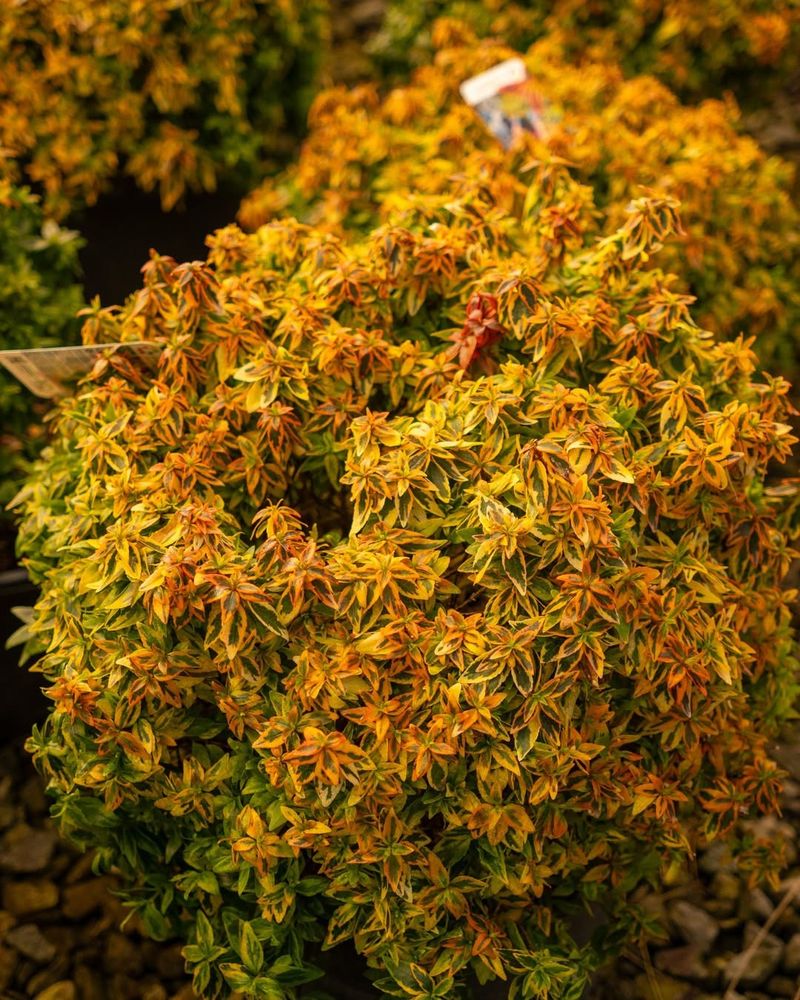
Color-changing foliage that shifts from gold to orange to red as temperatures fluctuate makes Kaleidoscope Abelia a dynamic choice for Georgia gardens that never look static or boring. Spring growth emerges in brilliant yellow-gold that catches every ray of sunshine.
Summer heat adds coral and orange tones to the mix, while fall brings deeper burgundy shades into the kaleidoscope.
Expect a rounded shape about three feet tall and wide, perfect for low hedges or mass plantings in Georgia landscapes where space is limited. The compact size eliminates the need for constant shearing to keep it tidy.
Small white flowers appear throughout summer, attracting butterflies and adding sweet fragrance to the color show.
Full sun to partial shade both work well, though sun exposure affects the intensity and variety of foliage colors you’ll see. Well-drained soil is important, but once established it handles Georgia’s summer heat and humidity without wilting or scorching.
Drought tolerance improves each year as roots spread and deepen.
Gardeners in Macon and Augusta use it to create low borders that frame beds or line driveways with ever-changing color. The semi-evergreen nature means it holds most leaves through mild Georgia winters.
8. Golden Arborvitae Adds Bold Evergreen Structure
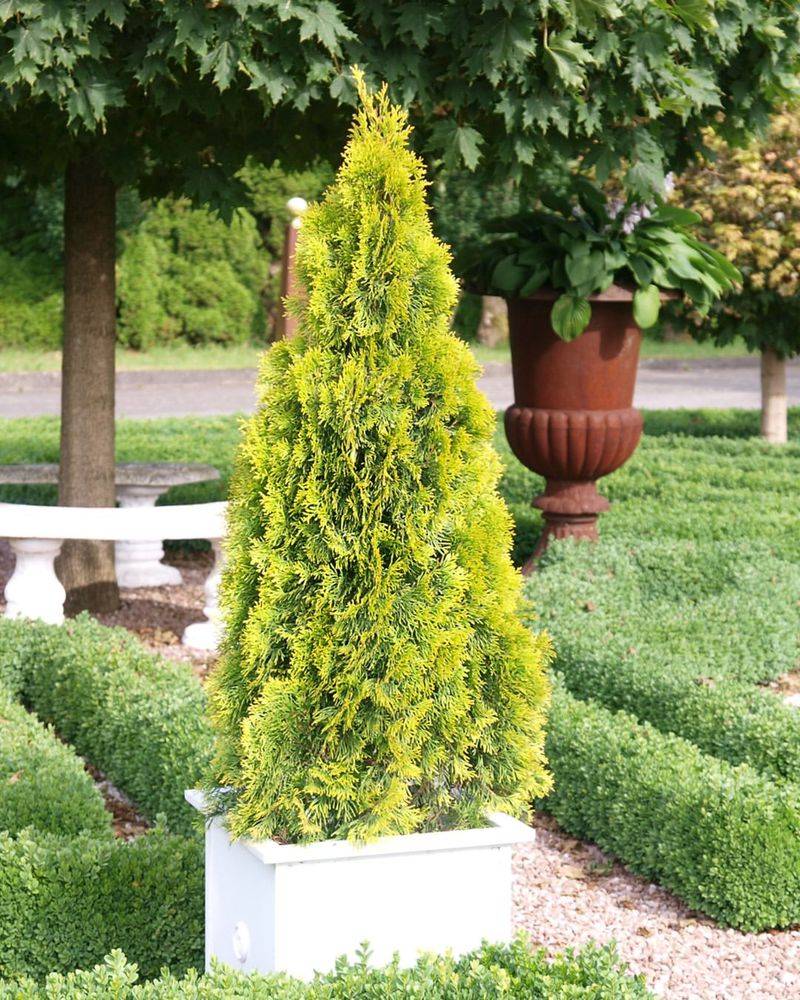
Vertical golden columns that hold their color through every Georgia season make Golden Arborvitae varieties like ‘Yellow Ribbon’ or ‘Forever Goldie’ invaluable for year-round structure.
The scale-like evergreen foliage stays bright even during winter months when most golden shrubs fade or drop leaves entirely. Use them as living sculptures that anchor garden beds with reliable color.
Heights vary by cultivar from four to fifteen feet, giving you options for everything from low hedges to privacy screens throughout Georgia properties.
The narrow, upright growth habit means they fit into tight spaces between homes or along property lines without spreading into walkways.
Prune lightly to maintain shape, though most varieties naturally grow in attractive columnar forms.
Plant in full sun for the richest gold color, though they tolerate light shade better than many evergreens. Georgia’s occasional ice storms rarely damage the flexible branches.
The formal appearance works beautifully in traditional Georgia landscapes or contemporary designs that need strong vertical elements.
9. Golden Deutzia Brightens Compact Spaces
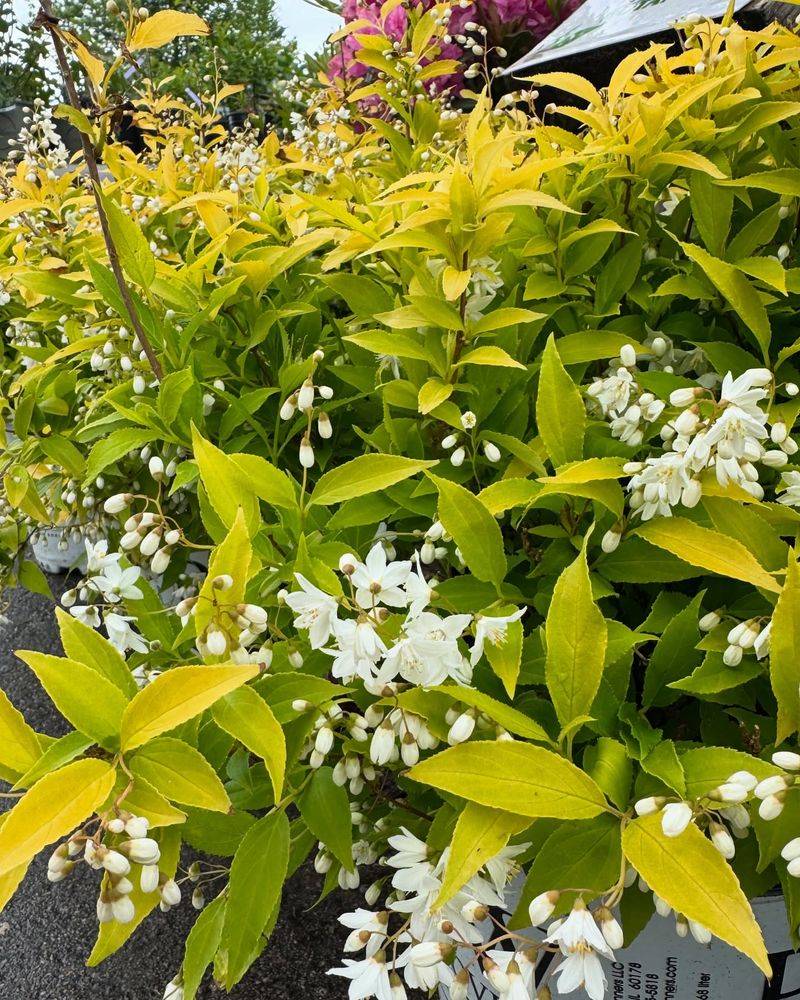
Petite size combined with brilliant golden foliage makes Golden Deutzia perfect for Georgia gardeners working with limited space who still want maximum color impact.
This little powerhouse stays under three feet tall and wide, tucking neatly into corners, containers, or the front of perennial borders.
The fine-textured leaves create a soft, billowy appearance that contrasts beautifully with bolder plants.
White flowers appear in late spring, covering the golden foliage in a frothy display that attracts pollinators to Georgia gardens. The blooms last several weeks before giving way to the foliage show that continues through summer.
Fall brings subtle color changes before leaves drop for winter dormancy.
Full sun to partial shade both produce good results, though the brightest gold develops with at least six hours of direct sunlight in Georgia. Average garden soil and moderate water meet its needs without amendments or special attention.
It establishes quickly and starts filling its space the first growing season.
10. Variegated Privet Makes Borders Pop
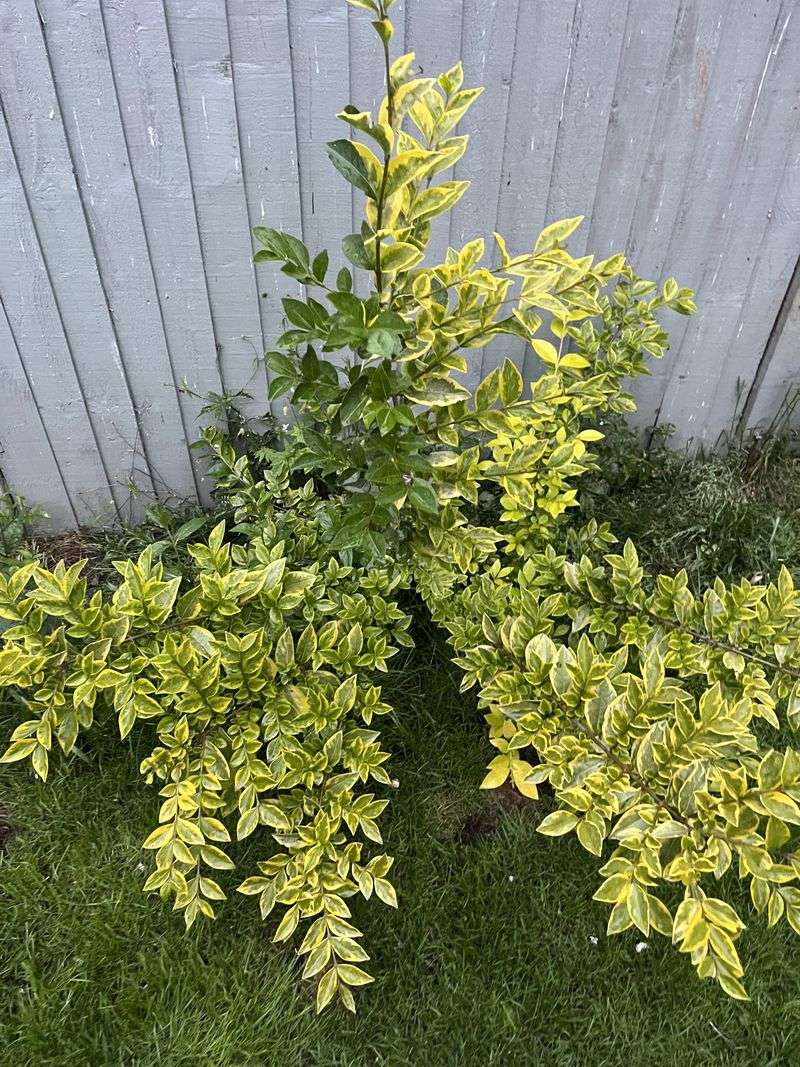
Green leaves boldly edged in golden-yellow create the crisp, clean look that makes Variegated Privet a favorite for formal hedges and borders throughout Georgia.
The two-tone foliage pattern provides more visual interest than solid-colored shrubs while maintaining the classic, tidy appearance that traditional landscapes demand.
Each leaf catches light differently, creating sparkle and movement that solid green hedges lack.
Expect vigorous growth that can reach six to twelve feet tall depending on variety and pruning habits in Georgia gardens. The fast growth rate means you’ll achieve privacy screening or hedge height quickly.
Prune as often as needed to maintain desired size and shape, because privet responds beautifully to shearing.
Full sun to partial shade both work well, with shadier spots producing slightly less intense variegation but still attractive foliage. Georgia’s clay soil and summer heat don’t slow it down one bit.
Water regularly during the first season, then rely mostly on rainfall for established plants.
Gardeners across Georgia use it to create formal hedges, frame driveways, or add structure to mixed borders that need reliable backbone plants. The golden edges brighten shaded areas more effectively than solid green varieties.
Small white flowers appear in spring, followed by black berries that birds enjoy.