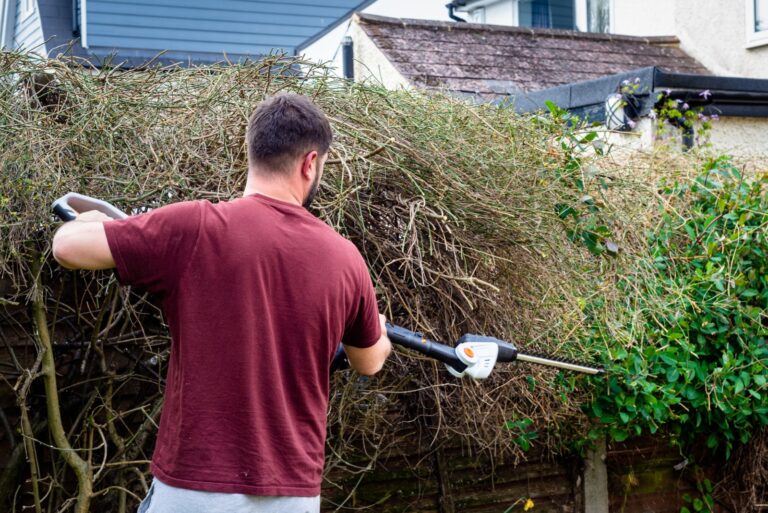
6 Shrubs You Can Safely Prune In March In Ohio (And 4 You Shouldn’t Touch)
Ohio’s late-winter thaw tricks every gardener into reaching for the shears too early. One misplaced snip today destroys a season of blooms tomorrow.
The freezing nights still looming across the Buckeye State demand a strategic approach to your landscape. You must distinguish between the wood that thrives on a hard cut and the fragile buds currently dormant in the frost.
While the urge to tidy up the yard is overwhelming, indiscriminate pruning ruins the structural integrity of your favorite ornamentals. This specific window in March offers a narrow opportunity to rejuvenate certain species before the sap flows.
Mastering this timing ensures massive floral displays and vigorous growth. Follow these strict regional guidelines to protect your investment and avoid the common mistakes that leave local gardens barren.
1. Boost Spring Growth With Early Hydrangea Cuts
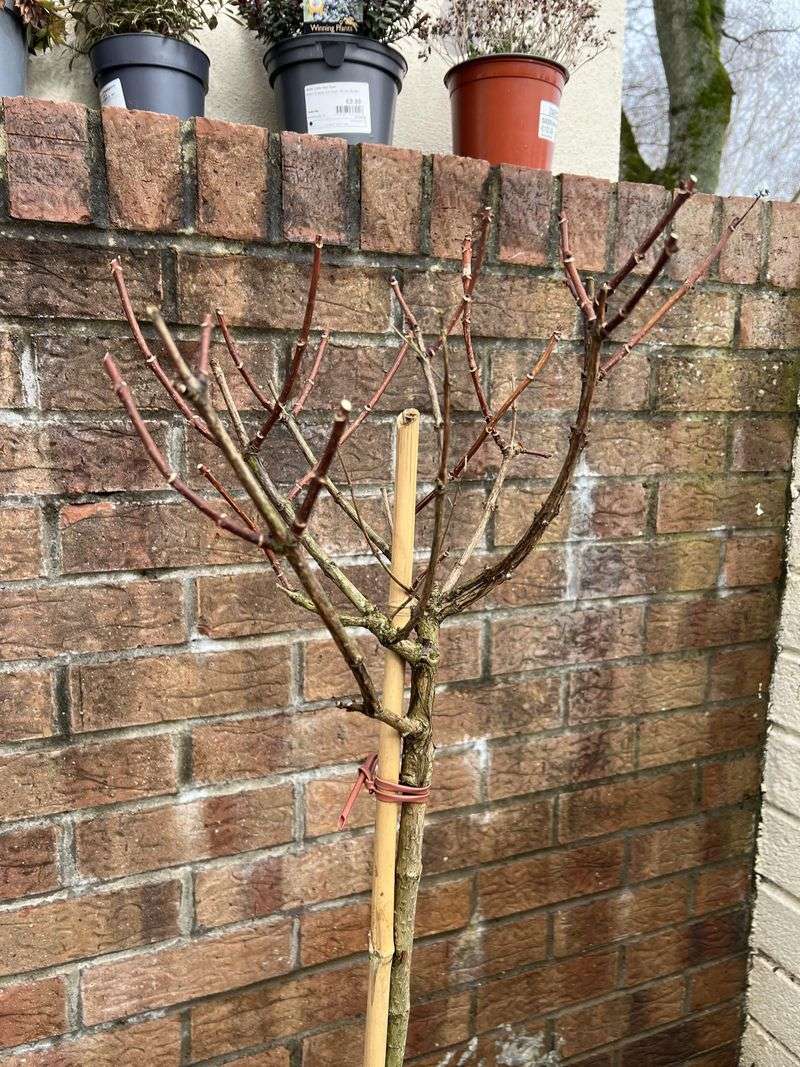
Panicle hydrangeas, including popular Ohio favorites like ‘Limelight’ and ‘Bobo,’ are some of the most forgiving shrubs you can grow. They bloom on new wood, which means the flower buds haven’t formed yet in March, so pruning now won’t cost you a single bloom.
That’s great news for anyone itching to get outside during the first warm days of an Ohio late winter.
When you prune panicle hydrangeas in March, you’re essentially telling the plant to push out strong, fresh stems that will carry those big cone-shaped flower clusters by midsummer. A good approach is to cut the plant back by about one-third to one-half of its total height.
This keeps the shrub from getting too leggy while encouraging a sturdy, well-shaped structure.
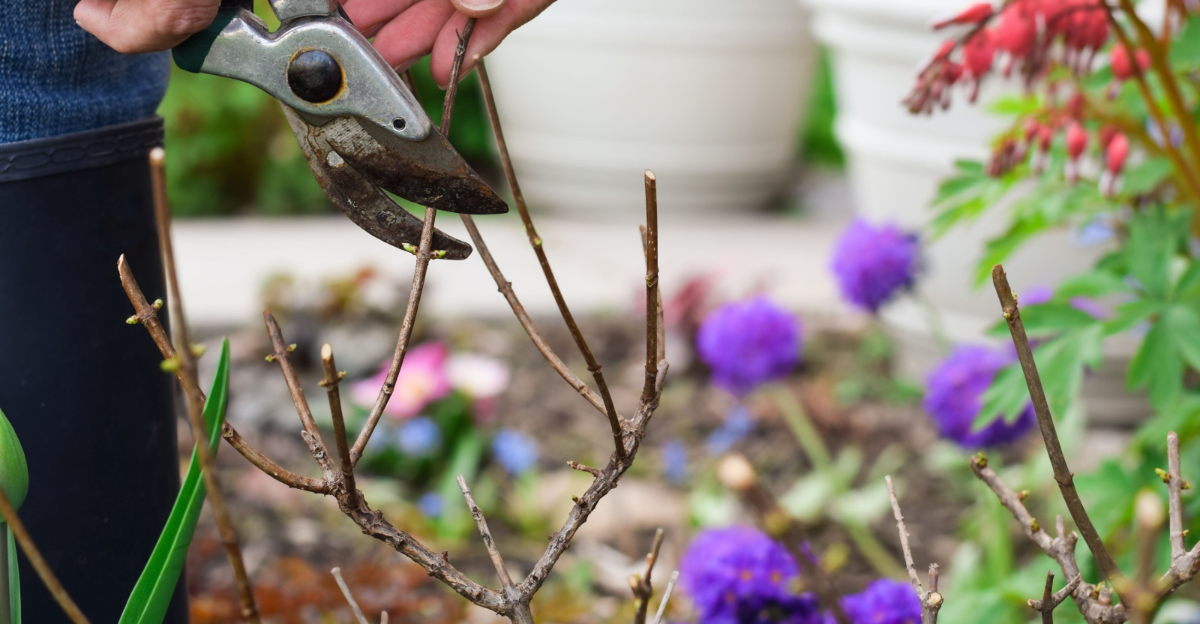
Ohio State University Extension recommends using clean, sharp bypass pruners to avoid tearing the bark. Make your cuts just above a healthy bud or node, angling slightly so water runs off.
In Ohio’s variable March weather, try to prune on a mild day when no hard frost is expected within the next 24 hours. A little planning goes a long way toward a spectacular summer display.
2. Shape Smooth Hydrangeas Before New Stems Appear
Few shrubs are as reliably cheerful as the smooth hydrangea, especially the beloved ‘Annabelle’ variety that pops up in yards all across Ohio. Known for its enormous white globe-shaped blooms, this plant flowers entirely on new wood grown each season.
That makes March the sweet spot for a confident, clean cutback before any new stems have pushed out.
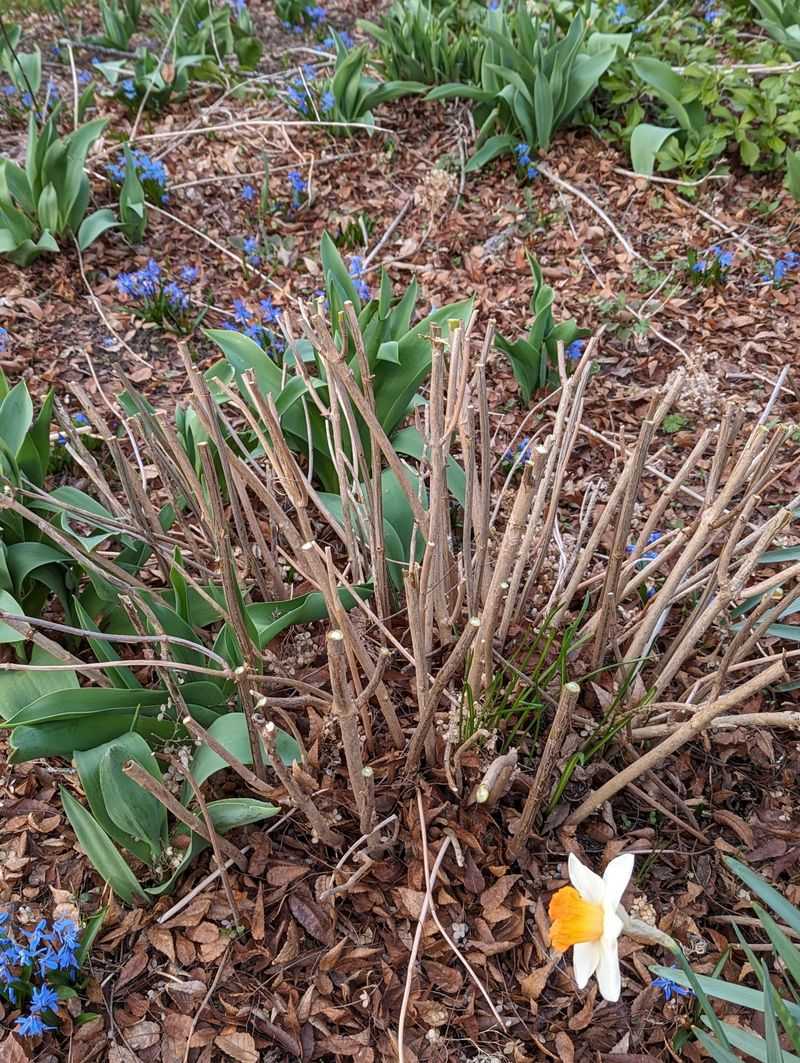
Most Ohio gardeners and horticulturists recommend cutting smooth hydrangeas down to roughly 12 to 18 inches above the ground. Some bold gardeners cut them all the way back to just a few inches, and the plants bounce back beautifully.
The key is not to be timid. A harder cut usually produces thicker stems that can hold up those massive flower heads without flopping over by August.
One practical tip: if your ‘Annabelle’ has been getting floppy in past summers, try leaving slightly more stem height this year, around 18 inches. Taller stubs tend to produce sturdier canes.
Always remove any withered or crossing branches first before shaping. In Ohio’s Zone 5 and 6 regions, late February through mid-March is the ideal window, right before soil temperatures begin climbing and new buds swell noticeably.
Many Ohio nurseries now recommend the ‘Incrediball’ variety as a modern alternative to ‘Annabelle,’ as it was specifically bred with the beefier stems needed to withstand a heavy Cincinnati or Cleveland thunderstorm without drooping to the mud.
3. Give Rose Of Sharon A Fresh Start This Month
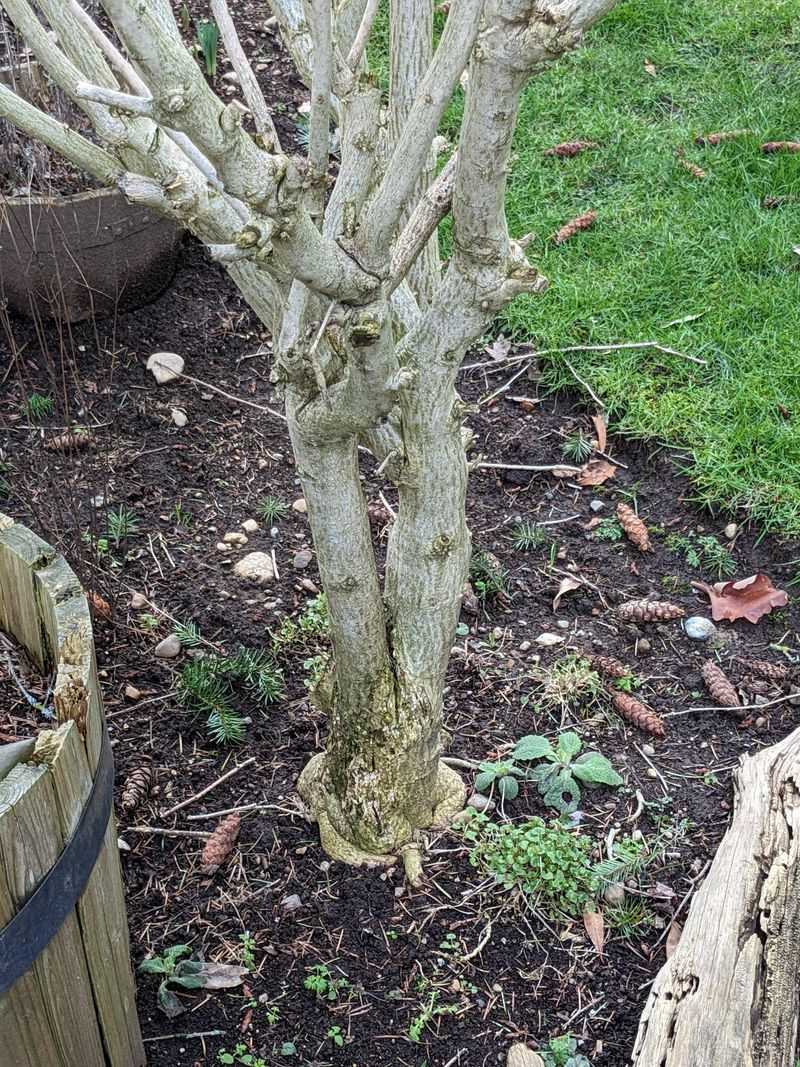
Rose of Sharon is a true Ohio summer workhorse, blooming in shades of pink, purple, and white long after most other flowering shrubs have finished for the year. Because it produces flowers on new growth each season, March is exactly the right time to reshape and refresh it before things get moving.
Waiting too long can mean you’re cutting into actively growing stems, which slows the plant’s momentum.
A solid pruning strategy for Rose of Sharon involves removing about one-third of the oldest, woodiest stems at the base. This opens up the center of the shrub, improving air circulation and reducing the risk of fungal issues during Ohio’s humid summers.
You can also trim the remaining branches back by about one-third to encourage bushier, more compact growth rather than tall, spindly shoots.
One thing Ohio gardeners should watch for is the plant’s tendency to self-seed aggressively. Pruning before flower buds form doesn’t help with that issue, but deadheading blooms later in the season will.
If you prefer a tidier yard, look for sterile or low-seed varieties like ‘Lil’ Kim’ or ‘Minerva.’ March pruning gives Rose of Sharon the strong structural foundation it needs for a long, colorful bloom season ahead.
4. Prune Butterfly Bushes Now For Summer Blooms
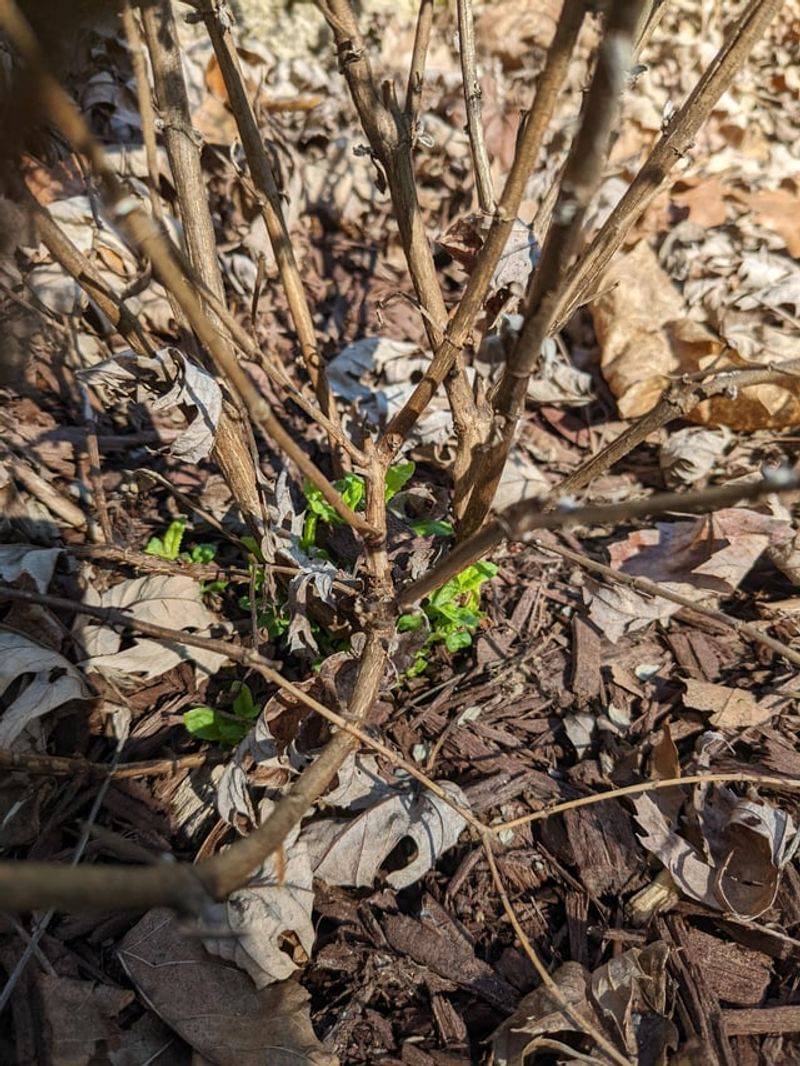
Butterfly bushes have a reputation for being almost impossible to mess up, and their tolerance for hard pruning is a big part of that. In Ohio, March is the go-to month for cutting these plants back aggressively because they bloom entirely on new wood produced during the current growing season.
Leave them unpruned and you’ll get a tall, scraggly shrub with fewer blooms and a lot of withered wood taking up space.
The standard recommendation is to cut butterfly bush stems back to within 12 inches of the ground, or even shorter in milder Ohio locations. Some gardeners go all the way down to 6 inches and report fantastic results by July.
The plant responds to this kind of cutback by throwing out vigorous new canes loaded with fragrant flower spikes that butterflies and bees absolutely love.
A common beginner mistake is being too cautious and only trimming the tips. That approach leads to a bigger but weaker plant with a woody, unproductive center.
Another tip worth mentioning: while butterfly bush is not currently restricted or banned in Ohio, it is a species that local conservationists monitor closely for its tendency to spread. To be a responsible gardener in the Buckeye State, look for newer sterile varieties or make it a point to deadhead spent blooms regularly during the summer.
This simple step prevents unwanted seeds from hitching a ride on the wind and establishing themselves in Ohio’s sensitive natural areas and woodlands.
5. Refresh Potentilla To Encourage Healthy Branches
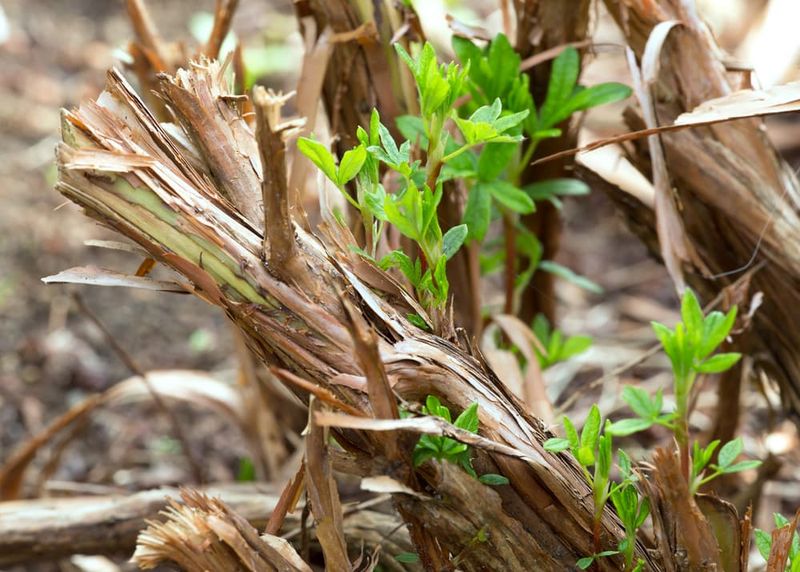
Potentilla, also known as shrubby cinquefoil, is one of those low-maintenance plants that Ohio gardeners sometimes overlook, but it rewards a little attention in March with months of cheerful yellow, white, or pink blooms. This tough little shrub handles cold winters without complaint and bounces back quickly once pruned in late winter or early spring before new growth emerges.
To refresh potentilla properly, start by removing any branches that look gray, brittle, or unproductive. Then cut back about one-third of the oldest stems at the base to open up the plant’s center.
Finally, lightly trim the outer edges to maintain a tidy, rounded shape. This three-step approach keeps the shrub vigorous without stressing it out all at once.
Potentilla blooms on new wood, so a March pruning in Ohio won’t cost you any flowers. In fact, skipping pruning for several years in a row is what leads to reduced flowering and a tired-looking plant.
Think of it like a fresh haircut: the plant looks better, grows better, and produces more blooms when it’s been properly shaped. In Ohio’s climate, established potentilla is remarkably hardy and needs very little extra care beyond this annual late-winter trim.
6. Trim Japanese Spirea Before Growth Kicks In
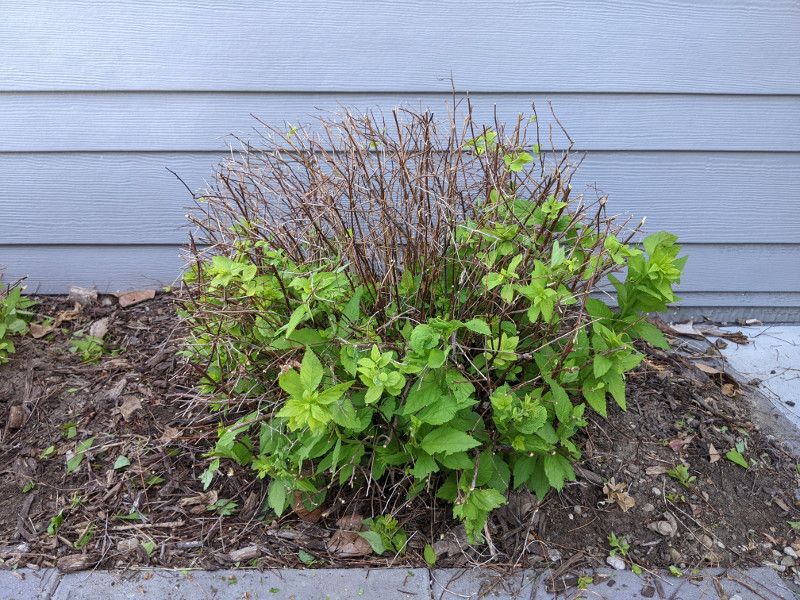
Not all spireas are created equal, and that matters a lot when you’re deciding whether to prune in March. Japanese spirea, including popular varieties like ‘Goldflame,’ ‘Gold Mound,’ and ‘Anthony Waterer,’ blooms on new wood and flowers during summer rather than spring.
That timing makes it a safe and smart candidate for a March trim in Ohio before new leaves start unfurling.
For most Japanese spirea plants, a good approach is to cut the entire shrub back by about one-third to one-half of its height. Some Ohio gardeners go even further and cut it back nearly to the ground every few years to rejuvenate an older, overgrown plant.
The shrub responds quickly once warmer weather arrives, pushing out fresh colorful foliage and strong stems ready to bloom in June and July.
One thing to keep in mind: Japanese spirea can become weedy if seeds spread into natural areas, so it’s worth choosing newer, less invasive cultivars when replanting. When pruning, always use sharp, clean tools to make smooth cuts that heal quickly.
Avoid shearing it into a tight ball shape, which reduces airflow and can encourage powdery mildew during Ohio’s humid summer months. A slightly loose, natural shape works best for long-term plant health.
7. Wait To Cut Forsythia Until After Its Glory
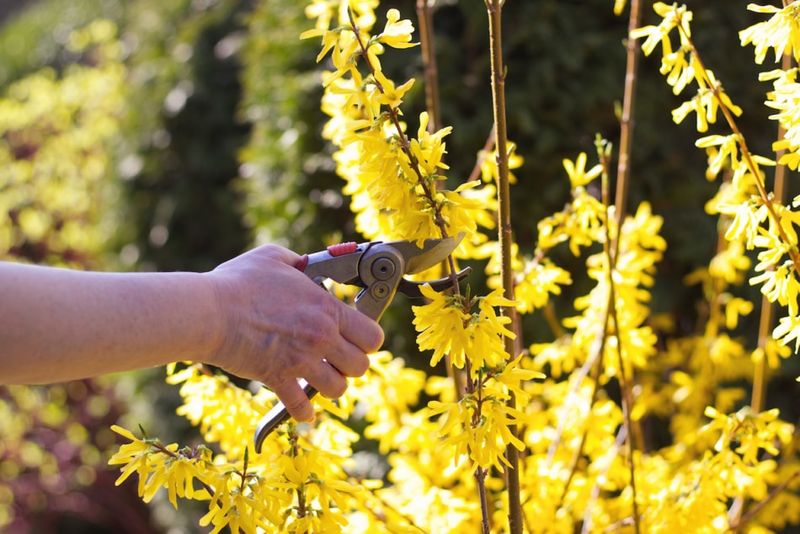
Forsythia is practically the mascot of Ohio spring. Those bright yellow branches explode into color in late March or early April, often before a single leaf appears anywhere else in the yard.
The thing is, every one of those cheerful blooms was already set on old wood from last year. Prune your forsythia in early March and you’re cutting off the very buds that were about to give you that spectacular show.
Ohio gardeners should hold off on forsythia pruning until the flowers have fully faded, usually sometime in April. Once the blooms drop, you have a window of a few weeks to prune before the plant sets next year’s buds on the new growth it’s about to produce.
Pruning too late in the season, say midsummer or fall, runs the same risk of removing next spring’s flowers.
When the time does come, prune forsythia by removing the oldest, thickest canes at the base to encourage fresh new growth. You can also shape the outer branches lightly for a tidier appearance.
Avoid shearing it into a stiff geometric shape, which ruins its naturally graceful arching form. A well-pruned forsythia in an Ohio yard looks effortless, almost like it styled itself.
8. Leave Lilac Alone To Enjoy Its Spring Flowers

There is something deeply nostalgic about the smell of lilacs on a warm Ohio afternoon in May. These classic shrubs have graced Midwestern yards for generations, and they earn every bit of that love with their stunning purple, white, or pink flower clusters.
But lilacs bloom strictly on old wood, meaning the buds for this spring’s flowers have been sitting on last year’s branches all winter long.
Pruning a lilac in March means cutting off those buds before they ever get a chance to open. For anyone who has waited all year for that sweet fragrance, that’s a heartbreaking mistake to make.
Ohio gardeners should wait until right after the lilac finishes blooming, typically late May, before touching it with pruning shears. That post-bloom window gives the plant time to set new growth that will carry next year’s flowers.
For novice gardeners, a helpful rule of thumb is simple: if the shrub blooms before June in Ohio, assume it blooms on old wood and needs post-flowering pruning. Lilacs also benefit from having older, unproductive canes removed at the base every few years to keep the plant vigorous.
Just remember that patience in spring means a breathtaking reward every single year.
9. Hold Off On Weigela Pruning To Preserve Blooms
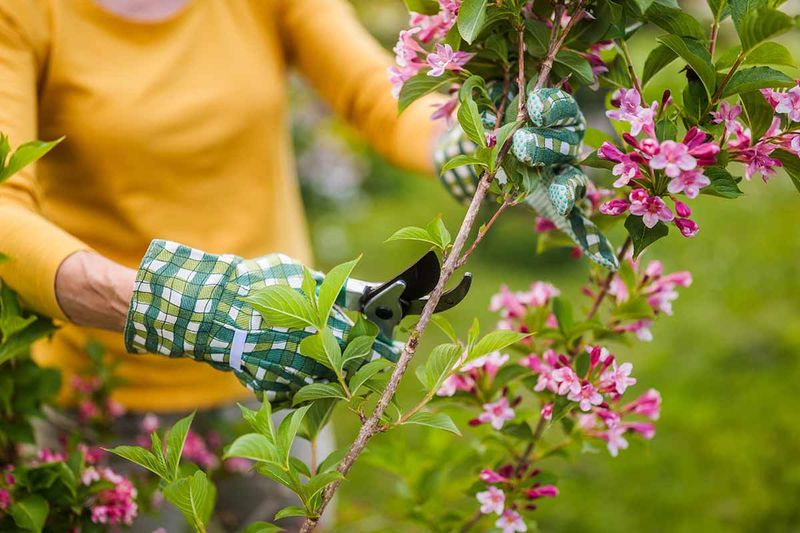
Weigela is one of those shrubs that makes Ohio yards look effortlessly beautiful in late spring. Its arching branches become covered in tubular flowers, usually in shades of pink, red, or white, and hummingbirds absolutely flock to them.
The catch for March pruning enthusiasts is that weigela blooms on old wood, specifically on growth produced during the previous season.
Cutting into a weigela in March removes the exact branches that are loaded with developing flower buds. You won’t see any obvious sign of those buds yet, which is part of what makes this mistake so easy to make.
The plant will look like it’s just sitting there doing nothing, but inside those stems, the energy for this spring’s bloom is already locked in and ready to go.
The right time to prune weigela in Ohio is right after it finishes flowering, usually sometime in June. At that point, you can trim back the branches that just bloomed, remove any crossing or crowded stems, and shape the overall plant without sacrificing anything.
Newer weigela varieties like ‘Wine and Roses’ and ‘Sonic Bloom’ are widely available at Ohio nurseries and worth seeking out for their extended bloom periods and compact habits.
10. Skip Spring-Blooming Spirea Cuts Until Post-Flowering
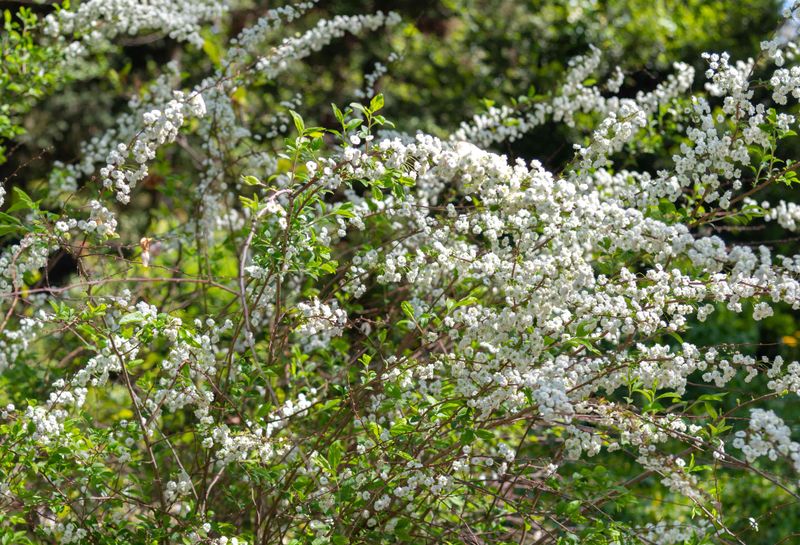
Bridal wreath spirea is one of the most iconic flowering shrubs in Ohio landscapes, and for good reason. In May, its long arching branches become completely smothered in tiny white flowers, creating a waterfall effect that stops people in their tracks.
But unlike its Japanese cousin, bridal wreath spirea and other spring-blooming types like Vanhoutte spirea bloom on old wood from the previous year’s growth.
Pruning these spireas in March wipes out an entire season of blooms in a single afternoon. Many Ohio homeowners have made this mistake, trimming back a perfectly healthy shrub in early spring only to wonder why it never flowered that year.
The answer is always the same: the buds were already there on the old wood, waiting for warm weather to open up.
After these spireas finish blooming in late May or early June, that’s the time to get out the pruners. Remove the oldest canes at the base, lightly shape the outer branches, and let the plant spend the rest of the summer building up new wood for next year’s show.
A simple way to remember it for Ohio gardeners: spring bloomers wait, summer bloomers get pruned early. Following that rule keeps your yard full of color from April all the way through September.