9 Shrubs You Should Cut Back Before Spring In Georgia
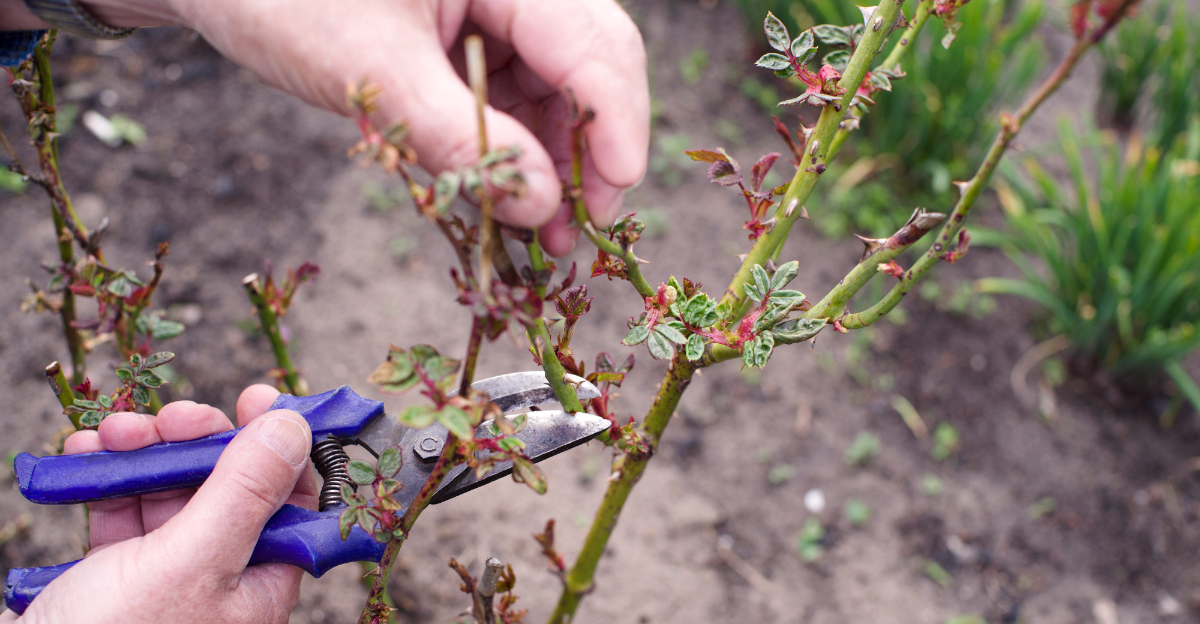
Winter does not leave every shrub looking its best in Georgia gardens. Some plants come through the colder months with uneven growth, faded stems, or branches that simply need a reset before the new season begins.
A well-timed trim before spring growth starts can make a noticeable difference. It helps shrubs grow fuller, keeps their shape tidy, and encourages stronger new growth as temperatures begin to warm.
Many gardeners overlook this simple step, yet it often sets the tone for how shrubs perform through the rest of the year.
Taking a little time to cut back the right plants now can help a garden look healthier and far more balanced once spring begins to settle in.
1. Beautyberry Benefits From A Hard Cut Before New Growth Begins
Most people see a beautyberry in winter and think it looks completely finished. It doesn’t.
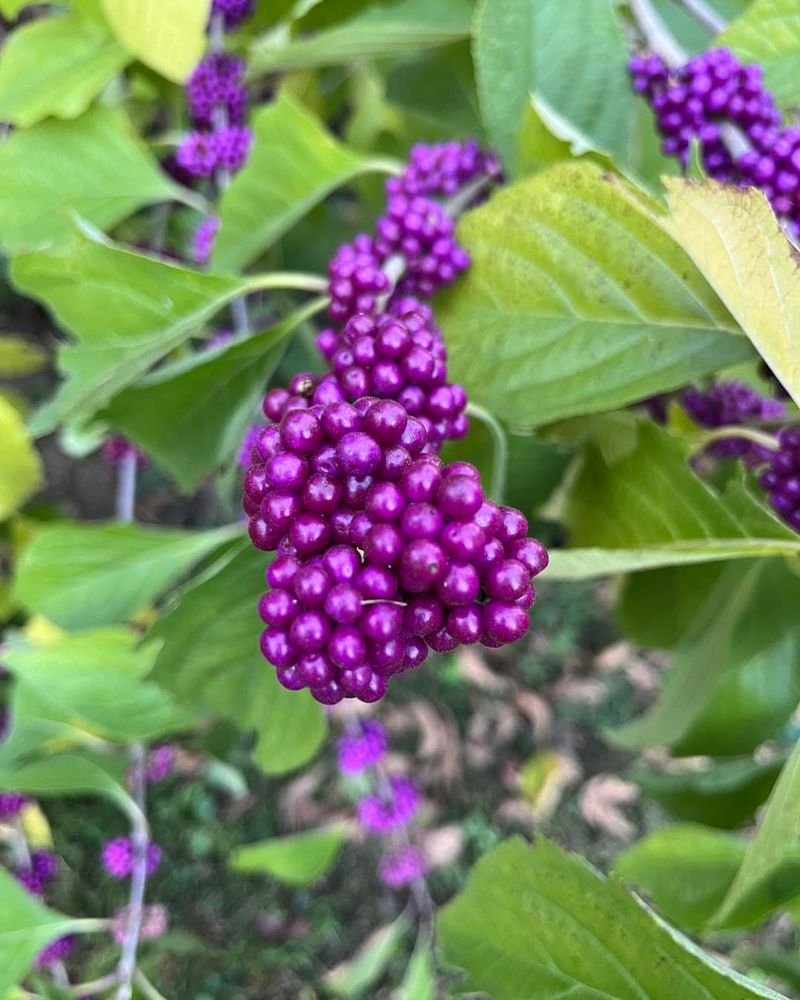
Cutting it down hard, sometimes to just 12 inches from the ground, is actually one of the best things you can do for it. American beautyberry responds to aggressive pruning by putting out thick, vigorous new canes loaded with berries by fall.
In Georgia, the window for this cut is roughly January through mid-February. You want to get in before those first lime-green buds start swelling on the stems.
Once you see new growth pushing, put the pruners down and wait until next year.
Skip the light trim. A hard cut is what produces the best berry display.
Many gardeners who try to just shape it end up with a leggy plant that fruits poorly. Cut it back boldly, and come fall, you’ll have dense, arching stems covered in those brilliant purple clusters that beautyberry is known for.
It’s one of the most rewarding late-winter pruning jobs in a Georgia garden.
After pruning, clear away the old stems and any leftover debris around the base so fresh growth has plenty of room to develop.
Once spring warmth settles in, the shrub quickly fills out again with strong new shoots that carry the berry clusters later in the season.
2. Crape Myrtle Pruning Helps Shape Fresh Spring Growth
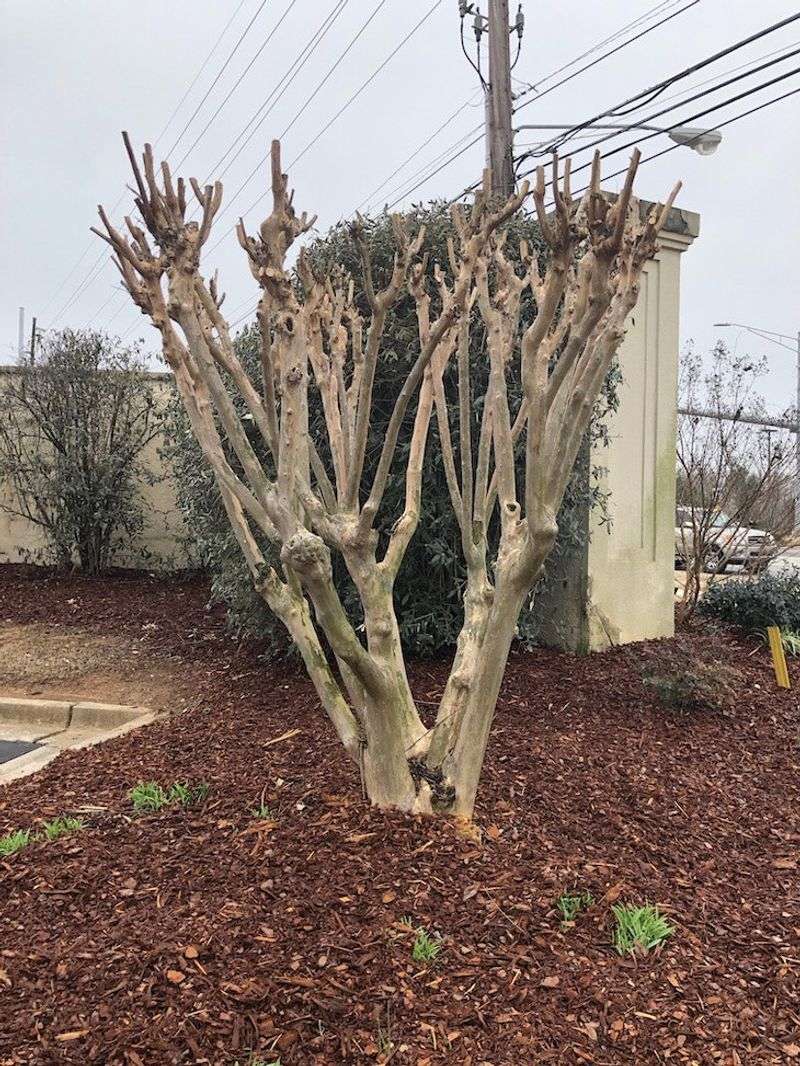
Crape myrtles are everywhere in Georgia, and they get butchered more often than they get pruned correctly. Topping them, cutting the main trunks down to stubs, weakens the structure and creates ugly knobby growth that never looks right.
Proper pruning means removing crossing branches, damaged wood, and sucker growth from the base.
Late winter is the right time, ideally after the hardest freezes have passed but well before new growth flushes out. For smaller shrub-type crape myrtles, a light shaping now keeps the canopy open and allows better air circulation once the leaves come in.
That matters in Georgia summers when humidity runs high and fungal issues become a real concern.
Focus your cuts on anything rubbing against another branch, anything growing inward, and any sprouts coming up from the roots. Sharp, clean cuts heal faster.
If you’re working with a tree-form crape myrtle, the same rules apply, just on a larger scale. Resist the urge to cut everything back to the same height.
Let the natural branching structure guide you.
Step back occasionally while pruning to see how the canopy is shaping up from a distance. An open structure allows sunlight to reach deeper into the plant, which encourages stronger flowering later in summer.
When you finish, the tree should still look natural, just cleaner and better balanced.
3. Butterfly Bush Responds Well To Late Winter Pruning
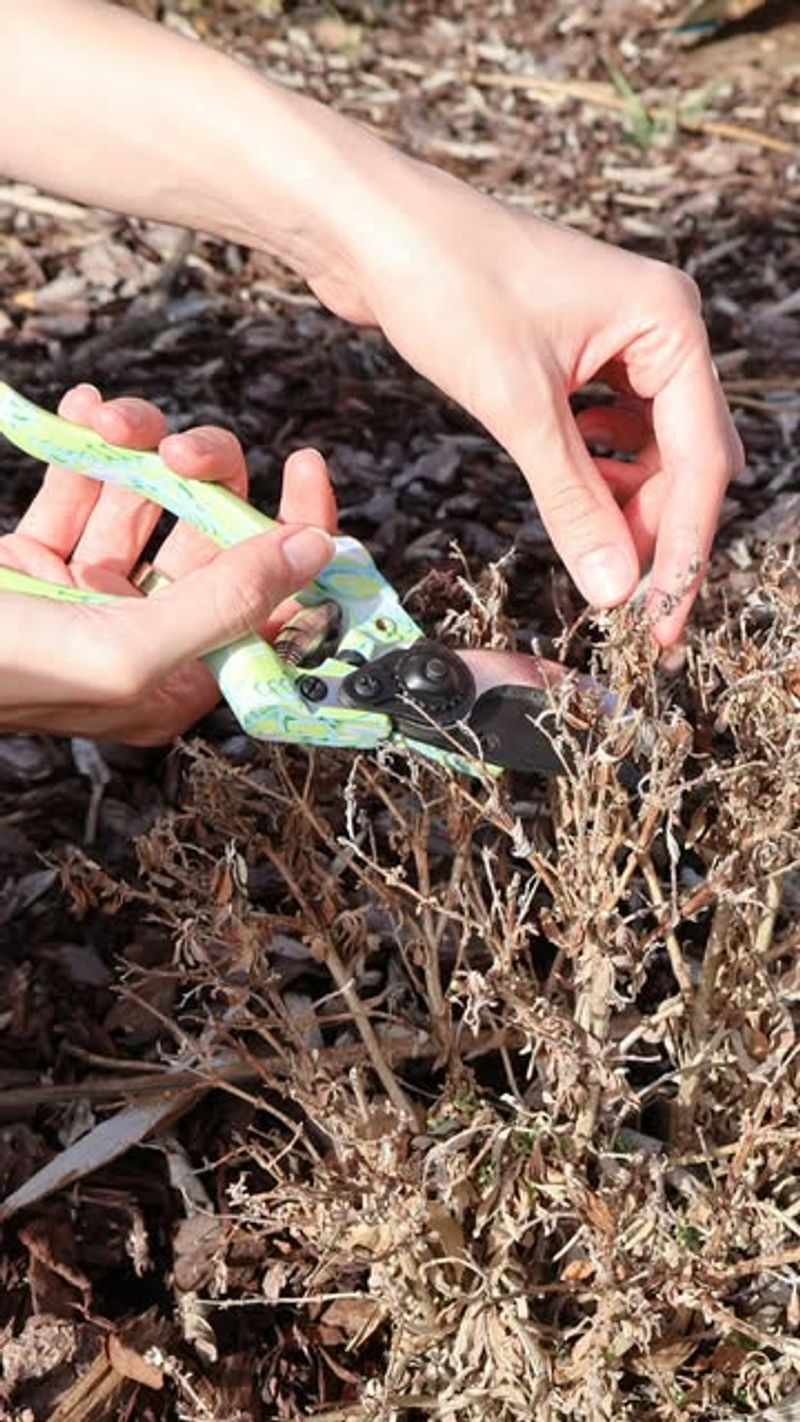
Butterfly bush can look pretty rough by the time February rolls around in Georgia. The stems are brown, brittle, and hollow-feeling, and the whole plant can seem like it’s beyond saving.
Cut it back anyway. It almost always comes back hard from the base when the weather warms up.
A good rule of thumb is to cut the whole thing down to about 12 to 18 inches from the ground. Some gardeners go even lower.
Either way, you’re removing all that old woody growth and making room for fresh, flexible stems that will carry the summer blooms. Those new stems are what attract the butterflies and pollinators Georgia gardeners love to see.
Timing-wise, late January to mid-February works well for most parts of the state. North Georgia gardeners should wait until they’re confident the worst cold is behind them.
If you get a late frost after cutting back, don’t panic. New growth will push again from the base.
Butterfly bush is tougher than it looks, and a late-winter cut keeps it from turning into an oversized, unruly mess by midsummer.
After pruning, rake away the old stems and clear the base of the plant so sunlight can reach the soil as temperatures begin to rise. As spring settles in, strong new shoots quickly push up from the crown and fill out the plant again.
4. Rose Of Sharon Grows Back Stronger After Early Season Cutting
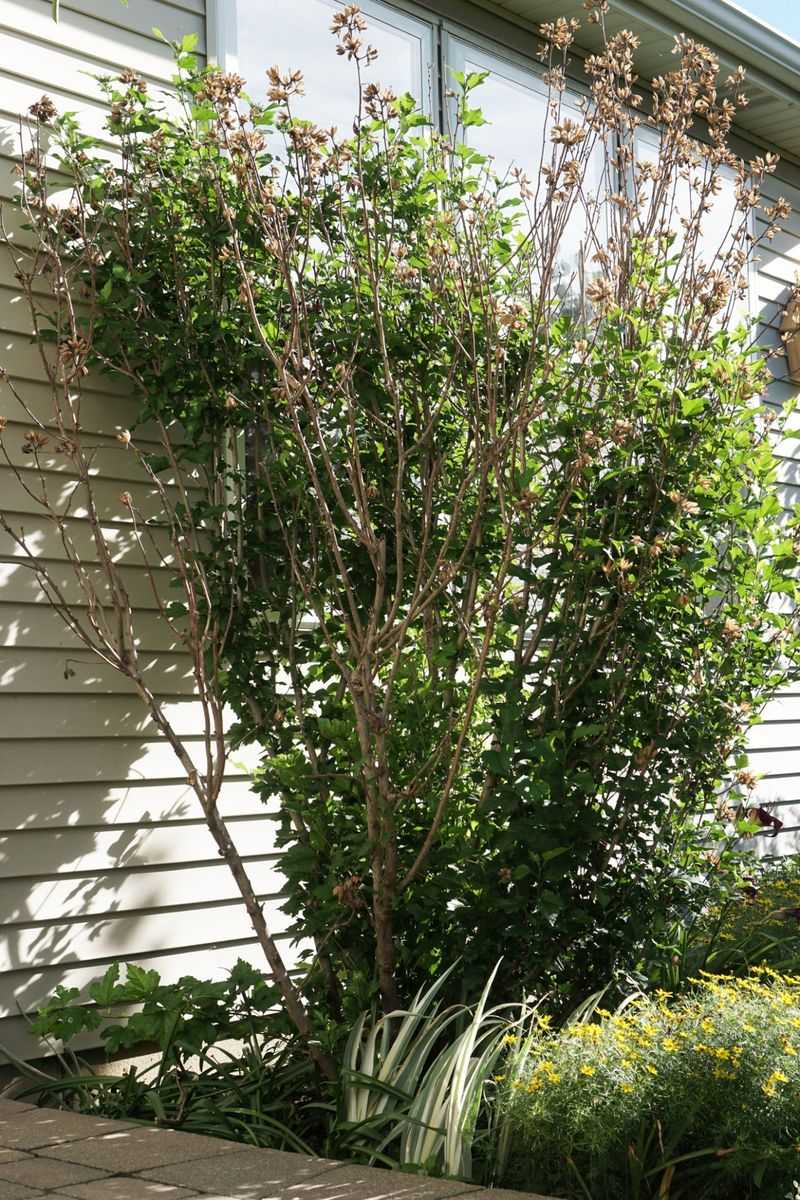
Left unpruned, Rose of Sharon gets tall and leggy fast. By midsummer it’s blooming only at the top while the lower half of the plant looks bare and woody.
A hard cutback in late winter changes that completely, pushing new growth from lower on the plant and producing a fuller, more compact shape.
Cut each main stem back by about one-third to one-half. If the shrub has gotten really out of hand over the years, you can cut it back harder, closer to the ground, and it will regenerate.
Across Georgia, late January through February is prime time for this cut. You want to work before the buds swell and break.
One thing worth knowing about Rose of Sharon in Georgia: it self-seeds aggressively. If you’re not careful, you’ll have seedlings popping up all over the yard by summer.
Deadheading the spent blooms later in the season helps with that.
But right now, in late winter, the focus is just on cutting back the main structure so it grows back strong, well-shaped, and loaded with blooms from top to bottom come July and August.
5. Spirea Produces Better Blooms After A Seasonal Trim
Japanese spirea is the one to prune before spring, not the spring-blooming white types like bridal wreath. Get that distinction right or you’ll cut off a season’s worth of flowers before they ever open.
Spiraea japonica blooms on new wood, which means cutting it back in late winter actually encourages more flowers, not fewer.
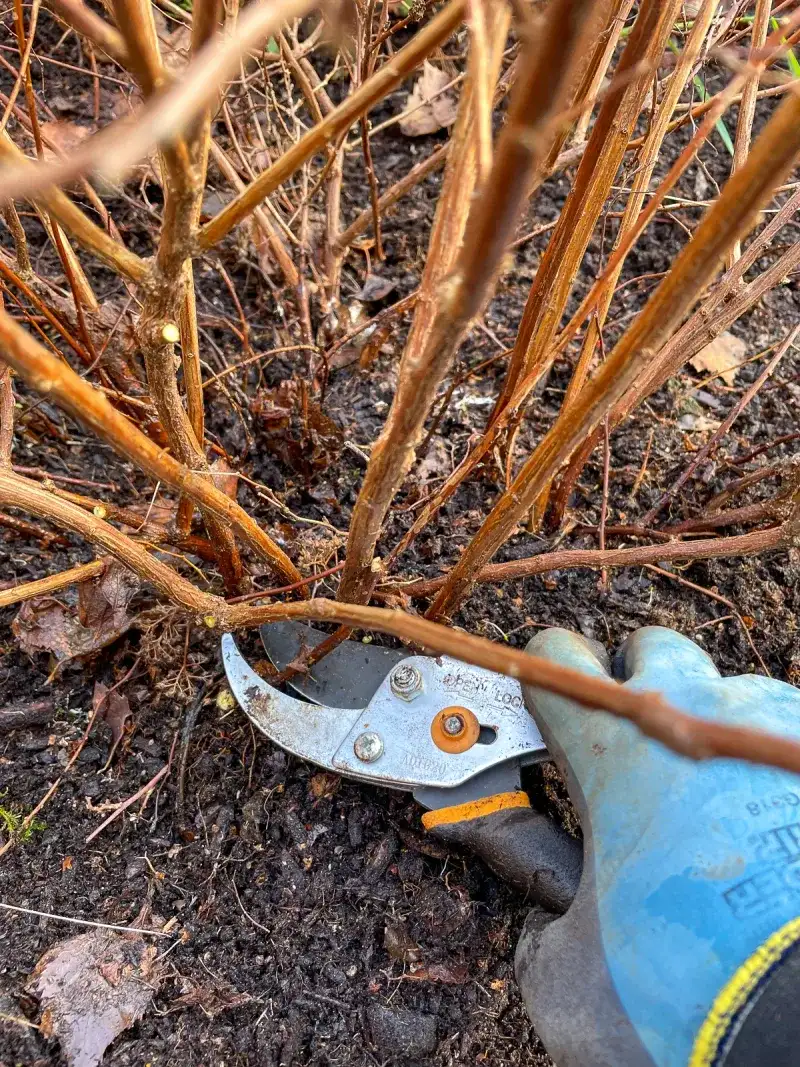
Cut the entire plant back to about 6 to 8 inches from the ground. It sounds drastic, but Japanese spirea responds enthusiastically to a hard reset.
In Georgia’s climate, this type of pruning fits naturally into the late-January to mid-February window, right when the plant is still dormant but the worst cold has usually passed.
After the cutback, you’ll notice new growth starting to push within a few weeks as temperatures climb. By late spring, the plant will be filling back in with fresh foliage and flower clusters in pink, red, or white depending on the variety.
Skipping the pruning year after year leads to a plant full of old twiggy centers and fewer blooms. A clean annual cut keeps Japanese spirea performing well season after season in Georgia landscapes.
After pruning, remove the cut stems from around the base so the plant has a clean start heading into spring. Once warmer weather settles in, the shrub quickly fills out again with dense new growth that carries the next round of blooms.
6. Abelia Handles Early Pruning Before New Growth Appears
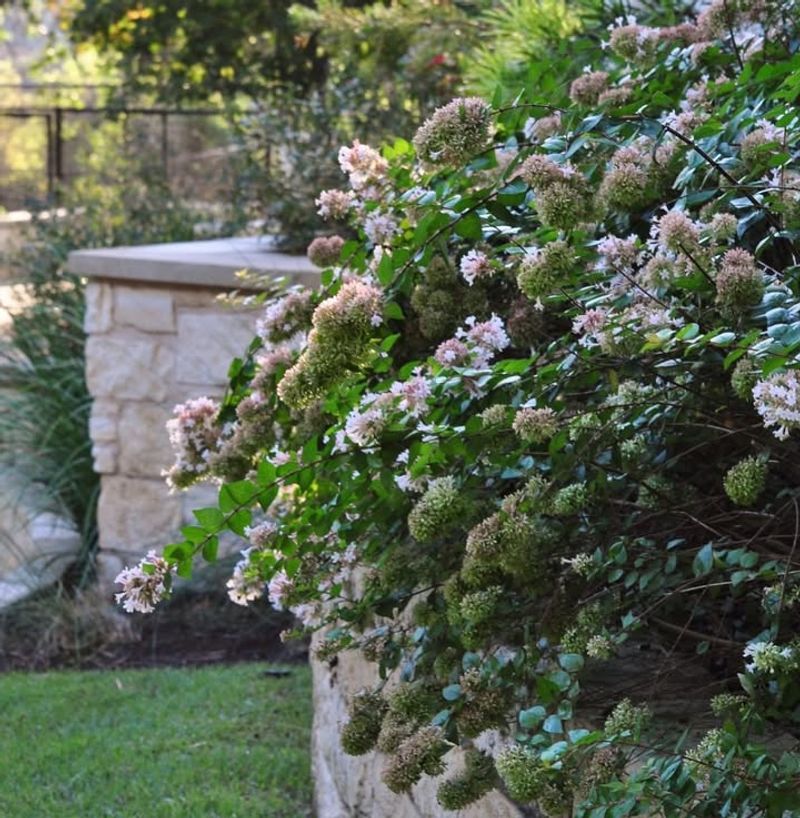
Abelia is one of those shrubs that gets overlooked when people are making their late-winter pruning list.
It keeps some of its leaves through winter in Georgia’s mild climate, so it doesn’t look as dormant as other shrubs.
But that’s no reason to skip the cut. Pruning it now, before new growth pushes, shapes the plant and removes the oldest, woodiest stems that aren’t contributing much anyway.
A good approach is to remove about one-third of the oldest canes all the way to the ground. Then lightly tip-prune the remaining stems to encourage branching.
You don’t need to cut the whole thing to the ground the way you would with butterfly bush. Abelia responds better to a selective approach that keeps some structure while refreshing the overall plant.
Georgia’s mild winters mean abelia can start pushing new growth earlier than you’d expect. Watch for those first tiny leaf buds along the stems and try to get your pruning done before they fully open.
Waiting too long just means you’re cutting off new growth you already waited for. Early action here makes a real difference in how full and tidy abelia looks through the growing season.
7. Bluebeard Sends Out Fresh Flowering Stems After Cutting Back
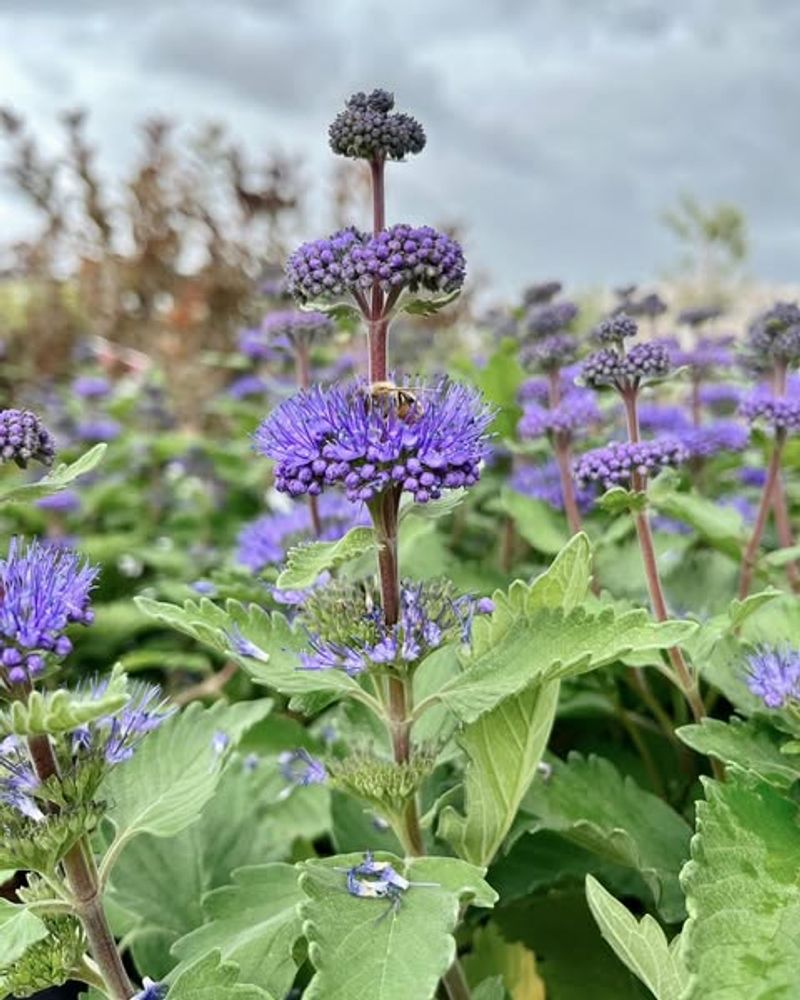
Bluebeard, also called caryopteris, is one of those shrubs that looks completely spent by the time winter settles in. The stems are stiff and gray, and the plant just sits there looking like it gave up.
Cut it back hard anyway. It’s not finished, it’s just waiting.
Take the whole plant down to 6 to 12 inches from the ground in late January or February. All of those new flowering stems will emerge from that low base as temperatures rise in spring.
In Georgia, bluebeard typically starts pushing growth in March or April, and by late summer it’s covered in those silvery-blue flower clusters that pollinators can’t seem to resist.
Skipping the annual cutback leads to a plant that gets increasingly woody and produces fewer flowers over time. Some gardeners try to skip it every other year, thinking they’re doing the plant a favor.
They’re not. Bluebeard needs that annual reset to perform at its best.
The good news is it’s a fast job. The stems are thin and easy to cut, and the whole thing takes maybe fifteen minutes.
It’s one of the most satisfying late-winter tasks in a Georgia garden.
8. Knock Out Roses Perform Better With Late Winter Pruning
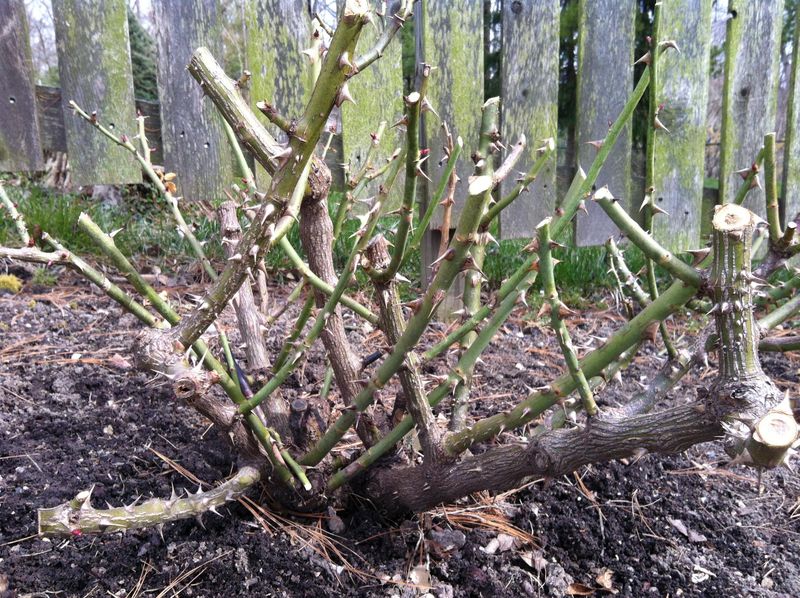
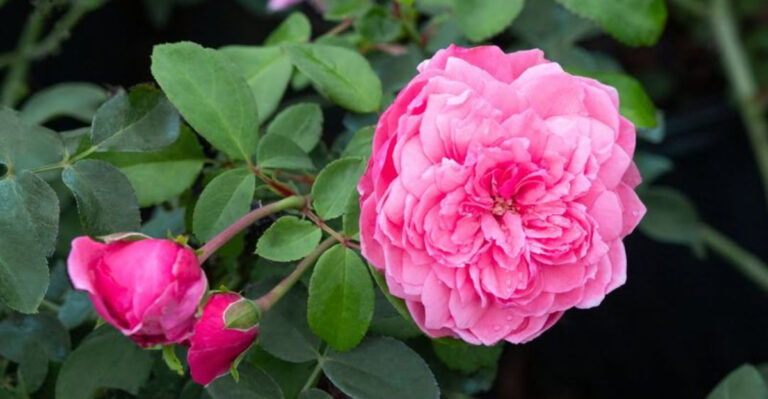
Knock Out roses built their reputation on toughness, but that doesn’t mean they do better without any pruning. Left alone for a few years, they turn into large, tangled mounds with a lot of old woody growth in the center and fewer blooms than they should be producing.
A late-winter cutback fixes all of that.
Cut them back by about one-third to one-half in late January or February. For a shrub that’s gotten really overgrown, a harder cut closer to 12 inches from the ground is fine.
Knock Out roses recover quickly in Georgia’s climate and will be pushing new red or pink growth within weeks of a good pruning.
While you’re pruning, remove any canes that cross through the center of the plant or that look damaged from winter cold. Opening up the center improves airflow, which helps reduce the black spot issues that can show up during Georgia’s humid summers.
Sharp bypass pruners make cleaner cuts than bypass loppers on the thinner stems. Wear gloves because even Knock Out roses have thorns.
A well-pruned plant going into spring just performs better all season long, plain and simple.
9. Panicle Hydrangea Blooms Better After Early Season Pruning
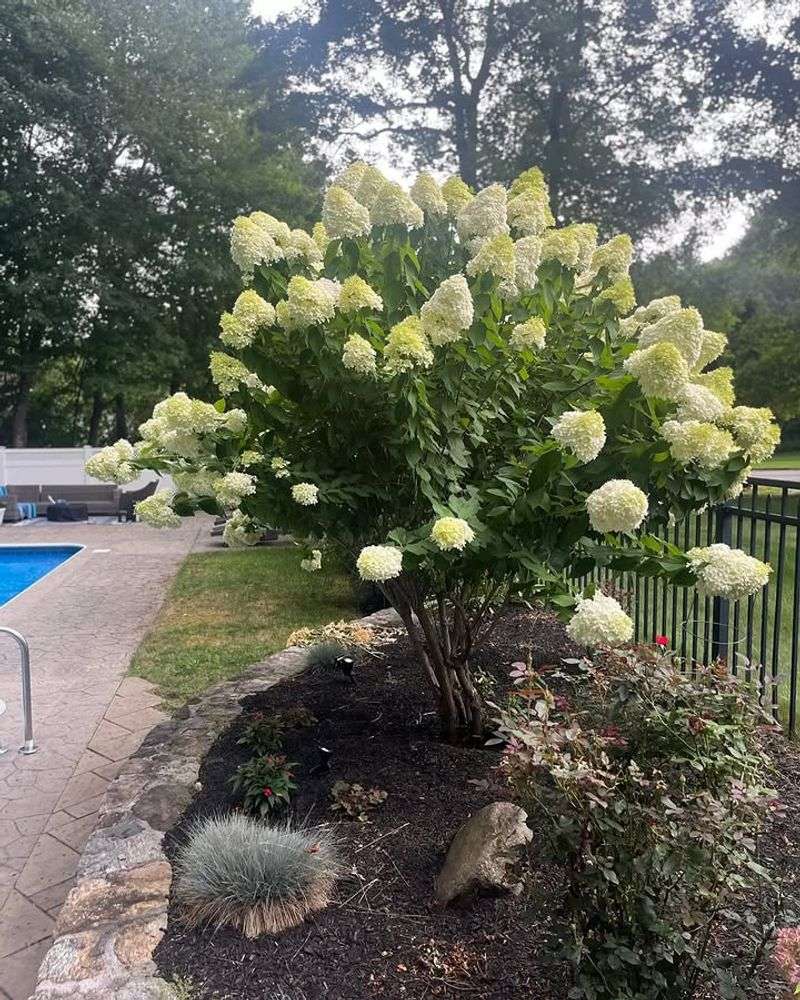
Panicle hydrangeas are one of the few hydrangeas you can actually prune in late winter without losing your blooms. Unlike bigleaf types that bloom on old wood, panicle hydrangeas set their flowers on new growth.
Cutting them back before spring is not just safe, it actively improves the bloom size and stem strength.
Remove those dried, papery flower heads that have been hanging on since fall. Then cut the overall framework back by about one-third.
If the shrub has gotten very large, a harder cut is fine. In Georgia, late January through mid-February is a comfortable window for this work.
You’re well ahead of the spring flush and still past the coldest part of winter in most parts of the state.
Panicle hydrangeas that get pruned annually tend to produce larger, showier flower clusters because the plant puts its energy into fewer, stronger stems.
Unpruned plants spread their energy across dozens of weak, thin stems that can barely hold up the flower heads by midsummer.
For Georgia gardeners who want those big white or pink panicles nodding in the summer heat, getting out with the pruners in late winter is absolutely worth the effort.