10 Signs A Black Bear Passed Through Your Colorado Yard
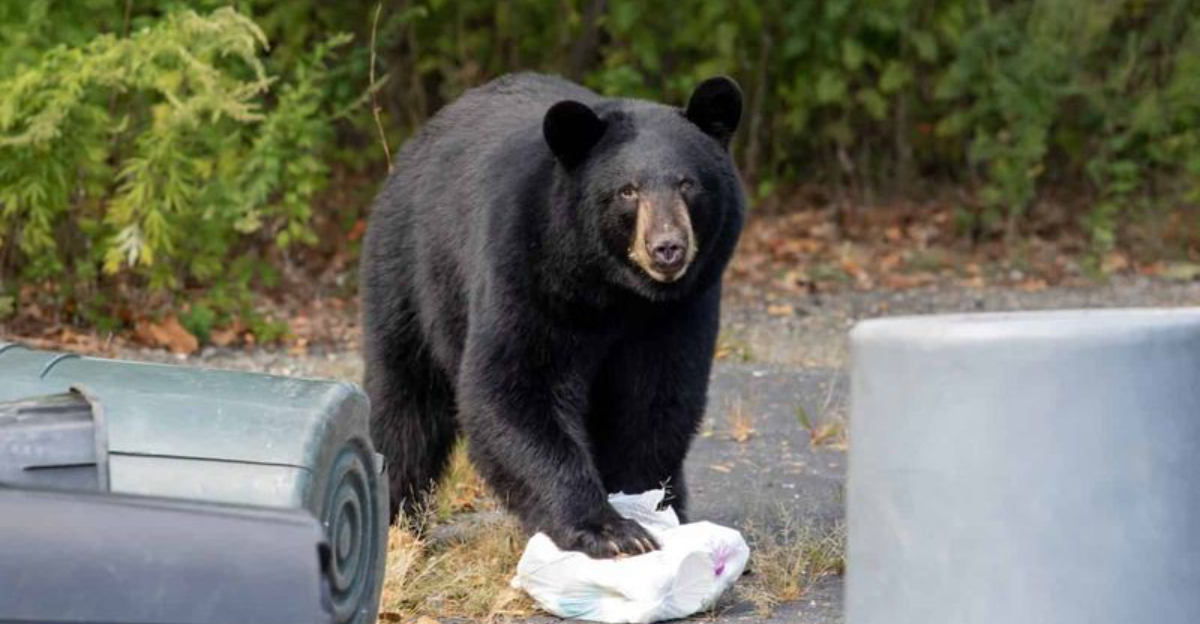
Colorado backyards become wildlife highways when black bears roam through neighborhoods searching for food and shelter.
These powerful animals leave behind clues that tell the story of their nighttime visits.
Recognizing these signs helps homeowners understand bear activity in their area and take steps to protect their property.
Bears often wander into residential zones during warmer months when natural food sources run low or when they prepare for winter hibernation.
Most people never actually see the bear itself, but the evidence remains clear as day.
From damaged bird feeders to unusual tracks in the mud, these indicators reveal that a large visitor stopped by while you were sleeping.
This awareness proves essential for both your safety and the wellbeing of local bear populations.
Black bears possess incredible strength and curiosity, which often leads them to investigate anything that smells remotely like food.
Your yard might seem ordinary to you, but to a hungry bear, it represents a potential buffet.
The following indicators will help you determine whether a black bear recently explored your Colorado property.
1. Massive Paw Prints In Soft Ground

Bear tracks stand out immediately once you know what to look for in your yard.
A black bear paw print measures roughly five to seven inches long and appears much wider than dog tracks.
The front paws show five toe marks with claw impressions extending beyond the toe pads, while the back paws resemble a human footprint but much larger.
Fresh tracks in mud, snow, or soft garden soil provide the clearest evidence of a recent visit.
The depth of the impression tells you about the bear’s size and weight.
Look near water sources, vegetable gardens, or anywhere the ground stays naturally soft and receptive to imprints.
Sometimes you will notice a trail of prints leading from one area of your property to another, showing the bear’s exact path.
Following these tracks reveals what attracted the animal to your space.
Maybe the trail leads straight to your compost bin or circles around your fruit trees.
Check around fence lines and garden beds after rainfall when the ground becomes more impressionable.
Bears walk with a shuffling gait that creates distinctive stride patterns.
Documenting these prints with photos helps wildlife officials track bear movement through residential neighborhoods and assess population activity in your specific area.
2. Destroyed Or Damaged Bird Feeders
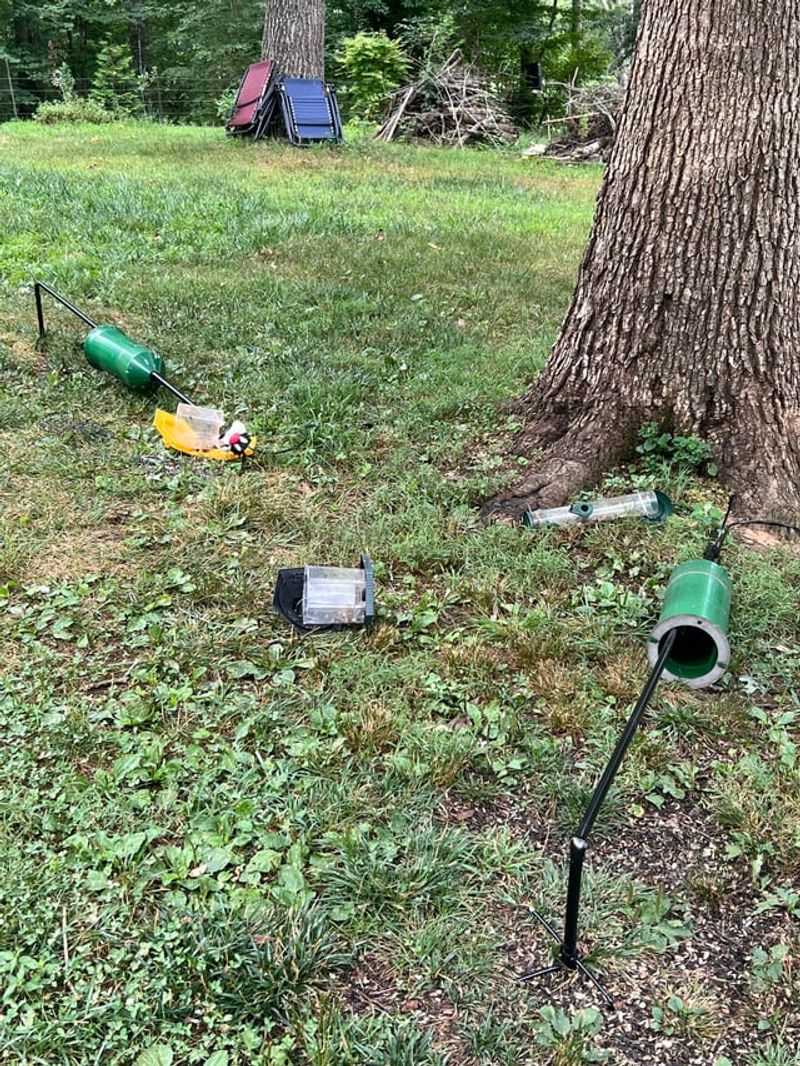
Bird feeders become irresistible targets for hungry bears cruising through residential areas.
A bear can smell the seeds from remarkable distances, drawing them straight to your hanging feeders.
Once they locate this easy meal, they use their powerful paws and strength to tear down even the sturdiest feeder designs.
You might find your feeder completely missing from its hook, tossed several feet away, or bent beyond recognition.
Metal poles get twisted like pretzels, and wooden posts snap in half under the force of a determined bear.
Plastic feeders often end up shattered into countless pieces scattered across your lawn.
The mess left behind tells the whole story without words.
Birdseed spreads everywhere in wide arcs, showing where the bear shook and manipulated the feeder to extract every last morsel.
Even feeders marketed as bear-proof sometimes fail against persistent animals.
Colorado wildlife experts strongly recommend removing all bird feeders from April through November when bears stay most active.
This simple action protects both your property and the bears themselves.
Bears that become accustomed to human food sources often face relocation or worse outcomes.
Taking down feeders during bear season demonstrates responsible coexistence with wildlife while preventing property damage and unwanted return visits from these powerful neighbors.
3. Overturned Garbage Cans And Scattered Trash
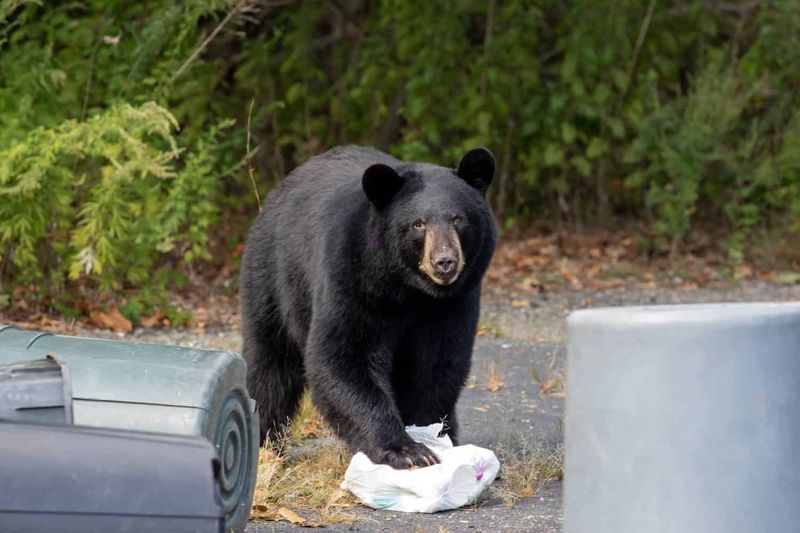
Nothing screams bear visit quite like trash scattered from one end of your driveway to the other.
Bears possess an extraordinary sense of smell that detects food odors from miles away, making your garbage cans prime targets.
A single bear can flip even heavy-duty trash containers effortlessly, treating them like lightweight toys.
The aftermath looks chaotic and unmistakable.
Bags get ripped open with precision as bears search for anything edible inside.
Food wrappers, containers, and organic waste end up strewn across your yard in patterns that show where the bear sat while sorting through its findings.
Claw marks often appear on plastic bins, and lids vanish completely or end up crushed.
Bears remember locations where they found food before, so one successful trash raid guarantees future visits.
They return regularly to check whether you have restocked their buffet.
This behavior creates ongoing problems for entire neighborhoods once bears establish a pattern.
Secure your trash in bear-resistant containers or store garbage inside your garage until collection day.
Adding bungee cords or locks to standard bins rarely stops a motivated bear.
Cleaning cans regularly with bleach reduces odors that attract wildlife.
Taking these precautions breaks the cycle and encourages bears to seek natural food sources instead of depending on human refuse for easy meals.
4. Claw Marks On Trees And Wooden Structures
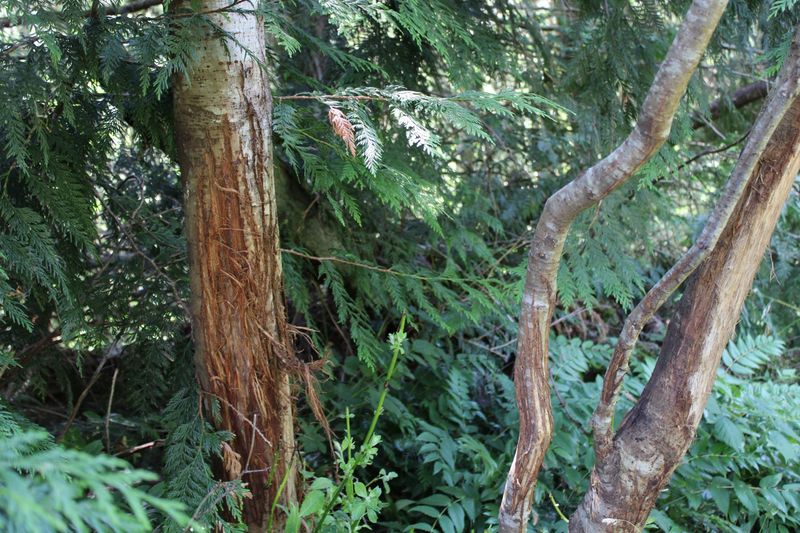
Bears leave signature scratches on trees, fence posts, and wooden structures throughout your property.
These claw marks serve multiple purposes, from communication with other bears to simple climbing activities.
The gouges appear as parallel vertical lines, usually grouped in sets of five corresponding to each paw.
Fresh scratches reveal lighter wood underneath the bark, making them easy to spot against darker tree trunks.
The height of these marks indicates the bear’s size, with some reaching six or seven feet up the tree.
Bears also bite bark, leaving tooth impressions that complement the claw damage.
Check aspen trees particularly carefully since bears favor their soft bark for marking behavior.
Deck railings, shed walls, and wooden playground equipment also show damage when bears investigate or scratch.
Sometimes bears climb trees to escape perceived threats or to access bird nests and other food sources located in branches.
These territorial markings tell other bears about the animal’s presence and size.
Taller, deeper scratches indicate a larger, more dominant bear passed through your yard.
The frequency of marked trees in one area suggests either regular traffic or a bear that considers your neighborhood part of its home range.
Documenting these marks over time helps you understand patterns in local bear behavior and movement through residential zones.
5. Disturbed Compost Piles And Garden Beds
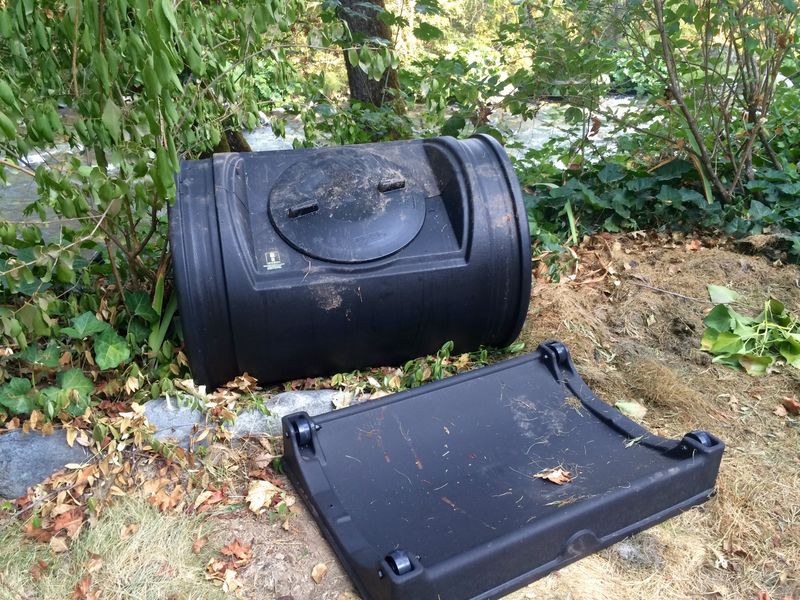
Compost bins attract bears like magnets due to the concentrated food smells they emit.
Fruit scraps, vegetable peels, and other organic materials create an irresistible aroma that bears detect from considerable distances.
A bear will tear apart unsecured compost structures within minutes, scattering contents across your entire garden area.
The destruction appears thorough and deliberate.
Bears dig through layers of decomposing material, flipping and tossing aside anything that lacks nutritional value.
Your carefully maintained compost pile transforms into a widespread mess that requires hours to clean and reassemble.
Garden beds adjacent to compost areas often suffer collateral damage as bears trample plants while investigating.
Vegetable gardens themselves become targets when produce ripens and releases sweet scents.
Bears especially love corn, berries, melons, and any fruit-bearing plants.
You might find entire rows of crops flattened or partially eaten, with clear evidence of large paws pressing into the soil.
Fencing rarely deters a determined bear seeking fresh vegetables.
Switch to enclosed, bear-resistant compost systems that contain odors effectively.
Adding lime to compost reduces smell intensity and slows decomposition slightly.
Harvest garden produce promptly when it ripens rather than leaving it to attract wildlife.
Electric fencing around vegetable plots provides effective protection but requires proper installation and maintenance to function correctly as a deterrent.
6. Damaged Beehives Or Honey Containers
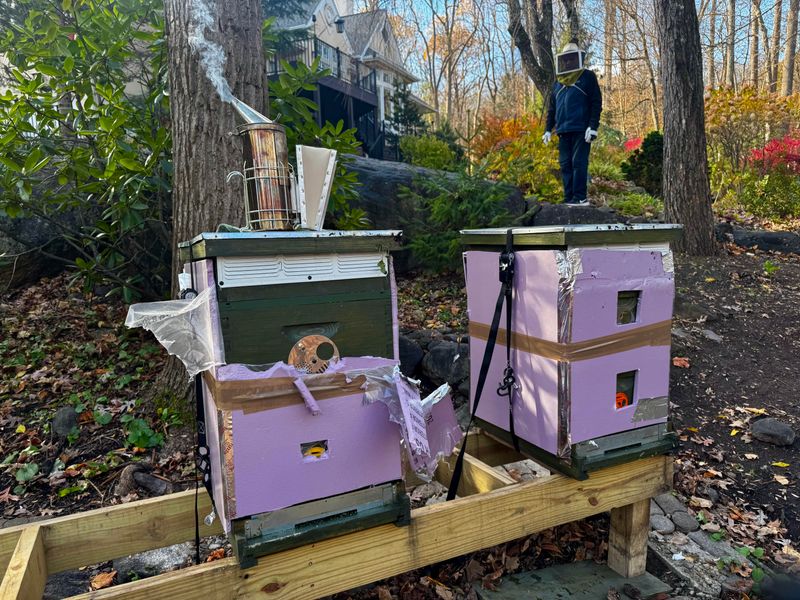
Did you know bears will endure countless bee stings just to access sweet honey and protein-rich larvae?
Beehives represent the ultimate prize for any bear fortunate enough to discover them in residential areas.
The thick fur and tough skin provide some protection against angry bees defending their home.
A bear attack on a beehive leaves total devastation behind.
Wooden boxes get smashed and splintered as bears rip them apart with raw strength.
Frames containing honeycomb end up scattered across the yard, often partially eaten or completely consumed.
The ground around the hive becomes muddy from spilled honey mixed with dirt.
Beekeepers in Colorado bear country face constant challenges protecting their colonies.
Even elevated hives on platforms fail against climbing bears.
The financial loss extends beyond just the honey, including expensive equipment destruction and potential colony loss.
Some beekeepers report losing multiple hives in a single night when a bear discovers their location.
Electric fencing specifically designed for beehive protection offers the most reliable defense.
The shock teaches bears to avoid the area without causing permanent harm.
Some beekeepers use multiple fence strands at different heights to ensure effectiveness.
Placing hives far from wooded areas and natural bear corridors reduces discovery risk.
Once a bear finds your hives, it will return repeatedly until either the hives disappear or effective deterrents get installed to change its behavior patterns.
7. Bent Or Broken Fence Sections
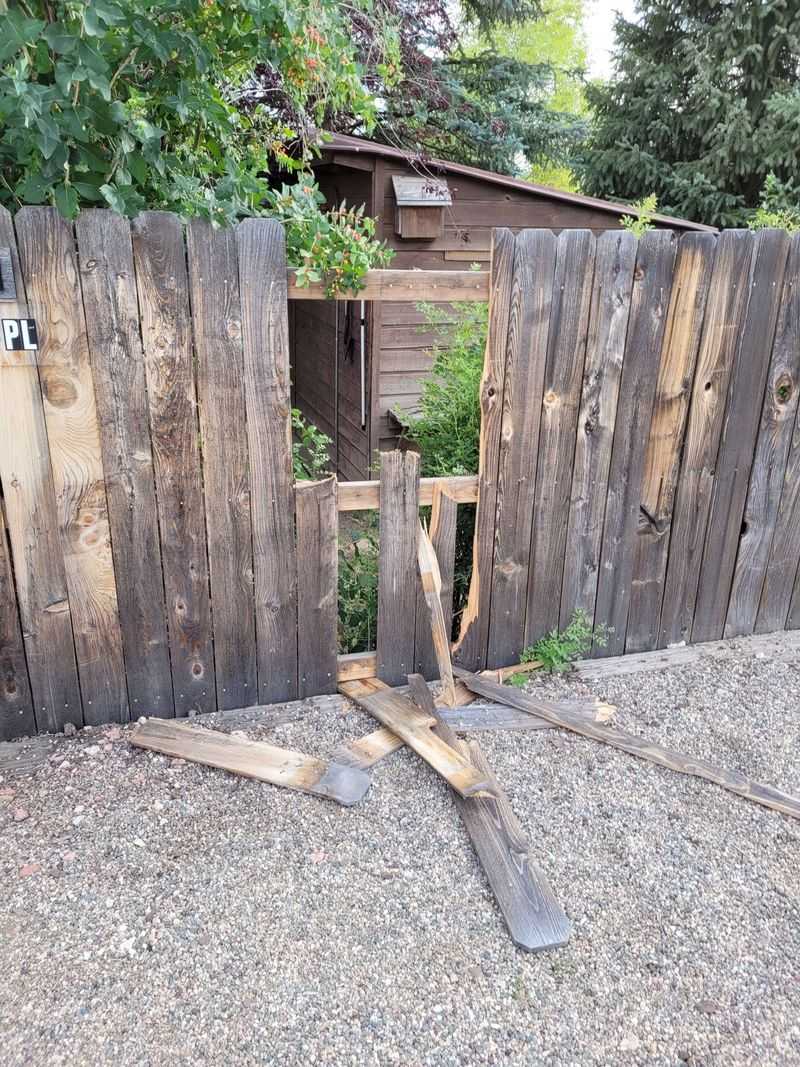
Fences provide minimal obstacle to adult black bears moving through residential neighborhoods.
A bear weighing three hundred pounds or more simply pushes through chain-link sections or steps over shorter barriers.
Wooden privacy fences suffer broken boards and bent posts where bears force their way past.
The damage pattern reveals the bear’s size and determination level.
Small gaps become bear-sized openings as animals squeeze through, bending metal or snapping wood in the process.
Sometimes you will notice fur caught on fence tops or in broken board sections where the bear scraped past.
Corner posts often lean at odd angles after bearing the weight of a climbing bear.
Bears prefer taking the path of least resistance, so they target existing weak points in your fencing.
A loose board or rusted chain-link section becomes their chosen entry point.
Gates left slightly ajar get pushed wide open, and latches break under the pressure of investigating paws.
Repairing fence damage promptly prevents the same bear from using that entry point repeatedly.
Reinforcing vulnerable sections with extra boards or metal backing increases durability.
However, remember that truly motivated bears will find alternative routes if one path gets blocked.
Installing motion-activated lights or sprinklers near common entry points provides better long-term deterrence than fence repairs alone, since bears generally avoid well-lit areas where they feel exposed and vulnerable to detection.
8. Unusual Droppings Near Your Property

Bear droppings provide unmistakable evidence of recent visits to your property.
Black bear scat varies significantly in appearance depending on their current diet.
Summer droppings often contain berry seeds, insect parts, and plant fibers, appearing loose and somewhat formless.
Fall scat becomes more tubular and compact as bears consume nuts and acorns preparing for hibernation.
The size alone distinguishes bear droppings from other wildlife.
Individual deposits measure several inches in diameter and can reach impressive lengths.
Fresh scat appears moist and dark, while older droppings dry out and fade to lighter brown or gray.
The smell ranges from earthy to quite pungent depending on what the bear recently ate.
Location matters when identifying bear scat around your home.
Bears often defecate along travel routes, near food sources, or in open areas where they feel comfortable pausing.
Finding droppings on your lawn, driveway, or patio confirms a bear spent significant time exploring your property rather than just passing through quickly.
Never touch bear scat directly since it can contain parasites and bacteria harmful to humans.
Use a shovel to remove it from high-traffic areas and dispose of it properly.
Documenting scat locations over time helps identify regular bear pathways through your neighborhood.
Sharing this information with Colorado Parks and Wildlife assists their monitoring efforts and helps protect community safety through better understanding of local bear population movements.
9. Stripped Fruit Trees Or Berry Bushes

Fruit trees transform your yard into a bear magnet during late summer and fall harvest seasons.
Bears possess excellent memories and return annually to productive trees they discovered in previous years.
Apple, cherry, plum, and pear trees all attract these opportunistic feeders seeking easy calories before winter.
The feeding damage appears obvious and extensive.
Lower branches get stripped completely bare of fruit, while higher limbs show broken sections where bears climbed or pulled branches down.
Large limbs sometimes snap under a bear’s weight, hanging at unnatural angles or lying on the ground.
Partially eaten fruit litters the area beneath the tree, showing bite marks much larger than those from smaller wildlife.
Berry bushes suffer similar fates when bears discover them.
Raspberry, blackberry, and serviceberry plants get trampled and stripped in feeding frenzies.
Bears sit directly in or beside bushes, bending and breaking stems while harvesting every ripe berry within reach.
The surrounding ground shows clear disturbance from their weight and movement.
Harvest fruit promptly as it ripens rather than allowing it to accumulate on trees.
Pick up fallen fruit daily to eliminate ground-level attractants.
Some homeowners install electric fencing around valuable fruit trees during bear season.
Others choose to remove fruit trees entirely if bears become persistent problems.
Remember that even ornamental crabapple trees produce fruit that attracts bears just as effectively as cultivated varieties do each season.
10. Pet Food Containers Raided Or Moved
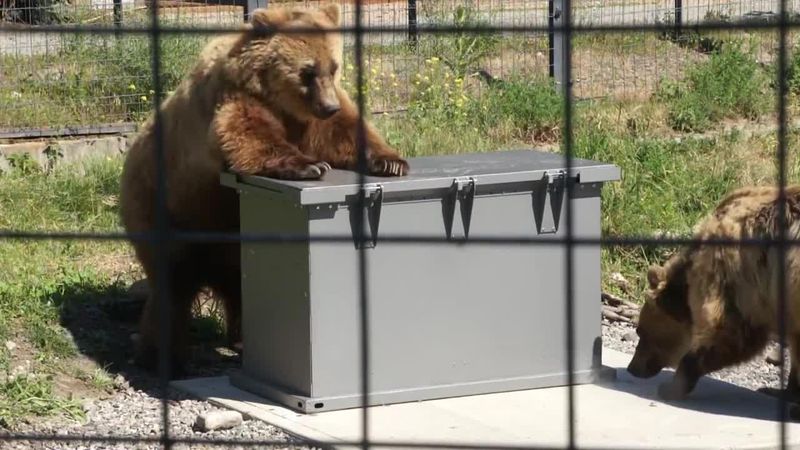
Outdoor pet food storage creates serious bear attractant problems for Colorado homeowners.
The concentrated protein and fat content in dog and cat food appeals strongly to bears seeking high-calorie meals.
Even small amounts left in bowls overnight can draw bears into your immediate living space.
Bears demonstrate remarkable problem-solving abilities when accessing pet food.
They pry open storage containers, flip heavy bins, and even open some latched systems through trial and error.
Plastic storage tubs get crushed or chewed through, while metal containers show dents and scratches from persistent efforts.
Food bags stored in garages or on porches vanish completely or end up torn apart with contents consumed.
The mess extends beyond just the immediate feeding area.
Bears carry food bags away from the original location before opening them in spots where they feel safer.
You might discover shredded bags and scattered kibble twenty or thirty feet from where you stored them.
Pet bowls left outside overnight disappear entirely or end up relocated across your yard.
Feed pets indoors whenever possible and remove bowls immediately after meals.
Store all pet food inside your house rather than in garages or sheds where odors escape.
Never leave automatic feeders outside overnight during bear season.
Clean feeding areas thoroughly to eliminate residual odors that continue attracting wildlife.
Teaching these habits to everyone in your household prevents accidental bear encounters and protects both your family and local bear populations from dangerous conflicts.