8 Signs A Groundhog Was In Your New York Yard Without You Knowing

A New York yard can see more action than you might guess, especially when a groundhog slips in under the radar.
These chunky little diggers move with surprising stealth, turning a quiet patch of grass into their own snacking spot or construction zone before dawn breaks.
One day everything looks picture perfect, and the next something feels off, as if a secret visitor stopped by and left clues behind.
Groundhogs are masters at keeping a low profile, yet the yard often tells on them.
A fresh burrow, a half-eaten plant, or tracks pressed into soft soil can speak louder than catching the animal in the act.
Each small hint builds a bigger story of how this furry neighbor made itself at home for a short while.
With a sharp eye and a bit of patience, you can read the signs and uncover the path a groundhog took long before you spotted any movement.
1. Large Burrow Openings Near Your Foundation
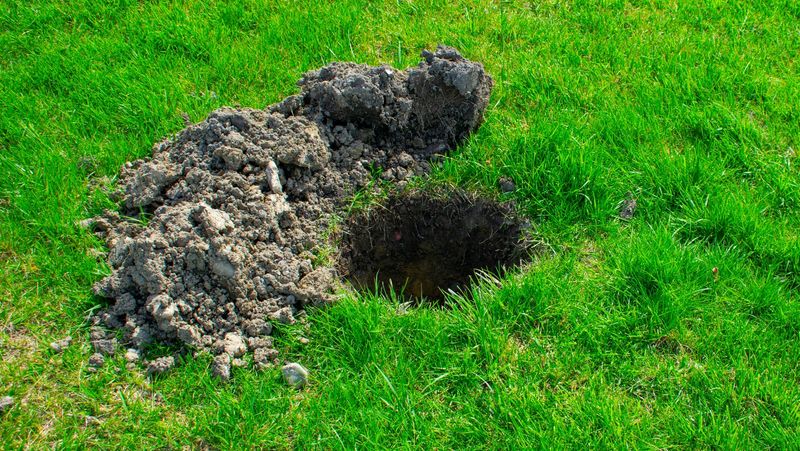
Burrow entrances are perhaps the most obvious clue that groundhogs have claimed part of your property as their own.
These openings typically measure between 10 to 12 inches in diameter, which is much larger than holes created by chipmunks or other small rodents.
Groundhogs prefer to dig their elaborate tunnel systems near foundations, sheds, decks, or other structures that provide some protection overhead.
When you spot a burrow entrance in your New York yard, you’ll often notice a distinctive mound of fresh dirt piled nearby.
Groundhogs are efficient diggers, and they excavate quite a bit of soil when creating their underground homes.
The dirt pile can extend several feet from the opening and usually looks recently disturbed.
Many homeowners throughout New York discover these burrows in spring when groundhogs emerge from hibernation and begin expanding their living quarters.
The entrances are usually located on slopes or raised areas where water won’t flood the tunnels during rainstorms.
Sometimes groundhogs create multiple entrances to their burrow system, with some openings having dirt mounds and others serving as clean escape routes.
Check around your property’s perimeter, especially near woodpiles, garden edges, or unused corners of your yard.
Groundhogs choose locations that offer easy access to food sources while providing quick escape options from predators.
Finding one of these large holes is a definite sign you’ve had an underground visitor.
2. Chewed Garden Vegetables And Missing Produce

Your once-thriving vegetable garden might suddenly show signs of mysterious damage, with plants appearing half-eaten or completely stripped of leaves.
Groundhogs are voracious eaters with a particular fondness for garden vegetables, and they can demolish an impressive amount of produce in a single feeding session.
These animals especially love beans, peas, lettuce, broccoli, and other tender greens that New York gardeners work hard to cultivate.
Unlike rabbits that nibble delicately, groundhogs take large bites and can consume entire plants down to the stems.
You might notice that your tomatoes have disappeared right when they were about to ripen, or your carefully tended cabbage has been reduced to a stump overnight.
Groundhogs typically feed during early morning or late afternoon hours, which explains why you might miss seeing them in action.
The damage pattern differs from insect damage or deer browsing because groundhogs leave behind clean cuts from their sharp teeth.
They often target plants closest to the ground first, working their way through a garden systematically.
In New York suburbs and rural areas, groundhogs have learned that human gardens provide an easy buffet compared to foraging for wild plants.
If you’re finding vegetables with chunks missing or entire rows of seedlings vanished, groundhogs are likely the culprits.
They can reach surprisingly high when standing on their hind legs, accessing plants you might think are safe from ground-dwelling creatures.
3. Trampled Flower Beds With Flattened Paths

Flower beds can reveal groundhog presence through distinctive flattened pathways where these hefty animals repeatedly travel.
Groundhogs weigh between 5 to 14 pounds, and their stocky bodies create noticeable trails through gardens and landscaped areas.
Unlike the delicate tracks left by smaller creatures, groundhog paths show clear signs of something substantial pushing through vegetation.
You’ll often notice these trails leading from burrow entrances toward food sources or between different areas of your New York property.
The paths typically run along fence lines, building edges, or through dense plantings where groundhogs feel somewhat protected from hawks and other predators.
Flowers along these routes get crushed repeatedly, creating permanent-looking trails through your carefully arranged beds.
Groundhogs are creatures of habit and will use the same pathways day after day, which explains why certain areas of your garden look perpetually trampled.
The vegetation along these routes becomes matted down, and you might see broken stems or displaced mulch marking their regular routes.
In spring and summer, when New York groundhogs are most active, these pathways become increasingly obvious.
Check your flower beds for these telltale trails, especially areas connecting potential food sources to shelter spots.
The paths are usually about 6 to 8 inches wide, reflecting the groundhog’s body size.
Sometimes you’ll also notice droppings along these routes, which appear as small, dark, oval-shaped pellets that further confirm groundhog activity in your yard.
4. Stripped Bark On Young Trees And Shrubs

Young trees and shrubs sometimes show mysterious bark damage that homeowners initially attribute to other causes.
Groundhogs occasionally gnaw on woody plants, especially during early spring when other food sources are scarce in New York.
They target the tender bark of saplings and the lower branches of shrubs, leaving behind distinctive tooth marks and stripped sections.
This behavior intensifies in late winter and early spring when groundhogs first emerge from hibernation and need to replenish their energy reserves.
The bark damage typically appears at ground level or within the first couple feet of the trunk, matching the height groundhogs can comfortably reach.
You’ll notice the bark has been scraped or chewed away in patches rather than showing the neat, circular gnawing pattern that rabbits create.
Fruit trees are particularly vulnerable to groundhog attention, with apple, cherry, and peach trees being favorite targets.
Ornamental shrubs like dogwoods and young evergreens can also suffer damage.
In suburban New York yards, where groundhogs have adapted to living near humans, this bark stripping becomes more common as natural food sources become limited.
The damage can seriously harm or even compromise young trees by interrupting the flow of nutrients.
If you notice bark stripped from the base of your trees in irregular patches, with visible tooth scrapes in the exposed wood, groundhogs are likely responsible.
This type of feeding behavior differs from deer rubbing, which creates smooth, polished areas rather than gnawed sections.
5. Disturbed Soil And Excavated Dirt Mounds
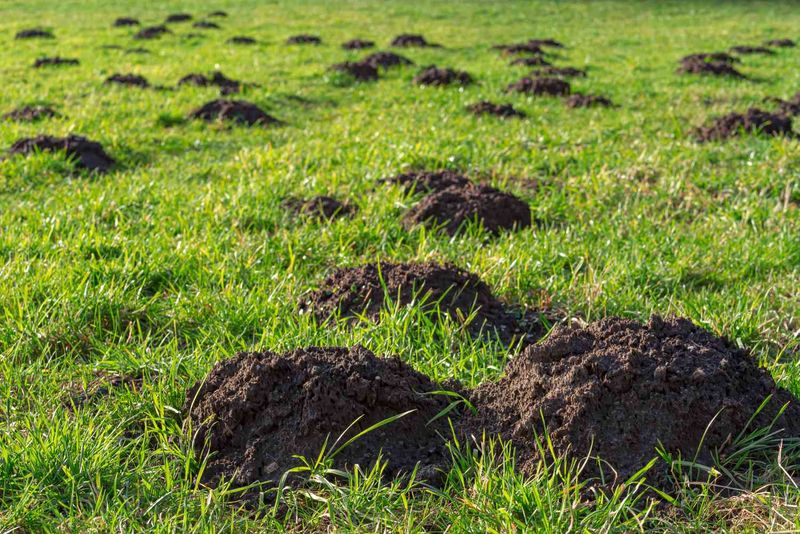
Random piles of freshly dug dirt appearing across your lawn signal active groundhog excavation work.
These mounds differ from molehills because they’re considerably larger and appear less regularly spaced.
Groundhogs move impressive amounts of soil when constructing or expanding their burrow systems, and this excavated earth has to go somewhere.
The dirt mounds typically appear light brown or tan, depending on your New York soil composition, and look recently disturbed with loose, crumbly texture.
Unlike the neat, volcano-shaped mounds created by moles, groundhog excavation piles are more scattered and irregular.
You might find these dirt deposits several feet away from the actual burrow entrance, as groundhogs sometimes push soil out through their tunnels and deposit it at various exit points.
During spring months, when groundhogs are most actively digging, you might discover new dirt piles appearing weekly or even daily.
The animals expand their tunnel networks to create separate chambers for sleeping, raising young, and escaping predators.
Each chamber addition means more excavated soil appearing somewhere in your yard.
New York homeowners sometimes mistake these dirt piles for landscaping work or assume children have been digging.
However, the sheer volume of soil and the proximity to burrow openings usually reveals the true source.
The disturbed areas might also show claw marks or scrape patterns in the soil, providing additional evidence of groundhog activity rather than other burrowing animals.
6. Gnawed Wood On Decks And Outdoor Structures

Wooden structures around your property might display unexpected chew marks that seem to appear overnight.
Groundhogs have continuously growing teeth that require regular gnawing to keep them properly filed down, similar to other rodents.
This biological necessity means they’ll chew on various wooden surfaces, including deck posts, shed corners, fence boards, and even wooden garden borders.
The gnaw marks appear as rough, scraped areas with visible tooth impressions running parallel to each other.
Unlike carpenter ants that create smooth, hollowed galleries, groundhog damage shows aggressive surface chewing with wood fibers torn away.
In New York yards, deck skirting and the wooden supports underneath elevated structures are particularly vulnerable because groundhogs often burrow in these protected spaces.
You might notice wood shavings or small chips scattered on the ground below the damaged areas.
The chewing typically occurs at heights reachable from the ground or from a sitting position, usually within two feet of the soil surface.
Groundhogs return to the same chewing spots repeatedly, gradually creating deeper grooves and more extensive damage over time.
This behavior becomes especially noticeable in spring and summer when groundhogs are most active throughout New York.
The damage can weaken structural supports if left unchecked, making early detection important.
If you spot fresh wood damage with parallel tooth marks and scattered wood debris, groundhogs are probably using your outdoor structures as their personal chew toys while maintaining their ever-growing incisors.
7. Distinctive Droppings Near Garden Areas

Finding small, dark pellets scattered around your New York yard provides concrete evidence of groundhog visitors.
Groundhog droppings are distinctive once you know what to look for, appearing as oval or cylindrical pellets roughly half an inch to three-quarters of an inch long.
They’re typically dark brown or black when fresh, fading to a lighter color as they dry out and age.
These droppings often appear in clusters rather than individual pellets, and you’ll frequently find them along groundhog travel routes, near burrow entrances, or in feeding areas.
Unlike rabbit droppings which are perfectly round and uniform, groundhog scat has a more irregular, oblong shape.
The pellets sometimes show visible plant fiber, reflecting the groundhog’s vegetarian diet of grasses, garden plants, and other vegetation.
Groundhogs typically establish latrine areas where they repeatedly deposit waste, so you might discover concentrated collections rather than random scattered droppings.
These bathroom spots are often located a short distance from their main burrow entrance, positioned along their regular pathways.
In suburban New York yards, you’ll frequently find these droppings near garden edges, along fence lines, or under decks where groundhogs feel secure.
The presence of fresh droppings indicates recent groundhog activity, helping you determine if you’re dealing with a current visitor or old evidence from a previous resident.
Fresh pellets appear moist and dark, while older droppings become dry, brittle, and fade to gray or tan colors over several weeks of weather exposure.
8. Worn Grass Patches Leading To Hiding Spots
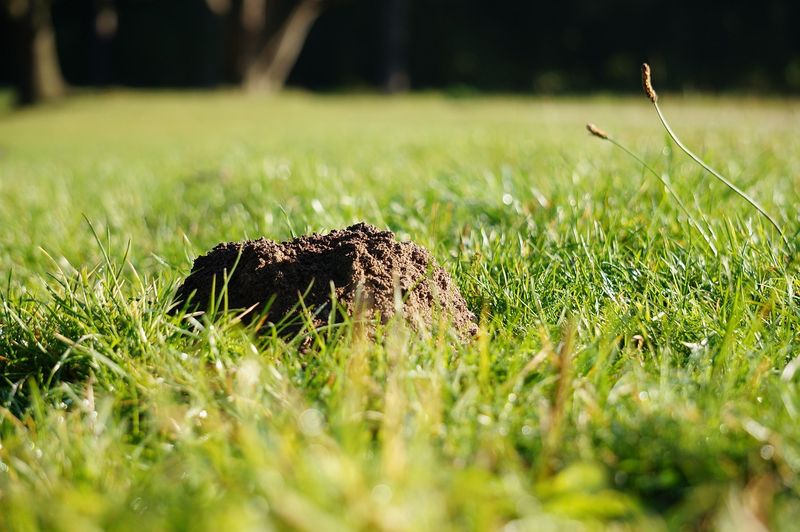
Mysterious trails of flattened or worn grass appearing in your lawn reveal the regular routes groundhogs take across your property.
These paths develop gradually as the animals travel the same routes repeatedly between their burrows and feeding areas.
The grass along these trails becomes compressed and eventually wears away completely, creating visible pathways across otherwise healthy lawns throughout New York.
Groundhogs prefer routes that offer some cover, so their trails often run along fence lines, beside buildings, or through areas with nearby shrubs they can dash under if threatened.
The worn areas typically measure 6 to 8 inches wide, matching the groundhog’s stocky body size.
Unlike trails created by dogs or other pets that might wander randomly, groundhog paths follow very consistent routes with clear starting and ending points.
You’ll often notice these trails connecting a burrow entrance to your garden, compost pile, or other food sources.
In well-maintained lawns, the contrast between healthy grass and the worn pathway becomes quite obvious, especially during summer growing season when the surrounding grass stays lush while the trail remains bare.
New York homeowners sometimes mistake these for damage from lawn equipment or foot traffic before realizing the paths lead to groundhog activity zones.
The grass along these routes doesn’t just get shorter, it gets completely compressed and eventually stops growing in the most heavily trafficked sections.
Early morning dew often reveals these pathways more clearly, as the flattened grass dries differently than surrounding vegetation.