9 Signs A Plant Is Beyond Saving After February Cold Damage In Michigan
Michigan winters do not go easy on gardens, and February often delivers the toughest cold of the entire season. When temperatures drop suddenly, even hardy plants can suffer hidden damage that only becomes obvious weeks later.
At first, everything may look quiet and frozen, but beneath the surface some plants are struggling more than they can recover from. As spring gets closer, many gardeners face the same question: will this plant bounce back, or is it too far gone?
Knowing how to spot the difference can save a lot of time, effort, and disappointment. Instead of guessing, a few clear signs can reveal whether roots, stems, and buds are still alive.
Understanding when a plant has truly reached the point of no return helps you focus on the ones that can recover and rebuild a healthier, stronger garden for the season ahead.
1. Blackened Or Wilted Leaves
Leaves tell the first story of cold damage. When frost hits hard, the water inside leaf cells freezes and expands.
This expansion causes the delicate cell walls to burst open. Once that happens, the tissue cannot function properly anymore.
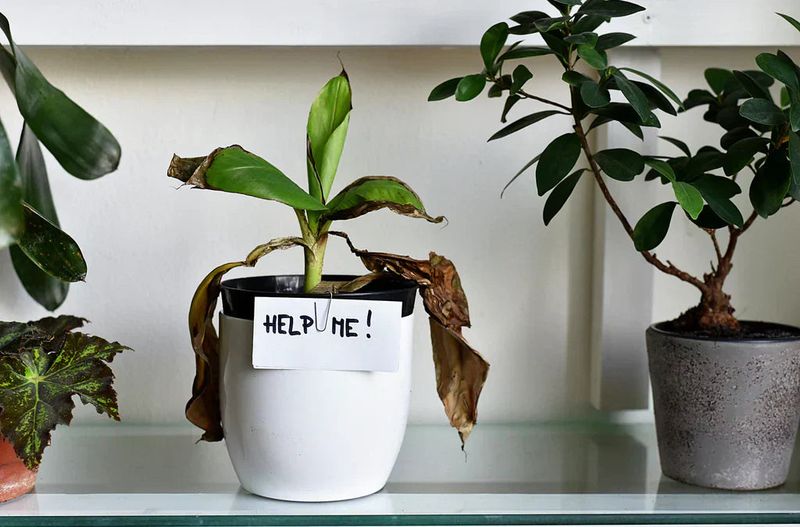
You will notice leaves turning black or dark brown almost overnight. They might look water-soaked at first, then dry out and become papery.
The texture changes dramatically from firm and healthy to limp and lifeless. Some leaves curl inward or droop downward in a telltale sign of distress.
Green chlorophyll breaks down when cells are damaged this severely. What remains is a blackened mess that cannot perform photosynthesis.
Without this vital process, the plant struggles to make food for itself. A few affected leaves might not spell doom, but when most foliage shows this blackening, recovery becomes nearly impossible.
Wilting accompanies the discoloration because damaged cells lose their ability to hold water. The leaves collapse under their own weight.
Touching them reveals a mushy or brittle texture depending on how long the damage has progressed. This combination of color change and structural failure indicates that the plant has suffered irreversible harm and likely will not bounce back come spring.
2. Brown, Brittle Stems
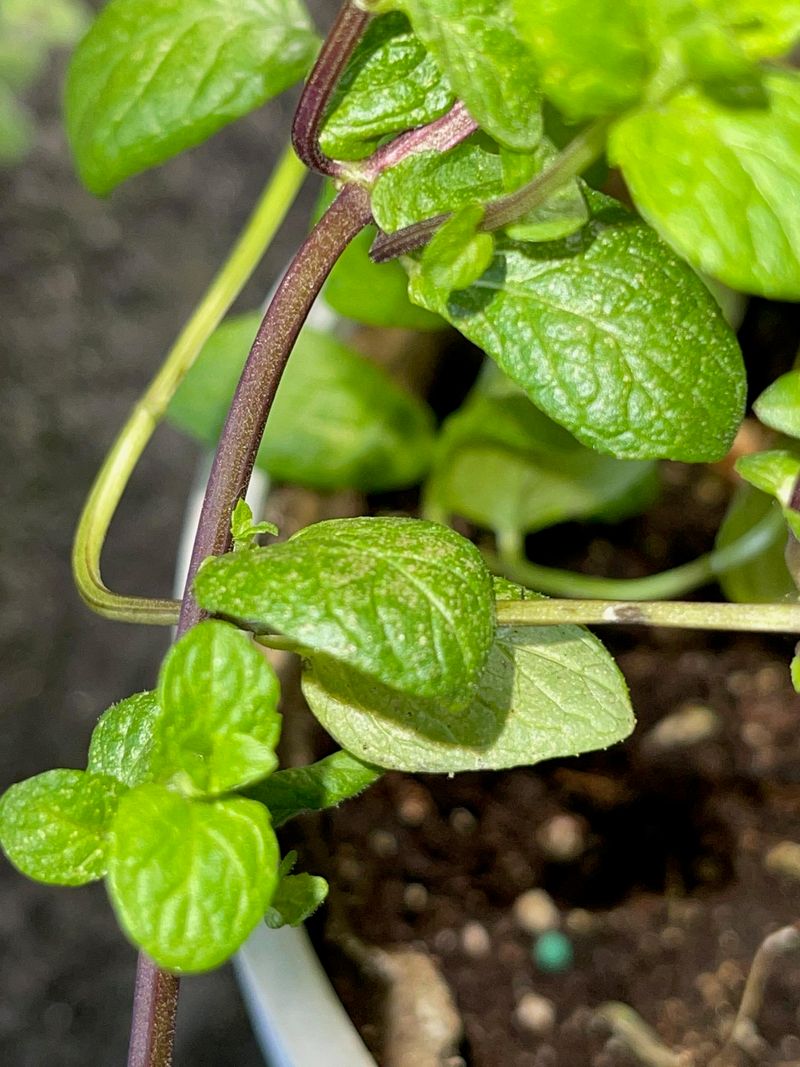
Stems act as the plant’s highway system, moving water and nutrients from roots to leaves. Healthy stems bend slightly when you apply gentle pressure.
They have a green layer just beneath the outer bark that signals living tissue. When cold strikes with full force, stems lose this flexibility and vitality completely.
Brown coloring throughout the stem indicates that the vascular tissue has been compromised. This tissue is responsible for transporting everything the plant needs to survive.
Once it turns brown all the way through, nothing can flow properly anymore. You can test this by carefully scratching the outer layer with your fingernail.
Brittleness is another clear warning sign. Stems that snap cleanly with minimal pressure have lost their moisture and structural integrity.
They feel dry and hollow rather than supple and firm. This brittleness means the cells inside have collapsed and cannot regenerate.
Sometimes stems look fine on the outside but are damaged internally. Cutting into them reveals brown or gray tissue instead of healthy green or white.
This internal browning shows that the freeze penetrated deeply. Plants with extensively brown and brittle stems throughout their structure have little chance of producing new growth when warmer weather arrives in spring.
3. No Bud Development In Spring
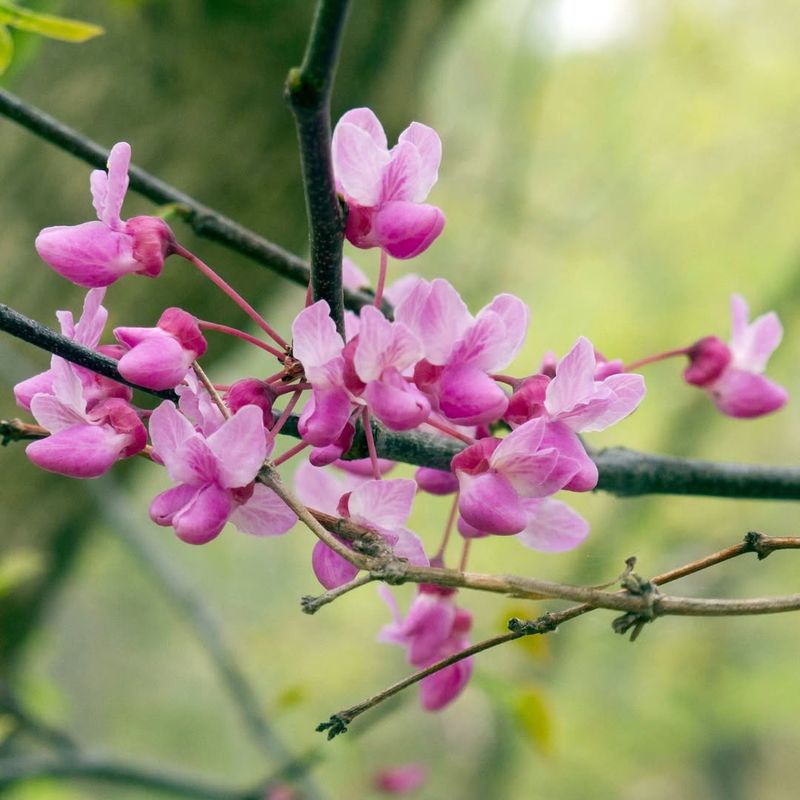
Buds hold the promise of new growth. Throughout winter, they sit dormant on branches, waiting for the right conditions to wake up.
When spring temperatures begin to rise, healthy buds swell and eventually burst open with fresh leaves or flowers. This natural cycle is one of the most hopeful signs that a plant has survived winter’s challenges.
Plants damaged beyond recovery show no bud activity at all. The buds remain small, tight, and shriveled even when neighboring plants are leafing out.
They might look dried up or discolored. Some buds fall off with the slightest touch, indicating that they never had a chance to develop properly.
Frost damage to buds occurs when ice crystals form inside the bud tissue. This freezing destroys the embryonic leaves or flowers waiting inside.
Once that delicate tissue is compromised, the bud cannot perform its intended function. You might see buds that appear intact externally but never progress past a certain stage.
Give plants a few weeks into spring before making final judgments. Sometimes buds develop slowly depending on the species and severity of winter.
However, if several weeks pass with no swelling or green tissue emerging, the plant has likely suffered fatal damage and will not produce new growth this season or ever again.
4. Soft, Mushy Roots
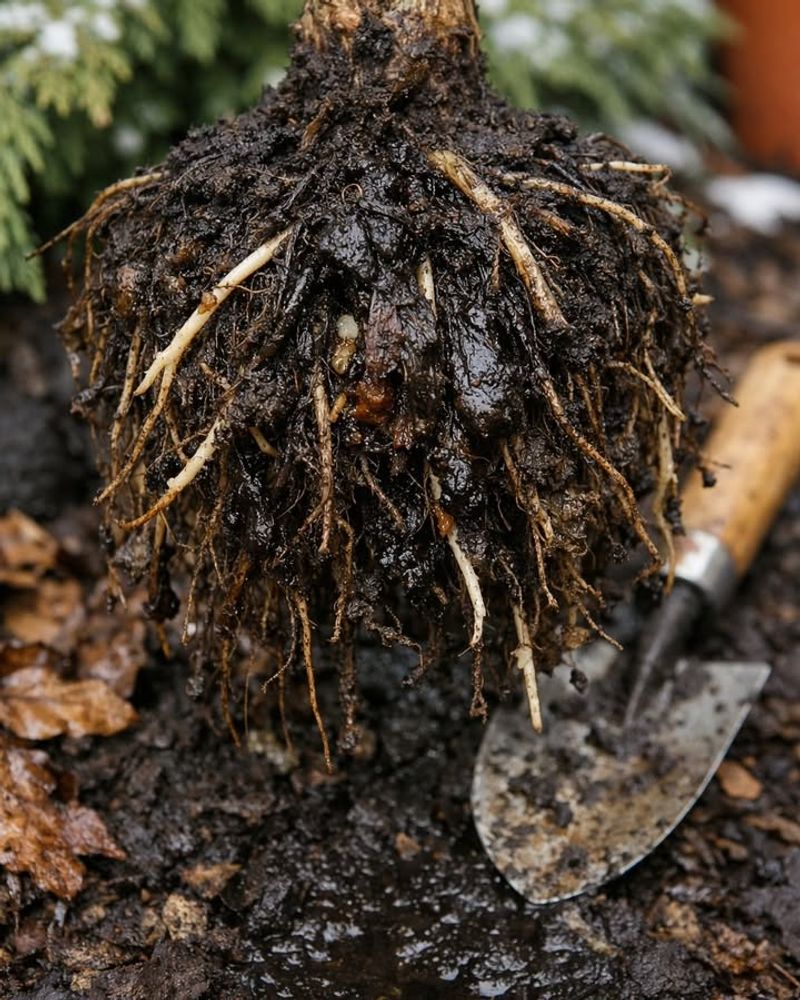
Roots anchor plants and absorb essential water and nutrients from the soil. They typically feel firm and have a whitish or tan color when healthy.
Root systems work tirelessly underground, often going unnoticed until something goes wrong. February freezes can penetrate deep into the soil, especially when snow cover is minimal.
Frozen roots suffer cellular damage just like above-ground parts. When you gently dig around a struggling plant and examine the roots, mushiness is a terrible sign.
Healthy roots resist pressure and spring back when squeezed. Damaged roots feel soft, slimy, or fall apart easily between your fingers.
Blackening often accompanies this soft texture. The roots may smell foul or look water-soaked.
This indicates that the tissue has begun to decay. Waterlogged soil combined with freezing temperatures creates the perfect conditions for root rot.
Once roots reach this state, they cannot absorb anything the plant needs to survive.
Some root damage is localized, affecting only certain sections. But when the entire root ball feels mushy and discolored, recovery is not possible.
The plant has no way to take up water or nutrients. Even if the stems and leaves look somewhat intact, a plant cannot survive without a functional root system to support it through the growing season ahead.
5. Cracked Bark Or Splitting Branches
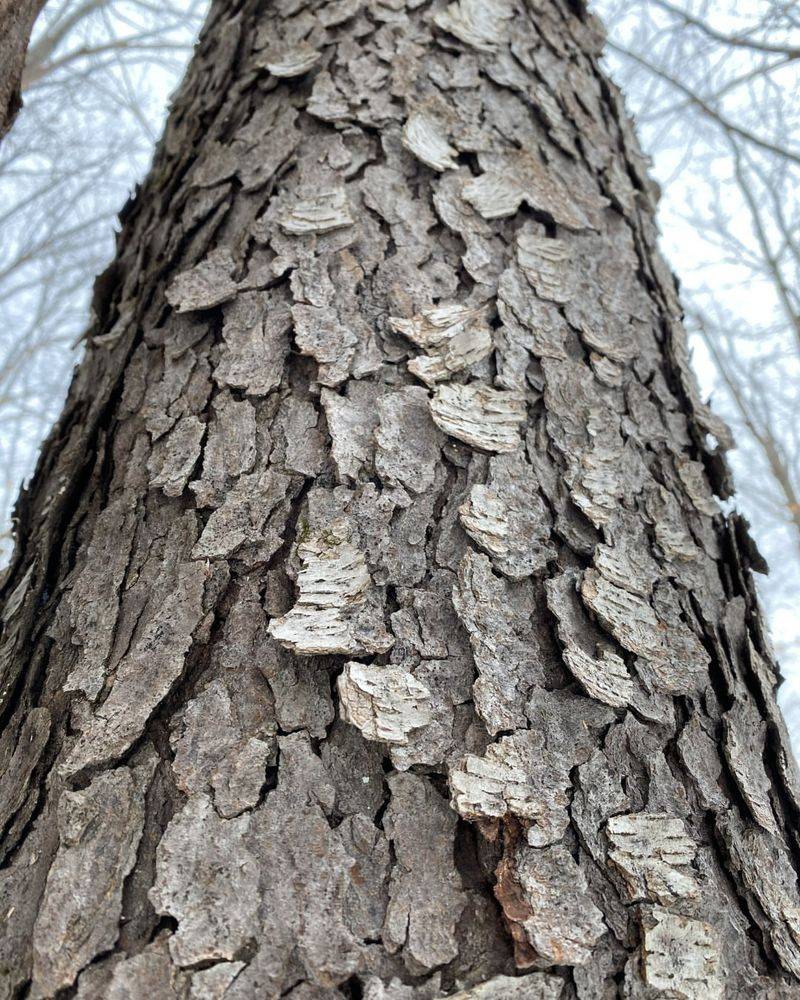
Bark serves as protective armor for the living tissue underneath. It shields the cambium layer, which is responsible for growth and nutrient transport.
When temperatures swing wildly between day and night in February, bark expands and contracts. This stress can cause visible cracking and splitting that exposes vulnerable inner layers.
Large vertical cracks running down the trunk or branches are called frost cracks. They occur when the outer bark cannot keep pace with the expansion and contraction of the wood beneath it.
These splits can be quite dramatic, sometimes several inches long. Once the bark separates this way, it rarely heals completely.
Splitting branches show similar damage but often occur at branch unions or weak points. The wood itself may split lengthwise, creating openings for disease and pests.
These wounds compromise the structural integrity of the entire plant. Even if some green tissue remains, the plant struggles to transport water and nutrients past these damaged areas.
Peeling bark that reveals brown or gray wood underneath is another concern. Healthy wood should be greenish or cream-colored.
Discolored wood indicates that freezing has damaged the cambium layer. Plants with extensive bark cracking and splitting across multiple branches or the main trunk have suffered severe structural damage that makes recovery highly unlikely as spring progresses.
6. Lack Of Leaf Emergence After Several Weeks
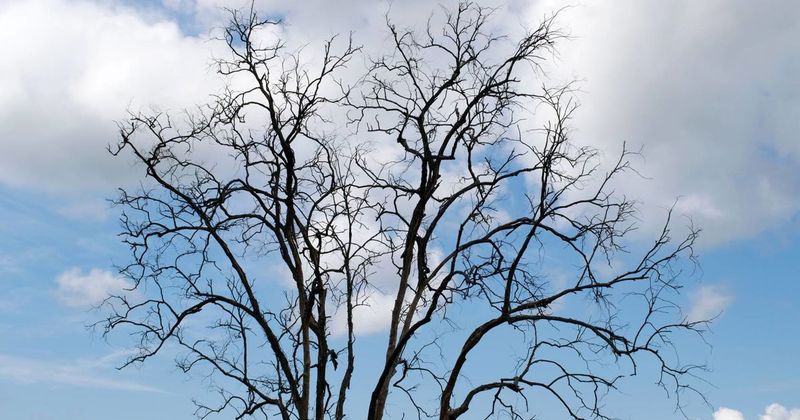
Spring brings a wave of green as plants wake from dormancy. Perennials push new shoots through the soil, and woody plants unfurl fresh leaves along their branches.
This seasonal transformation typically follows a predictable timeline for each species. Some plants leaf out early, while others take their time, but all healthy plants eventually show signs of growth.
Plants that suffered fatal cold damage remain bare and lifeless. Weeks pass, and neighboring plants burst with new foliage, but the damaged plant shows nothing.
No green shoots emerge from the soil. No buds swell or open on the branches.
The plant looks exactly as it did in the depths of winter.
Patience is important because some species naturally leaf out later than others. Certain shrubs and trees wait until late spring to show activity.
However, when four to six weeks pass with absolutely no change, concern is warranted. Scratch the bark gently to check for green tissue underneath.
If you find only brown or gray, the plant is not coming back.
This lack of emergence is often the final confirmation that cold damage was too severe. The plant’s energy reserves have been depleted trying to recover.
Without any visible growth by late spring, the plant has nothing left to give and will not recover this year or in future seasons.
7. Foul Odor From Roots Or Stems
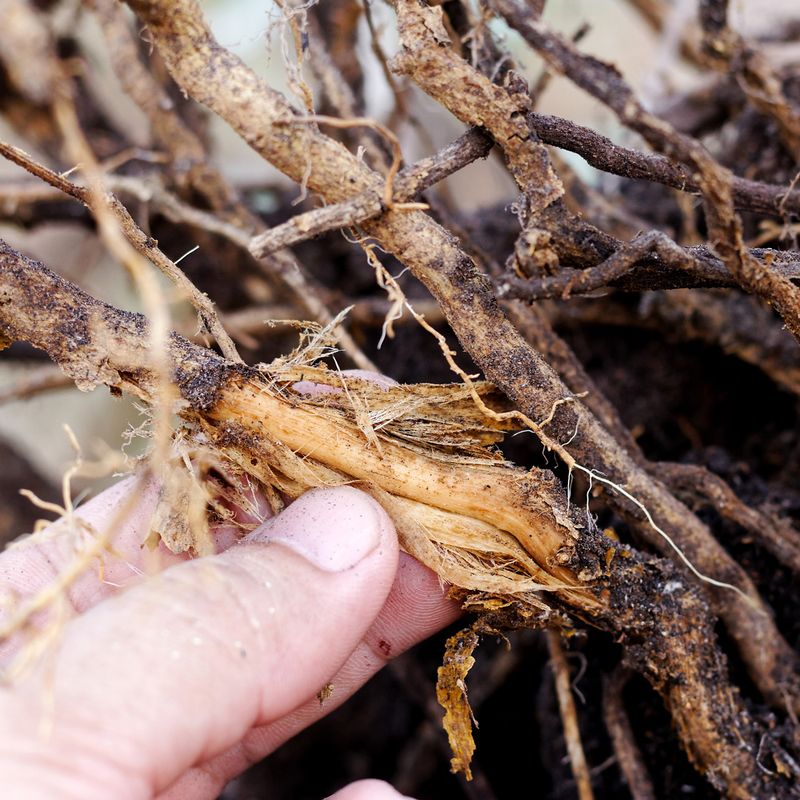
Smell is a powerful diagnostic tool in the garden. Healthy plants have an earthy, fresh scent, especially when you disturb the soil around them.
Roots and stems should not produce any unpleasant odors. When plant tissue begins to decay, however, the smell becomes unmistakable.
This is your nose telling you that something has gone very wrong beneath the surface.
Rotting plant material releases gases as bacteria and fungi break down the tissue. This process creates a sour, musty, or downright rotten smell.
When you dig around a plant or break open a stem, a foul odor wafting up is a clear sign of decay. The tissue has been compromised so severely that decomposition has already begun.
Freeze damage creates entry points for pathogens. Once the cellular structure is broken, bacteria and fungi move in quickly.
They thrive in the damaged, moisture-rich environment. The combination of cold injury and microbial activity produces that characteristic bad smell.
It indicates that the plant is not just damaged but actively decomposing.
Some plants naturally have stronger scents than others, so context matters. But a truly foul, rotten odor is never a good sign.
If you smell decay when examining roots or cutting into stems, the plant has crossed the point where recovery is possible. The tissue is breaking down at a cellular level, and no amount of care will reverse this process.
8. Dry, Brittle Canes In Woody Shrubs
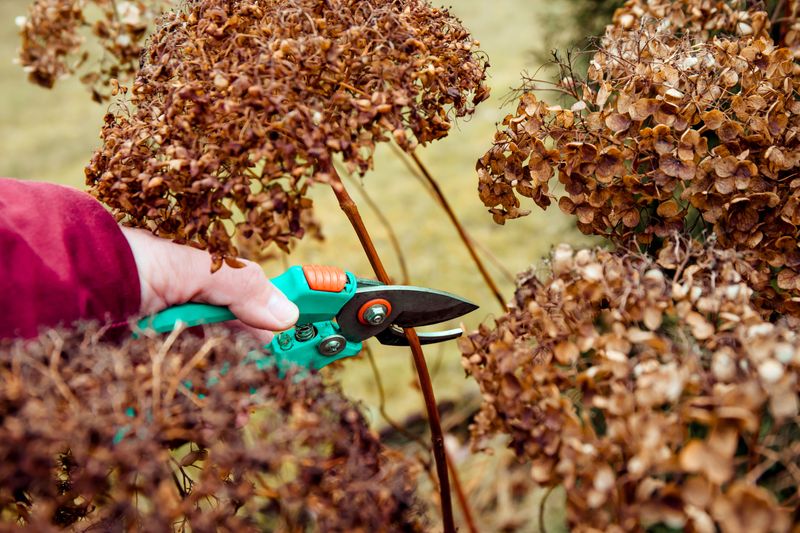
Woody shrubs like roses, hydrangeas, and raspberries have canes that should remain somewhat flexible even in winter. These canes store moisture and nutrients that help the plant survive dormancy.
When you bend a healthy cane slightly, it resists and springs back. The wood feels solid and has weight to it.
This resilience indicates that the vascular system inside is intact and ready to support new growth.
Cold damage changes everything about cane texture and behavior. Canes that have been frozen beyond recovery become completely dry and brittle.
They snap with minimal pressure, breaking cleanly like a dry twig. When you break open the cane, the inside should show green tissue in at least some layer.
Damaged canes reveal only brown or tan tissue all the way through.
This dryness happens because the freeze ruptured the cells that store water. Once those cells are damaged, moisture escapes and the cane dries out completely.
Without moisture, the tissue cannot support any metabolic activity. The cane becomes essentially a hollow shell with no living tissue remaining inside.
Check multiple canes at different heights and locations on the shrub. Sometimes only the tips are affected, and the plant can recover from lower buds.
But when canes are brittle and brown throughout their entire length, especially near the base, the shrub has no viable tissue left to produce new growth this spring or beyond.
9. Discoloration And Soft Spots On Trunks Or Stems
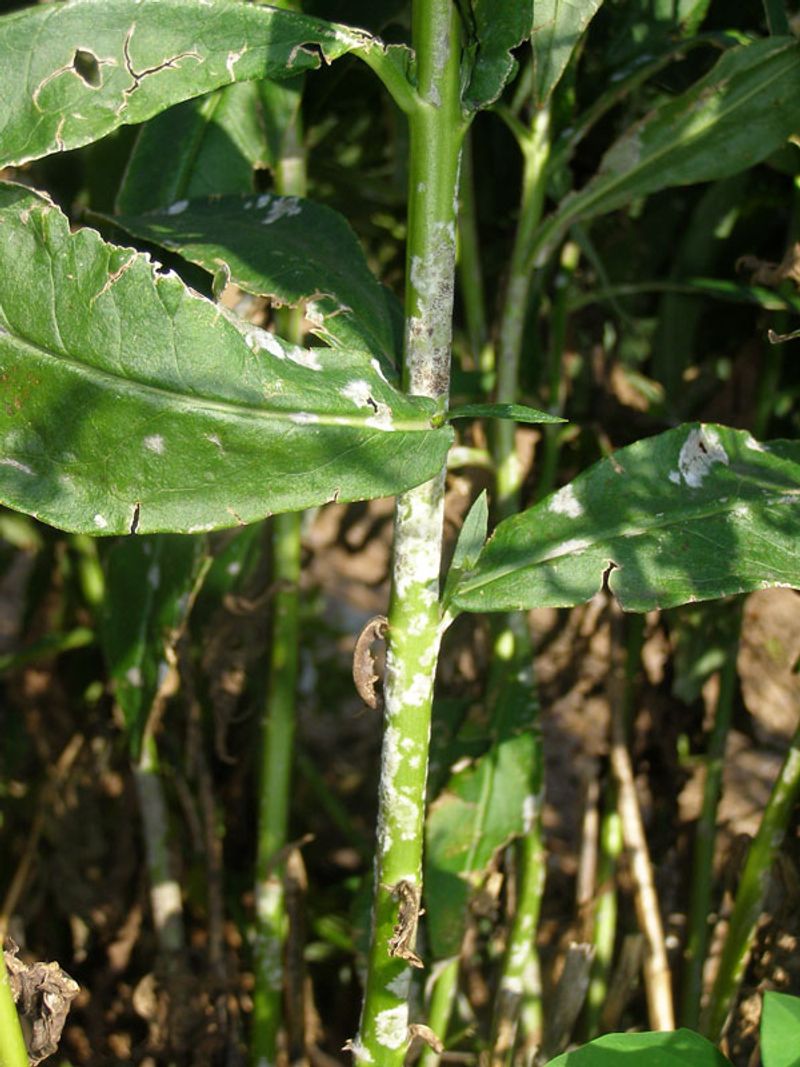
Trunks and main stems provide the structural backbone for plants. They house the critical vascular tissue that moves water upward and nutrients downward.
Healthy trunks have uniform coloring and firm texture throughout. They might have natural variations in bark color, but the underlying wood should feel solid when you press on it.
Any deviation from this norm deserves close inspection.
Severe freeze damage manifests as unusual discoloration on the trunk surface. You might see gray, black, or even purple patches that were not there before winter.
These color changes indicate that the tissue beneath the bark has been damaged. Water-soaked spots that feel soft or spongy when pressed are particularly concerning.
They show that the freeze caused cellular collapse in the vascular tissue.
Soft spots often appear sunken or slightly depressed compared to surrounding bark. This happens because the damaged tissue loses its structural integrity and begins to collapse inward.
The area might feel cool or damp to the touch. Sometimes liquid oozes from these spots, which is a sign that internal decay has begun.
When vascular tissue is compromised this severely, the plant cannot transport water and nutrients effectively. The damage acts like a blockage in the plant’s circulatory system.
Even if some branches or roots remain alive, they cannot receive what they need to function. Extensive discoloration and soft spots on the main trunk or primary stems indicate that the plant’s core infrastructure has failed and recovery is not possible.