7 Signs A Plant Is Beyond Saving After February Cold Damage In North Carolina
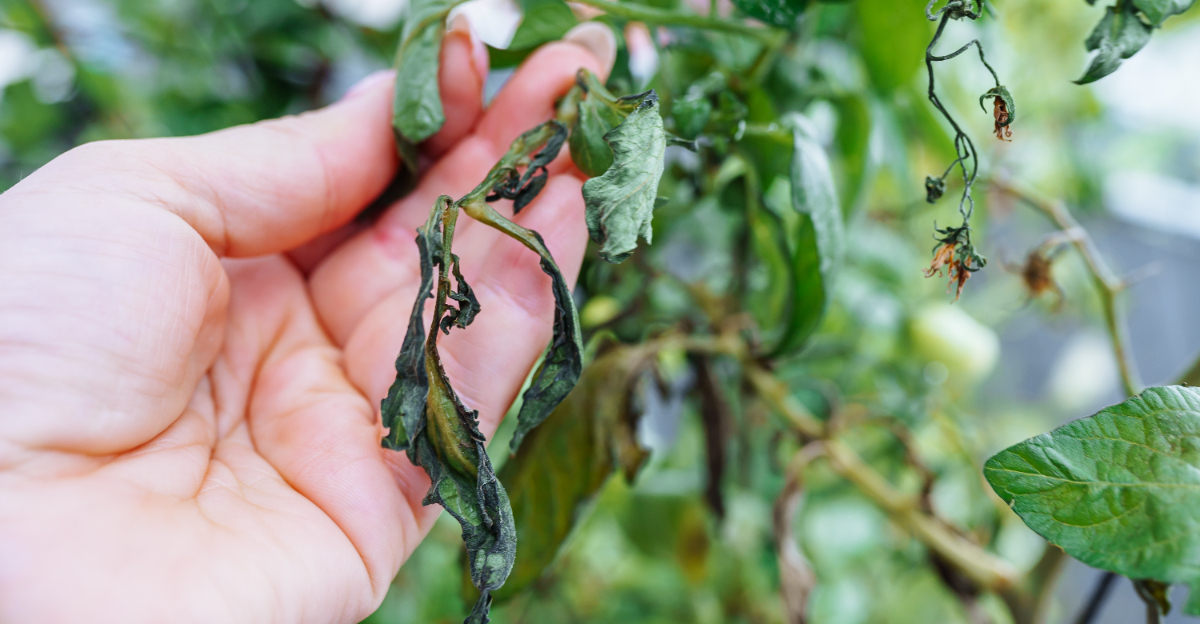
February in North Carolina can be unpredictable, and sudden cold snaps often catch gardens off guard.
One day feels mild, the next brings freezing temperatures that stress plants not fully prepared for the drop. Tender growth, early buds, and even hardy shrubs can show signs of shock when the cold hits fast.
After a freeze, many gardeners walk outside wondering the same thing: will these plants recover, or is the damage permanent? The answer often lies in the small details. Wilting leaves, darkened stems, and delayed growth can reveal more than you might expect.
Spotting these warning signs early helps you decide whether to wait patiently, prune carefully, or replace struggling plants.
With a little observation and the right response, you can protect your garden, encourage recovery, and keep your landscape moving toward a healthy spring.
1. Stems And Branches Remain Brittle Or Shatter Easily
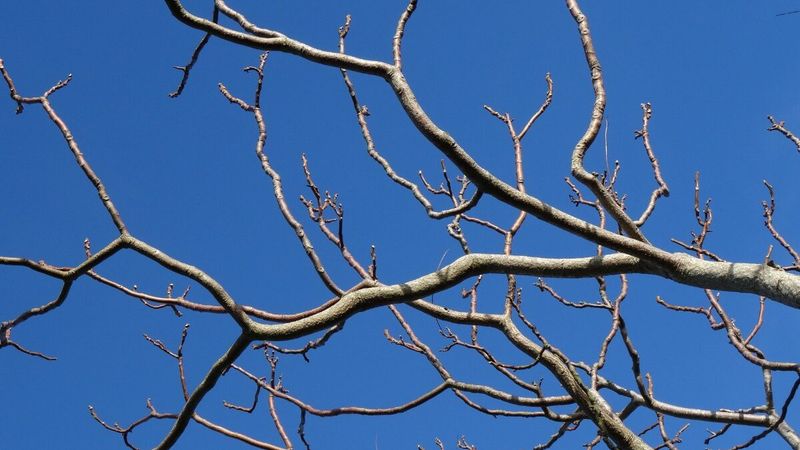
When you gently bend a stem and it snaps like a dry twig, that’s trouble. Healthy plant tissue has flexibility even during dormancy. Cold damage freezes the water inside plant cells, causing them to burst and lose their structural integrity.
Testing your plants is simple. Choose a small branch near the base and bend it slowly. Living wood flexes before it breaks, while damaged tissue shatters immediately.
You might hear a crisp crack sound that signals the end.
The cambium layer beneath the bark is where all the action happens. This thin green tissue transports nutrients and water throughout the plant. When February cold penetrates deep enough, it destroys this vital layer completely.
Brittle stems can’t support new growth in spring. Even if some portions look okay, widespread brittleness means the vascular system has failed. The plant simply can’t move resources where they’re needed most.
Check multiple branches at different heights and locations. Sometimes lower portions survive while upper sections perish. However, if every stem you test snaps easily, recovery becomes highly unlikely.
Spring warmth won’t revive shattered tissue. Those broken stems will never green up again or produce leaves. Your best option involves removing the damaged plant and starting fresh with something more cold-hardy for your zone.
2. Leaves Turn Brown Or Black And Fail To Recover
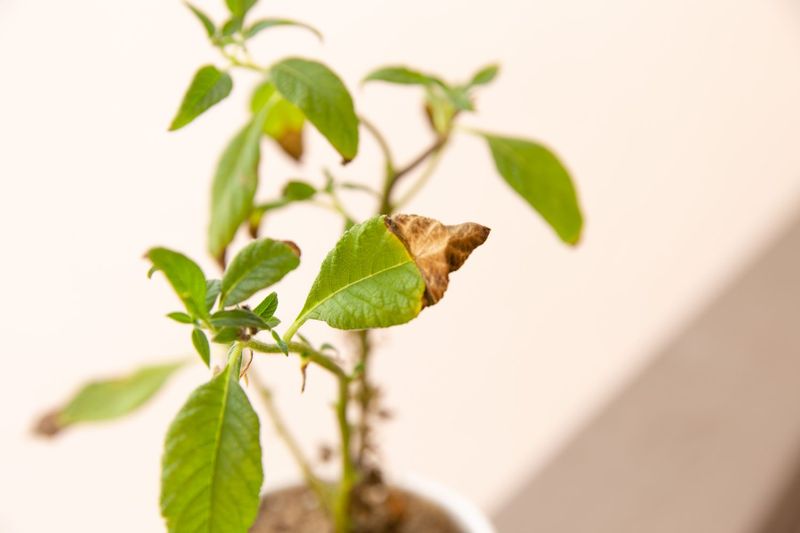
Foliage tells an honest story about plant health. When leaves shift from green to brown or black, cellular damage has occurred at a microscopic level. Frost crystals puncture cell walls, causing fluids to leak and tissues to collapse.
Normal cold-weather leaf changes differ from freeze damage. Deciduous plants naturally drop leaves in fall, and evergreens might bronze slightly. But sudden blackening after a February freeze signals something more serious.
Give damaged foliage about a week after temperatures warm up. Sometimes plants surprise us with recovery. New green growth might emerge from seemingly ruined leaves if only surface cells suffered.
Photosynthesis becomes impossible when leaf tissue turns completely brown or black. Without this essential process, plants can’t manufacture food or energy. They slowly decline even if roots remain intact.
Inspect leaves carefully for any green patches or new growth points. Even tiny spots of living tissue offer hope for recovery. But uniformly darkened foliage across the entire plant spells trouble.
Plants with totally blackened leaves rarely bounce back in North Carolina gardens. The damage runs too deep for regeneration.
While you can wait another week or two, chances of revival remain slim. Most gardeners find it better to accept the loss and plan for replacement.
3. Roots Appear Soft, Mushy, Or Rotten
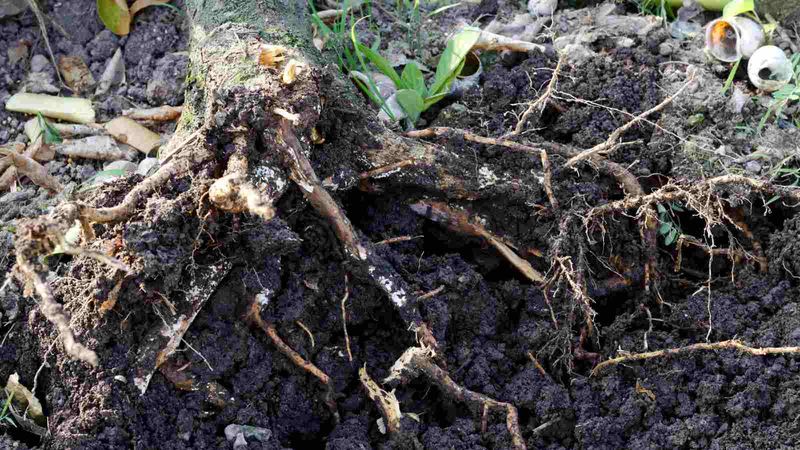
Root systems work underground where we can’t easily see them. Container plants face higher risk because cold penetrates pots from all sides. Ground-planted specimens have some insulation, but extreme cold still reaches down.
Checking roots requires careful excavation. Gently dig around the base and pull back some soil. Healthy roots feel firm and show white or light tan colors inside when you break one open.
Mushy roots indicate cellular breakdown from freezing. When water inside root cells freezes and expands, it ruptures cell walls permanently. The tissue then decays rapidly, especially as temperatures warm up again.
A rotten smell often accompanies damaged roots. This odor comes from bacterial activity breaking down compromised tissue. Healthy roots have an earthy scent, not a foul one.
Root damage proves particularly devastating because these structures absorb water and nutrients. Without functional roots, the entire plant starves regardless of what’s happening above ground. Even healthy-looking stems can’t survive without root support.
Sometimes only portions of the root system suffer damage. Fibrous outer roots might rot while the taproot survives. However, widespread mushiness throughout the root zone means the plant has lost its foundation.
Recovery from extensive root damage rarely happens, especially after severe February freezes in North Carolina.
4. No Bud Break Occurs By Early Spring
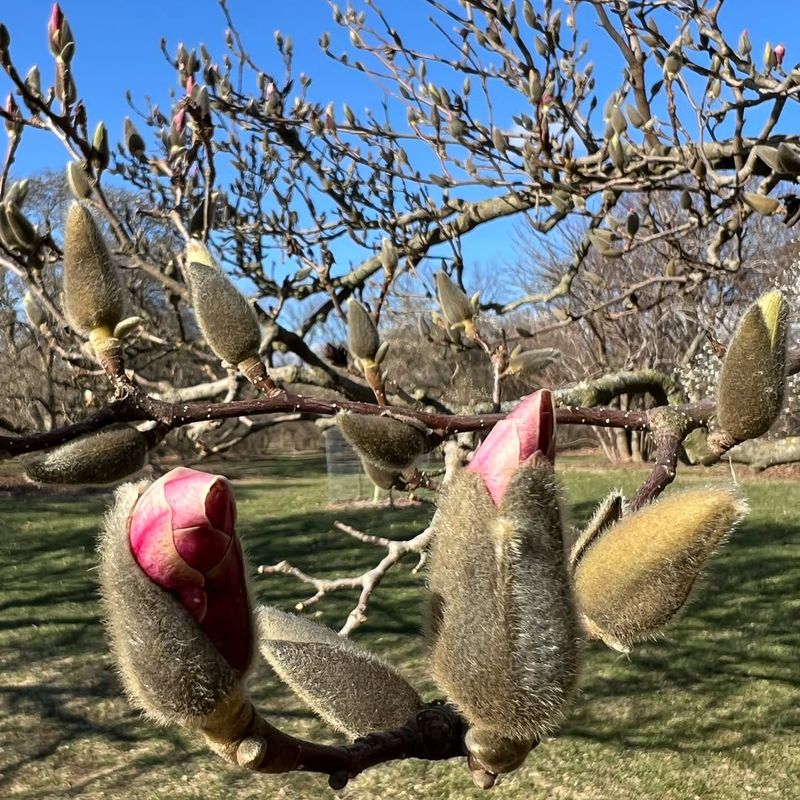
Spring brings renewed energy to gardens across North Carolina. Buds swell as temperatures rise and daylight lengthens. This natural awakening signals that plants survived winter and are ready to grow again.
Dormant buds contain miniature leaves and flowers waiting for the right moment. They’re protected by scales and insulation during cold months. But severe February freezes can penetrate even these defenses.
Watch your plants carefully as March and April arrive. Neighboring plants of the same species will show bud activity if conditions are right. Compare your questionable plant to healthy specimens nearby.
Buds that remain tight and brown when others are greening up have likely perished. The embryonic tissue inside froze solid, destroying future growth potential. No amount of warmth will revive them.
Sometimes outer buds fail while inner or lower buds survive. Check various locations on the plant before giving up completely. A few living buds might sustain the plant, though it will look sparse initially.
The absence of bud break by mid-April in North Carolina strongly suggests the plant won’t recover.
While some species break dormancy later than others, a plant showing zero bud activity while others thrive has probably reached its end. Patience has limits, and continuing to wait wastes valuable growing season.
5. Bark Peels Away From Branches Or Trunk
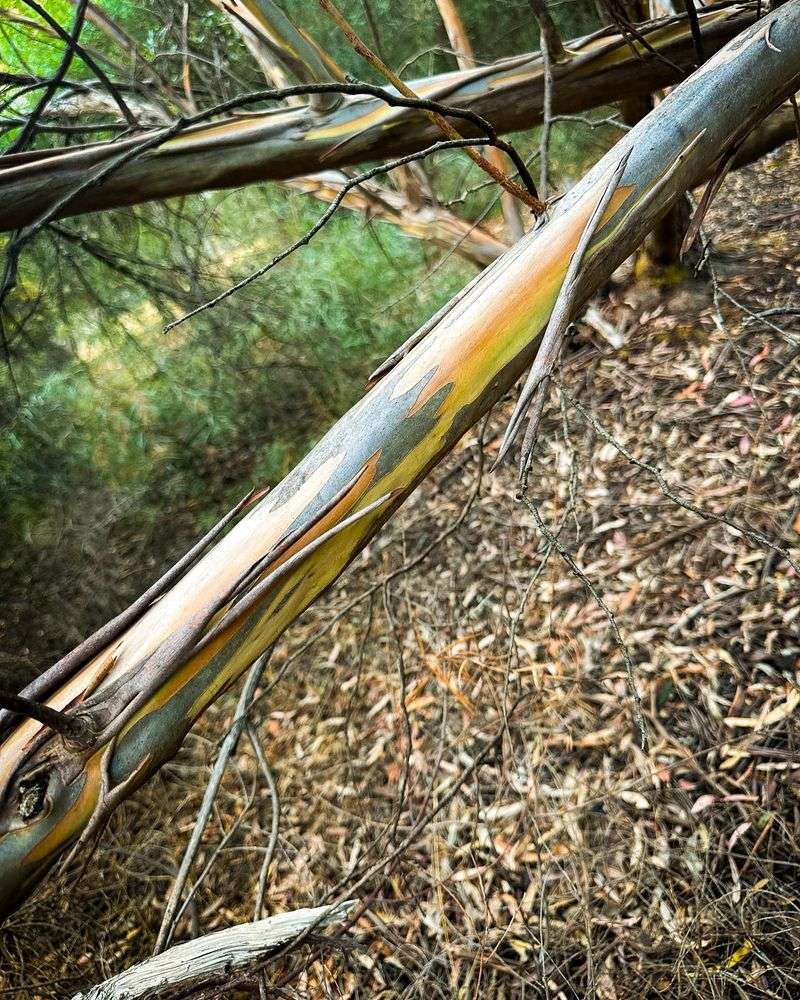
Bark serves as protective armor for woody plants. It shields the delicate cambium layer underneath from weather, pests, and disease. When bark stays firmly attached, the plant can transport water and nutrients efficiently.
Rapid temperature swings cause bark to split and separate. Wood expands and contracts at different rates than bark during freeze-thaw cycles. This creates stress that literally tears the layers apart.
You might notice vertical cracks running down the trunk first. These splits expose the pale wood underneath to air and potential pathogens. As damage progresses, entire sections of bark loosen and peel away.
Gently press on suspicious areas to test bark attachment. Firmly bonded bark won’t move under light pressure. Loose bark shifts or crackles, indicating the connection has failed underneath.
The cambium layer between bark and wood is only a few cells thick but incredibly important. It generates new growth rings and transports sugars from leaves to roots. Once this layer freezes and separates, the plant loses its lifeline.
Small areas of bark damage sometimes heal over time. Plants can compartmentalize injuries and grow new tissue around wounds. But extensive peeling that circles the trunk or affects major branches proves fatal.
The plant can’t move resources past the damaged zone, leading to decline and eventual failure.
6. Shoots And Stems Fail The Scratch Test
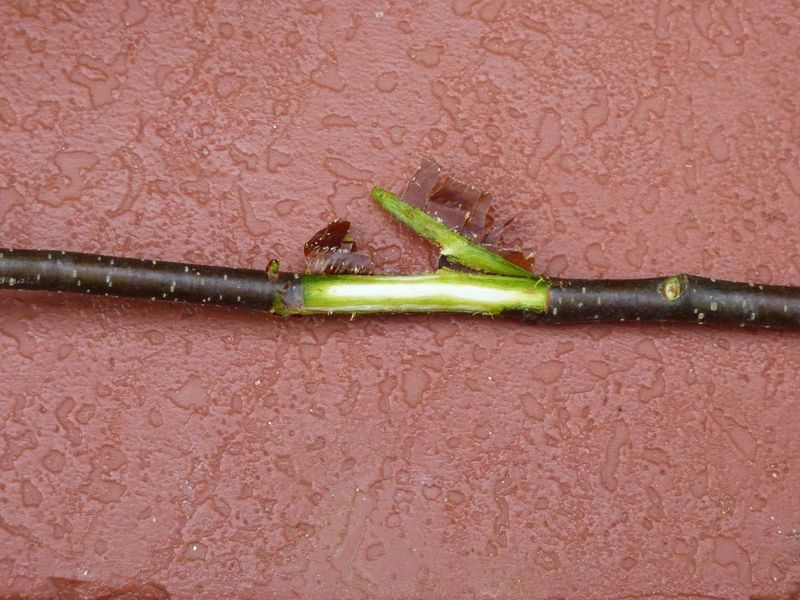
Gardeners rely on the scratch test for quick damage assessment. This simple technique reveals whether tissue beneath the bark still lives or has perished. You only need a fingernail or small knife to perform it.
Choose a stem section about pencil thickness for testing. Carefully scrape away a small patch of outer bark, maybe the size of a grain of rice. Look at the color of the tissue immediately underneath.
Living cambium appears bright green or yellowish-green in most plants. This vibrant color indicates active cells full of chlorophyll and moisture. Healthy tissue also feels slightly moist and pliable when exposed.
Brown or tan tissue under the bark means those cells have perished. The color change happens because chlorophyll breaks down when cells lose function. Dry, papery texture confirms the tissue no longer carries water.
Test multiple locations on the plant before making final judgments. Start with upper branches and work downward. Sometimes plants survive near the base while upper portions fail completely.
Finding green tissue offers hope for recovery, even if only in limited areas. The plant might resprout from surviving sections. But consistently brown results across all tested areas tell a clear story.
Without living cambium tissue, the plant has no mechanism for growth or nutrient transport. Recovery becomes impossible regardless of other interventions you might try.
7. Entire Plant Shows Wilting And No Signs Of Recovery
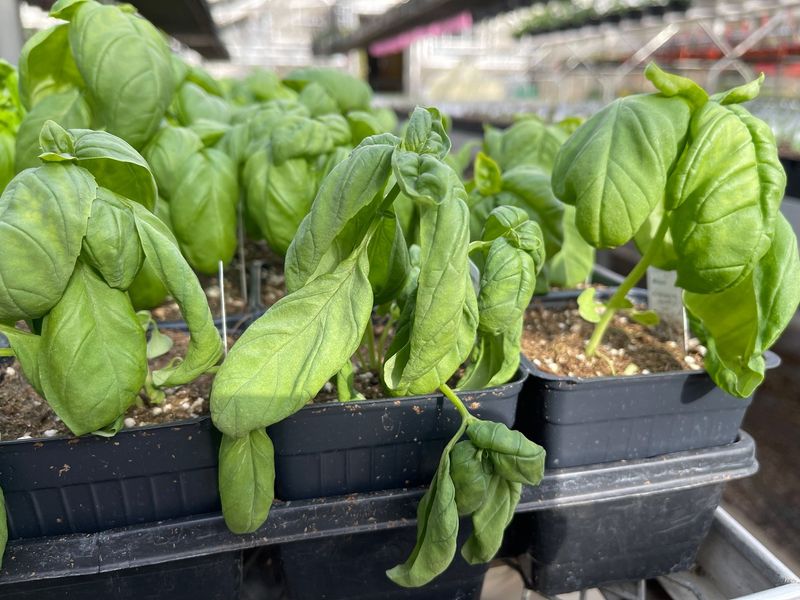
Overall plant appearance reveals a lot about internal health. Vigorous plants stand upright with firm stems and turgid leaves. Wilting happens when cells lose water pressure and can no longer maintain structure.
Temporary wilting occurs normally during hot afternoons. Plants recover once temperatures cool and they rehydrate overnight. But persistent wilting that continues for days signals deeper problems.
February cold damage can destroy a plant’s ability to move water from roots to leaves. Even if soil moisture seems adequate, frozen vascular tissue can’t transport fluids. The plant essentially becomes paralyzed.
Small plants and those in containers suffer most during cold snaps. Their limited root systems and exposed positions make them vulnerable. A single night of hard freeze can prove catastrophic for tender species.
Watch for improvement as days warm up after the cold event. Healthy plants perk up within hours once temperatures rise above freezing. They might look rough initially but show gradual strengthening.
Plants remaining limp and lifeless after several warm days have likely sustained fatal damage. Their cells can’t regain turgor pressure because the internal plumbing has failed. No amount of watering or fertilizing will help at this point.
The kindest action involves removing the plant to prevent disease spread and make room for a replacement that can thrive in your North Carolina garden conditions.