7 Signs An Opossum Sneaked Into Your Georgia Yard Without You Noticing
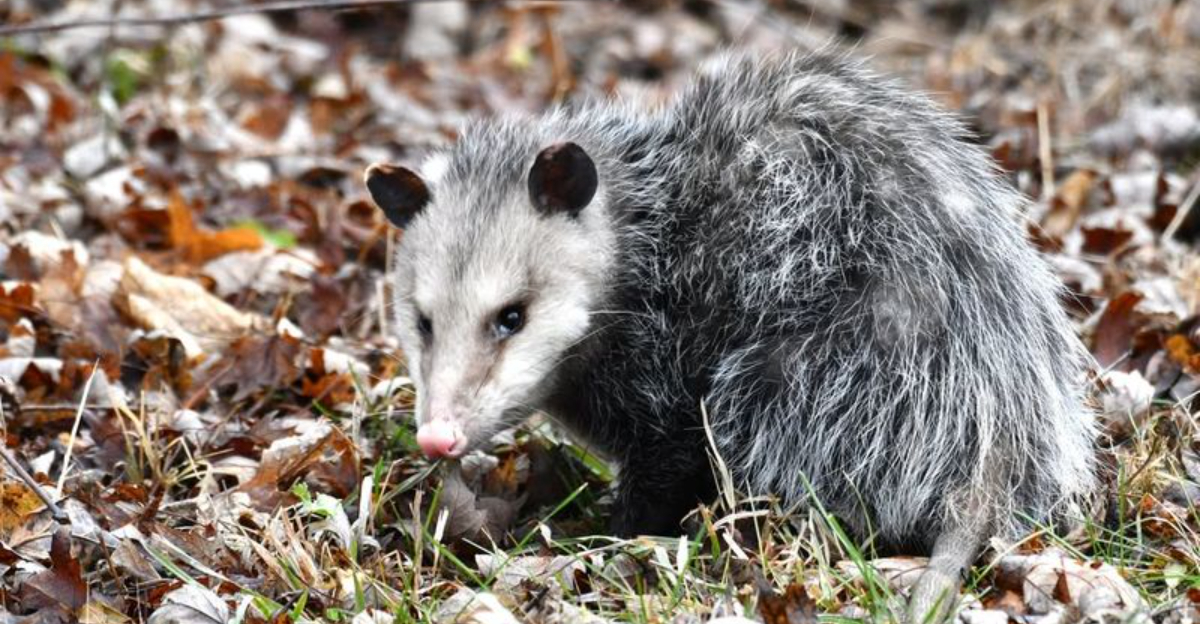
A quiet Georgia yard can fool anyone into thinking nothing stirs after dark, yet an opossum can slip in like a thief in the night.
These shy wanderers move with soft feet and clever habits, turning a peaceful lawn into a midnight buffet before fading back into the shadows.
One moment everything seems picture perfect, and the next something feels off, as if a curious visitor helped itself and vanished without tipping its hand.
A patch of disturbed mulch, a trail through damp grass, or leftovers scattered under a tree can speak volumes.
Opossums rarely make a grand entrance, but they leave small clues that add up fast for anyone paying attention.
Spotting those hints early keeps a yard from turning into an open invitation for repeat guests.
With a bit of know-how and an eye for small details, a homeowner can read the signs and uncover the secret path an opossum took through the yard.
1. Overturned Trash Cans And Scattered Garbage
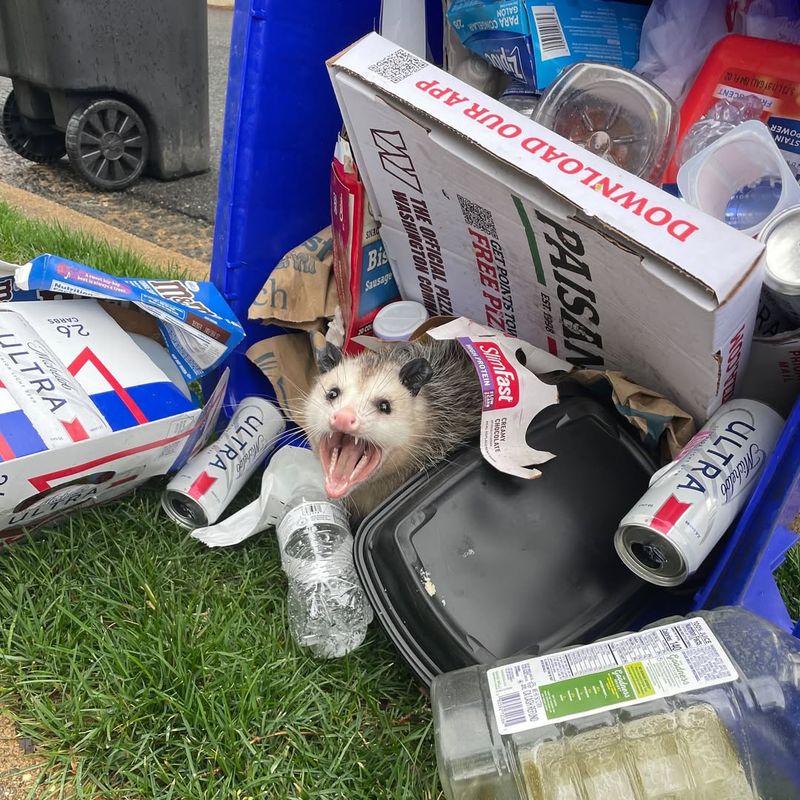
Waking up to find your garbage scattered across the driveway is never fun, but it’s one of the strongest indicators an opossum paid you a visit.
Unlike raccoons who are notorious for their clever paw work, opossums tend to knock things over rather than carefully open lids.
They’re opportunistic feeders searching for easy meals, and your trash bin looks like an all-you-can-eat buffet to a hungry marsupial.
Georgia homeowners often notice this sign more frequently during warmer months when opossums are most active.
The mess typically includes food scraps, packaging, and other organic waste spread in a somewhat random pattern.
Opossums aren’t particularly tidy eaters, so you’ll often see evidence of their rummaging rather than methodical sorting.
What sets opossum garbage raids apart from other animals is the specific items they target.
They prefer softer foods like overripe fruit, vegetable scraps, and leftover meat rather than hard items.
You might also notice the trash isn’t dragged far from the original location since opossums prefer to eat near their discovery spot.
To confirm an opossum was the culprit, check for their distinctive tracks near the scene.
Their hind feet have an opposable thumb-like toe that points outward, creating a unique print.
Securing your garbage cans with bungee cords or storing them in a garage can prevent future midnight raids while keeping your yard cleaner.
2. Small Paw Prints With Distinctive Thumb Marks
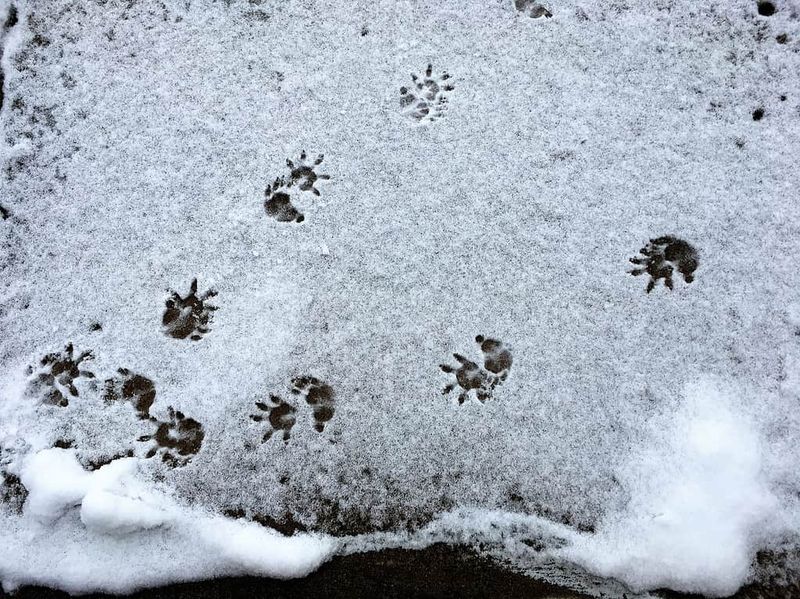
Discovering unusual tracks in your garden soil or muddy patches tells an interesting story about your nighttime visitors.
Opossum prints are surprisingly distinctive once you know what to look for, making them one of the easiest ways to confirm their presence.
The front paws show five toes spreading out in a star-like pattern, measuring about two inches across.
The real giveaway comes from their back feet, which look almost human-like with an opposable thumb extending sideways.
This adaptation helps them grip branches when climbing trees, but it also leaves behind unmistakable evidence in soft Georgia clay or garden beds.
The thumb print points at roughly a 90-degree angle from the other toes, creating a shape you won’t confuse with raccoons, cats, or dogs.
Fresh tracks appear most clearly after rain or early morning dew when the ground is soft.
Check areas near garbage cans, compost bins, pet food bowls, or anywhere you store outdoor supplies.
Opossums often follow the same routes repeatedly, so you might notice a trail of prints leading from one area of your yard to another.
Measuring the tracks can help confirm your identification.
Adult opossum prints typically range from 1.5 to 2.5 inches long.
Taking photos of the prints and comparing them to online guides specific to Georgia wildlife can give you absolute certainty about your visitor’s identity.
3. Disturbed Pet Food Bowls Left Outside
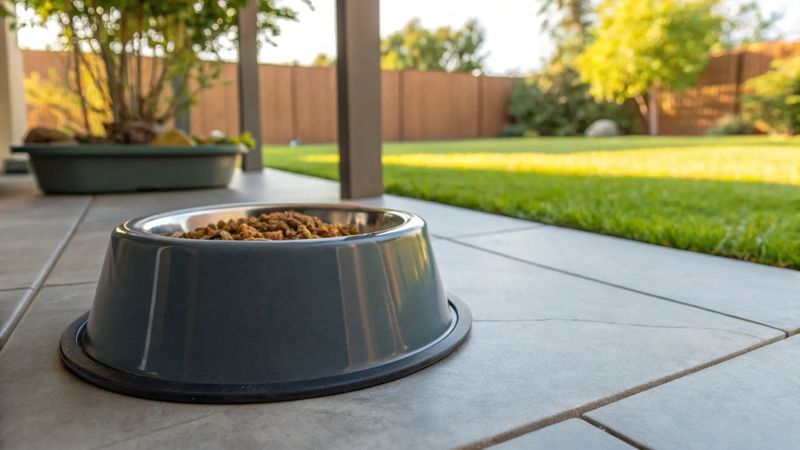
Many Georgia pet owners leave food and water outside for their dogs or cats, unknowingly creating an irresistible buffet for opossums.
If you notice your pet’s food bowl is mysteriously empty each morning or has been knocked over, you might have a nocturnal diner helping themselves.
Opossums have an excellent sense of smell and can detect pet food from considerable distances.
The feeding pattern differs from how pets typically eat.
Opossums tend to scatter kibble around the bowl rather than eating neatly.
You might find pieces of food several feet away from the original location.
They also prefer eating in the safety of darkness, so the evidence appears overnight rather than during daylight hours when your pets normally feed.
Water bowls often show signs of disturbance too.
Opossums need hydration just like any animal, and they’re not shy about using whatever water source they find.
You might notice the water is dirtier than usual or the bowl has been moved from its original spot.
This sign becomes particularly obvious when it happens repeatedly.
One night could be a coincidence, but consistent disappearance of pet food strongly suggests regular visits.
Consider bringing pet food inside after your animals finish eating, especially in suburban Georgia areas where wildlife encounters are common.
This simple habit protects both your pet’s food supply and prevents opossums from becoming too comfortable around your home.
4. Holes Dug In Garden Beds And Lawns
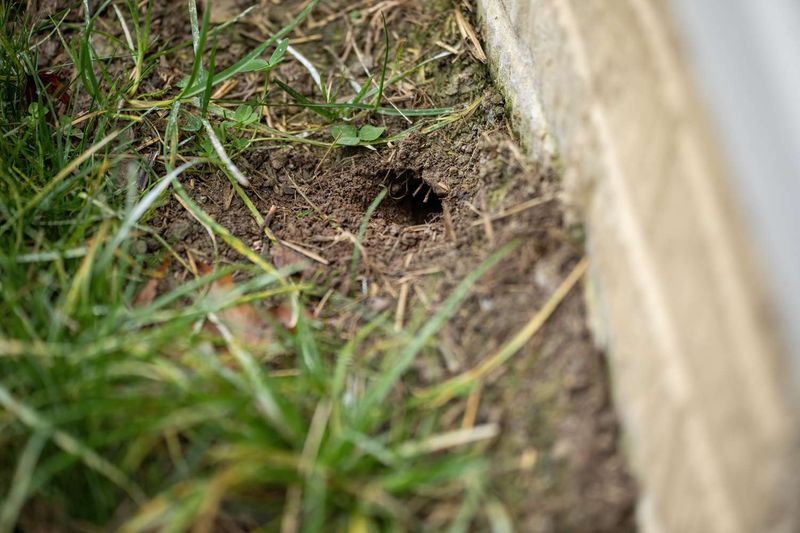
Noticing random shallow holes scattered across your lawn or garden beds often points to opossum activity.
These marsupials are natural foragers who use their keen sense of smell to locate grubs, insects, and other tasty treats hiding beneath the surface.
Unlike deeper holes created by armadillos or moles, opossum digging tends to be relatively shallow and somewhat messy in appearance.
The holes typically measure two to four inches across and rarely go deeper than a few inches.
Opossums aren’t trying to create burrows or permanent structures.
They’re simply sniffing out food and digging just enough to reach it.
You’ll often find these holes near areas with high insect activity or where the soil is particularly soft and easy to excavate.
Georgia’s warm climate supports abundant insect populations, making yards especially attractive to hungry opossums.
Beetle larvae, earthworms, and other invertebrates become prime targets.
The digging usually appears somewhat random rather than following straight lines like tunneling animals create.
You might find several holes clustered together where food sources are concentrated.
While these holes can be frustrating for homeowners who take pride in their landscaping, they actually indicate the opossum is providing free pest control services.
The insects they’re removing might otherwise damage your plants or lawn.
Filling the holes with soil and gently tamping them down restores your yard’s appearance.
Reducing outdoor lighting at night may also discourage foraging since opossums prefer darker conditions.
5. Droppings Near Fences Or Under Decks
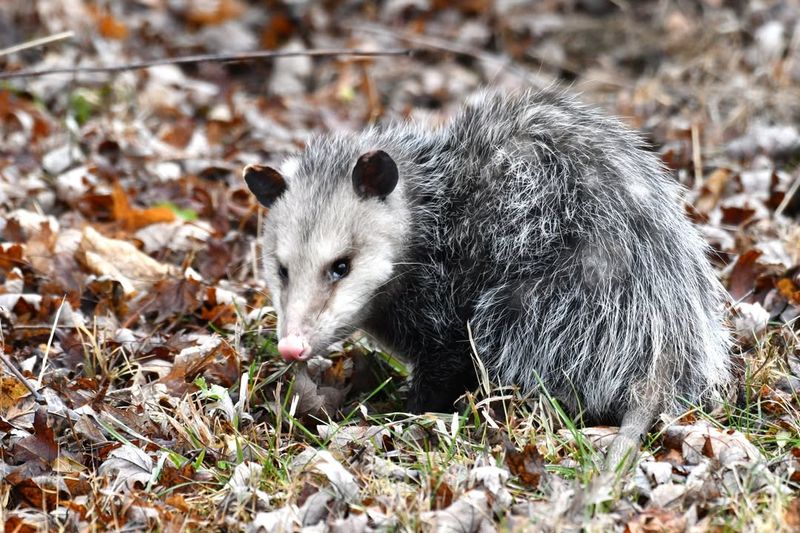
Finding unusual droppings around your property provides concrete evidence of wildlife visitors.
Opossum droppings have distinctive characteristics that set them apart from other common Georgia animals.
They appear as cylindrical pellets, typically one to two inches long, with smooth surfaces and blunt ends.
The color ranges from dark brown to black depending on their recent diet.
Location matters when identifying these droppings.
Opossums often establish latrine areas where they repeatedly return to relieve themselves.
Common spots include along fence lines, under decks or porches, near shed foundations, or around the base of trees.
They prefer areas that offer some cover and protection, making these semi-hidden locations ideal for their bathroom habits.
The texture and contents can vary based on what the opossum has been eating.
Since they’re omnivores with diverse diets, you might notice remnants of berries, seeds, or insect parts within the droppings.
Fresh droppings appear moist and dark, while older ones dry out and fade to a grayish color over time.
Unlike cat or dog waste, opossum droppings have a distinctive musky odor that becomes more noticeable in humid Georgia weather.
Finding these droppings consistently in the same location suggests an opossum has claimed your yard as part of its regular territory.
Cleaning the area with a mild bleach solution and removing potential food sources can discourage them from returning.
Always wear gloves when handling or cleaning animal waste to protect yourself from potential pathogens.
6. Damaged Low-Hanging Fruits And Vegetables
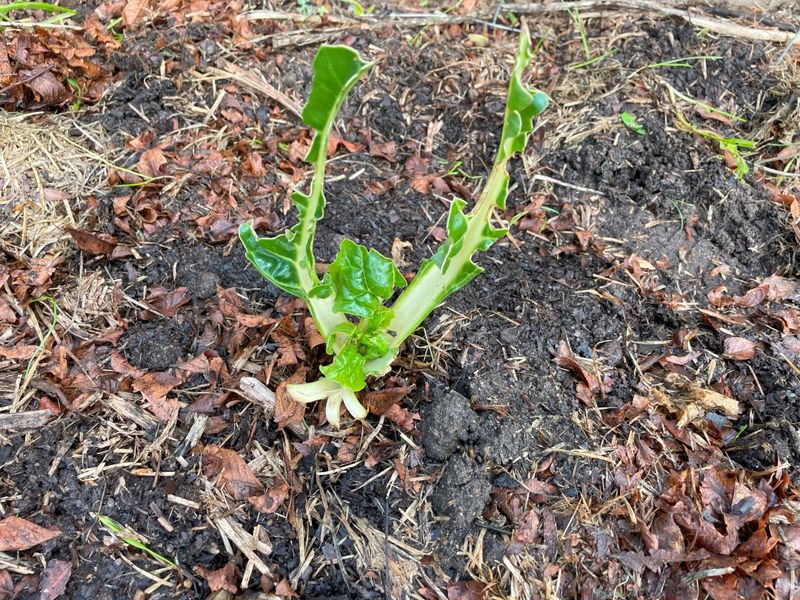
Georgia gardeners work hard cultivating beautiful produce, so discovering damaged fruits and vegetables can be disheartening.
Opossums absolutely love ripe produce and will help themselves to anything within reach.
Tomatoes, strawberries, figs, and fallen apples rank among their favorite treats.
Unlike birds who peck at produce, opossums leave larger bite marks and often consume significant portions.
The damage pattern reveals important clues about your visitor.
Opossums typically target the ripest, sweetest fruits first since their sense of smell guides them to the best options.
You’ll often find partially eaten produce on the ground or still hanging from plants with large chunks missing.
They’re messy eaters who don’t mind leaving evidence of their midnight snacking.
Timing provides another hint that opossums are responsible.
Since they’re strictly nocturnal, the damage appears overnight rather than gradually throughout the day.
You might go to bed with perfect tomatoes and wake up to find several have been sampled.
This sudden overnight damage differs from squirrel or bird activity that occurs during daylight hours.
Lower branches and ground-level plants suffer the most damage since opossums aren’t particularly graceful climbers compared to squirrels.
Anything growing within two to three feet of the ground becomes vulnerable.
Installing low fencing around garden beds or harvesting produce promptly when it ripens can protect your hard work.
Motion-activated sprinklers also effectively deter opossums without harming them, keeping your Georgia garden intact for your own harvest.
7. Nesting Materials Under Porches Or Sheds
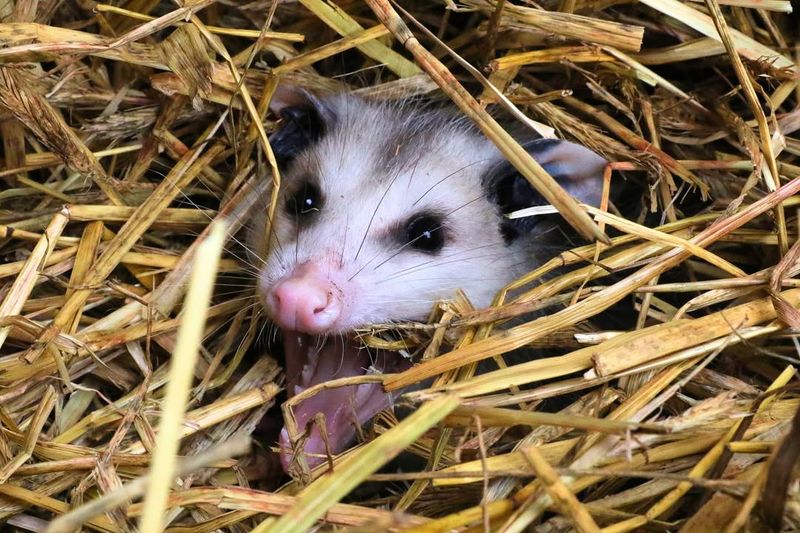
Stumbling upon a collection of leaves, grass, and other soft materials tucked under your porch or shed indicates an opossum might be setting up temporary housing.
While opossums don’t build elaborate dens like some animals, they do create simple nests for resting during daylight hours.
These structures provide safety and comfort while they sleep off their nighttime adventures around your Georgia property.
The nests appear as loose piles rather than carefully woven structures.
Opossums gather whatever soft materials they find nearby, including dried leaves, grass clippings, shredded paper, or even pet fur.
They prefer dark, quiet spaces that offer protection from weather and predators.
The area under decks, inside crawl spaces, or behind stored equipment becomes prime real estate for a resting opossum.
Female opossums with babies create slightly larger nests to accommodate their young.
Georgia’s climate allows for multiple breeding seasons, so you might encounter nesting activity during various times of the year.
The presence of nesting material doesn’t necessarily mean the opossum lives there permanently.
They often rotate between several resting spots within their territory.
If you discover nesting materials, avoid disturbing them immediately, especially during spring and summer when babies might be present.
Opossums typically stay in one spot for only a few days before moving on.
Making the area less appealing by removing debris, sealing entry points, and ensuring good ventilation discourages future nesting.
Once you’re certain the space is vacant, clean out the materials and secure the area to prevent return visits.