8 Signs Arizona Plants Need More Water In April
April in Arizona can change the pace of your garden almost overnight. One stretch of warm days, and suddenly the soil dries faster, leaves look a little dull, and plants that seemed fine last week start to act differently.
It catches a lot of people off guard, especially early in the season.
Watering can feel tricky this time of year. Too little, and plants struggle to keep up with rising temperatures.
Too much, and roots can suffer in ways that are not always obvious right away. Finding that balance often comes down to noticing small changes before they turn into bigger problems.
Your plants usually give clear signals when something is off, but they are easy to miss if you are not looking closely. The signs ahead can help you spot when it is time to adjust and keep everything on track.
1. Leaves Start Wilting During The Hottest Part Of The Day
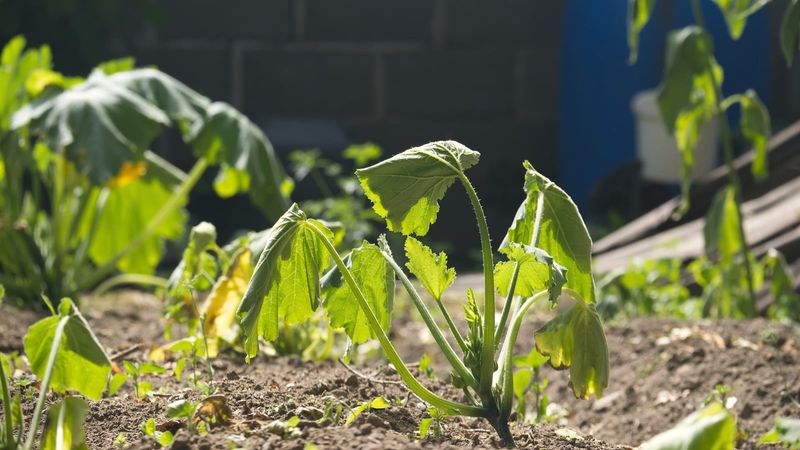
Picture this: it is two in the afternoon, the Arizona sun is blazing, and your favorite potted plant is hanging its leaves like it just gave up. Wilting during the hottest part of the day is one of the earliest and most obvious signs that your plant is running low on water.
When plants do not have enough moisture, they lose the pressure inside their cells that keeps stems and leaves standing upright.
In Arizona, April afternoons can push temperatures well above 90 degrees, making this problem show up faster than it would in cooler states. Even plants that seemed fine in the morning can start drooping by midday if the soil dried out overnight.
Do not panic right away, though, because some plants wilt slightly during peak heat as a natural way to reduce sun exposure.
The real test is checking your plant again in the early evening. If the leaves perk back up once temperatures drop, the plant may just be protecting itself.
But if the wilting continues into the cooler hours, that is a clear signal your watering schedule needs an adjustment. Try watering deeply in the early morning so roots can soak up moisture before the heat hits.
In Arizona gardens, consistent morning watering during April is one of the smartest habits you can build for keeping plants healthy all season long.
2. Leaf Edges Turn Brown And Crispy
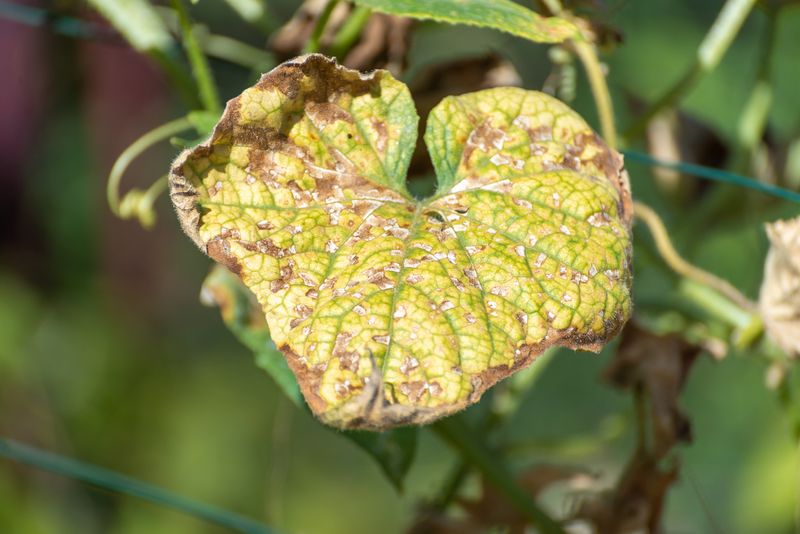
Brown, crispy leaf edges are basically your plant sending you a distress message written in plain sight. When plants do not get enough water, moisture starts leaving the leaf tissue faster than the roots can replace it.
The edges and tips of leaves are the last places water reaches, so they dry out first and turn that telltale crunchy brown color.
In Arizona, the combination of low humidity and strong April sunshine speeds this process up significantly. You might notice the damage appearing first on the outermost leaves or on the parts of the plant that get the most direct sun.
Once leaf edges turn brown and crispy, that tissue is gone for good and will not recover even after watering improves.
The good news is that catching this sign early means you can prevent more of the plant from being affected. Start by giving the plant a deep, slow watering to encourage roots to grow downward toward cooler, moister soil layers.
Adding a layer of mulch around the base of the plant can also help Arizona gardeners lock in soil moisture and reduce how quickly the ground dries out between waterings. Aim to keep the top few inches of soil consistently moist but not soggy.
Checking plants every couple of days during warm April weeks will help you stay ahead of this problem before it spreads to healthy leaves throughout the rest of the plant.
3. Soil Dries Out Quickly After Watering
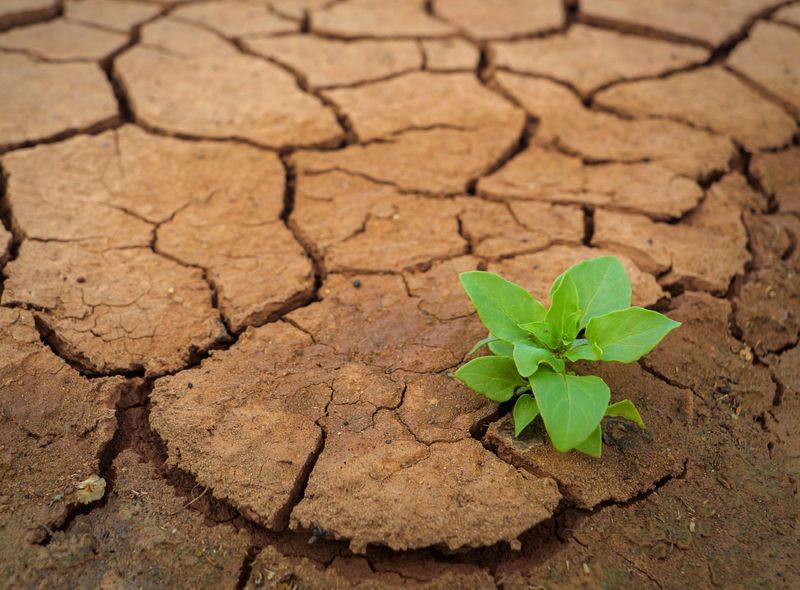
One of the trickier signs to notice is when your soil seems to lose moisture almost as soon as you finish watering. You soak the ground, walk away, and come back the next day to find it bone dry again.
In Arizona, this happens because the sandy or rocky desert soil has low water-retention ability, meaning it drains fast and does not hold onto moisture the way rich garden soil in other states might.
April temperatures speed up evaporation from the soil surface, especially in spots that get full afternoon sun. If you are watering but the soil dries out within 24 hours, your plants are probably not absorbing enough moisture to stay healthy through the day.
Roots need time to drink, and fast-draining soil makes that really difficult.
A practical fix is to water more slowly and deeply rather than giving plants a quick splash. Using a drip irrigation system or a soaker hose lets water seep gradually into the soil, giving roots a better chance to absorb it.
Mixing compost or organic matter into Arizona garden soil can also improve its ability to hold moisture over time. Applying two to three inches of organic mulch on top of the soil is another great strategy that dramatically slows evaporation.
Checking soil moisture with your finger an inch or two below the surface is much more reliable than judging by how the top looks, since the surface dries faster than the root zone.
4. Plants Show Slower Or Stunted Growth
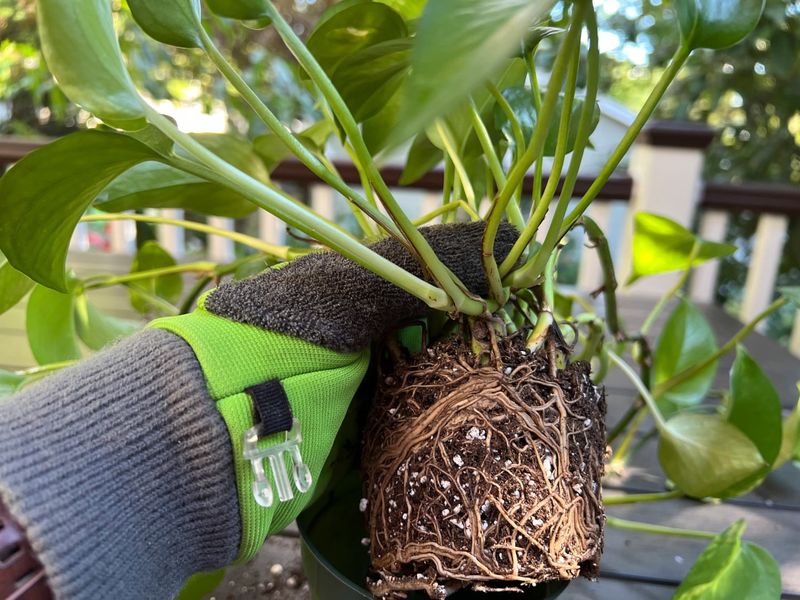
Spring is supposed to be the season when plants wake up and start growing fast, but in Arizona, April can throw a curveball if water is not keeping up with rising temperatures. When plants do not get enough water, they slow down or stop growing altogether.
Water is essential for every part of plant growth, from photosynthesis to moving nutrients through the stems and leaves.
If you planted something new this spring and it looks like it has not changed size in weeks, water stress could be the reason. Established plants that suddenly seem to pause their growth after a stretch of warm, dry days are also showing a classic sign of needing more frequent watering.
Stunted growth often goes hand in hand with smaller-than-normal leaves, since the plant is conserving resources.
In Arizona gardens, April is a critical time to support new growth because plants are gearing up for the intense summer ahead. Making sure roots are getting deep, consistent moisture encourages healthy expansion and stronger plants overall.
Try watering at the base of the plant rather than overhead to reduce waste and get moisture directly to the roots where it is needed most. Keeping a simple watering log can help you track patterns and notice if growth picks back up after you adjust your schedule.
Even drought-tolerant Arizona natives benefit from a little extra water during active spring growth phases to reach their full potential for the season.
5. Leaves Begin Curling Or Folding Inward
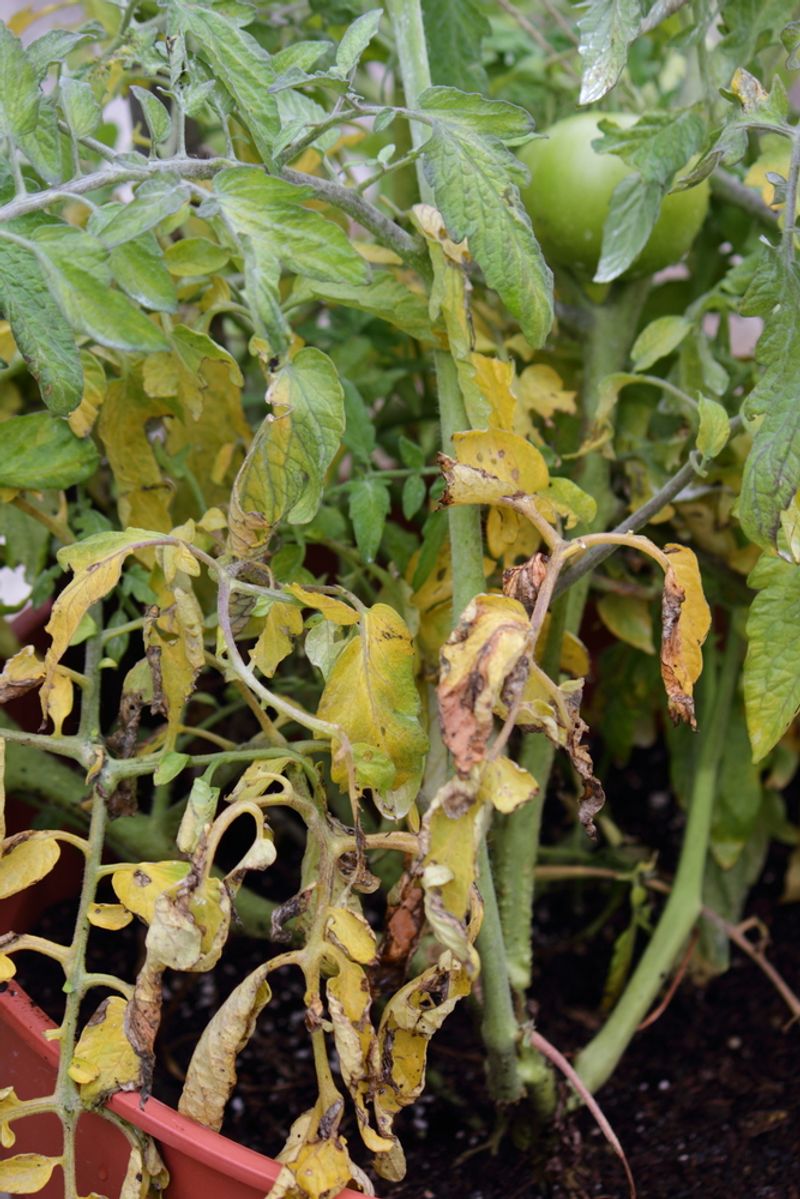
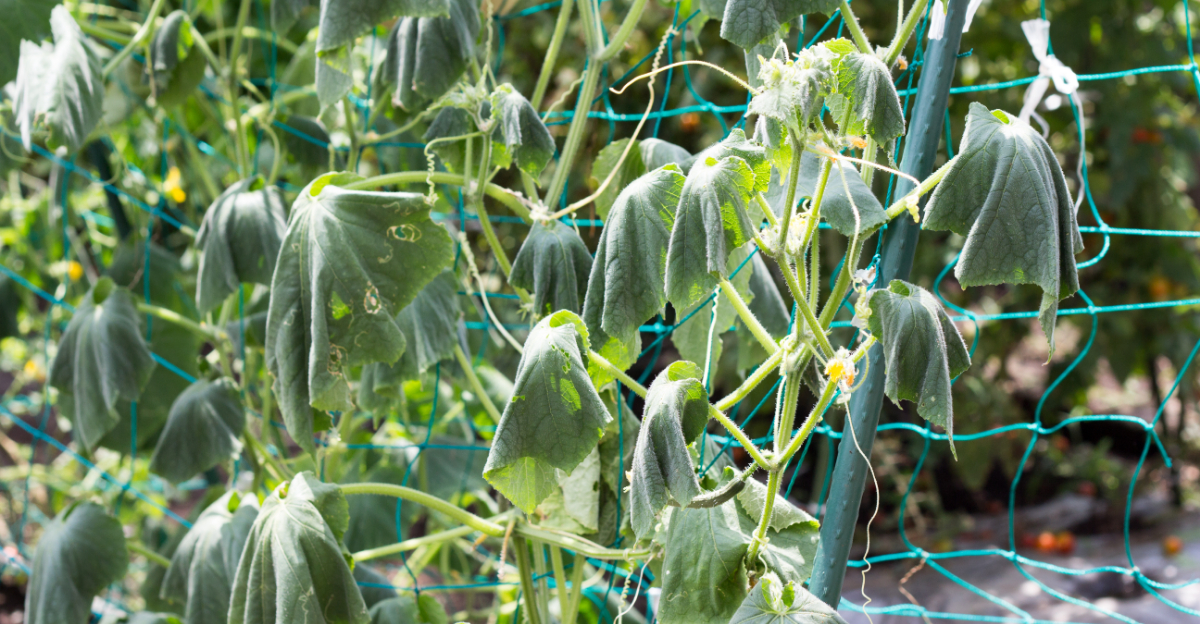
Curling leaves are a fascinating and frustrating sight at the same time. Plants actually do this on purpose as a survival response when they are not getting enough water.
By rolling or folding their leaves inward, they reduce the surface area exposed to the sun and wind, which slows down the rate at which they lose moisture through tiny pores called stomata.
In Arizona during April, this curling can happen surprisingly fast, especially on plants that prefer more moisture, like vegetables, flowering annuals, or tropical-style landscape plants. You might notice the curling starting at the tips or along the edges before spreading to the whole leaf.
It often looks more dramatic in the afternoon and may ease up slightly in the cooler morning hours.
Do not confuse inward curling from underwatering with upward cupping from overwatering, since the two look similar but have opposite causes. With underwatering, the leaves tend to feel dry and sometimes slightly crispy along the edges too.
The best response is to water deeply and check back in a few hours to see if the leaves start to relax and open back up. If they do, you found the problem.
Going forward, try to keep Arizona garden soil consistently moist at root depth rather than just wetting the surface. Early morning watering works best in April because it gives plants a full reservoir of moisture to draw from as the desert heat builds throughout the day.
6. Flower Buds Drop Before Opening
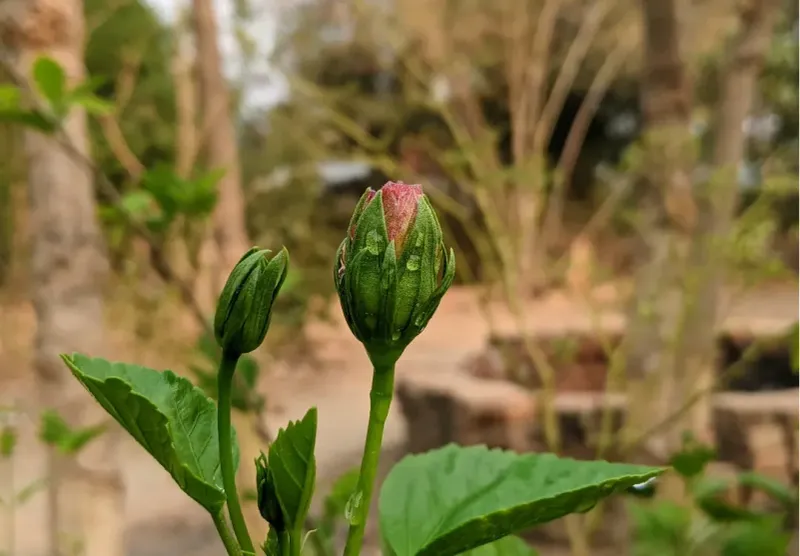
Few things are more disappointing than watching flower buds form on your plants only to have them fall off before they ever get a chance to bloom. Bud drop is a sign of serious stress, and in Arizona during April, lack of water is one of the most common reasons it happens.
Producing flowers takes a lot of energy and resources, and when a plant is struggling to survive, it prioritizes keeping its core structure alive over blooming.
Roses, hibiscus, citrus trees, and many popular Arizona landscape plants are especially prone to dropping buds when soil moisture is inconsistent. Even a few days of dry soil during bud development can trigger the plant to abort its flowers as a protective response.
Once a bud drops, it will not come back on that same stem, so prevention really is the best approach here.
Keeping soil evenly moist during the budding and blooming stages is especially important in April as Arizona temperatures start their upward climb. Deep, regular watering helps the plant maintain the energy it needs to carry buds all the way through to full bloom.
Avoid letting the soil swing between completely dry and soaking wet, since those wild fluctuations are particularly stressful for flowering plants. Using a slow-release fertilizer alongside a consistent watering routine can also support stronger bud development.
A little extra attention during this window can reward you with a yard full of color through the rest of spring.
7. Foliage Looks Dull, Faded, Or Dusty
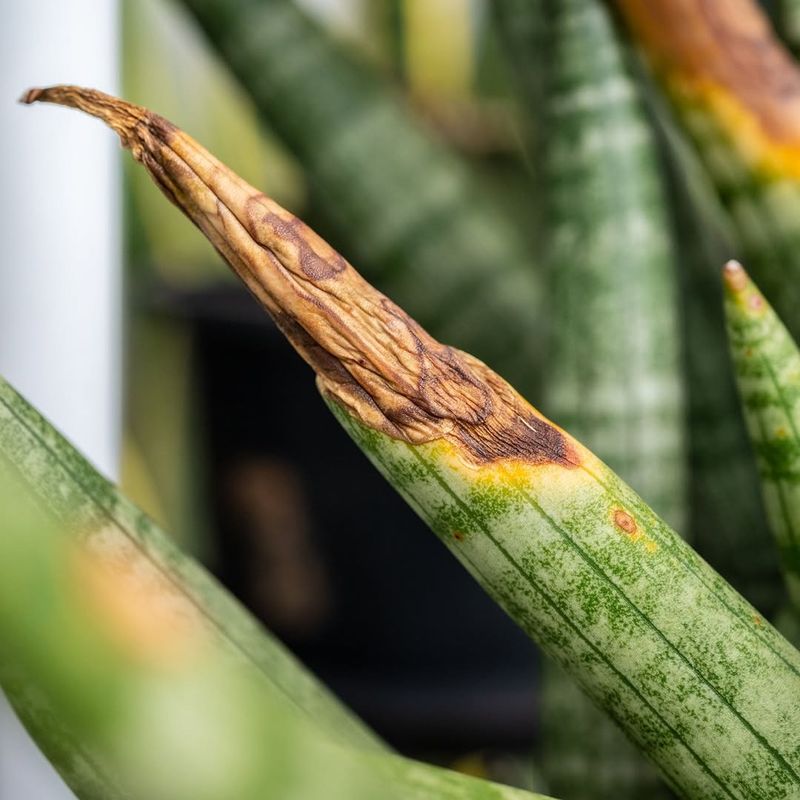
Healthy plants have a certain vibrancy to them. Their leaves catch the light, look rich in color, and have a natural shine or sheen depending on the species.
When foliage starts looking dull, washed out, or coated in a strange dusty film, that loss of visual energy is often a sign the plant is not getting enough water to keep its cells fully hydrated and functioning at their best.
In Arizona, April wind and dust can sometimes coat leaves and make them look faded even when the plant is well-watered, so it helps to gently wipe a leaf clean and see if the color underneath looks healthy. If the leaf itself looks pale, yellowish, or gray-green instead of its normal vibrant shade, water stress is likely the culprit.
Chlorophyll, the pigment that gives leaves their green color, requires adequate water to stay active and bright.
Faded foliage can also be an early sign before more severe symptoms like wilting or browning show up, which makes it a great early warning to watch for. Responding quickly by adjusting your watering schedule can help restore color and vitality before the plant becomes more stressed.
In Arizona gardens, it is worth doing a quick visual check of your plants every few days during April. Look for changes in color intensity, leaf texture, and overall appearance.
Plants that look a little off often just need a consistent and deep watering to bounce back and look their best again as the warm season continues.
8. Top Few Inches Of Soil Feel Dry To The Touch
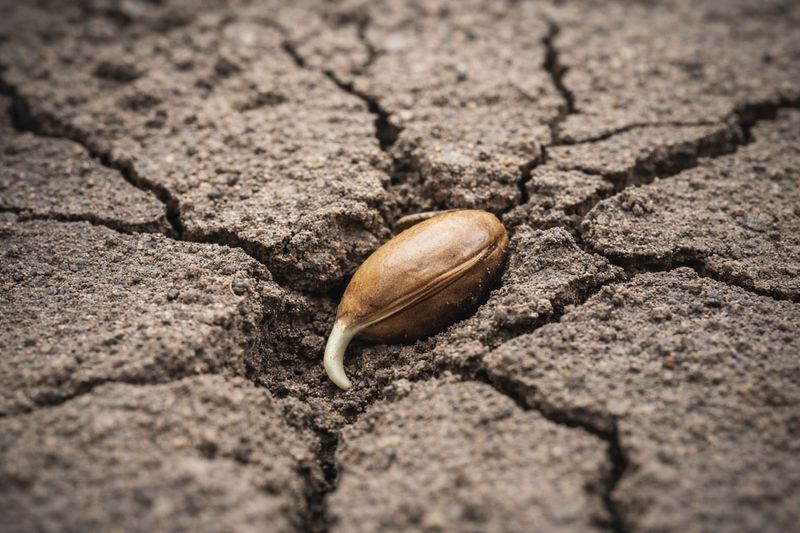
Sometimes the simplest test is the most reliable one. Sticking your finger about one to two inches into the soil near your plant’s base can tell you more than any fancy gadget.
If the soil at that depth feels dry and crumbly rather than cool and slightly moist, your plant is almost certainly ready for a good drink. This quick check takes about five seconds and can save your plants from unnecessary stress.
In Arizona, the top layer of soil can look moist from a recent watering but dry out completely within just a few hours thanks to the combination of strong sun, low humidity, and warm April breezes. Relying only on surface appearance to judge soil moisture is a common mistake that leads to underwatering even when gardeners think they are keeping up with their plants.
Making the finger test part of your daily or every-other-day routine during April is a practical habit that takes almost no time at all. For larger plants like trees and shrubs, you can use a wooden dowel or a long screwdriver to probe deeper into the soil and check moisture several inches down where the roots are most active.
If the tool comes out clean and dry, it is time to water. If it comes out with soil clinging to it, there is still some moisture present.
Matching your watering schedule to what the soil actually needs, rather than following a fixed calendar, is one of the most effective ways to keep Arizona plants healthy as temperatures rise through April and into the warmer months ahead.