Signs It’s Time To Harvest Winter Vegetables In Arizona
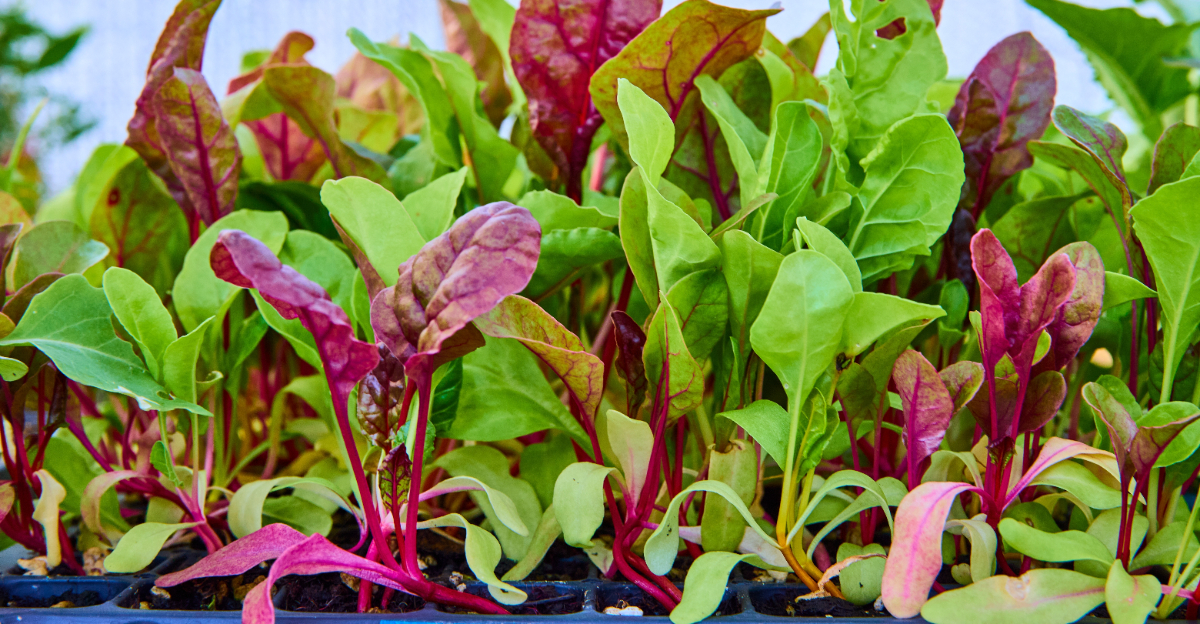
Winter vegetables don’t always announce when they’re ready, especially in Arizona. One day everything looks steady, and the next, flavor and texture can start slipping if you wait too long.
Arizona’s winter growing season moves quietly. Cool nights slow things down, while sunny days push growth forward just enough to blur the timing.
That balance makes harvesting trickier than it looks, even when plants seem healthy and unchanged.
The key isn’t guessing or pulling vegetables early just to be safe. It’s noticing the small visual and textural cues that show when winter crops are at their peak.
Catching those signs at the right moment can mean sweeter greens, better roots, and a harvest that feels intentional instead of rushed.
1. Leaves Reach Full Size But Stay Tender
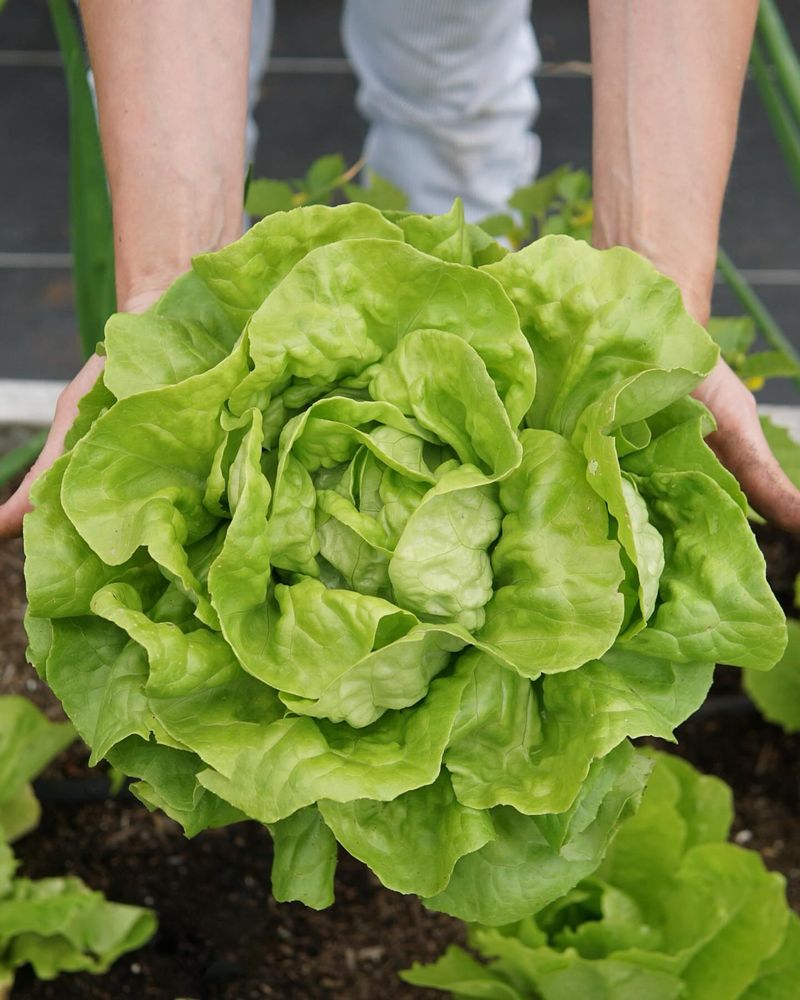
Watching your winter greens grow in Arizona gardens brings daily excitement as leaves expand and fill out. The key moment arrives when those leaves have reached their expected mature size according to the seed packet or plant tag, yet they still feel soft and pliable to the touch.
Running your fingers gently across the surface should reveal a smooth, supple texture rather than thick, leathery resistance.
Many Arizona gardeners make the mistake of waiting too long, thinking bigger always means better. Lettuce, spinach, kale, and chard all have an optimal window where size meets tenderness perfectly.
In Phoenix and surrounding areas, this often happens faster than expected because even winter sunshine provides strong energy for growth. The leaves should look vibrant and full without showing signs of toughening or developing thick veins that make them unpleasant to eat raw.
Temperature plays a crucial role in maintaining that tender quality throughout Arizona’s winter season. Morning harvests often capture leaves at their most crisp and sweet, before the afternoon sun has a chance to stress the plants.
Check your greens every few days once they approach full size, gently testing a leaf or two for that perfect balance.
Different varieties mature at different rates, so keeping track of planting dates helps predict when to start checking closely. Butterhead lettuces typically reach ideal tenderness around 55 days, while kale might take 60 to 70 days in Arizona conditions.
The desert climate accelerates some growth stages while slowing others, making observation more important than calendar dates alone. Harvest in the early morning for the crispest, most tender leaves that will store well in your refrigerator for several days.
2. Color Looks Deep And Even Across The Plant
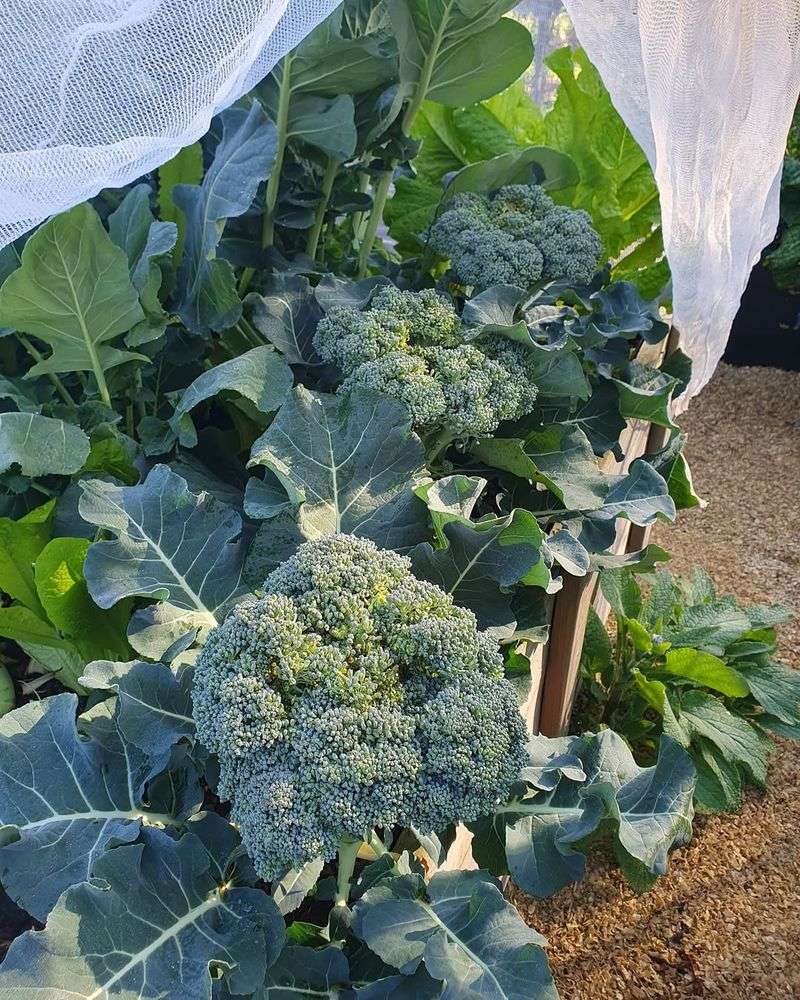
Color tells an incredible story about vegetable readiness in Arizona winter gardens. When your plants display rich, uniform coloring from top to bottom and inside to outside, they’re signaling nutritional completeness and harvest readiness.
Pale or splotchy coloring often indicates the plant is still developing or experiencing stress from inconsistent watering or nutrient deficiencies common in desert soils.
Broccoli should show deep green florets without any yellowing, while red cabbage develops its characteristic deep purple when fully mature. Carrots growing beneath Arizona soil will push up slightly at the soil line, showing their vibrant orange shoulders when ready.
Beets display consistent deep red or golden tones depending on variety, and their greens should be uniformly dark green without pale centers or edges.
Sunlight intensity in Arizona affects color development differently than in cloudier climates. Even during winter months, the strong desert sun helps vegetables develop deep, rich pigments that indicate high levels of beneficial nutrients.
Plants grown in partial shade may take longer to achieve that uniform, vibrant coloring. Watch for evenness across all parts of the plant rather than just the most sun-exposed sections.
Uneven coloring sometimes points to watering issues rather than maturity problems. Arizona’s dry air and sandy soils can create moisture stress that shows up as pale patches or yellowing edges.
Before harvesting based on color alone, ensure your plants have received consistent moisture. Deep, even color combined with other readiness signs gives you confidence that harvest time has truly arrived.
The visual appeal of deeply colored vegetables also indicates they’re at peak flavor and nutritional value for your table.
3. Growth Slows As Days Start Warming Up
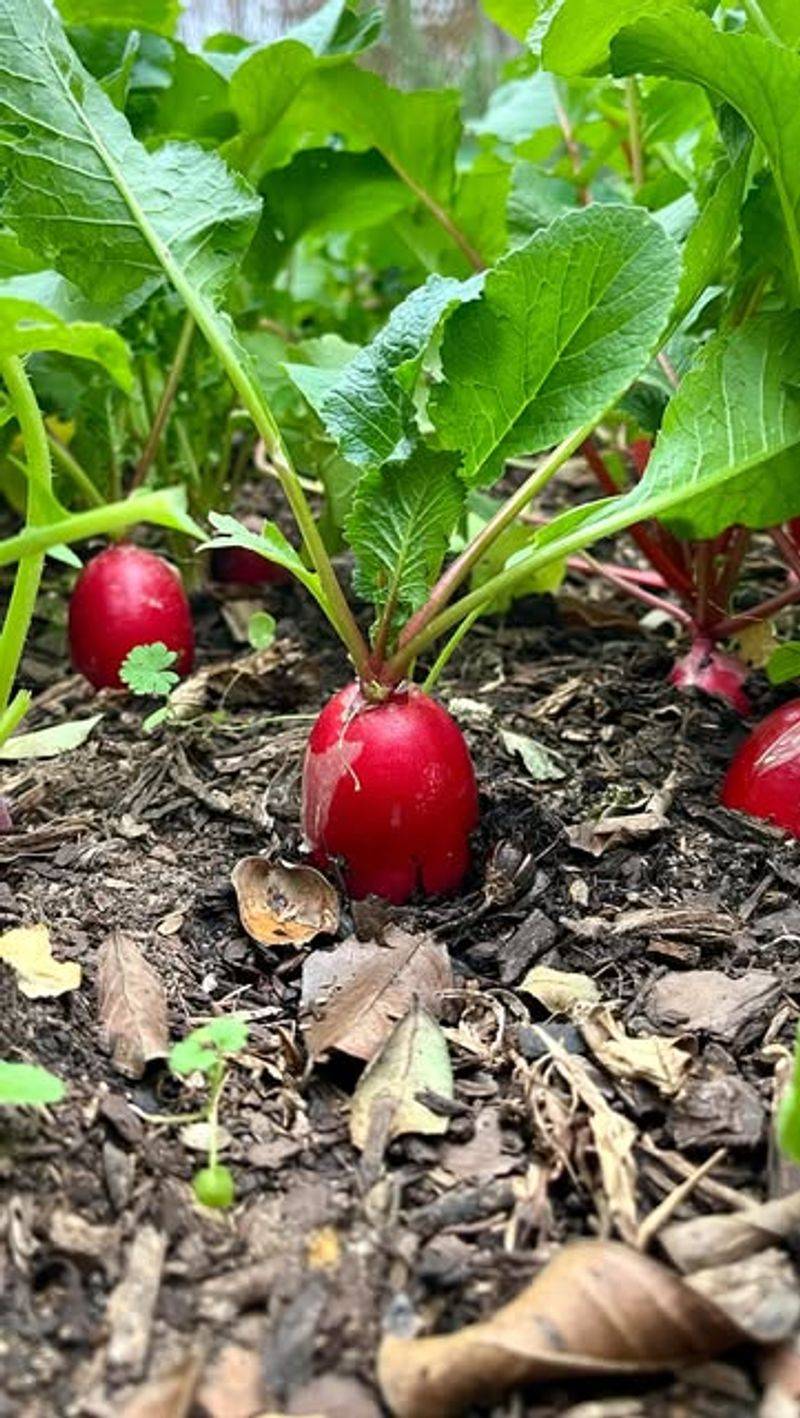
Arizona’s winter growing season operates on a different schedule than traditional gardening zones. As February and March arrive, daytime temperatures begin climbing back into the 70s and 80s across much of the state.
This warming trend signals your winter vegetables to shift their energy from leaf and root production toward reproduction, which means harvest time is approaching quickly.
You’ll notice the rapid growth that characterized December and January starts tapering off noticeably. New leaves emerge more slowly, and overall plant expansion seems to pause or slow dramatically.
This change happens because winter vegetables are cool-season crops that prefer temperatures between 50 and 70 degrees Fahrenheit. When Arizona’s desert climate starts pushing past those ideal ranges regularly, plants respond by preparing for their next life stage rather than continuing vegetable production.
Tracking growth rate requires paying attention week by week to how much new development you see. Take mental notes or even photographs every few days to document the slowdown.
In Tucson and Phoenix gardens, this transition often happens earlier than gardeners expect, sometimes as early as late February. Southern Arizona locations may see this change even sooner due to their warmer winter baseline temperatures.
The slowdown serves as nature’s timer, telling you to harvest soon before quality declines. Root vegetables like radishes and turnips will start putting energy into flowering rather than enlarging their edible portions.
Leafy greens begin toughening up and developing bitter compounds. Catching this growth slowdown early means you can harvest at peak quality rather than watching your crops decline.
Monitor nighttime temperatures too, as consistent lows above 50 degrees often trigger this transition in Arizona winter gardens.
4. Outer Leaves Are Ready While Centers Keep Growing
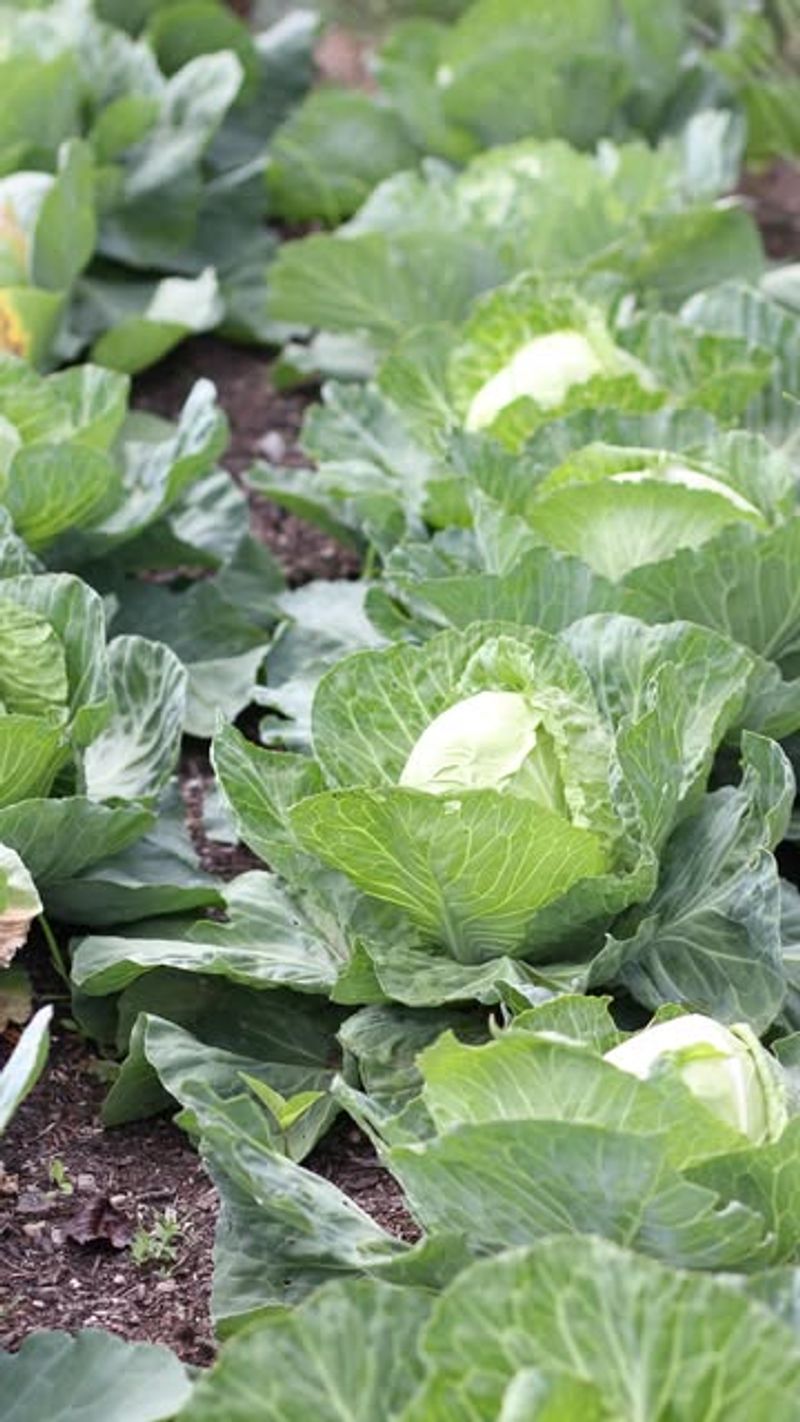
One beautiful advantage of growing many winter vegetables in Arizona is the ability to harvest progressively over several weeks. Plants like lettuce, chard, kale, and spinach develop from the outside in, meaning their outer leaves reach maturity while the center continues producing new growth.
This pattern creates an extended harvest period that maximizes your garden’s productivity throughout the winter season.
Checking the outer leaves for size, texture, and color while leaving the younger inner leaves intact allows continuous production. Simply remove the oldest, outermost leaves by cutting or gently twisting them off at the base.
The plant responds by directing energy toward developing those smaller center leaves, which will be ready for harvest in another week or two. This technique works exceptionally well in Arizona’s mild winter climate where plants don’t face the severe cold that would stop growth entirely.
Timing these progressive harvests requires observing the difference between mature outer growth and newer inner development. The outer leaves should meet all the other harvest signs like full size, tender texture, and deep color.
Meanwhile, the center leaves will appear smaller, lighter in color, and more delicate. This contrast becomes obvious once you know what to look for in your Phoenix or Tucson garden.
Benefits of this harvesting method include fresh vegetables over many weeks from the same plants and reduced need for succession planting. You can enjoy salads and cooked greens continuously rather than facing a single large harvest followed by nothing.
The plants also appreciate this treatment, as removing older leaves improves air circulation and reduces disease pressure. Keep harvesting outer leaves regularly to encourage continued production until warming spring temperatures finally signal the end of the winter growing season across Arizona.
5. Roots Push Slightly Above The Soil Line
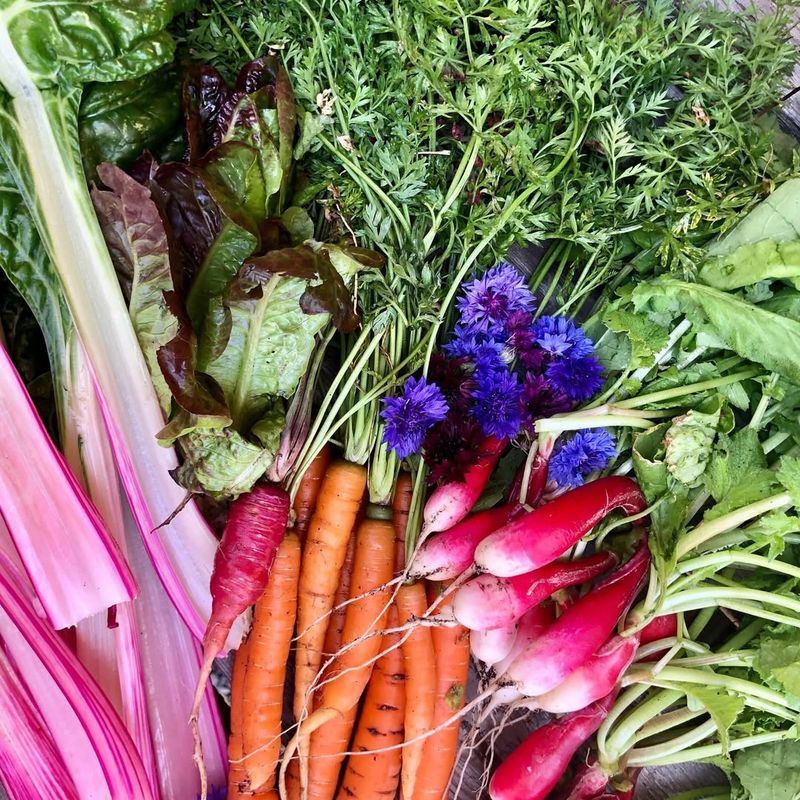
Root vegetables growing in Arizona’s sandy, well-draining soils often announce their readiness by pushing their shoulders above ground level. Carrots, radishes, beets, and turnips all exhibit this behavior when they’ve reached good size and are ready for harvest.
The top portion of the root breaking through the soil surface provides a convenient peek at what’s developing below without disturbing the plant.
This phenomenon happens naturally as roots expand and the soil settles or erodes slightly from watering. In Arizona gardens where soil tends to be lighter and less compacted than clay-heavy regions, root vegetables push up more readily.
You can gently brush away a small amount of soil from around the stem to check the diameter of carrot or beet tops without pulling the whole plant. If the exposed portion shows good size and color, chances are excellent that the rest of the root has developed nicely underground.
Different vegetables show different amounts of exposure when ready. Radishes often push halfway out of the soil, making size assessment easy.
Carrots typically show just their shoulders, revealing their orange color at the soil line. Beets display their distinctive red or golden tops, giving you confidence about what’s below.
These visual cues save you from the guesswork that comes with crops hidden entirely beneath the surface.
Arizona’s winter sunshine can sometimes cause exposed root shoulders to develop green coloring or tough skin, especially on carrots. This happens when sunlight triggers chlorophyll production in the exposed tissue.
Preventing this issue means either hilling up soil around emerging shoulders or harvesting promptly once you notice them appearing. The green portions aren’t harmful but can taste bitter and have a less appealing texture.
Regular monitoring of your root crops throughout the Arizona winter season helps you catch that perfect harvest moment when roots are sized up but haven’t been exposed to sun long enough to develop quality issues.
6. Flavor Is Mild Before Heat Turns It Bitter
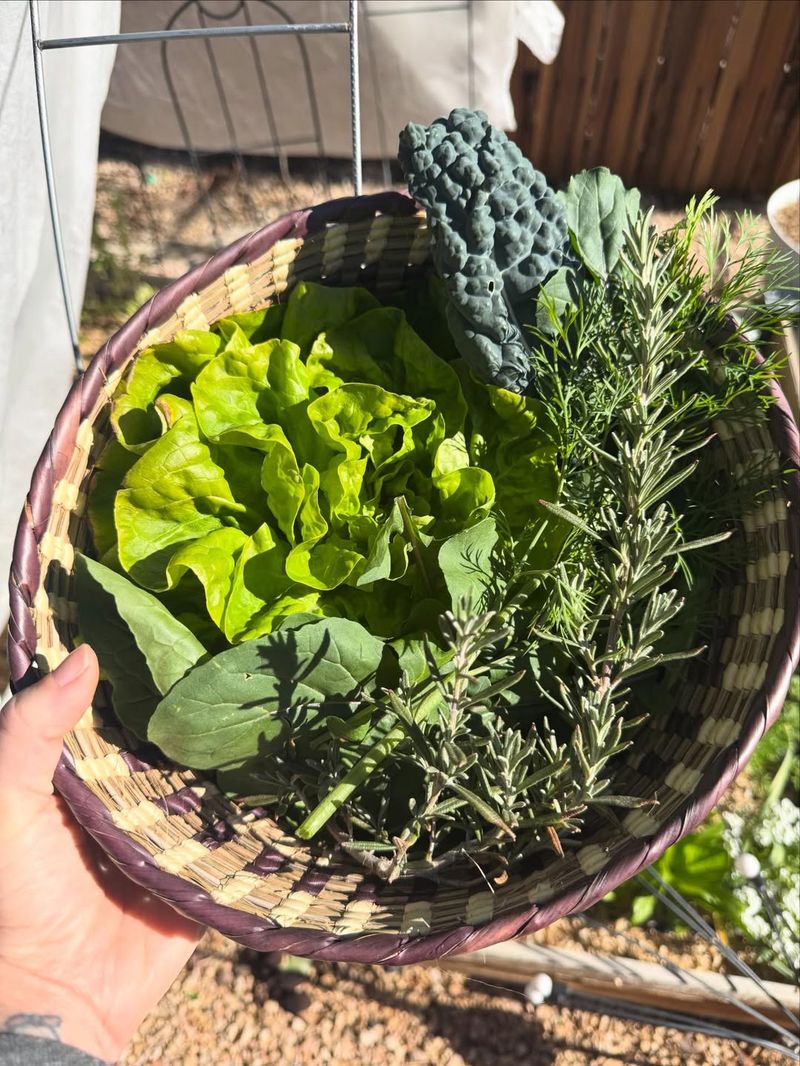
Taste testing remains one of the most reliable indicators that your Arizona winter vegetables have reached peak harvest time. Cool-season crops develop their sweetest, mildest flavors when grown in temperatures that stay comfortably cool, which Arizona provides beautifully from November through February.
As spring approaches and temperatures rise, those same vegetables quickly develop bitter compounds that make them unpleasant to eat fresh.
The science behind this flavor change involves stress responses to heat. When temperatures consistently reach into the 80s, plants like lettuce, arugula, and mustard greens produce bitter-tasting alkaloids as part of their natural defense mechanisms.
These compounds discourage pests from eating the leaves, but they also make your salad taste terrible. Harvesting before this transition ensures you enjoy the mild, sweet, tender flavors that make homegrown winter vegetables so special.
Testing flavor is simple and direct. Pluck a small outer leaf from your lettuce or greens and taste it raw.
The flavor should be mild, slightly sweet, and pleasant without any harsh or bitter notes. If you detect bitterness creeping in, harvest immediately because the quality will only decline from that point forward.
This is particularly important in Phoenix and Tucson where late winter warm spells can arrive suddenly and trigger rapid flavor changes.
Different vegetables have different tolerance levels for heat-induced bitterness. Kale and chard handle warming temperatures better than delicate lettuces.
Radishes can turn woody and hot-tasting when left too long in warming soil. Spinach becomes increasingly bitter and tries to bolt quickly once temperatures rise.
Regular taste testing throughout the harvest window helps you catch each crop at its flavor peak. The reward for paying attention is vegetables that taste so much better than anything from the grocery store, with that fresh-picked sweetness that defines Arizona winter gardening success.
7. Plants Show Signs Of Bolting Soon
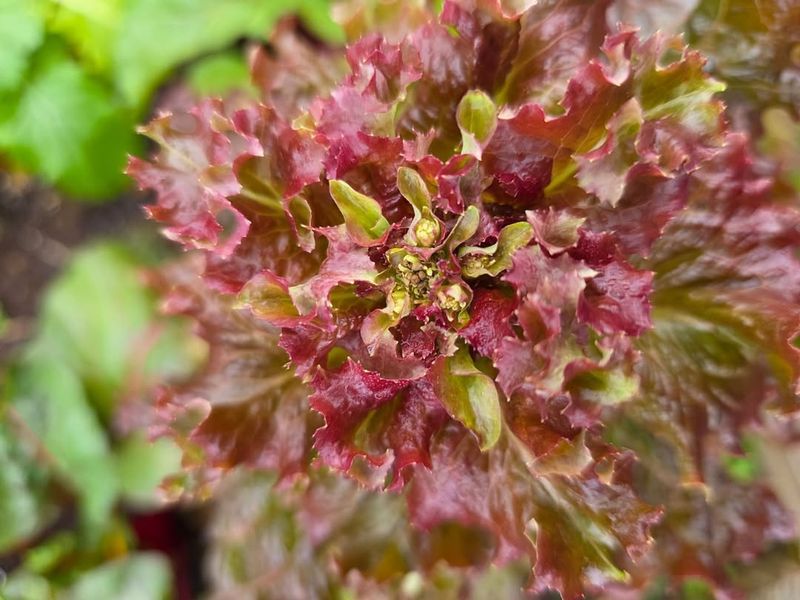
Bolting represents the final warning sign that harvest time has arrived for your Arizona winter vegetables. This process occurs when plants shift from vegetative growth to reproductive mode, sending up a tall central flower stalk.
Once bolting begins, the quality of edible portions declines rapidly as the plant redirects all its energy toward producing seeds rather than tasty leaves or roots.
Early bolting signs include elongation of the center growth point, which starts reaching upward rather than staying compact and leafy. Lettuce develops a pointed, tower-like appearance in its center.
Spinach and chard show similar vertical growth patterns. The leaves produced along this emerging flower stalk are typically smaller, tougher, and more bitter than the earlier growth.
Catching plants just before bolting begins ensures you harvest while quality remains high.
Arizona’s increasing day length and warming temperatures in late winter trigger bolting in cool-season crops. February and March bring the combination of longer days and warmer nights that signal plants to complete their life cycles.
Some varieties are more bolt-resistant than others, but eventually all winter vegetables will attempt to flower when conditions shift. Gardeners in Phoenix often see bolting earlier than those in higher elevation areas around Flagstaff or Prescott.
When you notice those first signs of central stem elongation, harvest everything immediately even if you hadn’t planned to use it all right away. Lettuce and greens can be washed, dried, and stored in the refrigerator for several days.
Many vegetables can be blanched and frozen to preserve the harvest. Root vegetables store well in cool, dark locations.
The alternative is watching your carefully tended crops become inedible within days as bolting accelerates. Arizona’s rapid transition from winter to summer growing conditions means bolting happens fast once it starts, making quick action essential for salvaging your winter vegetable harvest at peak quality.