8 Signs North Carolina Gardeners May Be Over Pruning Their Plants
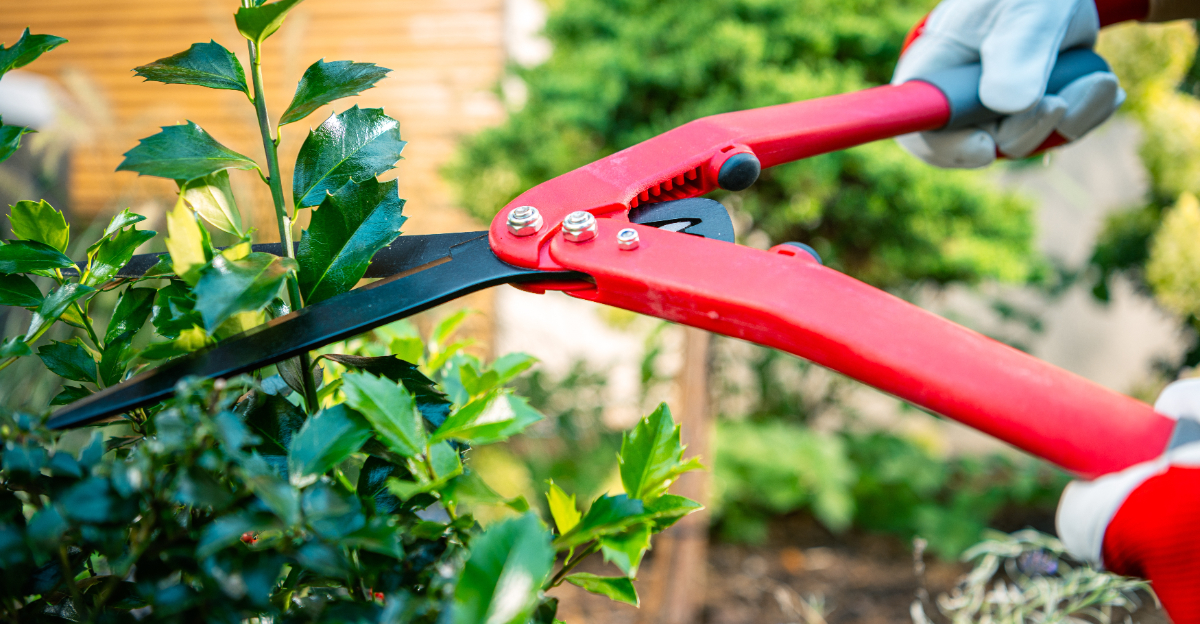
Pruning can help plants grow stronger and look better, but it’s easy to go too far without realizing it. Many North Carolina gardeners trim with good intentions, hoping for fuller growth or neater shapes, yet over pruning can stress plants and slow them down.
In a climate with long growing seasons and plenty of humidity, plants need enough leaves to produce energy and stay healthy. Cutting too much can leave them weak, exposed, and more likely to struggle as the season goes on.
Sometimes the signs are subtle at first, then become more obvious as plants fail to bounce back the way they should. Knowing what to watch for can save your garden from long term damage.
These common signs can help you spot when pruning has crossed the line and what your plants are trying to tell you.
1. Lots Of Leaves But Fewer Flowers
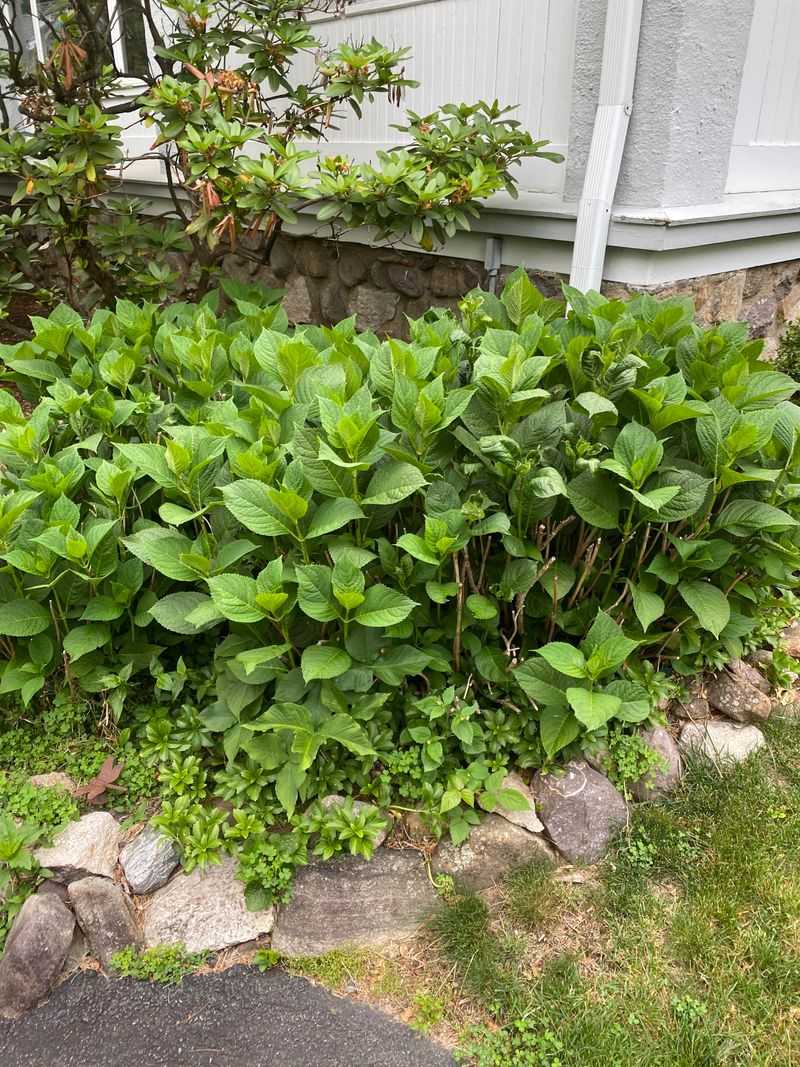
Something feels off when your favorite flowering shrub looks perfectly green and full but barely puts out a single bloom. You water it, feed it, and give it plenty of sun, yet the flowers just never show up the way they used to.
For many North Carolina gardeners, this frustrating mystery often comes down to pruning at the wrong time of year.
Many popular shrubs across North Carolina, especially spring bloomers like azaleas, forsythia, and mountain laurel, set their flower buds on older wood from the previous season.
When you prune them hard in late winter or early spring, you are cutting off those buds before they ever get the chance to open. The result is a plant that looks healthy but delivers none of the color you were hoping for.
Timing really is everything when it comes to flowering shrubs. The general rule is to prune spring bloomers right after they finish flowering, not before.
That small shift in schedule gives the plant the full growing season to set new buds for next year. If your shrub has been skipping its blooms for a season or two, changing your pruning window is often the simplest fix.
North Carolina gardeners who make this one adjustment are often surprised by just how quickly their plants bounce back with beautiful, full blooms.
2. Dense Water Sprouts Or Weak Vertical Shoots
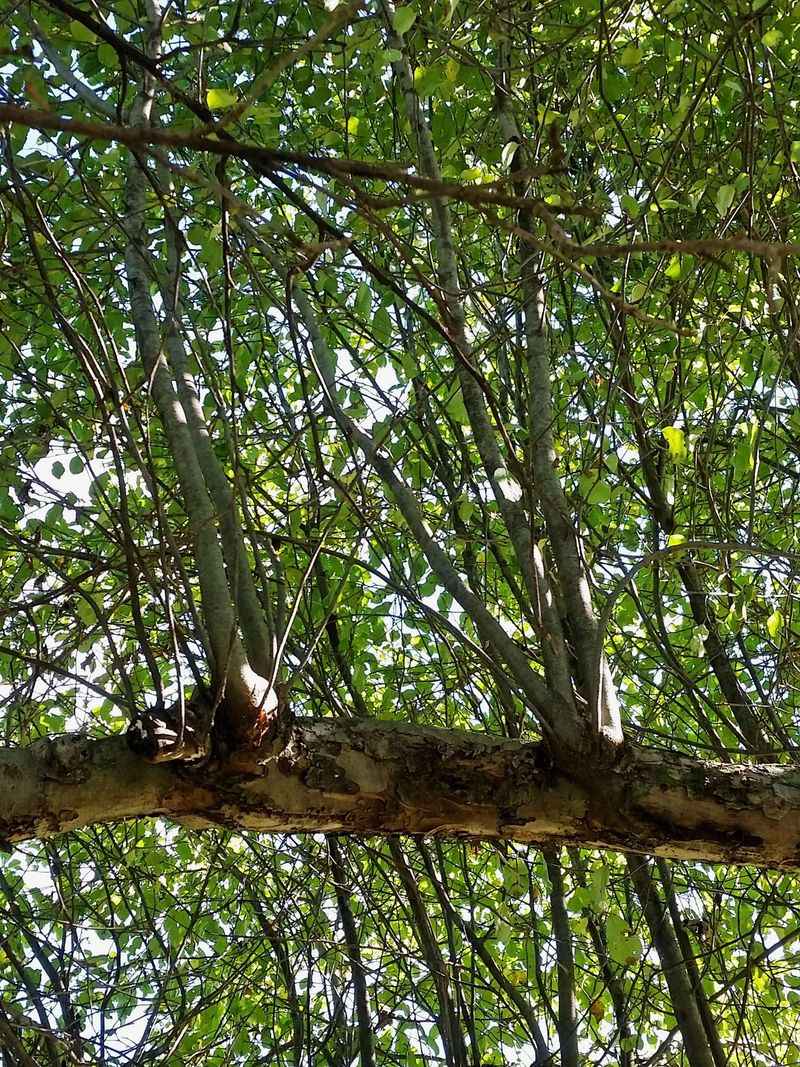
Picture this: you trim a shrub back pretty hard in the spring, and within a few weeks, a tangle of fast, skinny, straight-up shoots explodes from the cut areas. At first glance it might look like strong new growth, but those shoots are actually a warning sign.
They are called water sprouts, and they are your plant’s panic response to losing too much canopy at once.
When a plant loses a large portion of its growth quickly, it scrambles to replace that lost canopy as fast as possible. The result is a burst of weak, upright shoots that grow rapidly but lack the sturdy structure of natural branches.
NC State pruning guidance points out that removing too much growth at one time triggers this kind of excessive sprouting, which tends to create more problems than it solves over the long run.
Water sprouts rarely develop into strong, healthy branches on their own. They crowd the plant’s interior, reduce airflow, and often need to be removed in the next round of pruning, which starts the whole cycle over again.
Across North Carolina landscapes, this pattern shows up most often on crape myrtles, fruit trees, and large shrubs that get cut back hard year after year.
Keeping your cuts moderate and selective is the best way to avoid triggering this kind of stressed, unbalanced regrowth in your garden.
3. Sunscald Or Bark Stress On Suddenly Exposed Branches
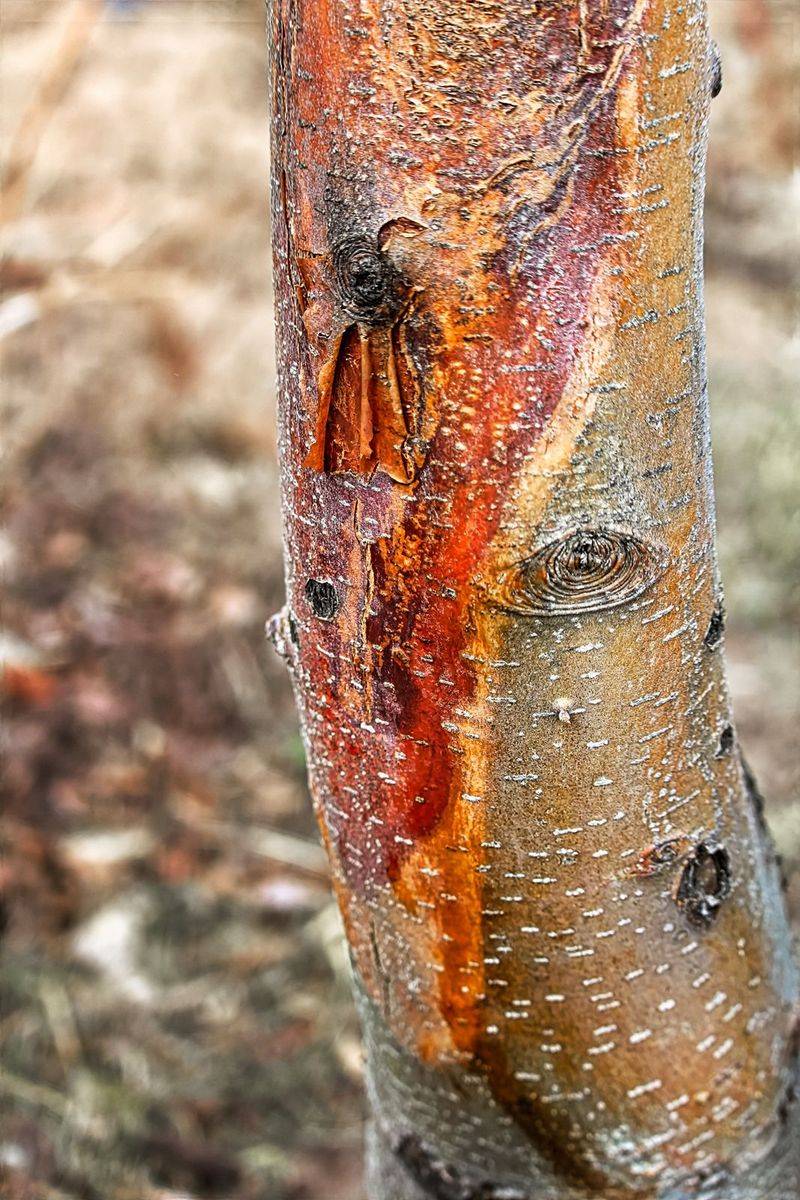
Most people think of over-pruning as a shape problem, but it can actually change the entire environment inside a plant. When you remove too much outer growth at once, the inner branches and bark that were always shaded suddenly face full, direct sunlight.
For plants in North Carolina, where summer heat can be intense, that sudden exposure can cause real stress on the bark and woody tissue underneath.
Sunscald shows up as discolored, cracked, or damaged areas on bark that was never meant to handle direct sun. The bark simply was not conditioned for that level of heat and light exposure, and the stress can create entry points for insects and fungal problems.
This is especially common in North Carolina’s hot summer months when temperatures climb and humidity adds to the pressure on already-stressed plants.
Avoiding this issue comes down to gradual, thoughtful pruning rather than dramatic cuts. Instead of removing large sections of a plant in one session, spread the work over two or three growing seasons.
That approach gives the inner bark time to harden and adjust to increased light levels without getting overwhelmed.
Certified arborists in North Carolina often recommend removing no more than one-quarter to one-third of a plant’s canopy at a time, precisely to prevent sunscald and the chain of problems that tends to follow it in warmer climates.
4. Slow Recovery After Pruning Instead Of Healthy Regrowth
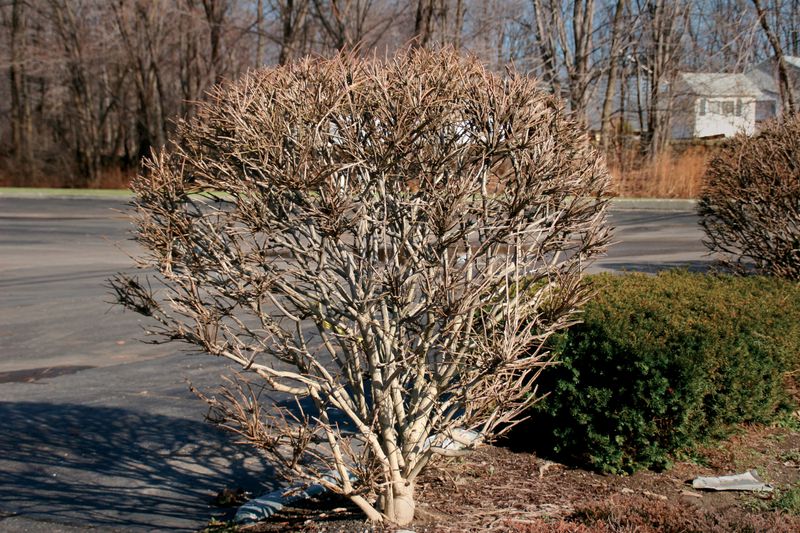
After a good pruning session, most plants respond with a burst of fresh, healthy new growth within a few weeks. So when a plant just sits there, looking tired and still, that slow response is worth paying attention to.
A plant that struggles to bounce back is often telling you that too much was taken at once.
Leaves are not just decoration. They are the plant’s main energy-producing system, and removing too many of them at once seriously limits how much fuel the plant can make for itself.
When a large portion of the canopy disappears in a single pruning session, the plant has to work hard just to survive, let alone put out strong new growth.
This problem becomes even more noticeable in North Carolina landscapes where summer heat, drought, or sandy coastal soils are already putting pressure on plants.
A good rule of thumb is to never remove more than one-third of a plant’s total growth in a single pruning. If a plant is already stressed from heat or dry conditions, cutting back even less is the smarter move.
Watering well after pruning and adding a layer of mulch around the base can help the plant hold moisture and redirect energy toward recovery.
North Carolina gardeners who follow these steps typically see much faster, stronger regrowth compared to those who prune heavily without any follow-up care for their plants.
5. Open Wounds That Heal Slowly On Cut Branches
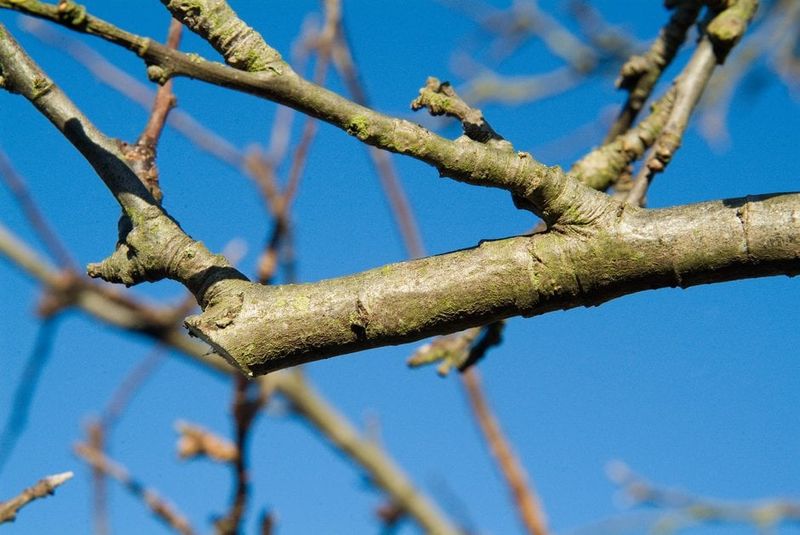
Every pruning cut leaves a wound, and a healthy plant has a remarkable ability to seal those wounds over time. But when a plant is over-pruned or cut incorrectly, those wounds can stay open far longer than they should.
Slow-healing cuts are one of the clearest signs that something went wrong during the pruning process.
One of the most common mistakes North Carolina gardeners make is removing the branch collar, the slightly raised ring of tissue where a branch meets the trunk or main stem. That collar is packed with specialized cells the plant uses to wall off and seal a cut.
NC State extension guidance specifically warns against flush cuts that slice through the collar, because doing so removes the plant’s best natural defense against decay and infection spreading inward.
Proper cut placement makes a big difference in how quickly and cleanly a wound heals. Always cut just outside the branch collar, angling the cut slightly so water drains away from the wound rather than pooling on it.
Avoid leaving long stubs, which also heal poorly and invite problems. In North Carolina’s warm, humid climate, slow-healing wounds are especially risky because fungal spores thrive in those conditions and can take hold quickly.
Taking a few extra seconds to make a clean, well-placed cut is one of the easiest ways to protect your plants from long-term damage after pruning.
6. The Plant Looks Thinner And Weaker Every Season
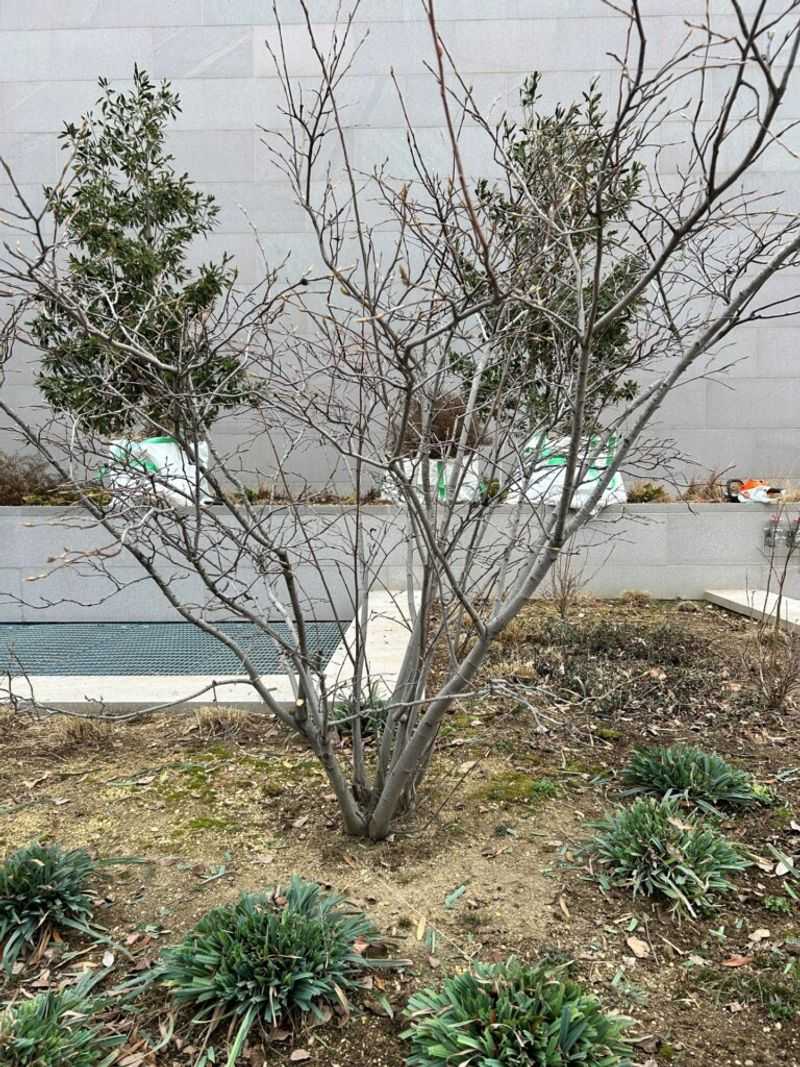
There is a certain kind of frustration that comes from watching a once-full, beautiful shrub slowly turn into a leggy, sparse shadow of itself. Year after year of cutting it back leaves it looking more open, more awkward, and less vigorous than before.
If your shrub seems to be shrinking in health and fullness rather than growing stronger, repeated over-pruning is likely the culprit.
Constant heading back, meaning cutting branches back to stubs or random points rather than natural branch junctions, forces the plant into a cycle of stressed regrowth.
Instead of developing strong, natural branching structure, the plant keeps pushing out weak shoots from the same cut points.
Over time, the overall framework of the shrub weakens, and it becomes harder for the plant to support lush, full growth the way it did when it was younger.
Across North Carolina, this pattern shows up most often with shrubs that were planted in spots too small for their mature size. Gardeners end up clipping them constantly just to keep them in bounds, which gradually wears the plant down.
A much better solution is to choose plants that naturally fit the space without heavy trimming.
NC State extension recommends selecting shrubs based on their mature size to reduce the need for repeated corrective pruning, which saves time and keeps plants healthier over the long run in North Carolina gardens.
7. More Disease Problems Showing Up After Cutting
North Carolina gardeners know that humidity is just part of life here, especially from late spring through early fall. That same moisture that makes gardens lush and green also creates perfect conditions for fungal problems to spread.
When over-pruning enters the picture, the combination can become a real headache for your plants.
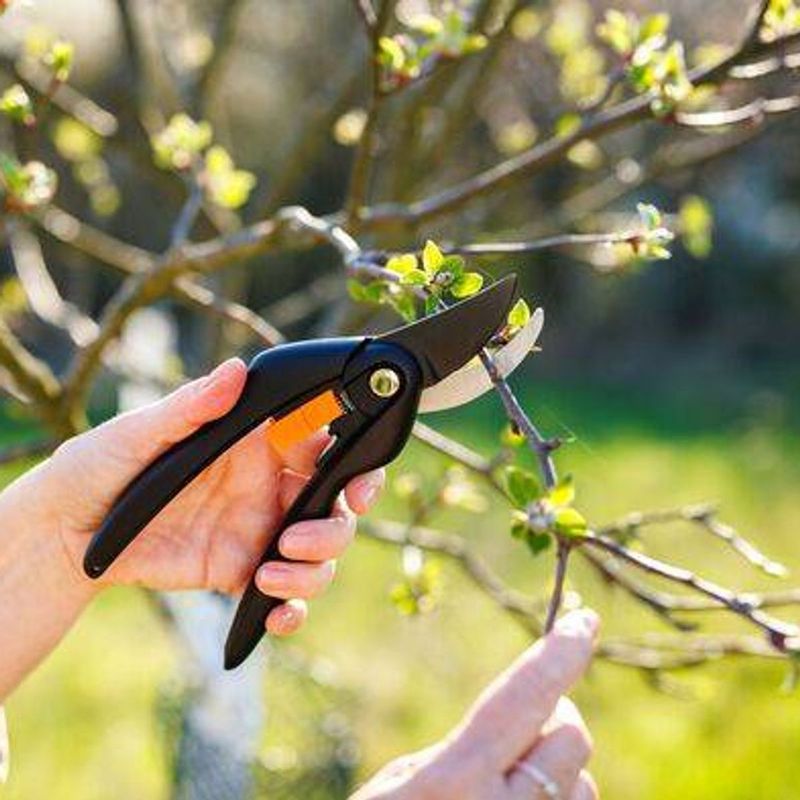
Fresh pruning cuts are essentially open doors for pathogens. When a plant has too many cuts, or cuts made at the wrong time, it cannot seal them all quickly enough to keep fungal spores out.
NC State plant pathology resources note that improper pruning technique increases stress on plants and raises the chance of fungal infection, particularly during the warm, humid months that North Carolina sees so reliably each year.
Timing and technique both matter a great deal here. Pruning during dry, mild weather gives cuts a better chance to begin sealing before humidity and warmth roll in.
Using clean, sharp tools also reduces the risk of spreading pathogens from one plant to another during a pruning session.
If you notice powdery mildew, cankers, or unusual spotting appearing shortly after pruning, take that as a signal to reassess both your timing and your cutting method.
Keeping pruning sessions reasonable in scope, and following up with proper sanitation of your tools, goes a long way toward keeping North Carolina plants healthy and disease-free throughout the growing season.
8. You Keep Pruning The Same Plant Over And Over Again
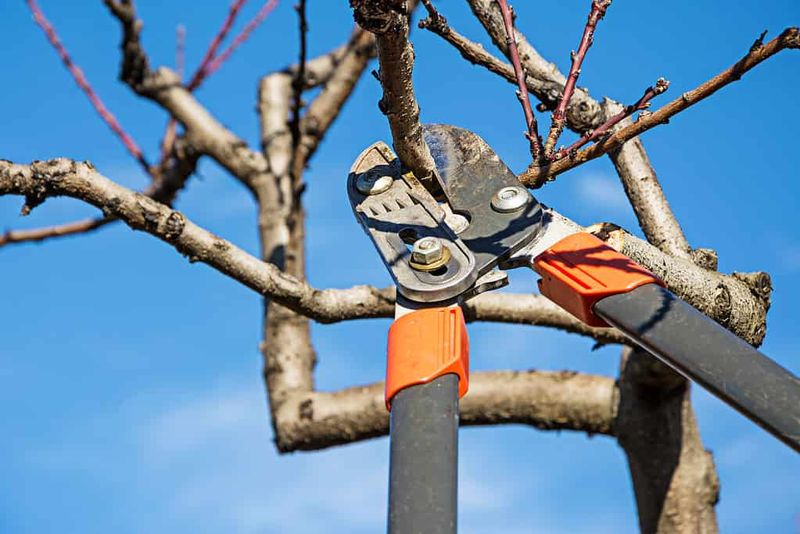
Some plants seem to demand attention every few weeks no matter what you do. You cut them back, they shoot up again, and before long you are back out there with the shears.
That constant cycle is exhausting, and it is also a sign that something bigger is going on beneath the surface of your gardening routine.
When a plant needs pruning over and over again just to stay in bounds, it usually means one of two things. Either the plant is simply too large for the space it was planted in, or it is being pushed into overdrive by excess fertilizer.
NC State extension notes that applying too much nitrogen fertilizer speeds up growth significantly, which leads directly to more frequent pruning and a frustrating loop of cutting and regrowth that never seems to end.
Pruning should be a thoughtful, occasional task that guides a plant toward good structure, not a nonstop battle to keep it contained. If you find yourself trimming the same shrub four or more times in a single growing season, step back and think about the root cause.
Reducing fertilizer, especially high-nitrogen formulas, can slow excessive growth naturally. In some cases, the best long-term solution for North Carolina gardeners is replacing the plant with a species that naturally stays within the size of the space, saving both time and the health of your garden overall.