7 Signs Oregon Houseplants Are Ready For A Bigger Pot
Oregon homes can be a great place for houseplants, but between lower winter light, damp conditions, and indoor heating, plants don’t always grow the way you expect. Sometimes they quietly outgrow their space, and the signs aren’t always obvious at first.
A plant that’s ready for a bigger pot will usually start acting a little off. Growth slows down, water seems to run straight through the soil, or roots begin creeping out where they shouldn’t.
It can look like a watering or lighting issue, but the real problem is often happening below the surface.
Catching these signals early makes a big difference. Give your plant more room at the right time and it can bounce back quickly with stronger growth and healthier leaves.
Miss those signs, and even the easiest houseplants can start to struggle.
1. Roots Out Drainage Holes
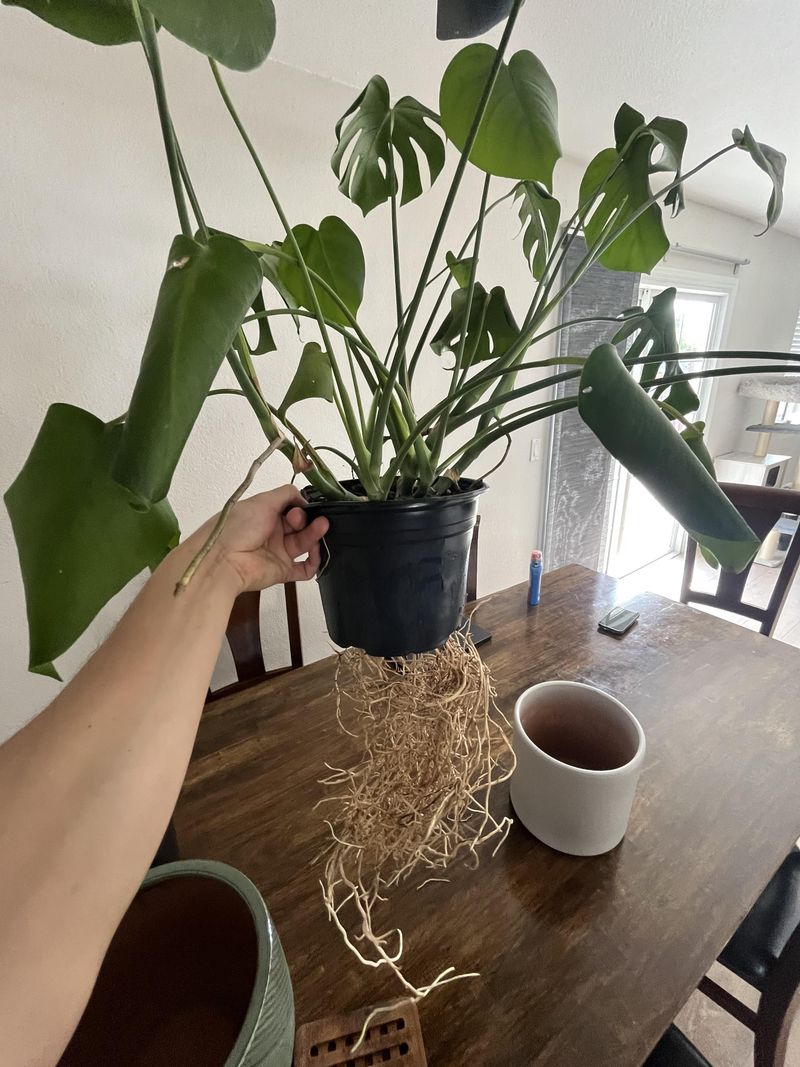
You pull your favorite plant off the windowsill one afternoon, flip it over, and there they are — roots poking right through the drainage holes. That is one of the clearest messages a plant can send.
When roots start escaping through the bottom, the plant has simply run out of room inside the pot.
Roots grow outward and downward searching for space, water, and nutrients. Once they hit the edges of the pot, they have nowhere else to go but out.
In Oregon homes, where humidity levels can vary from the coast to the high desert, this can happen faster than most plant owners expect.
The good news is that fixing this problem is straightforward. Choose a new pot that is one to two inches wider in diameter than the current one.
Gently remove the plant, loosen the root ball a little, and place it in fresh potting mix. Spring is the best time to repot in Oregon, right when the growing season kicks off.
Acting quickly after spotting this sign will help your plant settle into its new home and start growing strong again.
2. Circling Surface Roots
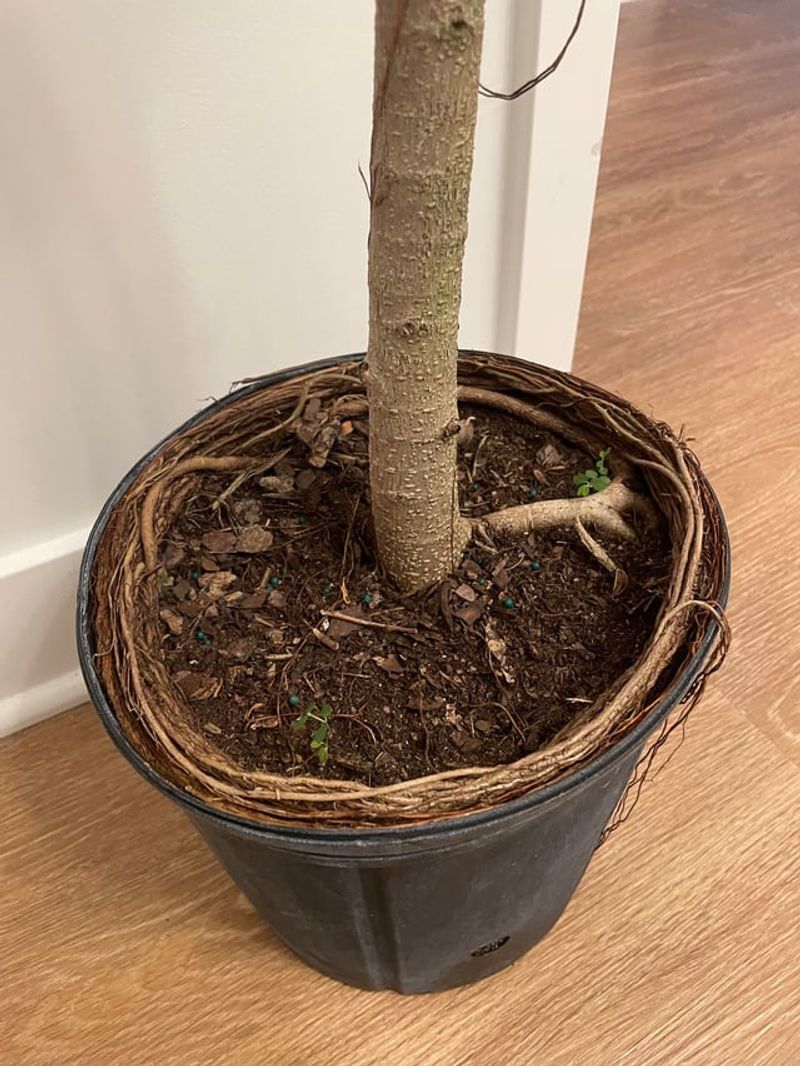
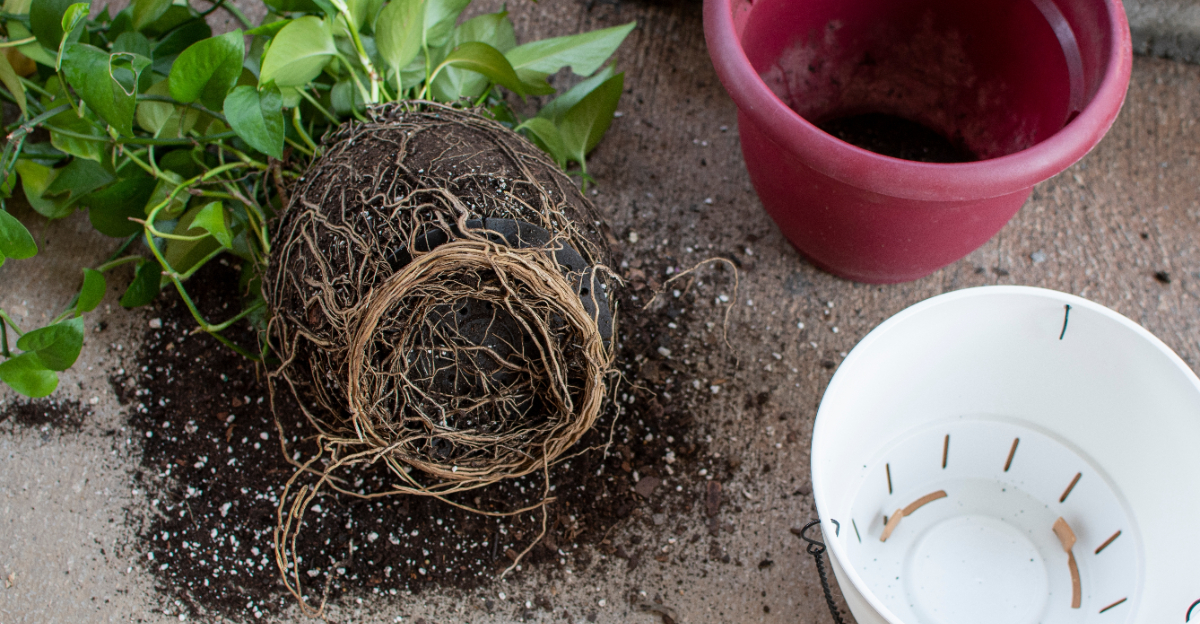
Sometimes the roots do not escape through the bottom — they show up right on top instead. Spotting a tangle of roots swirling around the soil surface is a strong sign your plant needs more space.
This happens when roots have filled every inch of the pot and have started looping around looking for somewhere new to grow.
Circling roots can become a real problem over time. When roots wrap tightly around themselves, they can start to choke each other off, making it harder for the plant to absorb water and nutrients.
Oregon gardeners who grow tropical plants indoors often notice this pattern in late winter, just before the spring growing surge begins.
To fix this, gently tip the plant out of its current container and loosen any tightly wound roots with your fingers or a clean tool. Trim away any that look damaged or overly tangled.
Repot into a container that gives the roots fresh room to spread outward. Adding a good-quality potting mix will also give the roots new nutrients to work with.
Your plant will reward you with stronger, healthier growth once it has the space it truly needs.
3. Water Drains Too Fast
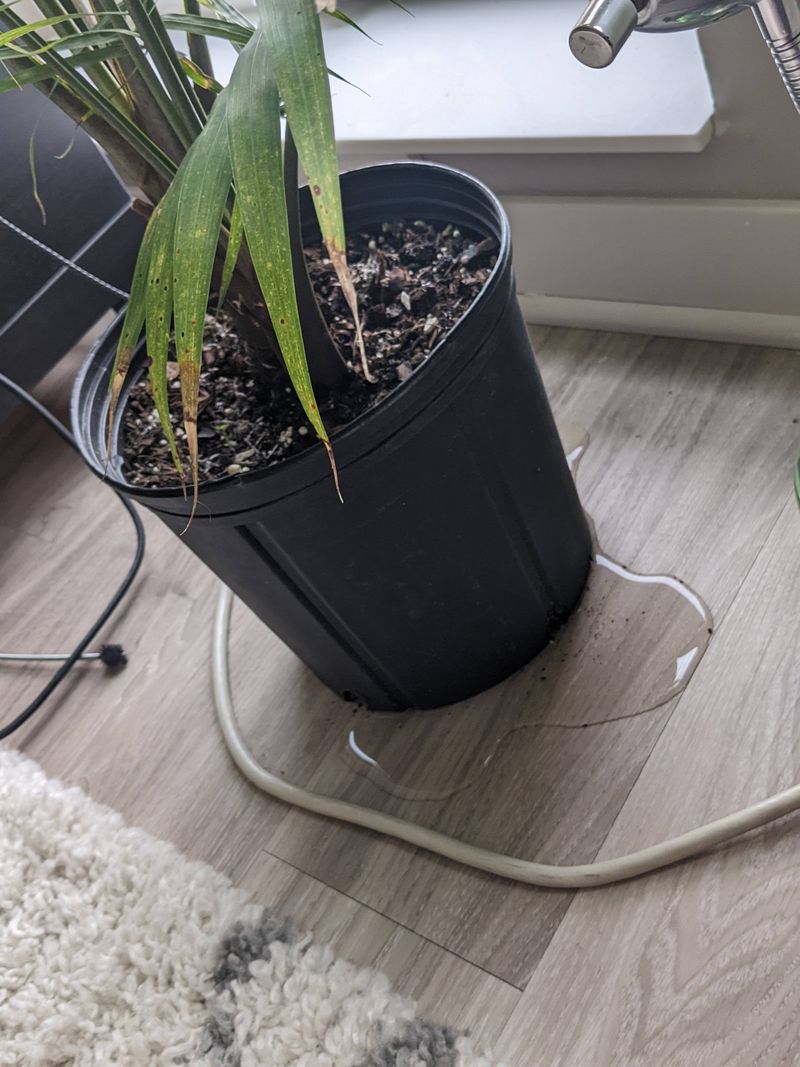
Ever notice that water seems to rush straight through the pot and out the bottom almost instantly? That is not normal, and it is actually a red flag worth paying attention to.
When water drains so fast that the soil barely has time to absorb any moisture, it usually means roots have taken over most of the pot space.
Roots are incredibly efficient at filling every gap in a container. Over time, they leave very little room for soil, which is what actually holds water.
Without enough soil, water has no place to sit and be slowly absorbed. Oregon plant owners in drier inland regions like Medford or Bend might mistake this for under-watering, when the real issue is a too-small pot.
A simple test is to water your plant slowly and watch how long it takes for water to come out the bottom. If it flows out in just a few seconds, repotting is likely overdue.
Move your plant into a slightly larger container with fresh, well-draining potting mix. This will give the roots more soil to work with and allow moisture to be retained properly between waterings.
Your plant will feel the difference almost immediately.
4. Soil Dries Quickly
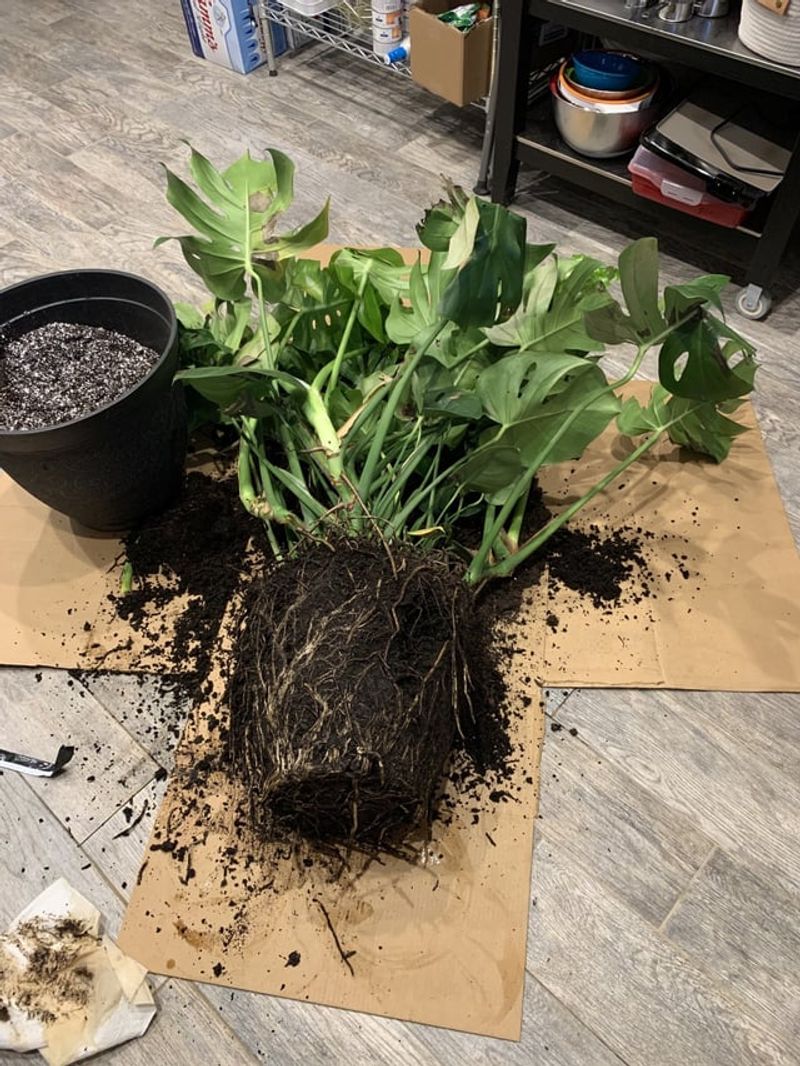
Dry soil just a day or two after watering is a sneaky sign that something is off. Most healthy houseplants in Oregon should stay moist for several days after a good watering.
When the soil dries out unusually fast, it often means the roots have crowded out most of the growing medium.
Think of it this way: a pot packed with roots has very little soil left to hold onto moisture. The roots drink up whatever water is available almost immediately, leaving the soil bone dry before the plant even has time to use it well.
This cycle can stress a plant out and slow its growth over time, especially during Oregon’s warmer summer months in places like the Willamette Valley.
If you find yourself watering every single day just to keep up, take that as a strong hint that repotting is needed. Move the plant to a container that is one to two inches larger and fill it with a fresh potting mix that holds moisture well.
Some gardeners in Oregon also add a layer of perlite to help with drainage balance. Once repotted, you should notice the soil staying moist for longer periods, which is exactly what your plant needs.
5. Slowed Growth
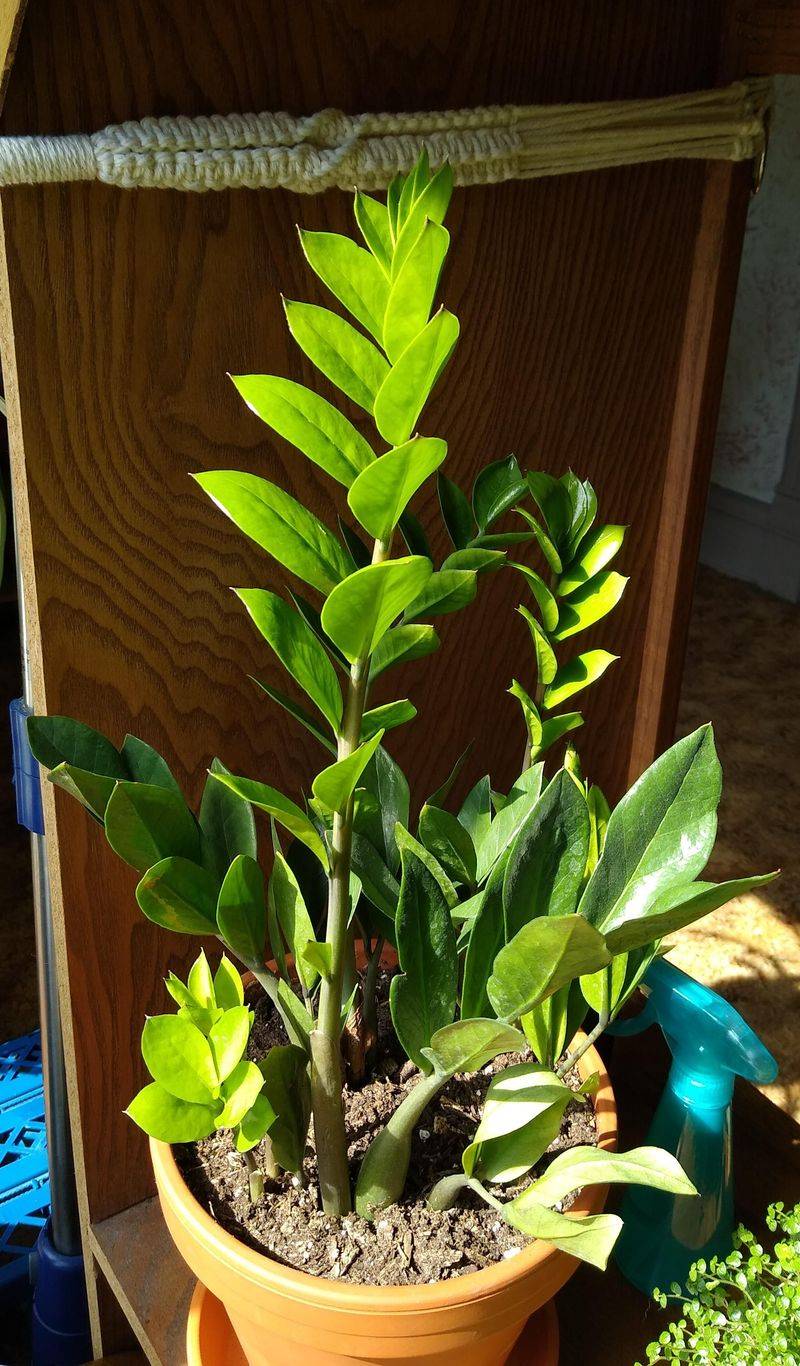
Picture this: your plant was putting out new leaves every couple of weeks, and then one day it just stopped. No new growth, no fresh shoots, nothing.
Slowed or stalled growth is one of the more subtle signs that a plant has outgrown its pot, and it is easy to overlook at first.
When roots run out of room, they cannot absorb nutrients as efficiently as they should. The plant essentially hits a wall.
It may still look okay on the outside, but on the inside, it is struggling to get what it needs. Oregon houseplant enthusiasts who grow fast-growing varieties like pothos or philodendrons often notice this during the spring season when growth should be at its peak.
Before assuming your plant needs fertilizer, check the roots first. Tip the plant gently out of its pot and look for a dense, tightly packed root ball.
If the roots are circling the outside of the soil mass, that is your answer. Repot into a slightly larger container with nutrient-rich potting mix and give it a few weeks to adjust.
Most plants bounce back quickly once they have fresh soil and space to grow. Oregon spring is the perfect window to make this move.
6. Yellowing Leaves
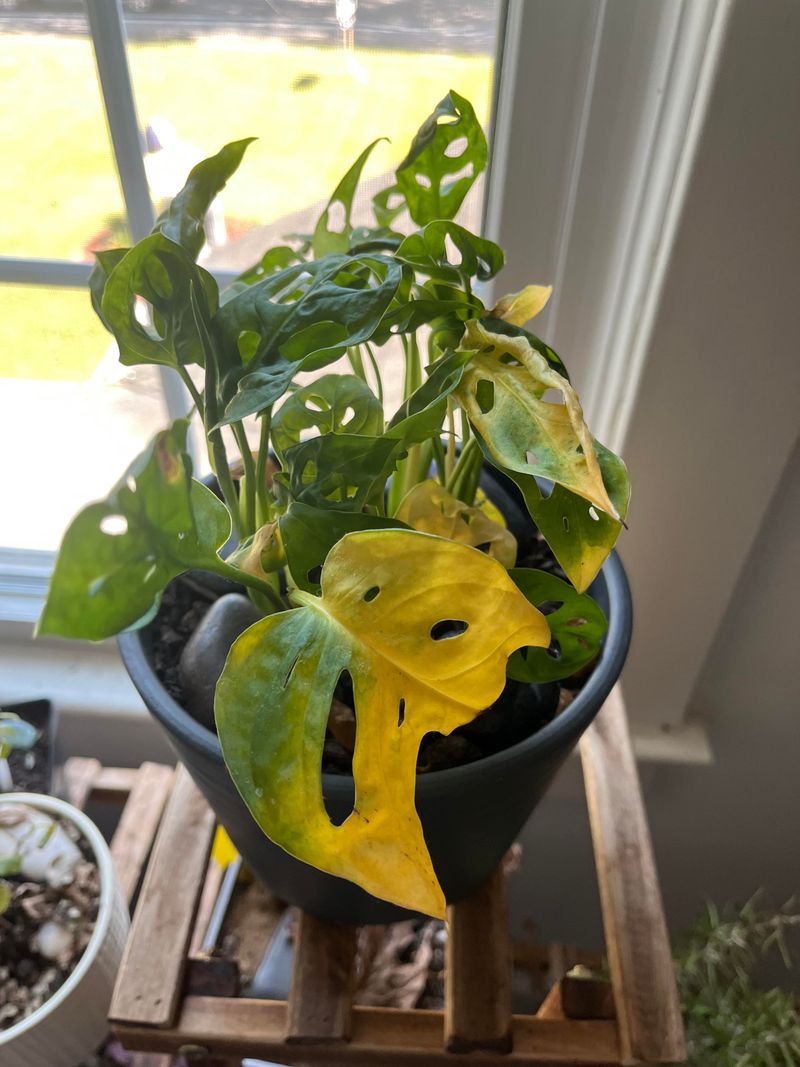
Yellow leaves can mean a lot of things, but when they show up alongside other signs on this list, a too-small pot is often the cause. Leaves turn yellow when a plant cannot get enough nutrients or water, and a cramped root system is one of the biggest reasons that happens.
It is the plant waving a little flag asking for help.
When roots are packed in tightly, they struggle to absorb what the plant needs even if you are feeding and watering regularly. The nutrients are simply not getting through efficiently.
In Oregon, where indoor growing conditions can shift a lot between the rainy season and the dry summer months, stressed plants show these symptoms more quickly than you might expect.
Start by ruling out other causes like overwatering or too little light. If those are not the issue, check the roots.
A root-bound plant moved into a fresh, larger pot with quality potting mix often shows improvement within just a few weeks. New green growth usually follows once the roots have room to breathe and feed properly.
Catching yellowing leaves early and acting on them gives your Oregon houseplant the best shot at bouncing back healthy and vibrant before the growing season peaks.
7. Top Heavy Plant
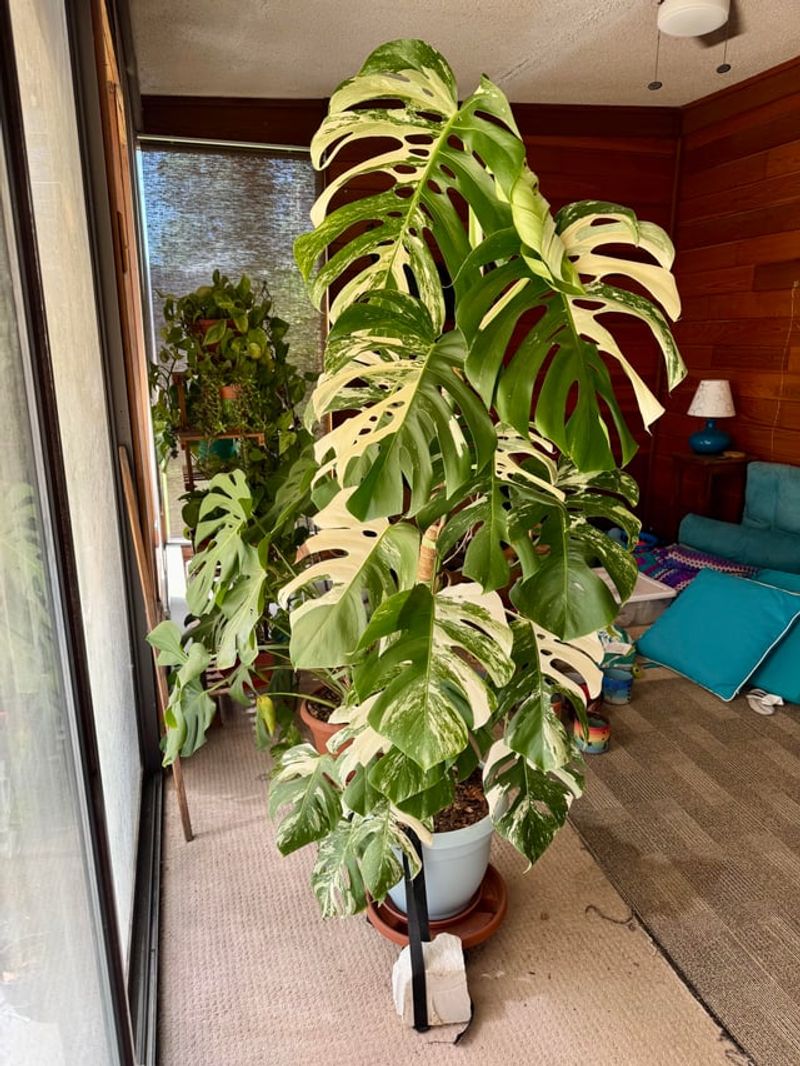
A plant that keeps tipping over or leaning dramatically to one side is telling you something important. When the leafy, bushy top of a plant grows much larger than the pot holding it, the whole setup becomes unstable.
This is more than just a balance problem — it usually means the roots inside are too cramped to anchor the plant properly.
Healthy roots spread outward and create a stable base inside the container. When they run out of room, that anchor effect weakens.
The plant gets taller and bushier on top while the root system stays squeezed inside a pot that is too small to support it. Oregon plant lovers who grow large tropical varieties indoors, like bird of paradise or rubber trees, often deal with this as their plants mature through the seasons.
Repotting a top-heavy plant into a wider, heavier container solves two problems at once. The roots get more room to spread and anchor, and the wider base keeps the plant from tipping.
Choose a pot made from ceramic or terracotta for extra weight stability. Add fresh potting mix and firm it gently around the roots.
After repotting, give your Oregon houseplant a few weeks to settle in, and you should see a much more stable, upright plant ready to keep growing.