10 Signs Slugs Are About To Invade Your Oregon Garden
Slugs are one of the sneakiest pests in Oregon gardens, and they seem to appear overnight, leaving chewed leaves and holes in their wake.
Knowing the early warning signs can save your plants and prevent a full-blown slug invasion before it’s too late.
Even if you’ve gardened for years, these slimy visitors can catch you off guard. Luckily, there are subtle clues that slugs are nearby, from silvery trails on soil and mulch to nibbled seedlings hiding under damp leaves.
Spotting these signs early gives you a head start on protecting your plants without relying on harsh chemicals.
Oregon’s cool, wet climate makes gardens particularly attractive to slugs, especially in shaded or moist areas. By paying attention to the little hints your garden gives, you can take simple steps to deter them and keep your veggies, flowers, and shrubs healthy.
Let’s walk through ten signs that slugs are about to make themselves at home in your garden.
With a little observation and timely action, you can prevent damage, keep your plants thriving, and enjoy a garden that’s beautiful, and slug-free, all season long.
1. Shiny Slime Trails On Soil Or Leaves
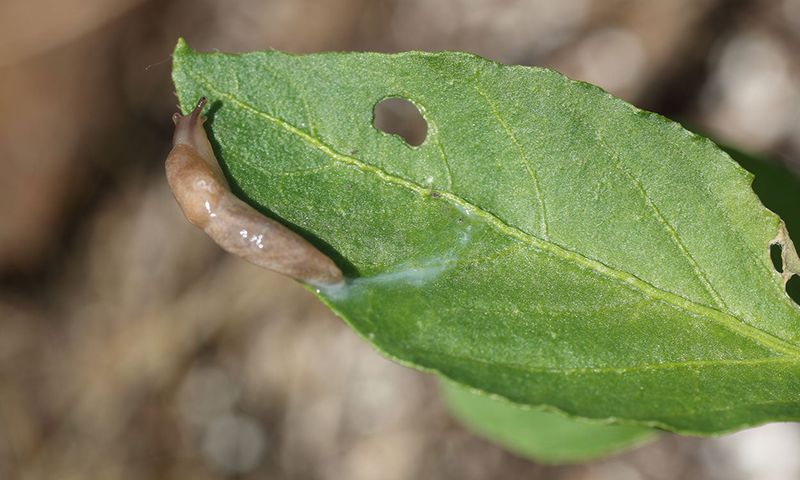
Walk through your garden early in the morning, and you might notice something glistening in the light. Those silvery streaks crisscrossing your soil, climbing up plant stems, or decorating leaf surfaces are slug highways.
Each trail is made of mucus that helps slugs glide smoothly over rough surfaces while protecting their soft bodies from abrasion.
These trails dry into a shiny film that catches sunlight, making them surprisingly easy to spot if you know what to look for. Fresh trails appear wet and thick, while older ones look like faint, papery lines.
When you see multiple trails converging near your lettuce or hostas, you know slugs are actively feeding in that area.
Oregon’s morning dew makes these trails especially visible. The moisture keeps them from drying out too quickly, so you have a longer window to spot them.
Check around the base of plants, along garden edges, and near any mulched areas where slugs like to hide during the day.
If you find fresh trails, it means slugs are moving through nightly. Start removing hiding spots like old boards or dense ground cover.
You can also set out shallow dishes of beer or create copper barriers around vulnerable plants to interrupt their nightly travels before populations explode.
2. Irregular Holes In Tender Leaves
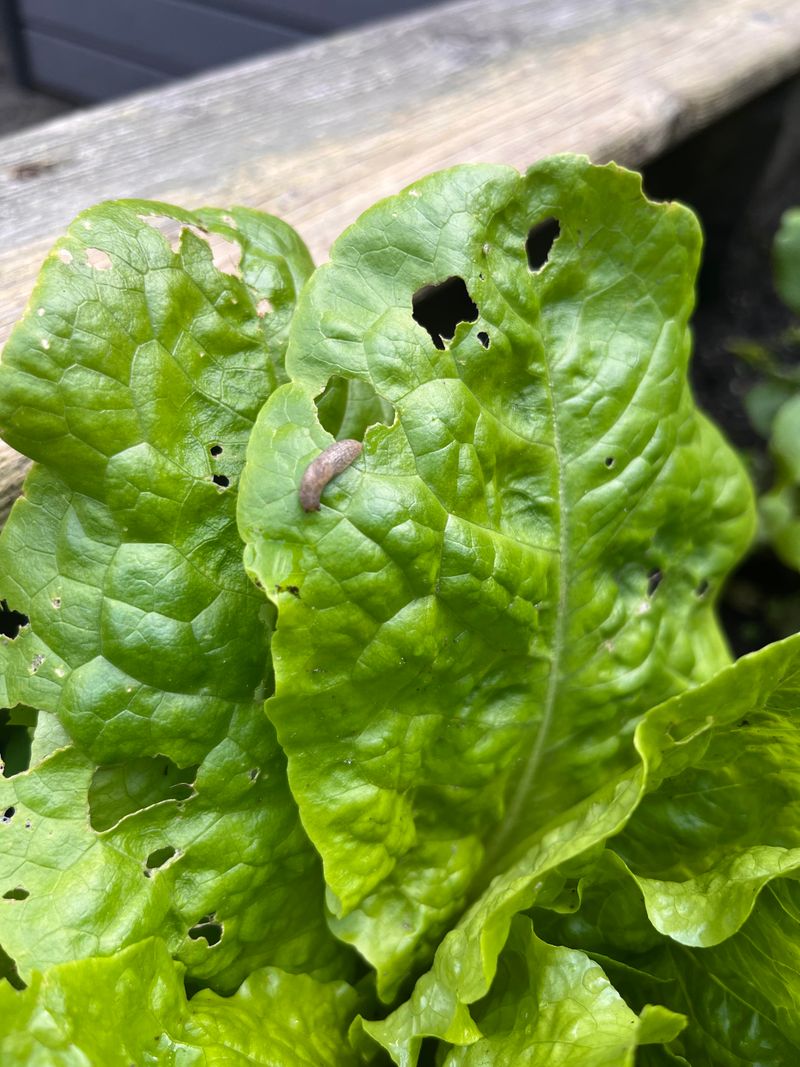
Your lettuce looked perfect yesterday. This morning, it’s full of ragged holes that weren’t there before.
Unlike caterpillars that chew from the leaf edge inward, slugs create irregular openings right in the middle of leaves, leaving behind a lacy, Swiss cheese appearance that’s hard to miss.
Slugs have thousands of tiny teeth on a tongue-like structure called a radula. They scrape away plant tissue rather than biting clean chunks, which creates those characteristic jagged edges.
Young, tender greens are their favorite targets because the tissue is soft and easy to process.
In Oregon gardens, this damage often appears on lettuce, basil, hostas, and young bean plants. The holes typically appear in clusters because slugs return to the same feeding spots night after night.
Sometimes you’ll see the damage concentrated on lower leaves where slugs can easily reach from the ground.
When you spot these holes early, you have time to act. Check under leaves and around the plant base at dusk when slugs start moving.
Hand-picking them into soapy water works surprisingly well. Also consider reducing mulch depth around affected plants and watering in the morning instead of evening to reduce nighttime moisture that attracts slugs.
3. Damage Appearing Overnight
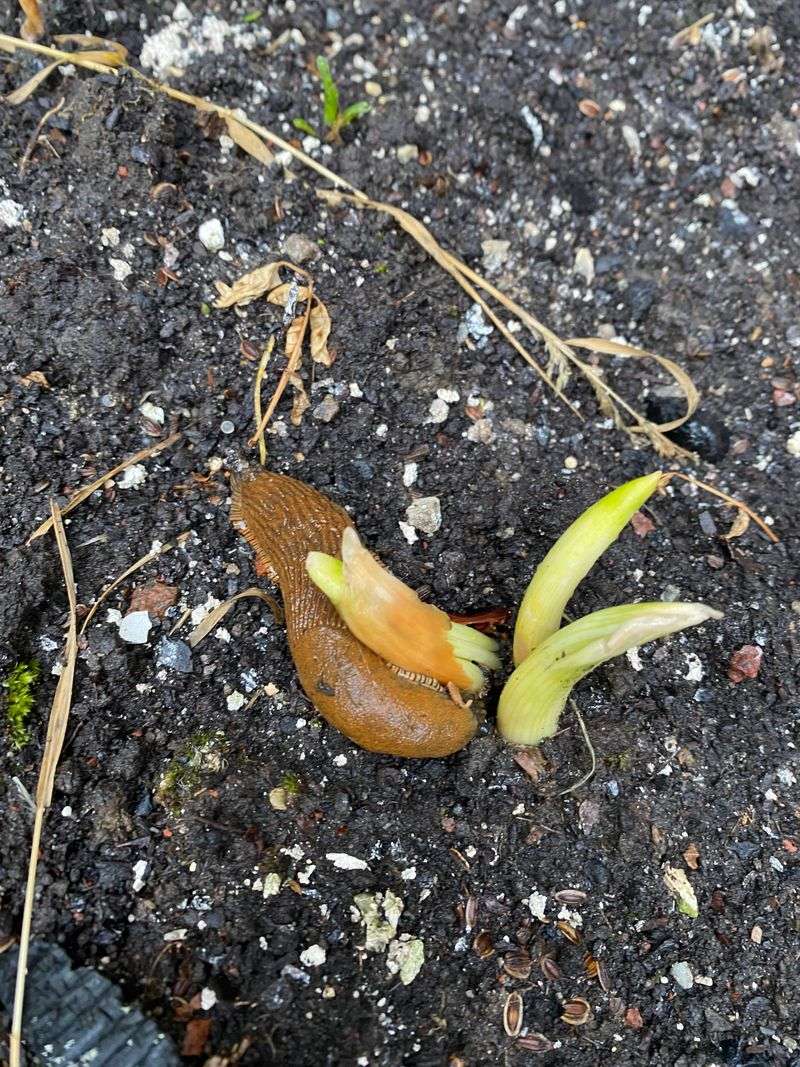
You checked your garden before dinner and everything looked fine. Next morning, several plants show fresh damage, and you’re left wondering what happened while you slept.
This overnight transformation is one of the most reliable signs that slugs are active and feeding heavily in your space.
Slugs are nocturnal creatures that hide during daylight hours and emerge after dark to feed. They’re most active when temperatures drop and humidity rises, which in Oregon means nearly every spring and fall evening.
A single slug can consume several times its body weight in plant material during one night of feeding.
The suddenness of the damage catches many gardeners off guard. One night of heavy slug activity can devastate a row of seedlings or strip a prized hosta down to its veins.
The damage often appears worse after rainy nights when slug populations are most active and multiple individuals converge on the same plants.
If damage keeps appearing overnight, try a flashlight inspection around 10 PM. You’ll likely catch slugs in the act, which helps you understand where they’re coming from and where they hide during the day.
Remove those daytime hiding spots, and consider creating barriers with diatomaceous earth or crushed eggshells around vulnerable plants to disrupt their nightly feeding routes.
4. Seedlings Disappearing After Planting
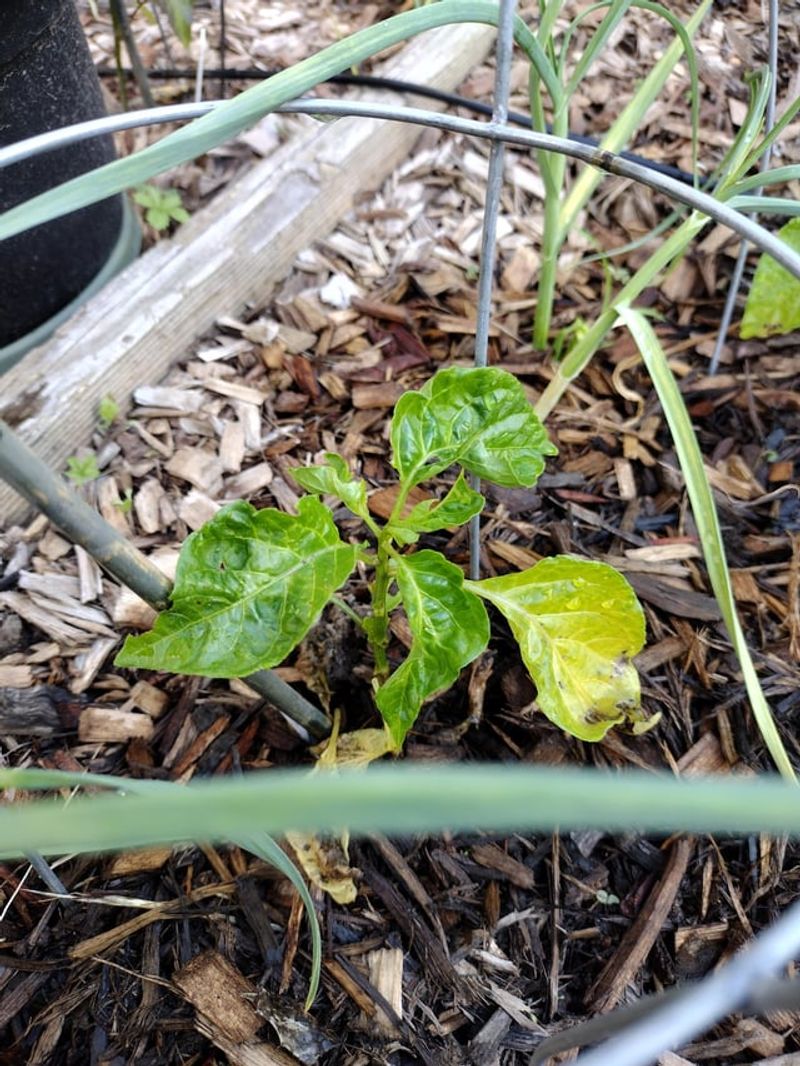
You planted a fresh row of bean seedlings or transplanted young tomatoes, and within a few days, some simply vanish. No stems left behind, no obvious signs of digging, just empty spots where plants used to be.
This mysterious disappearance is often the work of hungry slugs targeting the most vulnerable plants in your garden.
Seedlings have soft, succulent tissue that slugs find irresistible. Their stems are thin enough that slugs can sever them completely at soil level, and the tender leaves disappear entirely overnight.
Sometimes you’ll find just a small stub remaining, but often the whole plant seems to evaporate, leaving gardeners baffled.
Oregon’s cool spring planting season coincides perfectly with peak slug activity. The combination of moist soil, mild temperatures, and tender new growth creates an all-you-can-eat buffet.
Slugs often target newly transplanted seedlings because transplant stress makes them even more appealing and less able to recover from feeding damage.
Protect new plantings by creating temporary barriers around seedlings using copper tape or diatomaceous earth rings. You can also delay planting until soil warms slightly, which allows seedlings to establish faster and become less vulnerable.
Check around missing seedlings for slime trails, and set out beer traps nearby to catch slugs before they eliminate more of your young plants.
5. Slugs Hiding Under Boards Or Pots
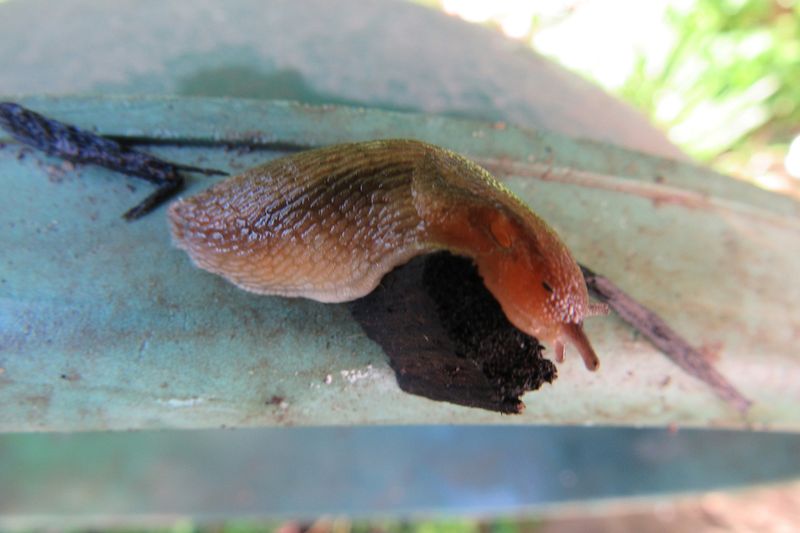
Lift up that old board lying near your tomatoes, and you might find a surprise party of slugs clustered underneath. These slimy pests need cool, dark, moist hiding spots during daylight hours, and anything resting on the ground becomes prime real estate.
Overturned pots, stepping stones, garden tools, and piles of weeds all provide perfect daytime refuges.
Slugs lose moisture quickly in dry air and sunlight, so they retreat to protected spots where humidity stays high and temperatures remain stable. They often gather in groups under the same object, making it easy to find dozens in one spot.
This clustering behavior means one good hiding spot can harbor enough slugs to damage your entire garden.
Oregon’s mild, damp climate means slugs can find suitable hiding spots almost anywhere. Check under anything that’s been sitting on the ground for more than a few days.
The underside of pots, the bottom of garden statues, and even dense mulch piles all provide the conditions slugs need to survive the day.
When you discover slug hideouts, you have a golden opportunity for control. Hand-pick them into soapy water or relocate them far from your garden.
Remove unnecessary items from the garden to eliminate hiding spots, and elevate pots on feet or bricks to reduce slug-friendly spaces.
Regular morning patrols under boards and pots can significantly reduce populations before they cause serious damage.
6. Increased Activity After Rainy Evenings
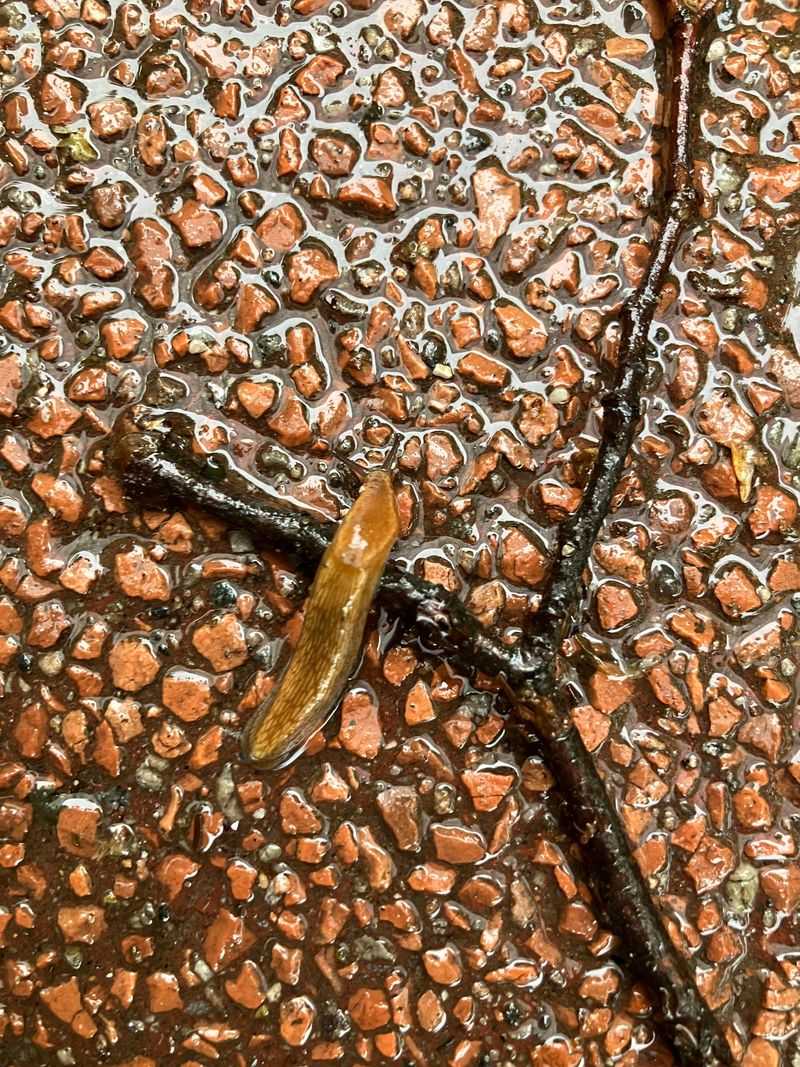
Rain falls overnight, and by morning your garden shows fresh slug damage that wasn’t there yesterday. This pattern repeats throughout spring and fall, and you start to notice the connection between wet weather and slug problems.
Rain triggers explosive increases in slug activity because it creates the perfect conditions for feeding and movement.
Slugs need moisture to survive and move efficiently. Their mucus trails require water to produce, and their skin must stay moist to function properly.
After rain, humidity stays high, surfaces remain wet, and slugs can travel farther and feed longer without risking dehydration. A single rainy night can bring out slugs that have been hiding for days.
Oregon gardeners know this pattern well. Our spring rains can last for days, creating extended periods of ideal slug conditions.
During these wet spells, slug populations seem to explode, and damage appears faster than you can keep up with. Even brief evening showers can trigger enough activity to devastate tender plants overnight.
Plan your slug control around weather patterns. Check forecasts and set out traps or barriers before predicted rain.
After wet nights, do morning patrols to hand-pick slugs before they retreat to hiding spots. Improve drainage in problem areas and avoid overwatering, especially in the evening.
Creating drier conditions between rains can significantly reduce slug activity even when you can’t control the weather.
7. Wilting Leaves With No Obvious Cause
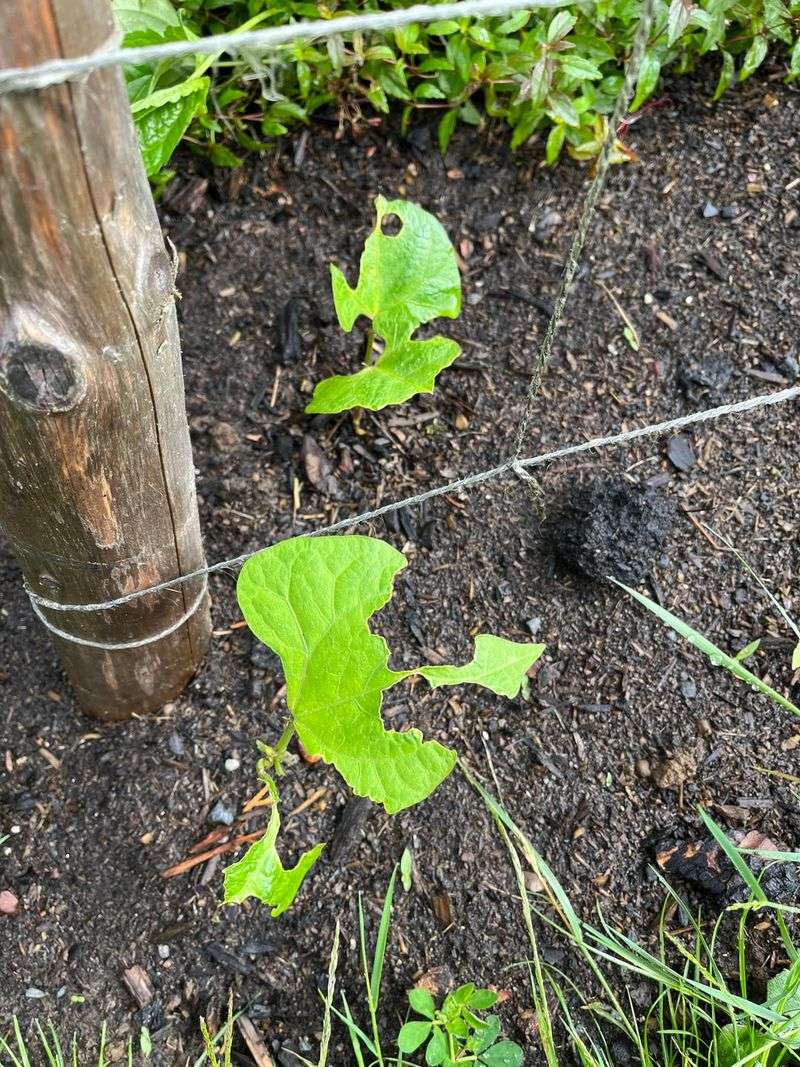
Your pepper plant looks wilted even though the soil is moist. You check for root rot, inspect for disease, and find nothing obvious.
Then you look closer at the stem near the soil line and discover the problem: slugs have been rasping away at the stem tissue, damaging the plant’s ability to transport water and nutrients.
Slugs don’t always eat leaves. Sometimes they feed on tender stems, especially near the base of plants where tissue is soft and accessible.
This feeding can girdle stems or create wounds that interrupt water flow, causing leaves to wilt even when roots are healthy. The damage often goes unnoticed because it happens at ground level where mulch or leaves hide the evidence.
Young plants are especially vulnerable because their stems haven’t developed tough outer tissue yet. Tomatoes, peppers, beans, and squash all have succulent stems that attract slugs.
In Oregon’s moist climate, these wounds can also become entry points for fungal infections, compounding the damage and making recovery even harder.
When you see unexplained wilting, carefully examine the stem base for scraping damage or slime trails. Look for slugs hiding in nearby mulch or under lower leaves.
If you catch the damage early, plants can often recover. Clear mulch away from stem bases to reduce moisture and slug access.
Consider using cardboard collars around young transplants to protect vulnerable stems during the first few weeks after planting.
8. Mushrooms And Fungal Growth Nearby
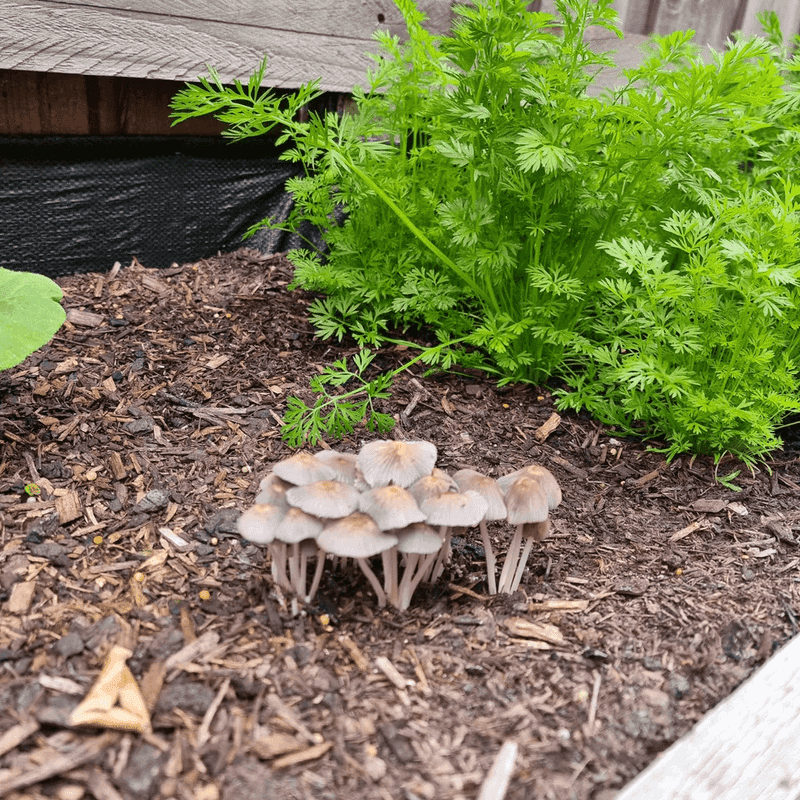
Mushrooms pop up in your mulch, and you notice more fungal growth than usual around certain plants.
While mushrooms themselves aren’t a problem, they signal conditions that slugs absolutely love: high moisture, decomposing organic matter, and cool temperatures.
Where fungi thrive, slugs often follow.
Slugs feed on decaying plant material as readily as they eat living plants. Mushrooms and other fungi indicate active decomposition, which provides slugs with an easy food source and creates the damp, sheltered environment they need.
Areas with heavy fungal growth often have dense mulch, poor air circulation, and consistent moisture, all of which support large slug populations.
Oregon’s climate naturally encourages fungal growth, especially in shaded garden areas or spots with heavy organic mulching. While mulch provides many benefits, too much creates a slug paradise.
The combination of decomposing material, trapped moisture, and dark hiding spaces can turn a well-intentioned mulch layer into a slug breeding ground.
If you notice mushrooms and slug damage appearing together, it’s time to reassess your mulching practices. Reduce mulch depth to two inches or less, and pull it back from plant stems to improve air circulation.
Choose coarser mulch materials that dry out faster, and avoid piling fresh grass clippings or dense leaf layers that stay wet. Better air movement and drier conditions will discourage both excessive fungal growth and slug populations.
9. Clusters Of Slug Eggs In Soil
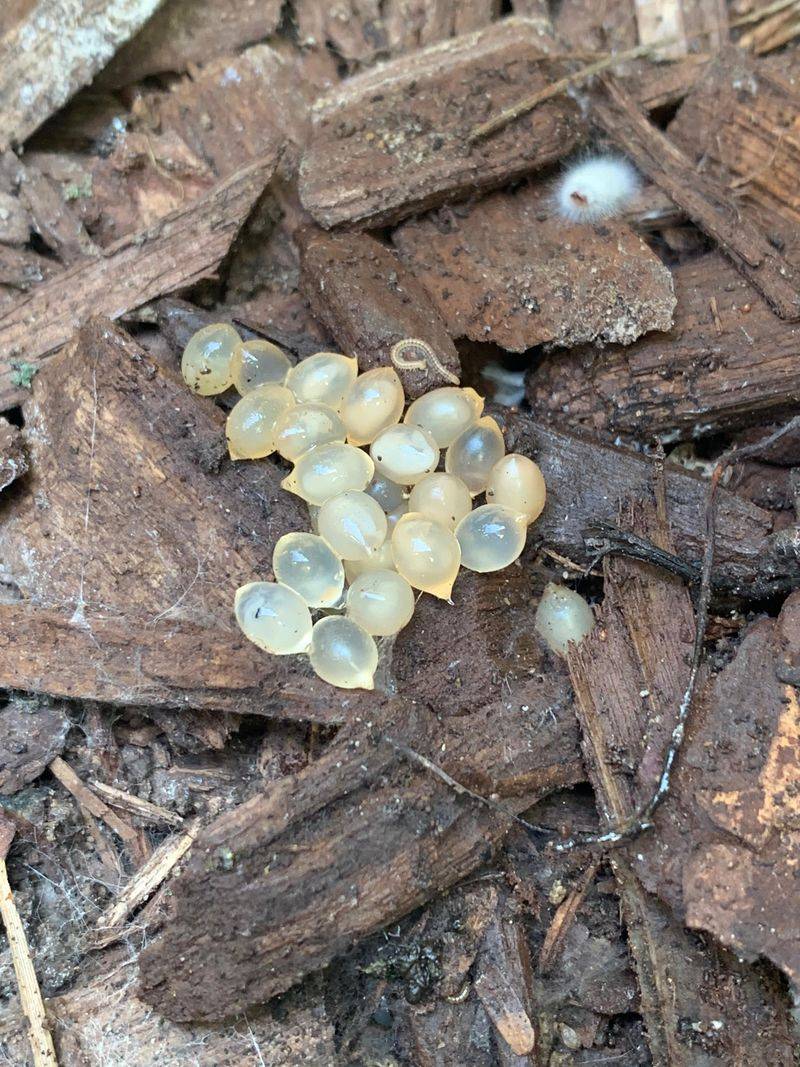
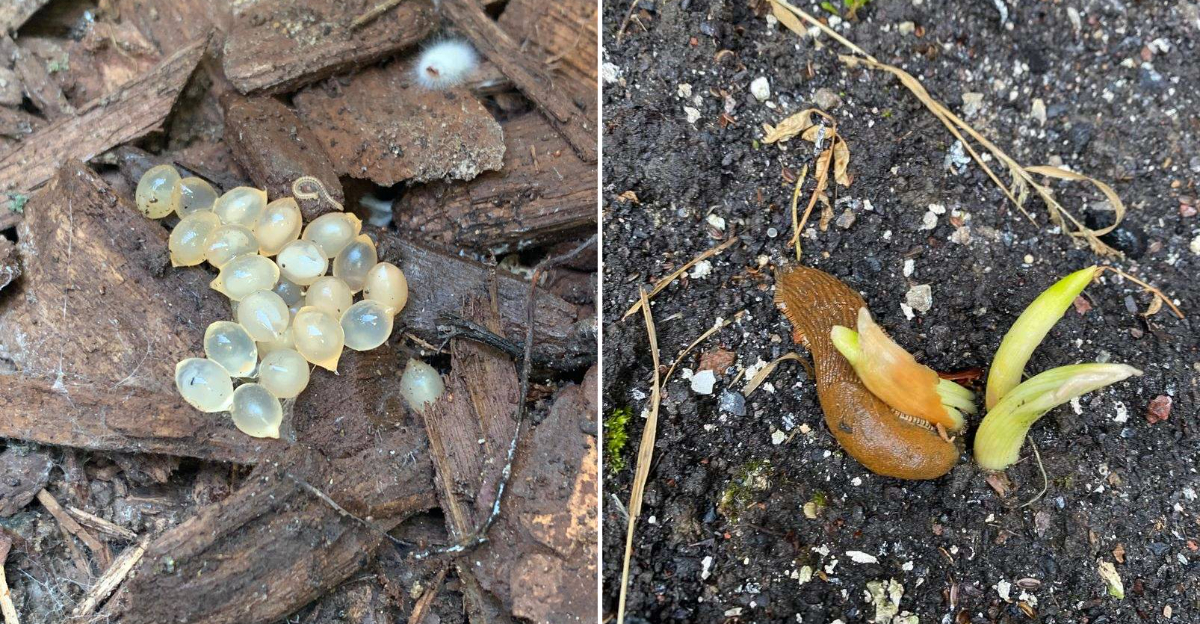
You’re digging in a new planting bed and uncover small, translucent spheres clustered together in the soil. They look like tiny pearls, each about the size of a pinhead, grouped in batches of twenty or more.
Congratulations, you’ve found slug eggs, and this discovery means you’re about to have a serious slug problem if you don’t act quickly.
Slugs lay eggs in moist, protected spots throughout the growing season. Each adult can lay hundreds of eggs, and those eggs hatch into hungry juveniles within a few weeks.
Finding egg clusters means adult slugs have been active in your garden long enough to reproduce, and a new generation is about to emerge ready to feed.
Oregon’s mild winters mean slugs can reproduce nearly year-round, with peak egg-laying in spring and fall. The eggs often hide under mulch, in compost piles, beneath boards, or in the top few inches of soil where moisture stays consistent.
One cluster might not seem like much, but multiple batches can produce hundreds of new slugs in a single season.
When you find slug eggs, destroy them immediately. Expose them to sun and air, which will kill them quickly, or crush them and bury them deep.
Check surrounding areas for more clusters, especially in mulched beds or near slug hiding spots. Preventing the next generation is far easier than controlling hundreds of hungry juveniles later, so treat egg discoveries as urgent calls to action.
10. Birds And Beetles Gathering In One Area
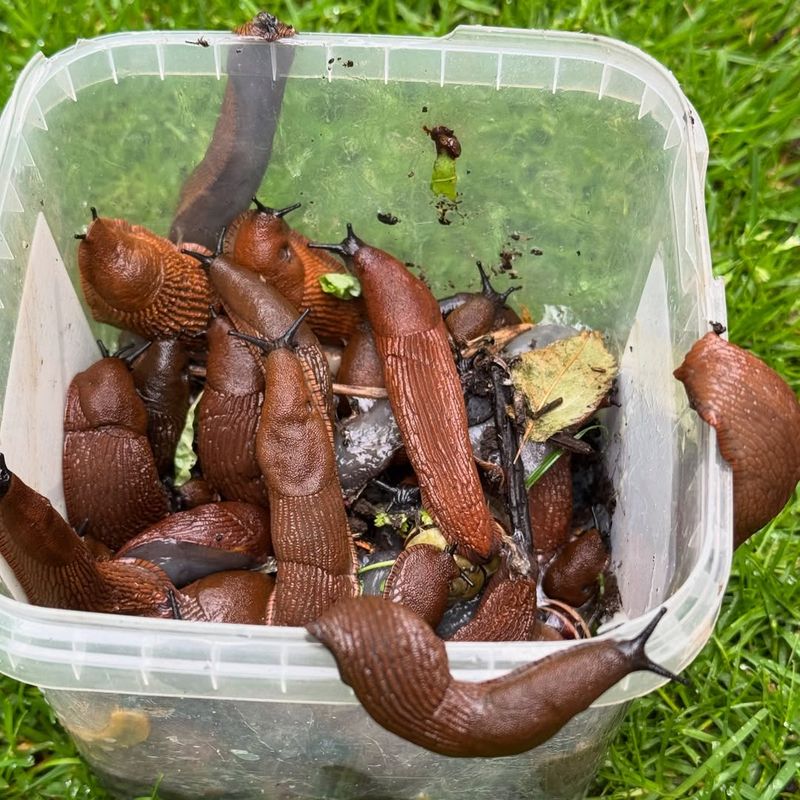
You notice robins spending extra time in one corner of your garden, or ground beetles scurrying around your lettuce bed more than usual. These predators aren’t just passing through; they’re hunting, and their favorite prey includes slugs.
When beneficial creatures concentrate in one spot, it often means food is abundant there, and that food might be the slugs you haven’t noticed yet.
Birds like robins, thrushes, and towhees actively hunt slugs, especially in early morning when slugs are still out feeding. Ground beetles are voracious slug predators that patrol gardens at night, eating eggs and juveniles.
Ducks and chickens will clear slug populations with remarkable efficiency if you have them. When these predators gather, they’re responding to slug activity you might not have detected.
Oregon gardens naturally attract diverse wildlife, and encouraging predators is one of the best long-term slug control strategies. However, when you see sudden increases in predator activity in specific areas, investigate further.
You’ll often find slug trails, damage, or hiding spots nearby that explain the predator interest.
Use predator behavior as an early warning system. Check areas where birds are foraging for signs of slug activity, and take preventive action before populations explode.
Encourage beneficial predators by providing habitat like low ground cover for beetles and water sources for birds.
Creating a balanced ecosystem where natural predators help control slugs reduces your need for intervention and creates a healthier, more resilient garden.