7 Signs Your Easter Cactus Is Ready To Move Outdoors In Georgia This Spring
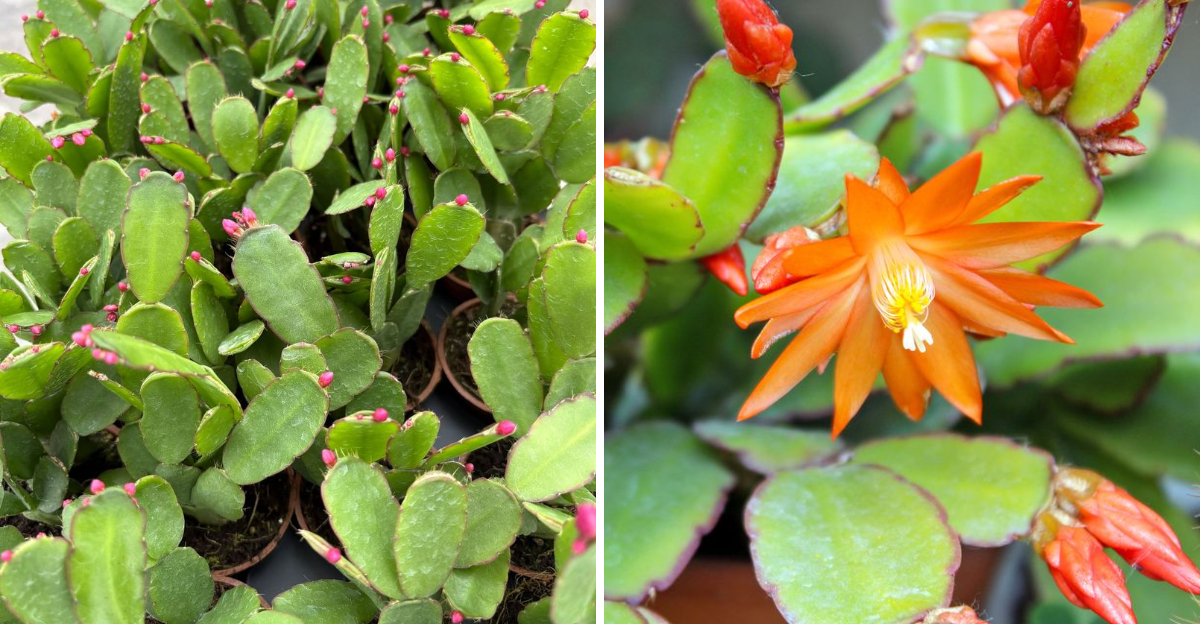
That first warm stretch in Georgia makes it tempting to carry your Easter cactus straight outside and call it spring. Sun feels stronger, the air feels softer, and the plant itself may look ready for a change.
But one wrong move can leave stems scorched, buds stalled, or growth set back for weeks. Easter cactus does not just need warmth, it needs stable warmth, gradual light exposure, and strong new growth before the transition happens.
The plant will give clear signals when it is prepared, and those signs matter more than the calendar. Paying attention now prevents stress later and protects the blooms you have waited all winter to see.
A careful move at the right moment keeps the plant thriving instead of struggling in Georgia’s unpredictable spring.
1. New Growth Is Sprouting Everywhere
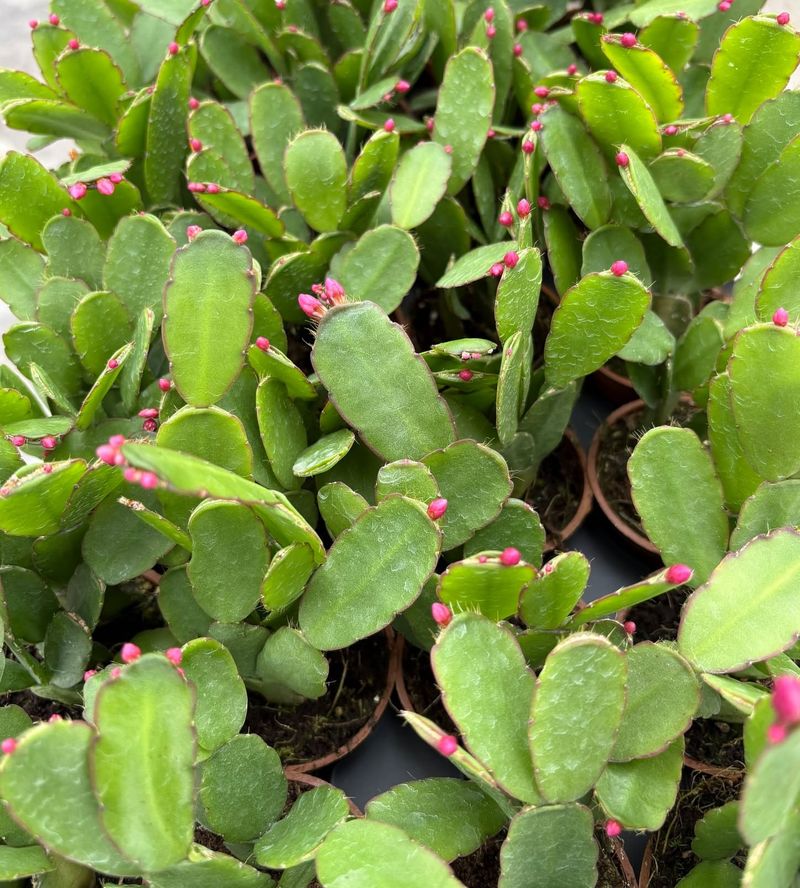
Fresh segments pushing out from your Easter cactus means it’s entering an active growth phase. You’ll spot these new additions appearing lighter green than older sections, almost translucent at first before they firm up.
Plants only invest energy into new growth when they feel secure and healthy.
Georgia’s spring temperatures between March and May trigger this growth spurt naturally. Your cactus responds to lengthening days and warmer conditions by expanding its structure.
Watch for multiple growth points developing simultaneously across different branches.
Active growth indicates your plant has stored enough nutrients and water to support expansion. Moving it outdoors during this phase allows those new segments to develop under ideal natural light conditions.
Indoor lighting rarely matches what sunshine provides, even through filtered shade.
Handle your cactus carefully during this stage since new growth remains tender and breaks easily. Those fresh segments haven’t developed the toughness of mature sections yet.
Position the plant where it won’t get bumped or knocked around.
Spring growth also signals your Easter cactus has recovered fully from its winter rest period. The plant has shifted from dormancy into production mode.
Outdoor conditions in Georgia during late April through May support this development phase perfectly, with mild temperatures and increasing humidity that tropical plants crave.
Your cactus will build stronger segments outside than it ever could sitting by a window.
Just make sure nighttime temperatures stay consistently above 50°F before moving it out permanently. Gradually introduce it to outdoor light over several days to prevent stress or sun scorch.
A slow transition helps those fresh segments harden off properly and continue growing without setbacks.
2. Stems Are Firm and Healthy
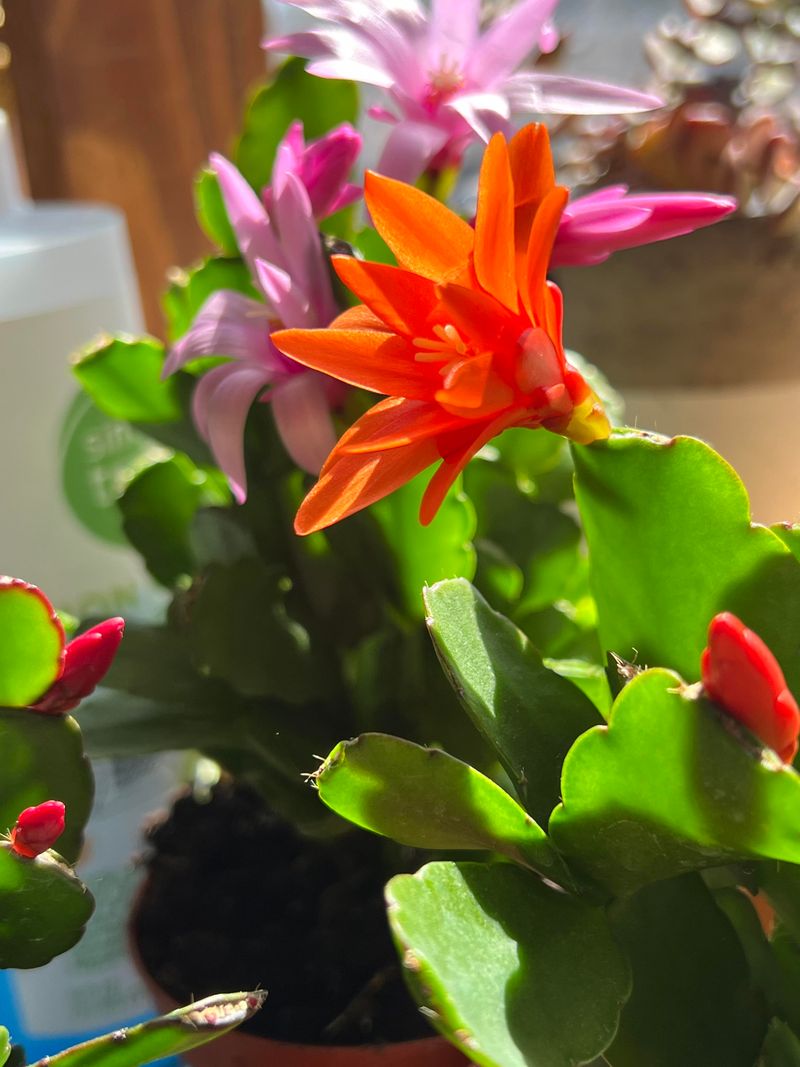
Squeeze gently on a few stem segments between your fingers. Healthy sections feel solid and slightly rigid, bouncing back when you release pressure.
Soft, mushy, or shriveled stems mean your plant needs more recovery time indoors before facing outdoor conditions.
Well-hydrated stems appear full and rounded along their edges. Dehydrated segments develop thin, papery edges or start folding inward.
Georgia’s outdoor humidity helps maintain this plumpness, but your plant needs to start from a strong position.
Check where segments connect to each other for any brown spots or separation. Firm connections indicate good vascular health throughout the plant.
Weak joints suggest stress that outdoor elements could worsen rather than improve.
Color matters too when assessing stem health. Rich green segments without yellowing or browning show proper chlorophyll production.
Discolored sections often indicate underlying problems that need addressing before environmental changes happen.
Outdoor conditions in Georgia expose plants to wind, temperature fluctuations, and varying moisture levels. Only cacti with robust stem structure handle these changes successfully.
Weak stems can’t support the plant through afternoon thunderstorms or unexpected cool snaps that sometimes hit North Georgia in early spring.
Strong stems also photosynthesize more efficiently, letting your Easter cactus take full advantage of filtered outdoor light.
Wait until every major section feels firm before scheduling the move outside.
3. Leaves Look Vibrant and Strong
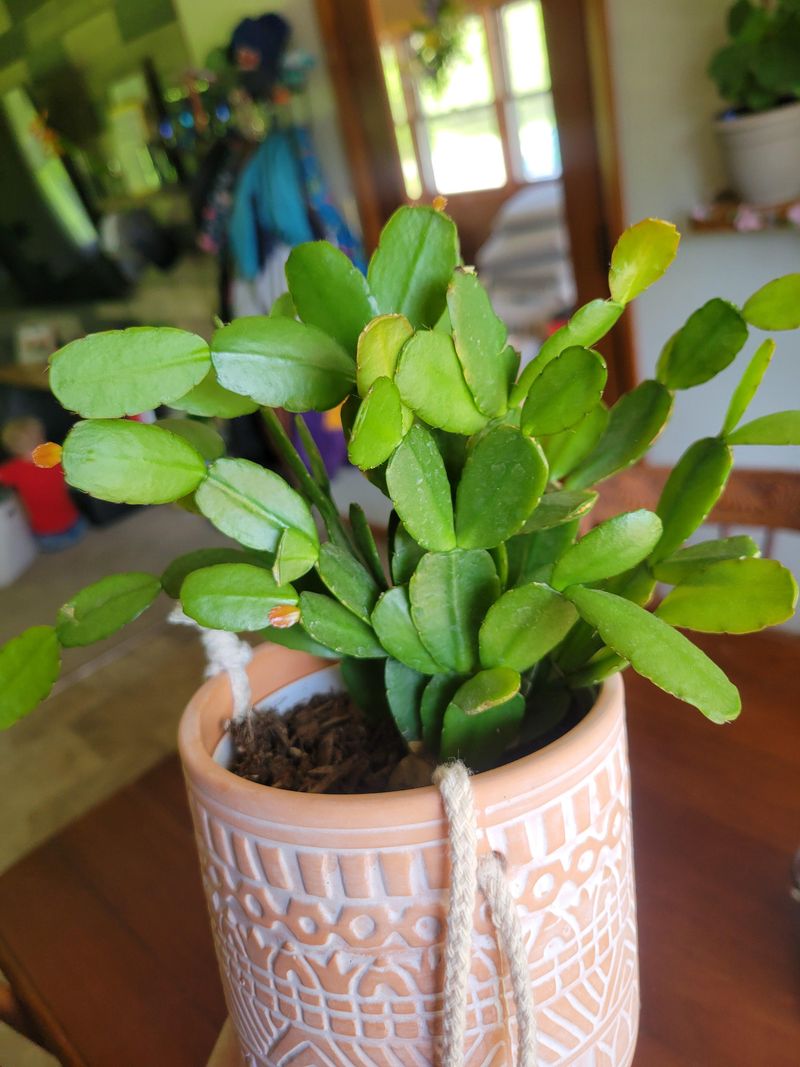
Glossy, deep green segments indicate your Easter cactus is producing protective compounds and maintaining proper nutrition. Dull or pale sections suggest deficiencies that outdoor stress could amplify.
Run your eyes over the entire plant, checking both older growth near the base and newer sections at the tips.
Vibrant foliage reflects adequate water movement through the plant’s tissues. When cells stay properly hydrated, they reflect light beautifully and maintain their structural integrity.
Lackluster leaves often mean circulation issues that need resolving indoors first.
Look for uniform coloring across most segments. Some natural variation occurs between old and new growth, but dramatic differences signal problems.
Georgia’s outdoor environment demands consistent plant health since weather changes happen quickly, especially during April and May.
Strong leaves also resist damage better when moving plants. Brittle or fragile segments break during transport or when adjusting to new positions.
Resilient foliage tolerates the inevitable bumps that come with relocation.
Outdoor light exposure in Georgia can be intense even in partial shade. Plants with already-stressed leaves may develop sunburn spots or bleaching when first moved outside.
Starting with vibrant, healthy segments gives your Easter cactus the resilience it needs to adapt gradually. Those strong leaves will photosynthesize efficiently under natural conditions, supporting overall plant vigor throughout the growing season.
Weak foliage simply can’t keep up with the demands of outdoor life.
Healthy roots below the soil line support that glossy growth above, so make sure the plant isn’t rootbound or sitting in soggy mix before moving it outside.
If the segments feel firm and plump rather than soft or wrinkled, that’s another strong sign it can handle the transition.
A well-hydrated, well-fed plant adjusts faster to shifting temperatures and brighter light without dropping buds or stalling growth.
4. Flower Buds Are Starting to Form
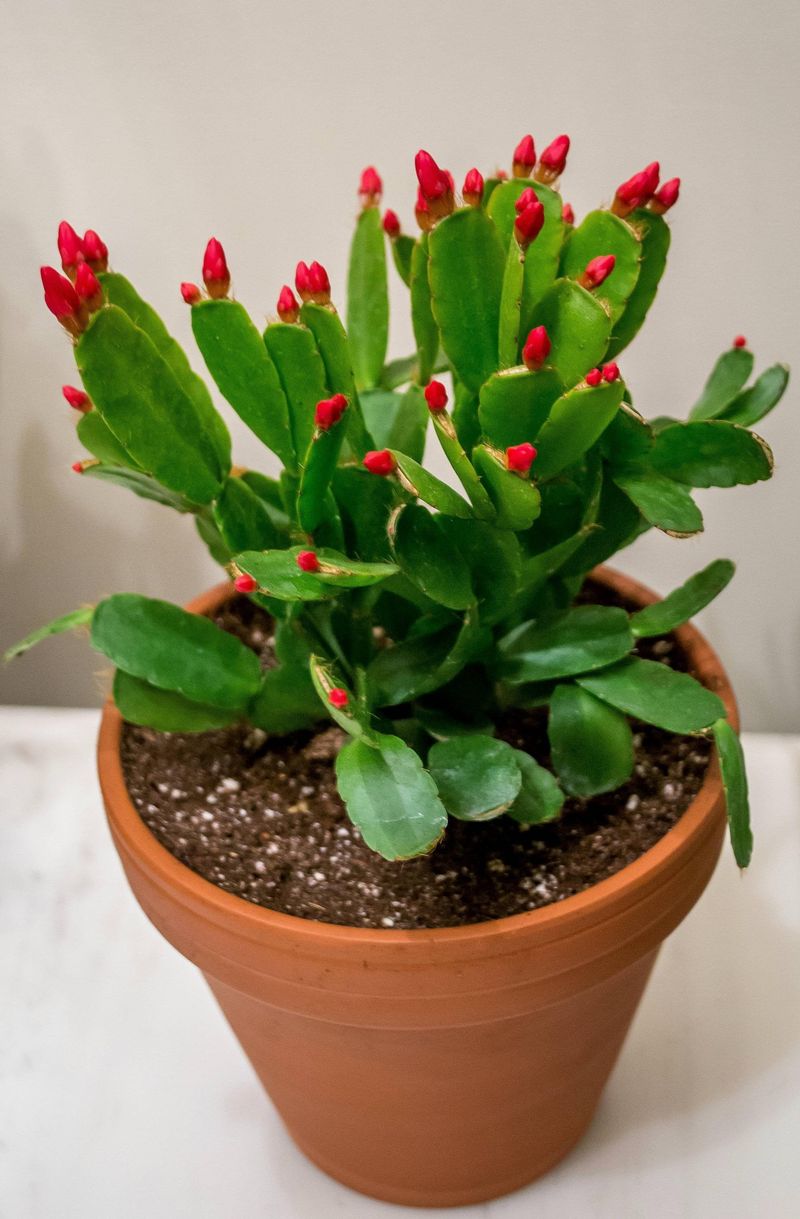
Tiny swellings appearing at segment tips signal your Easter cactus is preparing to bloom. These early buds look like small bumps or elongated growths that differ from regular stem segments.
Bud formation shows your plant has enough energy reserves to support flowering, a resource-intensive process.
Easter cacti typically bloom indoors during March or April, but outdoor conditions can trigger additional flowering cycles. Georgia’s spring weather patterns, with warm days and cooler nights, often encourage bud development.
Moving your plant outside while buds form takes advantage of natural temperature fluctuations that promote blooming.
Developing buds indicate your cactus isn’t stressed. Stressed plants abort flower production to conserve resources for survival.
Seeing buds tells you the plant feels secure enough to reproduce, making it an ideal time for environmental changes.
Outdoor humidity in Georgia supports bud development better than most indoor environments. Central heating and air conditioning dry the air considerably, sometimes causing buds to drop before opening.
Natural moisture levels outside help buds mature into full flowers.
Position your budding Easter cactus where it receives bright but filtered light outdoors. Direct afternoon sun in Georgia can damage developing buds or cause them to abort.
Morning light with afternoon shade creates perfect conditions. Flowering plants also attract beneficial insects outdoors, though Easter cacti don’t rely on pollinators.
The outdoor environment simply provides better growing conditions overall during Georgia’s mild spring months when temperatures stay comfortable and rainfall patterns support tropical plants.
5. Nighttime Temperatures Stay Above Freezing
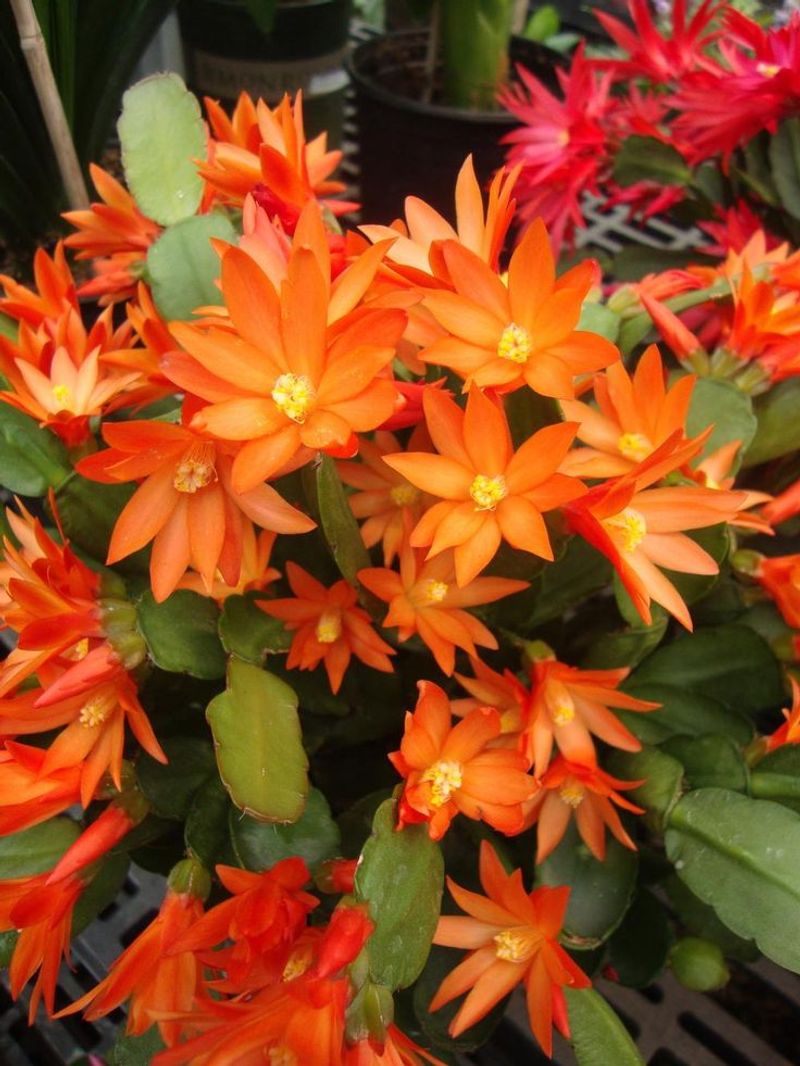
Check your local forecast for consistent overnight lows above 50 degrees Fahrenheit before moving your Easter cactus outside. These tropical plants originated in Brazilian rainforests where freezing temperatures never occur.
Even brief exposure to cold below 40 degrees can damage plant tissues permanently.
Georgia’s coastal regions typically reach safe nighttime temperatures earlier than northern areas. Atlanta and surrounding counties usually achieve consistent warmth by late April, while South Georgia often hits this milestone in early April.
Mountain regions may need to wait until early May.
Cold damage appears as brown, mushy spots on stem segments that spread if left untreated. Prevention beats treatment every time with temperature-sensitive plants.
Monitor weather patterns for at least a week showing stable overnight warmth before committing to the move.
Spring weather in Georgia can be unpredictable with occasional cold snaps even into May. Keep your Easter cactus where you can quickly bring it indoors if forecasts show unexpected temperature drops.
A covered porch or patio works better than placing it far from the house.
Soil temperature matters as much as air temperature for root health. Cold soil slows nutrient uptake and can stress plants even when air temperatures seem acceptable.
Wait until you’ve had several warm days heating the ground before transitioning your cactus outdoors. Georgia’s sandy soils in southern regions warm faster than the red clay found in northern counties.
Understanding your specific location’s microclimate helps time the move perfectly for your Easter cactus’s success.
6. Soil Drains Well Without Staying Wet
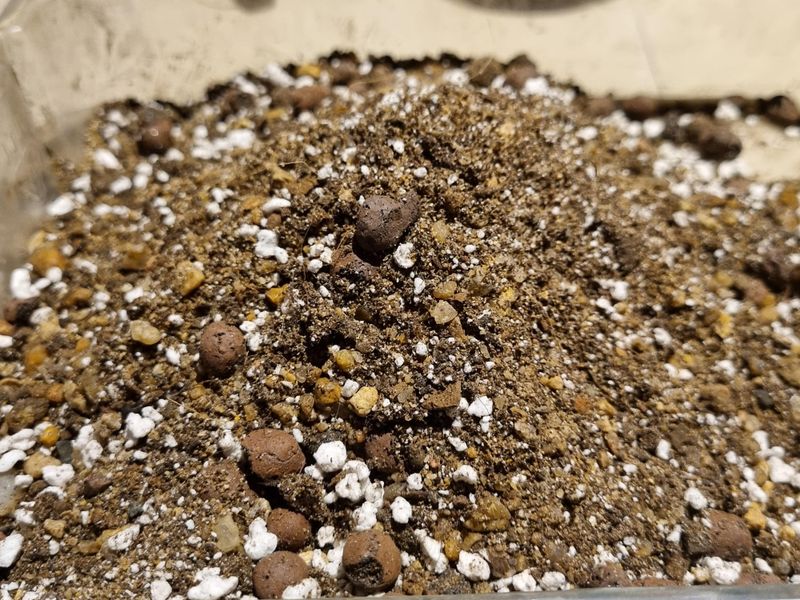
Poke your finger into the potting mix about two inches down. Properly draining soil feels barely moist at this depth between waterings, never soggy or waterlogged.
Easter cacti need moisture but their roots rot quickly in constantly wet conditions.
Outdoor environments in Georgia bring frequent spring rain showers. Your potting mix must allow excess water to escape quickly after these downpours.
Heavy, compacted soil holds too much moisture and suffocates roots, especially problematic during rainy stretches common in April and May.
Test drainage by watering thoroughly and watching how fast water runs through the pot’s drainage holes. Good soil releases water within seconds.
Slow drainage means you should repot with fresh, chunky mix before moving the plant outside.
Mix composition matters tremendously for outdoor Easter cacti. Combine regular potting soil with perlite, orchid bark, or coarse sand to create an airy texture.
These amendments prevent compaction and maintain air pockets around roots even after heavy rainfall.
Georgia’s humidity helps prevent the soil from drying out too quickly outdoors, but drainage remains critical. Sitting water breeds fungal problems and root issues that can destroy your plant within days.
Check that your pot has adequate drainage holes, not just one small opening. Multiple holes ensure water escapes efficiently from all areas of the root zone.
Elevate pots on feet or bricks so they don’t sit directly on solid surfaces where drainage holes might get blocked. Proper drainage protects your Easter cactus through Georgia’s unpredictable spring weather patterns.
If water pools on the soil surface or drains slowly, refresh the mix before moving the plant outdoors. Repotting in early spring gives roots time to settle before heavy rains arrive.
Strong drainage now prevents emergency root issues later in the season.
7. No Signs of Pests or Disease
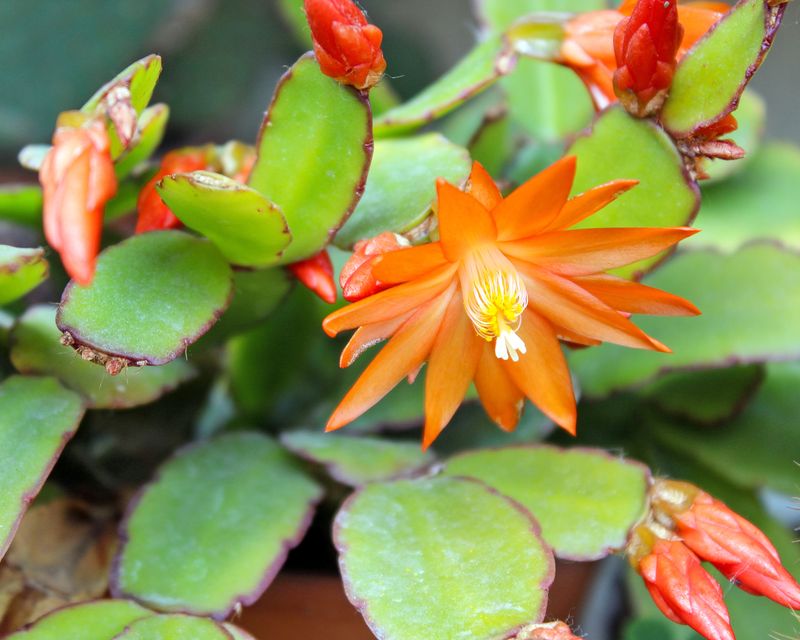
Examine your Easter cactus thoroughly under good lighting, checking both upper and lower surfaces of segments. Look for tiny insects, webbing, sticky residue, or unusual spots that indicate problems.
Outdoor environments in Georgia harbor more pests than indoor spaces, so starting clean is essential.
Common pests include mealybugs appearing as white cottony clusters, scale insects looking like brown bumps, and spider mites creating fine webbing. Any of these problems should be resolved completely before outdoor exposure.
Outdoor conditions often allow pest populations to explode rapidly.
Disease symptoms show as brown or black spots, unusual yellowing, or sections that feel soft and mushy. Fungal infections spread faster in Georgia’s humid outdoor environment.
Address any disease issues indoors where you can control conditions better.
Inspect where segments join together, as pests often hide in these protected spots. Check the soil surface too, since some insects live in potting mix rather than on the plant itself.
Fungus gnats, for example, breed in moist soil and can become nuisances outdoors.
Healthy plants resist pest and disease pressure better than compromised ones. Georgia’s outdoor environment includes beneficial insects that help control pests naturally, but your Easter cactus needs strong defenses.
Ladybugs, lacewings, and other predators frequent gardens and patios, providing free pest management. Starting with a completely clean, healthy plant lets these beneficial insects protect your cactus naturally rather than fighting an established infestation.
Quarantine and treat any problems before moving your Easter cactus to its outdoor location for the growing season.
Rinse the plant gently with water to dislodge hidden pests before the move. If needed, treat with insecticidal soap and allow the plant to recover fully indoors first.
A pest-free start outdoors prevents small issues from turning into full infestations once temperatures and humidity rise.