8 Signs Your Frost-Damaged Plants In Pennsylvania Are Not Coming Back To Life
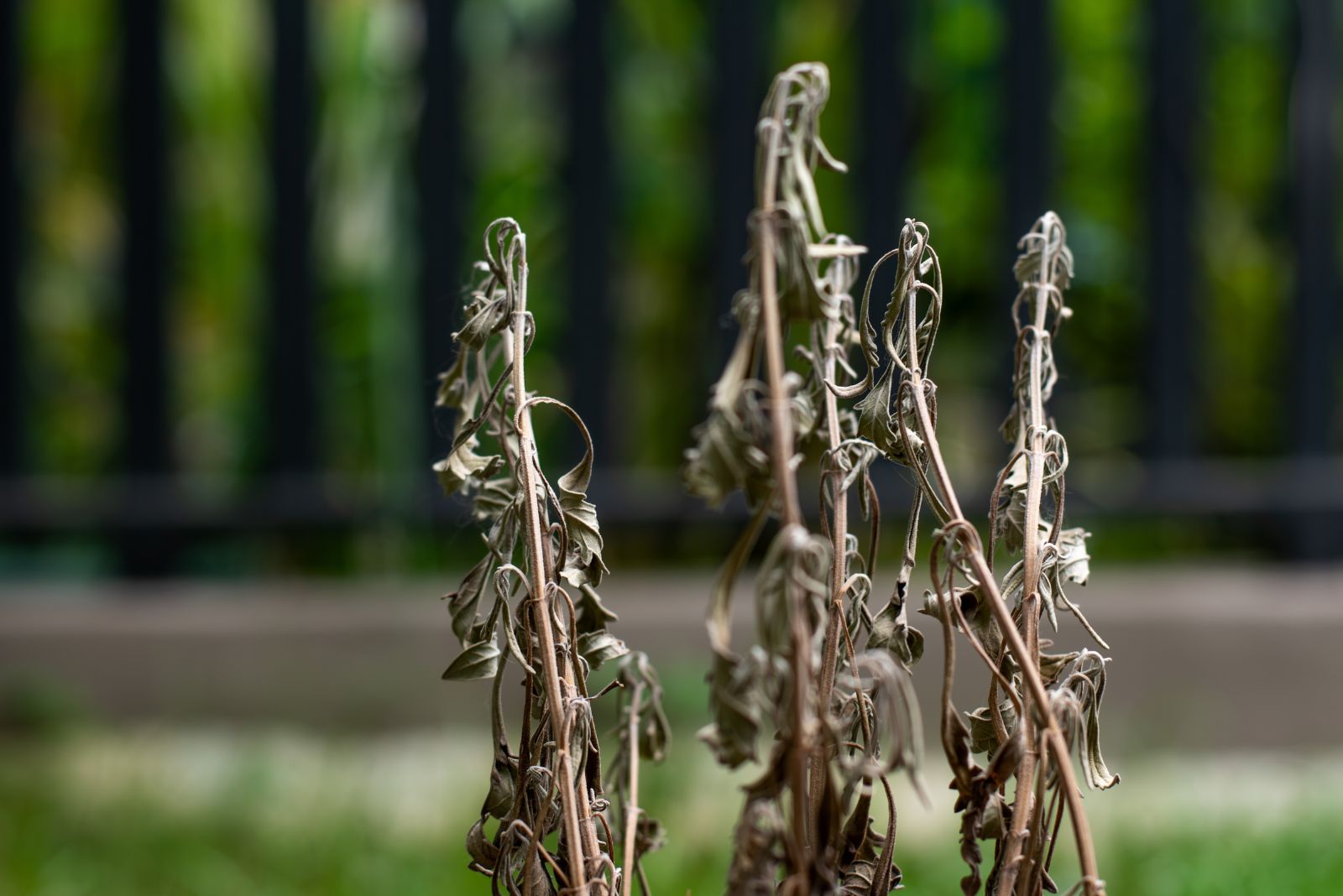
After a harsh Pennsylvania winter, many gardeners watch their plants closely, hoping to see fresh growth and signs of recovery as spring approaches. Sometimes, however, the damage caused by freezing temperatures is more serious than it first appears.
While some plants bounce back slowly, others may struggle to recover or fail to return altogether. Knowing what to look for can help you avoid waiting too long and allow you to focus on healthier plants in your garden.
Certain warning signs, such as brittle stems, lack of new buds, or persistent discoloration, can indicate that a plant has suffered lasting damage. Understanding these signals helps you make better decisions about pruning, replacing, or giving plants more time.
Recognizing when a plant is unlikely to recover allows you to plan ahead, protect your garden’s overall health, and prepare for a stronger, more successful growing season.
1. No New Growth Weeks After Temperatures Warm
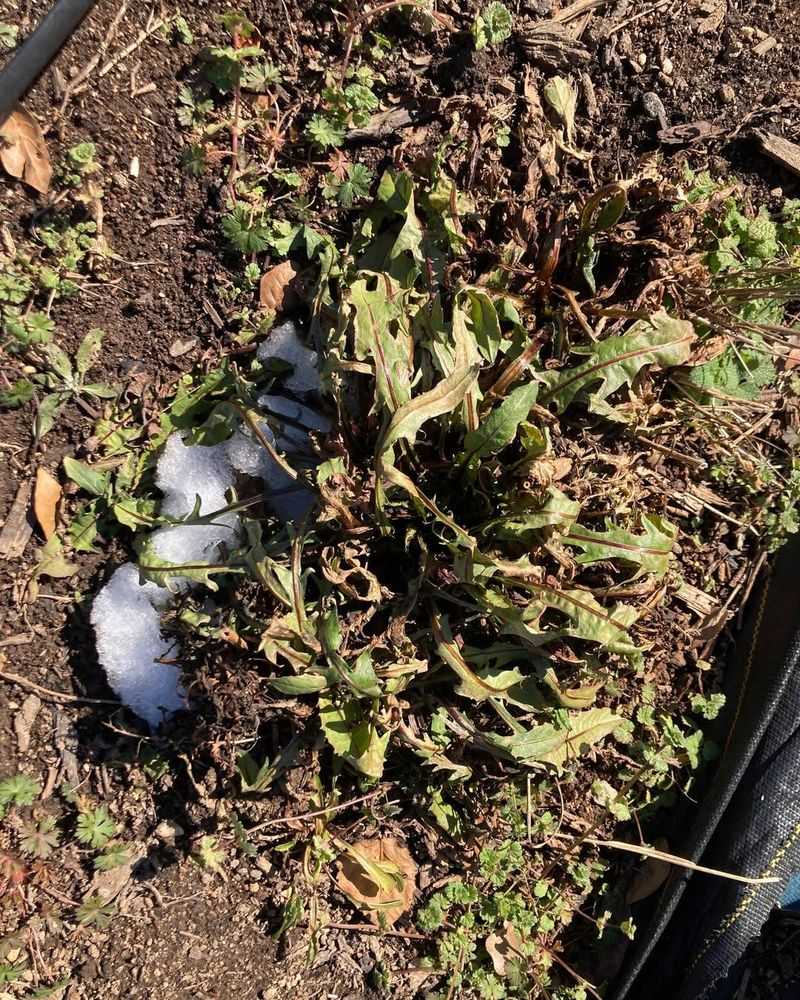
Plants possess remarkable recovery abilities when conditions improve. Once Pennsylvania temperatures stabilize and warm weather arrives, healthy plants typically respond by pushing out fresh shoots, unfurling new leaves, or swelling their dormant buds.
This growth surge usually happens within two to three weeks after the last frost passes.
If your plant shows absolutely no signs of this revival after several weeks of favorable conditions, something serious may have occurred beneath the surface.
The lack of any green growth, bud development, or shoot emergence suggests the plant’s vascular system suffered catastrophic damage.
Internal tissues responsible for transporting water and nutrients may have been destroyed by freezing temperatures.
Compare your suspicious plant with similar species growing nearby in your Pennsylvania neighborhood. Healthy specimens of the same variety should display obvious signs of spring awakening.
If neighbors’ plants are leafing out while yours remains dormant and unchanged, the contrast tells an important story.
Pay special attention to the areas where new growth typically emerges first. Check branch tips, leaf nodes, and the base of perennials carefully.
Use a magnifying glass if needed to spot tiny green buds that might indicate life. Complete absence of any growth response after three to four weeks of warm weather strongly indicates the plant cannot recover.
At this point, removal and replacement becomes the most practical option for your Pennsylvania garden.
2. Stems Are Dry, Brittle, And Snap Easily
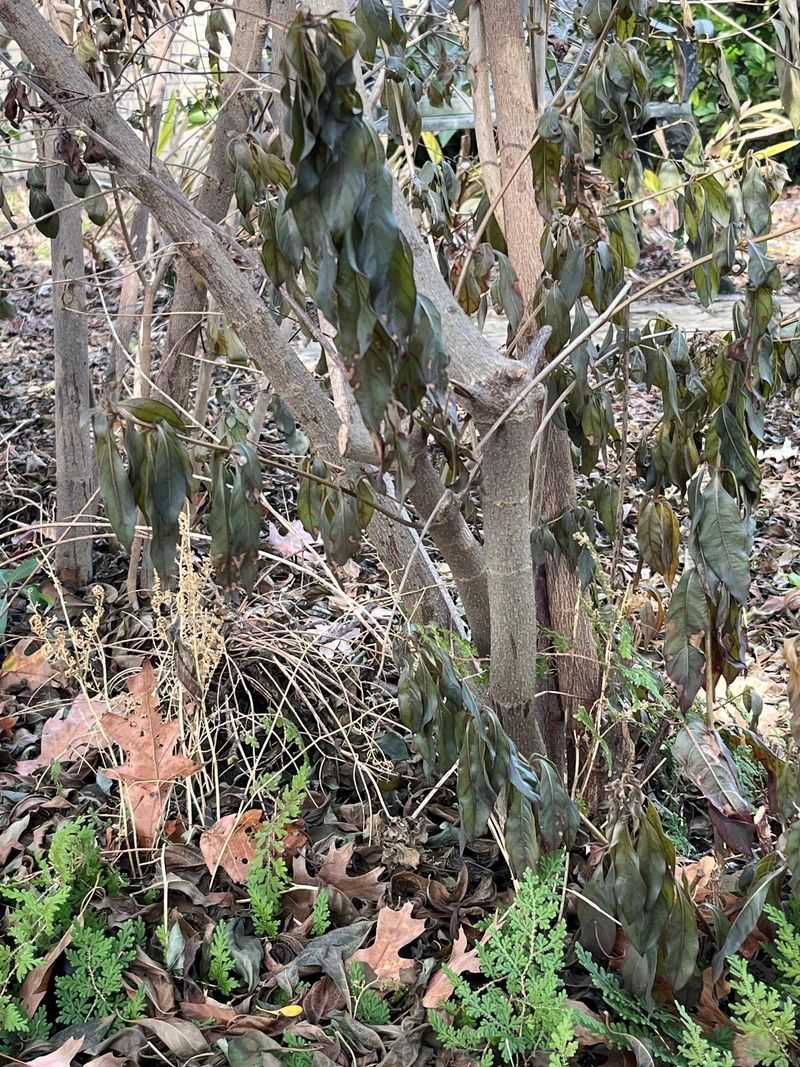
Living plant stems possess a certain flexibility and moisture content that keeps them supple.
When you gently bend a healthy stem, it gives slightly without breaking, and if you scratch the outer bark layer with your fingernail, you’ll reveal moist green or white tissue underneath.
This inner cambium layer indicates active life within the plant’s vascular system.
Stems that suffered fatal frost damage tell a completely different story. They become hollow-feeling, extraordinarily dry to the touch, and break with a clean snap when bent.
The sound and feel resemble breaking a dry twig you’d collect for kindling. There’s no resistance, no flexibility, just a crisp break that reveals dessicated brown tissue inside.
Perform the scratch test on several stems throughout your Pennsylvania plant. Use your thumbnail or a clean knife to carefully scrape away a small section of outer bark.
Healthy tissue appears green, cream-colored, or shows moisture. Tissue that looks brown, tan, or completely dried out indicates the stem cannot transport water or nutrients anymore.
Check stems at multiple heights and locations on the plant. Sometimes lower sections survive while upper portions perish, or vice versa.
In Pennsylvania’s variable spring climate, partial damage occurs frequently. However, if stems throughout the entire plant demonstrate this dry, brittle condition with brown interior tissue, recovery becomes impossible.
The plant’s plumbing system has shut down permanently, making removal your best choice.
3. Roots Show No Signs Of Life
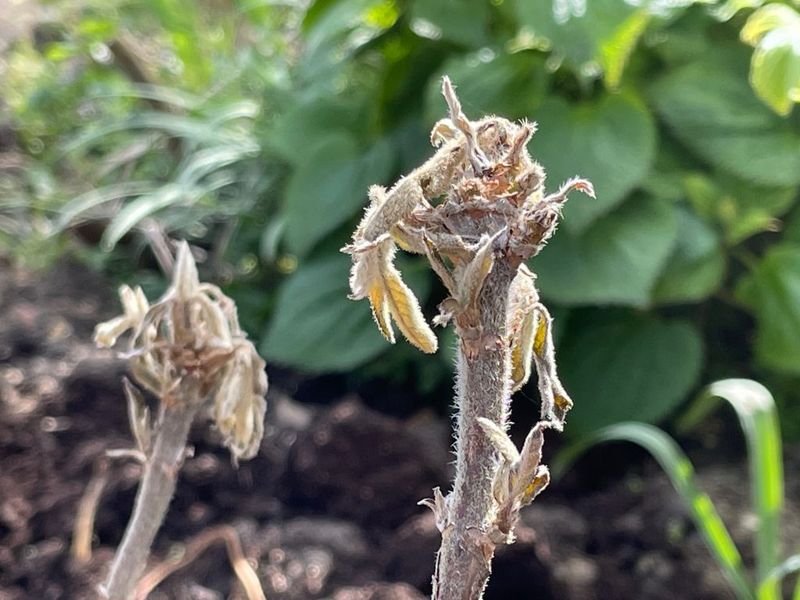
Roots serve as the foundation for plant survival, absorbing water and nutrients while anchoring the plant securely. When frost damage extends below the soil line, even stems that look questionable might not matter because the root system has failed.
Checking roots provides definitive answers about whether your Pennsylvania plant can possibly recover.
Carefully dig around a severely damaged plant, exposing some of the root system without completely removing the plant initially. Healthy roots feel firm when squeezed gently between your fingers.
They should show light-colored tissue inside when cut or broken open, typically white, cream, or pale yellow depending on the species.
Roots that cannot support recovery display unmistakable signs of failure. They may feel mushy and soft, collapsing under gentle pressure like overcooked vegetables.
Alternatively, they might be completely dried out, brittle, and snap easily like the stems described earlier. Dark coloration, black streaks, or foul odors indicate rot and decay have set in.
Pennsylvania’s freeze-thaw cycles can be particularly brutal on root systems. When soil freezes deeply, roots suffer cellular damage just like above-ground parts.
Tender perennials and plants in containers face the highest risk. If you discover that most of the root system displays these negative characteristics, the plant cannot possibly recover regardless of what the stems look like.
Roots must be functional to support any new growth, making healthy roots absolutely essential for survival.
4. Buds Are Brown, Shriveled, Or Hollow
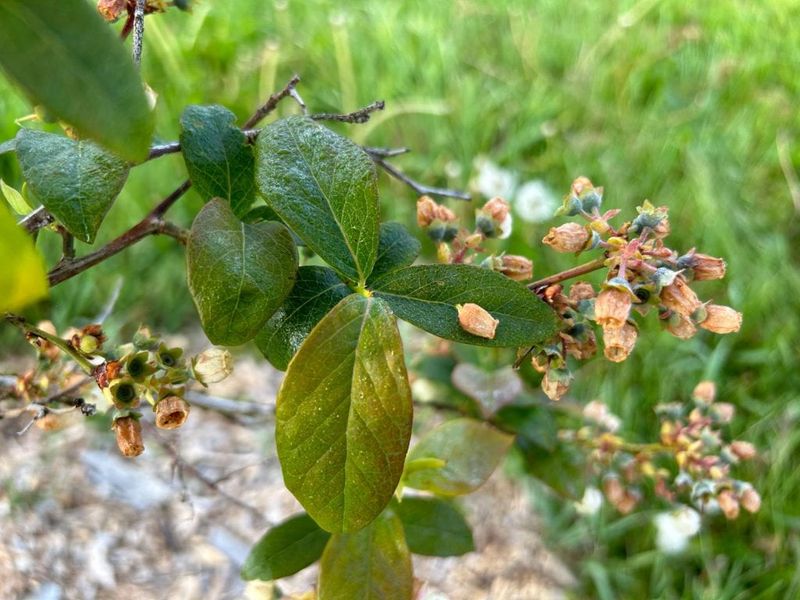
Buds represent concentrated potential energy and future growth packed into tiny protective packages. Shrubs, perennials, and woody plants in Pennsylvania rely heavily on buds to generate new leaves, flowers, and stems each growing season.
When you cut open a healthy bud, the interior should appear plump, green, and full of developing tissue that feels slightly moist.
Frost-damaged buds undergo a transformation that signals their end. The exterior may initially look acceptable, but closer inspection reveals problems.
Gently squeeze buds between your fingers to test their firmness. Living buds resist pressure and feel solid. Damaged buds feel empty, hollow, or collapse immediately under light pressure.
Slice open several buds from different areas of your plant using a sharp, clean knife. Make a lengthwise cut to reveal the interior structure.
Brown, tan, or black tissue inside indicates the developing growth has been destroyed. Shriveled, dried-out interiors with no moisture content confirm the bud cannot produce new growth.
This assessment proves especially critical for plants that depend entirely on bud production for spring growth. Lilacs, forsythia, rhododendrons, and many perennial flowers fall into this category.
If you examine multiple buds across the plant and find consistent damage throughout, the plant has lost its ability to generate new foliage or flowers. Pennsylvania gardeners should check buds carefully before investing more time waiting for recovery that will never come.
5. Plant Base Or Crown Is Soft, Blackened, Or Rotting
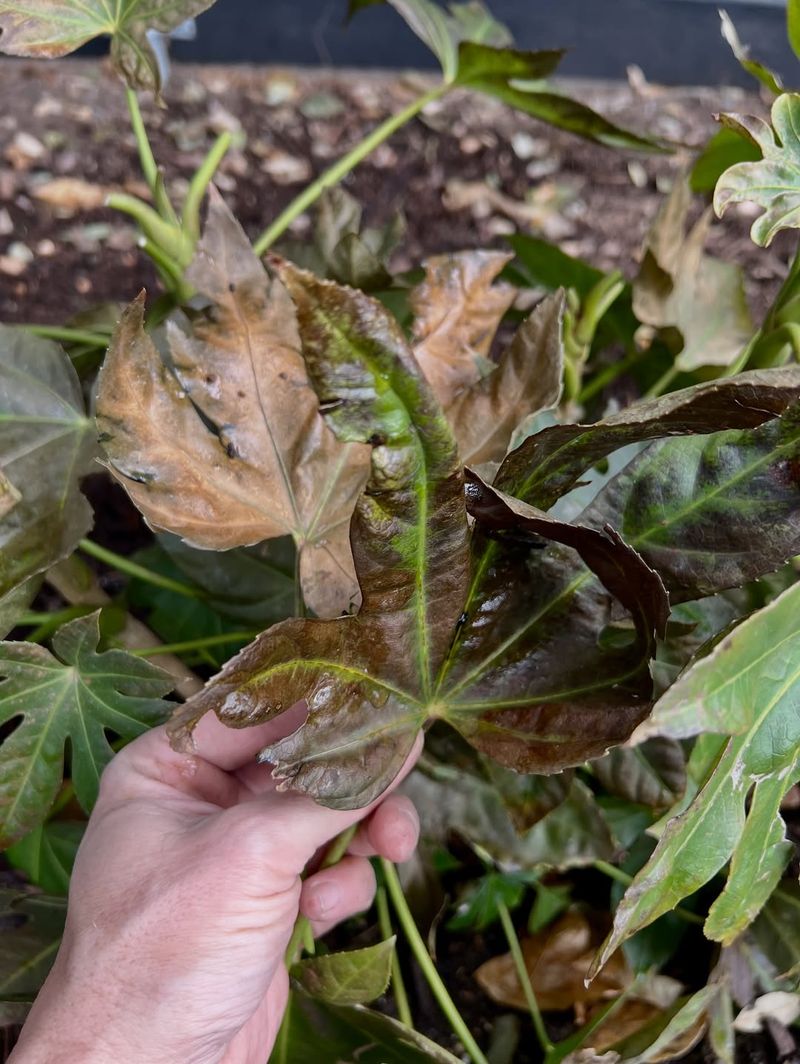
The crown represents the critical junction where stems meet roots, typically located right at or just below the soil surface. This area serves as the command center for perennials and many other plants, storing energy and producing new growth each season.
Crown health determines whether a plant can regenerate after top growth gets damaged by Pennsylvania frosts.
Carefully brush away soil from around the base of your questionable plant to expose the crown fully. Use your fingers to gently press the tissue.
Healthy crowns feel firm and solid, similar to a fresh potato or carrot. The color should be consistent with the plant species, usually showing white, cream, or light green tissue when scratched.
Crowns that have suffered fatal damage display alarming characteristics. The tissue feels mushy and soft, collapsing under gentle finger pressure.
Black or dark brown discoloration spreads through the area, and you might detect a foul, rotting smell indicating bacterial or fungal decay has set in. Sometimes the entire crown separates from the root system with minimal effort.
Pennsylvania’s wet spring conditions following frost events create perfect conditions for crown rot to develop in damaged tissue. Once rot establishes itself in the crown, recovery becomes impossible because this central growing point cannot regenerate.
Tender perennials, hostas, daylilies, and similar plants are particularly vulnerable. If crown damage is extensive, remove the plant promptly to prevent disease spread to neighboring healthy plants in your garden.
6. Bark Peeling Or Large Sections Turning Gray Or Black
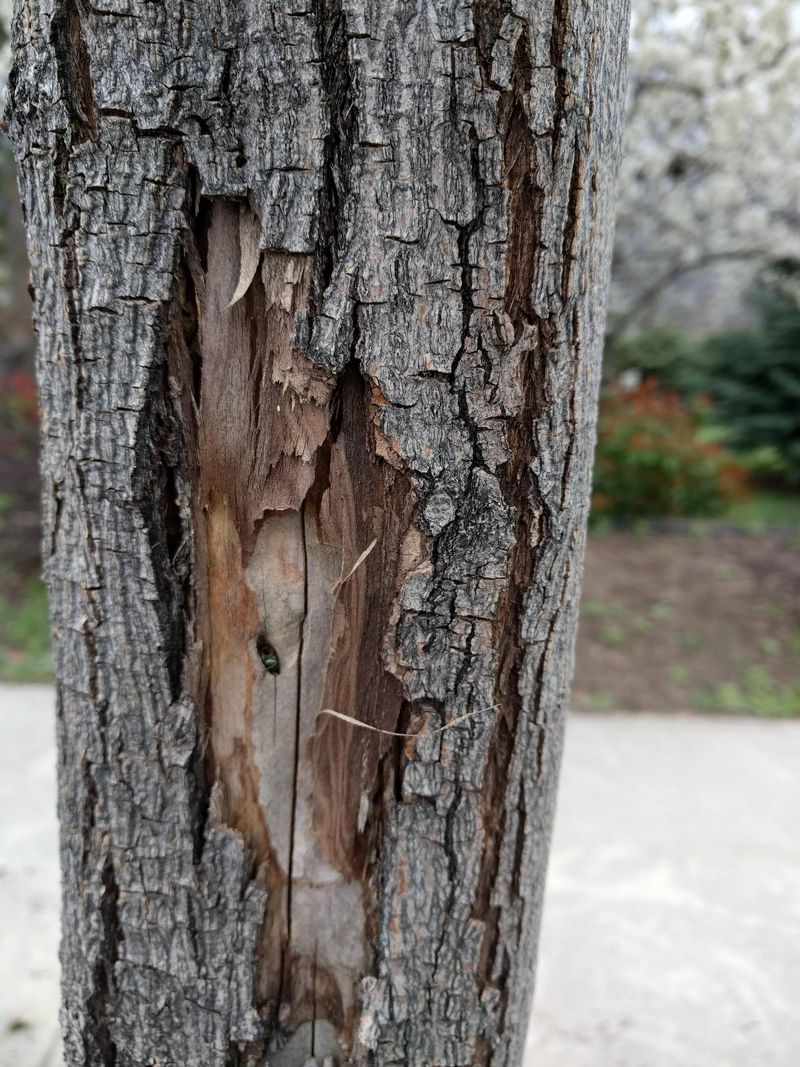
Bark serves as protective armor for woody plants, shielding delicate vascular tissues underneath from temperature extremes, pests, and diseases.
When severe frost penetrates this barrier, it damages the cambium layer and disrupts the plant’s internal transportation system.
Pennsylvania shrubs, roses, and young trees often show bark damage after particularly harsh cold snaps.
Walk around your plant and examine the bark carefully from all angles. Look for areas where bark has begun separating from the wood underneath, creating gaps or loose sections.
Gently tug on suspicious areas to see if bark peels away easily. Healthy bark adheres firmly to the underlying tissue and resists removal.
Color changes provide another crucial warning sign. Gray or black patches spreading across bark surfaces indicate the tissue underneath has perished.
These discolored areas often feel different to the touch, either dried out and papery or soft and damp depending on weather conditions following the frost event. The damaged sections create distinct boundaries between healthy and affected tissue.
Bark damage becomes particularly serious when it encircles stems or trunks completely, a condition called girdling. When this happens, the plant cannot move water and nutrients past the damaged zone, effectively cutting off everything above that point.
Even partial girdling severely compromises plant health. If you observe extensive bark damage covering more than half the plant’s circumference, or if large sections show the gray-black discoloration described, recovery prospects are extremely poor for your Pennsylvania landscape plant.
7. No Recovery Even After Proper Care And Time
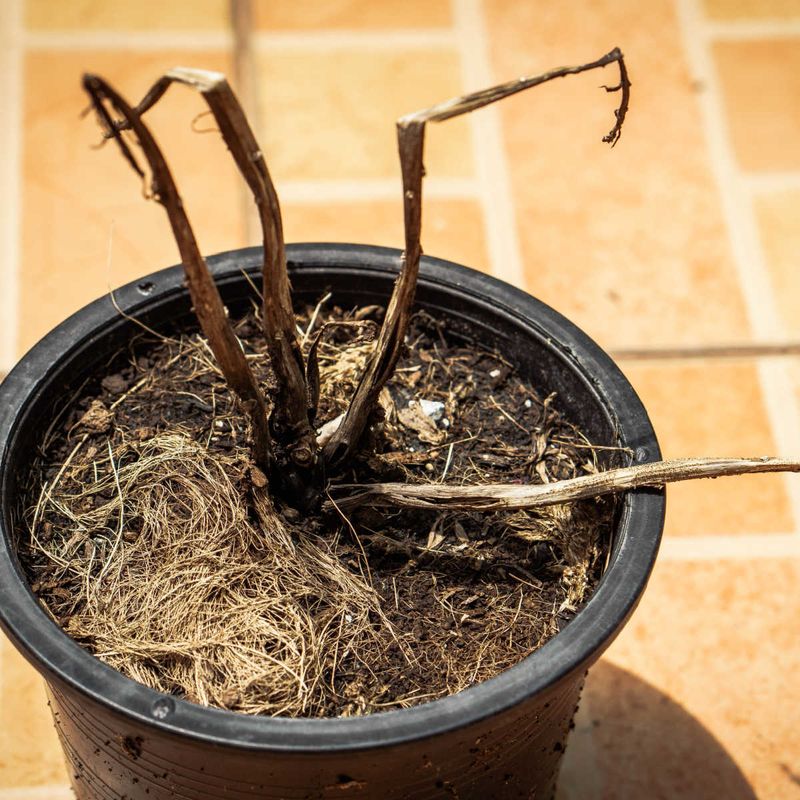
Sometimes plants surprise us with their resilience, slowly pushing out new growth weeks after we’d given up hope. Pennsylvania gardeners know that patience often pays off, especially with hardy perennials and established shrubs.
However, patience has reasonable limits, and at some point, continued waiting becomes counterproductive.
After identifying frost damage, provide your plant with optimal care conditions. Water consistently when the top inch of soil feels dry, but avoid overwatering which stresses damaged roots.
Ensure the plant receives appropriate sunlight for its species. Resist the urge to fertilize immediately, as damaged plants cannot effectively use nutrients and fertilizer may burn compromised roots.
Monitor your plant closely over the following four to six weeks. Take photos weekly to document any changes or continued decline.
Look for any signs of improvement, no matter how small. Even a single green shoot or tiny bud swelling indicates some life remains and recovery might be possible.
If six weeks pass with absolutely no positive response despite proper care and favorable weather, acceptance becomes necessary. The plant has demonstrated through its complete lack of response that recovery will not occur.
Continuing to water, tend, and hope for a plant that cannot recover wastes valuable garden space and your effort. Pennsylvania’s growing season is relatively short, making this lost time particularly significant.
Remove the plant, improve the soil if needed, and install a fresh, healthy replacement that will reward your care with vigorous growth throughout the remaining season.
8. Combined Warning Signs Appear Together
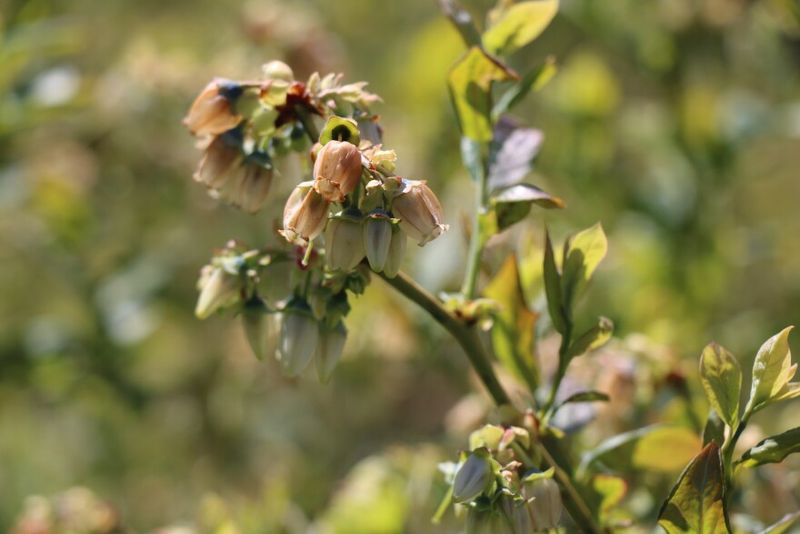
Individual warning signs provide valuable clues about plant health, but when multiple symptoms appear simultaneously on the same plant, the diagnosis becomes definitive.
Pennsylvania gardeners should assess the complete picture rather than focusing on isolated issues.
A single concerning sign might indicate partial damage with recovery potential, but combinations of problems signal systemic failure.
Conduct a thorough evaluation of your frost-damaged plant, checking every indicator mentioned previously. Document what you find for each category.
If your plant displays three or more of these warning signs together, recovery becomes statistically unlikely. For example, a plant showing no new growth, brittle stems, and damaged buds simultaneously has essentially announced its fate.
Consider the severity of each symptom as well. Minor bud damage on a few branches differs dramatically from widespread bud failure throughout the entire plant.
Similarly, a small section of peeling bark presents less concern than extensive bark damage covering multiple stems. When severe versions of multiple symptoms occur together, the cumulative evidence becomes overwhelming.
Pennsylvania’s climate creates challenging conditions where plants must be genuinely hardy to survive.
Borderline-hardy species pushed to their limits by severe frost rarely recover when multiple systems fail simultaneously. Trust the evidence your plant provides through these combined warning signs.
Making a timely decision to remove and replace allows you to move forward productively rather than investing more weeks nursing a plant that cannot possibly recover, regardless of your best efforts and intentions.