Signs Your Georgia Plants Are Ready For Spring (Even If It’s Still Cold)
Have you noticed your Georgia garden starting to change even though winter still feels stubborn? Plants often begin preparing for spring long before the air feels warm enough to trust.
Cold mornings may linger, but subtle shifts are already happening below the surface and in plain sight.
Longer days, small increases in soil temperature, and changing light patterns quietly signal plants to move out of dormancy. Buds begin to swell, roots become active, and growth starts building momentum at its own pace.
These signs rarely follow the calendar, which is why they are easy to overlook if you are only watching the forecast.
Spring readiness in Georgia is less about a single warm day and more about consistent signals adding up. Once you learn what to look for, the season feels less delayed and more like it has already begun unfolding right in your garden.
1. New Buds Begin Swelling On Trees And Shrubs
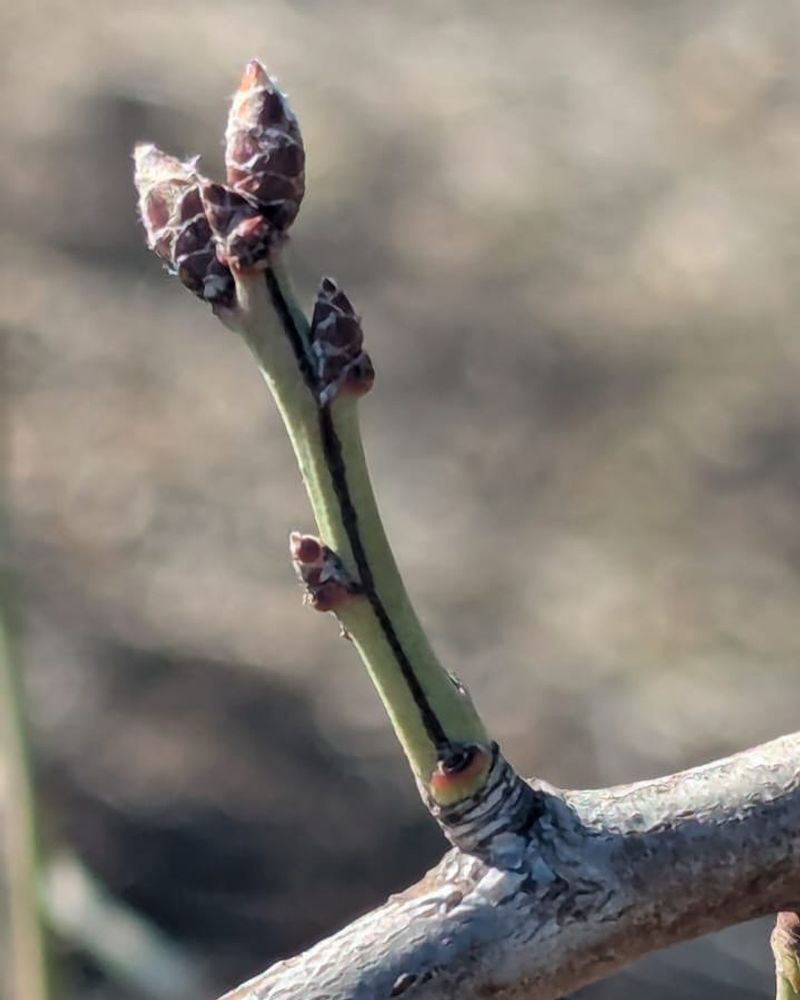
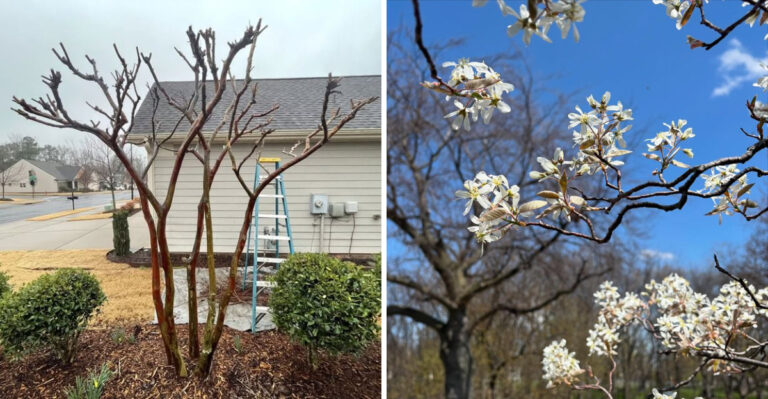
Bud swelling is one of the clearest signs that your trees and shrubs have officially left dormancy. Once buds start plumping up, the plant has already shifted into spring mode internally.
This swelling happens because the plant’s internal chemistry has shifted in response to longer daylight hours and gradually warming soil temperatures.
Georgia’s mild winters mean that many ornamental trees and shrubs start this process earlier than their northern cousins. Your crepe myrtles might show swollen buds by late February, while flowering quince and forsythia often lead the charge even sooner.
The buds don’t need consistently warm weather to start their transformation. Instead, they respond to cumulative warm days that signal the end of dormancy.
Pay attention to which plants wake up first in your yard. Early budding species give you a reliable calendar for planning other garden tasks.
Once you see significant bud swelling, you know the soil is warming and root activity is increasing below ground.
This is a good signal to prepare for feeding shrubs with slow-release fertilizer once active growth is clearly visible, and to prune summer-blooming plants before new growth fully emerges.
Those swelling buds are nature’s promise that color and life are just around the corner, even if you’re still wearing a sweater in the morning.
They also help you avoid jumping into spring tasks too early, reducing the risk of wasted effort or weather-related setbacks.
2. Perennials Show Fresh Growth At The Soil Line
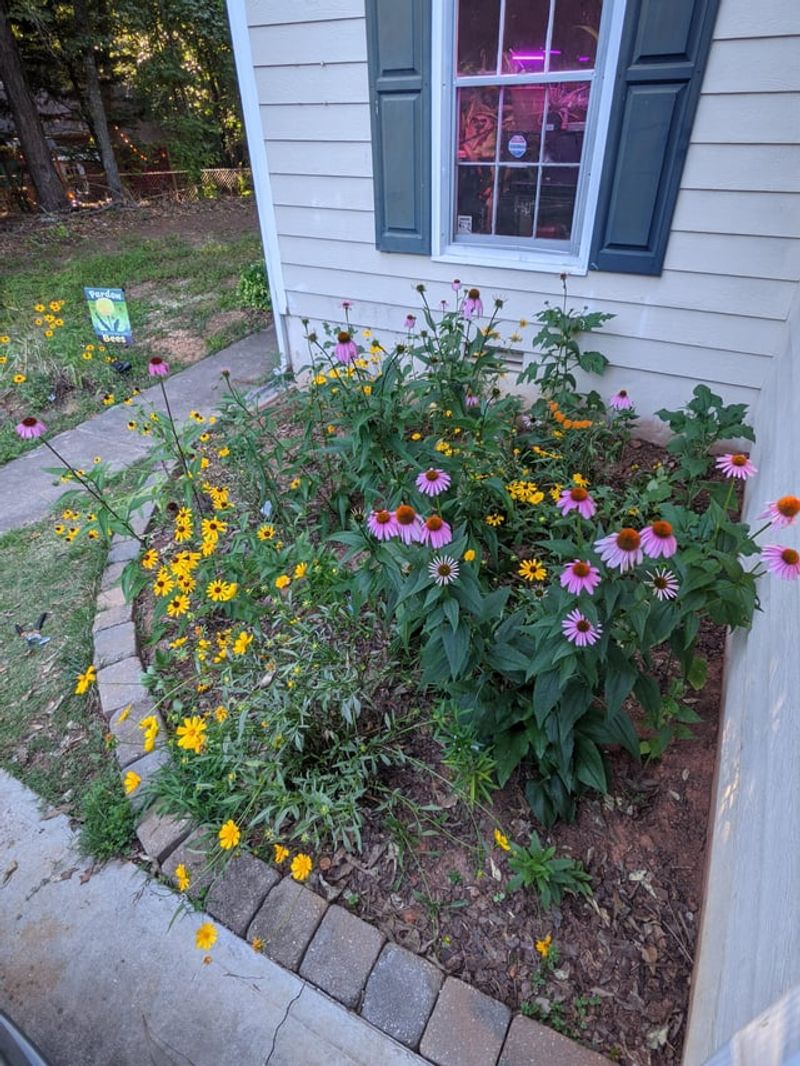
Fresh growth at the soil line means perennial roots are active again, even if the air still feels cool. Tiny green shoots, often no bigger than your pinky nail, poke through the soil or emerge from the crown of last year’s growth.
These brave little sprouts don’t wait for perfect weather. They respond to soil temperature and moisture levels that tell them it’s safe to start growing.
In Georgia, this typically begins in late February or early March, depending on your specific zone. North Georgia gardeners might see this a couple weeks later than folks near the coast.
The soil doesn’t need to be warm, just consistently above freezing at root depth. Perennials that went dormant last fall have been storing energy in their roots all winter, and now they’re cashing in that savings account.
Check your garden beds on a mild afternoon when the sun has warmed things up a bit. Look for fresh green growth around ornamental grasses, salvias, and coneflowers.
This emergence tells you the root zone is active again, which means it’s time to cut back any old foliage you left for winter interest. Resist the urge to fertilize too early though.
Wait until you see at least two inches of new growth before feeding perennials, giving them a chance to establish their spring root system first.
Early feeding can actually interfere with that natural wake-up process and lead to weak, floppy growth later. Let the plant show clear momentum first, then step in once growth looks steady and confident.
3. Grass Color Starts Shifting From Brown To Green

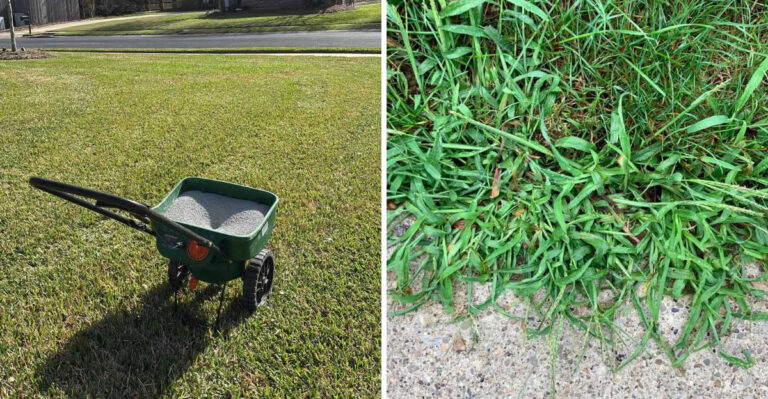
When lawn color starts shifting from brown to green, dormancy is breaking and growth is restarting at the root level. Patches of green are spreading through the beige, starting near sunny spots and gradually expanding.
This color shift happens when warm-season grasses like Bermuda and zoysia break dormancy, or when cool-season fescue rebounds from winter stress.
Georgia’s mixed climate means lawns behave differently depending on what you planted. Warm-season grasses stay brown until soil temperatures consistently reach the mid-60s, usually in mid to late March across most of the state.
Cool-season grasses green up earlier, sometimes by late February, because they actually prefer cooler temperatures. The greening process starts at the base of grass blades and works upward as chlorophyll production kicks into high gear.
Watch for this color change in the warmest, sunniest parts of your yard first. South-facing slopes and areas near heat-retaining surfaces like driveways will green up before shaded sections.
Once soil temperatures approach 55 degrees and patches of green begin spreading, it’s time to prepare for the growing season. Apply pre-emergent herbicides before soil temperatures hit 55 degrees to prevent crabgrass and other summer weeds.
That subtle shift from tan to green is your lawn telling you it’s hungry and ready to grow.
4. Cool-Season Weeds Suddenly Take Off
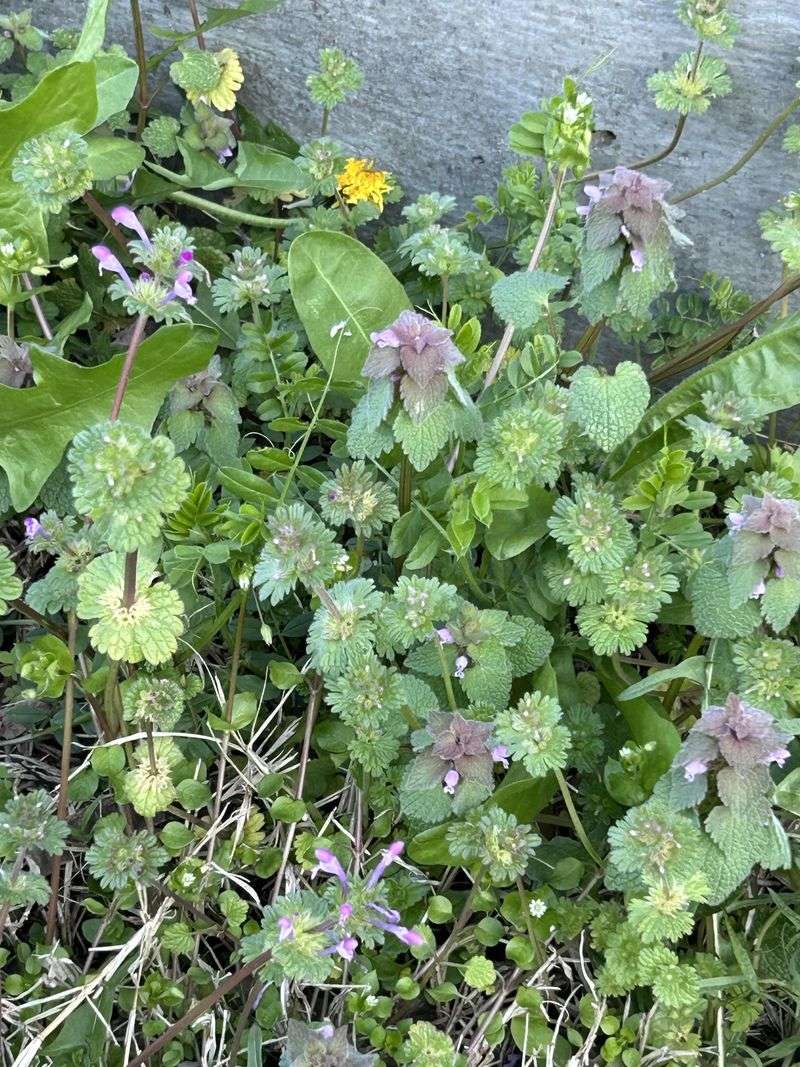
Explosive growth from cool-season weeds is a reliable signal that spring conditions are already in place. Henbit, chickweed, and wild onions seem to explode overnight, carpeting garden beds and lawn edges with their cheerful but unwanted greenery.
These cool-season opportunists thrive in the exact conditions that signal spring in Georgia: mild days, cool nights, and adequate moisture.
While your desirable plants are still waking up slowly, these aggressive growers are already in full production mode. They germinated last fall, spent winter as tiny seedlings, and now they’re racing to flower and set seed before hot weather shuts them down.
Their sudden growth spurt tells you that soil conditions are perfect for planting cool-season vegetables and starting spring garden cleanup.
The appearance of flowering henbit with its purple blooms or the spread of chickweed’s delicate white flowers means soil temperatures are in the ideal range for many gardening activities. This is your window to plant snap peas, lettuce, and other cool-loving crops in Georgia.
It’s also the right time to hand-pull these weeds before they go to seed and create next year’s problem.
Consider their presence a mixed blessing: annoying, yes, but also a reliable sign that your garden is waking up and ready for attention. Just tackle them before they take over completely.
Left unchecked, they compete for moisture and nutrients that early crops and perennials need most right now.
Clearing them early gives your garden a cleaner reset and makes every bit of spring effort more effective.
5. Soil Dries Faster After Rain Or Watering
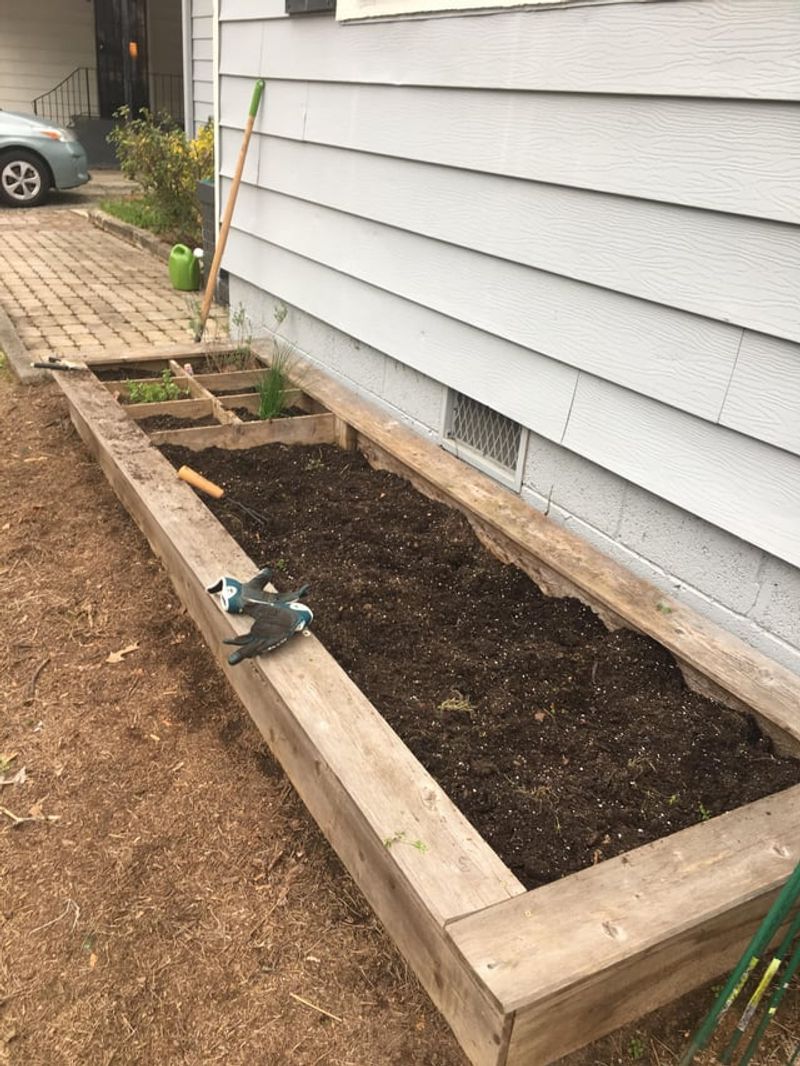
Faster soil drying is a sign that roots, microbes, and evaporation are all becoming active again. Now you notice the surface drying out within 24 hours, even though temperatures aren’t dramatically warmer.
This faster drying happens because increased daylight hours and slightly higher temperatures boost evaporation rates, while plant roots are beginning to actively pull moisture from the soil again.
In Georgia’s clay-heavy soils, this change is particularly noticeable. Winter soil sits cold and waterlogged because dormant plants aren’t drinking and evaporation rates are minimal.
As spring approaches, even subtle warming creates a big difference in how quickly moisture disappears. The top inch or two of soil may dry while deeper layers remain moist, creating perfect conditions for root growth.
Test this yourself by sticking your finger into garden beds the day after watering. If the surface feels dry while an inch down still feels damp, your soil is actively cycling moisture again.
This is your signal to adjust watering schedules and to start working compost into beds without creating muddy messes. The soil structure is stable enough to handle foot traffic and cultivation.
Faster drying soil also means it’s time to apply mulch to conserve moisture as plants enter their active growth phase. That changing moisture pattern is your garden’s way of saying it’s ready for spring planting and maintenance.
6. Daytime Temperatures Stay Mild For Longer Stretches
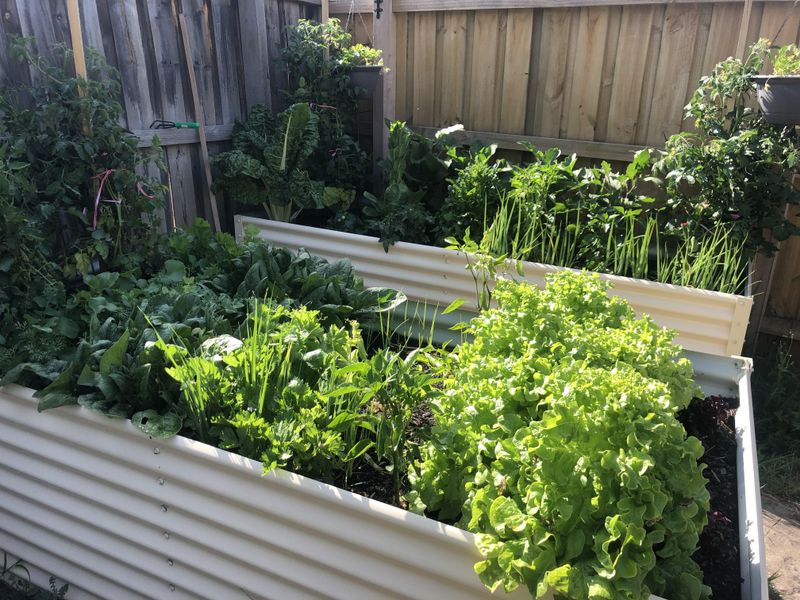
Extended stretches of mild daytime temperatures matter more than any single warm day.
These sustained mild periods are more important than any single warm day because they allow soil to gradually warm and plants to safely begin growth without the shock of sudden temperature swings.
Georgia’s position in the transition zone means spring weather can be wildly unpredictable, but patterns emerge. When you notice three or four consecutive days staying consistently mild, with nighttime lows above freezing, the seasonal shift is underway.
Plants respond to these extended mild periods by breaking dormancy because the risk of damaging cold has significantly decreased. Your garden’s internal thermometer is much more sophisticated than just reacting to one warm afternoon.
Track your local weather patterns for a week or two. If mild stretches are becoming the norm rather than the exception, it’s safe to start hardening off seedlings and planting cold-tolerant vegetables.
This is also a good time in most parts of Georgia to divide perennials and transplant shrubs, while soil is workable and plants aren’t yet in full growth mode.
Those longer mild periods mean your garden is entering the sweet spot for spring activities, even if occasional cold snaps still threaten. The trend matters more than individual days.
7. Early Bloomers Start Opening Without Protection
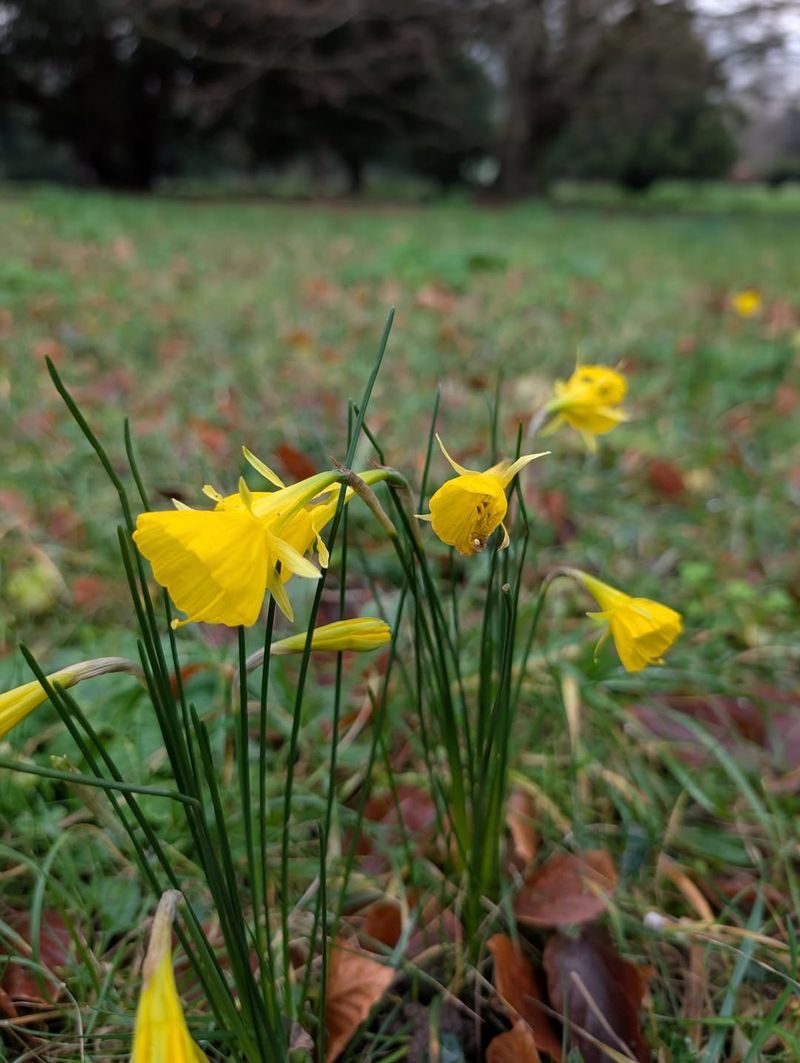
Early bloomers only open freely when conditions have stabilized enough to support flowering. Crocuses have pushed through the soil and are displaying their colorful petals without any concern for lingering cold.
These tough early bloomers have their own built-in weather forecasting system, and when they bloom freely, they’re telling you that serious freezes are behind you.
Spring bulbs planted last fall have been monitoring soil and air temperatures all winter long. They don’t bloom based on the calendar but rather on accumulated temperature data that signals it’s safe to flower.
In Georgia, this typically happens between late February and mid-March, depending on your location.
When you see these flowers opening naturally without damage from overnight cold, you know conditions have stabilized enough for the growing season to begin.
Observe which bulbs bloom first in your area. Snowdrops and winter aconite often lead, followed by crocuses and early daffodils.
Once the main daffodil show begins, soil temperatures are usually warm enough to plant potatoes and onion sets. The blooming of forsythia, another reliable early bloomer, traditionally signals the right time to apply pre-emergent herbicides in Georgia gardens.
These brave flowers aren’t just pretty; they’re your garden’s way of announcing that spring has truly arrived and it’s time to get busy outside.
8. Plants Recover Faster From Cold Nights
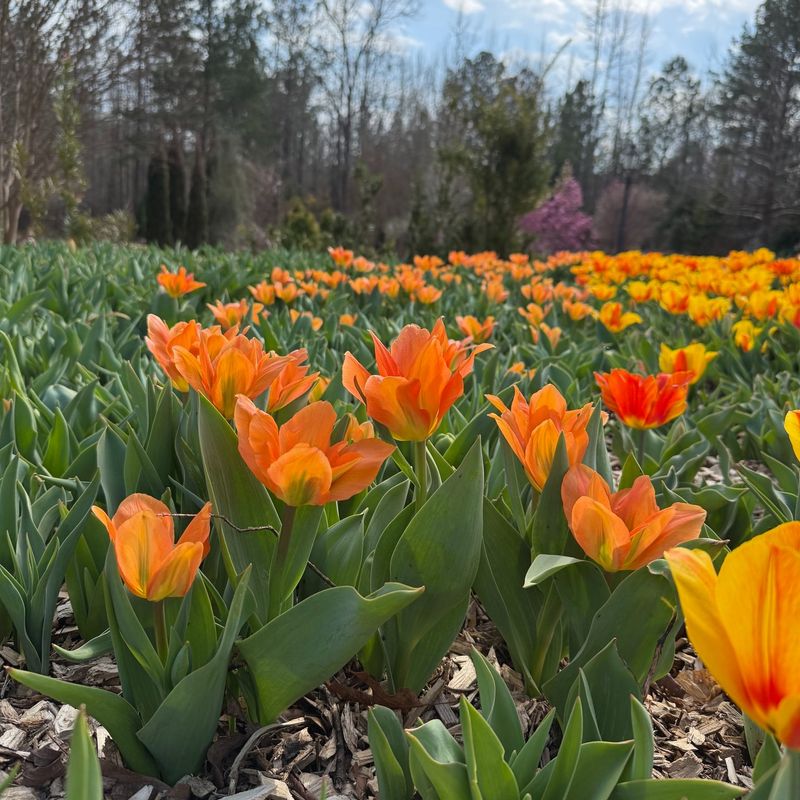
Faster recovery after cold nights shows that plants are actively growing again, not just surviving. Now they perk up within an hour or two of sunrise, shaking off the cold like it was nothing.
This faster recovery happens because plants are actively growing again, with robust cell structures and active metabolism that help them bounce back from temperature stress.
Dormant or semi-dormant plants lack the energy and cellular activity to quickly recover from cold exposure. But once they’ve broken dormancy and started spring growth, they’re much more resilient.
In Georgia, you’ll notice this change most dramatically in marginally hardy plants like rosemary, lavender, and ornamental grasses.
They might still show frost damage on leaf tips after a cold night, but the overall plant rebounds quickly instead of looking stressed for days.
This resilience tells you that root systems are fully active and plants are photosynthesizing efficiently. It’s a sign that you can start introducing slightly tender plants to outdoor conditions and that your established landscape is ready for spring fertilization.
The improved recovery also means you can stop worrying quite so much about protecting borderline-hardy plants every time the forecast shows temperatures dipping into the upper 30s.
Your garden’s toughness is increasing daily, matching the lengthening days and strengthening sun that define Georgia’s beautiful spring season.