7 Signs Your Georgia Soil Is Ready For Spring Planting
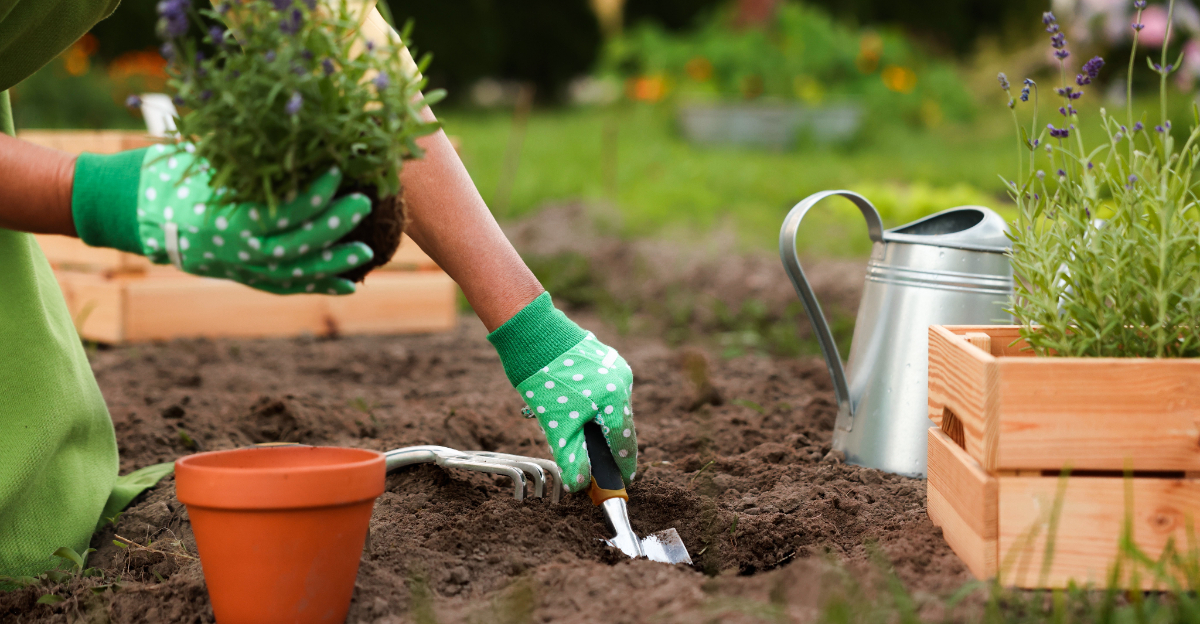
Early spring in Georgia can trick even experienced gardeners into thinking it is time to plant. The surface looks dry enough, the air feels warm, and everything seems to line up at first glance.
A closer look tells a different story once the soil gets handled.
Press a handful and it might stick together more than it should, or break apart too fast, both of which affect how roots settle in after planting. Seeds can sit longer than expected, and transplants can stall without any clear reason.
Good results depend on what is happening below the surface, not just how the yard looks from above. Once the soil reaches the right condition, plants establish more evenly and growth starts with far fewer setbacks.
1. Soil Crumbles Easily Instead Of Forming Sticky Clumps
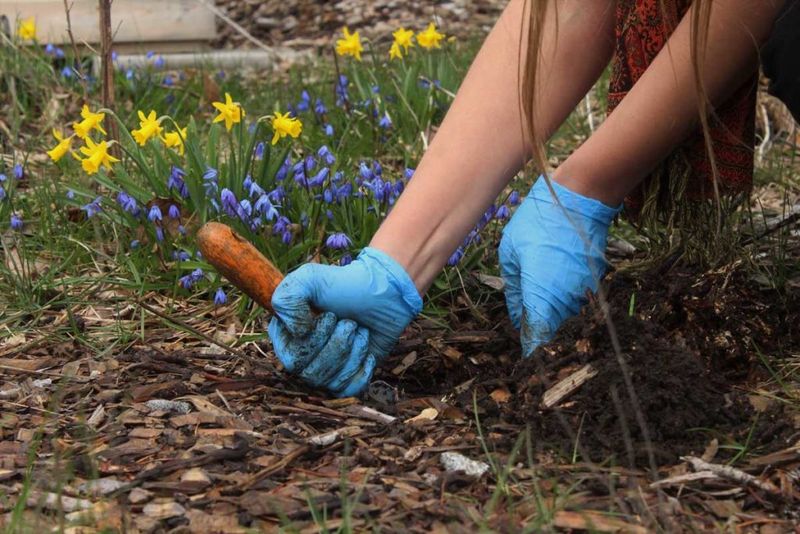
Grab a fistful of your garden soil and squeeze it tight for about five seconds. Open your hand slowly.
If it breaks apart into loose, soft pieces without smearing all over your palm, that’s a solid sign your Georgia soil is ready to work with.
Sticky, muddy clumps are a red flag. When soil clumps together and stays that way, working it will compact the structure and make it harder for roots to push through later in the season.
Compacted soil restricts airflow and water movement, two things plant roots genuinely need.
Georgia’s clay-heavy soils are especially prone to this problem. Red clay holds moisture longer than sandy or loamy soil, so it stays sticky and dense well into early spring.
Rushing into it too soon can cause more harm than waiting a few extra days.
A crumbly texture means the soil particles have good separation, which allows water to drain evenly and air pockets to form naturally. Roots spread more freely through loose soil, and seeds make better contact with the soil surface when it isn’t packed down.
If your soil still clumps, give it a few more days. Walking on wet clay or turning it with a tiller before it’s ready can break down the soil structure in ways that take a whole season to recover from.
Patience here pays off in a noticeably better growing season across your Georgia garden beds.
2. The Ground No Longer Feels Cold To The Touch
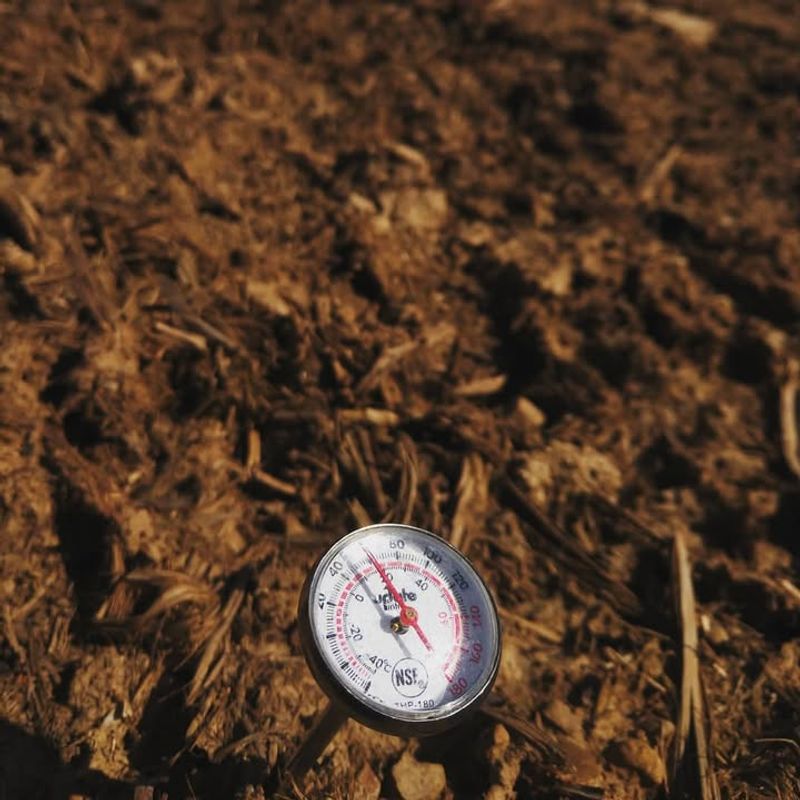
Kneel down and press your bare hand flat against the soil for about ten seconds. Cold soil will feel almost refrigerator-like, and that sensation tells you the ground isn’t ready yet.
When the soil feels closer to room temperature or just mildly cool, that’s a sign conditions are shifting in the right direction.
Soil temperature matters more than air temperature when it comes to germination. You can have a warm, sunny day in Georgia in late February, but if the ground is still sitting at 40 degrees, most seeds won’t respond the way you’re hoping.
Cool-season crops like lettuce and spinach can handle soil around 45 to 50 degrees Fahrenheit, but warm-season vegetables like tomatoes and squash need soil closer to 60 to 65 degrees before they’ll really get moving.
A soil thermometer is worth having on hand. Push it about two inches deep and check readings at the same time each morning for several days in a row.
Single warm days can be misleading, especially in Georgia where late cold snaps happen more often than people expect.
Consistent soil temperatures over multiple days are a much more reliable indicator than one good afternoon reading. Once you see steady numbers staying above 50 degrees for cool-season crops, you’re in a reasonable window to plant.
Track it for at least three or four consecutive mornings before committing to putting seeds or transplants in the ground.
3. Water Drains Quickly Without Pooling On The Surface
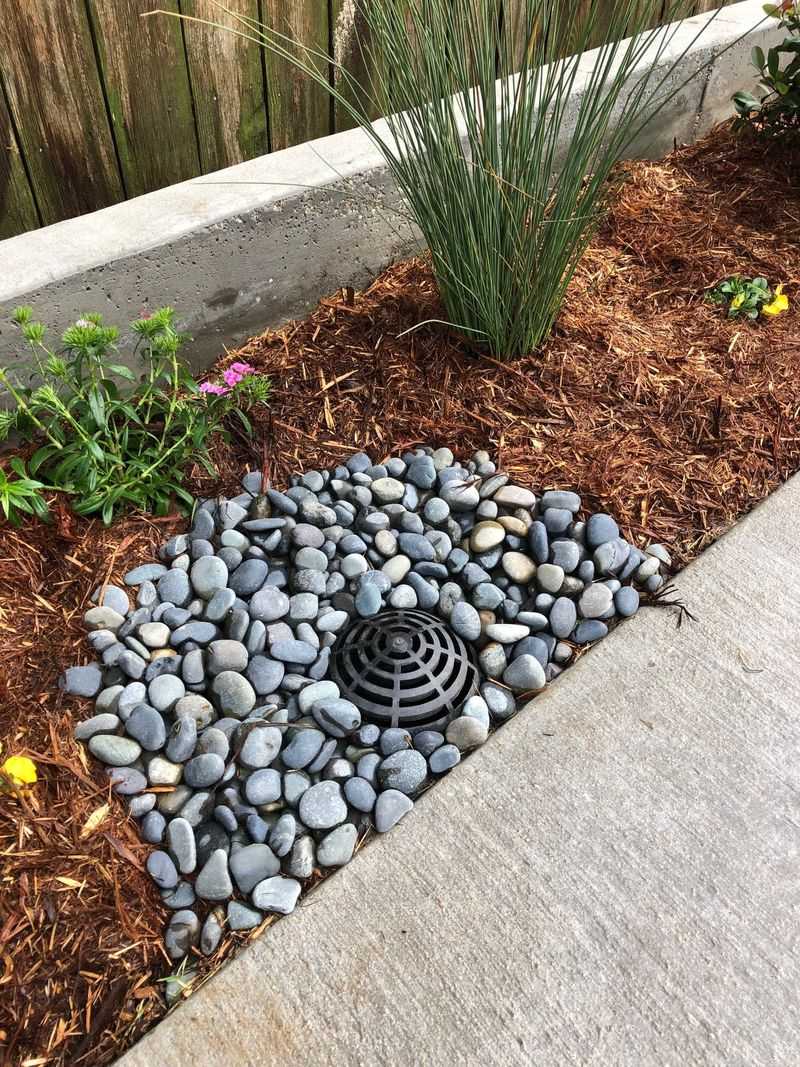
After a decent rain, head outside and watch what happens to your garden beds. Water that soaks in within a few minutes is a good indicator that your soil structure is holding up well.
Standing puddles that linger for hours or even days point to drainage problems that need attention before planting begins.
Poor drainage causes more trouble than most people expect. Roots sitting in waterlogged soil can’t access oxygen, and seeds that germinate in overly wet conditions often rot before they get a real start.
Georgia’s spring rains can be heavy and frequent, so soil that drains slowly will stay saturated longer than you’d want.
Clay soils common across much of central and north Georgia drain more slowly by nature. If you’ve been adding compost or other organic matter over the past year, you might notice improved drainage compared to previous seasons.
Organic matter helps break up clay particles and creates better pathways for water to move downward.
Raised beds are a practical solution when in-ground drainage remains stubborn despite amendments. Even adding a few inches of height can make a meaningful difference in how quickly water clears after rain.
Check your beds a couple of hours after a moderate rainfall. If the surface looks dark and moist but not pooled, and pressing your finger in doesn’t bring up muddy water, your drainage is likely in decent shape for spring planting in your Georgia garden.
4. Earthworms Are Active In The Top Layer Of Soil
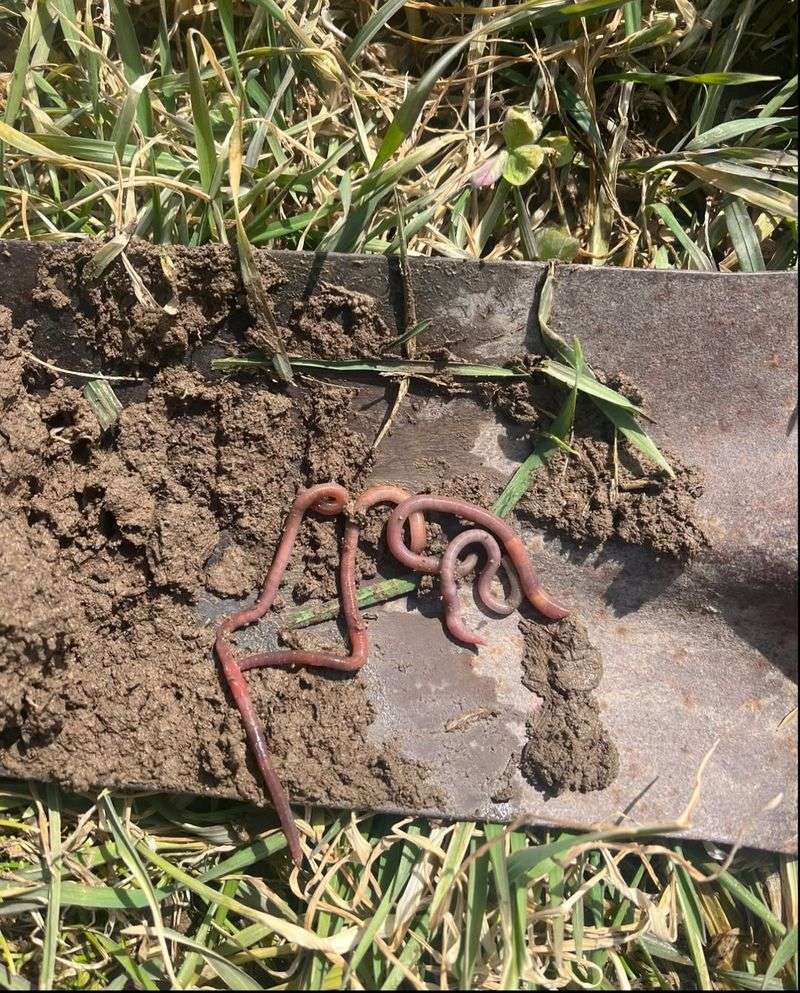
Flip over a shovelful of soil and count what you see. Earthworms near the surface are one of the most honest signals that your soil has warmed up enough and is biologically alive.
When temperatures are too low, worms stay deep underground where it’s warmer, so spotting them in the top few inches means conditions are shifting.
Earthworms do real work in the soil. As they move through it, they create small tunnels that improve aeration and water movement.
Their castings add nutrients in a form that plant roots can absorb fairly directly. A garden with active earthworm populations tends to have better soil structure than one without them.
Georgia soils that have been amended with compost or mulched over winter typically host more earthworm activity by spring.
Bare soil that dried out or was left compacted tends to have fewer worms near the surface, which can be a sign that the soil biology needs some attention before the season gets going.
Seeing five or more worms in a single shovelful is generally considered a healthy count. Fewer than that doesn’t mean your soil is in bad shape, but it’s worth thinking about whether adding compost before planting might help.
Earthworm activity also tends to pick up after a light rain when soil moisture is just right, so checking right after rainfall can give you a more accurate picture of what’s living in your Georgia garden beds this spring.
5. Early Weeds And Growth Begin Appearing Naturally
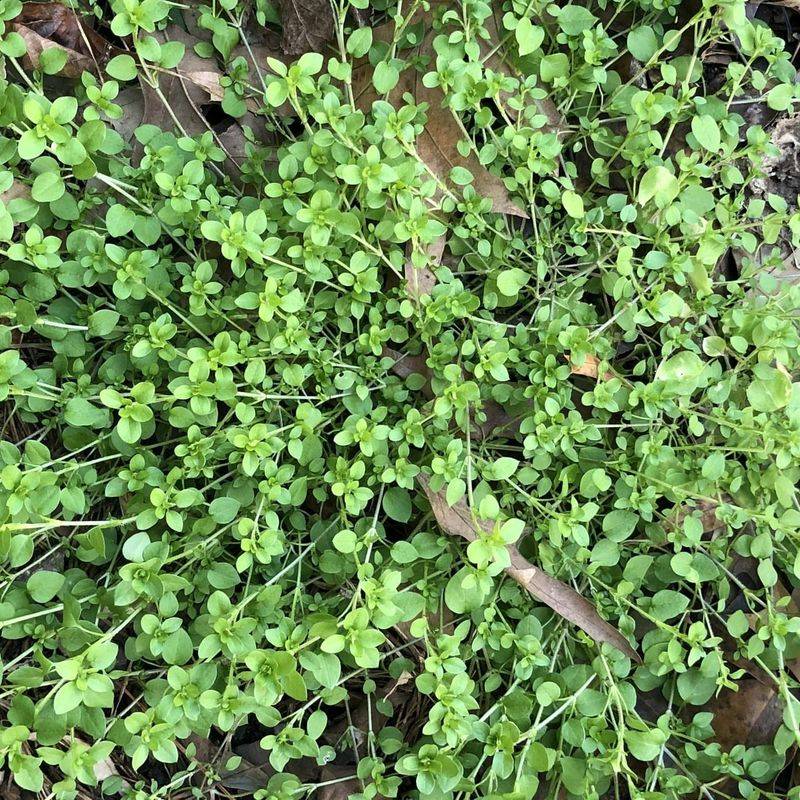
Weeds get a bad reputation, but their timing can actually work in your favor.
When you start noticing chickweed, henbit, or bittercress popping up in your Georgia garden beds without any help from you, those plants are responding to the same soil conditions your vegetable seeds need.
They’re basically doing a free soil temperature test.
Cool-season weeds like henbit tend to germinate when soil temperatures reach somewhere between 45 and 55 degrees Fahrenheit.
Seeing them emerge means the ground has warmed enough to support germination, which is exactly the range that works well for cool-season vegetables like kale, spinach, and carrots.
The key is to pull those weeds before they set seed. Left alone, a single henbit plant can produce a surprising number of seeds that will cause headaches throughout the rest of the growing season.
Early removal is much easier than trying to manage a full flush of weed seedlings later on.
Weed emergence isn’t a guarantee that your soil is perfect, but it’s a useful natural cue that deserves attention. Pair it with other checks like soil texture and temperature readings to build a fuller picture.
In Georgia, where spring can move quickly from cool to warm, catching these early signals gives you a head start on timing your planting without relying entirely on calendar dates that don’t always match what’s actually happening in the ground beneath your feet.
6. Soil Is Not Soggy After Rainfall
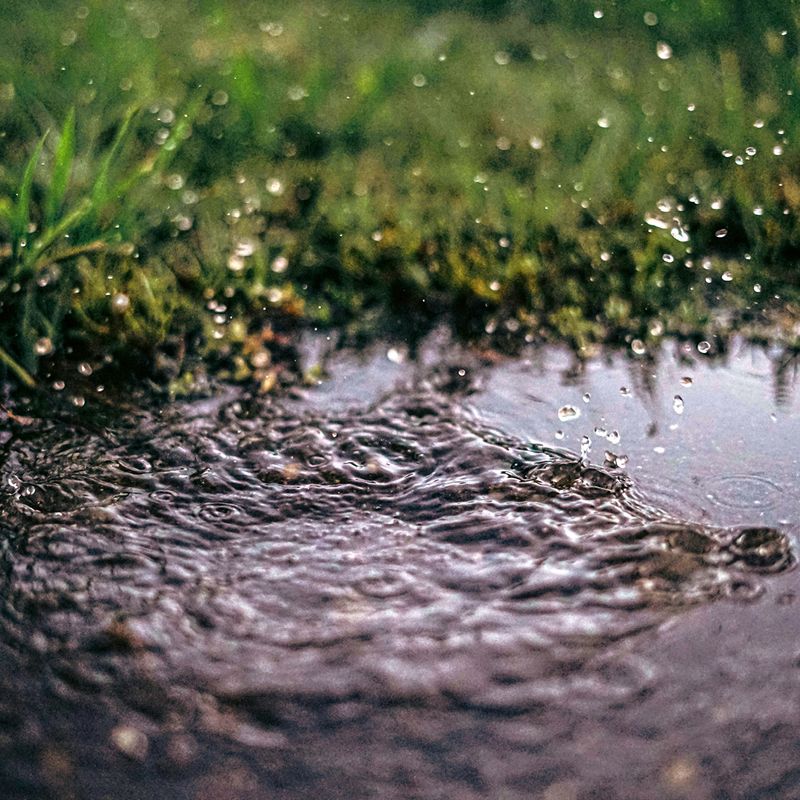
There’s a real difference between moist soil and soggy soil, and that difference matters a lot in spring. Moist soil holds just enough water to support seed germination and early root development without cutting off the oxygen supply.
Soggy soil, on the other hand, stays saturated long after rain stops and creates conditions that slow germination and stress young plants.
A simple way to check is the finger press test. Push your index finger about an inch into the soil.
If water seeps into the hole or the soil feels like wet clay that sticks and smears, it’s still too wet to plant. If it feels firm, slightly damp, and doesn’t leave mud on your finger when you pull it out, you’re likely in a workable range.
Georgia’s spring weather can swing between dry stretches and multi-day rain events, which makes this check worth doing regularly rather than just once.
Soil that passes the test on a Tuesday might be soggy again by Thursday after a storm system moves through.
Getting in the habit of checking before you plant each section of your garden saves you from making avoidable mistakes.
Working soggy soil also breaks down its structure in ways that are hard to reverse quickly. Tilling or even walking on waterlogged ground compresses the air pockets that roots depend on.
Give your Georgia garden beds at least a day or two after heavy rain before testing and deciding whether conditions are right to move forward with planting.
7. Soil Temperature Supports Seed Germination And Root Growth
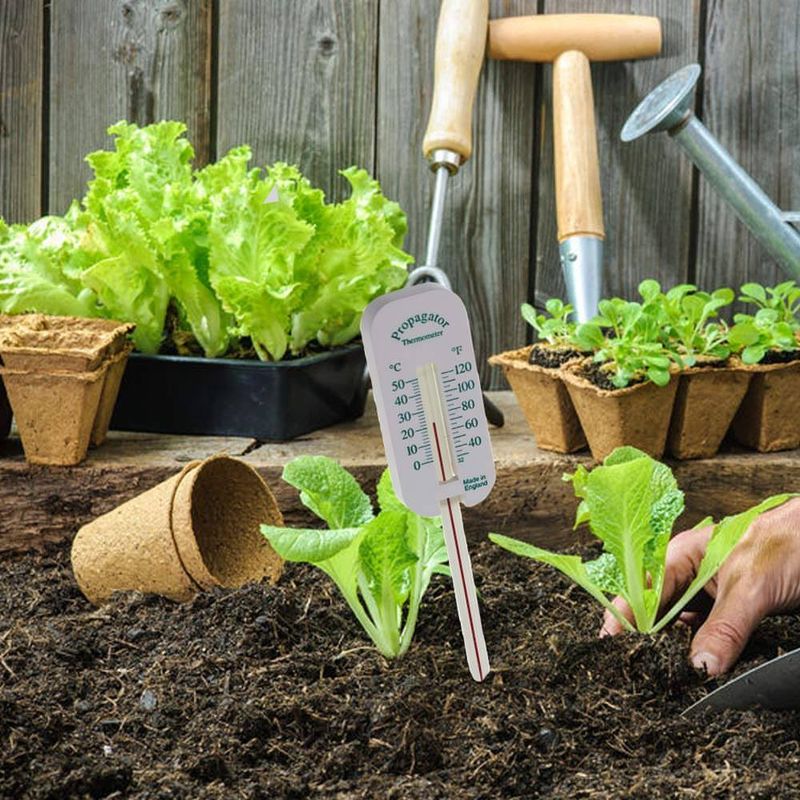
Soil temperature is probably the most underrated factor in spring planting decisions. Air temperature gets all the attention, but seeds respond to what’s happening underground, not what the weather app says.
Knowing the difference between the two can save you from replanting seeds that simply sat in cold ground without doing much.
Cool-season crops like lettuce, peas, and radishes can germinate in soil that’s around 45 to 55 degrees Fahrenheit. Warm-season crops like tomatoes, peppers, and beans need soil closer to 60 to 65 degrees before germination becomes reliable.
Planting warm-season seeds into soil that’s still sitting at 50 degrees doesn’t always result in failure, but germination will be slow and uneven at best.
In Georgia, soil temperatures can vary quite a bit depending on whether you’re in the mountains of north Georgia, the Piedmont region around Atlanta, or the coastal plain further south.
A gardener in Savannah might safely transplant tomatoes a full month before someone in Blairsville should attempt the same thing.
Regional differences matter, and checking your own soil is more reliable than following a generic planting calendar.
Push a soil thermometer about two inches into the ground and record readings at the same time each morning for three to four consecutive days. Consistent readings within the right range for your specific crops are a far better guide than a single warm afternoon.
Steady, sustained soil warmth is what actually drives strong germination and early root growth in your Georgia garden this spring.