7 Signs Your Plant Is Just Dormant After Winter In Pennsylvania
After a long Pennsylvania winter, your garden may look quiet, and some plants might appear lifeless. It’s easy to panic and assume that frosty temperatures have caused permanent damage, but many perennials, shrubs, and trees are simply dormant.
Dormancy is a natural survival strategy, helping plants conserve energy until the warmer days of spring arrive. Leaves may be absent, stems look brittle, and growth seems paused, but underneath the surface, roots are alive and ready to bounce back.
Knowing the signs of true dormancy versus winter damage can save you unnecessary worry or pruning mistakes. By checking buds, stems, and roots carefully, you can tell which plants just need patience and which may need extra care or replacement.
Understanding this difference gives your Pennsylvania garden the best chance to thrive, ensuring a healthy, lush landscape once temperatures rise and spring growth begins.
1. Flexible Stems And Branches Still Bend Without Snapping
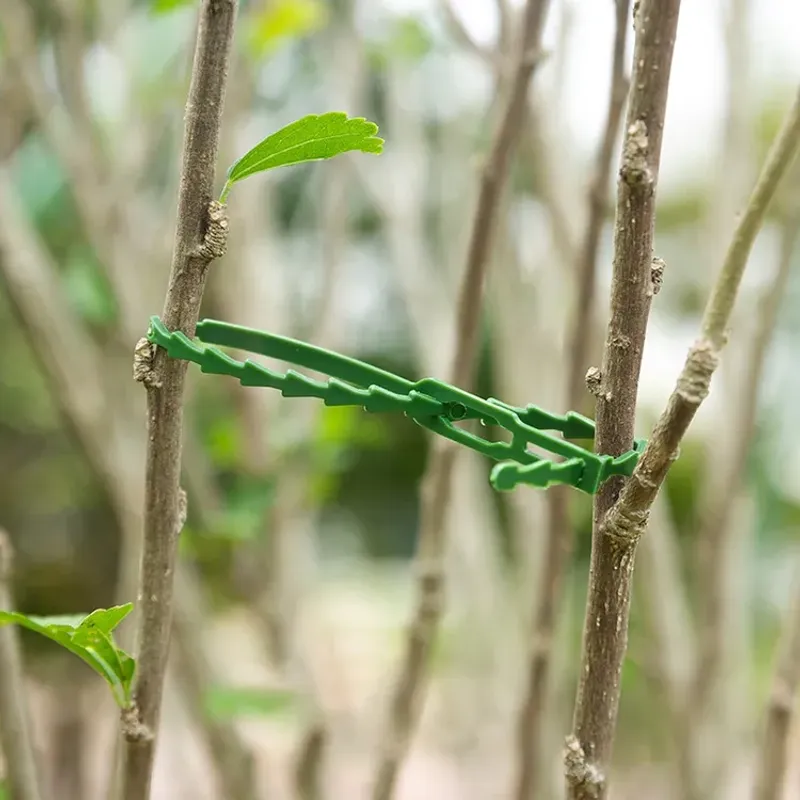
Grab a small branch or stem between your fingers and give it a gentle bend. If the plant is still alive and dormant, the wood will flex slightly without breaking into pieces.
This flexibility tells you that moisture and life are still present inside the plant tissue, even though everything looks brown and lifeless on the outside.
Plants that have truly perished become brittle and snap easily, almost like dry twigs you find on the forest floor. The difference is pretty obvious once you know what to feel for.
A dormant plant maintains some give in its structure because the cells inside are still holding water and waiting for the right conditions to start growing again.
Pennsylvania’s freeze-thaw cycles during late winter can make this test tricky, so pick a day when temperatures are above freezing for the most accurate results. Check multiple branches in different areas of the plant rather than relying on just one sample.
Some outer branches might have sustained frost damage while the main plant remains healthy.
This flexibility test works especially well on woody perennials, shrubs, and small trees common in Pennsylvania gardens like butterfly bush, rose of Sharon, and hydrangeas.
Remember to be gentle during your inspection because you don’t want to cause unnecessary damage to branches that are preparing to leaf out.
The bend test is one of the quickest ways to get an initial read on your plant’s condition as spring approaches in Pennsylvania.
2. Green Tissue Visible When You Scratch The Bark
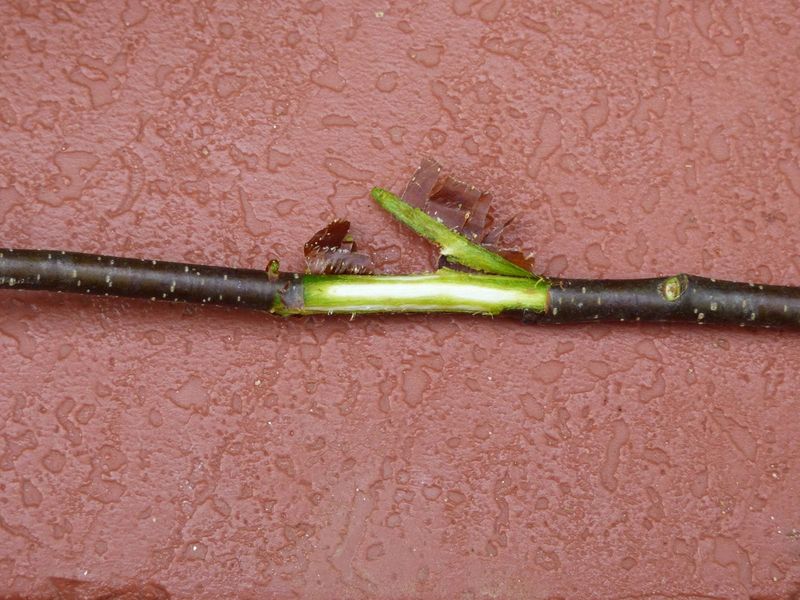
Take your fingernail or a small knife and carefully scrape away a tiny section of bark on a lower branch. Look closely at what’s underneath that outer layer.
Healthy dormant plants will reveal a green or whitish-green layer called the cambium, which is the living tissue responsible for growth and nutrient transport throughout the plant.
This green layer is your proof that the plant is still very much alive, just waiting for warmer Pennsylvania weather to trigger its growth cycle. Plants that have perished will show brown, tan, or gray tissue all the way through with no sign of that vibrant green color.
The cambium stays alive through winter by entering a state of suspended animation, protecting itself from freezing temperatures.
Start your scratch test near the base of the plant and work your way up if needed. Sometimes the tips of branches suffer cold damage while the main trunk and lower branches remain perfectly healthy.
This is especially common in Pennsylvania after a particularly harsh winter with temperatures dropping well below zero.
Many gardeners in Pennsylvania use this method on their roses, clematis, and ornamental shrubs each spring. Just remember to make your scratch small and shallow so you don’t create an entry point for pests or disease.
One or two small test spots are plenty to determine if your plant made it through winter. The scratch test is considered one of the most reliable methods for checking dormancy status.
3. Buds Are Present On The Stems Even If Small
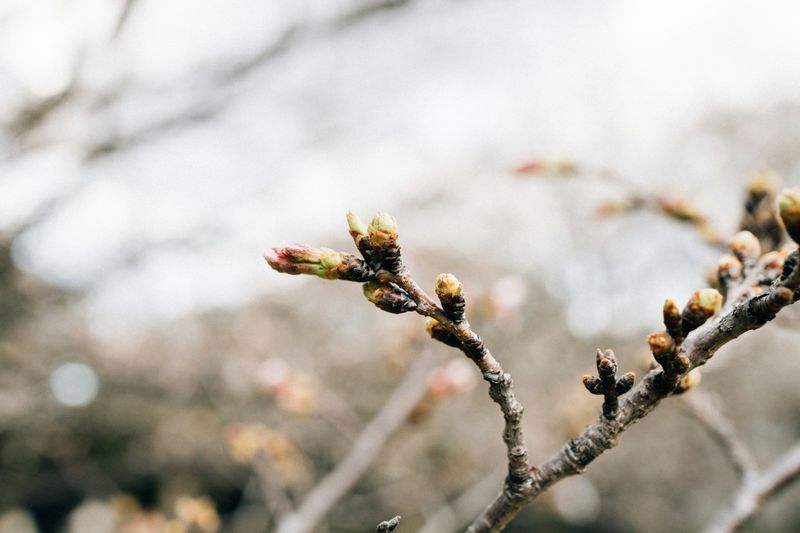
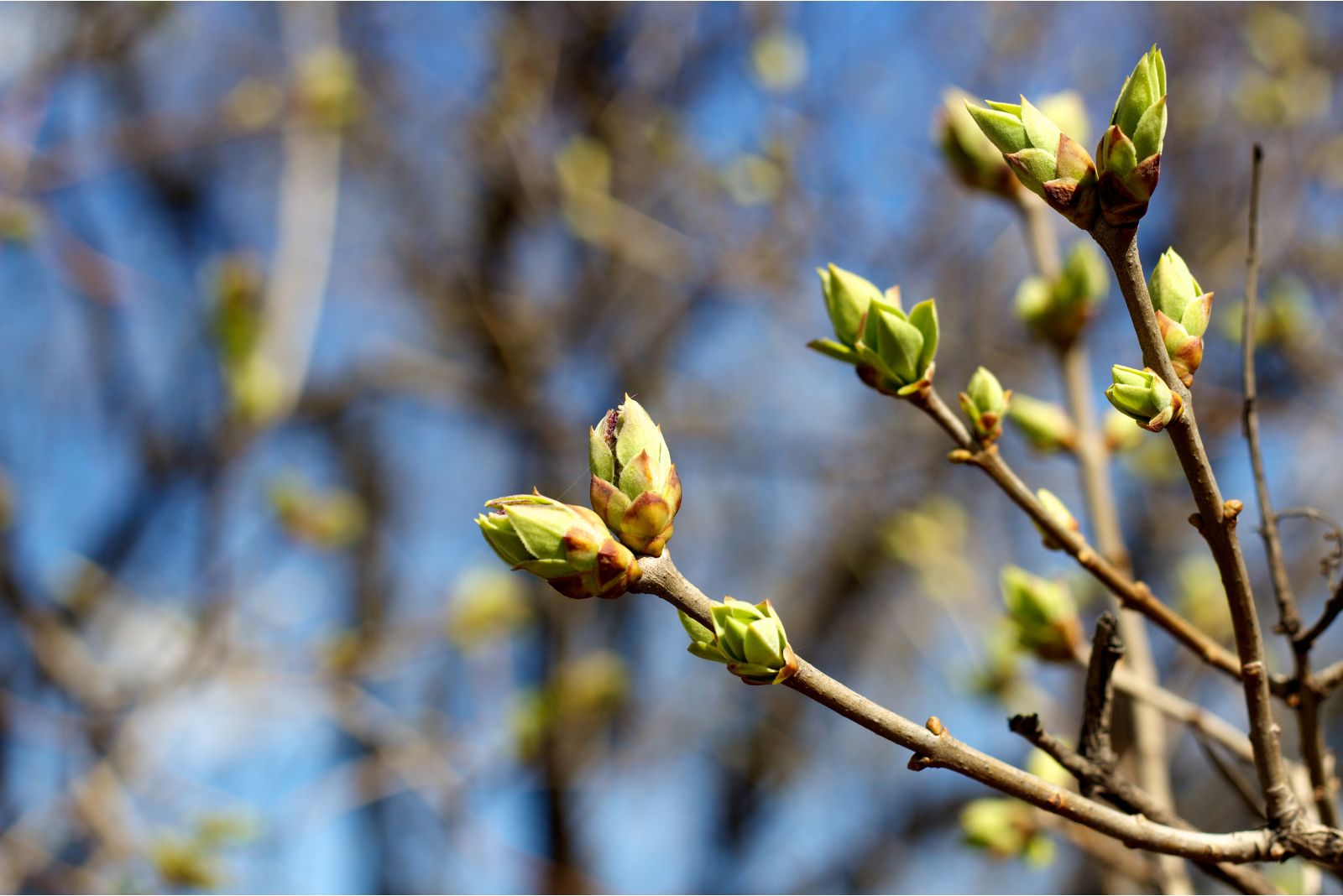
Look carefully along the stems and branches for small bumps or swellings that indicate bud formation. These buds might be barely noticeable, but their presence means the plant is gearing up for spring growth.
Dormant plants develop these buds in fall and protect them through winter, keeping them sealed tight until conditions improve.
Pennsylvania’s unpredictable spring weather means these buds might stay closed longer than you expect, especially if cold snaps keep returning. The buds are designed to wait for consistent warmth and longer daylight hours before they risk opening up.
Some plants are more cautious than others, holding back their growth until they’re absolutely certain winter has passed.
You might need a magnifying glass to spot buds on some species, particularly smaller perennials and delicate shrubs. The buds often look like tiny scales or protective coverings clustered at leaf nodes along the stem.
As spring progresses in Pennsylvania, these buds will gradually swell and become more obvious before they finally burst open with fresh leaves or flowers.
Different plants have different bud styles, so familiarize yourself with what’s normal for your specific species. Lilacs develop fat, prominent buds that are easy to spot, while other shrubs have much subtler signs.
Check multiple stems because bud distribution can be uneven, especially if some branches experienced more exposure to harsh winter winds.
Finding even a handful of healthy buds is an excellent sign that your plant survived Pennsylvania’s cold season and will return.
4. Roots Remain Firm And White Or Cream Colored
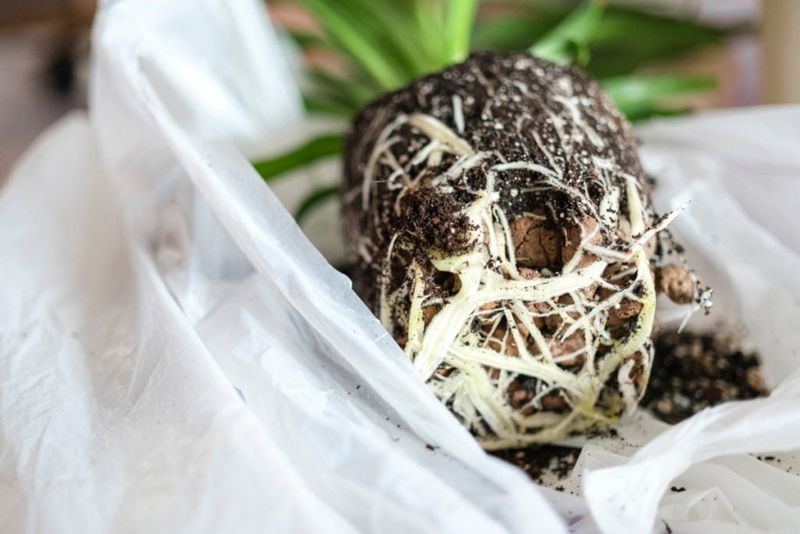
Carefully dig around the base of your plant to expose some of the root system without disturbing it too much. Healthy dormant roots should feel firm to the touch and display white, cream, or light tan coloring.
These colors indicate that the roots are still alive and functioning, ready to absorb water and nutrients once the growing season begins in Pennsylvania.
Roots that have perished turn mushy, black, or dark brown and often have an unpleasant smell. The texture difference is unmistakable when you touch them.
Living roots have a certain springiness and structure, while damaged roots fall apart easily or feel slimy. Pennsylvania’s wet spring soil can sometimes make this assessment challenging, so wait for a drier day if possible.
The root system is actually the most important part to check because even if the above-ground portions look rough, strong roots can regenerate new growth.
Many perennials in Pennsylvania gardens completely disappear above ground during winter but maintain a robust root system underground.
These plants often surprise gardeners by emerging later than expected once soil temperatures warm up sufficiently.
Be gentle when exposing roots because you don’t want to damage them during your inspection. Just uncover enough to get a good look at their condition, then carefully replace the soil.
Some gardeners in Pennsylvania check their container plants by gently sliding them partway out of their pots to peek at the root ball.
Healthy root systems are your best insurance that the plant will recover beautifully once spring truly arrives.
5. The Plant Shows Swelling At The Base Or Crown
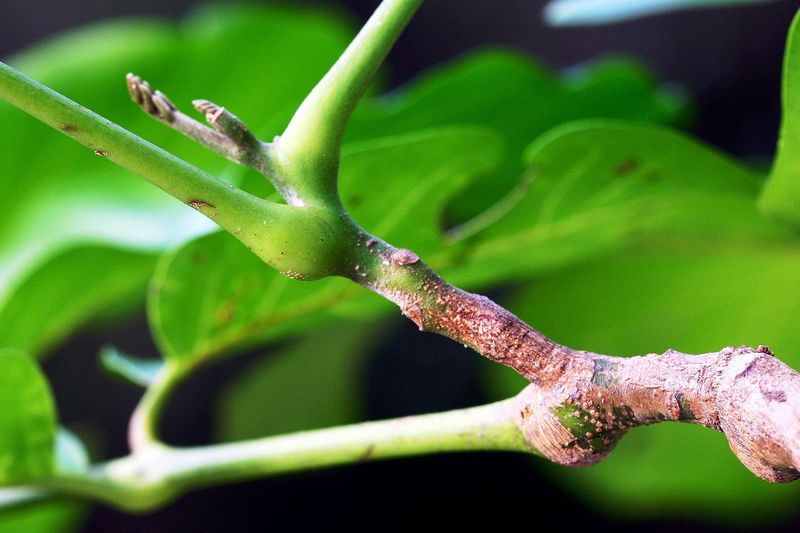
Get down at ground level and examine where the plant meets the soil, an area called the crown. During late winter and early spring in Pennsylvania, dormant plants often show subtle swelling or plumping at this critical junction point.
This swelling indicates that the plant is moving nutrients and water from the roots upward, preparing to push out new growth.
The crown is essentially the plant’s control center where roots and stems meet. When you notice it looking fuller or slightly raised compared to how it looked in late fall, that’s your signal that internal processes have restarted.
Some plants show this sign weeks before any visible leaves or shoots appear above the soil surface.
Pennsylvania gardeners often notice this swelling first in their hostas, daylilies, and other herbaceous perennials that completely disappear in winter. The crown might feel slightly soft or spongy when gently pressed, which is normal as it fills with moisture.
Just make sure it’s not mushy or rotting, which would indicate a problem rather than healthy dormancy breaking.
Clear away any mulch or leaf litter temporarily so you can get a clear view of the crown area. Sometimes debris hides the early signs of growth that would otherwise reassure you.
Many plants native to Pennsylvania and similar climates have evolved to show these subtle signals before committing to full growth, protecting themselves from late frost damage.
Observing crown swelling is particularly useful for plants that emerge late in the season and might otherwise cause unnecessary worry.
6. New Growth Emerges From The Base Even If Tops Look Gone
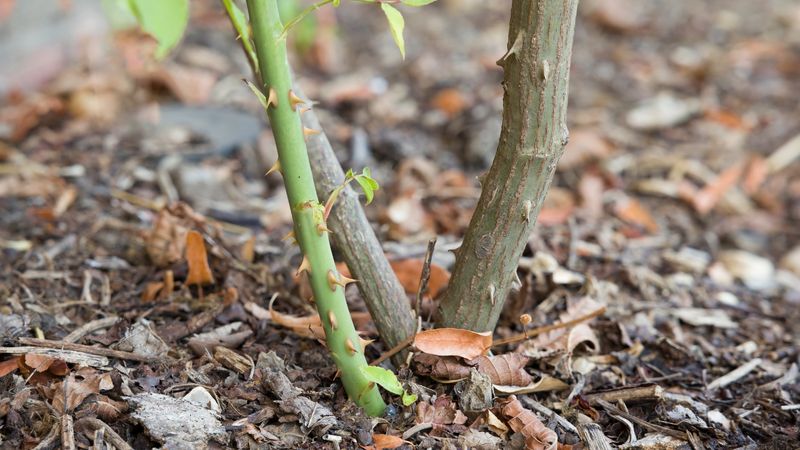
Sometimes a plant’s upper portions look completely finished while fresh green shoots start popping up from the base or even from the root system.
This pattern is extremely common in Pennsylvania after a tough winter, especially with plants like butterfly bush, Russian sage, and certain types of clematis.
The cold temperatures might have damaged the exposed branches, but the protected base remained safe underground.
Don’t be fooled by brown, lifeless-looking stems above ground. Many plants in Pennsylvania gardens naturally grow back from the base each year, essentially behaving like herbaceous perennials even if they’re technically shrubs.
These plants put their energy into root development and basal growth rather than maintaining old woody stems through winter.
Watch the soil line carefully as temperatures warm up in spring. You might notice tiny green tips pushing through the mulch or soil surface while the old stems still look completely lifeless.
This is actually a good thing because the plant is focusing its energy on fresh, vigorous growth rather than trying to revive damaged tissue. Give these new shoots plenty of time to develop before you make any decisions about cutting back the old stems.
Pennsylvania’s last frost date varies across the state, so be patient with plants that emerge from the base. Some species wait until soil temperatures reach specific thresholds before they send up new growth.
Once you see those green shoots, you can safely trim away the brown stems above them, which will help direct more energy into the healthy new growth.
7. The Plant Responds To Warmer Temperatures And Increased Daylight
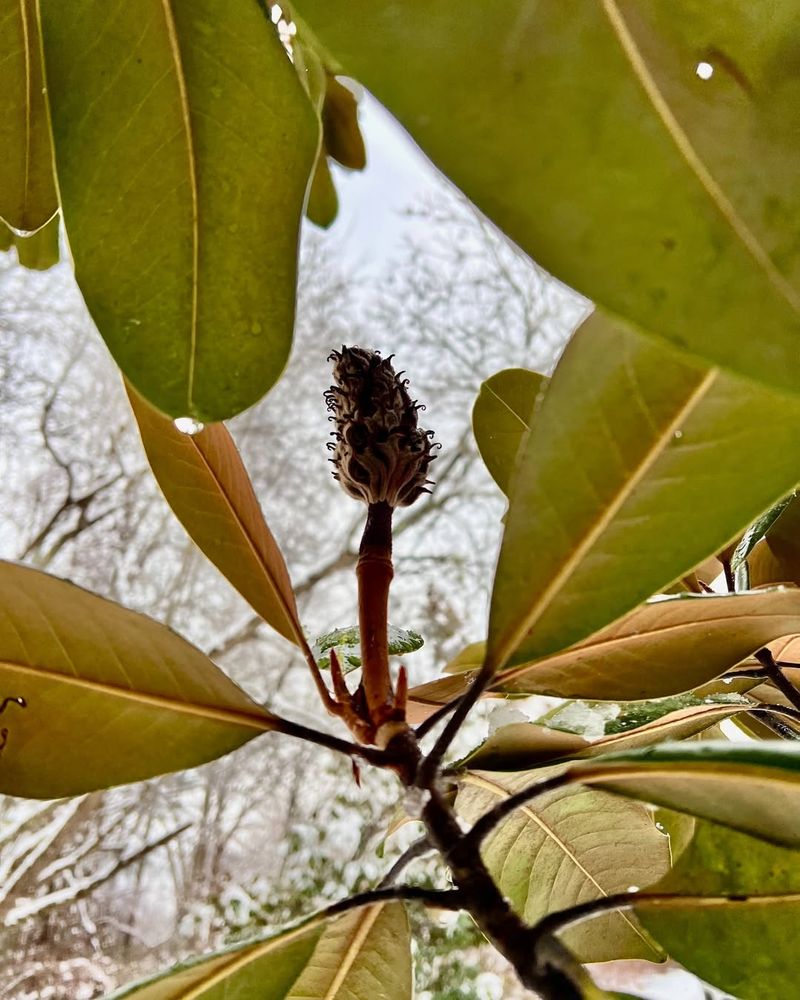
Plants are incredibly sensitive to environmental cues, particularly temperature and day length. As Pennsylvania transitions from winter to spring, dormant plants begin responding to these changes even before visible growth appears.
You might notice buds swelling slightly, bark looking less dull, or a general sense that the plant looks more alive even though you can’t point to specific new leaves yet.
This response happens gradually rather than overnight. Pennsylvania weather tends to fluctuate quite a bit in March and April, with warm spells followed by cold snaps.
Dormant plants react to these patterns by slowly ramping up their internal processes during warm periods and pausing again when temperatures drop. This cautious approach protects them from starting growth too early and getting damaged by late frosts.
Pay attention to how your plant changes over the course of several weeks rather than expecting immediate transformation. Take photos every few days if you want to track subtle progress that might not be obvious from day to day.
Many Pennsylvania gardeners find that their plants look dramatically different by late April compared to early March, even though the daily changes seemed minimal.
Different species respond to different triggers. Some plants rely heavily on soil temperature, while others are more influenced by air temperature or daylight duration.
Native Pennsylvania plants and those adapted to the region typically have their timing down perfectly, emerging exactly when conditions are right for their species.
Trust this natural wisdom and give your plants the time they need to wake up fully from their winter rest.