Simple April Routine To Keep Your Pennsylvania Lavender Healthy
Lavender has a way of making any garden feel a little more special, but keeping it happy in Pennsylvania takes more than planting it and hoping for the best.
After winter, April is when this fragrant favorite starts waking up, and what you do during that stretch can have a big impact on how it looks for the rest of the season.
A few simple steps at the right time can help your plant stay tidy, healthy, and far less likely to struggle once warmer weather settles in.
That matters because lavender is not a plant that loves extra fuss, but it does appreciate smart care. Too much moisture, poor airflow, or old winter damage can leave it looking rough fast, especially in a climate where spring weather likes to keep gardeners guessing.
The good news is that an April routine does not need to be complicated to work well. With a little cleanup, some careful pruning, and attention to how the plant is growing, you can set your lavender up for stronger growth, better shape, and those beautiful blooms and soothing scent people look forward to every year.
1. Why April Matters For Lavender In Pennsylvania
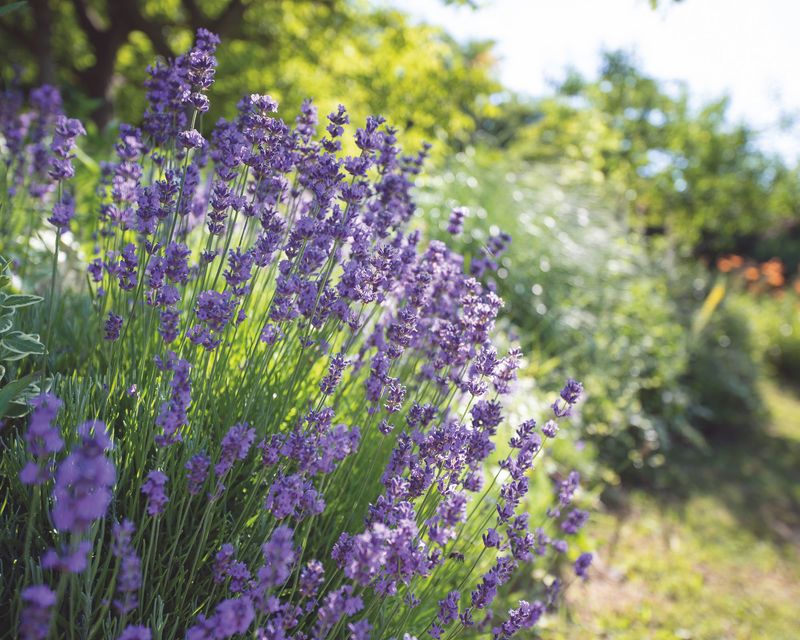
April is a turning point for lavender growers all across Pennsylvania. After months of cold temperatures and dormancy, lavender plants are finally starting to push out fresh green growth.
This transition period is fragile, and what you do right now sets the foundation for a healthy, fragrant growing season ahead.
Think of April as lavender’s wake-up call. The plant is coming out of a long winter sleep, and its energy is focused on sending out new shoots.
Pennsylvania winters can be tough, with freezing temperatures and wet conditions that stress even hardy plants. That makes early spring care extra important here compared to warmer states.
The weather in April across Pennsylvania can be unpredictable. Some days feel like summer, and others bring frost warnings.
Lavender can handle a light frost, but it still needs your help adjusting to the season. Checking on your plants regularly during this month helps you catch any problems early, before they become bigger issues.
Early spring is also when weeds start competing for space around your lavender. Getting ahead of them now saves you a lot of work later.
Good airflow around the base of the plant also helps prevent fungal problems, which are more common during wet Pennsylvania springs.
Lavender rewards patience and simple, consistent care. You do not need fancy tools or expensive products.
Just a little time in April, spent doing the right things, can lead to lush, blooming plants by early summer. Starting the season well is everything when it comes to growing lavender successfully in Pennsylvania.
2. Start With A Light Spring Pruning
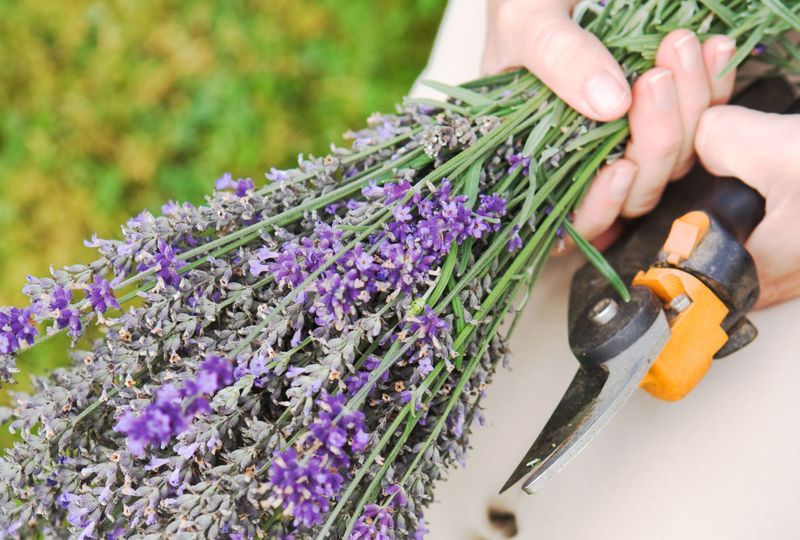
Grab your pruning shears, because April is the perfect time for a gentle spring trim. Lavender in Pennsylvania often comes through winter looking a little rough around the edges.
You might notice brown, dry, or frost-damaged stems that need to come off before the plant can really take off for the season.
Start by removing any stems that are clearly dry or damaged. These are usually brittle, gray, or brown all the way through.
Snip them back to where you can see fresh green growth starting. This simple step helps the plant focus its energy on healthy new shoots instead of trying to support damaged tissue.
After removing dry growth, give the plant a light shaping trim. You want to cut back about one-third of the soft, green growth at the top of the plant.
This encourages bushier, fuller growth and more flowering stems later in the season. More stems mean more blooms, and more blooms mean that wonderful lavender fragrance filling your Pennsylvania garden.
One important rule to remember: never cut into old, thick, woody stems. Lavender does not regrow easily from old wood.
If you cut too far down into the woody base, the plant may struggle to recover. Always leave some green growth on every stem you trim.
Sharp, clean tools matter too. Dirty or dull shears can spread disease or crush stems instead of cutting cleanly.
Wipe your blades with rubbing alcohol before you start. A clean cut heals faster and reduces the risk of infection. Spring pruning might feel small, but it makes a noticeable difference by midsummer.
3. Check Drainage And Refresh Soil If Needed
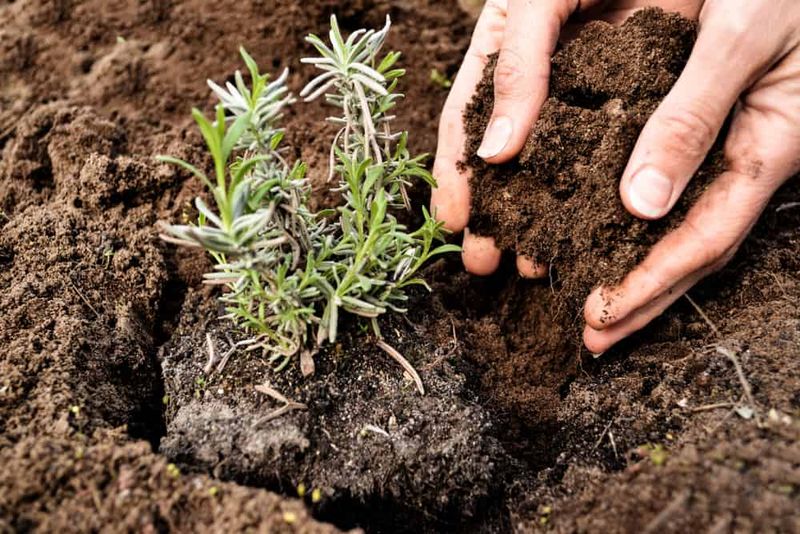
Soggy roots are lavender’s worst enemy. Pennsylvania springs can bring a lot of rain, and if your soil holds water, your lavender is going to struggle.
April is the right time to take a close look at your soil and make any adjustments before the plant gets deep into its growing season.
Walk over to your lavender bed after a good rain and check how the water behaves. If you notice puddles sitting around the base of your plants for more than a few minutes, that is a red flag.
Standing water around lavender roots can cause yellowing leaves and root rot, both of which are hard to fix once they get going.
Loosening compacted soil around your plants helps a lot. Use a hand fork or garden trowel to gently work the soil a few inches deep around the base.
Be careful not to disturb the roots too much. Just breaking up that hard surface layer can dramatically improve how water moves through the soil.
If your drainage is consistently poor, consider mixing coarse sand or fine gravel into the top layer of soil.
Lavender loves lean, gritty soil that mimics the rocky hillsides of its Mediterranean origins. Rich, heavy soil holds too much moisture and can actually slow the plant down.
Raised beds are a fantastic solution for Pennsylvania gardeners who deal with heavy clay soil. Elevating your lavender just a few inches above ground level gives roots the drainage they need to thrive.
Even a simple raised mound of amended soil can completely change how well your lavender performs through the wet spring months ahead.
4. Hold Back On Heavy Watering
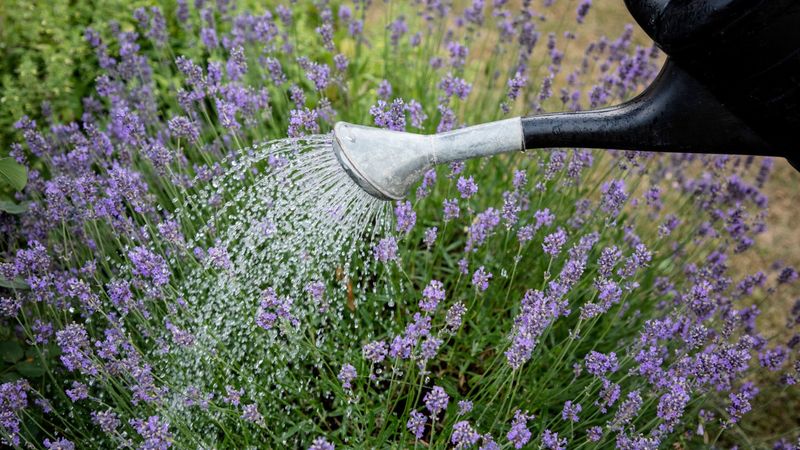
Here is something that surprises a lot of new lavender growers: overwatering is far more dangerous than underwatering, especially in April.
Pennsylvania gets a decent amount of spring rain, and in many cases, that natural rainfall is all your lavender needs during this time of year. Adding extra water on top of wet spring conditions can actually hurt your plants.
Lavender is a drought-tolerant plant by nature. It evolved in dry, rocky Mediterranean climates where water was scarce.
When you grow it in Pennsylvania, you are asking it to adapt to a much wetter environment. That means your job is to hold back, not add more water, when the soil is already moist from recent rain.
A good rule of thumb is to check the soil before you water. Stick your finger about two inches into the ground near the base of the plant.
If it feels even slightly damp, skip watering that day. Only water when the soil feels completely dry at that depth. In April, you may find that you barely need to water at all.
Watering in the morning is always the better choice if you do need to add moisture. Morning watering gives the soil and plant surface time to dry out before evening.
Wet foliage sitting overnight can encourage fungal problems, which are already more common during Pennsylvania’s humid spring season.
Container-grown lavender does dry out faster than in-ground plants, so keep a closer eye on pots. Even so, let the soil dry out between waterings.
A slightly thirsty lavender plant is almost always healthier than one sitting in waterlogged soil through a rainy Pennsylvania April.
5. Add A Small Boost But Do Not Over-Fertilize
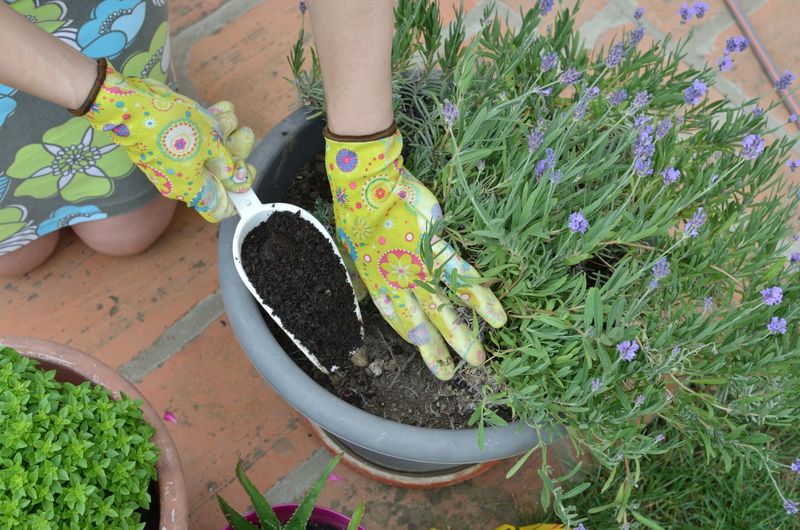
Lavender is not a hungry plant. In fact, feeding it too much is one of the most common mistakes gardeners make, especially in spring when the urge to help plants along feels strong.
Rich soil and heavy fertilizers can actually work against you, pushing the plant to grow lots of leafy stems with very few flowers.
If your soil is already decent, you might not need to fertilize at all this April. Lavender thrives in lean, slightly poor soil.
It does not need the kind of rich, nutrient-packed environment that vegetables or roses might require. Less really is more when it comes to feeding this plant.
That said, if your soil is very sandy or depleted from years of growing, a light boost can help. Look for a balanced, low-nitrogen fertilizer, something like a 5-10-10 formula, applied in a small amount around the base of the plant.
Avoid high-nitrogen options, which push leafy growth at the expense of blooms. Fewer flowers means less of that beautiful lavender fragrance your Pennsylvania garden deserves.
Compost can also work as a gentle soil amendment. A thin layer of finished compost mixed into the top inch of soil provides slow-release nutrients without overwhelming the plant.
Avoid piling compost directly against the stems, as that can trap moisture and cause rot at the base. Timing matters too. Early to mid-April is the sweet spot for any feeding you plan to do.
Fertilizing too late in spring can push soft new growth that is vulnerable to late frosts, which are still a real possibility in many parts of Pennsylvania during April and even early May.
6. Place Or Adjust For Maximum Sunlight
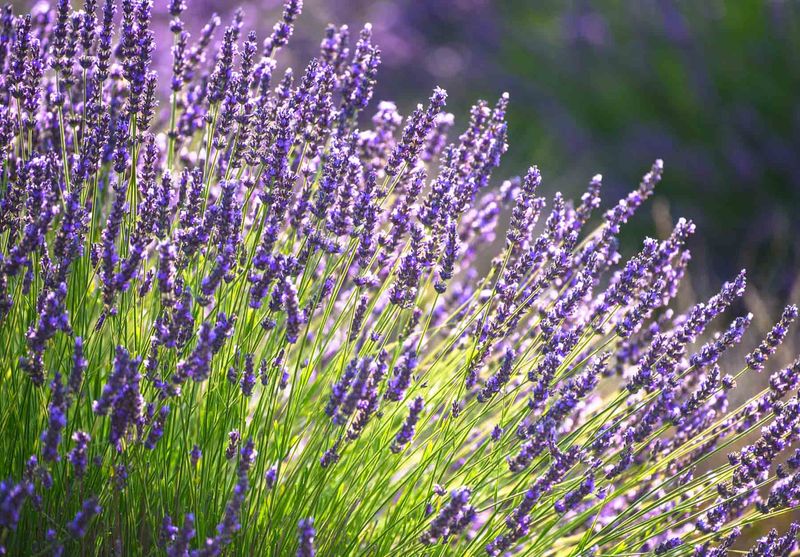
Sunlight is non-negotiable for lavender. This plant needs at least six to eight hours of direct sun every single day to grow well, bloom fully, and produce that signature fragrance.
If your lavender is not getting enough light, no amount of pruning or perfect soil will fully make up for it.
April is a great time to reassess where your lavender is planted or placed. As days get longer and the sun’s angle changes, spots in your Pennsylvania yard that were shady all winter might now receive more direct light.
Walk around your garden at different times of day and notice where the sun hits most consistently.
For container-grown lavender, repositioning is easy. Move your pot to the sunniest spot available, ideally a south-facing area with no large trees or structures blocking the afternoon sun.
Containers give you flexibility that in-ground plants do not, so take advantage of that by chasing the best light as the season shifts.
In-ground lavender that is struggling in a shady spot is trickier to deal with. If the plant is young, carefully transplanting it to a sunnier location in early April is possible.
Older, more established plants are harder to move without causing stress, so try trimming back any overhanging branches or shrubs that might be casting unwanted shade.
Did you know that more sun actually leads to stronger fragrance in lavender? The essential oils that give lavender its iconic scent are produced more abundantly when the plant gets intense, direct sunlight.
Pennsylvania summers can be warm and sunny, which is great news for lavender growers who get the placement right from the start this April.