9 Simple Care Tips For Healthy Winter Houseplants In Washington
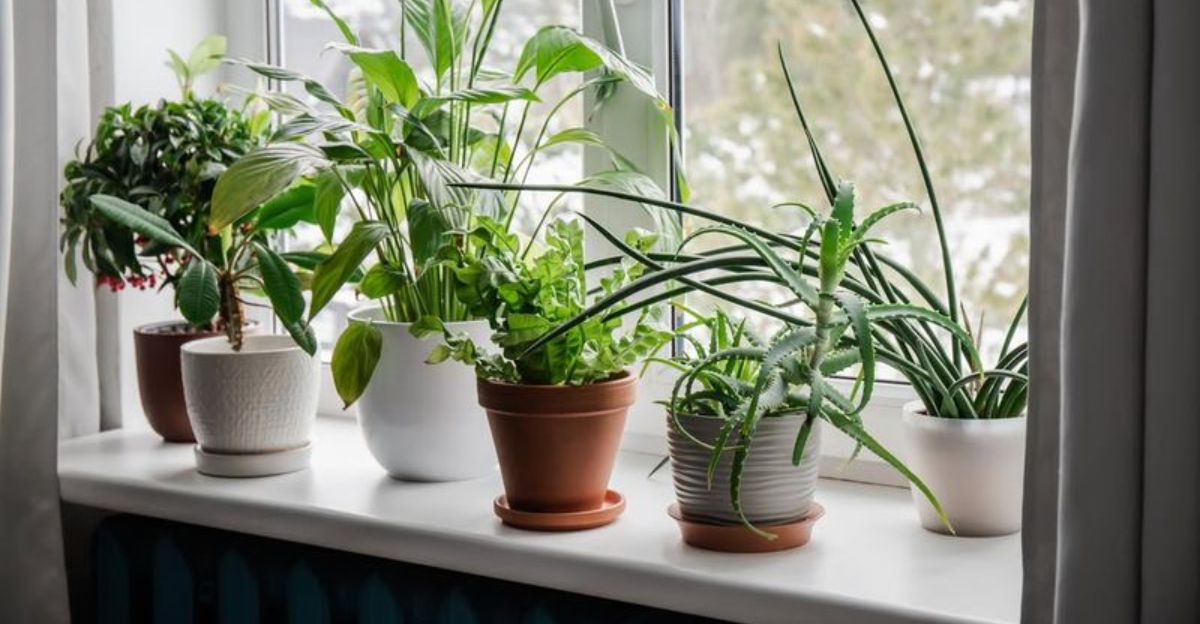
Winter can be tough on houseplants in Washington, especially when light fades and indoor air turns dry.
Small care habits make a noticeable difference during the colder months, helping plants stay steady instead of struggling.
These simple adjustments support healthy growth without adding stress or extra work to your routine.
Keeping winter houseplants in good shape comes down to paying attention before problems start.
1. Adjust Your Watering Schedule Carefully
Cooler temperatures and reduced sunlight mean your houseplants absorb water much more slowly than they do during warmer, brighter summer months everywhere.
Overwatering becomes a serious risk in Washington winters because soil stays damp longer, which can lead to root rot problems quickly.
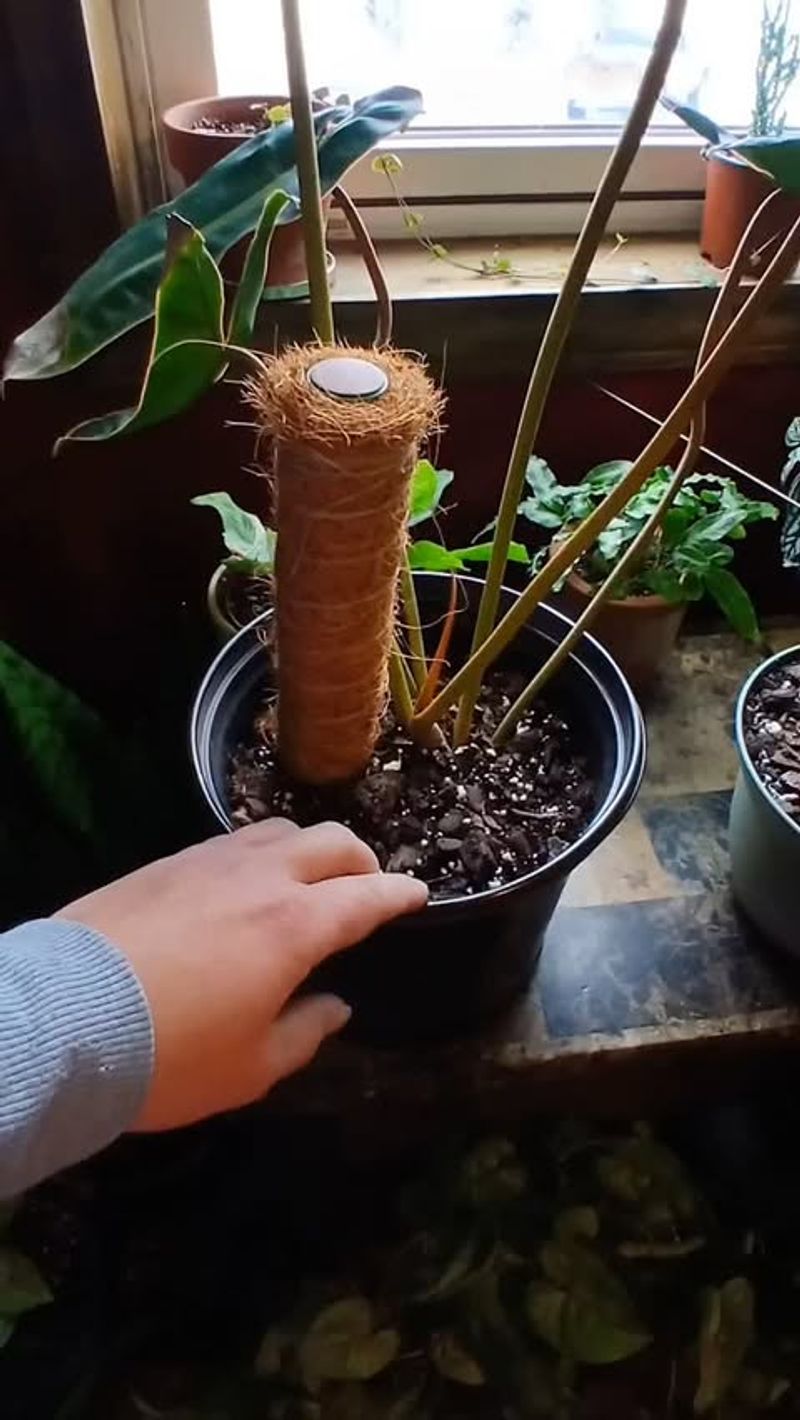
Check the top two inches of soil with your finger before adding any water to ensure it feels dry enough first.
Most indoor plants need watering only once every ten to fourteen days during winter, though this varies depending on plant type.
Succulents and cacti require even less frequent watering because they store moisture in their thick leaves and stems naturally over time.
Always use room-temperature water instead of cold tap water, which can shock sensitive roots and cause unnecessary stress to your plants.
Washington homes with central heating create dry indoor air, but soil moisture retention changes dramatically, so monitor your plants closely every week.
Proper watering habits keep roots healthy and prevent common winter problems that frustrate many indoor gardeners throughout the coldest season here.
2. Boost Humidity Levels Indoors
Heating systems running constantly in Washington homes strip moisture from the air, creating desert-like conditions that stress tropical houseplants significantly and quickly.
Low humidity causes brown leaf tips, crispy edges, and overall drooping appearances that make your once-vibrant plants look tired and unhealthy.
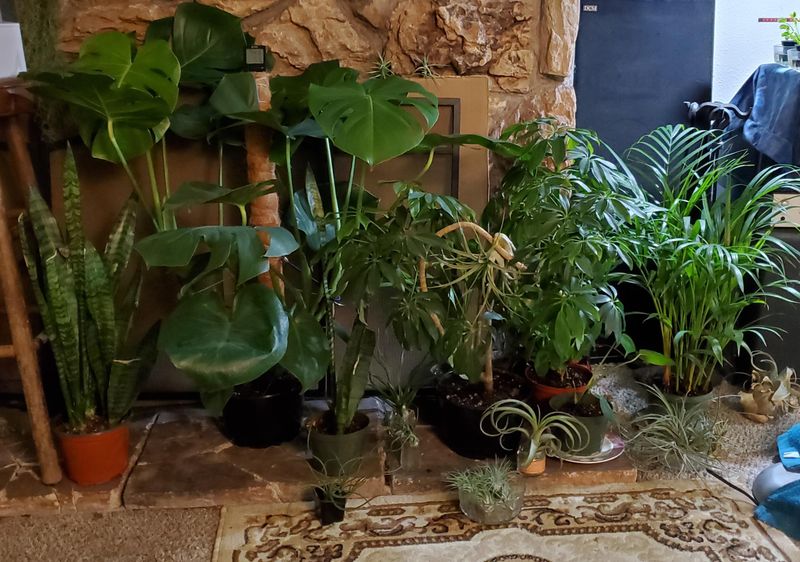
Grouping plants together creates a mini microclimate where they share moisture through transpiration, which naturally increases humidity levels around their leaves.
Placing shallow trays filled with water and pebbles beneath plant pots allows evaporation to add moisture back into the surrounding air continuously.
Misting leaves with a spray bottle provides temporary relief, though this method works best when done consistently every morning before noon arrives.
Humidifiers offer the most effective solution for maintaining stable humidity levels, especially in rooms where you keep multiple plants together year-round.
Bathrooms and kitchens naturally have higher moisture levels, making them ideal locations for humidity-loving ferns and tropical varieties during Washington winters.
Maintaining proper humidity prevents stress and keeps your houseplants looking lush, green, and beautiful throughout the entire cold season without extra effort.
3. Maximize Natural Light Exposure
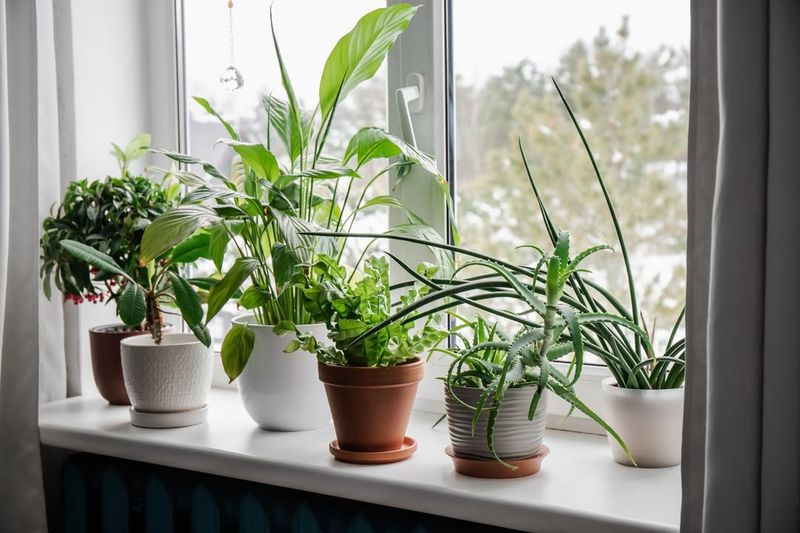
Shorter winter days in Washington mean your houseplants receive significantly fewer hours of sunlight, which slows their growth and reduces energy production dramatically.
Moving plants closer to south-facing windows helps them capture maximum available light during the limited daylight hours each day offers now.
Clean window glass regularly because dust and grime block precious sunlight that your plants desperately need to perform photosynthesis efficiently throughout winter.
Rotating plants every few days ensures all sides receive equal light exposure, preventing them from leaning awkwardly toward the window permanently.
Light-colored walls and mirrors reflect natural sunlight back onto your plants, effectively doubling the brightness they receive without requiring any electrical equipment.
Avoid placing plants too close to cold windows where drafts and temperature drops can damage leaves and slow growth even further unnecessarily.
Consider using sheer curtains to diffuse harsh winter sun while still allowing adequate light to reach your plants throughout the day consistently.
Supplementing with grow lights becomes necessary for plants in darker corners or rooms with limited window access during Washington’s cloudy winter months.
4. Reduce Fertilizer Applications Significantly

Houseplants enter a dormant or semi-dormant phase during winter months, meaning their growth slows dramatically and nutrient needs decrease substantially across all varieties.
Fertilizing too much during this resting period can burn roots and damage plants because they cannot absorb or use excess nutrients efficiently.
Most indoor plants require little to no fertilizer from November through February while they conserve energy and focus on survival instead.
If you notice new growth on certain plants in your Washington home, you can apply diluted fertilizer at half strength monthly.
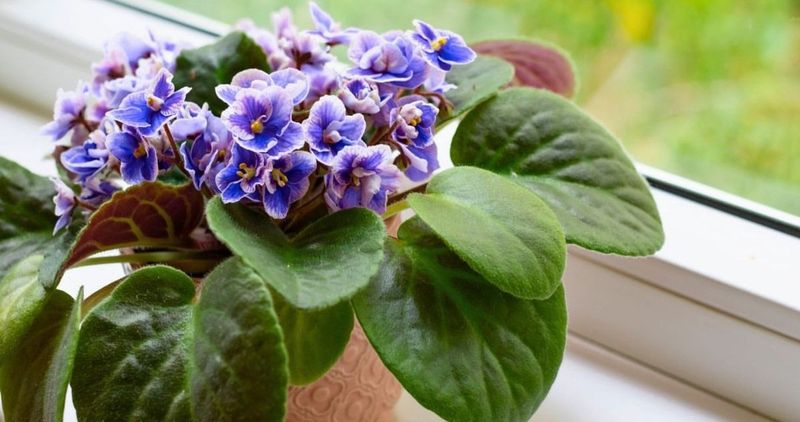
Flowering plants like African violets or orchids may need occasional light feeding to support blooms, but always follow package directions carefully first.
Organic fertilizers release nutrients slowly and gently, making them safer choices for winter feeding if you decide your plants truly need it.
Overfertilizing causes salt buildup in soil, which appears as white crusty deposits on pot rims and soil surfaces over time gradually.
Waiting until spring arrives to resume regular fertilizing schedules allows plants to wake naturally and use nutrients effectively when growth resumes strongly.
5. Protect Plants From Temperature Fluctuations
Sudden temperature changes stress houseplants severely, causing leaf drop, wilting, and other visible signs of distress that weaken them over time unnecessarily.
Keep plants away from heating vents, radiators, and fireplaces where hot, dry air blasts directly onto leaves and dries them out rapidly.
Cold drafts from doors, windows, and poorly insulated walls can chill plants quickly, especially during Washington’s freezing nights when temperatures drop significantly outside.
Most tropical houseplants prefer consistent temperatures between sixty-five and seventy-five degrees Fahrenheit throughout the day and night for optimal health always.
Avoid placing plants near exterior doors that open frequently, allowing cold air to rush in and shock sensitive foliage with every entrance.
Moving plants away from windows at night prevents them from touching cold glass, which can cause localized damage to leaves overnight easily.
Using insulated curtains or blinds creates a buffer between plants and cold windows, maintaining more stable temperatures in the immediate growing area effectively.
Monitoring your home’s temperature zones helps you identify safe spots where plants can thrive comfortably throughout Washington’s unpredictable winter weather patterns reliably.
6. Prune Away Dead Or Damaged Growth
Removing yellowed leaves, brown tips, and damaged stems helps your houseplants conserve energy and focus resources on healthy growth throughout winter months effectively.
Dead foliage attracts pests and can harbor fungal diseases that spread quickly in the warm, dry conditions inside Washington homes during cold seasons.
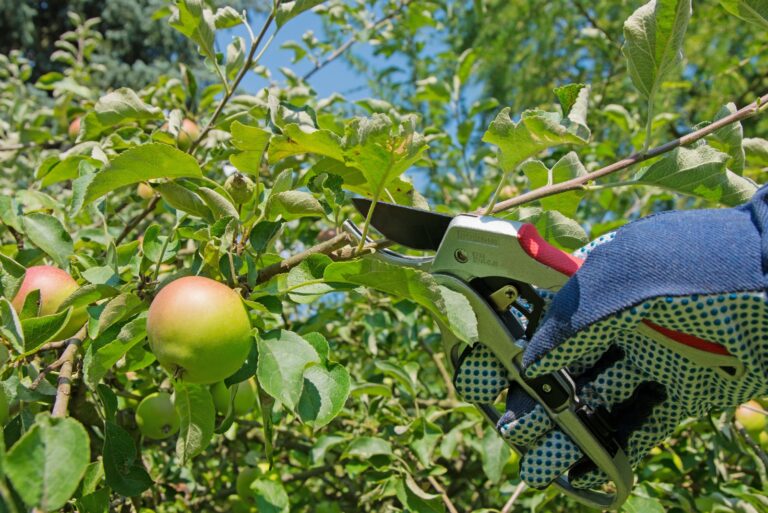
Use clean, sharp scissors or pruning shears to make precise cuts, preventing torn edges that invite infections and slow healing processes significantly.
Cut damaged leaves at their base where they connect to the main stem, leaving no stubs that can rot and cause problems later.
Leggy growth that developed during darker winter months can be trimmed back to encourage bushier, more compact plant shapes once spring arrives soon.
Avoid heavy pruning during winter because plants lack the energy to recover quickly, but light maintenance keeps them tidy and healthy always.
Sterilize your cutting tools with rubbing alcohol between plants to prevent accidentally spreading diseases from one pot to another during pruning sessions.
Regular inspection and gentle pruning keep your Washington houseplants looking their best while preventing minor issues from becoming major problems over time.
7. Watch For Common Winter Pests
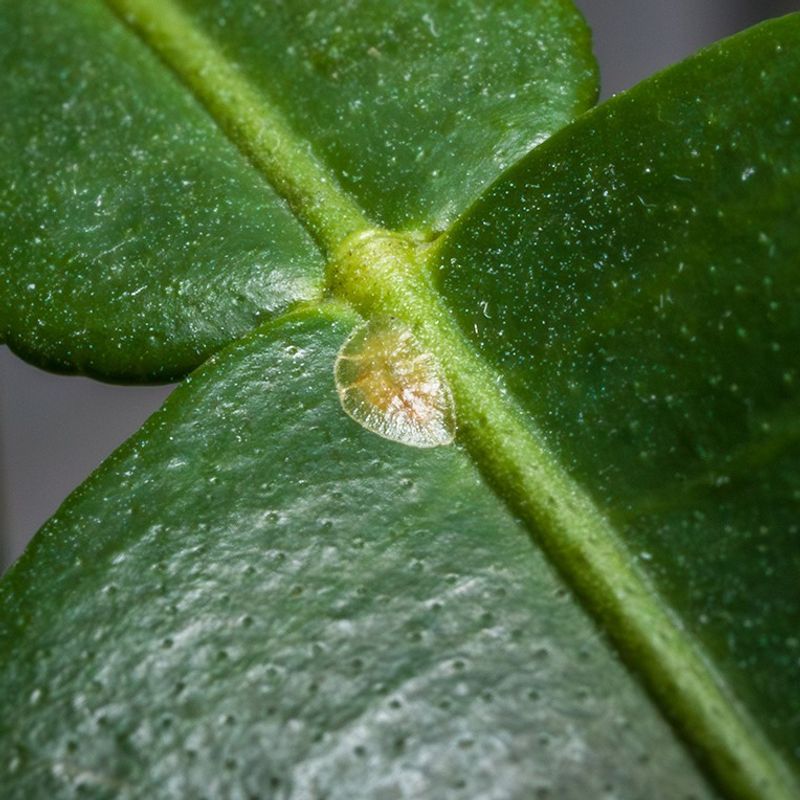
Indoor environments in Washington during winter create perfect conditions for pests like spider mites, mealybugs, and fungus gnats to thrive and multiply rapidly.
Spider mites love dry air and appear as tiny specks on leaf undersides, creating fine webbing that damages plant tissues over time.
Mealybugs look like small white cotton clusters on stems and leaves, sucking plant juices and weakening growth gradually with each passing day.
Fungus gnats breed in moist soil and appear as tiny flying insects around pots, though they rarely cause serious damage to established plants.
Inspecting plants weekly helps you catch pest problems early before infestations spread throughout your entire indoor garden collection quickly and uncontrollably.
Wiping leaves gently with damp cloths removes dust and pests while improving the plant’s ability to absorb light efficiently during short winter days.
Insecticidal soap or neem oil spray provides safe, effective treatment for most common houseplant pests without harsh chemicals that harm beneficial insects outside.
Quarantining new plants for two weeks before introducing them to your collection prevents bringing pests into your Washington home accidentally from stores.
8. Avoid Repotting During Winter Months
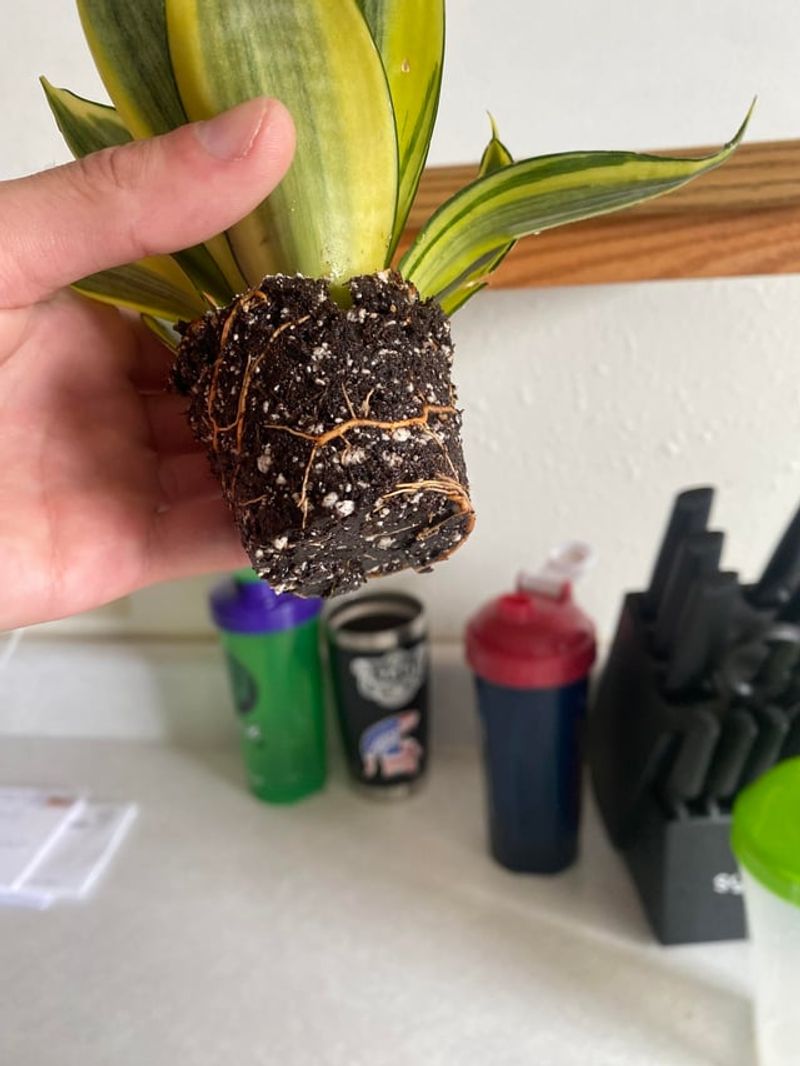
Repotting stresses plants significantly because it disturbs their root systems, and winter is the worst time for this activity when growth slows naturally.
Plants need energy to establish roots in fresh soil, and they simply lack sufficient resources during Washington’s dark, cold winter months unfortunately.
Wait until early spring when daylight increases and temperatures warm up, signaling plants to resume active growth and root development naturally again.
Emergency repotting becomes necessary only if you notice severe root rot or if a pot breaks unexpectedly, requiring immediate action regardless.
If you must repot during winter, choose a container only slightly larger than the current one to minimize root disturbance and stress.
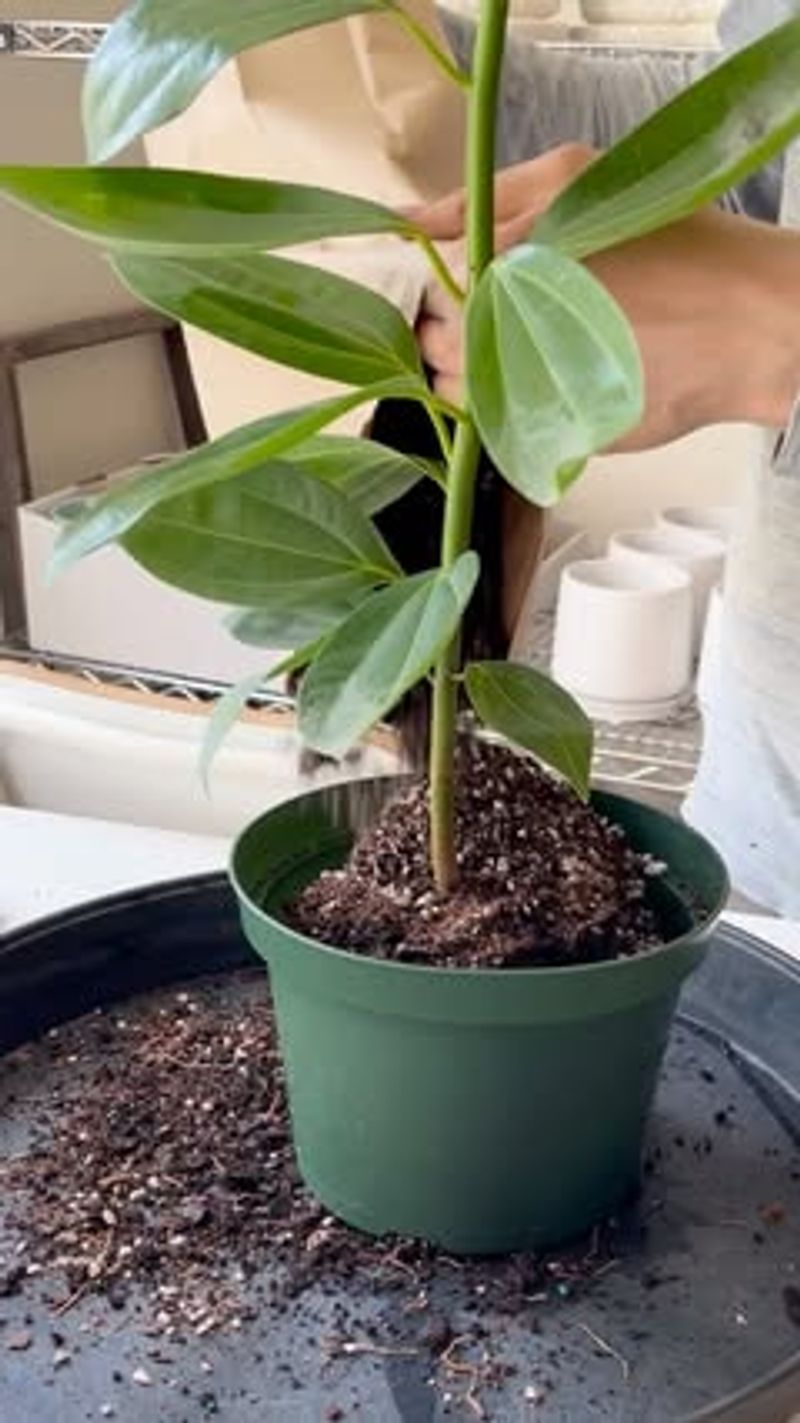
Use high-quality potting mix appropriate for your plant type, and water lightly after repotting to help soil settle around roots gently.
Keep newly repotted plants in stable conditions away from temperature extremes and drafts while they adjust to their new containers slowly over time.
Most Washington houseplants appreciate repotting every two to three years, but timing this task correctly ensures success and prevents unnecessary setbacks always.
9. Monitor Soil Quality Regularly
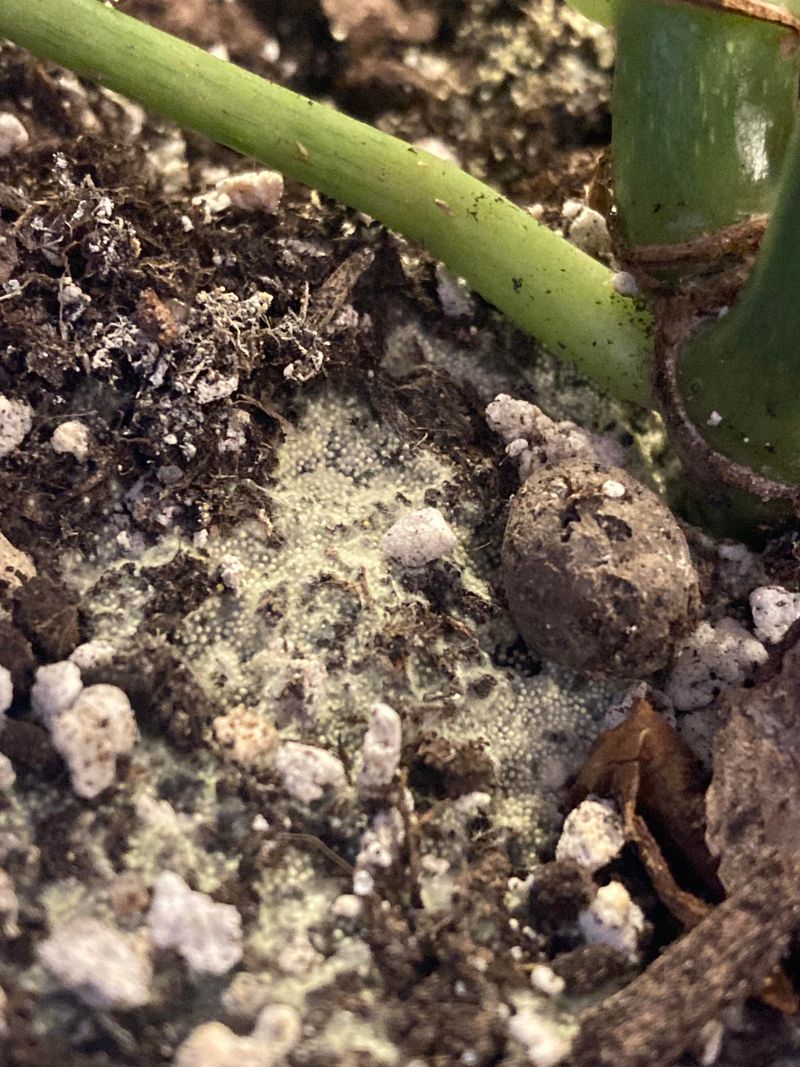
Soil health directly affects your houseplants’ ability to absorb water, nutrients, and oxygen, making regular monitoring essential throughout Washington’s challenging winter season.
Compacted soil prevents proper drainage and air circulation around roots, leading to anaerobic conditions that harm plant health gradually over several weeks.
Gently loosening the top inch of soil with a fork improves aeration without disturbing roots, helping water penetrate evenly throughout the container.
Salt buildup from hard water or fertilizer accumulation appears as white crusty deposits on soil surfaces and pot rims over extended periods.
Flushing pots with room-temperature water occasionally helps remove excess salts, though this should be done sparingly during winter to avoid overwatering.
Soil that smells sour or musty indicates poor drainage or root problems that require immediate attention before conditions worsen significantly and permanently.
Adding a layer of pebbles or activated charcoal at the bottom of pots improves drainage and prevents water from pooling around roots dangerously.
Healthy soil feels slightly moist, crumbles easily, and smells earthy, providing the perfect foundation for thriving houseplants throughout Washington’s entire winter season successfully.