10 Simple Care Tips For Thriving Winter Houseplants In Colorado
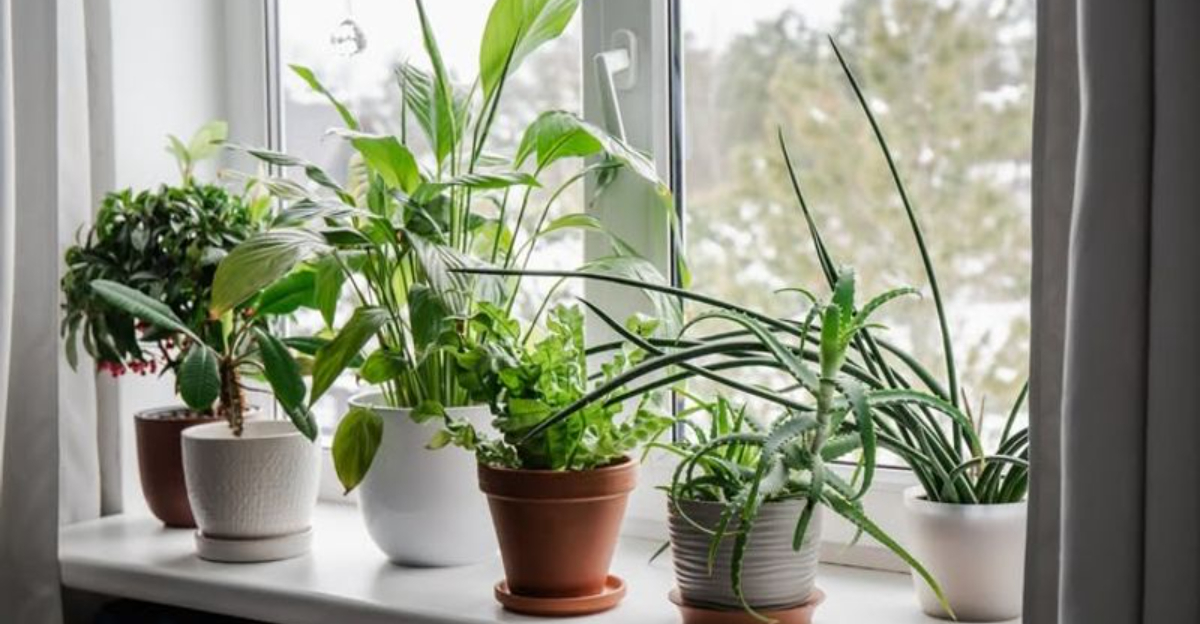
Winter in Colorado can feel long and gray, and houseplants become more than decoration, they are a touch of life and color when the world outside turns cold and quiet.
Even the hardiest plants can struggle indoors during the winter months.
Dry air from heaters, shorter days, and limited sunlight create a challenge for keeping leaves green and growth steady.
Simple care can make all the difference, turning struggling plants into thriving companions.
Many winter houseplants respond well to consistent attention.
Adjusting water levels, keeping leaves dust-free, and finding spots with gentle light help plants maintain health and vibrancy.
Occasional trimming and rotating plants to catch light evenly ensures they grow strong and balanced.
Houseplants also benefit from a little humidity, whether through a tray of water, grouping plants together, or a careful misting routine.
Colorado homeowners who tend to indoor plants during winter find that small, regular actions pay off in spades.
Healthy plants not only brighten rooms but also lift moods and create a sense of calm and vitality when the weather outside feels harsh.
With thoughtful care, winter houseplants become resilient, beautiful additions to any Colorado home.
1. Boost Humidity Levels With Simple Methods
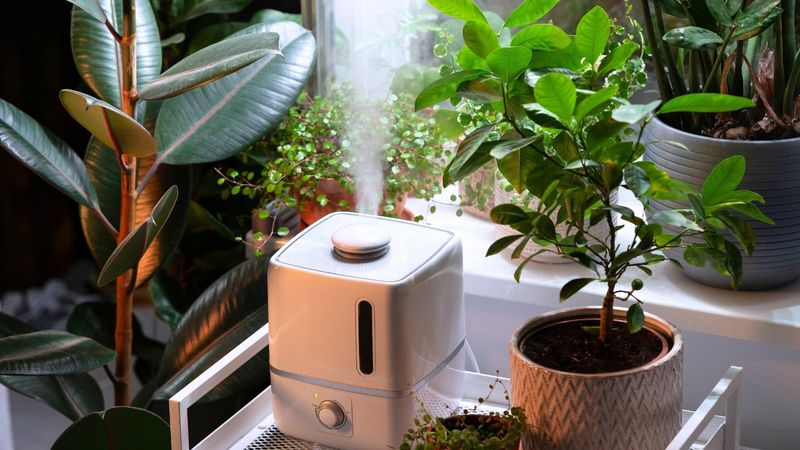
Colorado’s winter air becomes incredibly dry, especially when furnaces run constantly inside homes.
Your houseplants, which often come from tropical or subtropical environments, suffer when humidity drops below their comfort zone.
Most common houseplants prefer humidity levels between 40 and 60 percent, but Colorado homes often drop to 15 or 20 percent during winter.
Grouping plants together creates a mini microclimate where they share moisture through transpiration.
Placing shallow trays filled with pebbles and water beneath your pots provides constant evaporation without waterlogging roots.
Small humidifiers work wonders in rooms where you keep several plants, and they benefit your skin and sinuses too.
Misting leaves occasionally helps, though it’s not as effective as other methods and needs to be done frequently.
Bathrooms and kitchens naturally have higher humidity from showers and cooking, making them excellent locations for moisture-loving plants.
Brown leaf tips and edges often signal that your plants need more humidity in their environment.
Investing in an inexpensive hygrometer helps you monitor humidity levels and adjust your approach accordingly.
These simple strategies make a huge difference in how your plants handle Colorado’s harsh winter dryness.
2. Adjust Your Watering Schedule Carefully
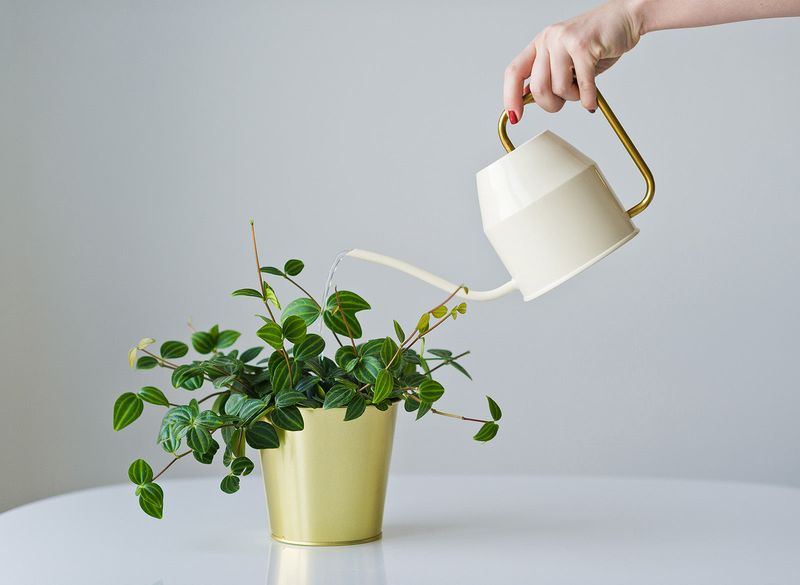
Many plant owners make the mistake of keeping the same watering routine year-round, but winter changes everything.
Plants grow much slower or enter dormancy when daylight decreases and temperatures drop, meaning they need far less water.
Overwatering becomes the biggest threat during Colorado winters because soil stays wet longer and roots can rot.
Check the soil moisture by sticking your finger about two inches deep before adding any water.
If the soil feels damp or cool, wait a few more days before watering again.
Different plants have different needs, so research your specific varieties to understand their winter requirements.
Succulents and cacti might need water only once a month, while tropical plants may still want weekly drinks.
Using room-temperature water prevents shocking your plants’ roots with icy cold liquid straight from the tap.
Pay attention to your pots and make sure they have proper drainage holes so excess water can escape.
Yellowing leaves and mushy stems often indicate too much water, while crispy brown leaves suggest not enough.
Adjusting your watering habits based on what your plants actually need keeps them healthy throughout Colorado’s long winter season.
3. Maximize Natural Light Exposure Daily
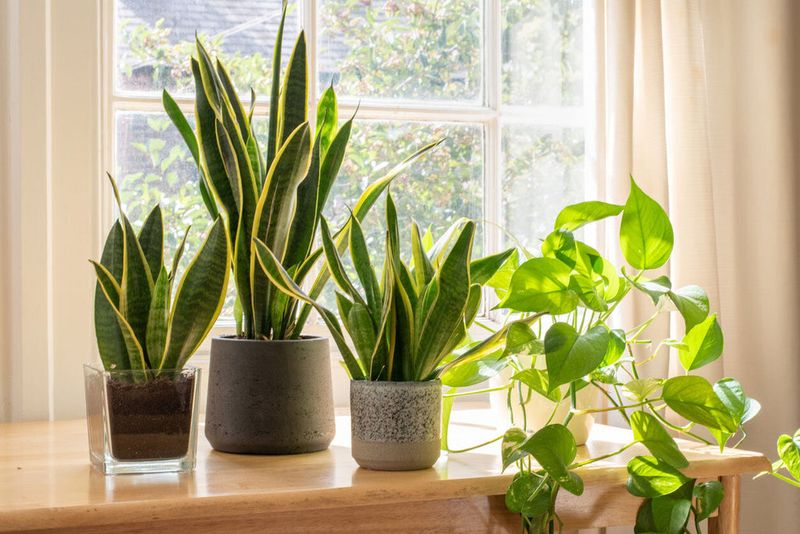
Shorter days and lower sun angles during Colorado winters mean your plants receive significantly less light than in summer.
Light is essential for photosynthesis, the process plants use to create energy and grow.
Without adequate light, plants become leggy, pale, and weak as they stretch desperately toward any available brightness.
South-facing windows provide the strongest light during winter months, making them prime real estate for your light-hungry plants.
East and west windows offer moderate light, while north-facing windows provide the dimmest conditions.
Rotating your plants every week or two ensures all sides receive equal light exposure and grow evenly.
Cleaning dust off leaves regularly improves their ability to absorb available light efficiently.
Moving plants closer to windows during winter compensates for the reduced light intensity and shorter days.
Watch for signs of light stress like leaf drop, slow growth, or stems that lean heavily toward the window.
Some plants might need to switch locations compared to where they lived during summer months.
In Colorado’s bright winter sunshine, even indirect light through windows can be quite strong and beneficial for most houseplants.
4. Consider Supplemental Grow Lights Wisely
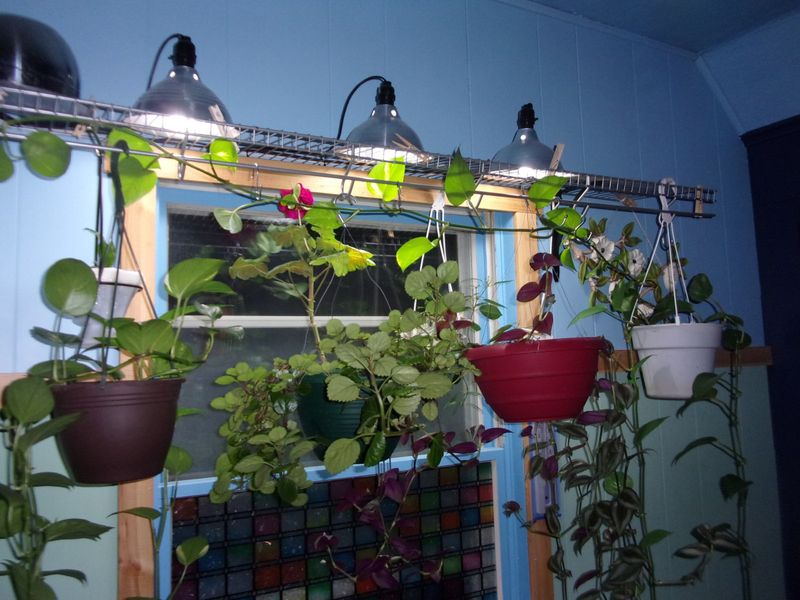
When natural light isn’t enough, grow lights offer an excellent solution for keeping plants healthy through winter.
Modern LED grow lights are affordable, energy-efficient, and produce minimal heat compared to older fluorescent options.
Plants need both blue and red light wavelengths, with blue promoting leafy growth and red encouraging flowering.
Full-spectrum grow lights mimic natural sunlight and work well for most houseplant varieties.
Position lights about 6 to 12 inches above your plants, adjusting based on the light intensity and plant needs.
Most houseplants benefit from 12 to 16 hours of light daily, so using a timer ensures consistency without remembering to switch them on and off.
Grow lights are especially helpful for plants in darker rooms or basements where natural light barely reaches.
In Colorado homes, combining natural window light with supplemental grow lights creates ideal conditions during the darkest winter months.
Watch your plants for signs they’re getting too much or too little light and adjust the distance or duration accordingly.
Even inexpensive clip-on grow lights can make a significant difference for small collections or individual plants.
This investment pays off when you see your plants maintaining their lush, vibrant appearance all winter long.
5. Maintain Consistent Temperature Ranges Indoors
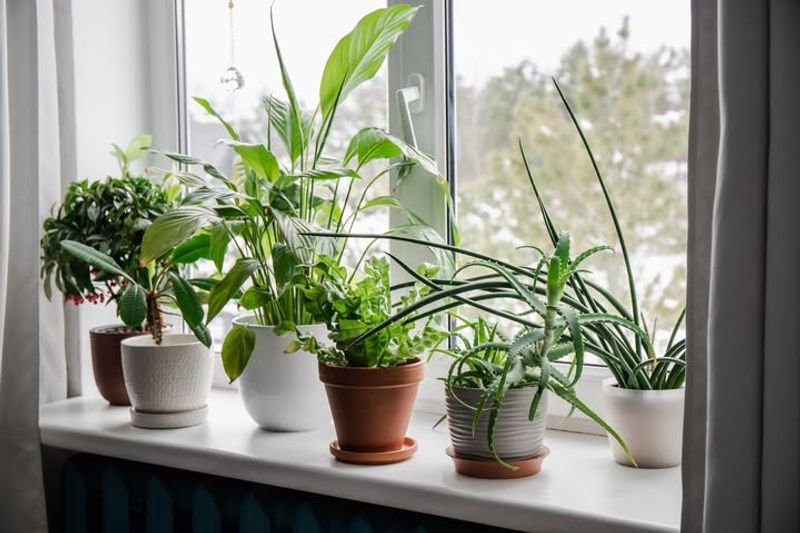
Temperature fluctuations stress houseplants just as much as they stress people during Colorado’s unpredictable winter weather.
Most tropical houseplants prefer temperatures between 65 and 75 degrees Fahrenheit during the day.
Nighttime temperatures can drop slightly, but sudden changes or drafts cause leaves to drop and growth to stall.
Keep plants away from heating vents where hot, dry air blasts directly onto leaves and quickly dries out soil.
Windows can be tricky because they offer great light but also create cold spots, especially during frigid Colorado nights.
Pulling curtains closed at night or moving plants a few inches away from glass prevents cold damage.
Doorways that open frequently expose plants to blasts of freezing outdoor air, so choose locations wisely.
Basements might seem like good spots but often get too cold unless heated properly.
Using a thermometer near your plants helps you understand the actual temperature they experience, which might differ from your thermostat reading.
Cold-damaged leaves often turn black or mushy, while heat stress causes wilting and brown, crispy edges.
Creating a stable temperature environment helps your plants maintain their metabolic processes and stay healthy throughout Colorado’s winter season.
6. Reduce Fertilizing During Dormant Months
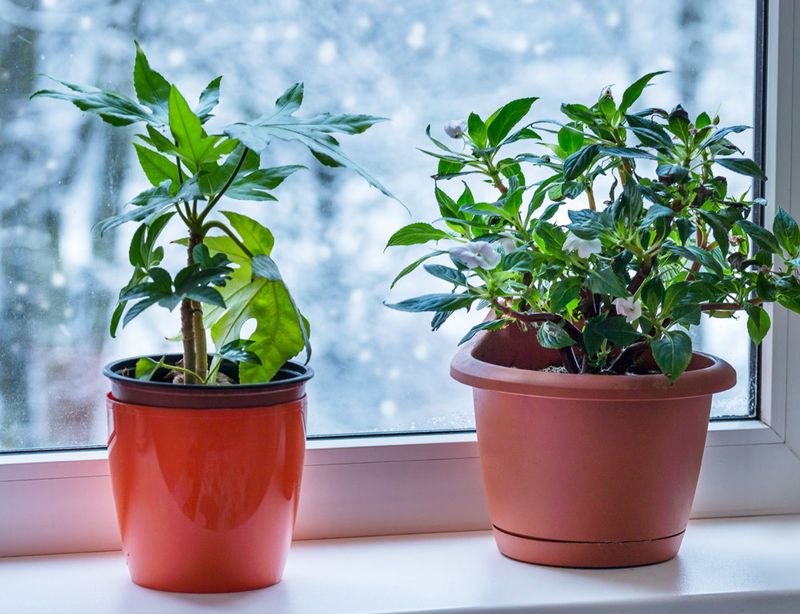
Fertilizer provides nutrients that fuel plant growth, but most houseplants don’t grow much during winter months.
Continuing your summer fertilizing schedule can actually harm plants by causing salt buildup in the soil.
Excess fertilizer salts create brown leaf tips and edges, and they can damage sensitive roots over time.
Most houseplants enter a rest period when light levels drop and temperatures cool, even indoors.
During this dormancy, they simply don’t need or use as many nutrients as they do during active growing seasons.
Cutting back to fertilizing once a month or stopping completely until spring gives plants the break they naturally need.
If you do fertilize during Colorado winters, dilute your fertilizer to half or quarter strength.
Always water plants thoroughly before adding fertilizer to prevent root burn from concentrated nutrients.
Some plants, like Christmas cacti or amaryllis, actually bloom in winter and benefit from light feeding during their active period.
Research your specific plant varieties to understand their individual growth cycles and fertilizing needs.
When spring arrives and you notice new growth starting, that’s your signal to gradually resume your regular fertilizing routine for the growing season ahead.
7. Protect Plants From Cold Window Drafts
Windows provide essential light but can also be sources of dangerous cold air that damages tender houseplants.
Even well-sealed windows lose heat and create cold zones, especially during Colorado’s below-zero winter nights.
Leaves touching cold glass can develop brown spots or become damaged from the temperature extreme.
Older homes with single-pane windows or drafty frames pose the biggest risk to plants positioned too close.
Moving plants back from the glass by just a few inches creates an insulating air buffer.
Placing a sheer curtain between plants and windows at night provides extra protection without blocking daytime light.
Window sills might seem like perfect plant shelves, but they’re actually the coldest spots in most rooms.
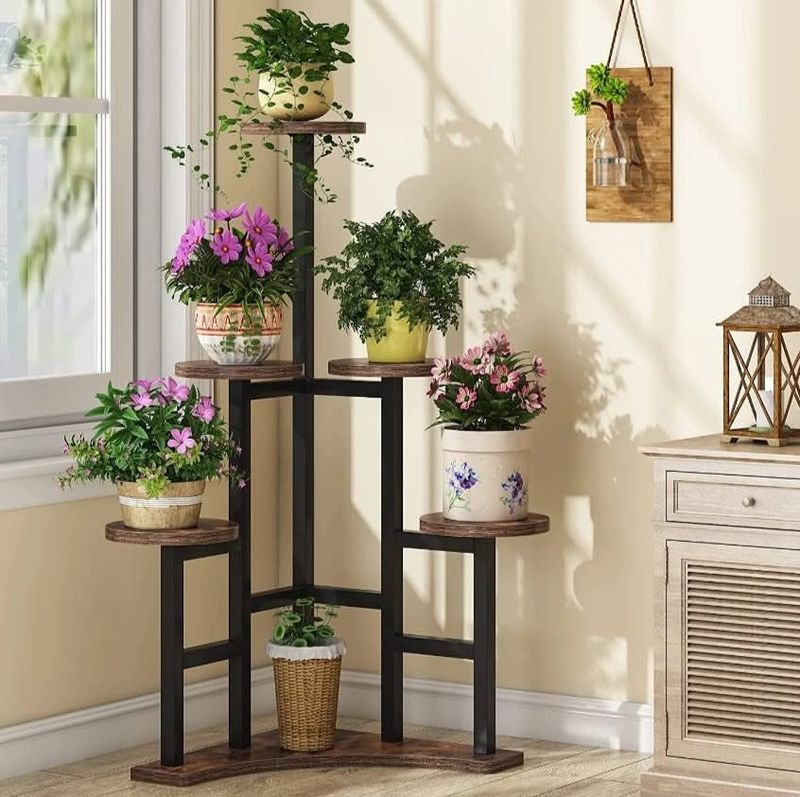
Using plant stands or tables near windows instead of sills keeps roots warmer and safer.
Cold damage often appears as darkened, water-soaked spots on leaves that eventually turn brown and papery.
Testing the temperature near your windows with a thermometer reveals whether that spot is truly safe for plants.
In Colorado, where winter temperatures can plummet dramatically at night, taking these precautions prevents heartbreaking damage to your beloved houseplants and keeps them thriving until spring returns.
8. Keep Leaves Clean And Dust-Free Always
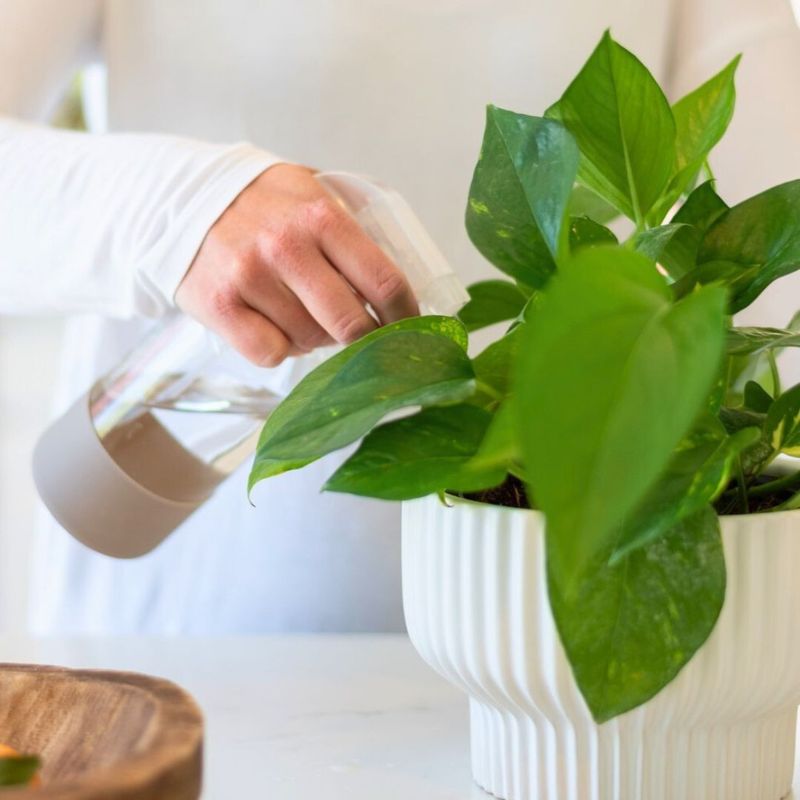
Dust accumulates quickly on houseplant leaves during winter when windows stay closed and furnaces circulate air constantly.
That layer of dust blocks light from reaching the leaf surface, reducing the plant’s ability to photosynthesize effectively.
Dust also clogs the tiny pores called stomata that plants use to breathe and exchange gases.
Cleaning leaves improves their appearance and helps them function better, especially during low-light winter months.
For plants with large, smooth leaves, gently wiping them with a damp cloth works perfectly.
Smaller-leaved plants benefit from a gentle shower in the sink or bathtub using lukewarm water.
Let plants drain thoroughly before returning them to their spots to avoid water sitting in saucers.
Fuzzy-leaved plants like African violets shouldn’t get wet, so use a soft brush to dust them instead.
Cleaning leaves once a month keeps plants healthy and looking their best throughout Colorado’s long winter.
This simple task also gives you a chance to inspect plants closely for pests or problems.
Clean leaves reflect more light around your room, brightening your space during those short, dark winter days when everyone needs a little extra cheer and greenery.
9. Monitor Closely For Common Winter Pests
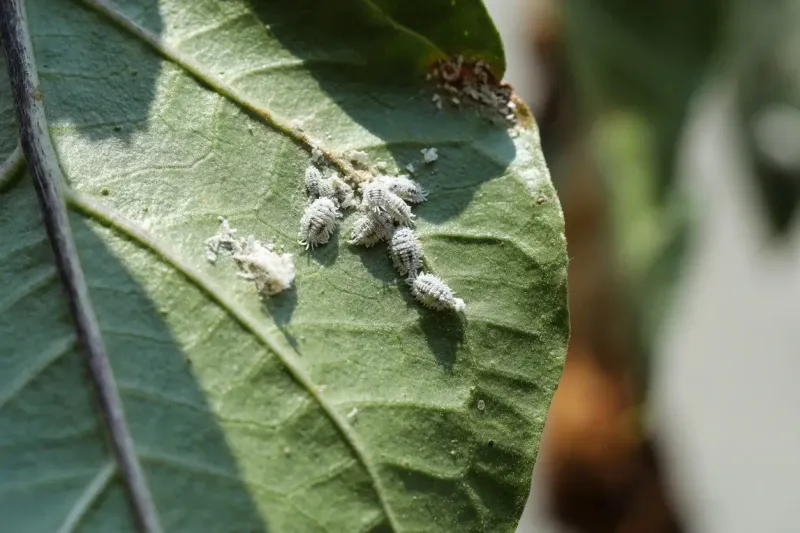
Spider mites, mealybugs, and scale insects love the warm, dry conditions inside Colorado homes during winter.
These tiny pests reproduce quickly and can spread from one plant to an entire collection before you notice them.
Low humidity and stressed plants make perfect conditions for pest populations to explode.
Spider mites create fine webbing on leaves and cause stippled, yellowing foliage that looks unhealthy.
Mealybugs appear as white, cottony clusters in leaf joints and along stems.
Scale insects look like small brown bumps stuck to stems and leaves, and they’re surprisingly hard to spot.
Checking your plants weekly helps you catch infestations early when they’re easiest to control.
Look under leaves, along stems, and in leaf crevices where pests like to hide.
Isolating any infested plants immediately prevents pests from spreading to healthy neighbors.
Wiping leaves with soapy water or using insecticidal soap controls most common houseplant pests safely.
Increasing humidity and keeping plants healthy makes them less attractive to pests in the first place.
Staying vigilant during winter months protects your collection and keeps your Colorado indoor garden thriving and pest-free all season long.
10. Avoid Repotting Until Spring Arrives Again
Repotting stresses plants by disturbing their roots and requiring them to adjust to new soil conditions.
During winter dormancy, plants lack the energy and active growth needed to recover quickly from this disruption.
Roots grow slowly or not at all when light levels drop and temperatures cool, even indoors.
Disturbing dormant roots can lead to rot problems because plants can’t quickly grow new roots to replace damaged ones.
Fresh potting soil holds more moisture than old, compacted soil, increasing the risk of overwatering dormant plants.
Unless your plant faces an emergency like severe root rot or a broken pot, waiting until spring is always better.
Spring brings longer days and stronger light that triggers new growth, giving plants the energy to recover from repotting.
Colorado’s dry winter air already stresses houseplants enough without adding the trauma of repotting to their challenges.
If you absolutely must repot during winter, be extremely careful with watering afterward and keep the plant in a warm, bright location.
Making a note of which plants need repotting in spring helps you remember when the time is right.
Patience pays off with healthier, happier plants that bounce back quickly and reward you with vigorous growth once growing season returns.