7 Simple Changes That Bring More Pollinators Into Arizona Gardens
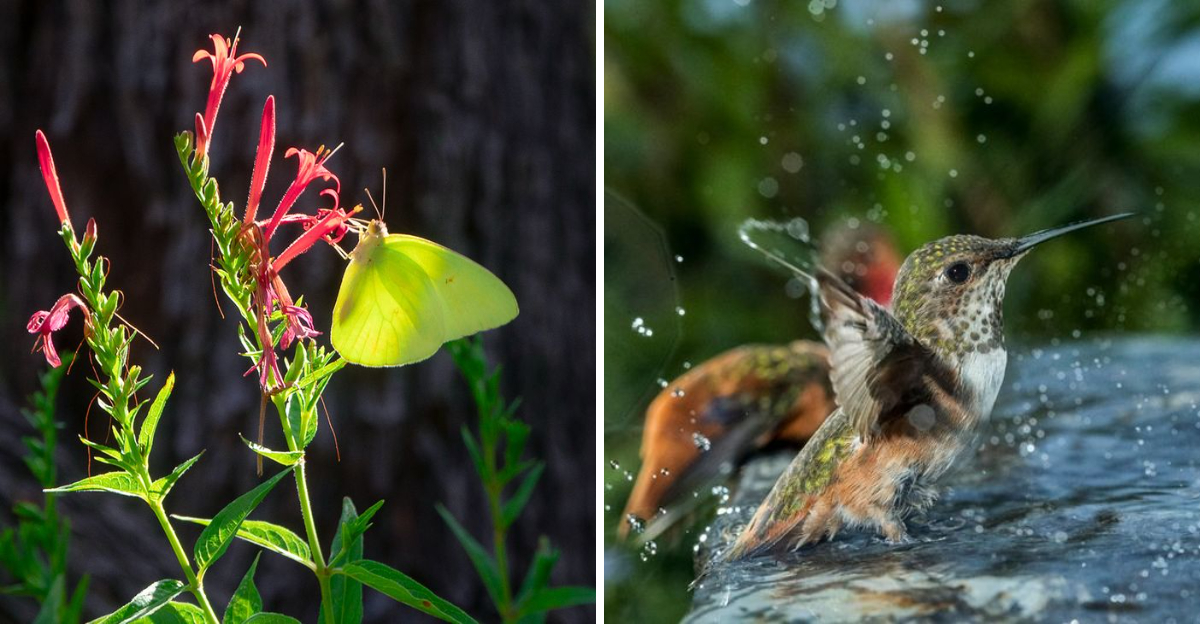
Arizona gardens can look full of color and still feel a bit empty until pollinators begin to show up more often and stay.
That shift is easy to notice because the space starts to carry movement and energy that was not there before, even though nothing major has changed at first glance.
Some yards reach that point naturally, while others stay quiet despite having plenty planted. The difference usually comes down to a few simple adjustments that make the space more inviting without turning it into a full project.
As those small changes begin to work together, more bees, butterflies, and hummingbirds start returning on a regular basis, and the garden takes on a more active and balanced feel that continues building as the season moves forward.
1. Start With One Container That Combines Multiple Nectar-Rich Plants
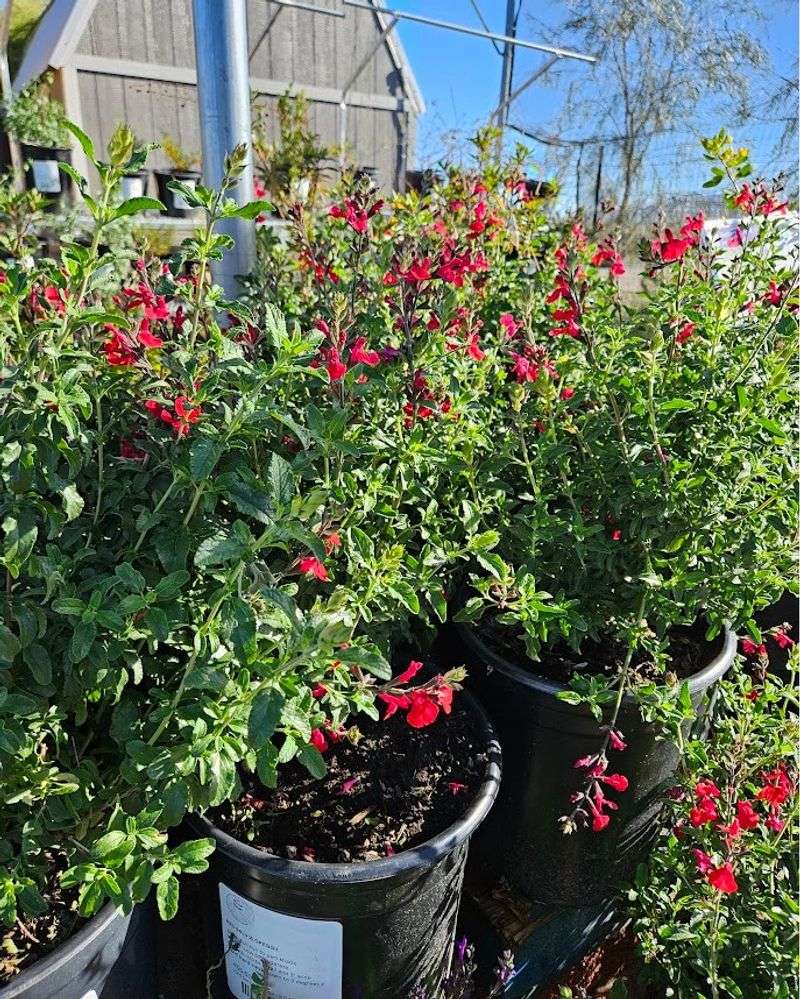
Grab one good-sized container, some quality potting mix, and three or four different nectar-rich plants, and you already have the foundation of a real pollinator hotspot.
Starting with a single container keeps things manageable, especially if you are new to gardening in Arizona’s climate.
You are not trying to overhaul your entire yard right away.
Plants like Desert Marigold, Autumn Sage, and Globe Mallow are excellent choices for Arizona containers. Each one produces flowers that bees and butterflies actively seek out.
Mixing them together in one pot means pollinators get a variety of nectar sources without having to travel far.
Spacing matters even in containers. Give each plant enough room to fill out without crowding its neighbors.
Cramped roots lead to stressed plants that produce fewer blooms, which means fewer visitors showing up to feed.
Place your container somewhere it gets at least six hours of direct sun. Arizona sun is intense, so morning light with some afternoon shade can actually work well for many nectar plants, especially during the hottest months in Phoenix or Tucson.
Watch how the light moves across your space before committing to a permanent spot.
Watering deeply but less frequently encourages stronger root systems. A drip tray underneath the container helps retain moisture without waterlogging the roots.
Once your container is thriving, pollinators will find it faster than you might expect, sometimes within just a few days of the first flowers opening.
2. Mixing Flower Heights Helps Create A More Visible Feeding Spot
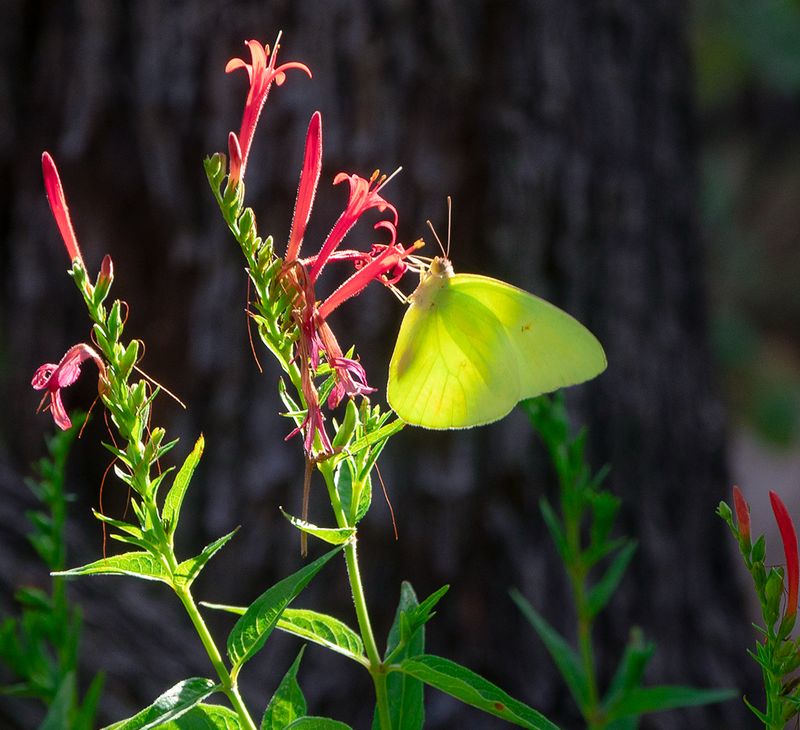
Height variety in a pollinator garden is not just about looks. Different pollinators feed at different levels, and giving them options at multiple heights means more species will stop and stay longer.
A flat arrangement of same-height plants misses a big opportunity.
Tall plants like Desert Willow or Blue Salvia draw attention from a distance and act almost like a signal tower for butterflies and hummingbirds flying overhead.
Mid-height plants like Globe Mallow and Penstemon fill in the middle zone where many native bees prefer to forage.
Low-growing plants like Desert Marigold create a carpet of blooms that ground-level insects navigate through easily.
Arranging taller plants toward the back or center of a container, with shorter ones at the edges, also improves airflow. Better airflow means less chance of fungal issues during Arizona’s monsoon season, which can be surprisingly humid in late summer.
In a yard in Tucson or Scottsdale, this kind of layered planting mimics what pollinators encounter in natural desert landscapes. Familiar structure puts them at ease and encourages longer feeding visits.
It also makes your garden visually interesting to anyone looking at it from the street or a window.
Changing up heights does not require a large space. Even a half-barrel container can hold a tall centerpiece plant, a couple of mid-height companions, and a low trailing plant along the rim.
Structure and variety together turn a simple pot into a productive feeding station that pollinators return to consistently.
3. Bright Colors Naturally Draw Pollinators From A Distance
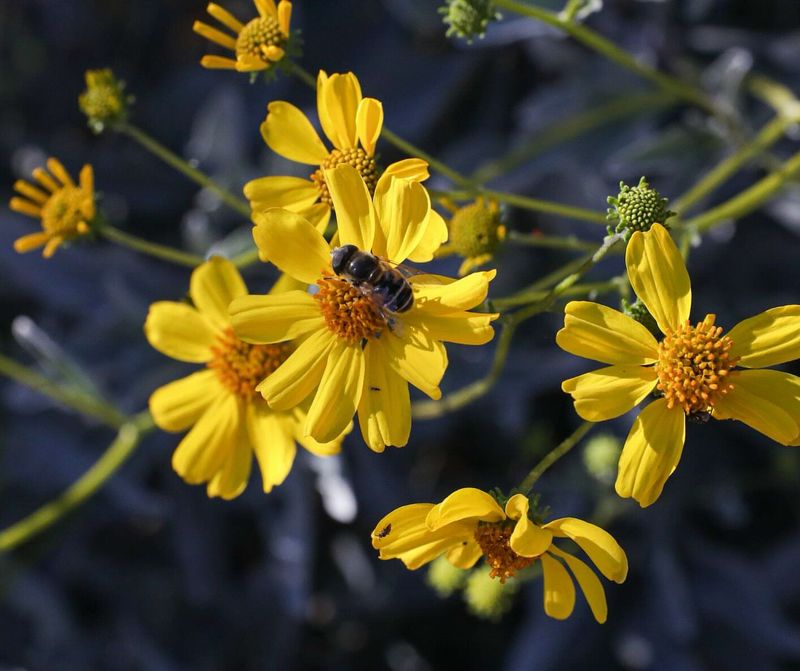
Color is one of the first things pollinators respond to from a distance, and Arizona’s native plants happen to come in some seriously vivid shades. Orange Globe Mallow, bright yellow Desert Marigold, and deep purple Salvia are not just pretty choices.
They are practically billboards for hungry bees and butterflies passing through.
Bees are especially attracted to blue, purple, and yellow. Hummingbirds lean heavily toward red and orange.
Planting a mix of these colors means your Arizona garden appeals to a wider range of pollinators at the same time, which increases how active and lively your garden feels throughout the day.
Avoid grouping too many different colors in a way that looks chaotic. Planting clusters of the same color together, even just three to five plants of one type, creates a stronger visual signal than scattering single plants randomly.
Pollinators spot concentrated patches of color more easily than isolated blooms.
White flowers should not be overlooked either. Many moth species that pollinate at dusk are strongly attracted to white blooms.
Adding a few white-flowering plants like Sacred Datura or White Prairie Clover extends your garden’s activity into the evening hours, which is something most gardeners in Phoenix or Mesa never think about.
Keeping spent blooms deadheaded encourages plants to push out fresh flowers faster. Fresh blooms are brighter and produce more nectar than older ones.
A little regular maintenance keeps the color signal strong throughout the growing season and gives pollinators a reason to keep returning to your garden.
4. Grouping Blooms Together Makes Nectar Easier To Find
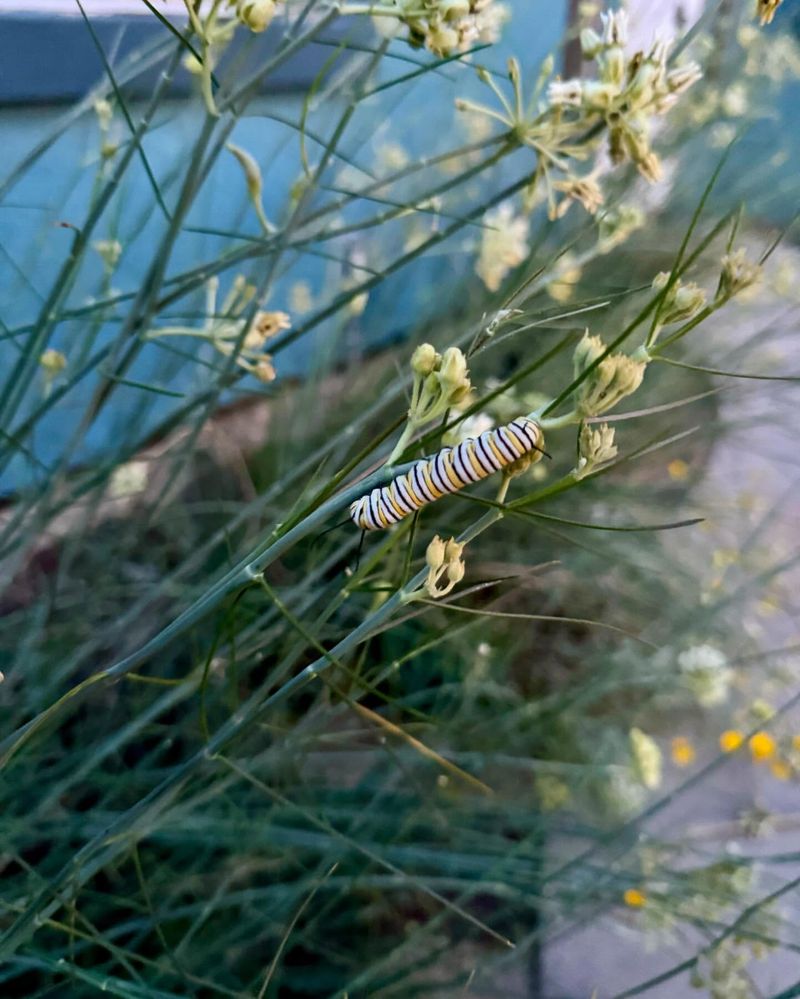
Scattered single plants make pollinators work harder than they need to. When blooms are grouped together in clusters, foraging becomes efficient and pollinators spend more time feeding rather than searching.
Efficiency matters to a bee that needs to visit hundreds of flowers in a single day.
Planting in odd-numbered groups, like three or five of the same species together, creates a natural-looking mass that reads as a single large food source from above.
Monarch butterflies navigating through central Arizona can spot a dense patch of Desert Milkweed far more easily than a lone plant tucked between other species.
Grouping also helps with cross-pollination within the same species. Plants that receive visits from pollinators moving between closely spaced flowers of the same type tend to set seed more successfully.
A healthier seed set means a more robust plant the following season, which is a real bonus in Arizona’s demanding climate.
You do not need a large yard to pull this off. Even a narrow side yard or a section of a front porch can hold a grouped planting of three Autumn Sage plants or a small cluster of Penstemon.
Tight groupings in small spaces often outperform scattered plants spread across a large area in terms of pollinator traffic.
Raised beds work especially well for grouping because you control the soil, drainage, and spacing precisely. In Tucson and other parts of southern Arizona, raised beds also protect root systems from hard caliche layers that can limit plant growth in the ground.
A well-grouped raised bed can become one of the busiest pollinator spots on your block.
5. Consistent Bloom Cycles Keep Pollinators Coming Back
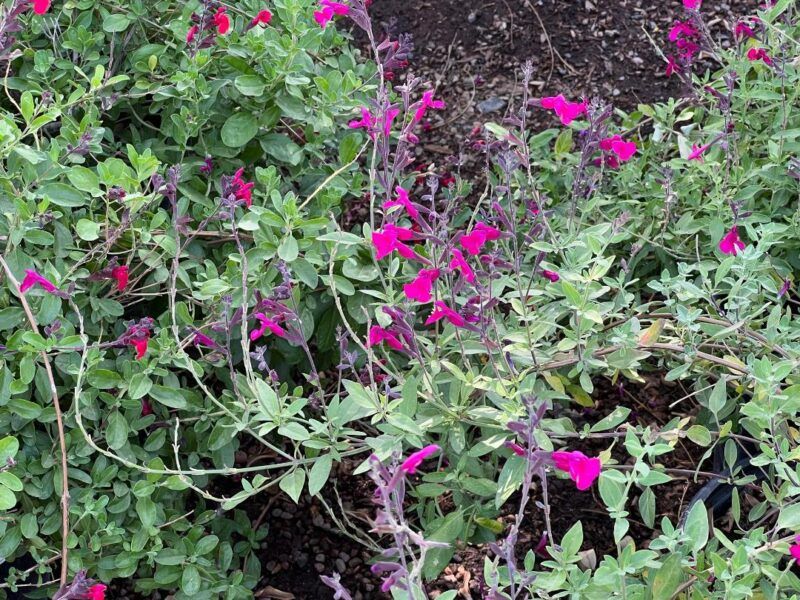
A garden that only blooms for six weeks in spring and then goes quiet is not doing much for Arizona’s pollinators. Keeping something in flower across as many months as possible is what separates a casual planting from a genuinely productive pollinator habitat.
Planning for continuous bloom takes a little thought upfront but pays off all year.
Spring in Arizona brings Desert Marigold and Penstemon into full swing. Summer monsoon season wakes up Desert Willow and Globe Mallow.
Fall is when Autumn Sage and some native asters really hit their stride. Pairing plants from each of these windows means your garden is rarely without open flowers.
Winter is not a dead period in Arizona the way it is in northern states. Mild winters in Phoenix, Scottsdale, and Tucson allow cool-season plants like Blackfoot Daisy to keep blooming well into January and February.
Native bees and overwintering butterflies still need food sources during these months, even if activity slows down compared to summer.
Writing out a simple bloom calendar for your chosen plants before you buy anything saves a lot of frustration later. Line up your selections by bloom time and look for gaps.
If nothing flowers in your plan from October through December, swap in a plant that does. Filling those gaps is the difference between a garden pollinators visit occasionally and one they depend on regularly.
Staggered bloom cycles also keep your garden visually interesting for you throughout the year. Watching one plant fade as another takes over is one of the most satisfying parts of growing a pollinator-focused Arizona garden.
6. Simple Layout Choices Turn A Small Setup Into A Busy Stop
Layout does more work than most people realize. Where you place plants, water sources, and open soil patches directly affects how many pollinators stop, how long they stay, and whether they come back.
A little planning before you plant saves a lot of rearranging later.
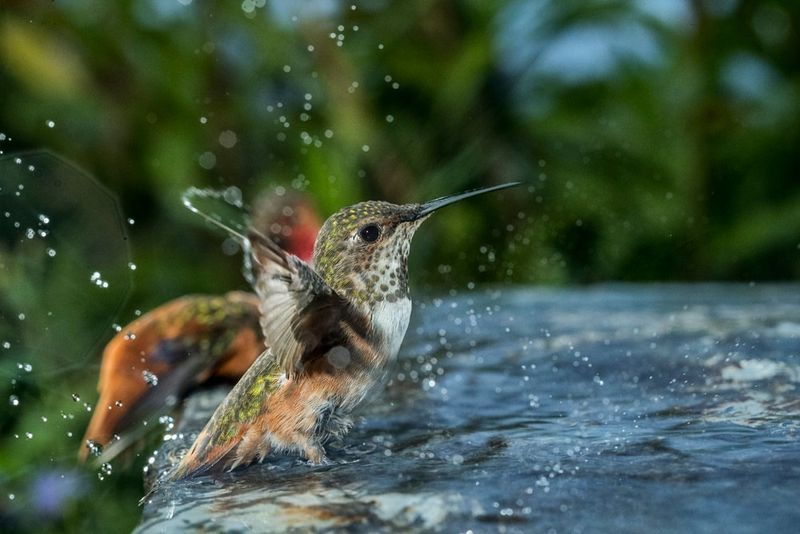
Placing a shallow water dish or birdbath with pebbles near your planting is one of the most effective additions you can make. Arizona heat is relentless in summer, and pollinators need water just as much as nectar.
A small dish refilled every couple of days can dramatically increase the number of visitors your garden receives during July and August in particular.
Leaving a small patch of bare, undisturbed soil somewhere in or near your garden supports ground-nesting bees. About 70 percent of native bee species in Arizona nest underground rather than in hives.
A bare patch as small as a square foot gives them a place to set up a nest close to your food source, which means repeat visitors all season long.
Avoid covering every inch of ground with mulch. Heavy mulch layers block ground-nesting access and can trap too much moisture in Arizona’s clay-heavy soils.
A light layer around plants is fine, but leave gaps near the base of your planting area intentionally.
Keep the layout simple and avoid trying to cram in too many different elements at once. A focused setup with plants, water, and bare soil beats a cluttered space every time.
Pollinators respond to clear, accessible resources, not to gardens that require a map to navigate.
7. Even A Single Well-Planted Container Can Support Pollinators
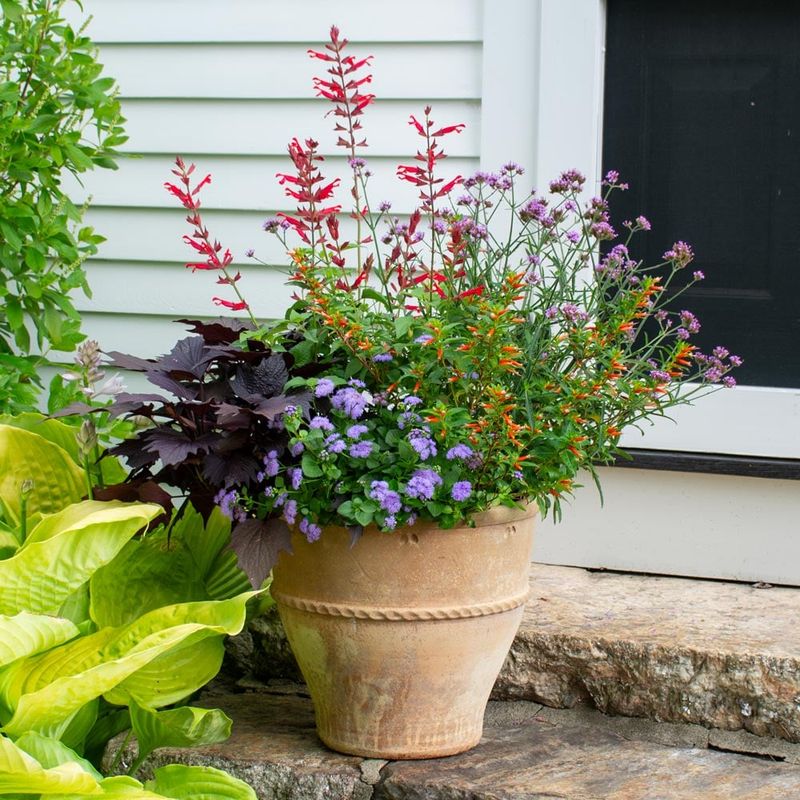
Not everyone has a yard to work with, and that is completely fine. A single container planted thoughtfully can do real work for Arizona’s pollinators, whether it sits on a balcony in downtown Phoenix or on a small patio in a Tucson suburb.
Size of space is not the limiting factor. Plant selection is.
Choosing plants that produce a lot of flowers over a long period is the key to making one container count. Autumn Sage is a standout choice because it blooms for months and hummingbirds are almost magnetically drawn to its red tubular flowers.
Pair it with a compact salvia and one low-growing desert marigold, and you have a multi-species buffet in a single pot.
Container plants in Arizona need more frequent watering than in-ground plants because pots heat up quickly and dry out faster.
A self-watering container insert can take some of that pressure off and keep roots consistently moist without sitting in standing water.
Fertilizing lightly every few weeks during the active growing season keeps container plants producing blooms at a strong pace. Too much fertilizer pushes leafy growth at the expense of flowers, so less is genuinely more here.
A bloom-boosting formula with higher phosphorus works well for most Arizona pollinator plants in containers.
Pollinators do not require a grand garden to show up. A healthy, flowering container set in a sunny spot is enough to become a regular stop for native bees and butterflies moving through your neighborhood.
One good pot is always better than no pot at all.