9 Simple Garden Improvements To Make Before Spring In New Jersey
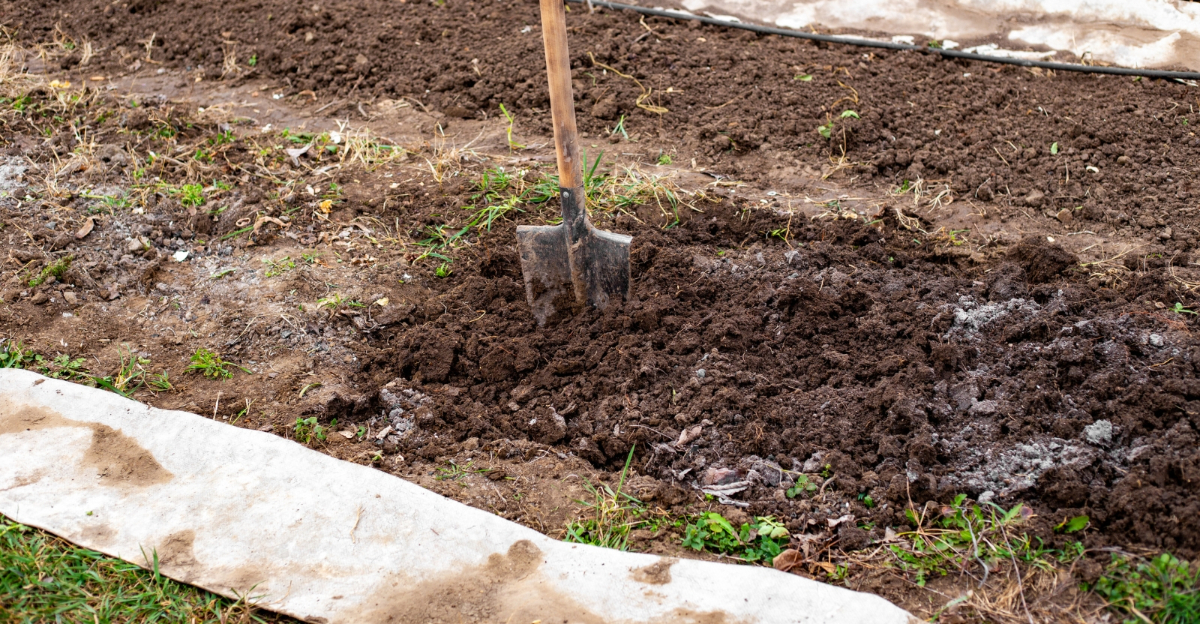
As winter loosens its grip in New Jersey, gardens start hinting at what they could become with just a little attention.
This in-between season is perfect for small improvements that don’t demand much effort but quietly set everything up for better growth.
Gardeners who focus on simple upgrades now often find spring feels smoother, less rushed, and far more rewarding.
A few thoughtful changes before the season shifts can completely change how a New Jersey garden looks and performs in the months ahead.
1. Test Your Soil Quality
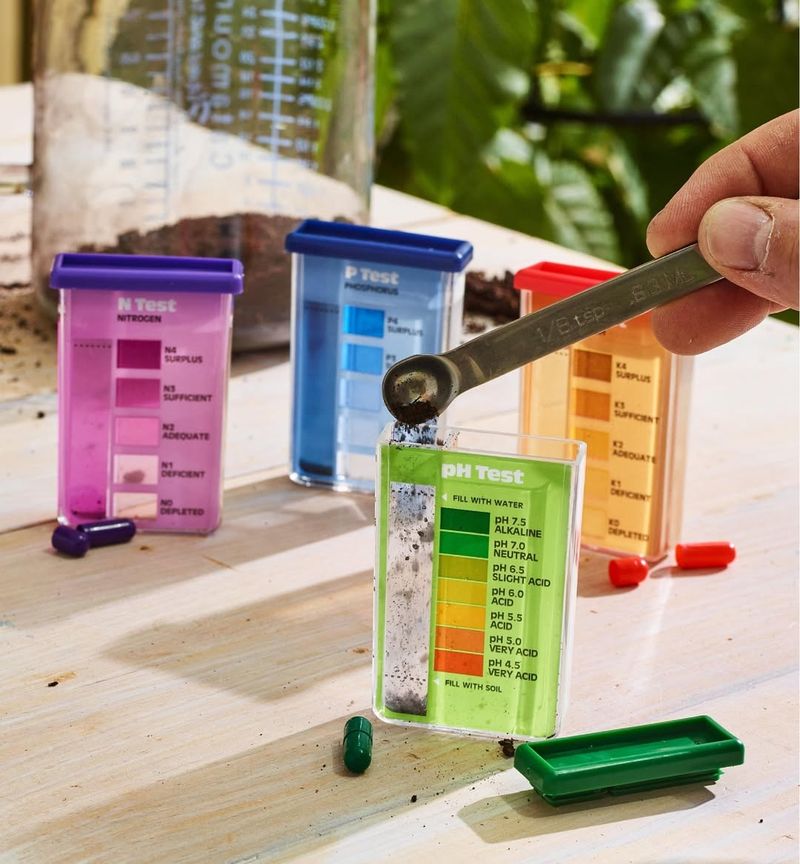
Healthy plants depend on nutrient-rich soil, and testing reveals exactly what your garden needs before you start planting anything in the ground.
New Jersey soil varies widely across regions, so knowing your pH levels and nutrient content helps you make informed decisions about amendments.
Purchase an inexpensive testing kit from a local garden center or send samples to a county extension office for detailed analysis results.
Most vegetables thrive in slightly acidic to neutral soil, while some flowers prefer different conditions that testing can quickly reveal to you.
Adding lime raises pH levels if soil is too acidic, while sulfur lowers it when readings show alkaline conditions are present.
Organic matter like compost improves soil structure regardless of pH, creating better drainage and helping roots establish themselves more effectively.
Testing now gives you time to adjust soil chemistry gradually before spring planting begins across New Jersey gardens in earnest soon.
Early testing also prevents over-fertilizing later, saving money and protecting New Jersey gardens from nutrient imbalances that can harm plants and nearby waterways.
2. Prune Dormant Trees and Shrubs
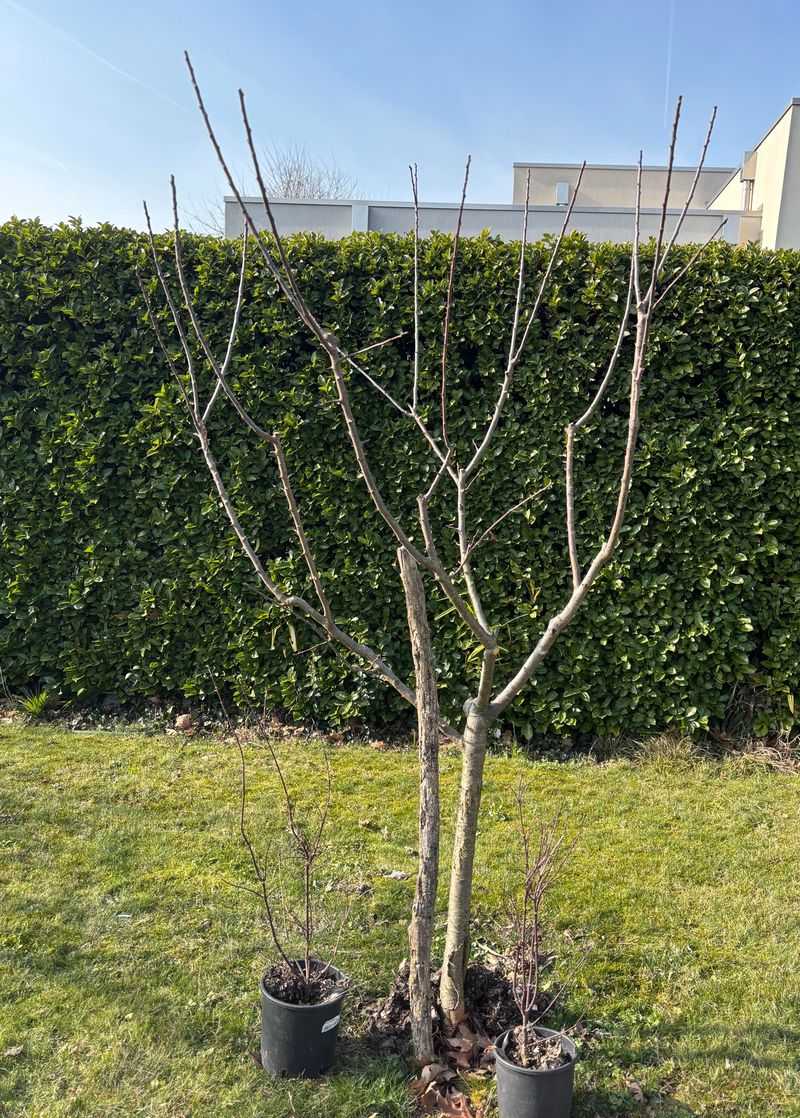
Late winter offers the ideal moment to prune because trees and shrubs are dormant, making it easier to see their structure clearly.
Removing dead, damaged, or crossing branches improves air circulation and reduces disease risks when growing season arrives in your New Jersey yard.
Clean cuts heal faster during dormancy, and plants redirect energy toward healthy growth once temperatures warm up in coming months.
Use sharp, clean tools to make angled cuts just above outward-facing buds, encouraging branches to grow away from the center properly.
Avoid pruning spring-blooming shrubs like lilacs or forsythias now, as they set buds in fall and you’ll sacrifice flowers unnecessarily.
Focus instead on summer-blooming varieties and fruit trees that benefit from shaping before sap starts flowing through their systems.
Proper pruning strengthens plants and creates attractive shapes that enhance your landscape’s overall appearance throughout the entire New Jersey growing season ahead.
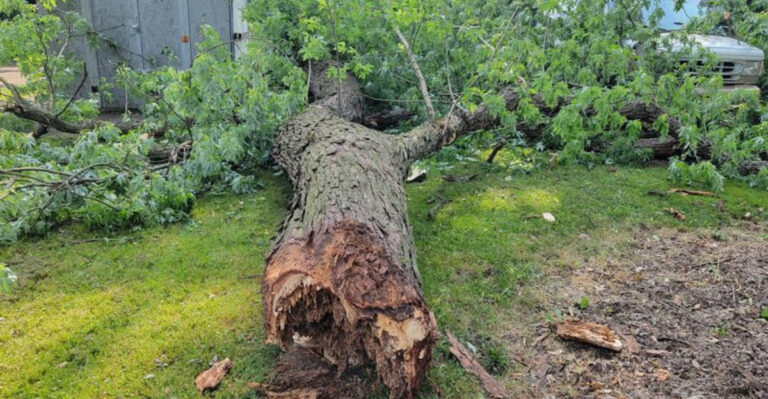
Pruning at this time also prevents broken limbs during late winter storms, helping New Jersey trees and shrubs enter spring stronger and better balanced.
3. Clean and Sharpen Garden Tools
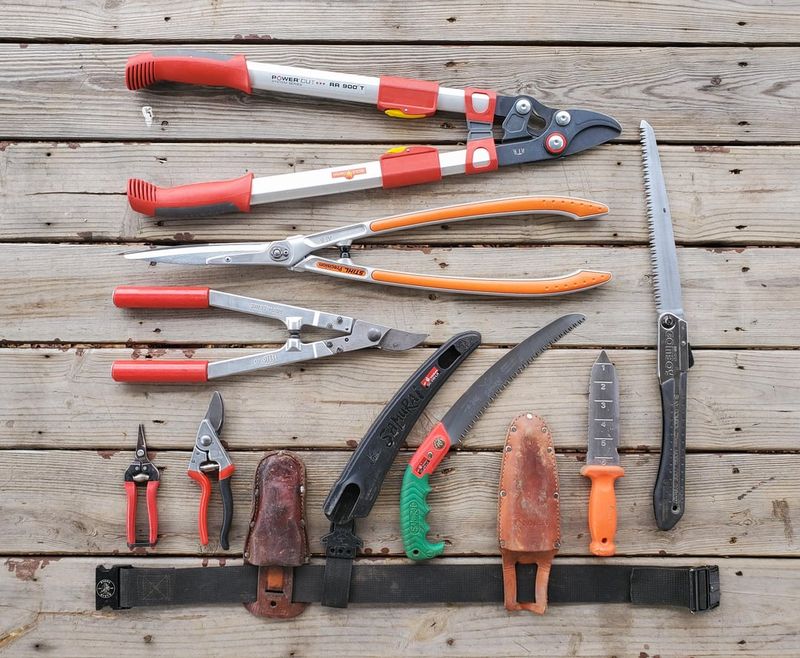
Well-maintained tools make gardening easier and help prevent plant diseases from spreading between different areas of your New Jersey property efficiently.
Scrub metal surfaces with a wire brush to remove dried soil and rust, then disinfect blades with rubbing alcohol or bleach solution.
Sharpen cutting edges on pruners, shears, and hoes using a file or sharpening stone for smooth, clean cuts every time.
Oil wooden handles to prevent cracking and splinters, and apply light machine oil to metal parts to protect against moisture damage.
Replace broken handles or worn-out tools before spring arrives, so you’re not scrambling for equipment when planting season gets busy.
Store tools in a dry location where they won’t be exposed to harsh weather conditions that cause premature deterioration unnecessarily.
Starting the season with pristine equipment saves frustration and makes every gardening task more enjoyable throughout busy spring months in New Jersey gardens.
Clean, sharp tools also reduce strain on your hands and wrists, making long planting and maintenance sessions more comfortable as New Jersey gardens ramp up in spring.
4. Add Compost to Garden Beds

Compost enriches soil with essential nutrients and beneficial microorganisms that plants need to grow strong and produce abundant harvests or blooms.
Spreading a two to three inch layer over garden beds now allows it to integrate with existing soil before planting begins.
New Jersey gardeners can make their own compost from kitchen scraps and yard waste or purchase quality compost from local suppliers conveniently.
Work compost into the top six inches of soil using a garden fork or tiller, creating a loose, crumbly texture perfectly suited for root development.
This organic matter improves water retention in sandy soils while enhancing drainage in clay-heavy areas common throughout various New Jersey regions.
Compost also feeds earthworms and other beneficial organisms that naturally aerate soil and break down organic materials into plant-available nutrients continuously.
Gardens amended with compost produce healthier plants that resist pests and diseases better than those grown in depleted soil lacking proper nutrition.
Adding compost early gives it time to mellow and balance soil nutrients, setting up New Jersey gardens for steady growth and better yields throughout the entire season.
5. Repair Garden Structures
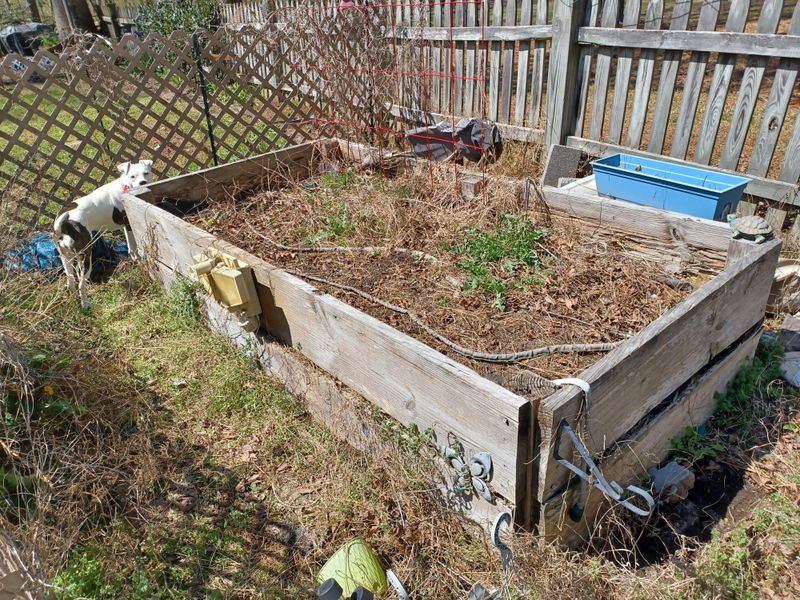
Winter weather takes a toll on fences, trellises, raised beds, and other structures that support your New Jersey garden throughout the year.
Inspect wooden structures for rot, loose boards, and wobbly posts that need reinforcement before plants start climbing or spreading everywhere.
Tighten screws, replace damaged sections, and apply fresh paint or sealant to protect wood from moisture damage during upcoming rainy seasons.
Check metal structures for rust spots and treat them with rust converter followed by protective coating to extend their lifespan significantly.
Repair or replace broken stakes, cages, and supports that will be needed when tomatoes, beans, and other vegetables require assistance standing.
Reinforcing structures now prevents mid-season failures that can damage plants and create frustrating setbacks when gardens are at peak production.
Sturdy, well-maintained structures provide reliable support and create an organized, attractive appearance that makes gardening more efficient and enjoyable throughout New Jersey summers.
Addressing these repairs before spring growth begins also saves time later, allowing New Jersey gardeners to focus on planting and care instead of emergency fixes.
6. Plan Your Planting Layout
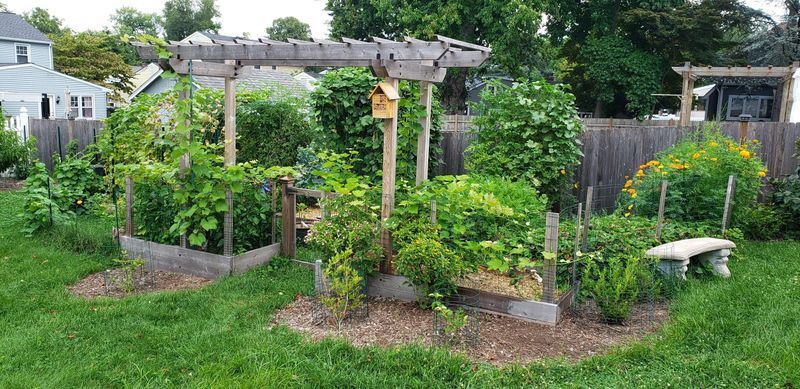
Thoughtful planning maximizes garden space and ensures plants receive appropriate sunlight, water, and nutrients throughout the entire New Jersey growing season successfully.
Sketch your garden beds on paper, noting sunny and shady areas, and group plants with similar needs together for easier care.
Rotate crop locations from previous years to prevent soil depletion and reduce pest problems that build up when same plants grow repeatedly.
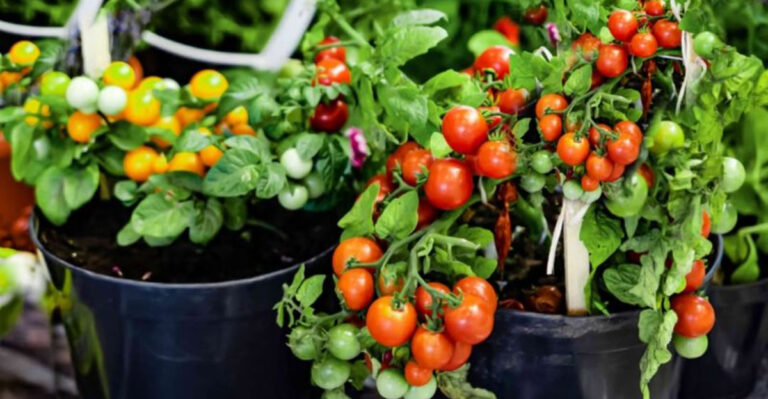
Consider companion planting combinations that benefit each other, like tomatoes with basil or carrots with onions, for healthier growth and natural pest control.
Plan succession plantings for continuous harvests rather than overwhelming gluts, spacing out lettuce or bean sowings by a few weeks each.
Research mature plant sizes to avoid overcrowding, which leads to competition for resources and increased disease susceptibility in cramped conditions.
A solid plan eliminates guesswork during busy spring planting and helps you purchase the right seeds and supplies for your specific needs.
Taking time to plan now also prevents impulse planting mistakes, helping New Jersey gardeners create balanced beds that stay productive and manageable from early spring through fall.
7. Mulch Perennial Beds

Mulching protects plant roots from temperature fluctuations and suppresses weed growth, saving you hours of tedious maintenance work throughout the growing season.
Apply two to three inches of organic mulch like shredded bark, wood chips, or straw around perennials emerging in New Jersey gardens.
Keep mulch a few inches away from plant stems to prevent rot and allow air circulation around the base properly.
Mulch conserves soil moisture by reducing evaporation, meaning less frequent watering even during hot, dry summer stretches common in New Jersey.
As organic mulch breaks down, it adds nutrients to soil and improves texture, creating an increasingly healthy environment for plant roots.
Choose mulch colors that complement your landscape design, from natural brown tones to darker options that make flower colors pop visually.
Refreshing mulch before spring arrives gives beds a neat, finished appearance while providing practical benefits that support plant health all season long.
Mulching early also helps stabilize soil temperatures as plants wake up, reducing stress during unpredictable spring weather swings across New Jersey gardens.
8. Install Rain Barrels

Collecting rainwater reduces water bills and provides a free, chemical-free resource for irrigating your New Jersey garden throughout drier summer months ahead.
Position rain barrels under downspouts to capture runoff from your roof, which can fill containers quickly during typical spring rainstorms.
Most barrels hold fifty to eighty gallons, enough to water multiple garden beds without turning on the hose at all.
Install overflow valves to direct excess water away from foundations, and add screens to keep mosquitoes and debris out of stored water.
Use collected rainwater for vegetables, flowers, and container plants, which often prefer it over chlorinated tap water that can affect soil chemistry.
Elevate barrels on sturdy platforms to create gravity-fed pressure for easier filling of watering cans and attachment of soaker hoses.
Setting up rain barrels before spring rains arrive ensures you’re ready to conserve water and save money from the very start of growing season.
Many New Jersey municipalities even encourage rain barrel use, making this upgrade a practical and environmentally responsible step for gardeners planning ahead.
9. Edge Garden Borders
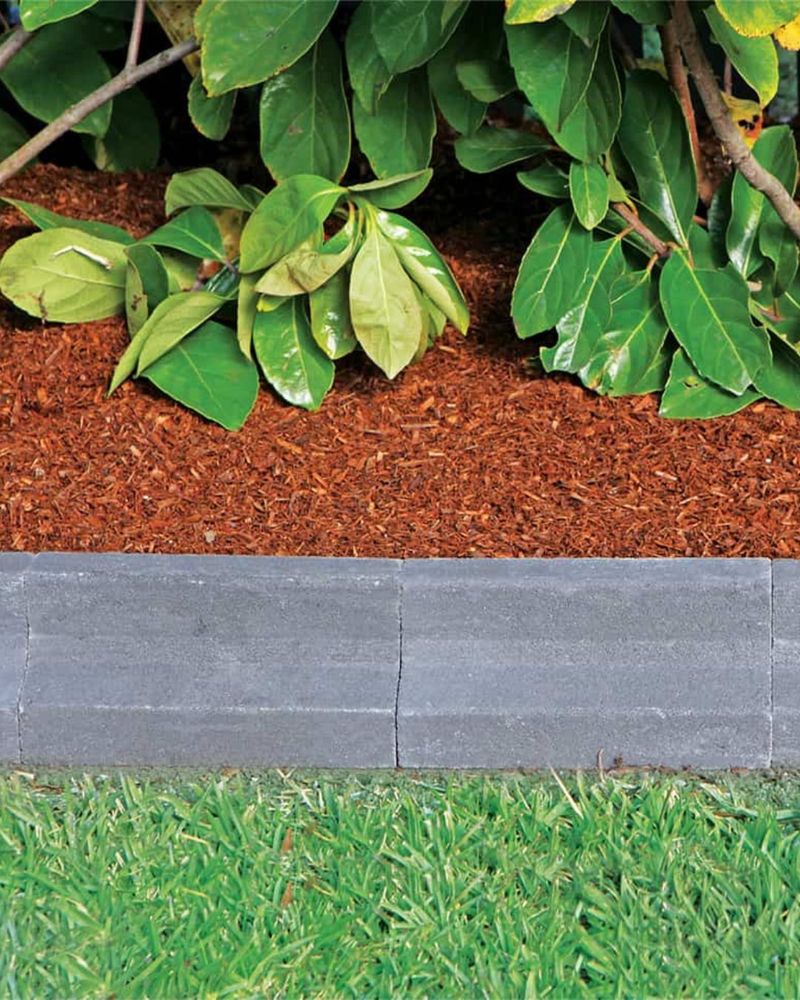
Crisp, well-defined edges give gardens a polished, professional appearance while preventing grass from creeping into flower and vegetable beds throughout the season.
Use a flat-edged spade or specialized edging tool to cut clean lines between lawns and garden areas in your New Jersey landscape.
Create a shallow trench about three to four inches deep, removing soil and grass roots completely for a barrier that lasts months.
Install permanent edging materials like metal, stone, or plastic strips to maintain borders with minimal maintenance required as growing season progresses.
Edging makes mowing easier by providing a clear guide and reduces the need for string trimming along bed perimeters repeatedly.
Redefining edges before spring growth begins prevents grass from establishing itself in beds where it competes with desired plants for nutrients.
Clean borders enhance curb appeal and make garden maintenance simpler, giving you more time to enjoy your beautiful New Jersey outdoor space fully.
Tackling this task early also helps beds warm faster in spring, encouraging healthier root growth and quicker establishment for flowers and vegetables across New Jersey gardens.