8 Simple Gardening Tips For Mesa, Arizona’s Spring Planting Season
Spring planting season arrives quickly in Mesa, and many gardeners are eager to start getting plants into the ground.
As temperatures begin to warm and the growing season picks up, this is the time when garden beds start filling with vegetables, flowers, and new desert friendly plants.
But gardening in Mesa comes with its own set of conditions that can make timing and preparation especially important.
The desert climate brings strong sun, fast warming soil, and dry air that can affect how well new plants settle in. A few simple adjustments in how planting is approached can make a noticeable difference in how gardens perform through the months ahead.
With the right approach, spring planting in Mesa can lead to healthier plants, stronger growth, and a garden that handles the desert climate much more successfully as the season continues.
1. Plant Warm Season Vegetables Early Before Extreme Heat Arrives
February and March are your golden window in Mesa.
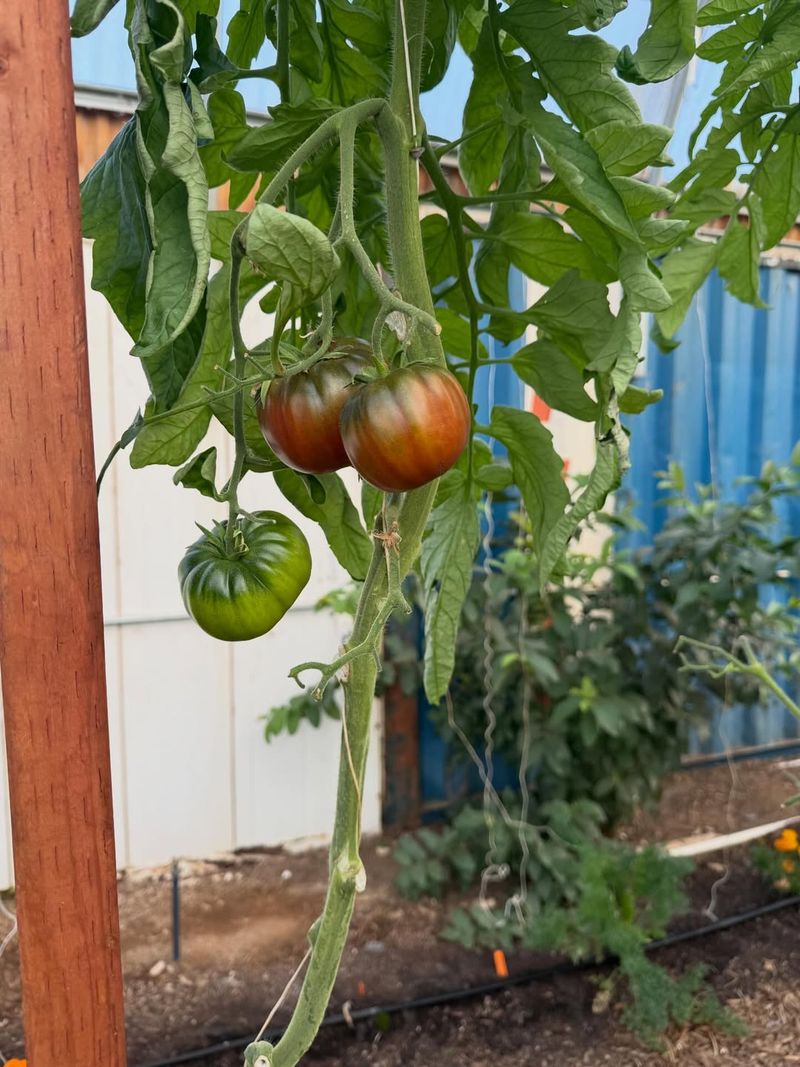
Warm season vegetables like tomatoes, peppers, squash, and cucumbers need to go in the ground early so they have enough time to produce a solid harvest before June rolls around and temperatures push past 110 degrees.
Most gardeners in the Phoenix metro area wait too long, and then wonder why their tomato plants stop producing fruit in June. Heat above 95 degrees causes tomato blossoms to drop without setting fruit.
Getting transplants in the ground by late February gives those plants a full 10 to 12 weeks of productive growing time.
Starting seeds indoors 4 to 6 weeks before your outdoor planting date helps you get a jump on the season. Harden off your seedlings by setting them outside in a shaded spot for a few hours each day before transplanting.
Beans and melons do better as direct sow crops rather than transplants, so plan accordingly. A little timing awareness goes a long way in Mesa’s fast-moving spring season.
Planting early gives warm season vegetables the time they need to grow strong and produce before Mesa’s intense summer heat slows them down.
You can also protect young plants with a light layer of mulch after planting. Mulch helps hold moisture in the soil, keeps roots cooler as temperatures begin climbing in spring, and reduces how quickly the soil dries out during Mesa’s windy days.
2. Add Compost To Improve Mesa’s Desert Soil
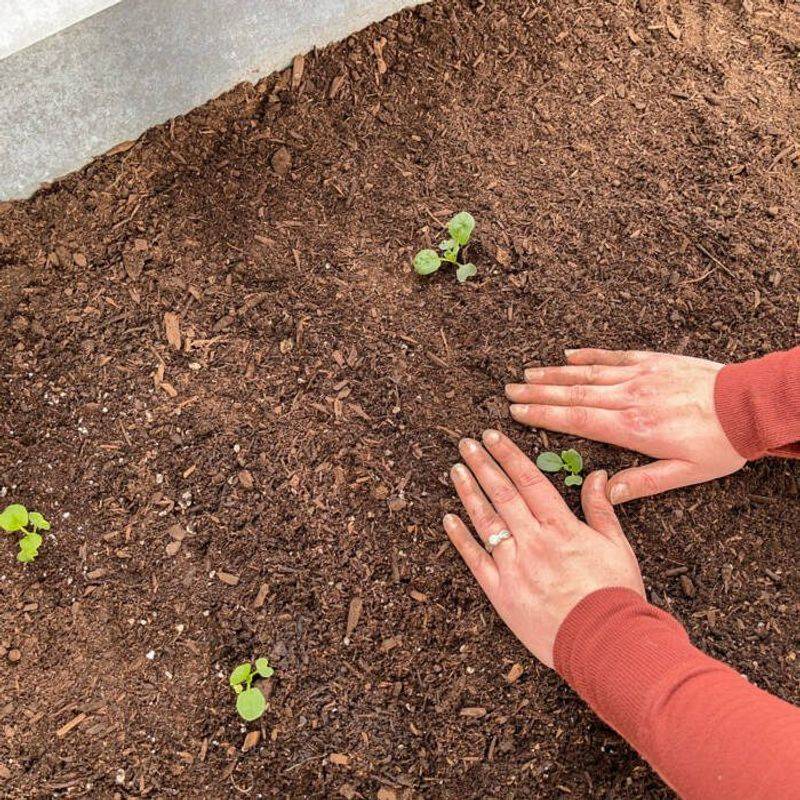
Desert soil in Mesa is tough. It is often compacted, alkaline, and low in organic matter, which makes it a challenging environment for most vegetables and flowering plants.
Compost is the single best amendment you can add to turn that sandy, nutrient-poor ground into something your plants will actually thrive in.
A good rule of thumb is to work in about 3 to 4 inches of compost into the top 12 inches of your soil before planting. A 50/50 blend of quality compost and your native soil creates a balanced growing medium that holds moisture better and drains well at the same time.
Local nurseries in Mesa often carry compost blended specifically for desert conditions, which is worth picking up over generic bagged options.
Worm castings are another excellent addition if you want to go a step further. Raised beds are popular in Mesa precisely because they let you start with a controlled soil mix rather than fighting your native ground.
If you are working directly in the ground, plan on amending your soil every season since desert heat breaks down organic matter faster than in cooler climates. Consistent soil improvement each year makes a noticeable difference in plant health and yield.
Improving the soil with compost each season gives plants a much better foundation for healthy growth in Mesa’s tough desert ground.
3. Water Deeply To Encourage Strong Root Growth
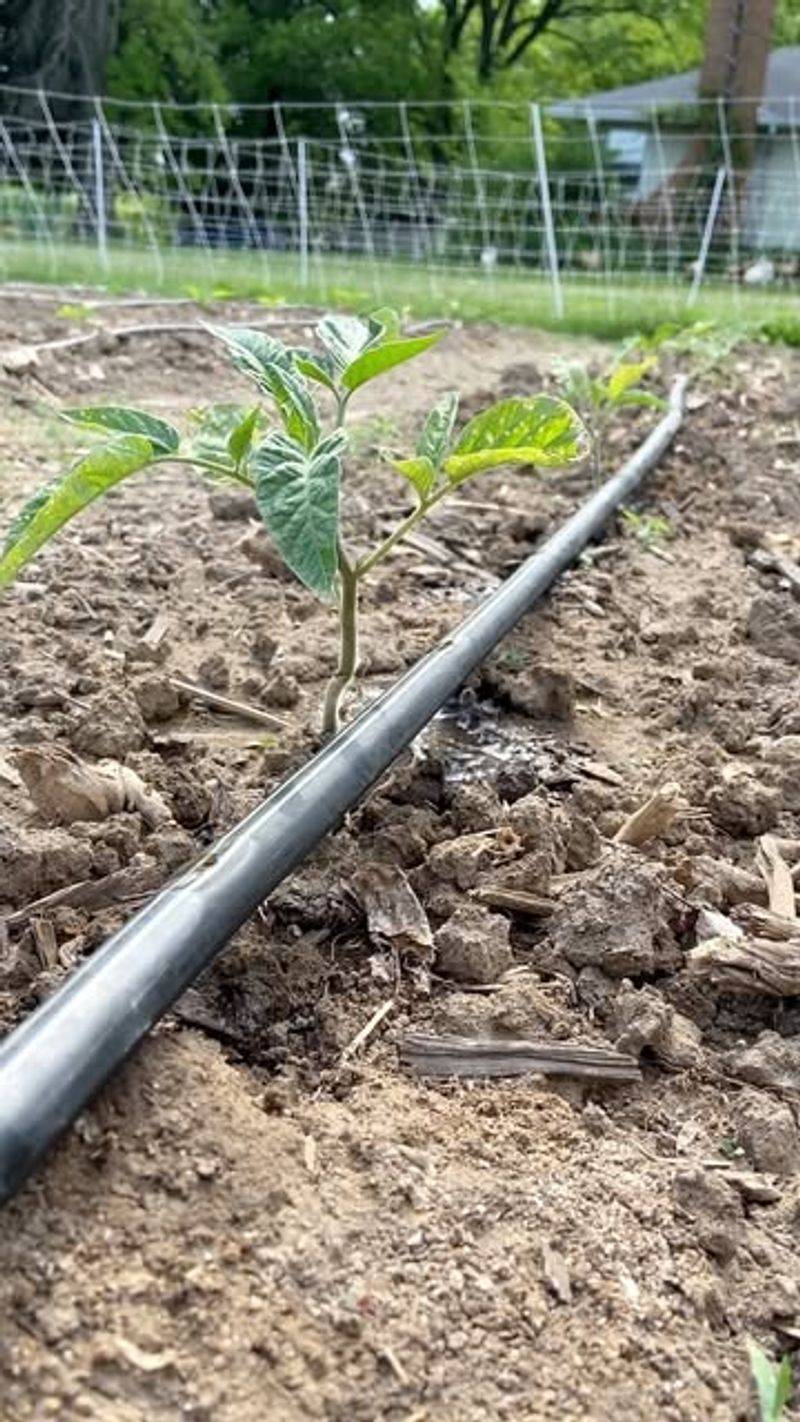
Shallow watering is one of the most common mistakes in desert gardens. When you only wet the top inch or two of soil, roots stay near the surface where they are vulnerable to heat and drying out quickly.
Deep watering pushes moisture down 8 to 12 inches, which is where you want those roots to go.
Drip irrigation is the most efficient approach for Mesa gardens. It delivers water slowly and directly to the root zone, cutting down on evaporation and keeping foliage dry, which reduces fungal issues.
Setting up a simple drip system with a timer takes a few hours but pays off throughout the entire season with less manual work and more consistent plant health.
Watering in the early morning is the best time in Mesa. Soil absorbs moisture more efficiently when temperatures are cooler, and any water that splashes on leaves has time to dry before afternoon heat arrives.
Deep, infrequent watering trains roots to reach downward rather than spreading wide near the surface. In spring, watering every two to three days for most vegetables is a solid starting point, but you will need to adjust that schedule as temperatures climb through April and May.
Always check a few inches down before watering again.
Deep watering encourages roots to grow downward where moisture lasts longer and plants stay stronger during rising spring temperatures.
4. Use Mulch To Slow Moisture Loss In Spring
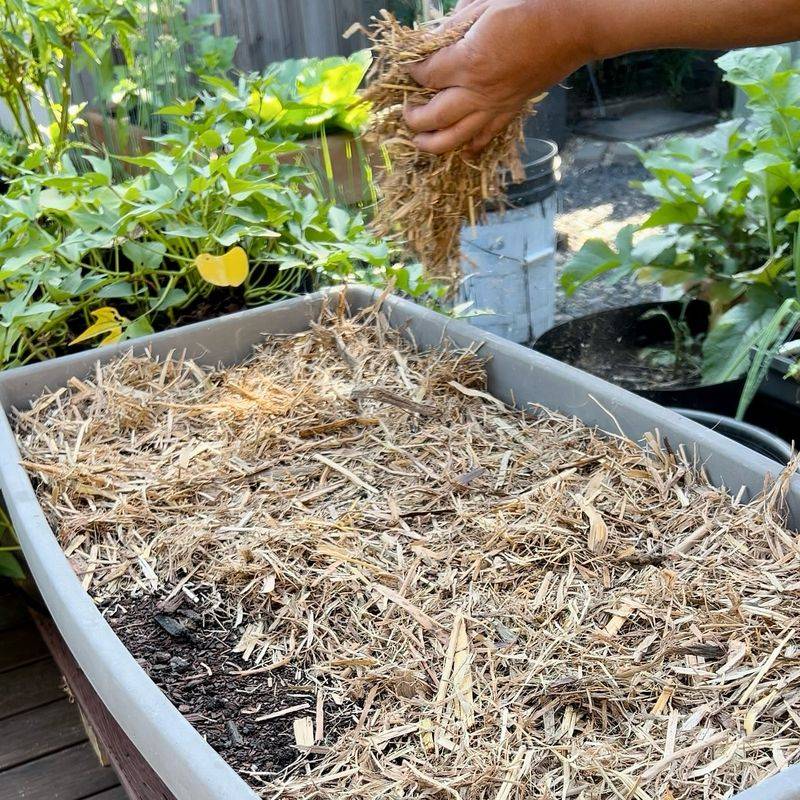
Bare soil in Mesa bakes fast. On a 90-degree spring afternoon, uncovered ground can reach temperatures that stress shallow roots and accelerate water evaporation dramatically.
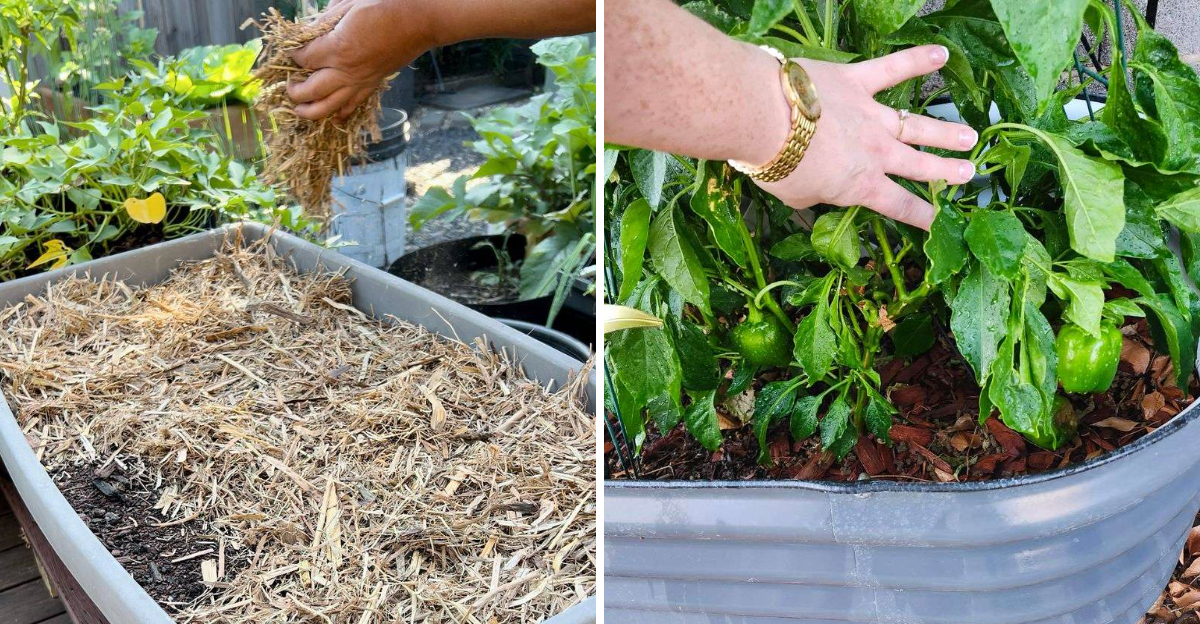
A 2 to 3 inch layer of mulch around your plants acts like a protective blanket, keeping soil cooler and holding in the moisture you just worked hard to deliver.
Straw, shredded wood, and even dried grass clippings all work well as mulch materials. Organic options are preferred because they slowly break down and add a bit of nutrients back into the soil over time.
Apply mulch after watering so you are locking in moisture rather than blocking water from reaching dry soil.
Keep mulch pulled back an inch or two from plant stems to avoid creating a damp environment that could cause stem rot or attract pests. In Mesa, mulch also helps suppress weeds that compete with your vegetables for water and nutrients.
Bermuda grass and other desert weeds are aggressive, and a thick mulch layer makes a real dent in how many weeds pop up through the season. Replenish your mulch layer every few weeks as it breaks down and compresses.
It is a simple habit that makes a noticeable difference in how well your plants hold up as spring temperatures rise.
A good mulch layer helps Mesa gardens hold moisture longer and keeps soil conditions more stable as spring heat builds.
5. Choose Heat Tolerant Plants That Handle Desert Conditions
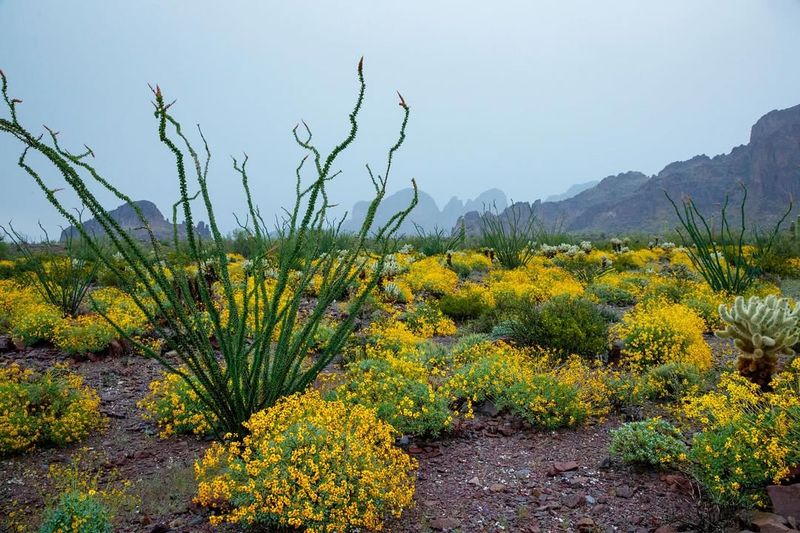
Not every plant sold at a garden center is going to survive a Mesa spring, let alone summer.
Choosing varieties that are bred or naturally suited to hot, dry conditions is one of the smartest decisions you can make before you spend money on plants and time on prep work.
For vegetables, peppers are absolute performers in Mesa. They love heat and keep producing long after tomatoes have shut down.
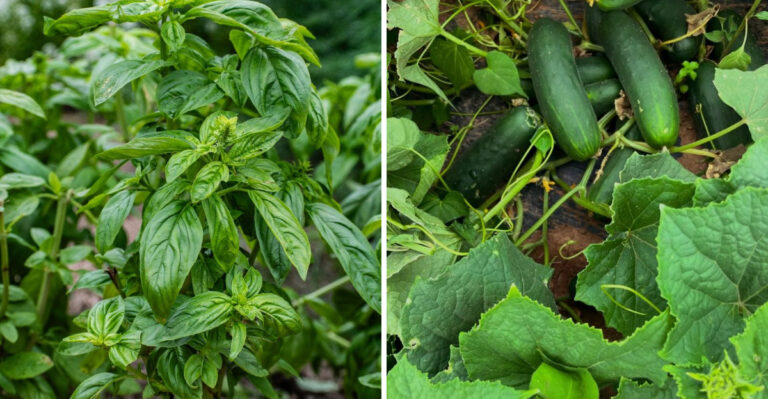
Sweet potatoes, Armenian cucumber, and yard-long beans are other solid choices that handle desert conditions without constant babying. For herbs, basil, rosemary, and Mexican oregano all do well and come back reliably.
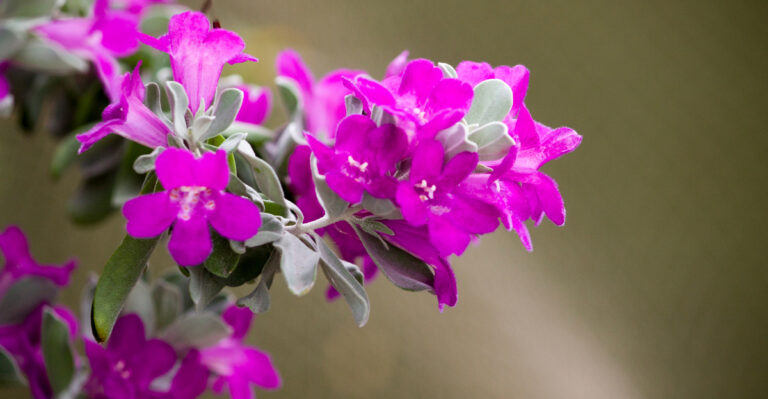
Flowering plants like desert marigold, globe amaranth, and portulaca add color to a Mesa garden without demanding constant attention or extra water.
Native plants like brittlebush and penstemon are beautiful options if you want low-water borders around a vegetable garden.
Citrus trees are a Mesa classic for good reason since they are productive, fragrant, and well-adapted to the climate. Pomegranates are equally reliable and produce fruit with minimal fuss.
When you start with the right plants, your garden has a much better foundation, and you spend less time troubleshooting problems caused by choosing varieties that simply were not built for this region.
Starting with plants that naturally handle heat makes gardening in Mesa far easier and far more successful.
6. Provide Light Shade For Young Plants During Hot Afternoons
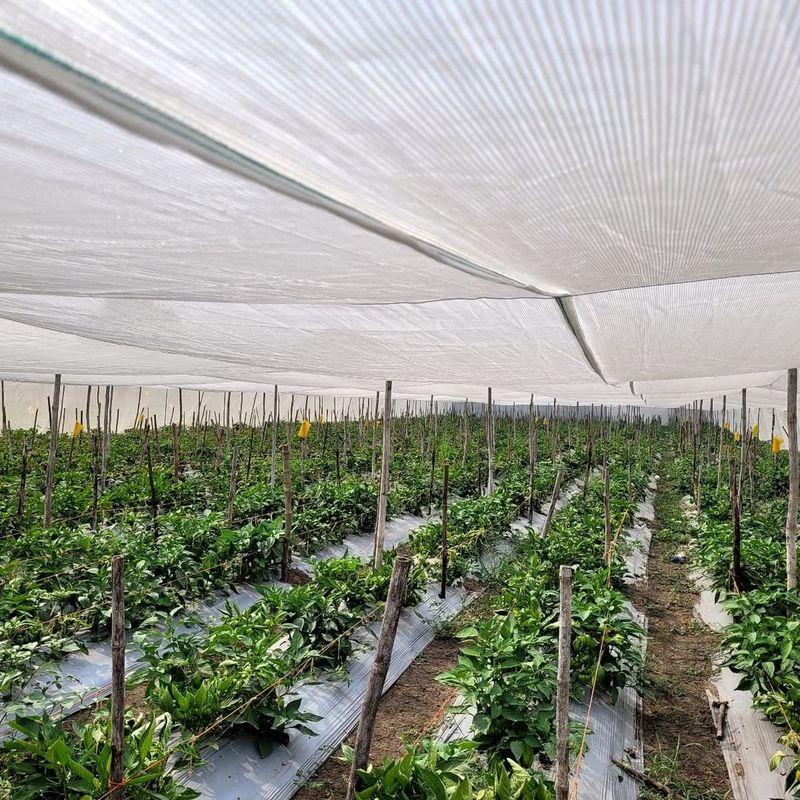
Young transplants fresh from a nursery have not had time to adapt to direct desert sun. Putting a small tomato or pepper seedling straight into full afternoon exposure in March can stress it severely, even though the temperatures are not yet at their worst.
A little shade protection during those first couple of weeks can make a big difference in how quickly transplants establish.
Shade cloth rated at 30 to 40 percent is ideal for most vegetable seedlings in Mesa. It blocks enough intense light to reduce heat stress without cutting out so much sun that plants stretch and weaken.
Simple PVC hoops or wooden stakes can support lightweight shade cloth over a bed without a complicated setup.
Western afternoon sun in Mesa is particularly harsh. Even mature plants like lettuce and spinach benefit from afternoon shade as temperatures climb in April and May.
Positioning taller plants, like sunflowers or corn, on the west side of shorter crops creates natural shading without any extra materials. Temporary shade structures can be removed once plants are fully rooted and showing strong new growth.
Most seasoned Mesa gardeners keep a roll of shade cloth on hand all season because conditions can shift fast and having it ready saves plants from unexpected heat spikes in late spring.
Temporary shade helps young plants adjust to the desert sun and gives them a smoother start in Mesa gardens.
7. Space Plants Properly To Improve Airflow
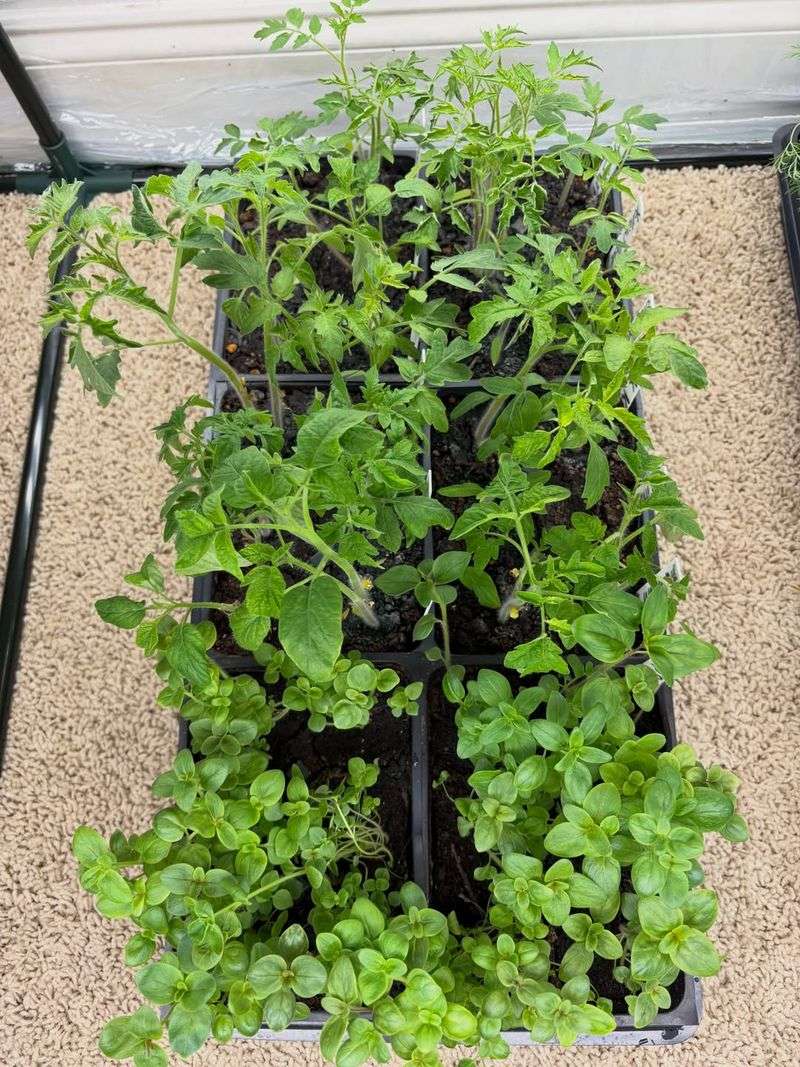
Crowding plants together feels productive when you are looking at small seedlings, but it creates real problems down the road.
Poor airflow between plants traps humidity around stems and leaves, which creates conditions where powdery mildew and other fungal issues spread fast, especially during Mesa’s brief humid monsoon season that follows spring.
Every seed packet and plant tag includes spacing recommendations for a reason. Tomatoes need at least 24 to 36 inches between plants.
Squash and zucchini spread wide and need even more room. When plants are too close, they also compete for nutrients and water, which weakens all of them rather than just some.
Good spacing also makes routine tasks easier. Checking leaves for pests, harvesting ripe vegetables, and pulling weeds all become faster and less frustrating when you can actually reach into the bed without pushing through a wall of foliage.
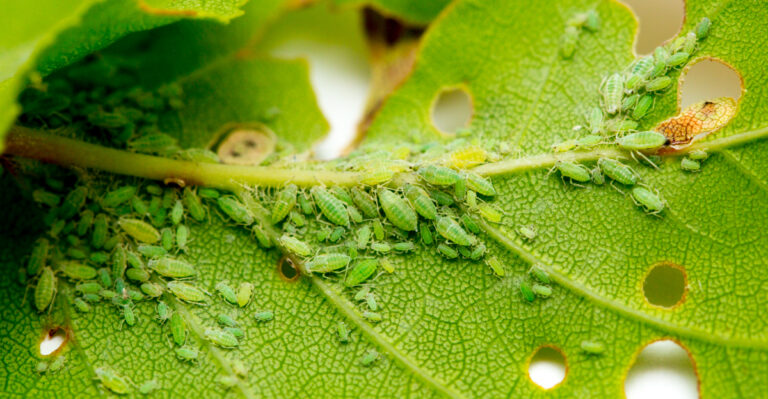
In Mesa, where spider mites and whiteflies are common garden visitors in spring, being able to spot early infestations quickly matters a lot.
Raised beds can tempt gardeners into tight spacing since bed space feels precious, but resisting that urge pays off with healthier individual plants and better overall production.
Plan your bed layout on paper before planting to make sure spacing works before anything goes in the ground.
Proper spacing keeps plants healthier, easier to manage, and more productive throughout the growing season.
8. Check Soil Moisture Frequently As Temperatures Rise
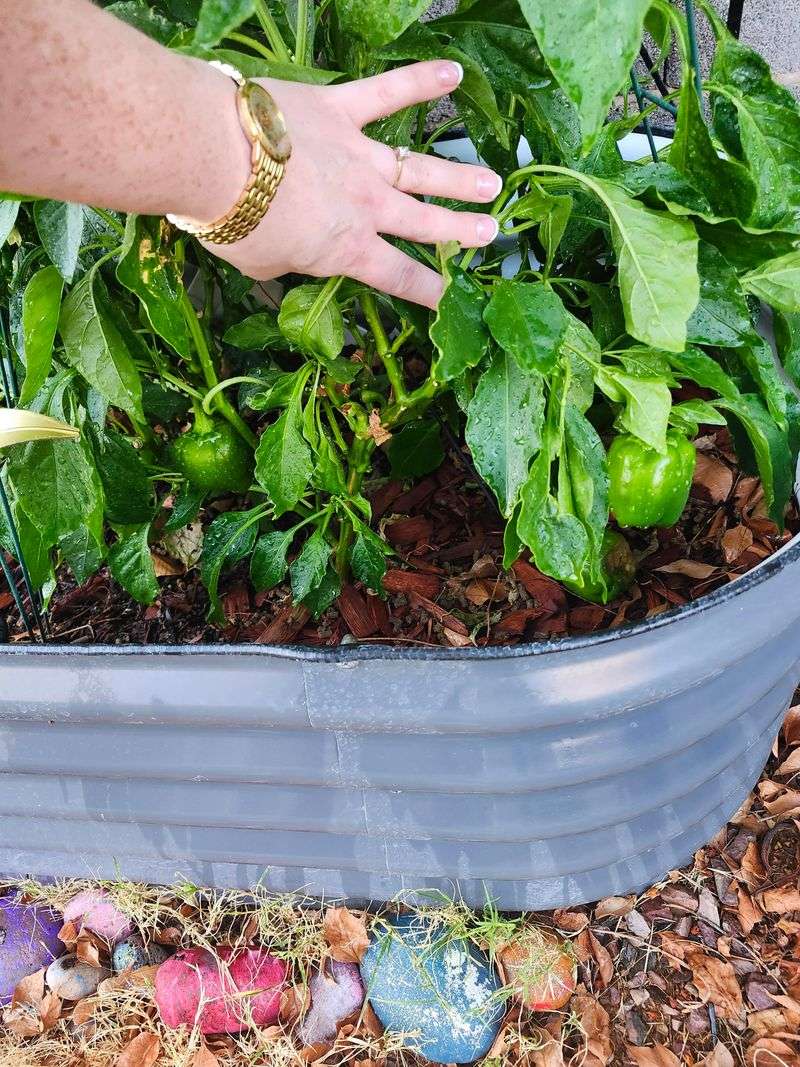
Spring in Mesa does not warm up gradually. Some years, temperatures jump from comfortable 70s to 95 degrees within a matter of days in April, and your watering schedule needs to keep up with that shift.
Soil that was fine with watering every three days in March might need daily attention by late April.
Sticking a finger about two inches into the soil is the simplest and most reliable moisture check. If it feels dry at that depth, it is time to water.
Relying on a set schedule without checking actual soil conditions leads to either overwatering early in the season or underwatering when the heat spikes suddenly.
Moisture meters are inexpensive tools that take the guesswork out of the process, especially for newer gardeners in Mesa who are still learning how their specific soil holds water.
Container gardens dry out significantly faster than in-ground beds and may need watering every day once temperatures push past 90 degrees.
Checking moisture in the morning before the heat builds gives you time to water properly rather than rushing through it midday.
Consistent monitoring through April and May protects all the work you put in during the early spring planting push and keeps your garden producing well into the warmer months ahead.
Regularly checking soil moisture helps Mesa gardeners stay ahead of rising temperatures and prevent plants from drying out.