9 Simple Growing Tips For Bigger Cherry Tomato Harvests In Ohio
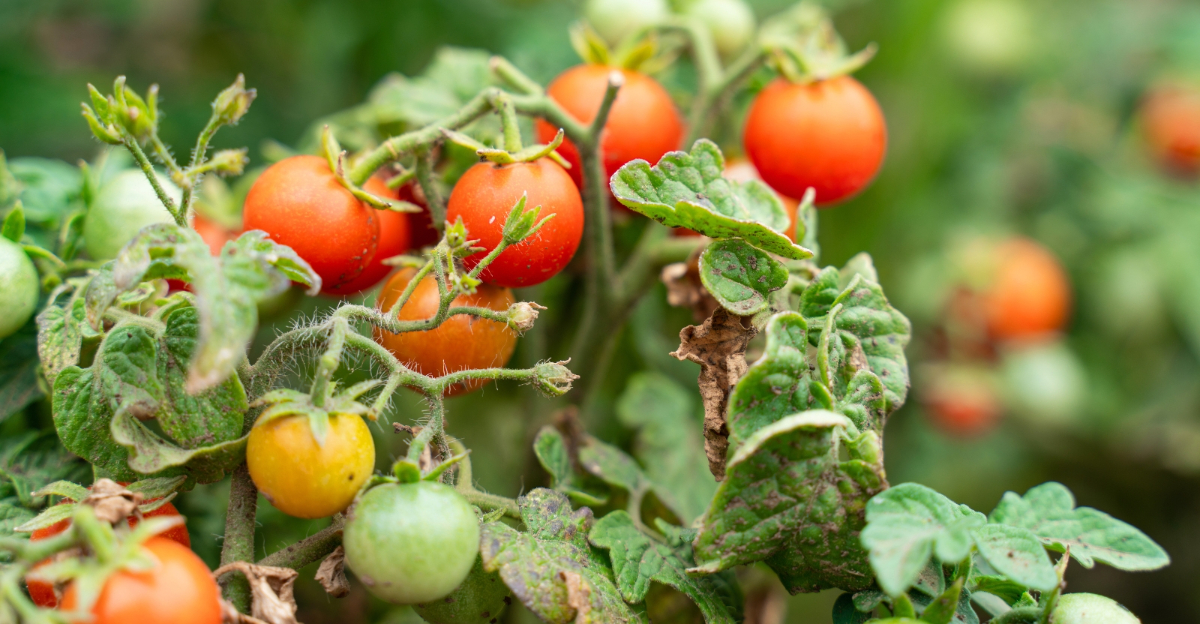
Cherry tomatoes are supposed to be the easy win, yet many Ohio gardens end the season with plants that looked busy but never truly delivered the harvest people were counting on. The frustration usually builds slowly, because nothing looks obviously wrong at first.
Most gardeners assume bigger harvests require better varieties or more feeding, not realizing how much everyday growing habits quietly control production.
Ohio’s shifting temperatures, heavy summer rain, and humid stretches influence how cherry tomatoes flower, set fruit, and keep producing. When those conditions aren’t worked with properly, plants stall even while staying green and healthy.
The good news is that cherry tomatoes respond quickly to small, practical adjustments.
These aren’t complicated techniques or trendy fixes, but simple choices that affect how energy moves through the plant.
Once those habits are dialed in, Ohio cherry tomato harvests often jump in a way that feels surprisingly dramatic.
1. Choose Cherry Tomato Varieties Suited To Ohio Summers
Ohio gardeners face unique weather patterns that can make or break a tomato season. Summers here bring warm days and cool nights, along with occasional humidity spikes that challenge certain varieties.
Picking the right cherry tomato type from the start sets you up for success instead of frustration.
Sun Gold is a favorite across Ohio because it produces sweet, golden fruits even when temperatures fluctuate. This variety handles both heat and cooler stretches without slowing down.
Many gardeners report harvesting hundreds of tomatoes from just one plant.
Sweet Million offers reliable performance in Ohio’s variable climate. It resists common diseases like fusarium wilt, which can appear during humid stretches.
The fruits are firm, flavorful, and perfect for snacking straight from the vine.
Black Cherry brings a gourmet touch to Ohio gardens with its deep purple-red color and rich taste. Though slightly less common, it adapts well to local conditions.
The unique flavor makes it worth trying if you want something beyond standard red varieties.
Early-maturing types like Early Girl Cherry work well in northern Ohio counties where the growing season is shorter. These plants start producing before others, giving you more time to enjoy fresh tomatoes.
They also finish strong before fall temperatures drop too low.
Determinate varieties can be useful if you want a concentrated harvest for canning or preserving. Bush-type cherry tomatoes take up less space and require less staking.
However, indeterminate types keep producing until frost, which suits most Ohio home gardeners better.
2. Plant Only After Soil Has Fully Warmed
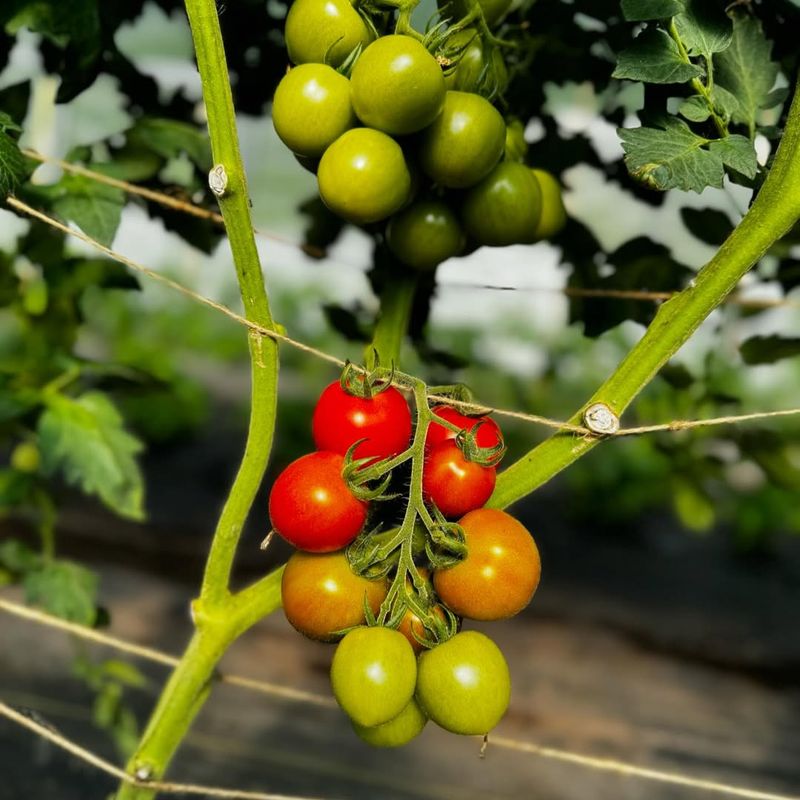
Rushing to plant too early is one of the biggest mistakes Ohio gardeners make with cherry tomatoes. Cold soil stunts root development and stresses young plants right from the start.
Waiting just a week or two can make an enormous difference in how quickly your tomatoes establish and grow.
Soil temperature matters more than air temperature when it comes to tomato planting. Cherry tomatoes need soil at least 60 degrees Fahrenheit to thrive, though 65 to 70 degrees is ideal.
Cold soil encourages root diseases and slows nutrient uptake, leaving plants weak and vulnerable.
Most Ohio gardeners can safely plant cherry tomatoes in mid to late May. Northern counties may need to wait until the last week of May or even early June.
A soil thermometer takes the guesswork out of timing and costs just a few dollars at any garden store.
Covering soil with black plastic a week before planting helps warm it faster. This simple trick can advance your planting date by several days.
The plastic also suppresses weeds and retains moisture once plants are in the ground.
Transplants set into warm soil establish quickly and often catch up to earlier-planted tomatoes within two weeks. Their roots spread rapidly, anchoring the plant and accessing nutrients efficiently.
Strong root systems lead to healthier plants and bigger harvests down the line.
Ohio’s unpredictable spring weather makes patience essential. A late frost can wipe out tomatoes planted too early, forcing you to start over.
Watching local frost dates and soil conditions protects your investment of time and money.
3. Give Plants Full Sun For Most Of The Day
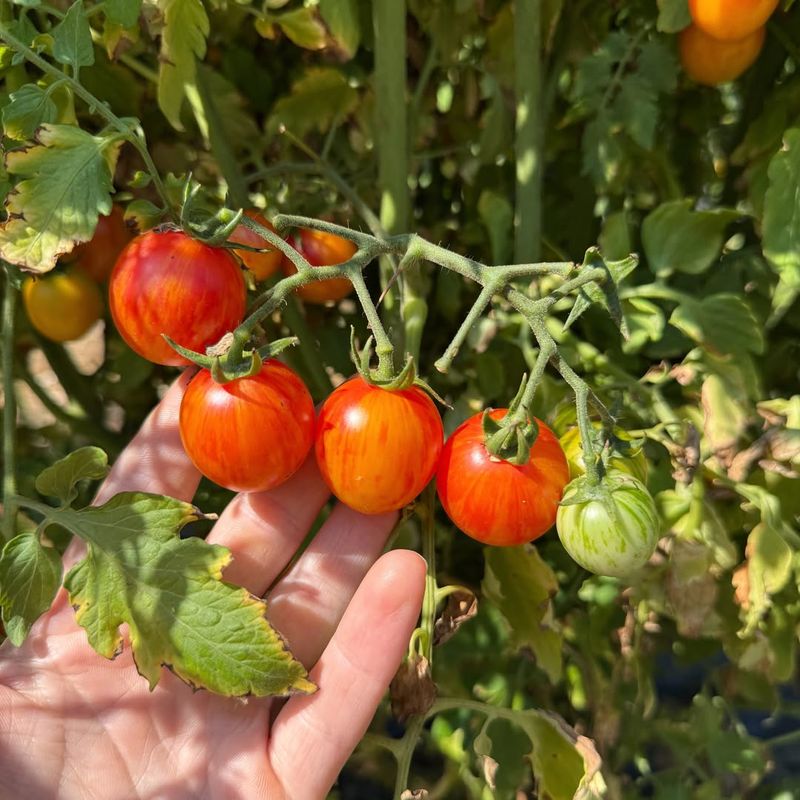
Sunlight fuels tomato growth and fruit production more than almost any other factor. Cherry tomatoes are sun-loving plants that need strong, direct light to develop sugars and ripen properly.
Skimping on sun exposure leads to weak plants, fewer tomatoes, and bland flavor.
Ohio gardeners should aim for at least six to eight hours of direct sunlight daily. More is even better, especially during the peak growing months of June and July.
South-facing locations typically receive the most consistent sun throughout the day.
Morning sun is particularly valuable because it dries dew from leaves quickly. This reduces the risk of fungal diseases that thrive in Ohio’s humid conditions.
Afternoon sun provides the intense light needed for heavy fruit production and sweetness.
Shaded spots might seem cooler and more comfortable, but cherry tomatoes suffer there. Plants become leggy and pale, stretching toward available light.
Fruit production drops significantly, and what does develop often tastes watery or dull.
Urban Ohio gardeners sometimes struggle with shade from buildings or trees. Moving containers to sunnier spots during the day can help.
Even rotating pots weekly ensures all sides of the plant receive adequate light exposure.
Reflective surfaces like white fences or light-colored mulch can boost available light. They bounce sunlight back onto lower leaves and developing fruit.
This trick works especially well in partially shaded areas where every bit of extra light counts.
4. Space Plants To Improve Airflow
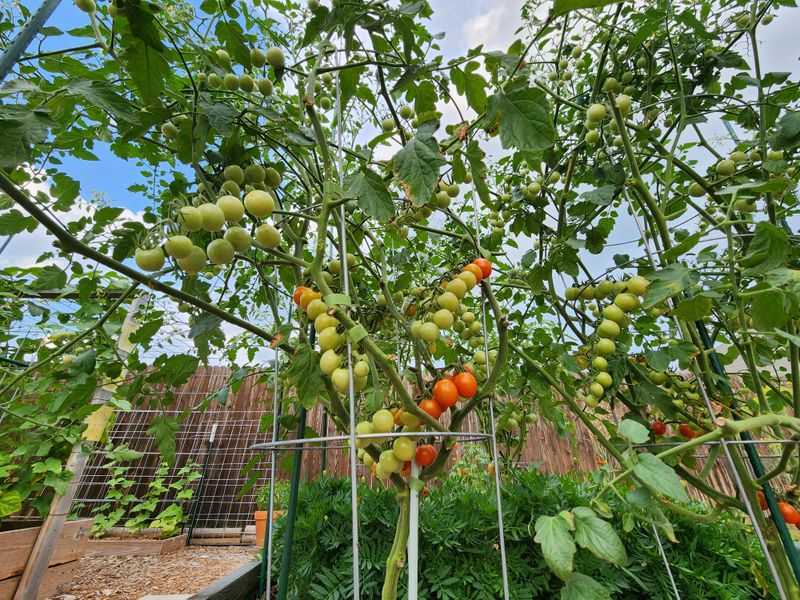
Crowding cherry tomato plants together might seem like a way to maximize space, but it creates serious problems in Ohio gardens. Poor air circulation invites fungal diseases and pest issues that can spread rapidly through tightly packed plants.
Giving each plant room to breathe is one of the simplest ways to prevent major headaches later.
Ohio’s summer humidity creates perfect conditions for diseases like early blight and powdery mildew. These problems worsen when leaves stay damp and air can’t move freely between plants.
Proper spacing allows breezes to dry foliage and reduce disease pressure naturally.
Most cherry tomato varieties need at least 24 to 36 inches between plants. Vigorous indeterminate types benefit from even more space, sometimes up to four feet.
This might look sparse at planting time, but plants fill in quickly as they grow.
Row spacing matters just as much as plant spacing. Leaving three to four feet between rows lets you walk through for maintenance and harvesting.
This access also improves air movement and reduces the chance of spreading diseases while working.
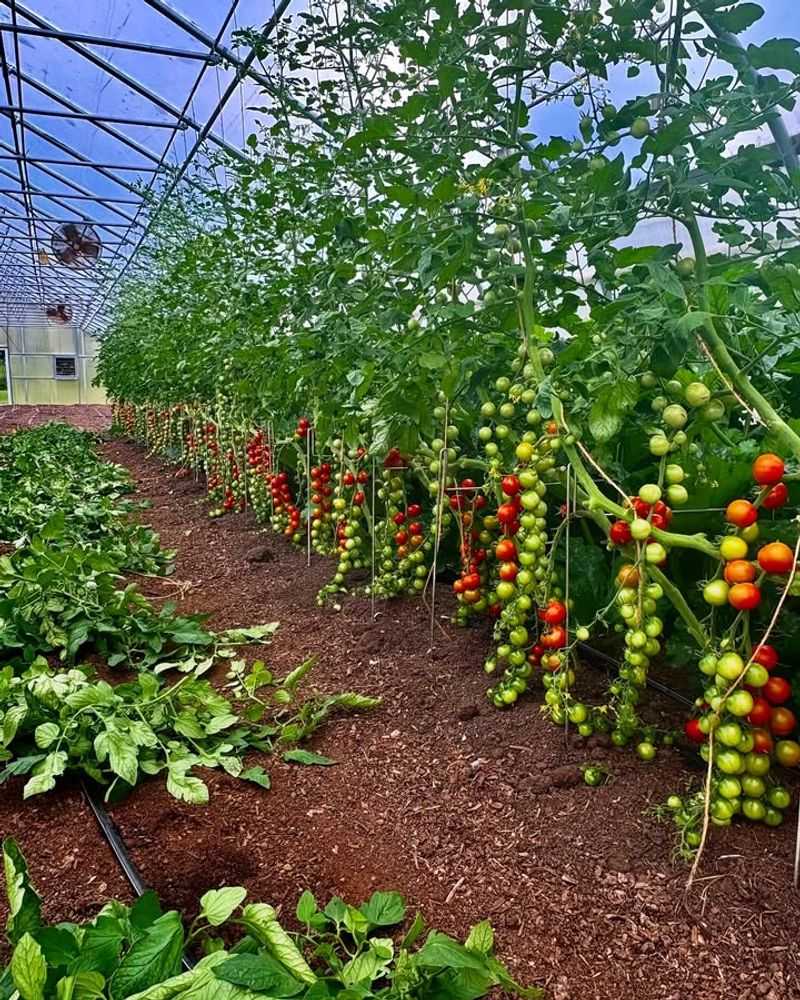
Staking or caging plants vertically takes advantage of upward space instead of crowding horizontally. Vertical growth keeps fruit off the ground and leaves exposed to sun and air.
This method works particularly well in smaller Ohio gardens where ground space is limited.
Overcrowded plants compete for nutrients, water, and light. Even if they don’t develop diseases, they produce smaller yields and lower-quality fruit.
Each plant needs enough resources to support heavy fruit production throughout the season.
5. Water Deeply Instead Of Frequently
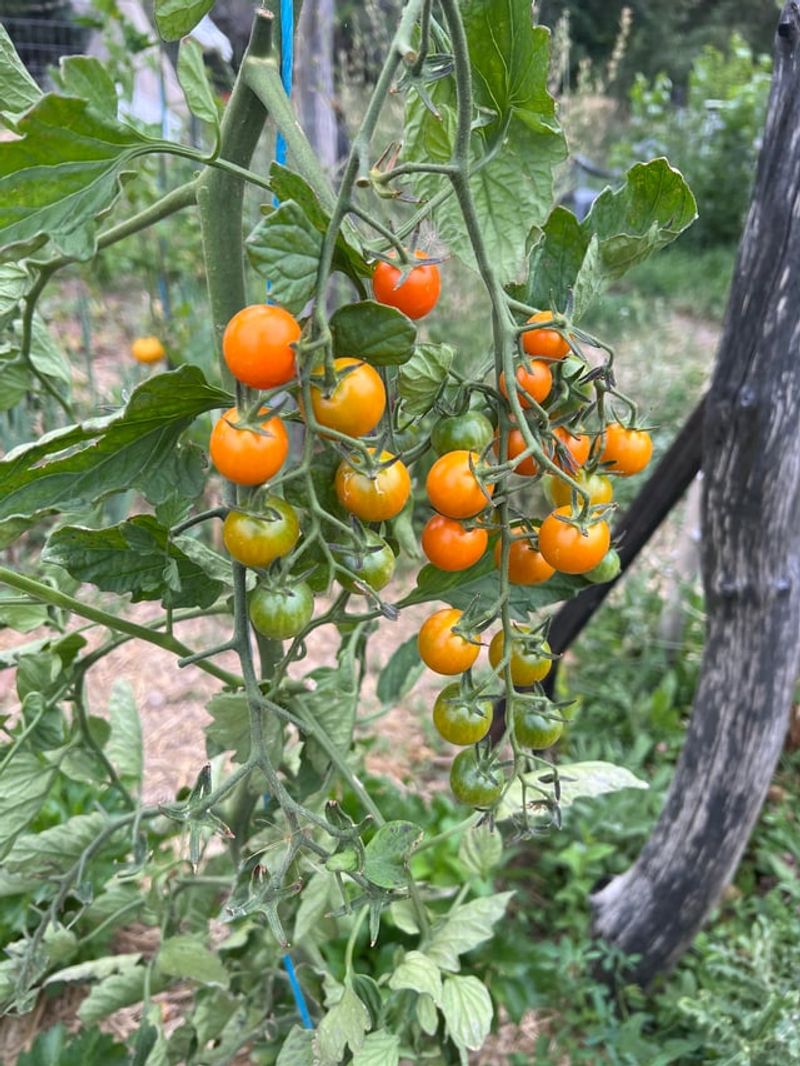
Many Ohio gardeners water their cherry tomatoes too often with too little water each time. This approach encourages shallow root systems that can’t access moisture during dry spells.
Deep, infrequent watering builds strong roots and healthier plants that withstand stress better.
Cherry tomatoes need about one to two inches of water per week, including rainfall. Ohio summers can be unpredictable, with dry stretches interrupted by heavy storms.
Monitoring soil moisture helps you adjust watering to actual conditions rather than following a rigid schedule.
Watering deeply means soaking the soil to a depth of at least six to eight inches. This encourages roots to grow downward where moisture and nutrients are more stable.
Shallow watering keeps roots near the surface, where they’re vulnerable to heat and drought.
Early morning is the best time to water cherry tomatoes in Ohio. This timing allows foliage to dry before evening, reducing disease risk.
It also ensures plants have moisture available during the hottest part of the day.
Drip irrigation or soaker hoses deliver water directly to the root zone without wetting leaves. These systems conserve water and reduce disease problems compared to overhead sprinklers.
They’re easy to install and can be put on timers for convenience.
Checking soil moisture before watering prevents overwatering, which is just as harmful as underwatering. Stick your finger two inches into the soil near the plant base.
If it feels dry at that depth, it’s time to water thoroughly.
6. Mulch To Keep Soil Moist And Stable
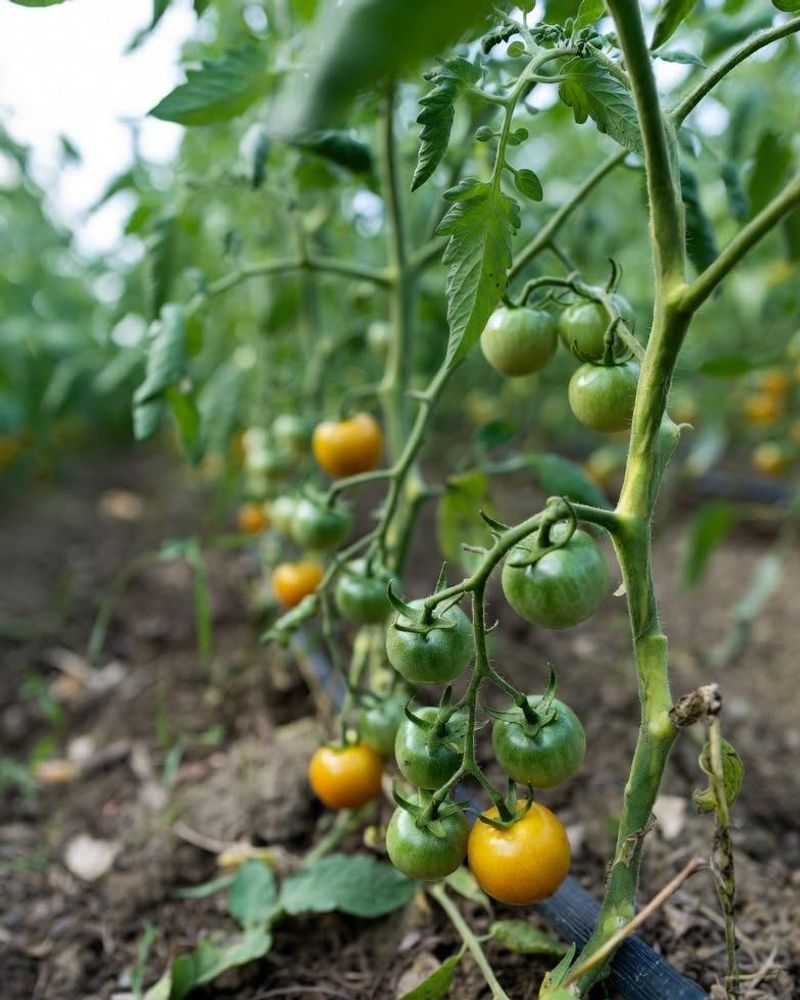
Bare soil around cherry tomato plants in Ohio gardens loses moisture quickly and experiences wild temperature swings. Mulching solves both problems while also suppressing weeds and improving soil quality over time.
This simple step makes a dramatic difference in plant health and productivity.
Organic mulches like straw, shredded leaves, or grass clippings work beautifully for Ohio tomato gardens. They break down gradually, adding nutrients and improving soil structure.
A layer two to three inches thick provides excellent protection without smothering plants.
Applying mulch after the soil has warmed prevents it from keeping soil too cool early in the season. In Ohio, late May or early June is usually the right time to mulch cherry tomatoes.
Waiting until plants are established ensures you don’t trap cold temperatures around roots.
Mulch reduces soil splash during Ohio’s frequent summer rains. This keeps soil-borne diseases from splashing onto lower leaves where they can take hold.
Clean foliage stays healthier and photosynthesizes more efficiently.
Temperature stability is another major benefit of mulching. Soil under mulch stays cooler during heat waves and warmer during cool nights.
Cherry tomatoes respond to this consistency with steady growth and more uniform fruit development.
Weed suppression saves time and reduces competition for water and nutrients. Pulling weeds from unmulched soil disturbs tomato roots and creates extra work.
A good mulch layer stops most weeds before they even sprout.
7. Support Plants Early To Prevent Stress
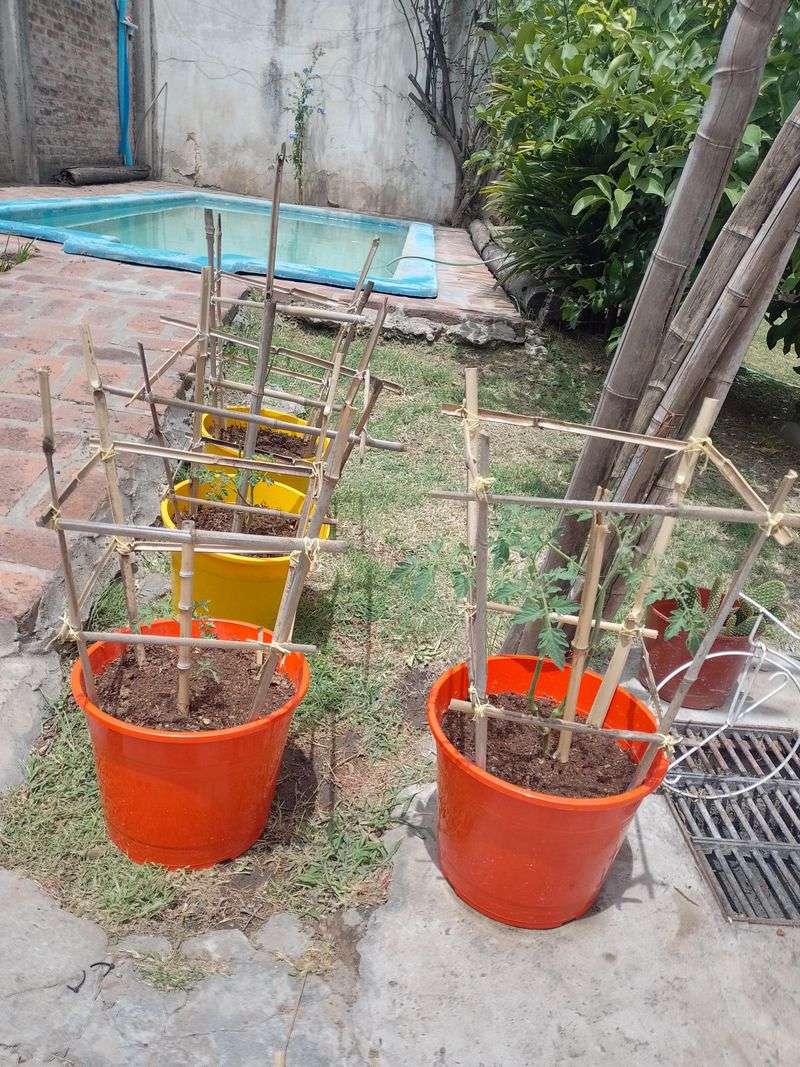
Waiting until cherry tomato plants are large and loaded with fruit to add support creates unnecessary stress and potential damage. Installing stakes or cages at planting time gives plants the structure they need from the beginning.
This proactive approach prevents broken stems and makes managing plants throughout the season much easier.
Ohio gardeners have several support options, each with advantages. Sturdy cages work well for determinate varieties and require minimal maintenance once installed.
Tall stakes suit indeterminate cherry tomatoes that grow six feet or taller in good conditions.
Driving stakes into the ground at planting avoids disturbing roots later. Place stakes about four inches from the plant base to allow room for root expansion.
Tying plants to stakes as they grow keeps them upright and organized.
Cages should be at least five feet tall for most cherry tomato varieties. Shorter cages get overwhelmed by vigorous growth, forcing you to improvise support mid-season.
Heavy-duty cages withstand Ohio’s summer storms better than flimsy ones that bend or collapse.
Tying plants loosely with soft materials prevents stem damage. Old t-shirt strips, garden twine, or special plant ties all work well.
Check ties every few weeks and adjust them as stems thicken to avoid constriction.
Florida weave is a popular method for supporting rows of tomatoes in Ohio. This technique uses stakes and continuous twine to corral plants efficiently.
It’s ideal for larger plantings and uses less material than individual cages.
8. Feed Consistently Once Flowering Starts
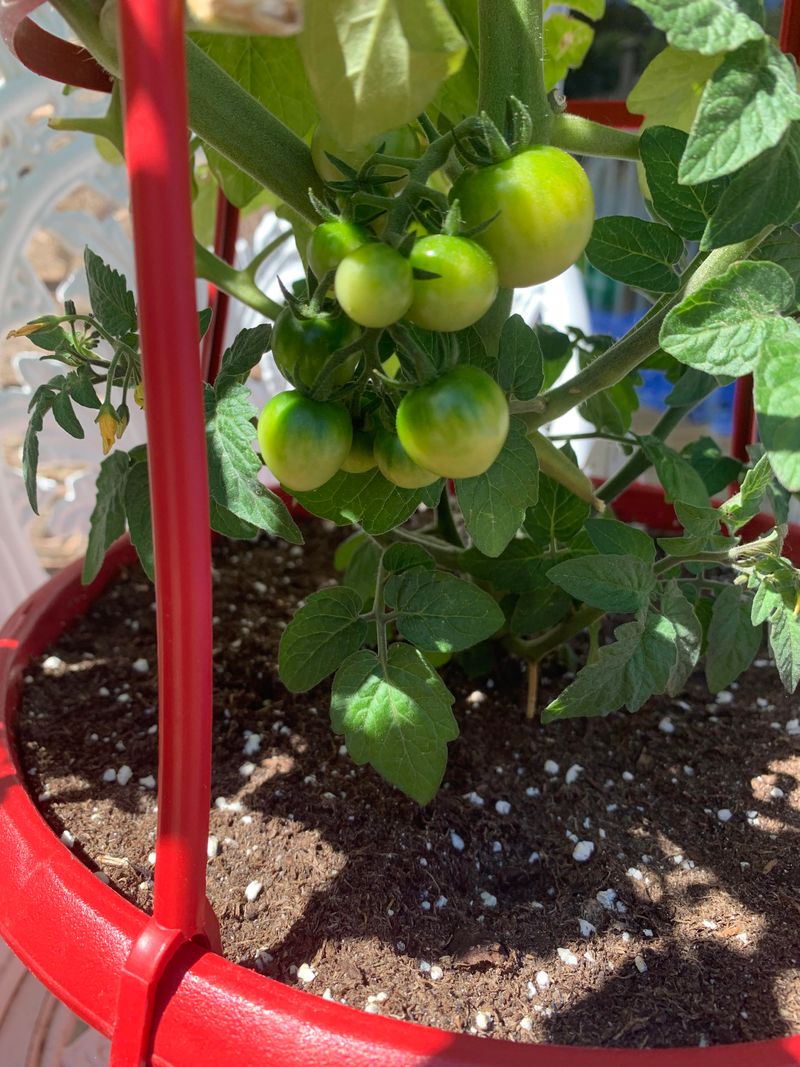
Cherry tomato plants in Ohio gardens have high nutritional needs, especially once they begin flowering and setting fruit. Starting a consistent feeding program at this stage supports heavy production throughout the season.
Skipping fertilizer or applying it irregularly results in smaller yields and less flavorful tomatoes.
Balanced fertilizers with equal or similar amounts of nitrogen, phosphorus, and potassium work well initially. Once flowering begins, switching to a formula higher in phosphorus and potassium promotes fruiting over leafy growth.
Too much nitrogen late in the season creates lush foliage but fewer tomatoes.
Organic options like compost tea or fish emulsion provide gentle, consistent nutrition. These products feed both plants and soil microbes, improving overall soil health.
Many Ohio gardeners prefer organic methods for their long-term benefits and environmental friendliness.
Liquid fertilizers act quickly and are easy to apply during regular watering. Diluting them to half strength and applying weekly prevents fertilizer burn while maintaining steady nutrition.
This approach works particularly well for container-grown cherry tomatoes.
Granular slow-release fertilizers reduce the frequency of applications. One application can feed plants for several weeks, making them convenient for busy gardeners.
Scratch granules into the soil surface and water them in thoroughly for best results.
Ohio’s clay soils sometimes lock up nutrients, making them unavailable to plants. Regular feeding compensates for this issue and ensures plants get what they need.
Soil testing reveals specific deficiencies that targeted fertilizers can address.
9. Harvest Often To Encourage Continued Production
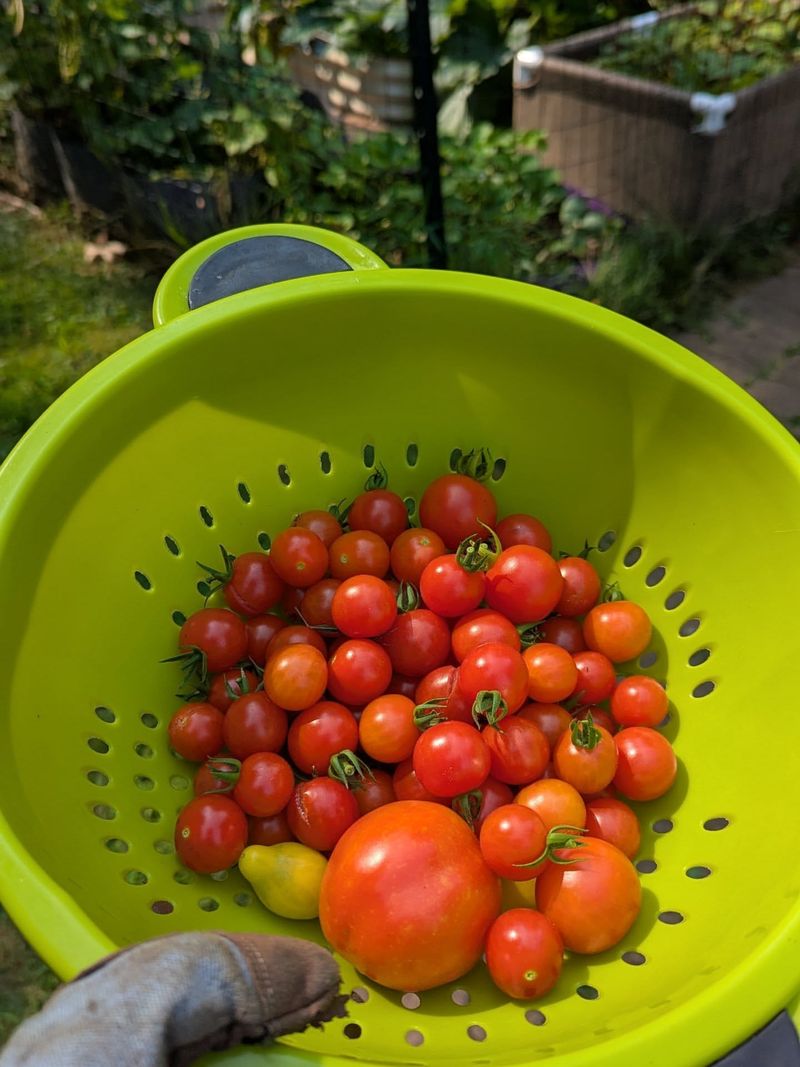
Leaving ripe cherry tomatoes on the vine signals plants to slow down production. Regular harvesting tells plants to keep flowering and setting fruit, extending your harvest well into fall.
This simple habit can double or even triple your total yield over the growing season.
Ohio gardeners should check plants every two to three days during peak production. Cherry tomatoes ripen quickly, especially during hot weather.
Missing a few days can result in overripe fruit that splits or attracts pests.
Picking tomatoes when they’re fully colored but still firm ensures the best flavor and texture. Slightly underripe fruits will continue ripening indoors if necessary.
This flexibility helps you harvest before storms or pests damage fruit on the vine.
Gently twisting or snipping tomatoes from the vine prevents damage to plants. Pulling hard can break stems or dislodge entire branches.
Using small scissors or pruners makes harvesting quick and plant-friendly.
Morning harvesting provides the best flavor since tomatoes are cool and firm. Afternoon heat can make fruits soft and less crisp.
Morning-picked tomatoes also store better if you’re not eating them immediately.
Regular harvesting lets you inspect plants closely for problems. You’ll spot pests, diseases, or nutrient issues early when they’re easiest to address.
This attention keeps plants healthier and more productive throughout the season.