8 Simple Kitchen Scraps You Can Turn Into Fertilizer In Georgia
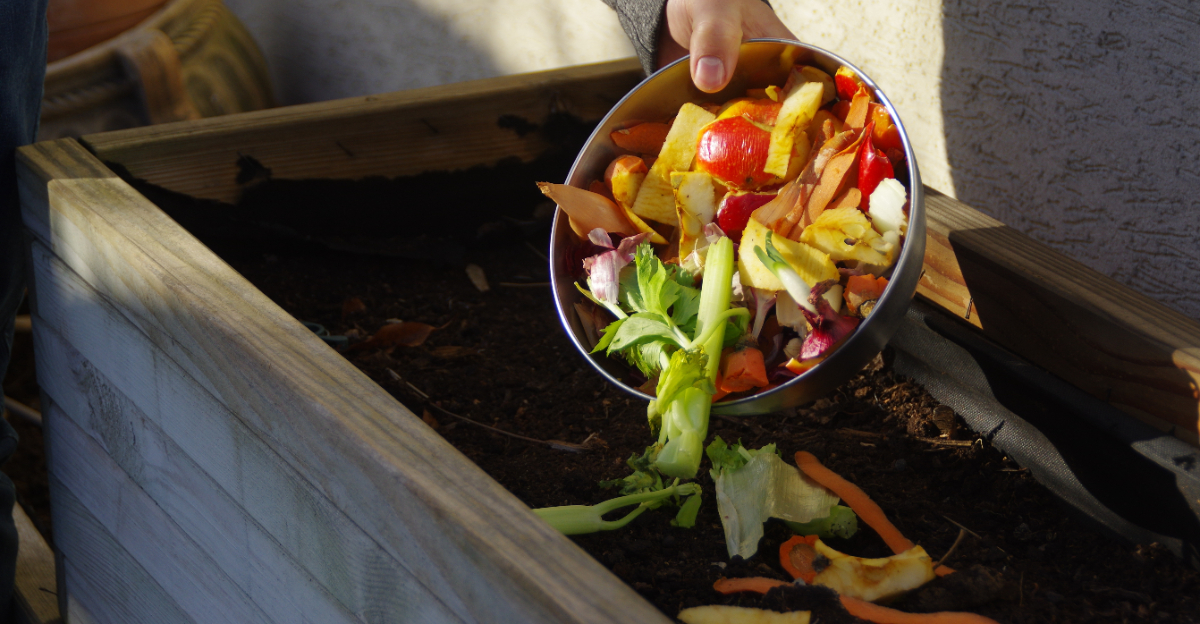
Most Georgia gardeners are throwing away fertilizer every single day without realizing it. What looks like kitchen waste is often exactly what warm Georgia soil and active microbes are built to use.
In this climate, scraps don’t sit idle. They break down fast, improve soil structure, and quietly feed plants in a way synthetic fertilizers can’t replicate.
That’s why small, everyday leftovers can make a visible difference in flowers, vegetables, and shrubs with almost no added work.
Georgia gardens respond best to slow, steady nutrition, not quick fixes. Kitchen scraps support stronger roots, healthier soil, and better stress tolerance during heat and humidity.
Once you see how much value comes from what you already have, tossing these scraps in the trash starts to feel like a mistake.
1. Compost Scraps Feed Soil Slowly And Safely
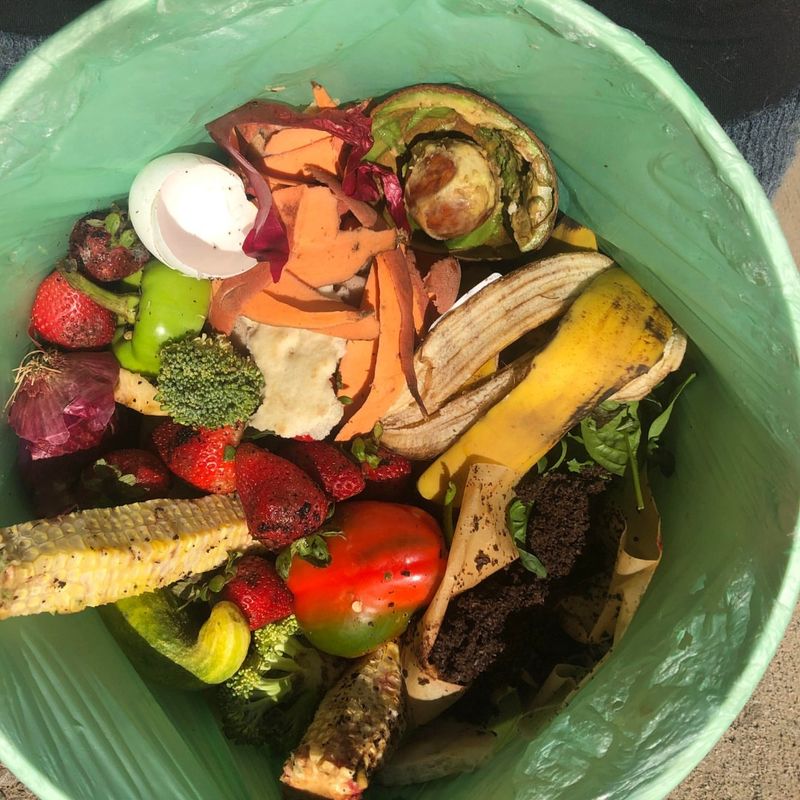
Fruit and vegetable scraps are the foundation of any good compost pile. Apple cores, potato peels, lettuce leaves, and melon rinds break down into rich organic matter that Georgia soil desperately needs.
The key is composting these scraps first rather than burying them directly in your garden beds. Raw scraps can attract pests, create odors, and even rob nitrogen from your soil as they decompose.
A proper compost pile heats up as microbes work, speeding decomposition and reducing issues.
Georgia’s warm temperatures mean your compost pile will work faster than in cooler states. During summer months, a well-maintained pile can produce usable compost in just two to three months.
Turn your pile every week or two to keep oxygen flowing and decomposition moving.
Balance your fruit and vegetable scraps with brown materials like dry leaves or shredded paper. This carbon-to-nitrogen ratio matters more than many gardeners realize.
Too many greens create a slimy, smelly mess while too many browns slow everything down.
Once your compost looks dark and crumbly with an earthy smell, spread it around your garden beds. The nutrients release slowly over time, feeding plants without the risk of burning roots.
Georgia clay soil especially benefits from this organic matter, improving drainage and structure season after season.
Finished compost also helps Georgia soil hold moisture during hot spells while preventing compaction after heavy rains.
Over time, regular compost use builds healthier soil that supports stronger roots and more productive plants.
2. Used Coffee Grounds Add Organic Matter To Garden Beds
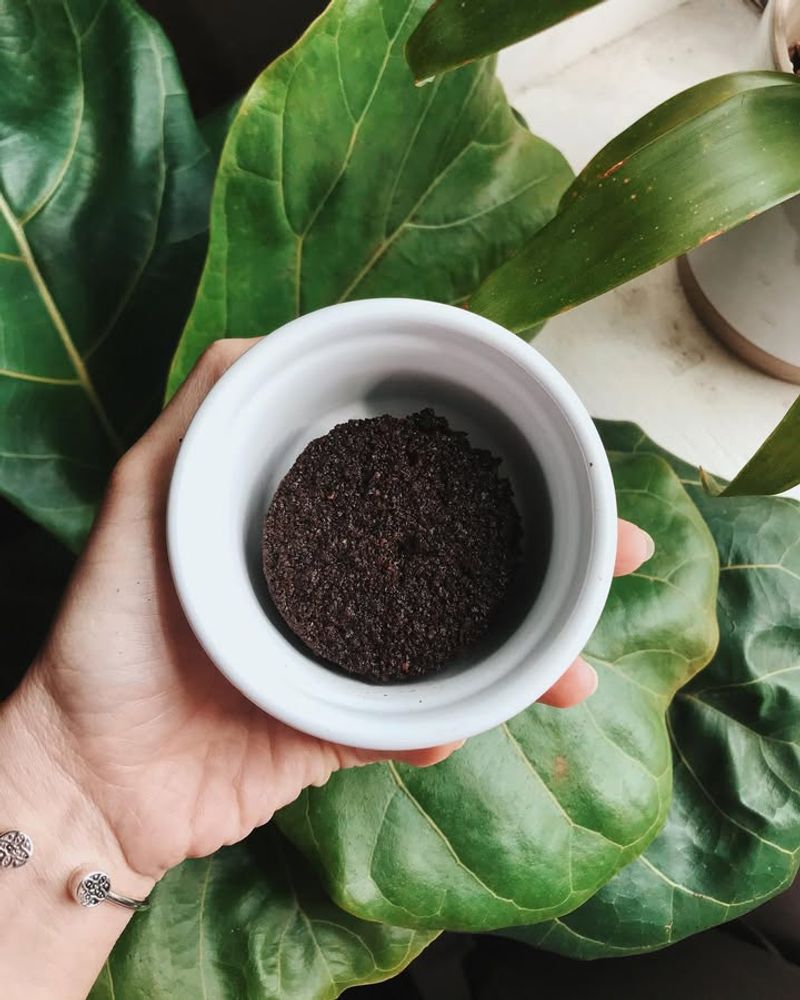
Your morning coffee routine generates valuable garden material. Used coffee grounds contain nitrogen, small amounts of phosphorus and potassium, plus beneficial organic matter that improves soil structure over time.
Despite common myths, coffee grounds are not highly acidic after brewing. The brewing process removes most acidity, leaving grounds nearly neutral.
This makes them safe for most Georgia plants without worrying about dramatically shifting soil pH.
Add coffee grounds to your compost bin rather than spreading them directly on garden beds. Fresh grounds can form a water-resistant layer when applied thickly, preventing moisture from reaching plant roots.
Mixed into compost first, they break down properly and integrate smoothly into your soil.
Coffee grounds also support beneficial microbes that help decompose other organic materials. These tiny organisms are essential workers in healthy Georgia soil, breaking down complex compounds into nutrients plants can actually use.
Collect grounds in a container near your coffee maker throughout the week. When you have enough, mix them into your compost pile with dry leaves or shredded cardboard.
The combination works better than grounds alone.
Many Georgia coffee shops offer free used grounds to gardeners. Ask your local cafe if they save grounds for pickup.
This gives you a steady supply while helping businesses reduce waste headed to landfills.
3. Crushed Eggshells Add Calcium After Composting
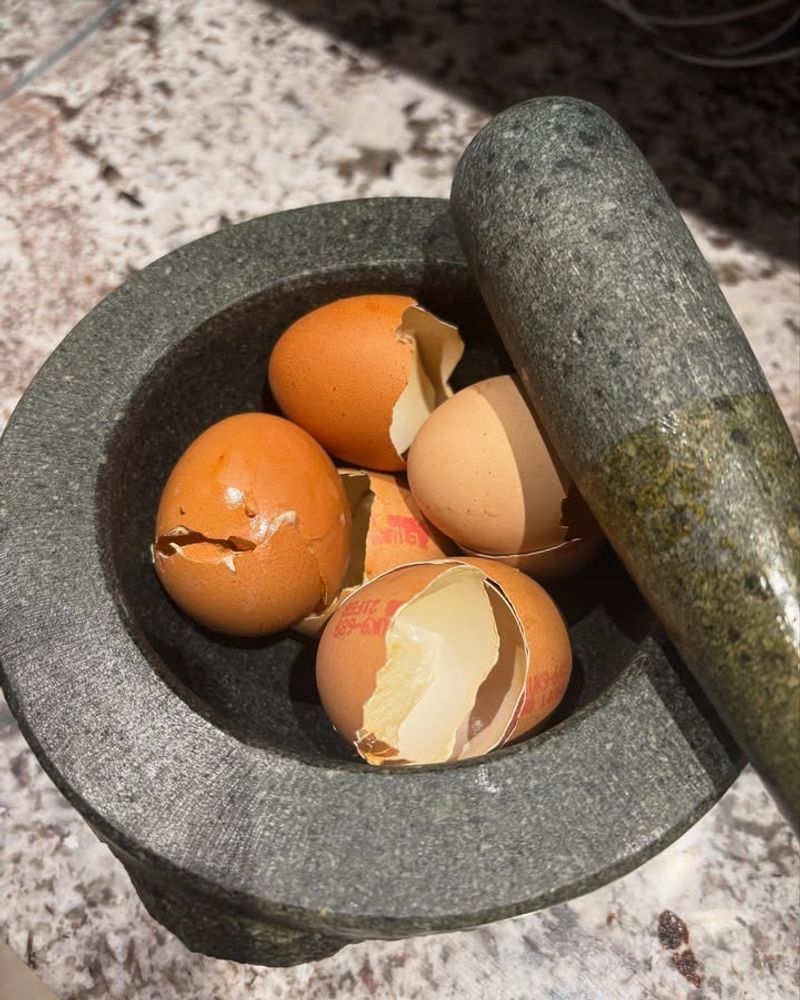
Eggshells bring calcium to your garden, though not as quickly as some gardeners expect. The hard calcium carbonate structure takes months to break down enough for plants to access the nutrients inside.
Crushing eggshells before adding them to compost speeds up the process considerably. Use a mortar and pestle, coffee grinder, or simply crush them by hand into small pieces.
Smaller fragments decompose faster than whole shells.
Calcium helps prevent blossom end rot in tomatoes, a common problem in Georgia gardens during hot summer months. Strong cell walls depend on adequate calcium, making this nutrient especially important for fruiting vegetables.
Add crushed eggshells to your compost pile regularly throughout the year. They mix with other materials and break down gradually as the pile works.
By the time your compost is ready to use, the calcium becomes more available to plants.
Some gardeners rinse eggshells before composting to remove residual egg white, though this step is optional. Any remaining protein breaks down quickly in an active compost pile without causing problems.
Georgia’s acidic clay soil sometimes benefits from the slight alkaline effect of calcium carbonate in eggshells. However, the impact is minimal and develops slowly.
Think of eggshells as a long-term soil builder rather than a quick pH adjuster for your garden beds.
For best results in Georgia gardens, pair eggshells with proper watering practices, since calcium uptake depends more on consistent soil moisture than on how much calcium is present in the soil.
4. Vegetable Cooking Water Provides Mild Nutrients When Cooled
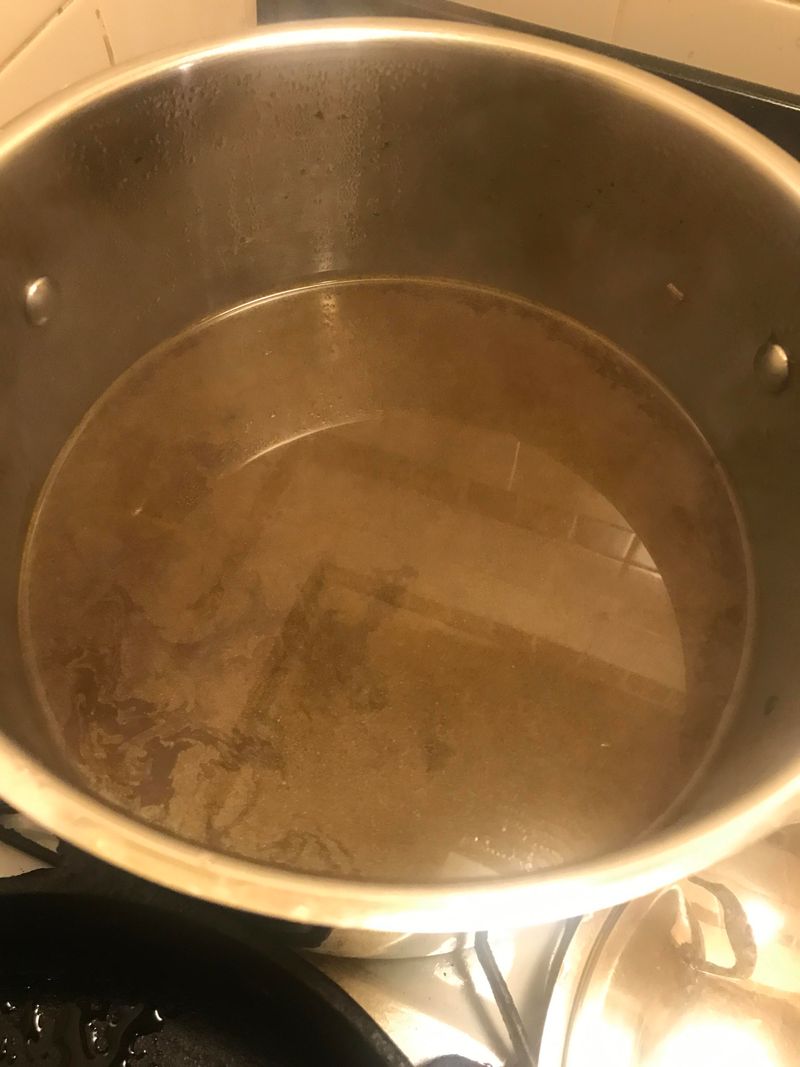
Water used to boil vegetables contains small amounts of vitamins and minerals that leached out during cooking. Instead of pouring this liquid down the drain, let it cool completely and use it to water your Georgia garden plants.
The nutrient content is modest compared to compost or fertilizer. Expect trace amounts of potassium, phosphorus, and water-soluble vitamins rather than a powerful plant food.
Still, these small additions accumulate over time and cost you nothing.
Never use salted cooking water on plants. Salt damages soil structure and harms beneficial organisms living in Georgia garden beds.
Even small amounts of salt can build up in the soil over repeated applications, creating long-term problems.
Cool the water to room temperature before applying it. Hot water can shock plant roots and harm soil microbes that keep your garden healthy.
Set the pot aside for several hours or overnight before using the water outside.
This works best for container plants and vegetable gardens where you water regularly anyway. Simply substitute vegetable water for regular watering occasionally rather than making it your only water source.
Pasta water, rice water, and water from steaming vegetables all work similarly. The key is keeping the water unseasoned and letting it cool properly.
Georgia summers make cooling take longer, so plan ahead and save the water from dinner to use the next morning.
5. Tea Leaves Improve Soil Texture Over Time
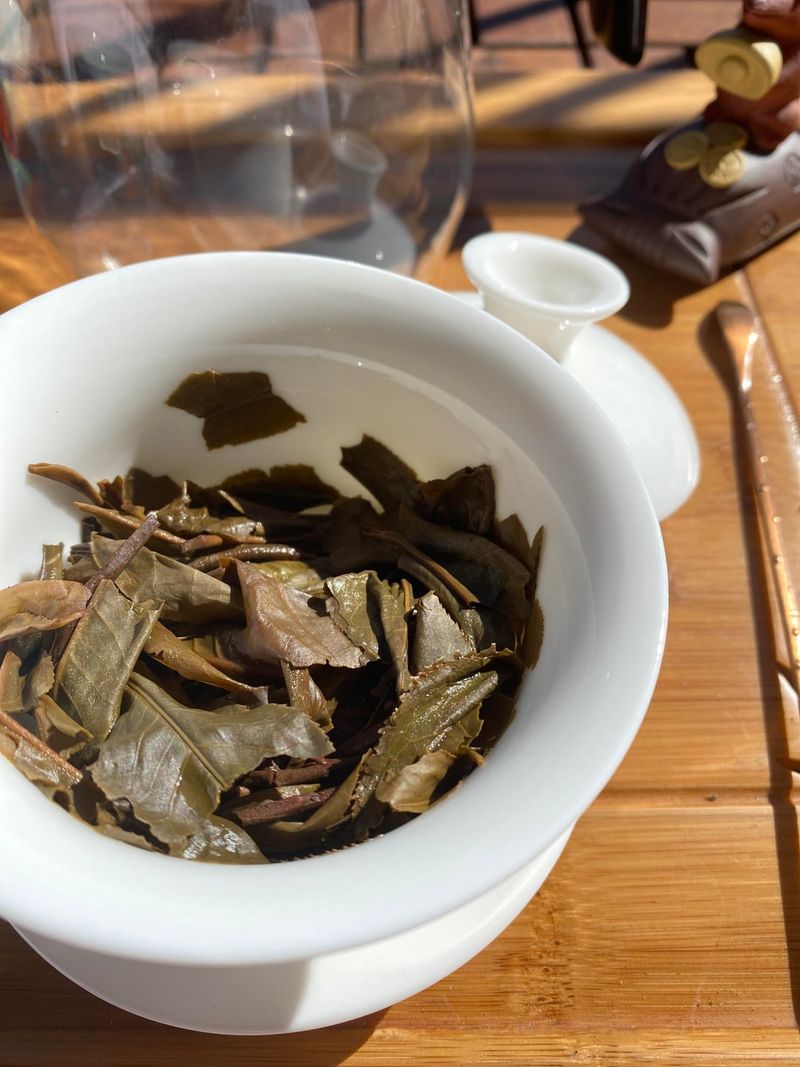
Loose tea leaves and the contents of used tea bags add valuable organic material to compost piles. Black tea, green tea, and herbal varieties all break down into soil-building matter that helps Georgia gardens retain moisture during dry spells.
Remove tea bags from their paper or synthetic pouches before composting. Many tea bags contain plastic fibers that won’t decompose properly.
Tear open the bag and dump the leaves into your compost bin, then discard the bag itself in regular trash.
Tea leaves are considered green material in composting terms despite their brown color. They provide nitrogen that balances carbon-rich materials like dry leaves or shredded paper.
Mix them thoroughly into your pile for best results.
The organic matter from decomposed tea leaves helps Georgia’s heavy clay soil develop better structure. Improved soil texture means water drains more effectively while still holding enough moisture for plant roots during hot weather.
Tannic acid in tea leaves breaks down during composting and doesn’t harm plants in finished compost. The slight acidity that remains after decomposition is negligible and won’t significantly change your soil pH.
Save tea leaves in a small container on your kitchen counter between compost trips. They dry out quickly and won’t create odors while you collect enough to make adding them to your pile worthwhile.
Georgia’s humidity might slow drying slightly, so empty your container regularly.
6. Banana Peels Contribute Potassium Through Compost
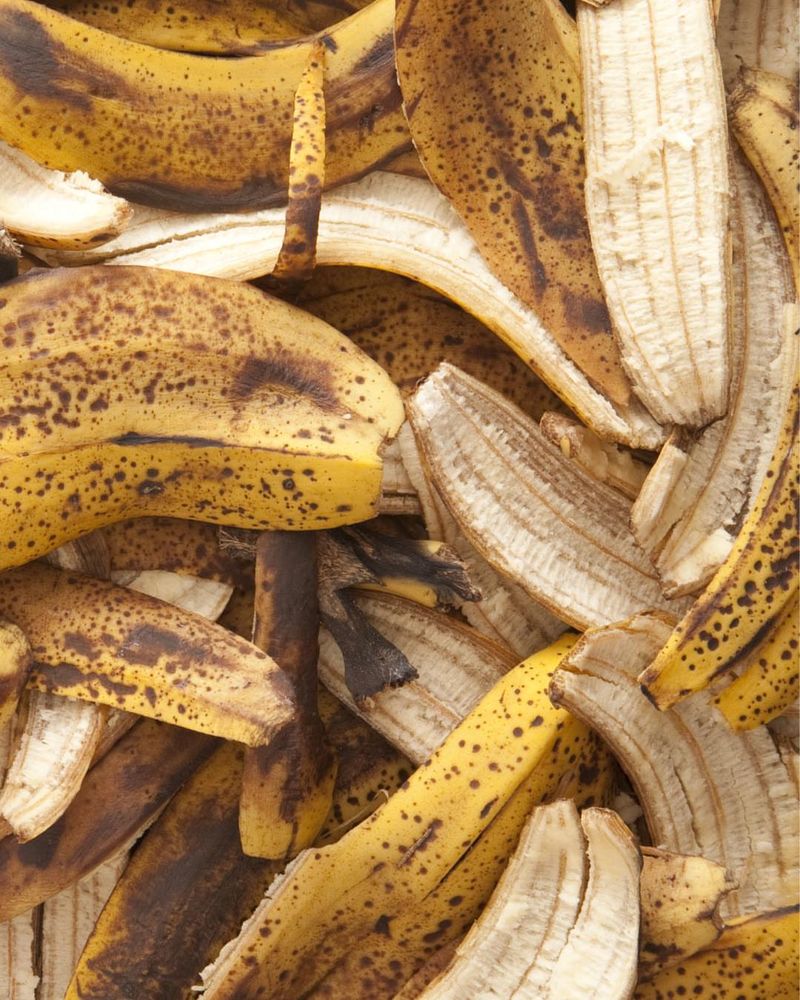
Banana peels contain potassium that plants use for strong stems, disease resistance, and overall vigor. However, the nutrient doesn’t become available immediately when you add peels to your garden.
Composting banana peels first allows them to break down properly and release potassium gradually. Burying whole peels in garden beds creates a slimy mess that attracts fruit flies and other pests before any nutrients reach your plants.
Chop banana peels into smaller pieces before adding them to your compost pile. Smaller chunks decompose faster in Georgia’s warm climate, getting nutrients into your finished compost sooner.
Use kitchen scissors or a knife to cut peels into strips or squares.
Potassium supports many plant functions beyond just flowering. Strong cell walls, efficient water use, and protein synthesis all depend on adequate potassium.
Georgia vegetables and flowers both benefit from this nutrient throughout the growing season.
Banana peels work best mixed with other compost materials rather than composted alone. Combine them with coffee grounds, vegetable scraps, and dry leaves for balanced decomposition.
The variety of materials creates better finished compost than any single ingredient.
Don’t expect banana peels to produce immediate blooms or rapid growth. Nutrients release slowly as microbes break down the organic material.
This gradual process builds long-term soil health rather than providing a quick boost to plants in your Georgia garden beds.
7. Onion Skins Add Carbon To Compost Mixes
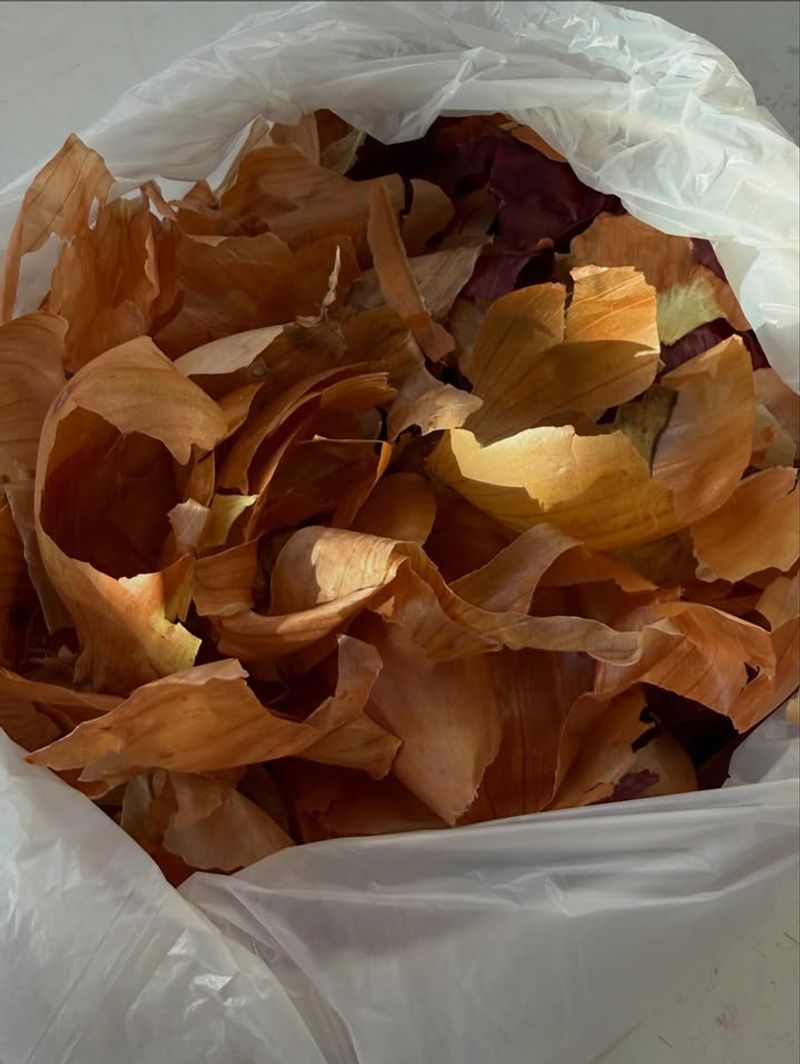
Dry onion skins are excellent brown material for balancing nitrogen-rich kitchen scraps in compost piles.
The papery outer layers contain carbon that helps create proper compost structure and prevents the slimy, smelly problems that come from too many green materials.
Separate the dry outer skins when preparing onions for cooking. These layers peel off easily and would otherwise go straight to the trash.
Collect them in a paper bag or container until you have enough to add to your compost.
The carbon in onion skins helps absorb excess moisture in compost piles. Georgia’s humid climate can make compost too wet, slowing decomposition and creating odor issues.
Dry brown materials like onion skins help maintain the right moisture balance.
Onion skins break down more slowly than soft fruit and vegetable scraps. This is actually beneficial because they provide structure in the compost pile while other materials decompose faster.
The combination creates air pockets that allow oxygen to circulate.
Both yellow and red onion skins work equally well in compost. Garlic skins function similarly and can be added whenever you peel garlic cloves.
The stronger smell of these alliums doesn’t persist in finished compost.
Mix onion skins throughout your compost pile rather than dumping them in one spot. Even distribution helps them work more effectively as brown material.
Georgia gardeners who maintain active compost piles year-round will find onion skins especially useful during summer when green materials tend to dominate.
8. Paper Towel Scraps From Produce Add Carbon To Compost
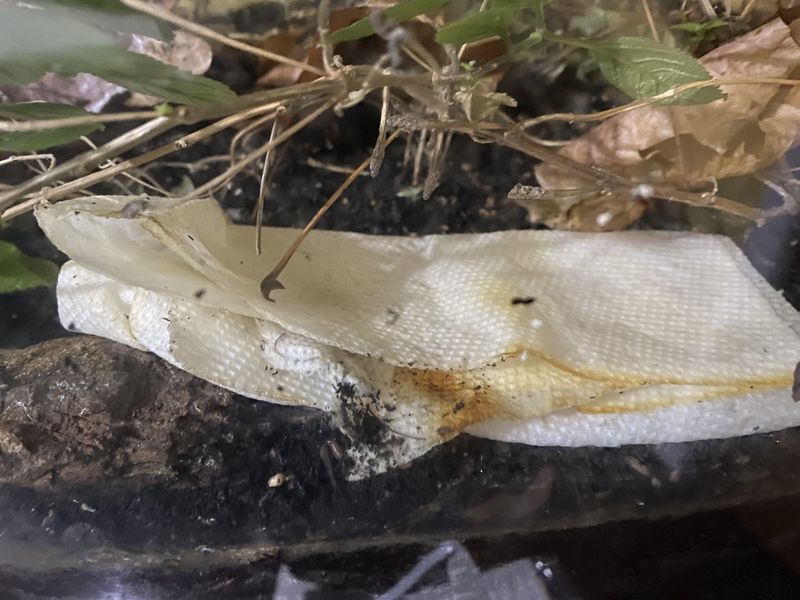
Unbleached paper towels used to dry lettuce, berries, or other produce can go straight into your compost bin. These towels provide carbon-rich brown material while keeping kitchen waste out of landfills.
Only compost paper towels used for produce or other food-safe purposes. Avoid towels used for cleaning chemicals, oils, or anything that might contaminate your compost.
When in doubt, throw it out rather than risk introducing harmful substances to your garden soil.
Tear paper towels into smaller pieces before composting. Whole sheets take longer to break down and can form clumps that resist decomposition.
Ripping them into quarters or strips helps them integrate better with other compost materials.
Unbleached brown paper towels work best for composting. White towels often contain bleach or other chemicals used in processing.
While small amounts probably won’t cause major problems, unbleached options are safer for Georgia gardens.
Paper towels help balance moisture in compost piles. They absorb excess liquid from fruit and vegetable scraps, preventing the soggy conditions that slow decomposition and create odors.
This is especially helpful during Georgia’s rainy seasons when compost can become waterlogged.
Consider this an occasional addition rather than a primary compost ingredient. Paper towels supplement other brown materials like dry leaves and shredded cardboard.
Georgia gardeners who collect fall leaves have plenty of carbon material, but paper towels fill gaps during other seasons when brown materials are scarce.