9 Simple Lucky Bamboo Care Secrets That Actually Work In New York Apartments
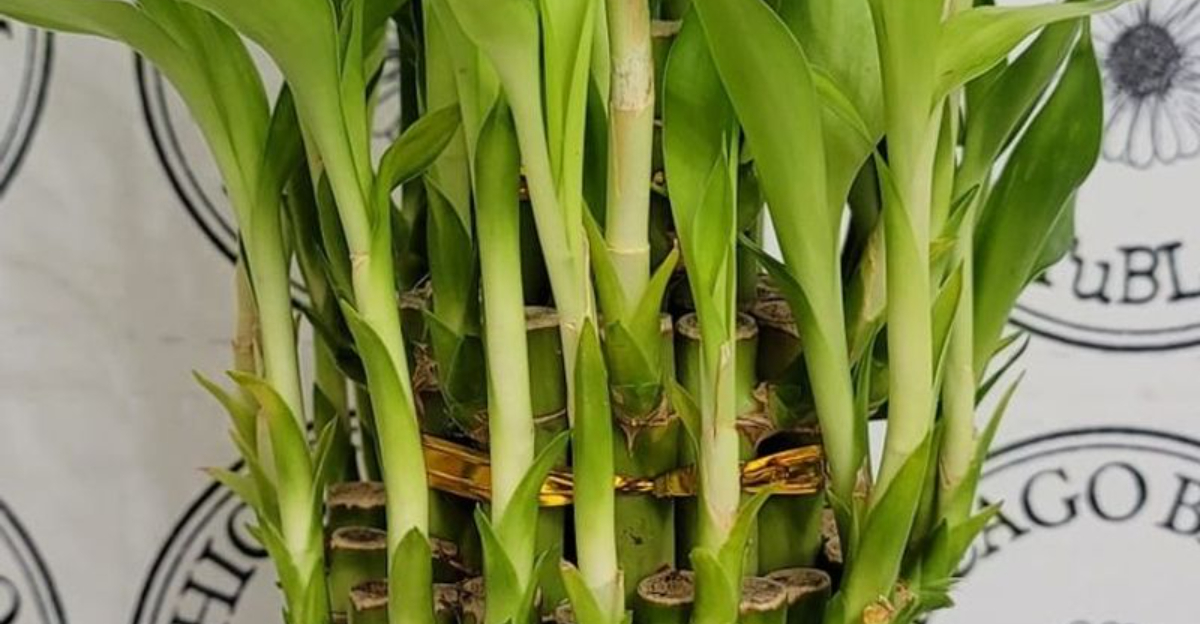
Lucky bamboo plants bring a touch of green serenity to cramped New York City apartments, and they’re surprisingly easy to care for once you know the basics.
These resilient plants can thrive even in tiny studio spaces with limited natural light, making them perfect for urban dwellers.
Whether you’re a first-time plant parent or a seasoned gardener adapting to apartment life, these care secrets will help your lucky bamboo flourish in the unique conditions of NYC living.
1. Use Filtered Or Distilled Water Instead Of NYC Tap Water
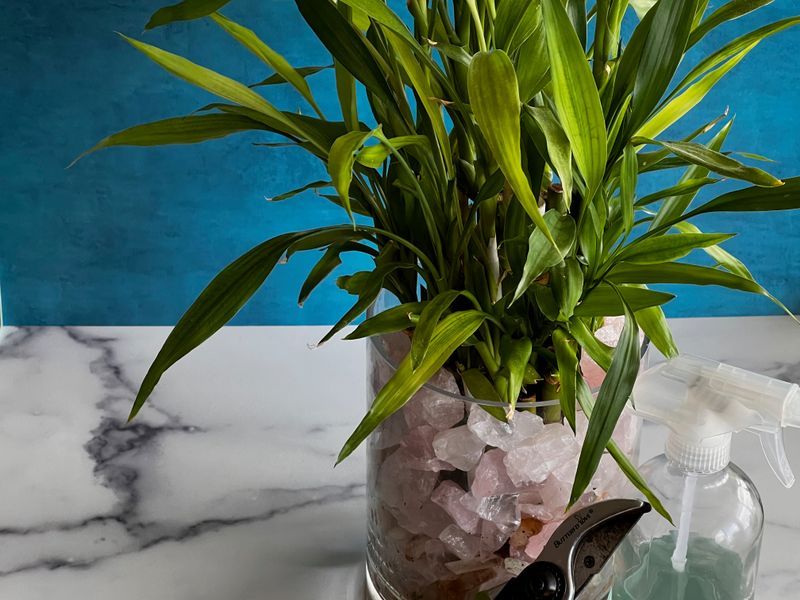
New York City tap water contains chlorine, fluoride, and various minerals that can harm your lucky bamboo over time.
The leaves may develop brown tips or yellow streaks if exposed to these chemicals regularly.
Switching to filtered or distilled water makes an enormous difference in plant health.
You can easily find gallon jugs of distilled water at any bodega or grocery store for just a couple of dollars.
Some plant enthusiasts fill containers with tap water and let them sit uncovered for 24 hours, allowing chlorine to evaporate naturally.
This method works reasonably well if you’re on a budget.
Change the water every one to two weeks to prevent bacterial growth and keep oxygen levels fresh.
During water changes, rinse the roots gently under room temperature filtered water to remove any slimy buildup.
Clean the container thoroughly as well to prevent algae formation.
Your bamboo will reward you with vibrant green stalks and healthy root systems when given quality water.
This simple adjustment addresses one of the most common problems NYC apartment gardeners face with their lucky bamboo plants.
2. Position Your Plant Away From Radiators And Air Conditioners
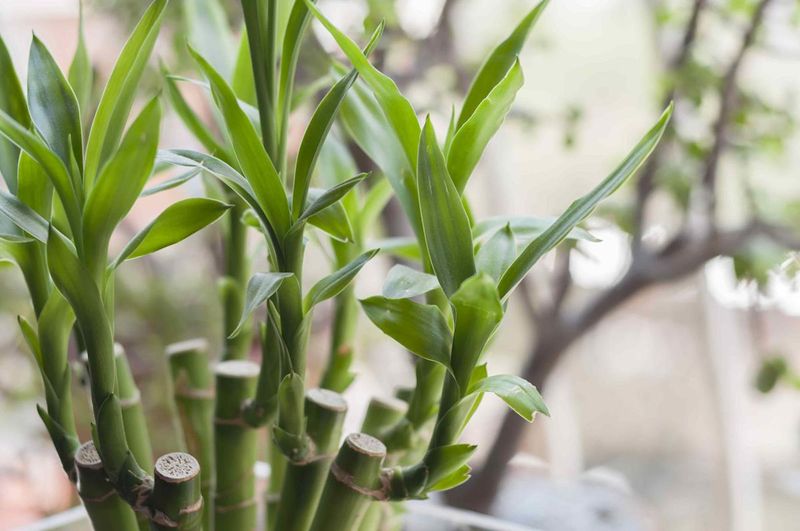
Temperature extremes can stress your lucky bamboo faster than almost any other factor in apartment environments.
NYC apartments are notorious for blasting heat in winter and running air conditioning full blast during summer months.
These dramatic temperature swings create challenging conditions for tropical plants.
Lucky bamboo prefers consistent temperatures between 65 and 90 degrees Fahrenheit.
Placing your plant directly next to a radiator will cause the water to heat up, potentially cooking the roots.
Similarly, cold drafts from air conditioners can shock the plant and cause leaf discoloration.
Find a stable spot in your apartment where temperature remains relatively constant throughout the day.
Interior walls away from windows and heating units often provide ideal conditions.
Bathroom counters can work wonderfully if they receive indirect light, as the humidity from showers benefits the plant.
Corner shelves, coffee tables, and bedroom dressers positioned away from vents make excellent homes for lucky bamboo.
Monitor your plant during seasonal changes when you first turn on heating or cooling systems.
Relocate if you notice stress signs like yellowing leaves or wilting stalks.
3. Embrace Low Light Conditions Common In NYC Apartments
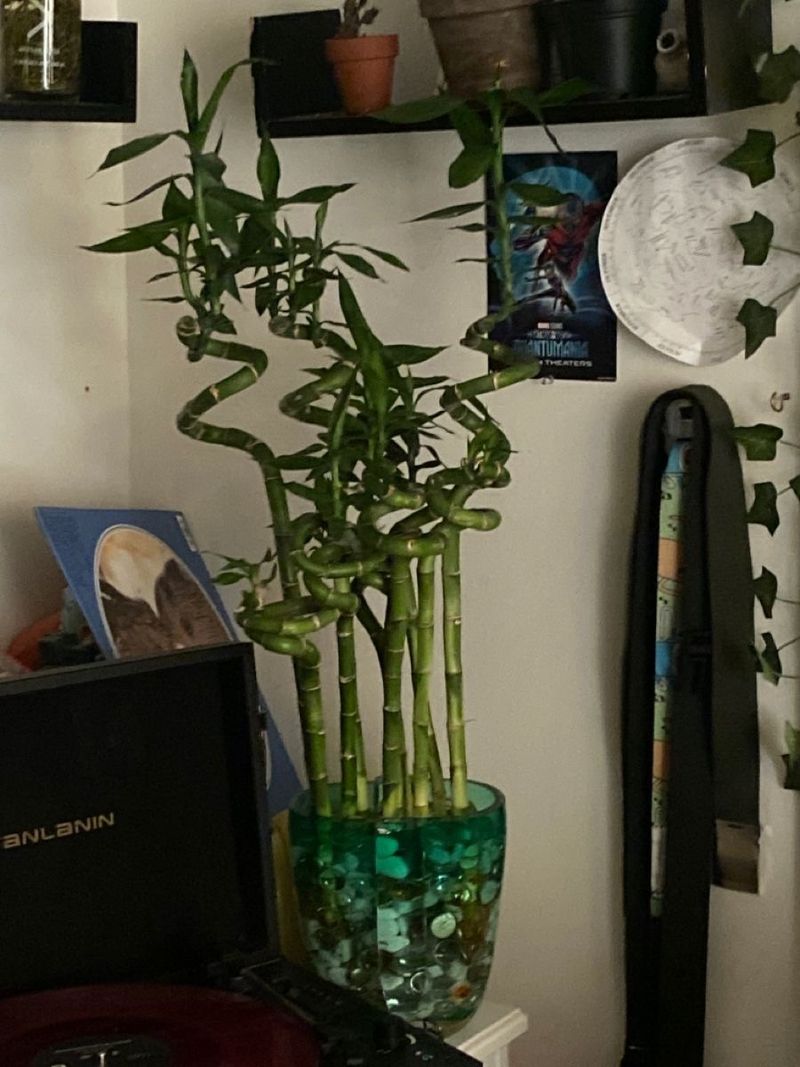
Many New York apartments face narrow airshafts, brick walls, or northern exposures that provide minimal sunlight.
Lucky bamboo actually prefers these shadier conditions over direct sun.
Bright, indirect light works best, but these plants adapt remarkably well to low-light situations.
If your apartment feels dim to you, it’s probably perfect for lucky bamboo.
Direct sunlight through windows can actually scorch the leaves, turning them yellow or brown.
South-facing windows with intense afternoon sun should be avoided unless you use sheer curtains to diffuse the light.
East-facing windows with gentle morning light work beautifully.
North-facing windows, often considered challenging for most plants, suit lucky bamboo perfectly.
You can even grow these plants several feet away from windows in interior rooms.
Office fluorescent lighting provides sufficient illumination for healthy growth.
If your bamboo develops pale leaves, it might need slightly more light.
Move it a foot or two closer to a window and observe the response over a few weeks.
This adaptability makes lucky bamboo ideal for those darker railroad apartments common throughout Brooklyn and Manhattan.
4. Maintain Water Levels Between One And Three Inches
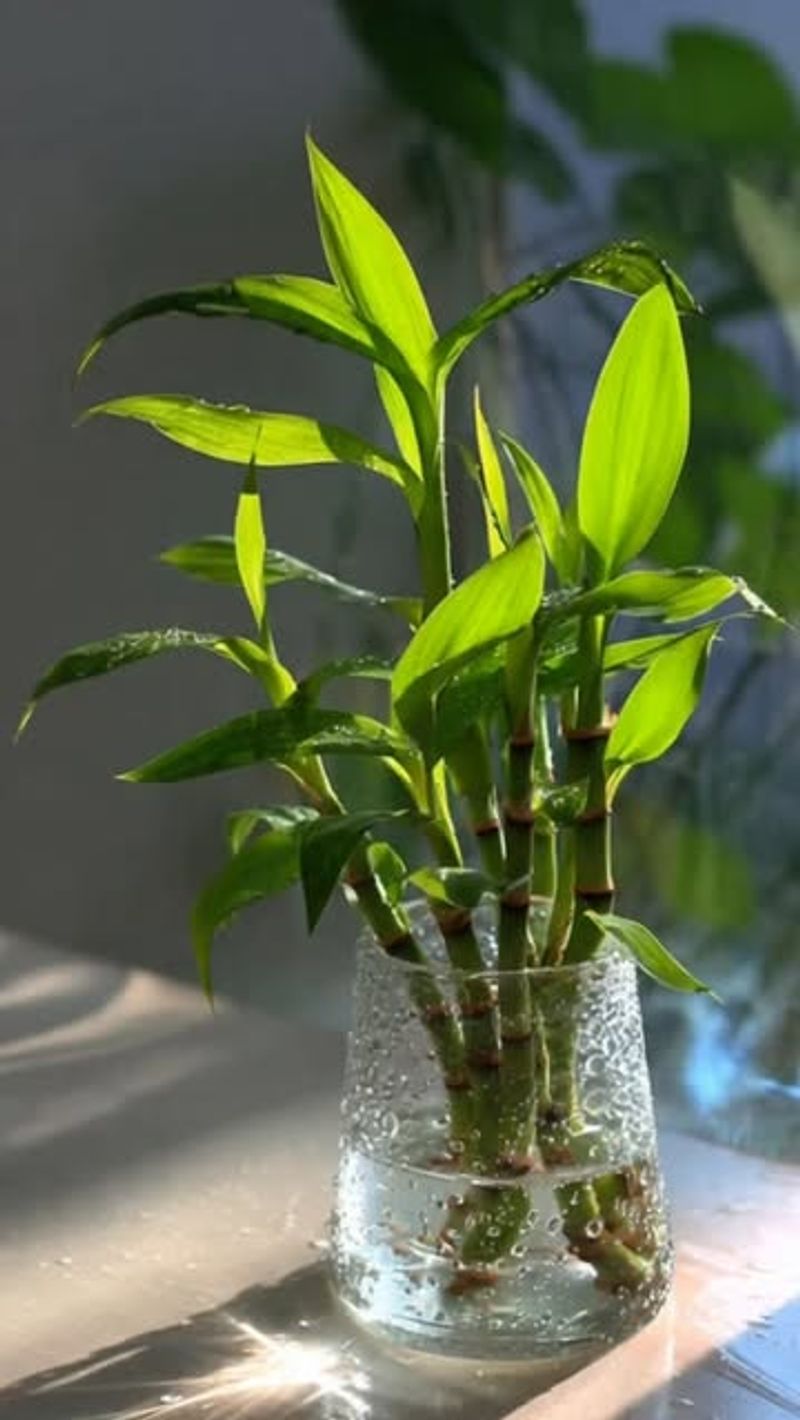
Finding the right water depth prevents root rot while ensuring adequate hydration.
Too much water suffocates the roots, while too little causes stress and browning.
Keep water levels covering the roots and rising one to three inches up the stalks.
This range provides optimal conditions for most lucky bamboo arrangements.
Check water levels weekly, as evaporation happens faster in heated apartments during winter months.
The dry indoor air that makes your skin feel parched also affects plant water.
Top off the water as needed to maintain consistent levels.
If you notice the water level dropping rapidly, consider using a wider container to slow evaporation.
Clear glass containers make monitoring water levels effortless at a glance.
Mark the ideal water line with a small piece of tape on the outside if you want a visual reference.
During complete water changes every two weeks, take a moment to inspect the roots.
Healthy roots appear white or light tan, while problematic roots look brown, black, or slimy.
Trim any unhealthy roots with clean scissors before refilling with fresh water.
5. Add Liquid Fertilizer Once Every Two Months Maximum
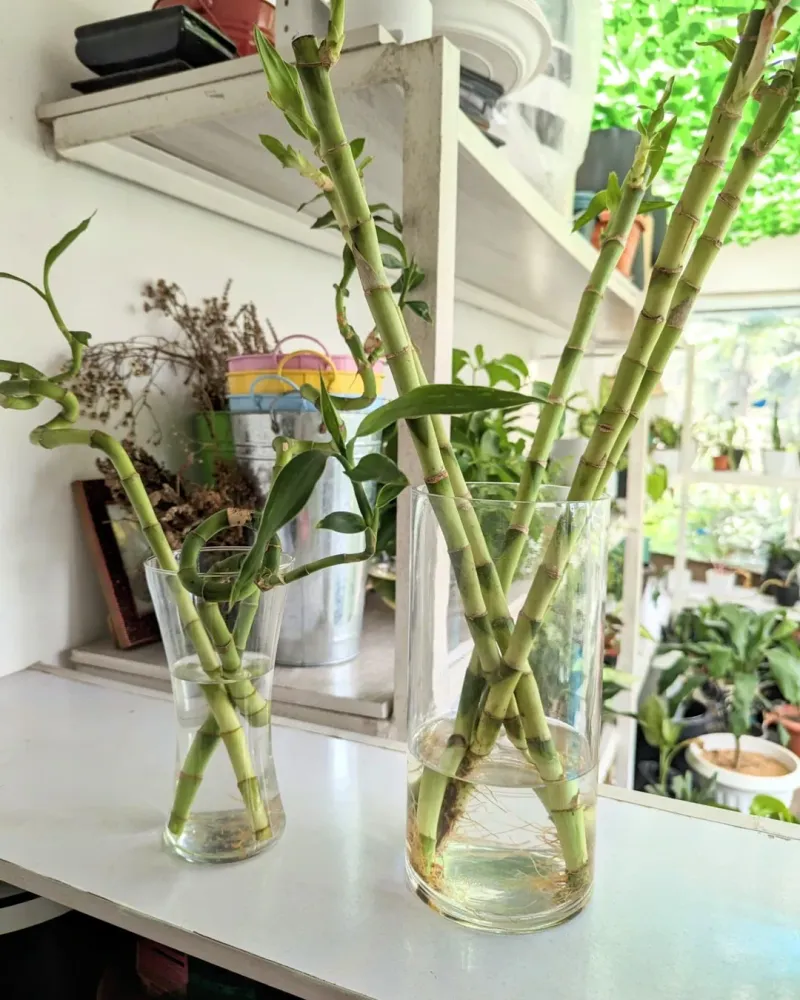
Over-fertilizing ranks among the top mistakes apartment gardeners make with lucky bamboo.
These plants require minimal nutrients compared to other houseplants.
A single drop of liquid houseplant fertilizer every other month provides sufficient nutrition.
More than this can cause salt buildup in the water, leading to brown leaf tips and stunted growth.
Look for a balanced liquid fertilizer formulated for houseplants or aquatic plants.
Dilute it to one-quarter the strength recommended on the bottle.
Many experienced growers fertilize only four to six times per year with excellent results.
During winter months when growth naturally slows, you can skip fertilizing entirely.
Resume feeding in spring when you notice new leaf growth emerging.
If you see yellowing leaves or excessive algae growth in the water, you might be over-fertilizing.
Stop all fertilizer applications and change the water completely.
Rinse the roots and container thoroughly to remove accumulated salts.
Wait at least six weeks before attempting to fertilize again at a reduced concentration.
Remember that less is definitely more when feeding lucky bamboo in apartment conditions.
6. Rotate Your Plant Weekly For Even Growth
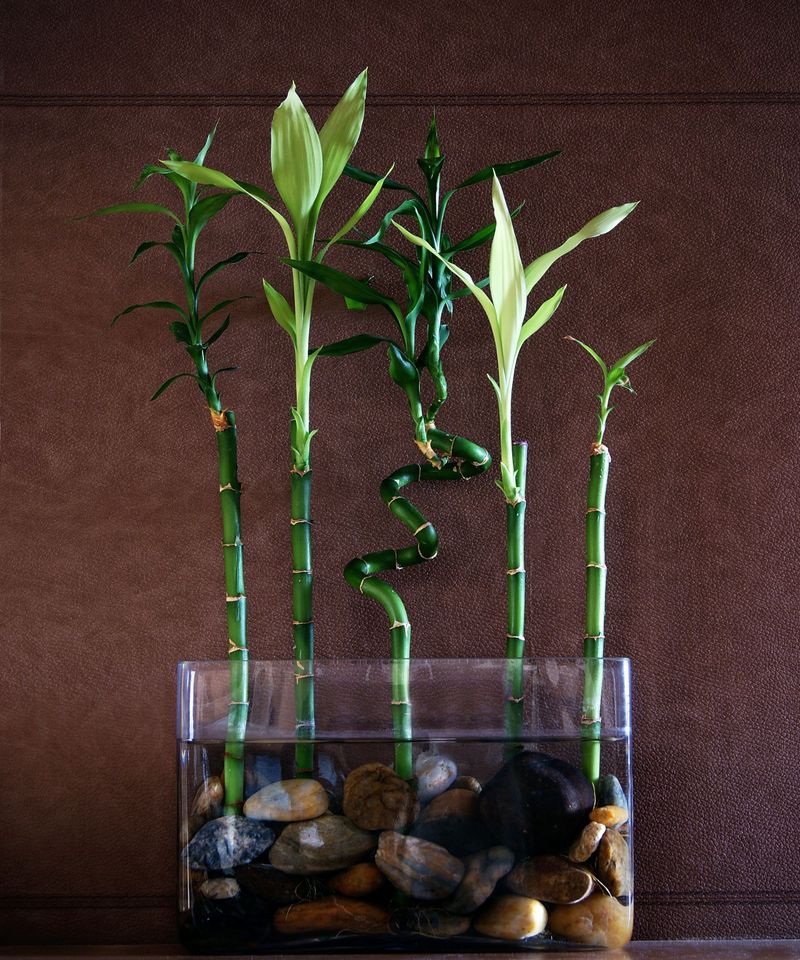
Plants naturally grow toward their light source, which can create lopsided or leaning bamboo stalks.
This tendency becomes especially pronounced in apartments with limited windows.
Rotating your lucky bamboo container a quarter turn each week promotes balanced, upright growth.
Set a reminder on your phone for the same day each week to develop this helpful habit.
Many people rotate their plants on Sunday evenings or Monday mornings as part of their weekly routine.
This simple practice takes only seconds but makes a noticeable difference over time.
Even growth creates more attractive arrangements and prevents stalks from bending awkwardly toward windows.
If you already have leaning stalks, consistent rotation can gradually encourage them to straighten.
Place the leaning side away from the light source so the plant grows back toward center.
Patience pays off, as this correction happens slowly over several weeks.
For arrangements with multiple stalks, rotation ensures each stalk receives equal light exposure.
This prevents some stalks from thriving while others languish in constant shade.
Rotating also helps you spot potential problems from all angles during your weekly plant check.
7. Wipe Dust From Leaves Monthly With Damp Cloth
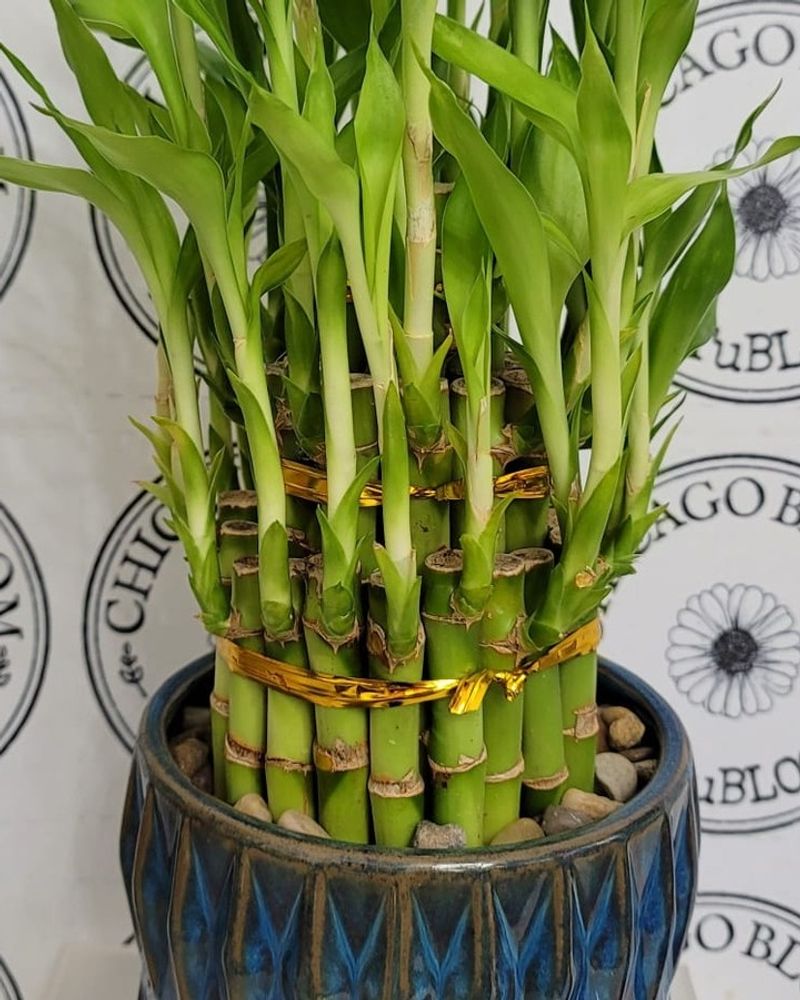
New York City apartments accumulate dust at an astonishing rate due to constant construction, traffic, and millions of people creating particulate matter.
This urban dust settles on everything, including your lucky bamboo leaves.
A dusty leaf surface blocks light absorption and can harbor pests or fungal spores.
Once monthly, gently wipe each leaf with a soft, damp cloth to remove accumulated grime.
Use room temperature filtered water and a microfiber cloth or soft cotton fabric.
Support each leaf from underneath while wiping to avoid tearing or damaging the delicate tissue.
Work from the base of the leaf toward the tip in smooth, gentle strokes.
This cleaning ritual also gives you an opportunity to inspect leaves closely for early signs of problems.
Look for discoloration, spots, or tiny insects that might indicate issues requiring attention.
Clean leaves appear brighter green and more vibrant, enhancing your apartment’s aesthetic.
Some plant enthusiasts combine leaf cleaning with their regular dusting routine to stay consistent.
Avoid using leaf shine products, which can clog pores and harm the plant.
Plain water works perfectly for keeping your lucky bamboo looking fresh and healthy.
8. Choose Containers With Stable Bases For Safety
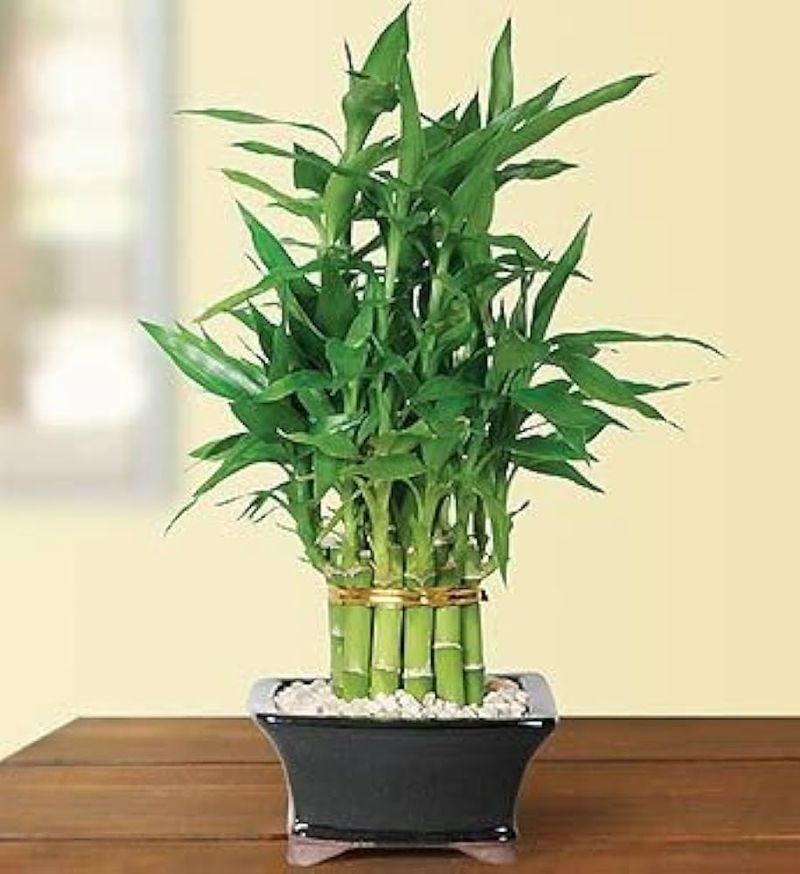
Apartment living often means tight spaces, curious pets, and the occasional bump from passing by furniture.
A top-heavy or unstable container can easily tip over, creating a mess and potentially harming your plant.
Select containers with wide, heavy bases that resist tipping.
Ceramic and glass containers with broad bottoms work better than tall, narrow vases.
The container should be at least one-third the height of your bamboo stalks for proper balance.
If you love a particular tall vase, consider placing it inside a larger, heavier outer container for added stability.
Alternatively, position tall arrangements against walls or in corners where they’re less likely to be knocked over.
Avoid placing lucky bamboo on high shelves in earthquake-prone areas or homes with energetic pets.
Counter-height locations on stable surfaces work best for most apartments.
If you have cats who love knocking things over, choose the widest, shortest container possible.
Some growers add decorative river rocks or glass pebbles to the bottom of containers for extra weight and stability.
These additions also create visual interest while serving a practical purpose.
A stable container protects your investment and prevents water damage to apartment floors and furniture.
9. Trim Yellow Leaves Promptly With Clean Scissors
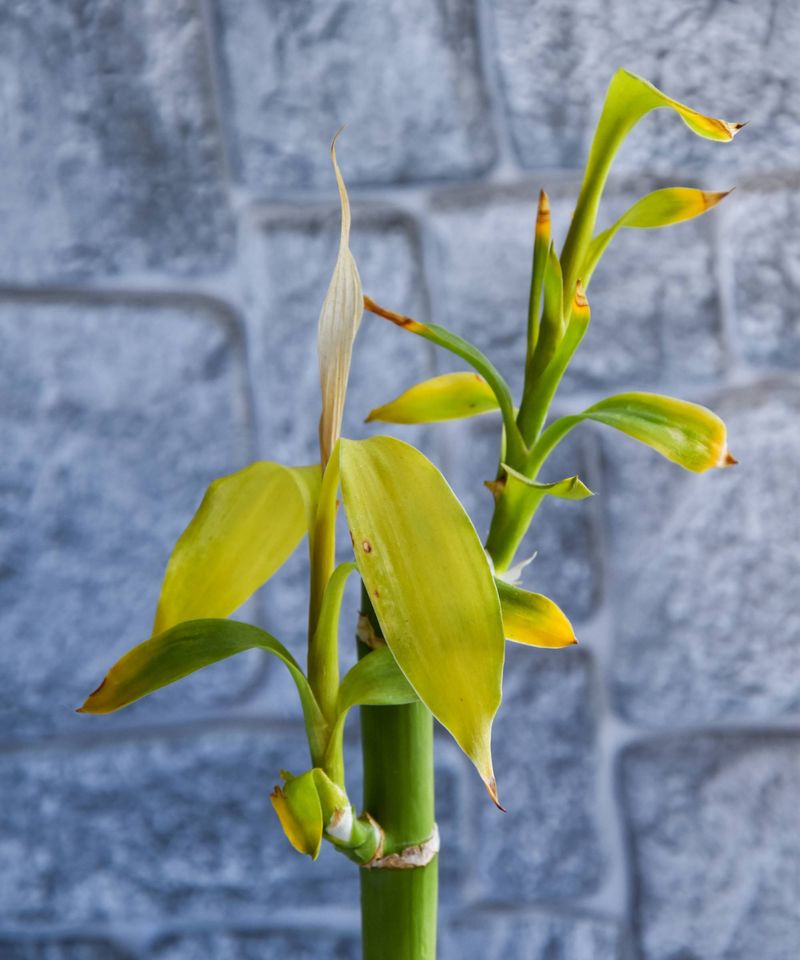
Yellow leaves happen occasionally even with perfect care, especially as plants mature.
Older leaves naturally yellow and fade as the plant redirects energy to new growth.
Removing yellowed leaves promptly keeps your plant looking attractive and prevents potential problems.
Use clean, sharp scissors or pruning shears sterilized with rubbing alcohol.
Cut the yellow leaf as close to the main stalk as possible without damaging the stalk itself.
Make clean cuts rather than tearing, which can create entry points for bacteria.
If an entire stalk turns yellow, you can remove it at the base if other stalks remain healthy.
One yellowing stalk doesn’t necessarily indicate a widespread problem.
After trimming, monitor the remaining stalks for signs of spreading issues.
If yellowing continues rapidly, investigate potential causes like water quality, temperature stress, or over-fertilizing.
Regular grooming maintains the tidy appearance that makes lucky bamboo so appealing in small apartment spaces.
Save the trimmed healthy green portions to propagate new plants if you’re feeling adventurous.
Place cuttings in fresh water and they may develop roots over several weeks, giving you additional plants to enjoy or share with friends.