8 Simple Methods That Protect Pots And Planters From Frost In Pennsylvania
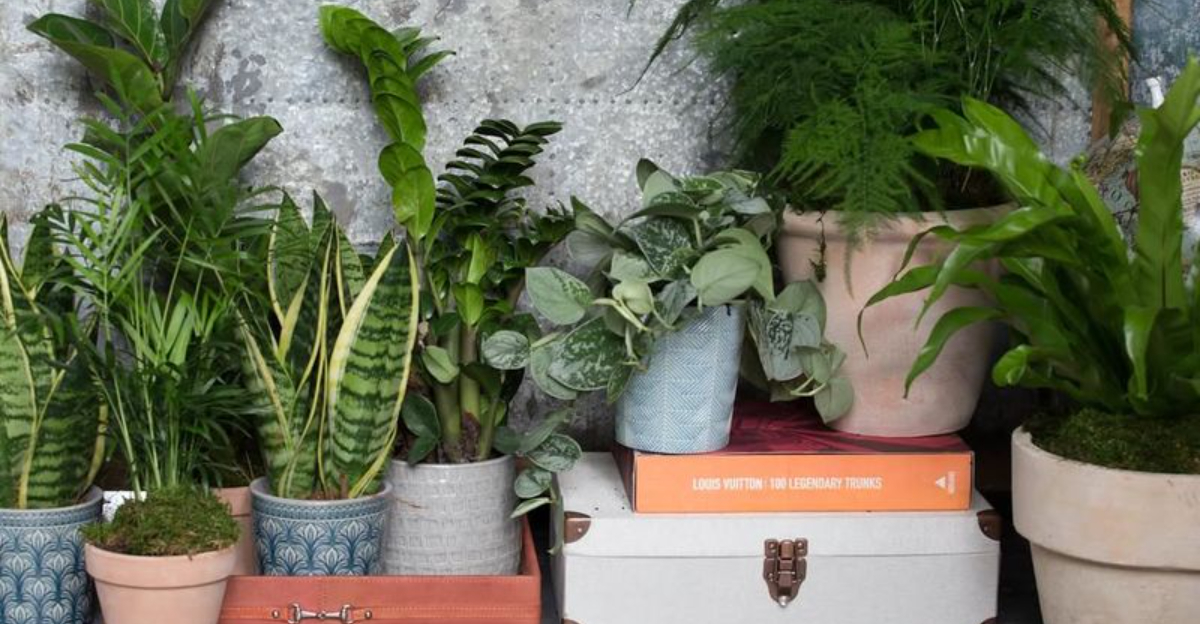
Frost can sneak up fast in Pennsylvania, and I’ve learned that pots and planters often take the hit before anything else in the yard.
I’ve watched healthy container plants struggle simply because a cold night caught them unprotected.
With a few simple methods, it’s possible to keep planters safe and avoid the damage that frost leaves behind.
1. Move Containers to Sheltered Locations
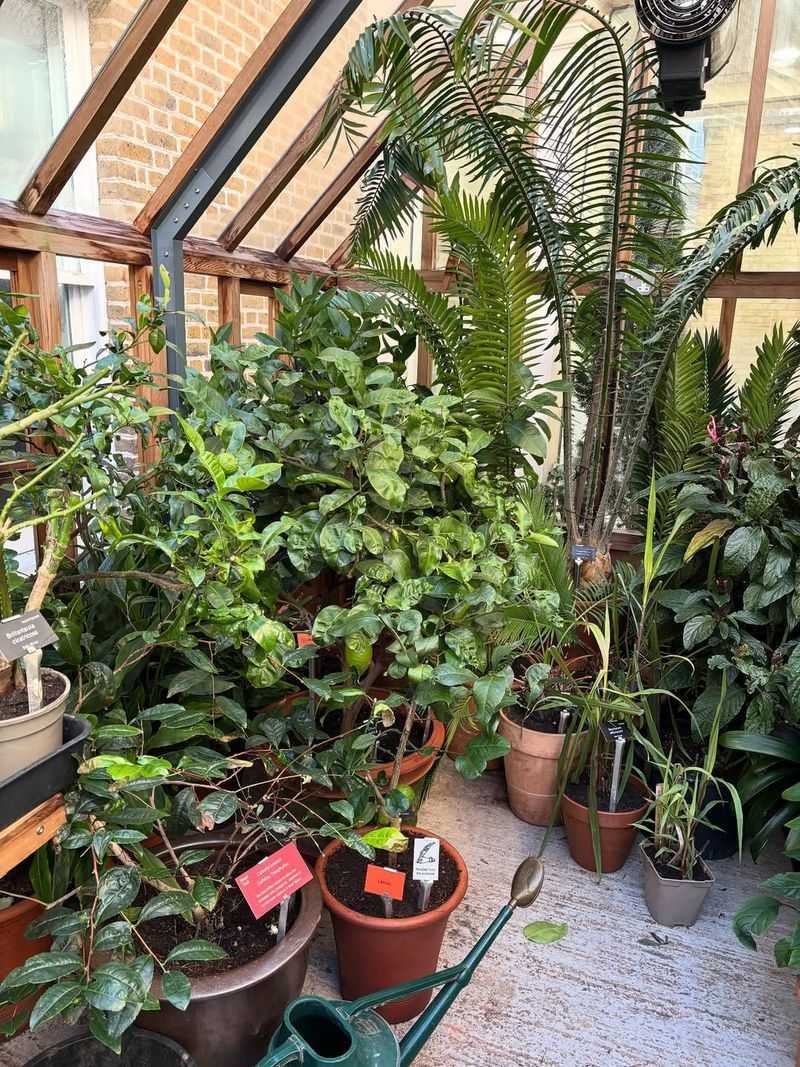
Relocating pots before temperatures plummet offers one of easiest ways to shield plants from harsh Pennsylvania winter conditions throughout the season.
Garages provide excellent temporary shelter during particularly cold nights when frost warnings appear on local weather forecasts across the state regularly.
Covered porches work wonderfully as protective spaces where containers can stay safe from freezing winds that sweep through Pennsylvania neighborhoods each winter.
Basements with adequate lighting allow plants to survive extended cold periods without suffering damage from subfreezing temperatures that often occur here.
Moving heavy planters becomes simpler when you place them on rolling platforms or dollies purchased from any local Pennsylvania hardware store.
Group multiple containers together in sheltered spots to create microclimates that naturally retain more warmth during frigid Pennsylvania nights ahead.
Buildings block cold winds effectively while radiating stored heat outward, creating warmer zones perfect for protecting delicate potted plants throughout winter months.
Even unheated spaces like sheds offer better protection than leaving containers completely exposed to brutal Pennsylvania frost conditions that damage roots quickly.
2. Wrap Pots with Insulating Materials
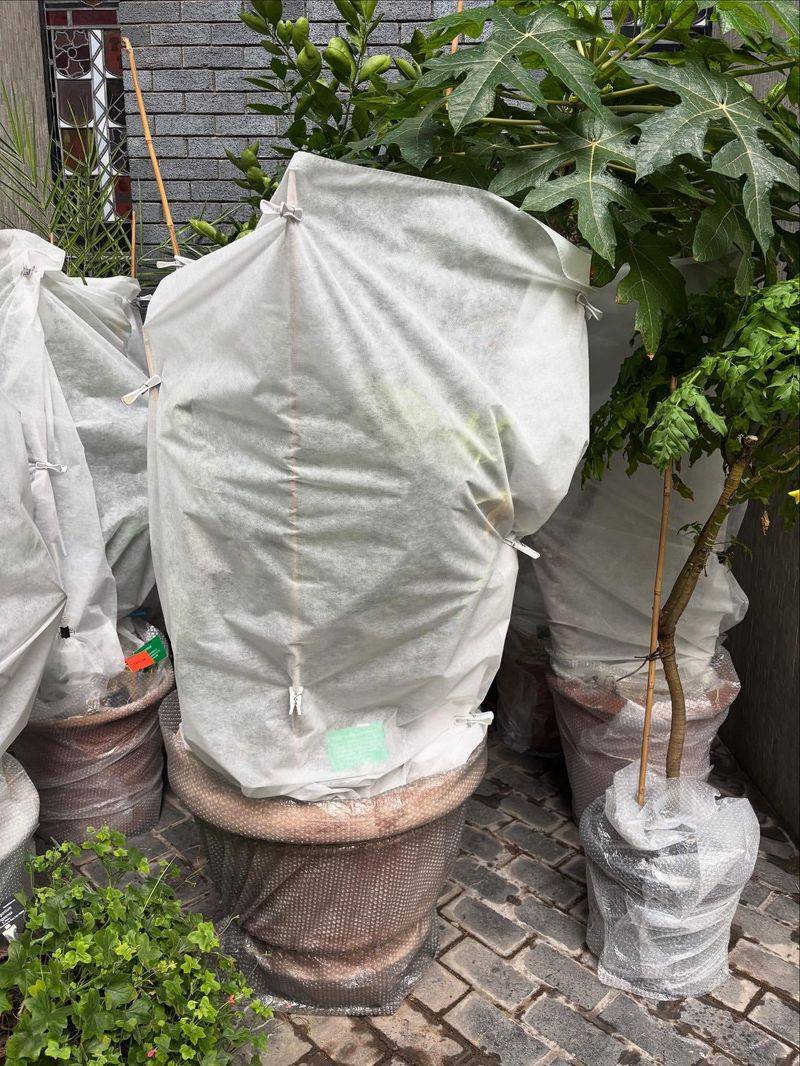
Bubble wrap transforms ordinary containers into insulated fortresses that protect roots from freezing solid during Pennsylvania’s coldest winter nights and days.
Wrapping pot exteriors with several layers creates air pockets that trap warmth and prevent rapid temperature drops common throughout the state.
Burlap offers a natural, breathable option that insulates effectively while allowing moisture to escape, preventing mold growth on containers during Pennsylvania winters.
Old blankets or towels secured with twine provide free insulation using materials already available in most homes across the state today.
Cardboard boxes placed over wrapped pots add extra protection layers during extreme cold snaps that occasionally hit Pennsylvania communities without much warning.
Securing insulating materials with weatherproof tape ensures they stay in place during windy conditions that frequently accompany winter storms here in Pennsylvania.
Focus wrapping efforts on pot sides rather than tops, allowing plants to receive necessary light while roots stay protected underground from frost.
Remove wrappings during warmer Pennsylvania days to prevent overheating and allow air circulation, then reapply them before temperatures drop again at night.
3. Apply Thick Mulch Layers on Soil Surface
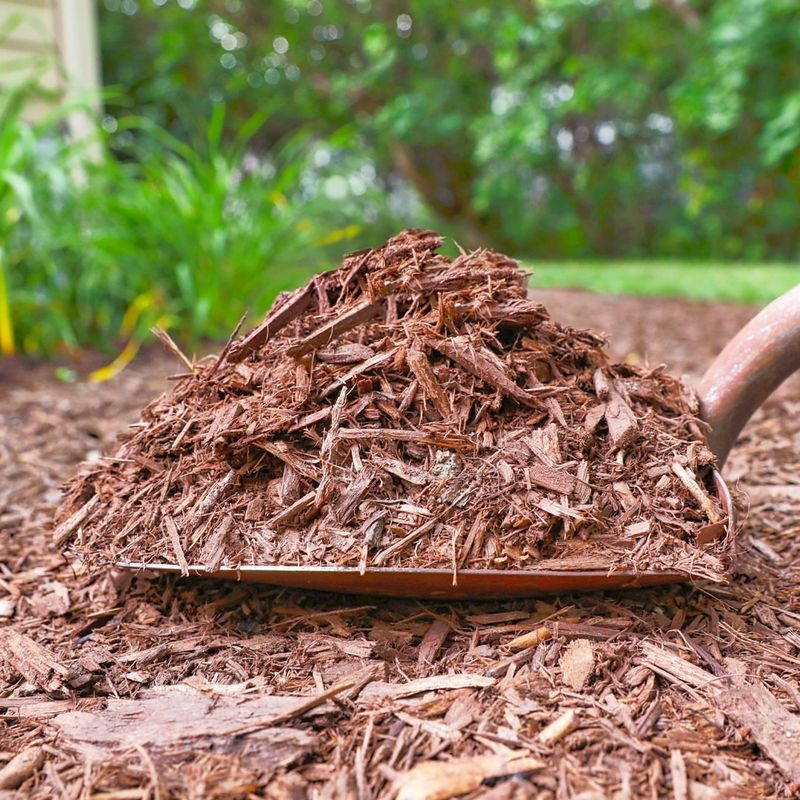
Mulching container soil surfaces creates insulating blankets that moderate temperature swings and protect plant roots from Pennsylvania’s unpredictable winter weather patterns effectively.
Shredded bark works exceptionally well as mulch because it breaks down slowly and provides long-lasting insulation throughout entire Pennsylvania winter seasons.
Straw offers lightweight protection that traps air between stems, creating natural insulation that keeps soil temperatures more stable during cold snaps here.
Pine needles provide acidic mulch perfect for containers holding azaleas, blueberries, or other acid-loving plants common in Pennsylvania gardens and landscapes today.
Apply mulch layers approximately three inches deep to achieve optimal insulation without smothering plant crowns or creating drainage problems in your containers.
Avoid piling mulch directly against plant stems, which can encourage rot and pest problems even during Pennsylvania’s cold winter months ahead.
Refresh mulch layers periodically throughout winter as materials settle or blow away during windy conditions that frequently occur across the Pennsylvania region.
Remove excess mulch in spring when temperatures stabilize, allowing soil to warm properly and encouraging new growth from overwintered plants successfully.
4. Group Plants Together for Shared Warmth
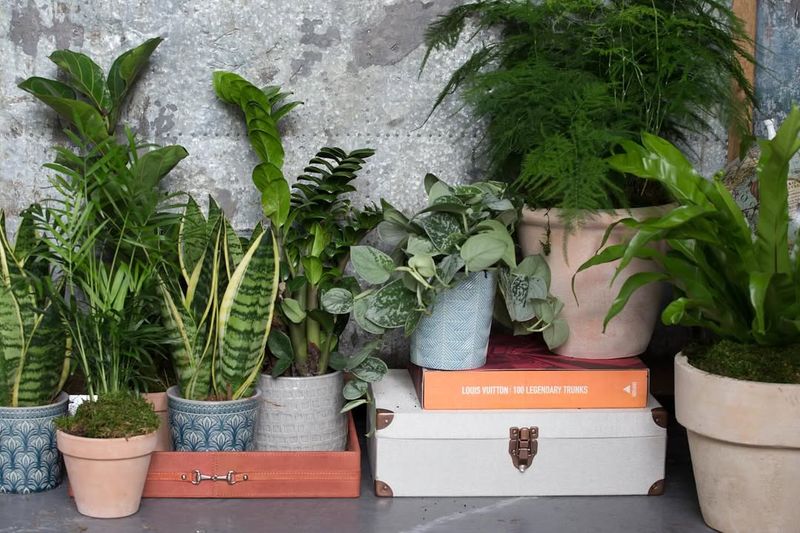
Clustering containers creates miniature ecosystems where plants share body heat and create warmer microclimates that combat Pennsylvania’s harsh winter temperature drops naturally.
Arranging pots in tight circles or rows reduces exposed surface area, minimizing heat loss from individual containers during long, cold Pennsylvania nights.
Larger plants positioned on the outside of groups provide windbreaks that shelter smaller, more delicate specimens from bitter gusts sweeping across Pennsylvania.
Placing heat-loving plants near cold-hardy varieties allows tender specimens to benefit from the resilience of tougher neighbors throughout winter months here.
South-facing walls provide ideal locations for plant groupings because they absorb sunlight during the day and radiate warmth back during Pennsylvania evenings.
Evergreen plants grouped with deciduous varieties offer year-round foliage that blocks wind and traps heat around the entire collection throughout winter seasons.
Avoid grouping plants with vastly different water needs, as clustered containers make individual watering adjustments more challenging during Pennsylvania’s variable winter weather.
Monitor grouped plants regularly for pest problems, which can spread more easily when containers sit close together in confined Pennsylvania storage spaces.
5. Elevate Containers Off Cold Ground Surfaces
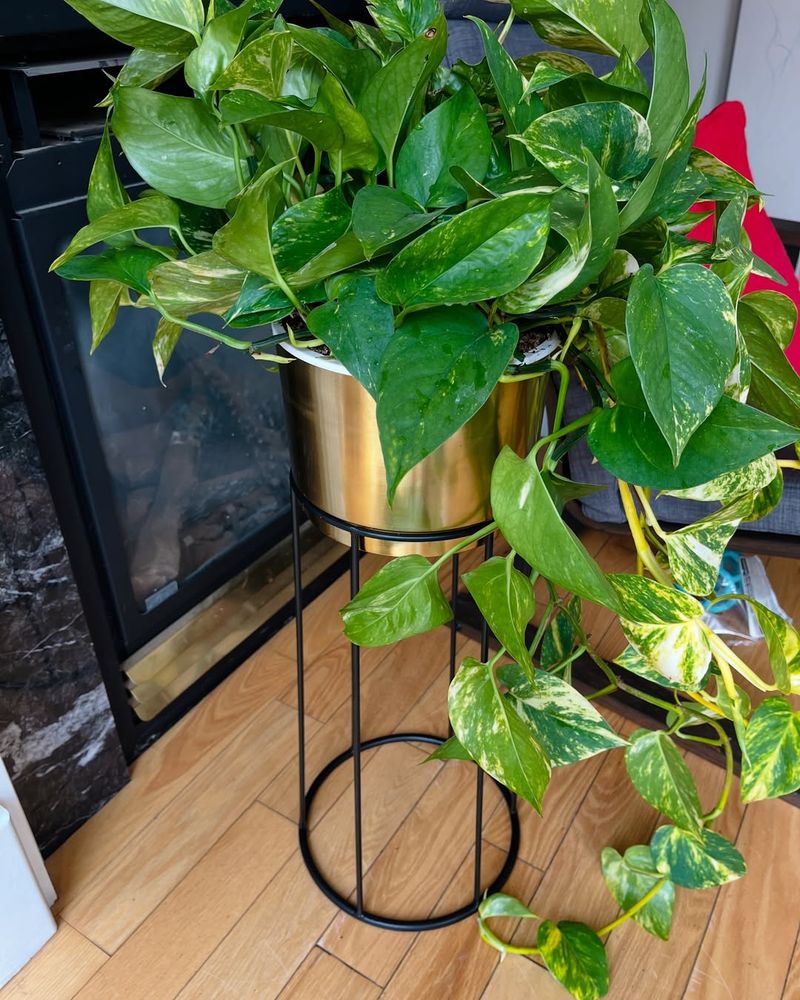
Raising pots prevents direct contact with frozen Pennsylvania ground that rapidly draws heat away from containers and causes soil temperatures to plummet dangerously.
Pot feet made from terracotta, ceramic, or plastic lift containers just enough to create insulating air gaps underneath during cold winter months.
Bricks stacked under pots provide inexpensive elevation while improving drainage, preventing water from pooling and freezing around container bases in Pennsylvania yards.
Wooden boards or pallets create platforms that support multiple containers simultaneously while keeping them separated from frozen surfaces throughout the entire winter.
Elevation also prevents pots from freezing to concrete patios or decks, which can damage container bottoms when you try moving them later.
Air circulation underneath elevated containers reduces moisture buildup that can lead to ice formation and cracking during Pennsylvania’s freeze-thaw cycles each winter.
Decorative plant stands serve dual purposes by elevating containers for protection while adding visual interest to Pennsylvania porches and patios year-round beautifully.
Check elevated pots regularly to ensure supports remain stable, especially after heavy snow or ice accumulation common throughout Pennsylvania winter weather patterns.
6. Water Plants Properly Before Freeze Events
Hydrated soil retains heat better than dry soil, providing crucial protection for roots when Pennsylvania temperatures suddenly drop below freezing overnight unexpectedly.
Water containers thoroughly during afternoon hours before predicted frost events, allowing excess moisture to drain completely before nighttime temperatures fall dramatically.
Moist soil acts like a thermal battery, absorbing daytime warmth and releasing it slowly throughout cold Pennsylvania nights when plants need protection.
Avoid watering frozen soil or when temperatures hover near freezing, as added moisture can actually increase frost damage to vulnerable root systems.
Check soil moisture levels regularly throughout winter because containers dry out even during cold months, especially those stored in protected Pennsylvania locations indoors.
Reduce watering frequency during winter compared to growing season, as dormant plants require less moisture and excess water can freeze inside containers.
Well-draining soil remains essential even in winter, preventing water from pooling and turning into damaging ice within containers during Pennsylvania cold snaps.
Morning watering works best during milder Pennsylvania winter days, giving plants time to absorb moisture before evening temperatures drop again predictably overnight.
7. Use Frost Cloths and Protective Covers
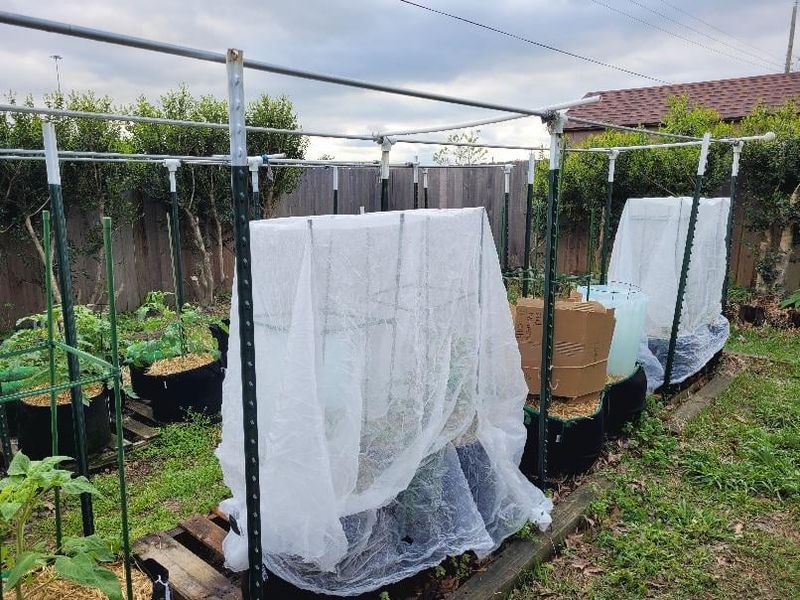
Specialized frost blankets trap warmth around plants while allowing light and moisture to penetrate, offering flexible protection during Pennsylvania’s unpredictable winter temperature swings.
Draping fabric over containers before sunset captures residual heat from soil and surroundings, creating warmer environments that last through cold nights.
Old sheets or lightweight blankets work surprisingly well as emergency frost protection when temperatures unexpectedly plummet across Pennsylvania regions without advance warning.
Secure covers with stakes, clothespins, or weights to prevent them from blowing away during windy Pennsylvania winter storms that frequently accompany cold fronts.
Remove covers during daytime hours when temperatures rise above freezing, preventing overheating and allowing plants to receive necessary sunlight for photosynthesis.
Avoid letting frost cloths touch plant foliage directly, as contact points can still freeze and cause damage despite the protective covering overhead.
Layer multiple covers during extreme cold events, creating additional insulation when Pennsylvania weather forecasts predict particularly dangerous subfreezing temperatures ahead tonight.
Reusable frost blankets last multiple seasons with proper storage, making them cost-effective investments for Pennsylvania gardeners who protect containers year after year reliably.
8. Choose Cold-Hardy Containers and Materials
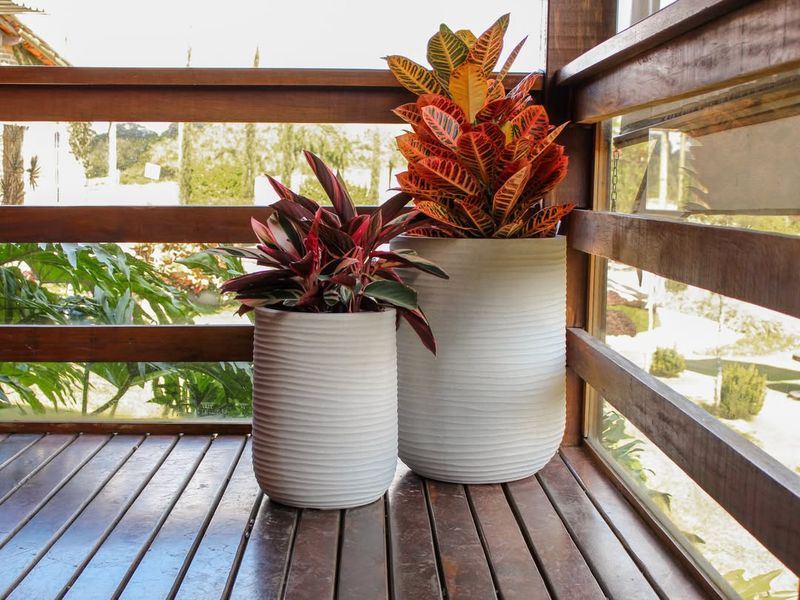
Selecting frost-resistant pots prevents cracking and breakage that commonly occurs when moisture inside container walls freezes and expands during Pennsylvania winters annually.
Fiberglass containers withstand repeated freeze-thaw cycles better than terracotta or ceramic, making them ideal choices for year-round outdoor use in Pennsylvania climates.
Thick-walled plastic pots flex slightly as ice forms, reducing crack risk compared to rigid materials that shatter under pressure from frozen moisture.
Wood containers naturally insulate roots better than metal or thin plastic, providing built-in protection against temperature extremes common throughout Pennsylvania winter months.
Avoid glazed ceramic pots for winter use because glaze can trap moisture that freezes and causes surface flaking or complete container failure here.
Metal containers conduct cold rapidly, making them poor choices for Pennsylvania winter unless wrapped thoroughly with insulating materials before temperatures drop significantly.
Empty and store fragile containers indoors before winter arrives, saving them for spring planting rather than risking expensive replacements after Pennsylvania frost damage.
Investing in quality cold-hardy containers saves money long-term by eliminating frequent replacements needed when cheaper pots crack during Pennsylvania’s harsh winter conditions.