7 Simple Plant Swaps That Can Boost Pollinators In Arizona Gardens
Arizona gardeners face a familiar challenge – scorching sun, low rainfall, and soils that run more gravel than garden loam.
Yet these tough conditions make it possible to grow some of the Southwest’s most vibrant, pollinator-friendly plants.
By swapping commonly planted natives for species better suited to Arizona’s heat and desert soils, you can attract more hummingbirds, native bees, and butterflies with minimal extra care.
With the right choices, a dry Arizona yard can transform into a buzzing, colorful haven for wildlife, offering year-round interest and blooms while staying low-maintenance, water-wise, and perfectly adapted to the desert environment.
1. Cholla For Hedgehog Cactus
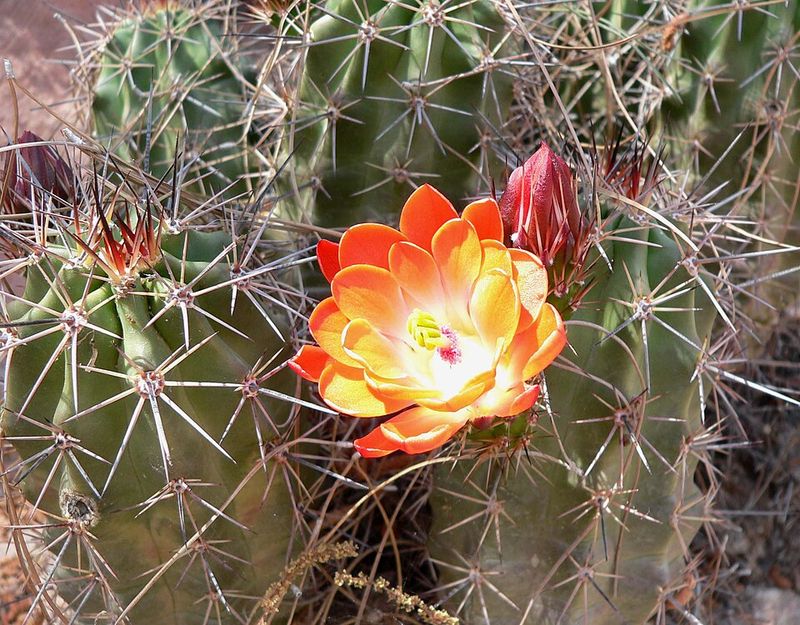
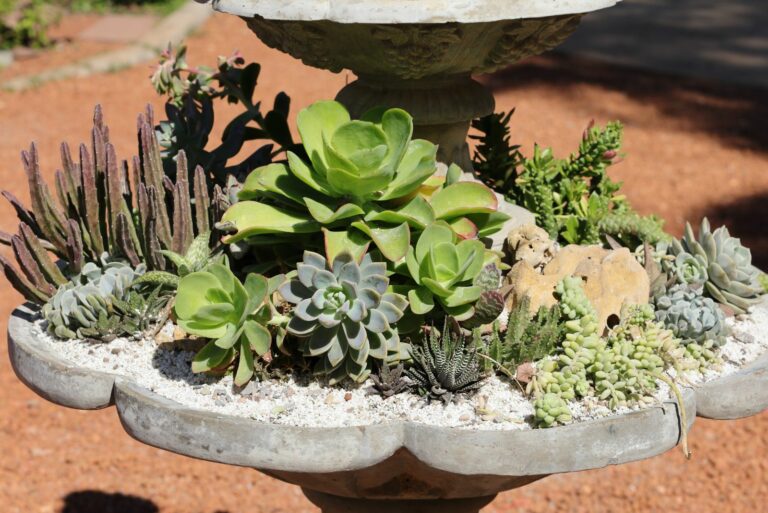
On a warm spring morning in the Sonoran Desert, few sights stop people in their tracks quite like a Hedgehog Cactus in full bloom.
The vivid magenta-pink flowers open wide and practically glow against the rocky landscape, drawing in native bees, cactus bees, and even the occasional queen bumblebee searching for early-season nectar.
Swapping out Cholla – which, while structurally interesting, offers limited nectar rewards – for Hedgehog Cactus (Echinocereus triglochidiatus or E. engelmannii) can meaningfully increase pollinator traffic during late winter and spring.
Hedgehog Cactus tends to stay compact, usually reaching one to two feet tall, making it a practical choice for smaller Arizona yards or rock gardens.
It handles full sun with ease, thrives in well-drained sandy or gravelly soil, and needs very little supplemental irrigation once established.
In the low desert around Phoenix, blooms can appear as early as late February. At higher elevations like Prescott, flowering typically shifts toward April or May.
Planting Hedgehog Cactus along sunny borders or among boulders creates a naturalistic look that blends seamlessly into the Arizona landscape.
Because its flowers produce generous amounts of pollen and nectar, specialist native bees – including the Diadasia cactus bee – may visit repeatedly throughout the bloom period.
For gardeners wanting to support ground-nesting native bees alongside hummingbirds, this swap offers real ecological value with minimal extra effort.
2. Autumn Sage For White Sage
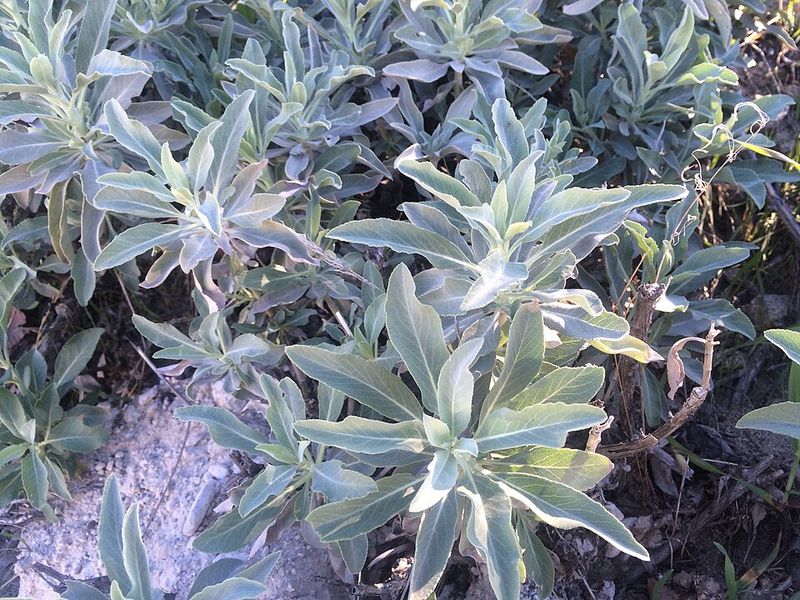
Walk past a patch of White Sage on a hot Arizona afternoon and the air practically shimmers with fragrance. Salvia apiana, commonly called White Sage, carries a sharp, almost medicinal scent that bees seem to find irresistible.
While Autumn Sage (Salvia greggii) is a reliable and well-loved Arizona garden plant, making a partial swap toward White Sage can introduce a different bloom window and attract a broader range of native bee species that specialize in Salvia pollen.
White Sage produces tall, wand-like flower spikes covered in small white to pale lavender blooms, typically from late spring through early summer.
Native bumblebees, carpenter bees, and honey bees visit frequently, but the plant also draws specialist Salvia bees that depend on sage pollen to rear their young.
In Arizona’s low desert, White Sage performs well in full sun with fast-draining soil and extremely low supplemental water once established. It may show more vigor at mid-elevations around Prescott compared to the intense Phoenix summer heat.
The silvery-white foliage stays attractive even when the plant is not in bloom, adding year-round texture to dry borders and native plant gardens.
Pairing White Sage with other flowering natives creates a multi-season resource for pollinators rather than a single short bloom window.
Gardeners should avoid overwatering, as White Sage strongly prefers dry conditions and can develop root issues in heavy clay soils common in some Arizona neighborhoods.
3. Desert Marigold For Hopi Blanketflower
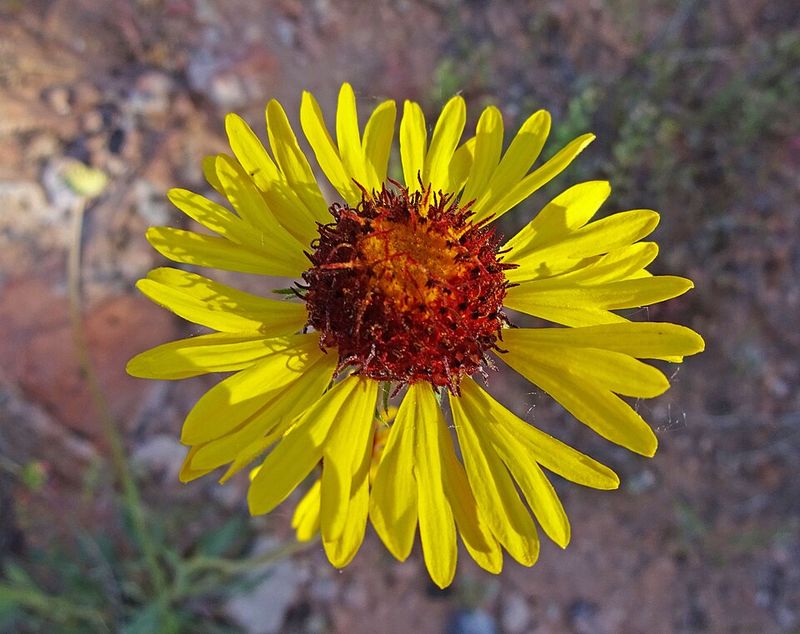
Bright, cheerful, and seemingly unbothered by Arizona’s punishing summer sun, Gaillardia pinnatifida – known as Hopi Blanketflower – has a long history of use among Indigenous communities of the Southwest.
While Desert Marigold (Baileya multiradiata) earns its place in Arizona gardens without question, Hopi Blanketflower offers a complementary swap that extends the color season and introduces a slightly different nectar profile that benefits a wider range of butterfly and bee species.
The blooms are bold – rings of red and yellow petals surrounding a central dome – and they tend to attract painted lady butterflies, skippers, and a variety of native bees from late spring well into fall.
Hopi Blanketflower handles full sun and reflected heat with ease, thriving in sandy or gravelly soils with minimal irrigation.
In Phoenix-area gardens, it often reseeds naturally, filling in bare spots without any intervention.
At higher Arizona elevations, it may behave more as an annual, completing its cycle in a single season before reseeding for the following year.
One practical tip: leaving spent flower heads on the plant allows seeds to ripen and drop, which supports natural reseeding and also provides a minor food source for seed-eating birds in late summer.
Mixing Hopi Blanketflower with Desert Marigold rather than fully replacing it creates a layered, long-blooming native planting that pollinators can rely on across multiple seasons throughout the Arizona growing year.
4. Fairy Duster For Globemallow
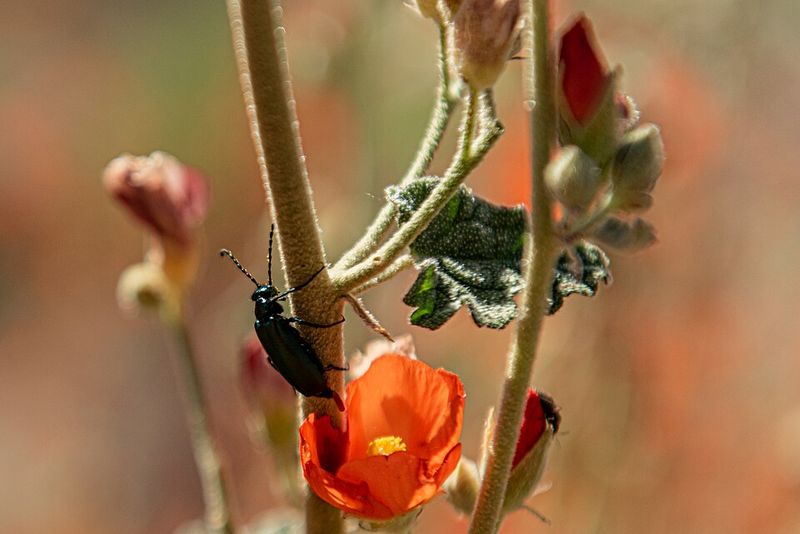
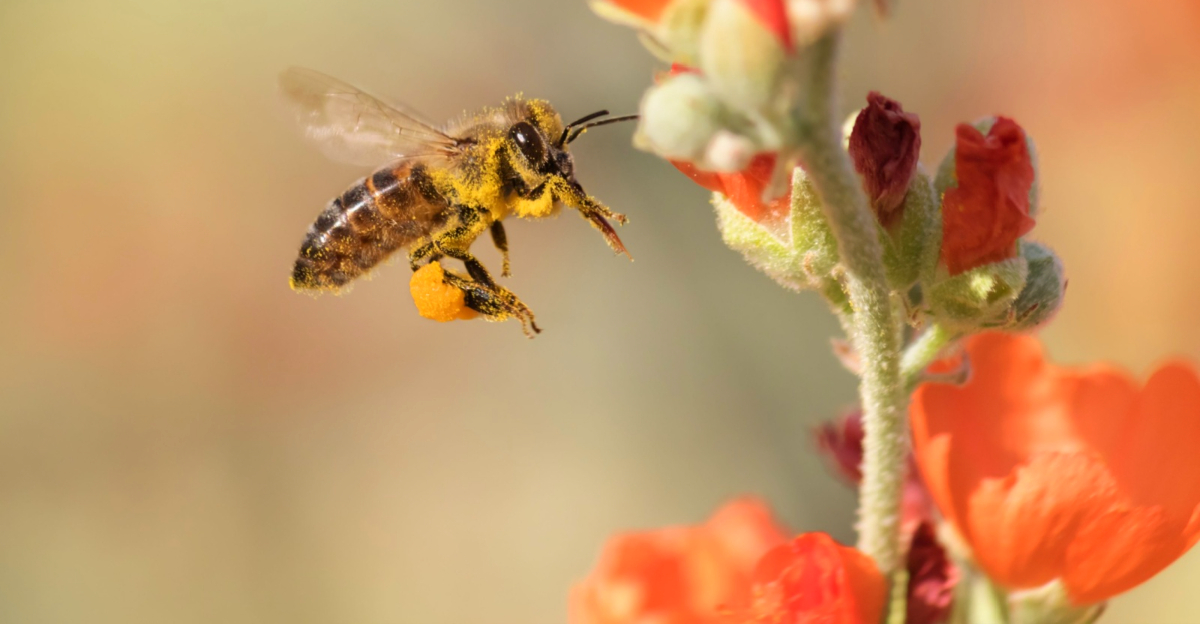
Few plants in the Arizona native palette deliver the same punch of warm, saturated color as Desert Globemallow (Sphaeralcea ambigua).
The clusters of small, cup-shaped blooms in shades of orange, coral, and occasionally pink appear reliably from late winter through spring – and sometimes rebloom after summer rains – making Globemallow a genuinely dependable pollinator resource.
Swapping some Fairy Duster plants for Globemallow broadens the range of pollinators your garden can support, since Globemallow specialists like Diadasia bees depend almost exclusively on mallow family plants to gather pollen for their larvae.
Globemallow grows as a low to mid-sized shrub, typically reaching two to three feet in height, and spreads outward to create informal, naturalistic clusters.
It thrives in full sun, handles rocky or sandy soils without complaint, and asks for very little supplemental water once established in Arizona’s low desert.
In Phoenix, plants may bloom as early as February following mild winters. In higher-elevation Arizona communities, the bloom window shifts toward April.
Because Diadasia bees are ground-nesting specialists, pairing Globemallow with areas of bare or lightly mulched soil nearby gives these native bees a place to nest close to their food source – a small but meaningful landscaping choice.
The fuzzy leaves of Globemallow can cause mild skin irritation in some people, so planting it slightly away from high-traffic paths keeps the sensory experience pleasant for everyone visiting your Arizona garden.
5. Desert Honeysuckle For Desert Willow
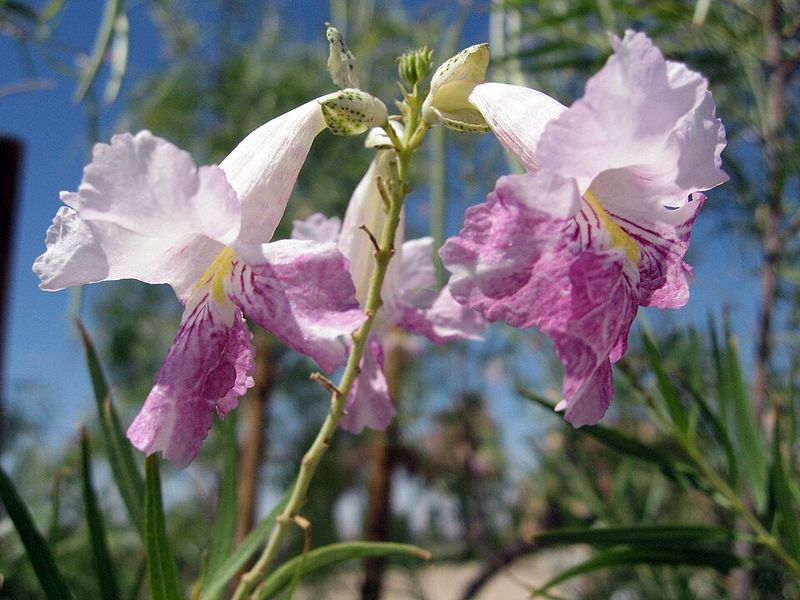
Summer heat in the low Arizona desert can feel relentless, but Desert Willow (Chilopsis linearis) seems to thrive on it.
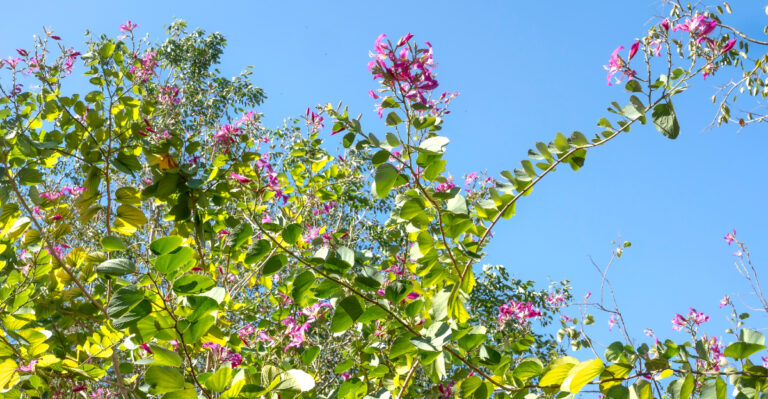
This small to medium-sized tree produces showy, trumpet-shaped flowers in shades of pink, lavender, and white from late spring through fall – a bloom window that aligns almost exactly with hummingbird migration and summer monsoon season.
Swapping out Desert Honeysuckle for Desert Willow introduces a larger vertical element while dramatically increasing the nectar supply available to hummingbirds and large native bees.
Despite its name, Desert Willow is not a true willow but rather a member of the Bignonia family, closely related to Catalpa.
It grows quickly once established, reaching 15 to 25 feet in some Arizona locations, though regular pruning can keep it smaller and more shrub-like for tighter spaces.
Full sun and well-drained soil are its main requirements. Once established, Desert Willow is notably drought-tolerant, though it benefits from occasional deep watering during extended dry periods.
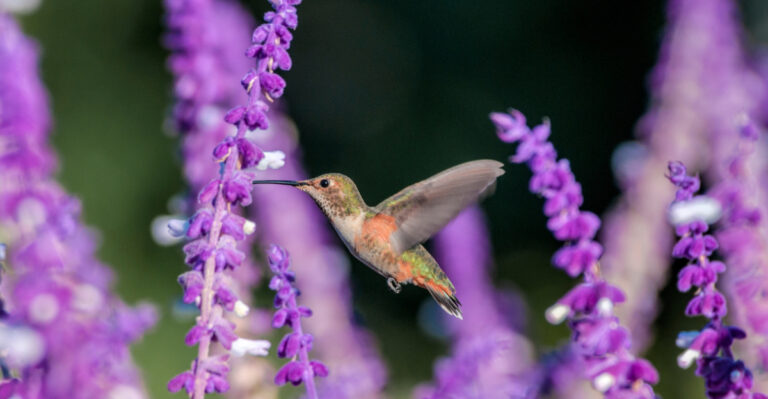
Hummingbirds are frequent visitors, hovering at the tubular blooms to gather nectar throughout the long flowering season. Carpenter bees and large bumble bees also work the flowers regularly.
In Phoenix and Tucson-area gardens, Desert Willow can serve as a shade tree over time, reducing ground temperatures and making the surrounding planting beds more hospitable for other native plants.
Across Arizona’s mid-elevation zones, it provides reliable seasonal interest without demanding much from the gardener in return.
6. Arizona Blue Mist For Mojave Aster
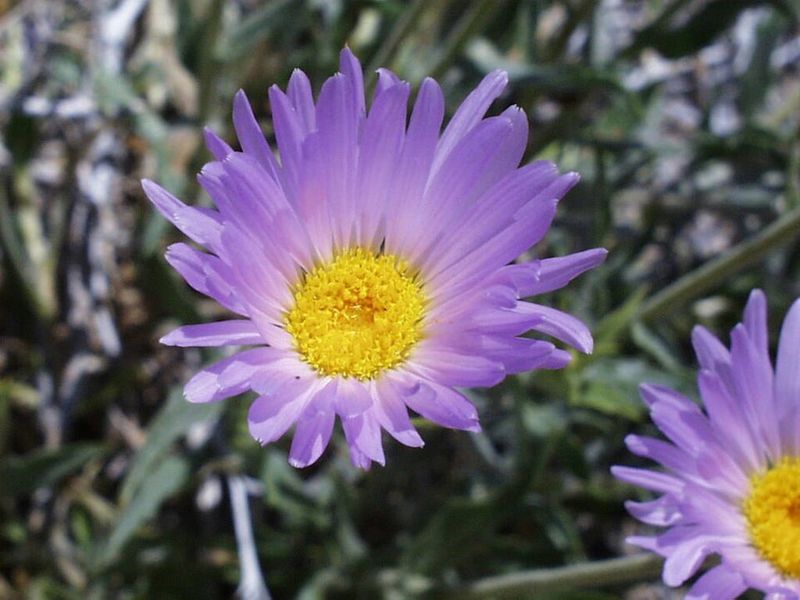
Spring in the Mojave and Sonoran Desert transition zones can feel like watching a slow-motion fireworks show, and Mojave Aster (Xylorhiza tortifolia) is one of the standout performers.
The lavender-purple, daisy-like flowers appear in mid-spring and draw in a wide variety of native bees, including specialist aster bees in the genus Macrotera that gather pollen almost exclusively from aster family plants.
Replacing Arizona Blue Mist with Mojave Aster offers a meaningful upgrade for gardeners whose primary goal is supporting specialist native bee populations.
Mojave Aster grows as a low, mounding shrub reaching roughly one to two feet tall, with grayish-green leaves that help reflect intense Arizona sunlight.
It performs best in full sun and sharply drained, rocky or gravelly soils – conditions that describe much of Arizona’s native landscape.
Supplemental irrigation should be minimal; overwatering is a more common issue than drought stress for this plant in cultivated gardens.
Because Mojave Aster blooms in spring rather than summer, it fills a nectar gap that some other Arizona natives leave open in the gardening calendar.
Pairing it with later-blooming plants like Desert Willow or Globemallow creates a more continuous food chain for pollinators from late winter through fall.
Gardeners in western Arizona near the California border may find Mojave Aster especially easy to establish, as the plant naturally occurs in those transition-zone habitats and is well adapted to local soil chemistry and temperature swings.
7. Red Yucca For Apache Plume
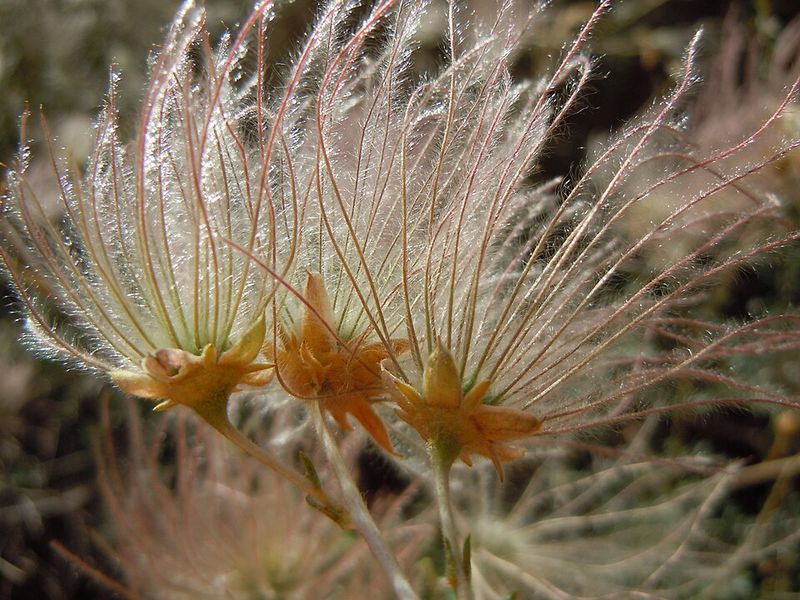
There is something quietly dramatic about Apache Plume (Fallugia paradoxa) in full fruit.
The white, rose-like flowers that appear in spring and early summer give way to feathery, pink-tinged seed plumes that shimmer in the breeze, making this shrub a two-season spectacle.
Swapping out some Red Yucca plants for Apache Plume adds a different structural element to Arizona gardens while opening the door to native bees that specifically forage on rose family plants for pollen.
Apache Plume grows as a medium-sized shrub, often reaching four to six feet in height, and spreads by root suckers to form loose, informal thickets.
It handles full sun to partial shade and thrives in rocky, well-drained soils across a wide elevation range – from lower desert foothills up through mid-mountain zones near Flagstaff and Prescott.
In higher-elevation Arizona gardens, Apache Plume may actually outperform Red Yucca, which is better suited to the warmer low desert.
Native bees, including sweat bees and small mining bees, visit Apache Plume flowers for both pollen and nectar. The seed plumes that follow provide nesting material for some bird species, adding another layer of wildlife value.
Water needs are low once established, though plants appreciate occasional deep watering during prolonged dry spells.
Placing Apache Plume along slopes or rocky outcrops in Arizona yards mimics its natural habitat and tends to produce the most vigorous, floriferous growth across multiple seasons.