10 Simple Soil Boosters That Can Help Your Orchid Bloom Better
My orchid once stood as the crown jewel of my plant collection, yet its blooms arrived on rare occasions and vanished before I could fully enjoy them.
I refused to accept a fate of fleeting flowers, so I took a closer look at the one element that shapes every success or setback: the soil.
I realized my orchid sent subtle hints about what it craved, and those hints pointed straight to the mix beneath the surface.
Airflow, nutrients, texture, and moisture balance all play crucial roles, and I saw how a few small shifts could turn a reluctant bloomer into a showstopper.
Once I tested different boosters, the transformation took hold.
My orchid responded with stronger roots, richer color, and buds that opened with confidence.
As I refined my approach, I gained a deeper respect for the quiet power of a well-built soil blend.
With the right support at its base, an orchid rises to its full potential and rewards my effort with bloom after bloom.
1. Banana Peels
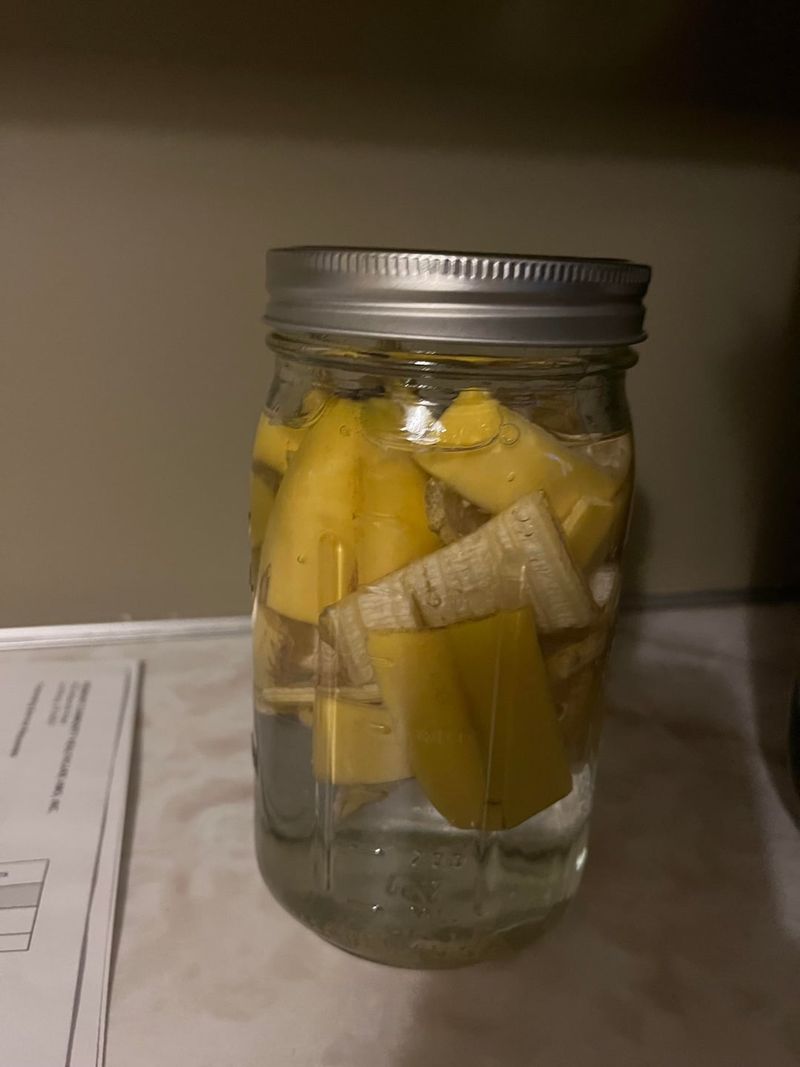
Ever thought about what happens to those banana peels after breakfast?
Instead of tossing them in the trash, you can use them to feed your orchid.
Banana peels are packed with potassium, which orchids absolutely love because it helps them develop strong, vibrant blooms.
Potassium also strengthens the plant overall, making it more resistant to stress and better able to handle changes in temperature or light.
You can chop the peels into tiny pieces and mix them directly into the potting medium, or you can soak them in water overnight to create a nutrient-rich banana peel tea.
Pour the tea around the base of your orchid once every two weeks.
The natural sugars and minerals break down slowly, releasing nutrients over time without overwhelming the plant.
This method is super gentle and works well for orchids that might be sensitive to chemical fertilizers.
Plus, it’s a fantastic way to recycle kitchen scraps and reduce waste.
Your orchid will thank you with bigger, brighter flowers.
Just make sure the peels are from organic bananas if possible, to avoid any pesticide residue.
It’s one of those simple tricks that feels almost too easy but really works.
2. Crushed Eggshells
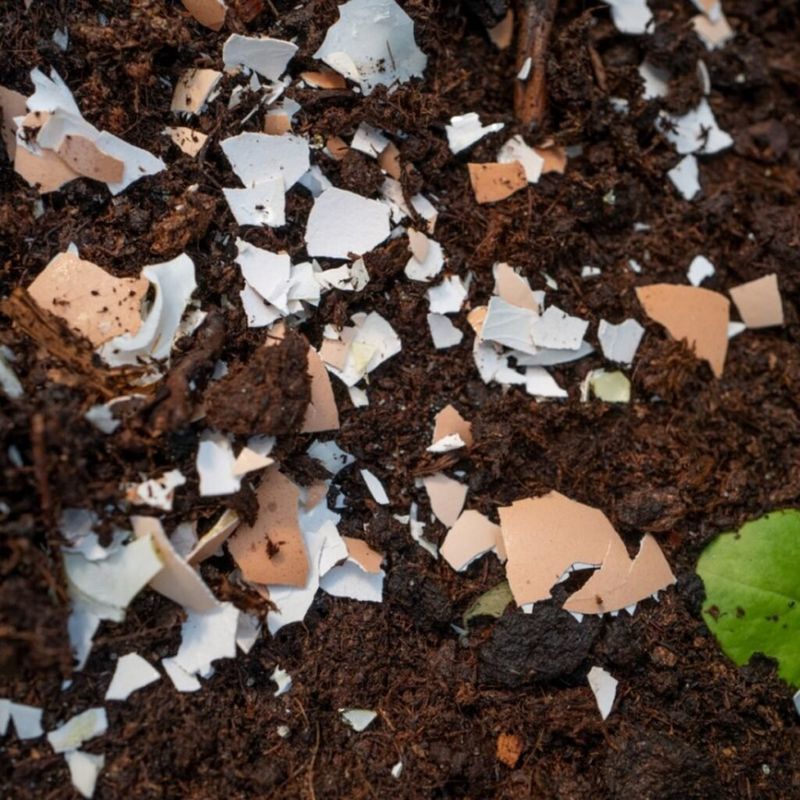
Eggshells might seem like something you’d just throw away, but they’re actually little treasure troves of calcium.
Orchids need calcium to build strong cell walls and maintain healthy root systems.
Without enough calcium, your orchid might struggle to absorb other nutrients, even if they’re available in the soil.
To use eggshells, rinse them thoroughly and let them dry completely.
Then crush them into a fine powder using a blender or mortar and pestle.
Sprinkle a small amount of the powder on top of the potting mix or mix it in lightly.
The calcium will slowly dissolve each time you water, giving your orchid a steady supply.
This is especially helpful if you notice your orchid’s leaves looking a bit weak or if new growth seems stunted.
Calcium also helps the plant use other nutrients more efficiently, so it’s like giving your orchid a boost in every direction.
Some gardeners even save eggshells for months to build up a good supply.
It’s a free, natural way to improve soil health without spending money on expensive supplements.
Your orchid will develop stronger stems and more resilient blooms with this simple addition.
3. Coffee Grounds
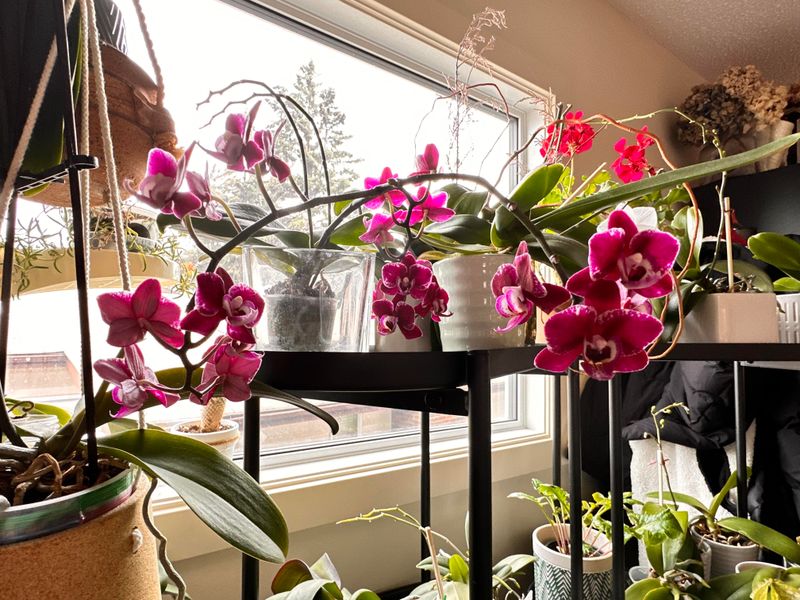
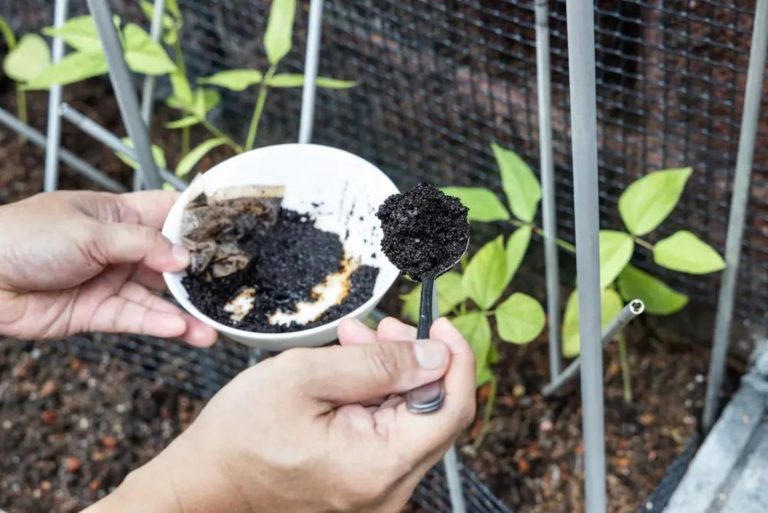
If you’re a coffee drinker, you already have one of the best orchid boosters sitting in your kitchen.
Used coffee grounds are rich in nitrogen, which helps orchids grow lush, green foliage.
Healthy leaves mean the plant can photosynthesize better, storing up energy for those spectacular blooms.
But here’s the thing: you need to use coffee grounds carefully with orchids because too much can make the soil too acidic.
Orchids prefer a slightly acidic environment, but they don’t want it too extreme.
Mix a small amount of dried coffee grounds into your potting medium, or sprinkle just a thin layer on top.
You can also steep the grounds in water to make a weak coffee tea and use that to water your orchid occasionally.
The nitrogen will encourage leafy growth, which in turn supports better flowering.
Just don’t overdo it, maybe once a month is plenty.
Coffee grounds also improve soil texture, helping with drainage and aeration, which orchids really appreciate.
Their roots need air circulation to stay healthy and avoid rot.
It’s a simple, sustainable way to repurpose something you’d normally discard while giving your orchid a nutritional boost.
4. Epsom Salt

Epsom salt isn’t actually salt in the traditional sense.
It’s magnesium sulfate, and both magnesium and sulfur are essential nutrients that orchids need to thrive.
Magnesium plays a key role in chlorophyll production, which means it helps your orchid’s leaves stay green and healthy.
Sulfur aids in the formation of proteins and enzymes, supporting overall plant growth and bloom development.
To use Epsom salt, dissolve about one teaspoon in a gallon of water and use this solution to water your orchid once a month.
This gives your plant a gentle dose without risking nutrient overload.
You’ll often notice that orchids treated with Epsom salt have deeper green leaves and more vibrant flowers.
It’s especially helpful if your orchid has been looking a bit pale or if the blooms seem smaller than usual.
Magnesium deficiency can cause yellowing between the leaf veins, so if you see that, Epsom salt might be exactly what your plant needs.
It’s inexpensive and available at most drugstores or supermarkets.
Just remember to use it sparingly, because too much magnesium can interfere with calcium absorption.
A little goes a long way with this simple but effective booster.
5. Coconut Coir
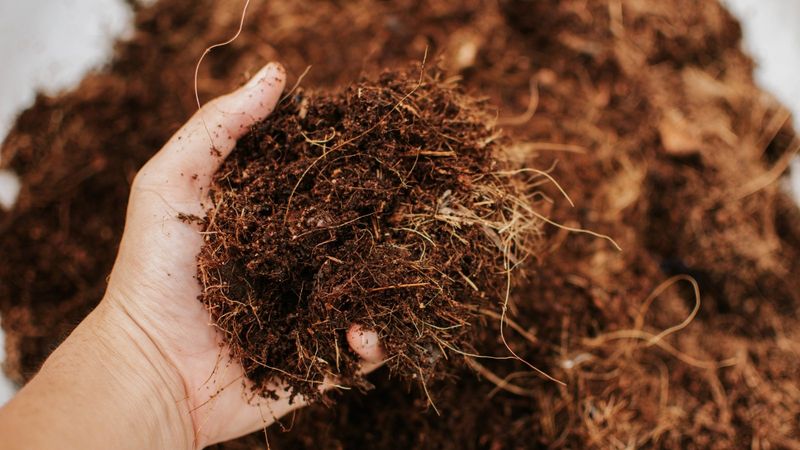
Coconut coir comes from the fibrous husk of coconuts, and it’s become a favorite among orchid growers for good reason.
Unlike traditional bark or moss, coir retains moisture really well while still allowing excellent drainage.
This balance is perfect for orchids, which hate sitting in soggy soil but also don’t like drying out completely between waterings.
Coir is also naturally resistant to mold and bacteria, which helps keep your orchid’s roots healthy.
You can mix coconut coir with bark chips or perlite to create a custom potting medium that suits your orchid’s specific needs.
It breaks down slowly, so you won’t need to repot as often.
The fibers also provide great air circulation around the roots, which is essential for preventing root rot.
Many orchid enthusiasts notice that their plants develop stronger root systems when coir is part of the mix.
It’s also an eco-friendly choice since it’s a renewable resource and biodegradable.
If your orchid has been struggling with inconsistent watering or root issues, switching to a coir-based medium might make a big difference.
You can find coconut coir at most garden centers, often sold in compressed bricks that expand when you add water.
It’s easy to work with and gives your orchid a healthier growing environment.
6. Fish Emulsion
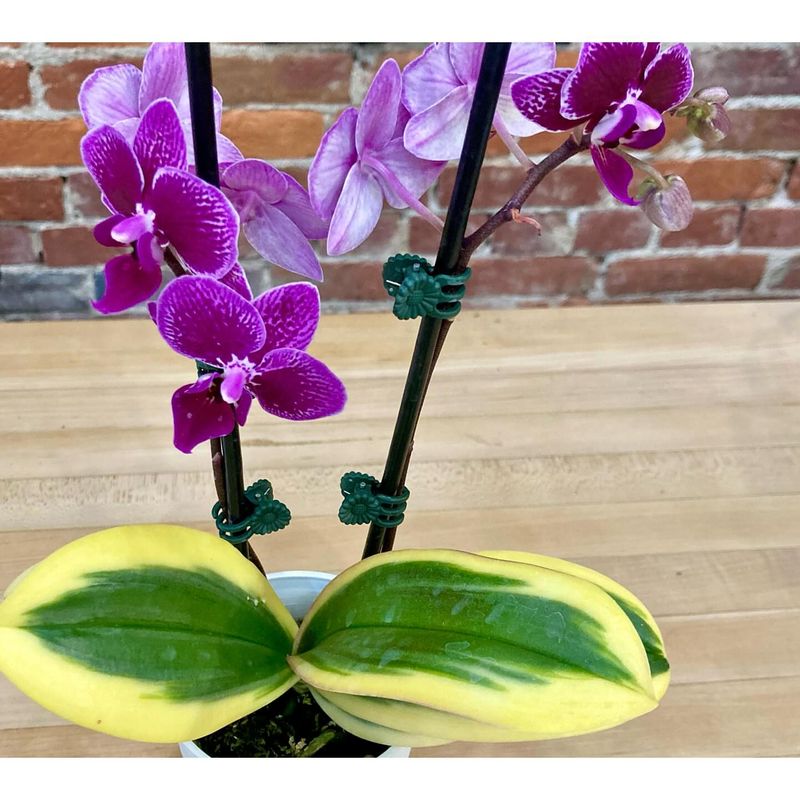
Fish emulsion might sound a bit unusual, but it’s one of the most nutrient-dense organic fertilizers you can use.
Made from processed fish waste, it’s loaded with nitrogen, phosphorus, and trace minerals that orchids need for healthy growth and abundant blooms.
The smell can be a bit strong when you first open the bottle, but it fades quickly, and the benefits are worth it.
Dilute the fish emulsion according to the package directions, usually about one tablespoon per gallon of water.
Use this mixture to water your orchid every two to three weeks during the growing season.
The nutrients are in a form that plants can absorb quickly, so you might notice new growth or buds appearing sooner than expected.
Fish emulsion also encourages beneficial microorganisms in the soil, which help break down organic matter and make nutrients more available.
This creates a healthier root environment overall.
If your orchid has been slow to bloom or seems stuck in a growth rut, fish emulsion can give it the boost it needs.
Just be careful not to over-fertilize, as too much nitrogen can lead to lots of leaves but fewer flowers.
Use it consistently but moderately, and your orchid will reward you with stunning blooms.
7. Worm Castings
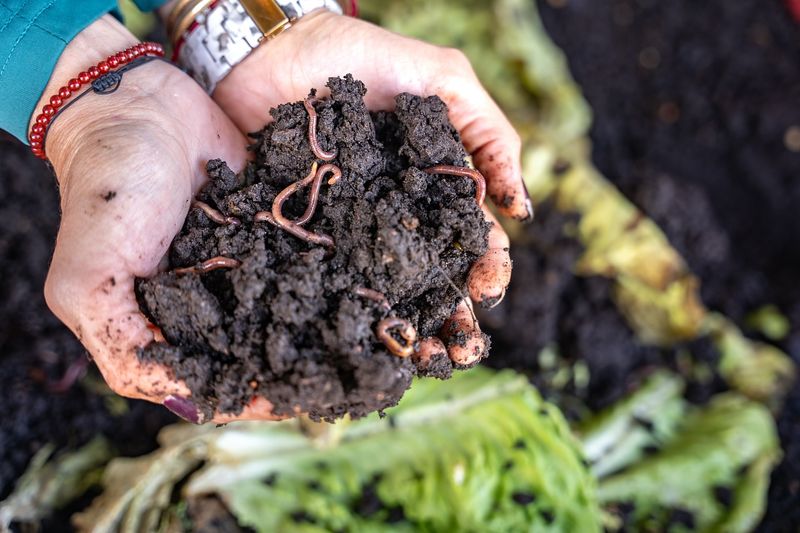
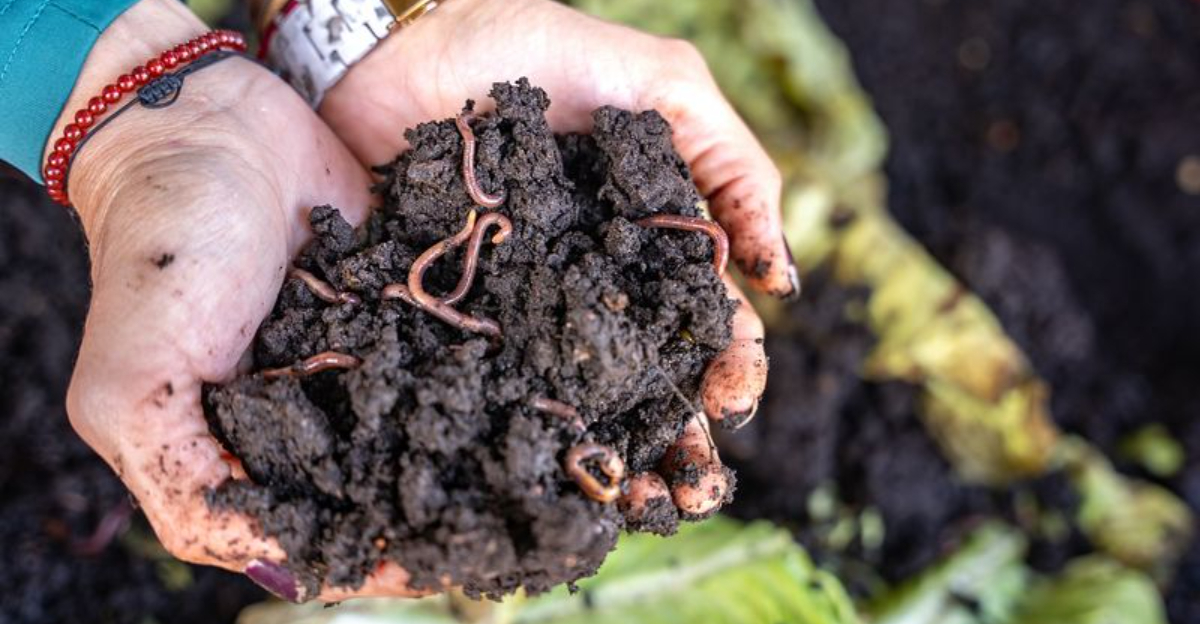
Worm castings are basically worm poop, but don’t let that turn you off.
They’re one of nature’s most perfect fertilizers, packed with nutrients in a form that’s gentle and easy for plants to absorb.
Castings contain nitrogen, phosphorus, potassium, and a whole range of trace minerals, plus beneficial bacteria that support healthy root growth.
You can mix a small amount of worm castings directly into your orchid’s potting medium, or you can make a casting tea by steeping them in water overnight.
Use the tea to water your orchid once or twice a month.
The nutrients release slowly, so there’s almost no risk of burning the roots or over-fertilizing.
Orchids grown with worm castings often have darker green leaves and produce more flowers over a longer period.
The castings also improve soil structure, helping with both water retention and drainage.
They’re especially great if you prefer organic gardening methods and want to avoid synthetic chemicals.
Many orchid growers swear by worm castings as their secret weapon for consistent, impressive blooms.
You can buy them at garden centers or even start your own worm bin if you’re feeling adventurous.
Either way, your orchid will love the gentle, steady nutrition that worm castings provide.
8. Seaweed Extract

Seaweed extract comes from kelp and other ocean plants, and it’s absolutely loaded with growth hormones, vitamins, and trace minerals.
These compounds help orchids develop stronger root systems and more resilient blooms.
Seaweed extract also contains natural plant hormones like cytokinins and auxins, which encourage cell division and growth.
This means your orchid can recover faster from stress, whether that’s from repotting, temperature changes, or inconsistent watering.
You can find seaweed extract in liquid form at most garden stores.
Dilute it according to the instructions, usually about one teaspoon per gallon of water, and use it to water your orchid or spray it on the leaves as a foliar feed.
Many growers use seaweed extract every two weeks during the growing season and notice a real difference in plant vigor.
The trace minerals in seaweed, like iron, zinc, and manganese, are often missing from regular fertilizers but are crucial for overall plant health.
Orchids treated with seaweed extract tend to have glossier leaves and produce blooms with richer colors.
It’s also great for boosting the plant’s immune system, helping it resist pests and diseases.
If you want to give your orchid a comprehensive nutritional boost, seaweed extract is one of the best options available.
9. Charcoal
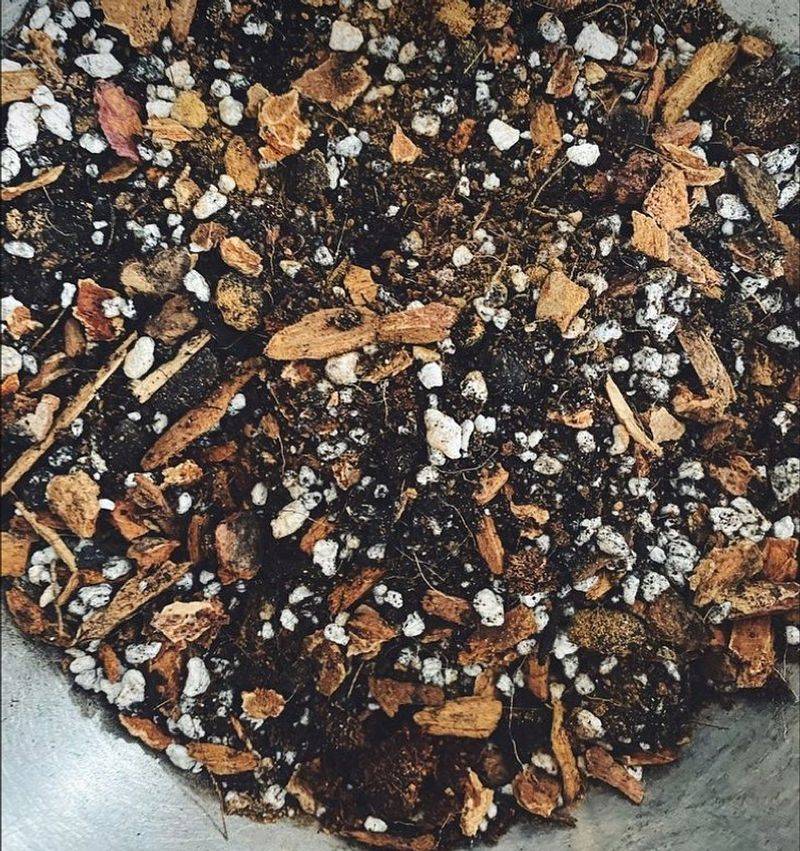
Horticultural charcoal might not seem like a nutrient booster at first glance, but it plays a really important role in keeping your orchid healthy.
Charcoal absorbs impurities, toxins, and excess salts from the potting medium, which can build up over time from fertilizers and tap water.
These buildups can damage orchid roots and prevent the plant from absorbing nutrients properly.
By adding a layer of charcoal to the bottom of your pot or mixing small pieces into the potting medium, you create a cleaner, healthier environment for the roots.
Charcoal also improves drainage and prevents the medium from becoming too compacted.
This is especially important for orchids, which need plenty of air circulation around their roots to avoid rot.
Some growers also believe that charcoal helps balance the pH of the potting medium, keeping it in the slightly acidic range that orchids prefer.
If you’ve noticed your orchid’s roots looking brown or mushy, or if the plant seems sluggish despite regular care, charcoal might help turn things around.
It’s inexpensive and lasts a long time without breaking down.
You can find horticultural charcoal at garden centers or online.
Just make sure it’s the right type, not the kind used for barbecues, which can contain chemicals harmful to plants.
10. Rice Water

Rice water is something you probably pour down the drain without thinking twice, but it’s actually full of vitamins and minerals that orchids can use.
When you rinse rice before cooking, the water picks up starches, B vitamins, and trace minerals like iron and zinc.
These nutrients can give your orchid a gentle boost without any risk of over-fertilizing.
To use rice water, simply save the cloudy water from rinsing your rice and let it sit at room temperature for a day or two to ferment slightly.
This fermentation process makes the nutrients even more available to the plant.
Then dilute the rice water with an equal amount of plain water and use it to water your orchid once a week.
Many orchid growers have noticed that their plants produce more blooms and have healthier foliage when they use rice water regularly.
The starches also feed beneficial microbes in the potting medium, which helps improve overall soil health.
It’s a completely free, zero-waste way to give your orchid a nutritional boost using something you’d normally discard.
Just make sure the rice water doesn’t have any salt or oil in it, as those can harm the plant.
It’s one of those old-fashioned gardening tricks that really works.