Simple Soil Fixes Oregon Gardens Need Before Spring Growth Takes Off
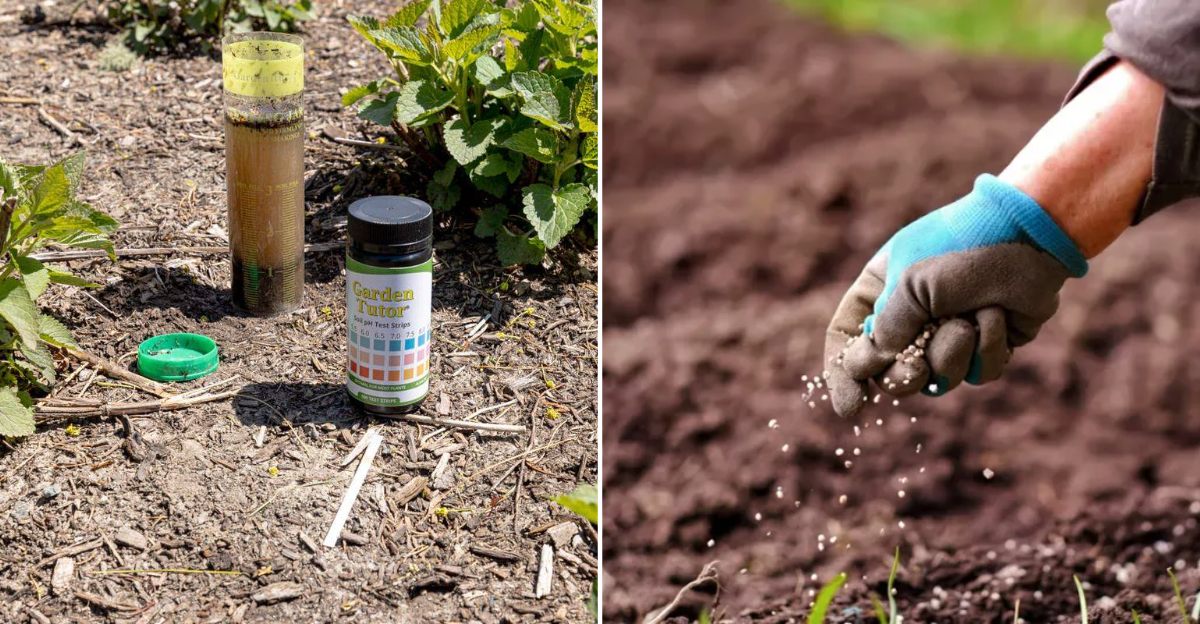
As winter fades and Oregon gardens start waking up, it is tempting to focus on planting right away. But before new growth really takes off, the soil beneath your plants deserves a little attention.
A few simple fixes now can make a huge difference in how well your garden performs in the months ahead.
Oregon’s long rainy season can compact soil, wash away nutrients, and leave certain areas slower to warm up in spring. If the soil is struggling, plants will struggle too, no matter how carefully you choose what to grow.
The good news is that you do not need complicated treatments or expensive products to improve your soil.
A few easy adjustments can help restore balance, improve drainage, and give roots the healthy environment they need.
With just a bit of early-season care, your garden will be far better prepared for the burst of spring growth that is right around the corner.
1. Add Compost
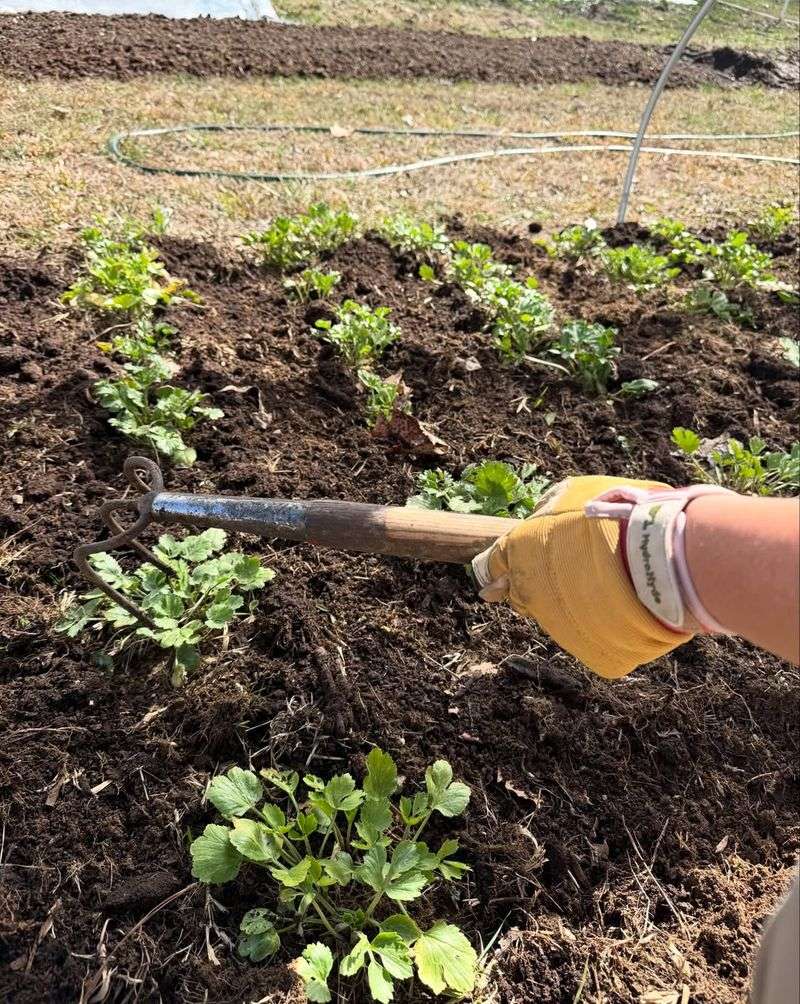
Nothing wakes up tired garden soil quite like a generous layer of fresh compost. Oregon winters are long and wet, and all that moisture can wash away the nutrients your soil needs to support strong plant growth.
Spreading compost before spring planting gives your garden a serious boost.
Compost improves soil structure, feeds helpful microbes, and adds slow-release nutrients that plants love. You can make your own from kitchen scraps and yard waste, or buy it in bags from your local garden center.
Either way, it works wonders.
Aim to spread about two to three inches of compost across your garden beds. Then, gently work it into the top six inches of soil using a garden fork or tiller.
Oregon’s naturally acidic, clay-heavy soils benefit greatly from regular compost additions. Over time, compost loosens tight soil, improves drainage, and helps sandy soil hold moisture longer.
It also encourages earthworms, which are nature’s best soil workers. Make this a yearly habit and your Oregon garden will reward you with healthier, more productive plants season after season.
2. Test Soil pH
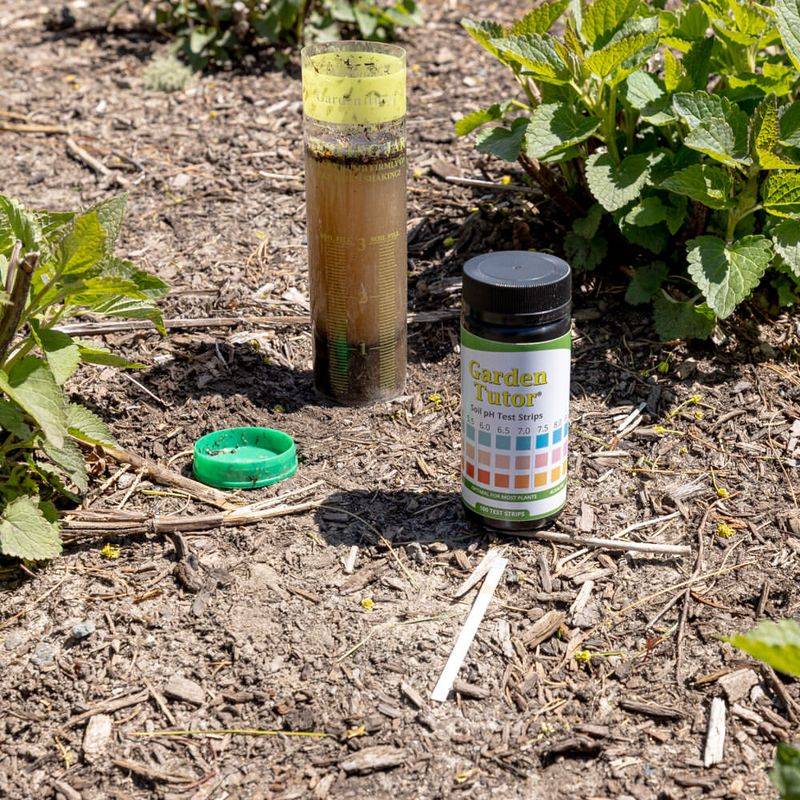
Before you add anything to your garden soil, it pays to know what you are actually working with. A soil pH test tells you whether your soil is too acidic, too alkaline, or just right for the plants you want to grow.
In Oregon, soils tend to lean acidic, especially in western parts of the state.
Most vegetables and flowers prefer a pH between 6.0 and 7.0. If your soil falls outside that range, nutrients can get locked up and plants struggle to absorb them, even when fertilizer is added.
Testing first saves you time and money.
You can pick up an inexpensive soil pH test kit at any garden store, or send a sample to Oregon State University Extension Service for a more detailed analysis. The process is simple.
You mix a small amount of soil with water, add the testing solution, and compare the color to a chart. Once you know your pH, you can make smart choices about what to add.
Testing soil every one to two years keeps you informed and helps your Oregon garden stay in great shape from season to season.
3. Apply Lime (If Needed)
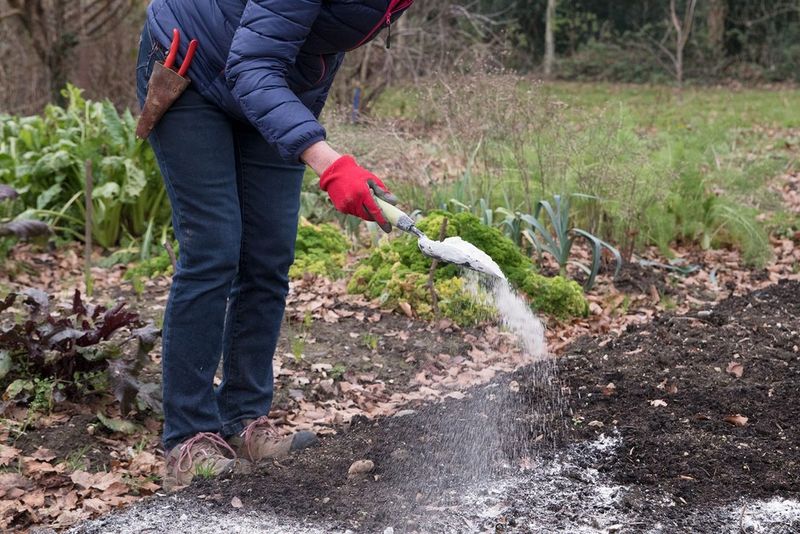
Acidic soil is one of the most common challenges Oregon gardeners face, especially in the Willamette Valley and along the coast. If your pH test shows a reading below 6.0, adding lime can help bring things back into balance.
Lime raises soil pH and makes nutrients more available to plants.
There are two main types to choose from. Dolomitic lime adds both calcium and magnesium, which is great for Oregon soils that often lack magnesium.
Calcitic lime mainly adds calcium. Both work well, but dolomitic is usually the better choice for most Oregon gardens.
Spread lime according to the rate suggested by your pH test results. A common starting point is about five to ten pounds per one hundred square feet, but your test results will give you a more accurate number.
Work the lime into the top few inches of soil and then water it in well. Lime takes time to change soil chemistry, so applying it in late winter or early spring gives it a chance to work before planting season begins.
Do not overdo it. Too much lime can push pH too high and create new problems for your garden.
4. Improve Drainage In Clay Soil
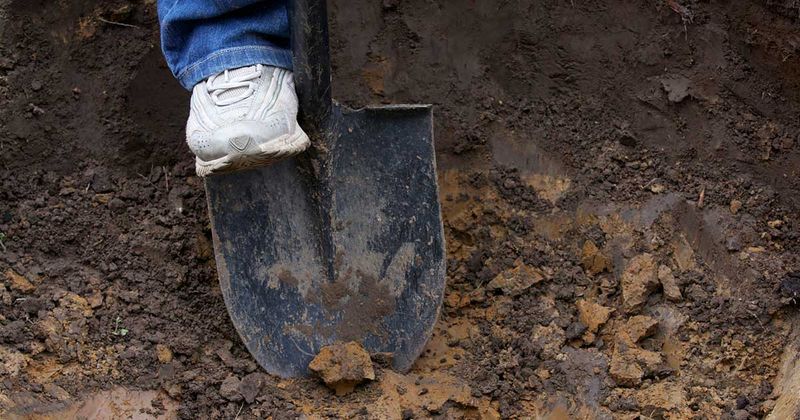
Clay soil is a familiar frustration for many Oregon gardeners, especially those in the Portland metro area and the Willamette Valley. Clay holds water like a sponge, which can suffocate plant roots and cause rot during Oregon’s rainy season.
Fixing drainage before spring makes a real difference.
One of the best ways to loosen clay soil is to add organic matter like compost, aged bark, or wood chips. Over time, these materials break apart clay particles and create space for air and water to move through.
You can also mix in coarse sand or perlite for faster results.
Avoid working clay soil when it is soaking wet. Doing so can make it even more compacted and harder to fix.
Wait until the soil passes the squeeze test. Grab a handful and squeeze it.
If it crumbles apart instead of staying in a ball, it is ready to work. Raised garden beds are another smart solution for Oregon gardeners dealing with heavy clay.
Filling beds with a mix of compost, topsoil, and perlite gives roots the loose, well-drained environment they need to thrive all season long.
5. Refresh Mulch
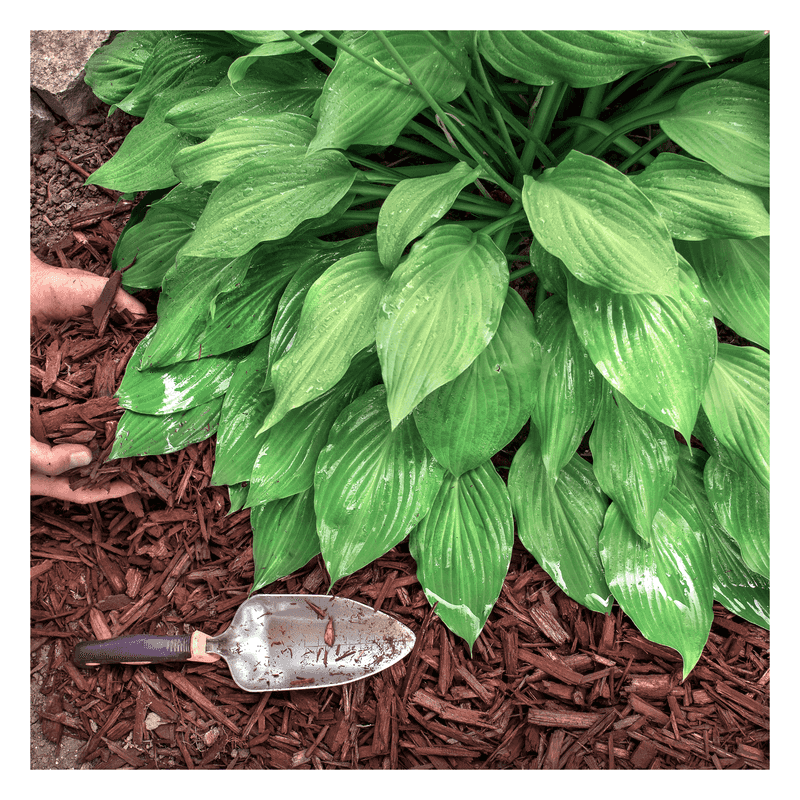
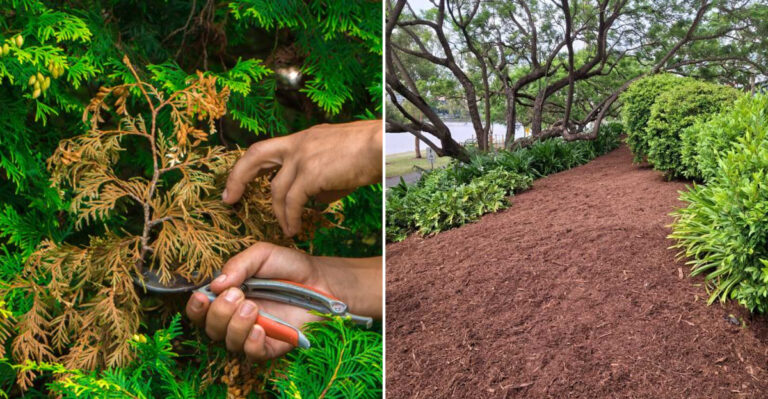
Winter has a way of breaking down mulch fast in Oregon. All that rain, wind, and cold weather can thin out your mulch layer, leaving soil exposed to erosion, temperature swings, and weed pressure.
Refreshing your mulch before spring growth begins is one of the smartest and easiest things you can do.
A fresh layer of mulch does several important jobs at once. It holds moisture in the soil, keeps weeds from sprouting, regulates soil temperature, and slowly breaks down to feed the soil over time.
In Oregon’s wet climate, mulch also helps prevent soil from being washed away during heavy spring rains.
Bark chips, straw, shredded leaves, and wood chips all make great mulch choices for Oregon gardens. Aim for a layer that is two to three inches deep.
Pull mulch a few inches away from plant stems and tree trunks to prevent rot. If your existing mulch looks matted or slimy, rake it up and replace it with fresh material.
Refreshing mulch each spring is a low-effort habit that pays off big. Your plants will stay healthier, your soil will stay moist longer, and your weeding workload will drop dramatically.
6. Loosen Compacted Soil
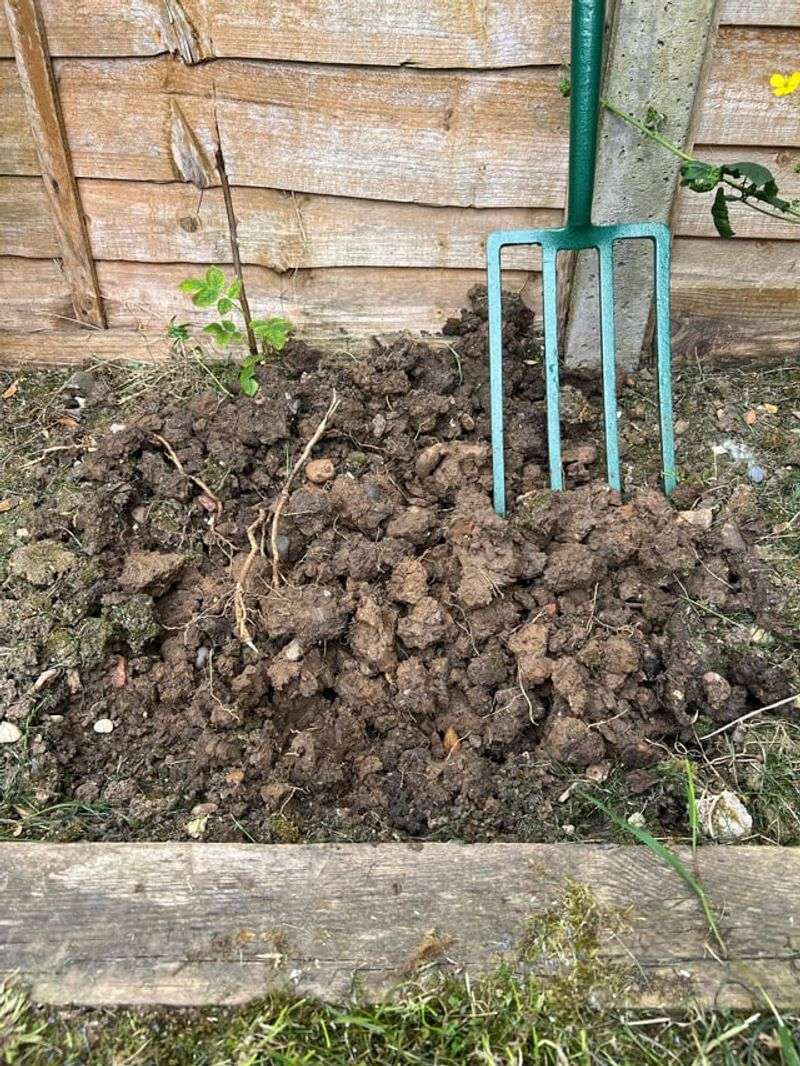
Soil compaction sneaks up on you. After months of rain, foot traffic, and cold weather, Oregon garden soil can become packed down so tight that roots struggle to push through.
Compacted soil also drains poorly and holds less oxygen, which makes it harder for plants to get established in spring.
You do not always need heavy equipment to fix the problem. A simple broadfork, garden fork, or even a sturdy spade can do the job for most home gardens.
Push the tool deep into the soil and gently rock it back and forth to open up air pockets without fully turning the soil over.
No-till gardening fans will be happy to know that loosening soil does not require full tilling. Just aerating the top six to eight inches is often enough to improve root growth and drainage significantly.
For heavily compacted areas, consider adding a thick layer of compost on top and letting earthworms do the deep work over time. Oregon soils that get walked on regularly benefit from stepping stones or defined pathways.
Keeping foot traffic off garden beds is one of the easiest ways to prevent compaction from coming back season after season.
7. Apply Organic Fertilizer
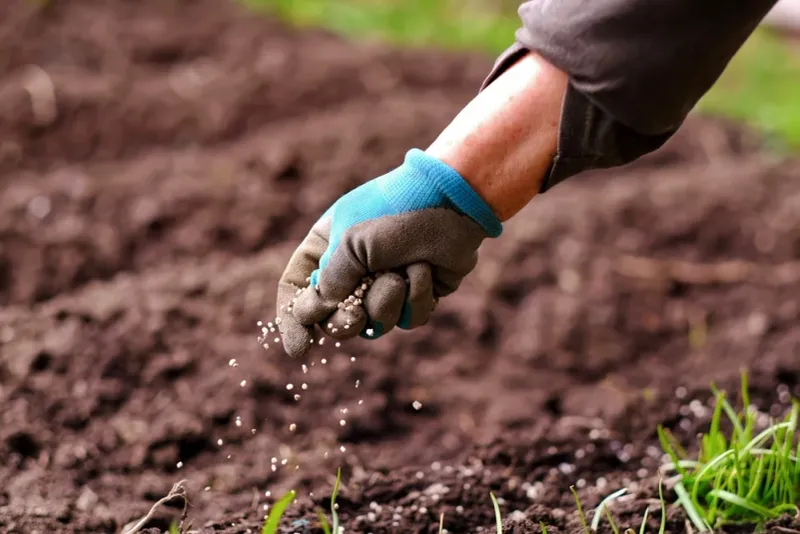
Organic fertilizer is a gentle and effective way to feed Oregon garden soil before the growing season begins.
Unlike synthetic fertilizers, organic options release nutrients slowly, which means plants get a steady supply without the risk of burning roots or causing a nutrient overload.
Some popular organic fertilizer choices include fish meal, bone meal, blood meal, kelp, and worm castings. Each one offers a slightly different nutrient profile.
Fish meal is high in nitrogen and great for leafy greens. Bone meal is rich in phosphorus, which supports root development and flowering.
Kelp adds trace minerals that Oregon soils sometimes lack.
Sprinkle your chosen fertilizer over garden beds according to package directions and then rake or lightly work it into the top few inches of soil. Watering afterward helps activate the nutrients and gets them moving into the soil where roots can reach them.
Applying organic fertilizer in early spring, a few weeks before planting, gives it time to start breaking down. Oregon gardeners who feed their soil regularly tend to see stronger plants, better harvests, and fewer pest and disease problems throughout the season.
Healthy soil truly is the foundation of a thriving garden.
8. Clear Winter Debris
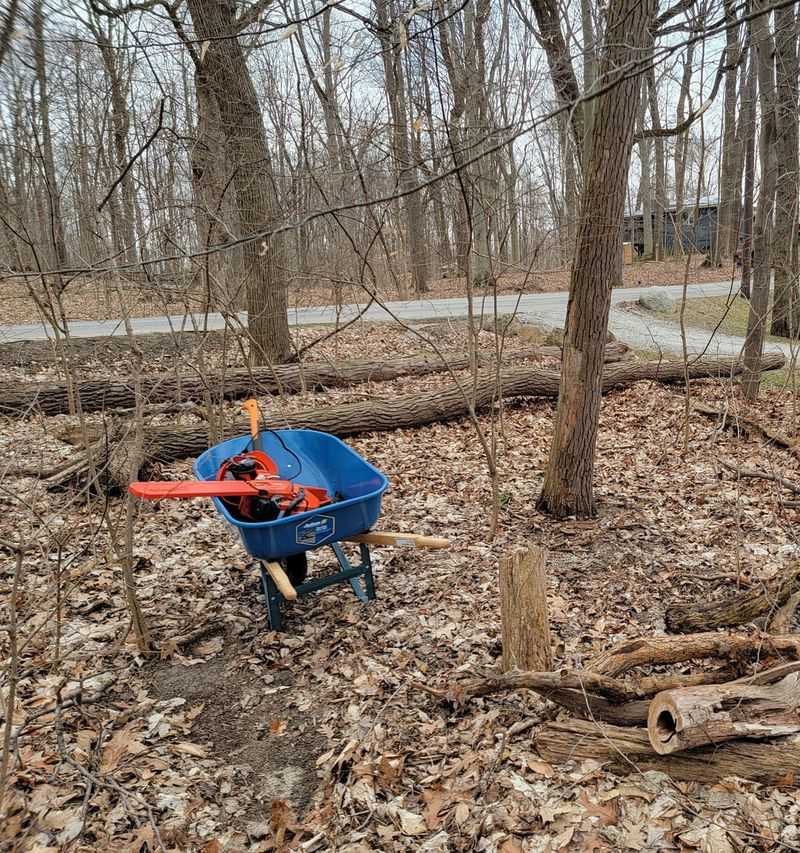
After a long Oregon winter, garden beds can look pretty rough.
Withered leaves, old plant stems, soggy mulch, and broken branches pile up and create the perfect hiding spot for pests, fungal spores, and other problems that can slow your garden down right from the start of spring.
Clearing out winter debris is one of the first things you should do when the weather starts to warm up. Rake away dead leaves and pull out any old plant material that did not get cleaned up in the fall.
Check for signs of mold or rot and remove anything that looks suspicious.
Do not toss everything into the compost pile, though. Diseased plant material should go into the trash or yard waste bin instead, so you do not spread problems back into your garden later.
Once the beds are clear, you will be able to see new growth coming up and plan your spring planting much more easily. Clearing debris also gives beneficial insects a chance to find their way into your garden without competition from pests.
Oregon gardens that start the season clean and tidy tend to stay healthier, look better, and produce more all the way through harvest time.