7 Simple Tips For Growing Grapes In Arizona’s Desert Climate
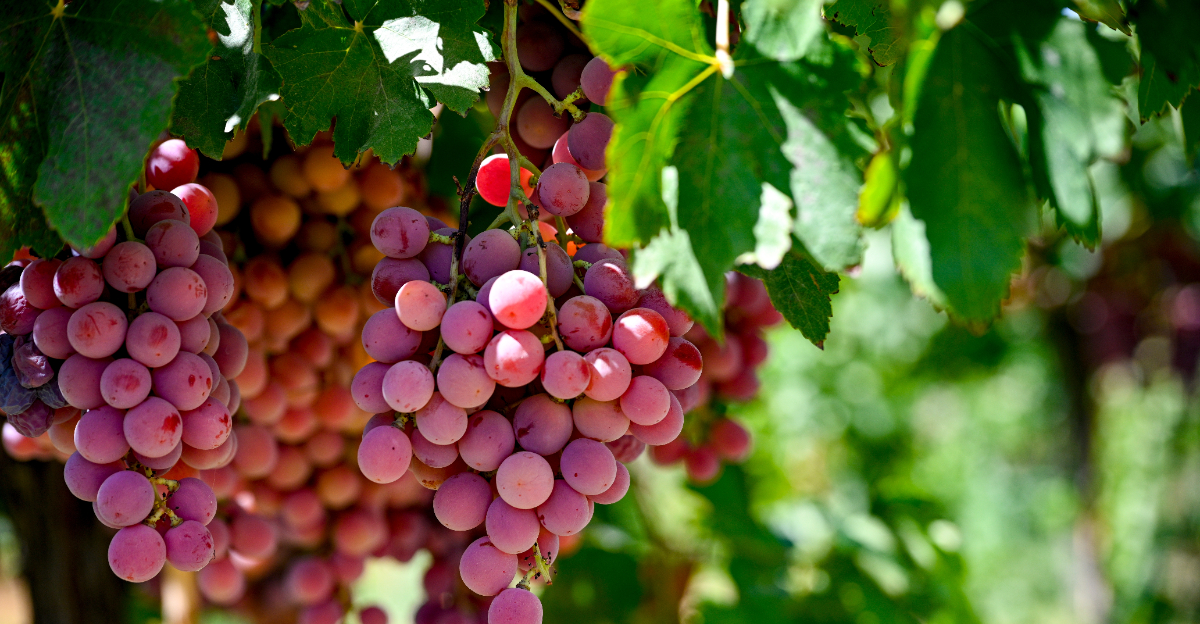
Growing grapes in Arizona might sound challenging at first, especially with the intense sun, dry air, and long stretches of heat that define the desert climate. But grapes are actually tougher than many people expect.
With the right care and a few smart adjustments, they can grow surprisingly well in Arizona gardens and even produce flavorful harvests.
Many grape varieties handle hot conditions better than common garden fruits, especially when they are planted in well-drained soil and given strong support to climb.
In fact, the dry desert air can even help reduce some common fungal problems that grape growers in humid regions often struggle with.
Success usually comes down to a few key practices. Choosing the right variety, protecting vines from extreme afternoon sun, and managing water carefully can make a big difference in how well grapes establish and produce fruit.
With a little planning, grape vines can thrive and become one of the most rewarding plants to grow in an Arizona garden.
1. Choose Heat-Tolerant Grape Varieties
Not every grape variety can handle what Arizona throws at it.
Temperatures that regularly climb past 110 degrees Fahrenheit in summer will stress out varieties that were bred for cooler climates, leaving you with burned leaves and shriveled fruit before harvest ever comes.
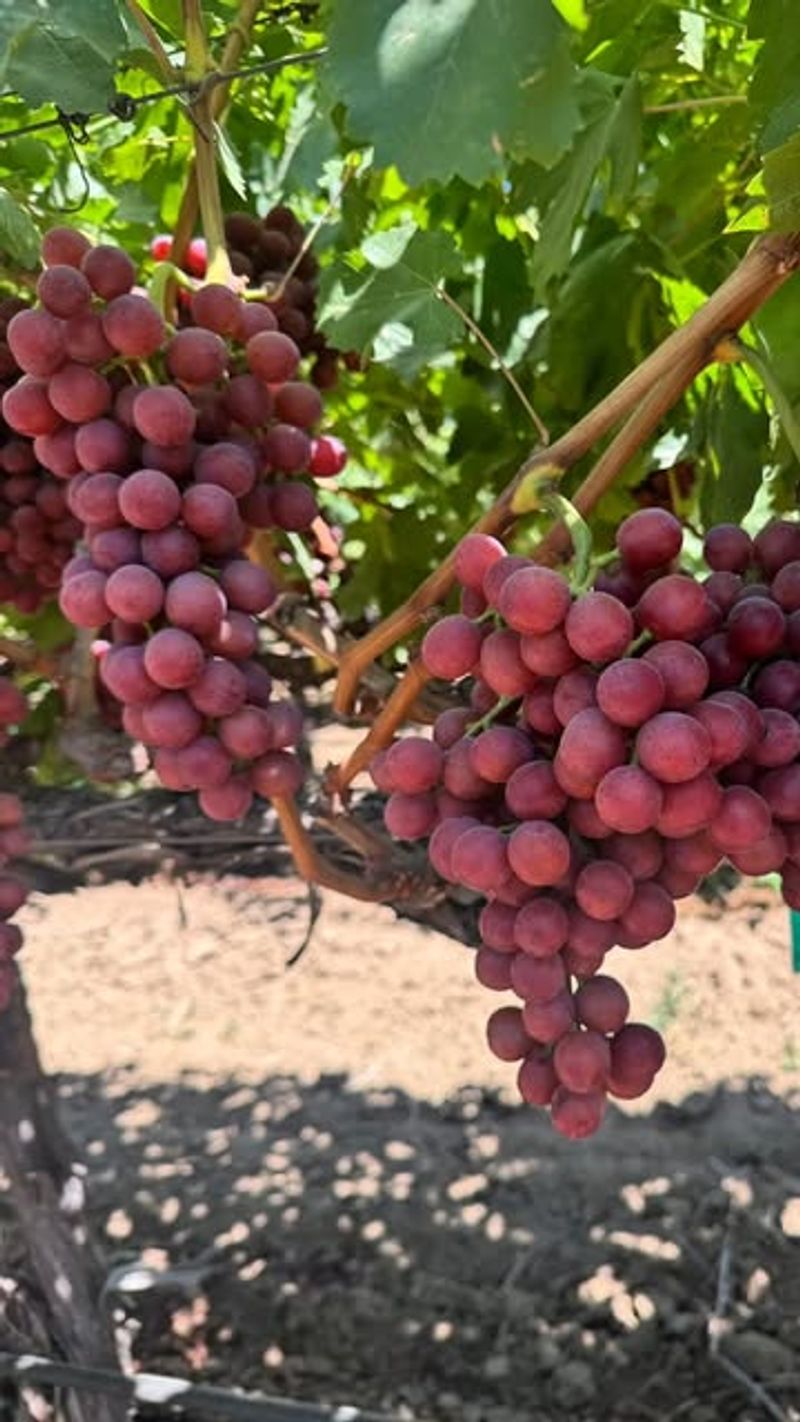
Flame Seedless and Thompson Seedless are two of the most dependable choices for table grapes in Arizona. Both handle intense heat without falling apart, and they produce generous clusters of sweet fruit that are worth every bit of effort you put into the vine.
Flame Seedless tends to ripen a bit earlier in the season, which is actually a big advantage when monsoon humidity starts creeping in during late July.
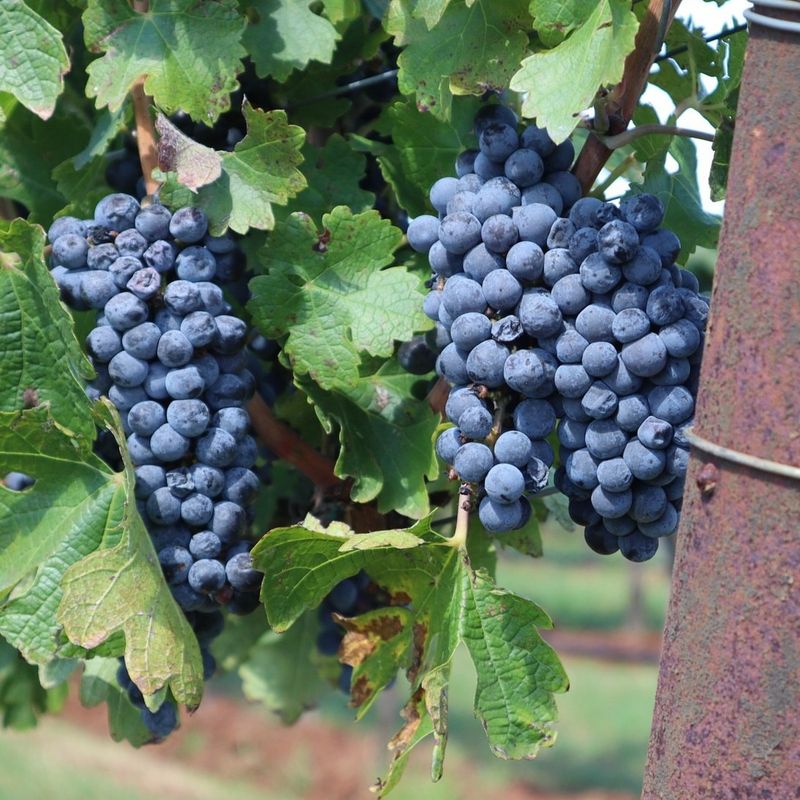
If you are interested in making wine at home, varieties like Syrah, Zinfandel, and Malvasia Bianca have proven themselves in Arizona’s desert valleys. They do not just survive the heat — they actually develop richer, more concentrated flavors because of it.
Local Arizona wineries in the Sonoita and Willcox regions have been growing these varieties commercially for years, which tells you a lot about their reliability.
Before buying any vine, check with a local nursery in your area rather than ordering blindly online. Staff at Arizona-based nurseries know which rootstocks perform best in your specific soil conditions.
Getting the right variety from the start saves you months of frustration and gives your garden the best possible foundation for a long, productive life.
2. Plant In Well-Draining Soil To Avoid Root Issues
Arizona soil can be tricky. Caliche layers, heavy clay patches, and compacted adobe are common across the Phoenix and Tucson areas, and grapevine roots absolutely cannot push through those barriers.
When roots get trapped in waterlogged or compacted ground, the vine struggles to pull nutrients and the whole plant pays for it.
Sandy loam is your best friend here. It drains fast, warms up quickly in spring, and allows roots to spread deep and wide.
If your yard has heavy soil, mix in a generous amount of organic compost before planting — not just a thin layer on top, but worked into the planting area at least 18 inches deep.
Breaking up caliche with a pickaxe or renting a power auger can make a real difference for long-term vine health.
Raised beds are another smart option that many Arizona gardeners swear by. Building up the soil level by 12 to 18 inches gives you complete control over drainage and soil composition.
You can fill the bed with a custom mix of sandy loam, compost, and a bit of perlite for extra drainage. Roots establish faster in raised beds, and you avoid the guesswork of trying to fix problem ground.
Always do a simple drainage test before planting. Dig a hole about 12 inches deep, fill it with water, and watch how fast it drains.
If water is still sitting there after an hour, your soil needs serious amendment before any vine goes in the ground.
3. Provide Full Sun For Maximum Fruit Production
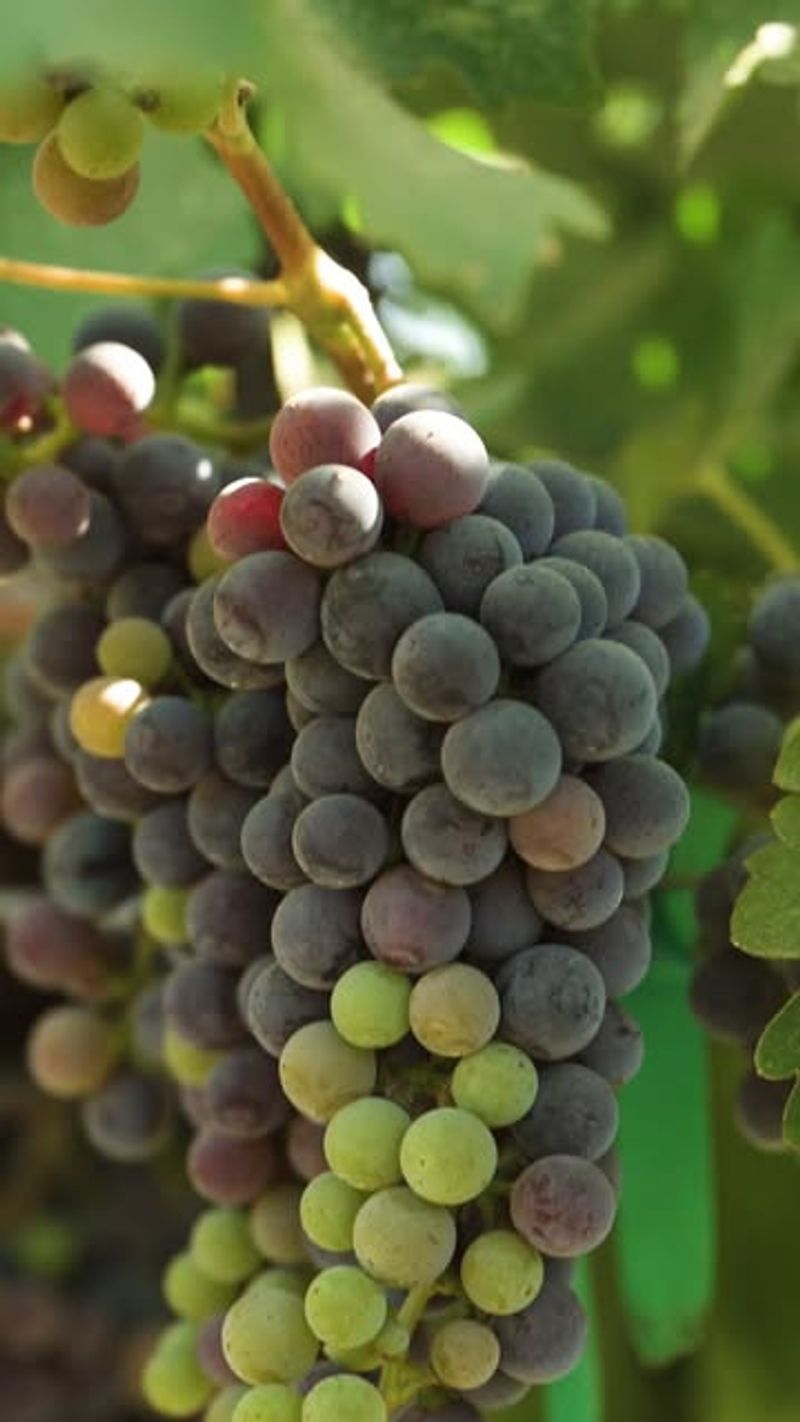
Grapes are sun lovers, plain and simple.
Arizona’s intense sunshine is actually one of the biggest advantages you have as a desert gardener — most other regions in the country cannot offer the same number of daily sun hours that Phoenix, Mesa, or Scottsdale deliver from spring through fall.
Aim for a spot that gets at least eight hours of direct sunlight every single day. South-facing and west-facing locations tend to be the strongest performers in Arizona yards.
Avoid planting near tall walls, large trees, or structures that throw shade during the morning hours, because morning sun helps dry off any overnight moisture on the leaves, which reduces the risk of fungal problems.
Full sun also drives sugar development inside the fruit. Grapes grown in partially shaded spots tend to stay tart and underdeveloped even when they look ripe.
In Arizona’s desert climate, you rarely have to worry about getting too much sun — the challenge is more about managing the heat that comes with it, which you handle through smart watering and mulching rather than by reducing sunlight.
One practical tip: if your yard has a spot that gets reflected heat from a block wall or concrete patio, that can actually supercharge ripening in late summer. Just make sure your irrigation is dialed in for those extra-hot microclimates.
Grapes grown against a south-facing block wall in Arizona often ripen a full two weeks earlier than vines planted in the open yard, giving you a head start before monsoon season arrives.
4. Install A Strong Trellis To Support Vigorous Vines
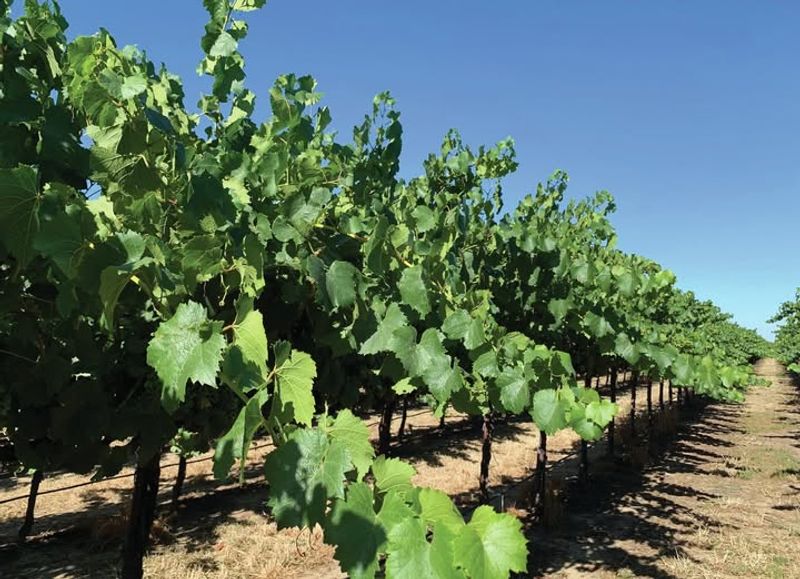
Grapevines grow fast and heavy once they get going. A flimsy trellis or a couple of T-posts with loose wire will not hold up for long, especially in Arizona where summer monsoon winds can tear through a yard with serious force.
Building a solid support system before you plant saves you the headache of rebuilding it later with a full-grown vine attached.
A basic two-wire trellis works well for most home gardens. Set wooden or metal posts at least 6 to 8 feet tall and space them about 8 to 10 feet apart.
Run 12-gauge galvanized wire at two heights — roughly 3 feet and 5 feet off the ground. The lower wire trains the main trunk, and the upper wire supports the fruiting canes as they spread out.
Tension the wire tightly so it does not sag under the weight of a loaded vine in August.
Concrete or metal T-posts hold up better in Arizona’s shifting desert soil than plain wooden stakes. If you go with wooden posts, treat them or use cedar and redwood, which resist rot even in dry conditions.
Sinking posts at least 2 feet into the ground keeps them stable when the soil dries out and contracts in summer heat.
Arbors are another popular option in Arizona yards, especially for creating shaded outdoor seating areas.
Training grapes over a pergola gives you both fruit and a natural canopy that blocks intense afternoon sun — a practical double benefit in a state where summer shade is genuinely valuable and appreciated by everyone spending time outdoors.
5. Water Deeply But Infrequently To Encourage Strong Roots
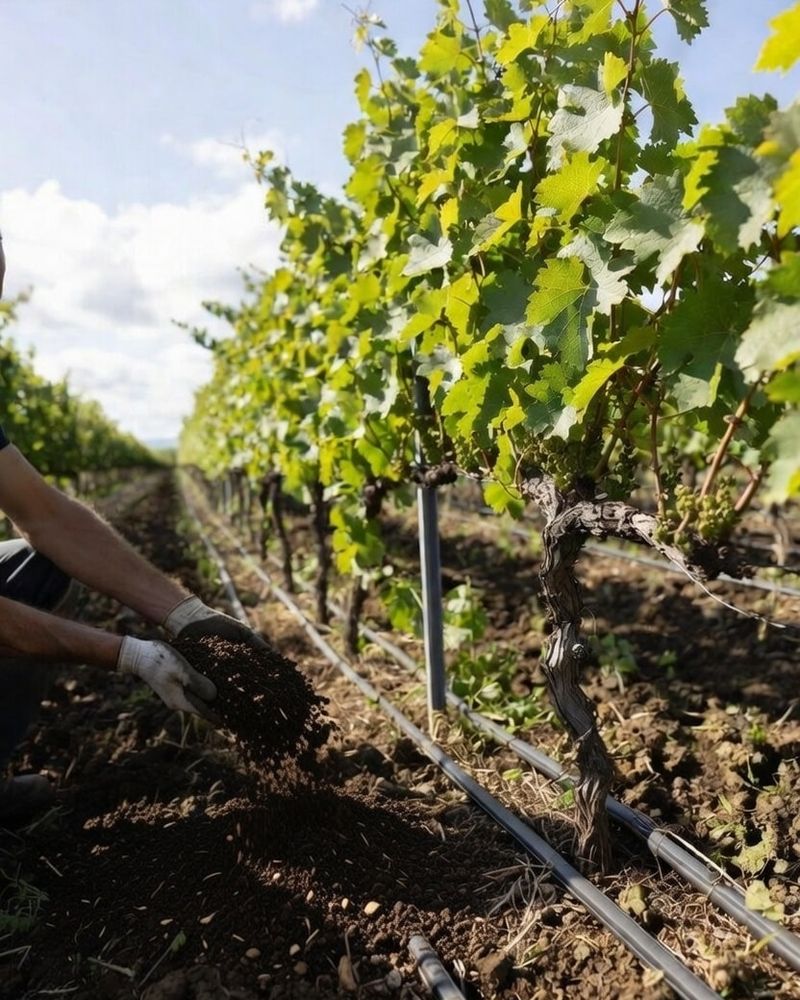
Shallow, frequent watering is one of the most common mistakes Arizona gardeners make with grapes.
When you water a little bit every day, the roots stay near the surface chasing moisture — and surface soil in Arizona dries out and heats up fast, leaving your vine vulnerable every time irrigation misses a cycle.
Deep watering every seven to ten days during the hottest months pushes roots down toward cooler, more stable soil layers. A drip system works best for this.
Position two or three emitters around each vine, not right at the trunk but about 18 inches out where the feeder roots actually live.
Run the system long enough to wet the soil at least 18 to 24 inches deep — a cheap soil moisture meter takes the guesswork out of knowing when you have hit that depth.
Mulch is your partner in this process. Spread a 3 to 4 inch layer of wood chips or straw around each vine, keeping it a few inches away from the trunk itself.
Mulch slows evaporation dramatically, and in Arizona’s summer heat that can mean the difference between soil that stays workable and soil that bakes into a crust within hours of watering.
During winter months, grapevines in Arizona go dormant and need far less water — roughly once every three to four weeks is usually enough depending on rainfall.
Overwatering during dormancy causes root problems that show up as weak growth the following spring.
Adjust your schedule seasonally and your vines will reward you with stronger, more productive growth year after year.
6. Prune Regularly To Promote Airflow And Larger Bunches
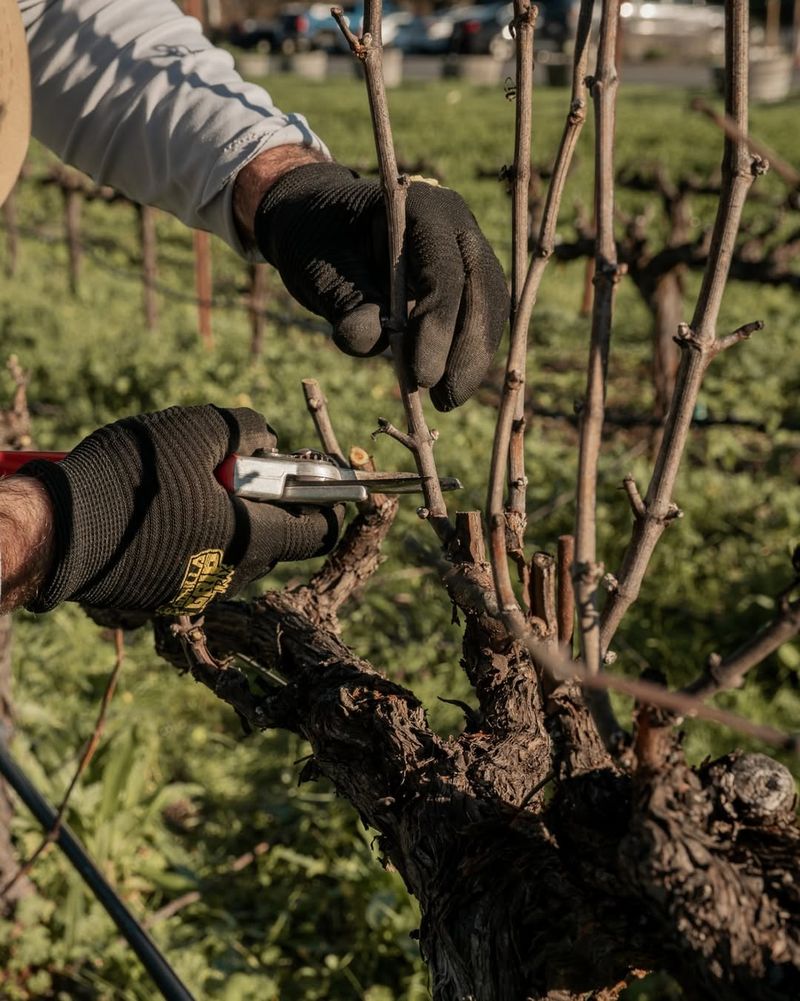
Skipping pruning is a shortcut that costs you fruit. Grapevines that go unpruned for even one season turn into a tangled mess of old wood, and that old wood produces weak shoots and undersized clusters that are hard to harvest and easy for pests to hide in.
Prune your vines during dormancy — late January through mid-February is the sweet spot for most of Arizona.
At that point the vine has gone quiet for the season, sap is not actively moving, and you can clearly see the structure of the canes without leaves blocking your view.
Remove about 80 to 90 percent of last year’s growth. That sounds aggressive, but grapes fruit on new wood, so cutting back hard is exactly what drives a strong flush of productive shoots come spring.
Cane pruning is the most common method for home growers in Arizona. Select one or two healthy canes from last season’s growth — look for canes roughly the diameter of a pencil with nodes spaced close together.
Tie those canes along your trellis wire and remove everything else. Each node on that cane will push out a shoot, and most of those shoots will carry fruit clusters.
Good airflow through the vine canopy matters especially during Arizona’s monsoon season when humidity spikes suddenly in July and August. Opening up the canopy through pruning and summer shoot thinning reduces the chance of powdery mildew taking hold.
A vine with good airflow dries faster after rain and stays healthier through the muggy stretch of late summer that catches many Arizona gardeners off guard.
7. Protect Vines From Frost During Winter Nights
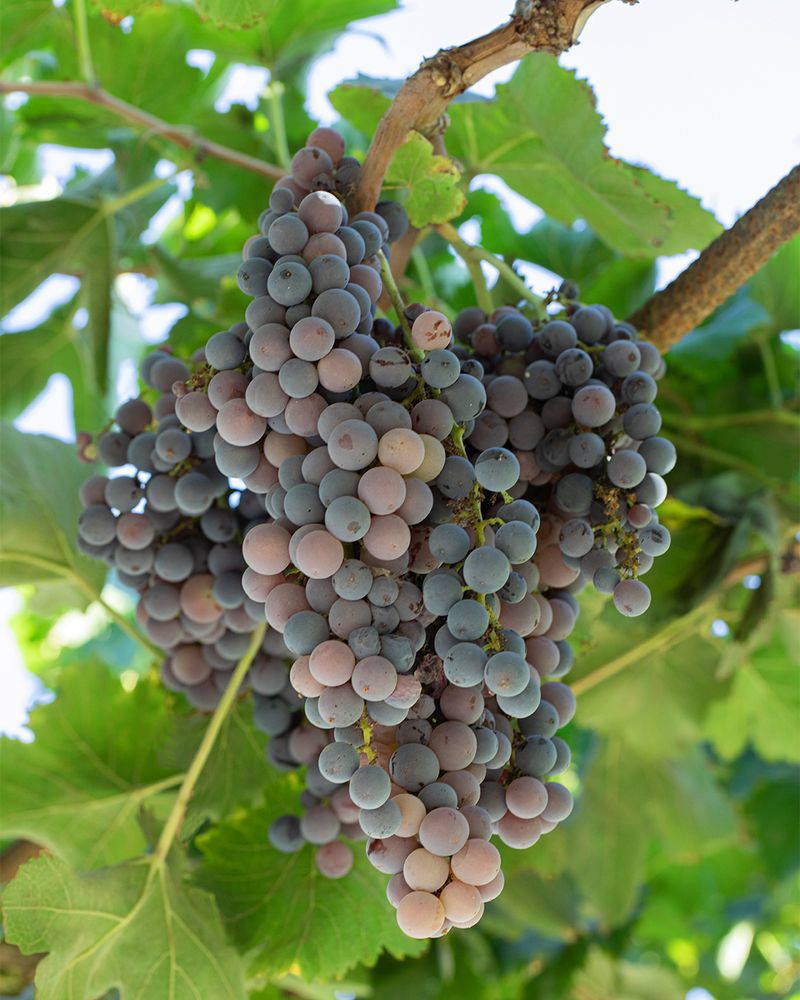
Arizona cold snaps catch a lot of new gardeners off guard.
People move here expecting endless warmth, then January rolls around and temperatures in the Phoenix metro dip into the mid-20s for a night or two, which is more than enough to damage tender new growth on grapevines that broke dormancy too early.
The trickiest period is late winter, usually February and March, when warm days can trick vines into pushing new shoots before the last frost has passed.
Those young green shoots are extremely sensitive to freezing temperatures — even a brief drop below 28 degrees Fahrenheit can set back your season by weeks.
Keep an eye on nighttime forecasts during that window and be ready to act fast when a cold front moves in.
Frost cloth is the easiest solution. Drape it loosely over the vine and let it hang down to the ground, trapping heat that radiates from the soil overnight.
Remove it during the day so the vine gets full light and airflow. Old bedsheets work in a pinch, though they are heavier and hold moisture.
Avoid plastic sheeting directly on the vine — it concentrates cold against the plant rather than insulating it.
In higher-elevation Arizona areas like Prescott or Flagstaff, frost protection becomes even more critical since temperatures drop lower and the frost season runs longer than in the Valley.
Gardeners in those areas sometimes wait until March to plant and choose cold-hardy varieties as an extra buffer.
Knowing your specific microclimate and elevation makes all the difference in how much protection your vines actually need each winter.