8 Simple Tips For Growing Strawberries Indoors In Minnesota
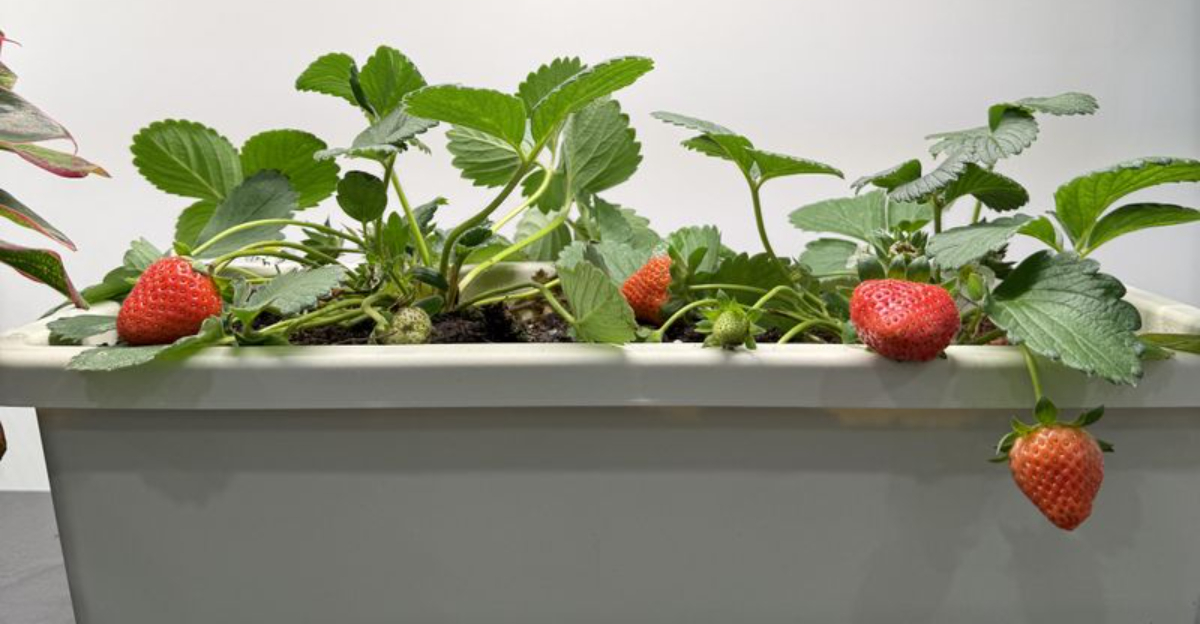
Growing strawberries indoors in Minnesota feels like breaking a winter rule, creating life and color inside while snow, ice, and silence dominate everything beyond the windows.
When winter feels endless, those green leaves offer something to look forward to, making ordinary days feel lighter, warmer, and more alive without trying too hard.
You might not expect fruit to grow during freezing months, yet that surprise is exactly what makes indoor strawberries feel exciting and worth paying attention to.
Each morning check becomes a small ritual, noticing growth, soil, light, and progress, giving winter days a sense of purpose instead of waiting.
There is a personal satisfaction in growing food yourself when the season outside says no, reminding you that patience and care still pay off.
Indoor strawberries slowly change how winter feels, turning cold months into a time of quiet growth instead of boredom or frustration.
Watching flowers appear indoors creates a genuine sense of achievement, especially when everything outside seems stuck, frozen, and unwilling to change for months.
This experience feels intimate, almost calming, like tending something fragile that depends on you while the rest of the world feels harsh.
Rather than dreaming about summer flavors, you begin creating them yourself, right there in your home, one small plant at a time.
Growing strawberries indoors gives winter meaning, proving that even in Minnesota, growth does not stop just because the season says it should.
1. Choose the Right Strawberry Variety
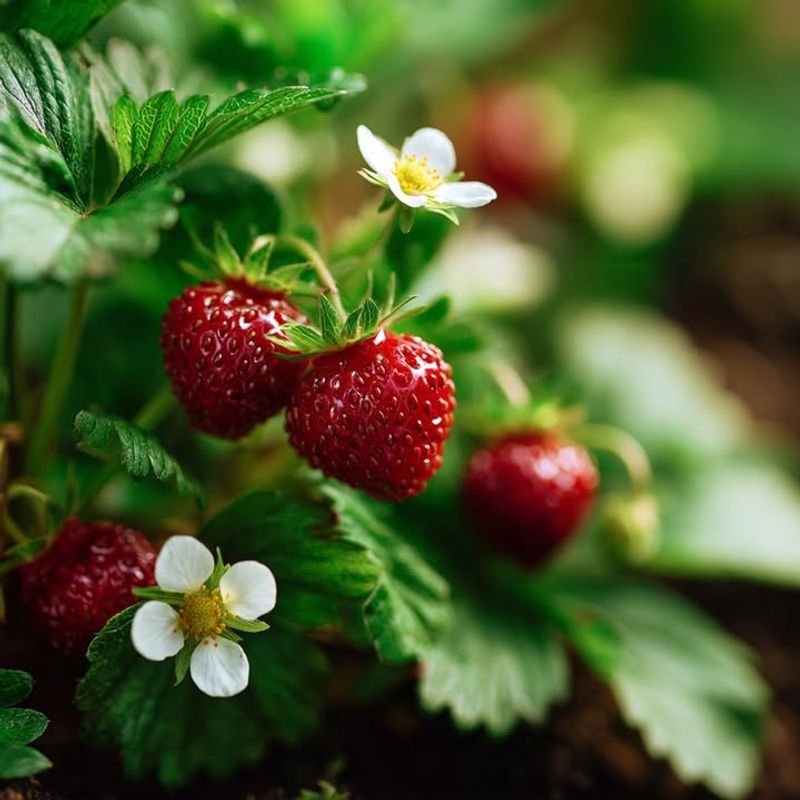
Selecting the perfect strawberry variety makes all the difference when growing indoors, especially in a state like Minnesota where winter conditions are harsh.
Alpine strawberries produce small but incredibly flavorful berries that thrive in containers and require less space than traditional varieties you might find outdoors.
Everbearing types give you fruit multiple times throughout the year, which is ideal for indoor growing since you want a steady harvest rather than one big crop.
Day-neutral varieties ignore daylight length completely, so they keep producing berries regardless of how short Minnesota winter days become outside your windows.
Compact plants work best indoors because they fit nicely on windowsills or under grow lights without taking over your entire living space with sprawling vines.
Some varieties handle lower light conditions better than others, making them more forgiving if your Minnesota home does not get tons of natural sunlight during winter months.
Research which types have been successfully grown indoors by other Minnesota gardeners to learn from their experiences and avoid frustrating mistakes with unsuitable plants.
Ordering from reputable nurseries ensures you receive healthy plants that are disease-free and ready to start producing berries as soon as they settle in.
Matching your variety choice to your indoor environment sets you up for success right from the start of your strawberry-growing adventure at home.
2. Provide Adequate Lighting
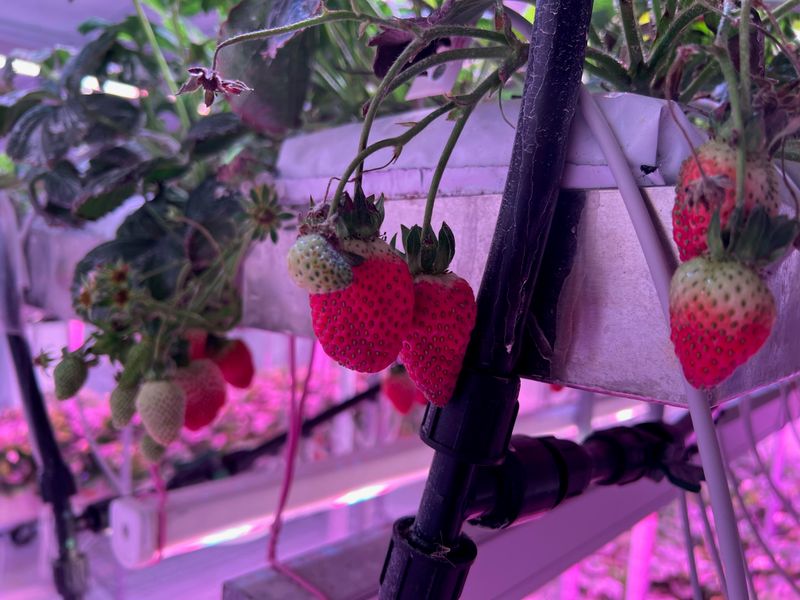
Light is absolutely essential for strawberry plants to grow strong and produce those sweet berries you are hoping to harvest in your Minnesota home.
Natural sunlight from south-facing windows works wonderfully if you have at least six hours of bright, direct light hitting your plants each day throughout winter.
Unfortunately, Minnesota winter days are notoriously short and cloudy, which means natural light alone often falls short of what your strawberries actually need to thrive.
LED grow lights solve this problem by providing consistent, full-spectrum light that mimics sunshine and keeps your plants happy even during the darkest months of the year.
Position your grow lights about six to twelve inches above your strawberry plants, adjusting the height as the foliage grows taller to prevent burning or stretching.
Running your lights for twelve to sixteen hours daily gives your plants enough energy to photosynthesize, grow leaves, produce flowers, and eventually develop delicious fruit.
Timers make managing your lighting schedule incredibly easy since you can set them once and forget about manually turning lights on and off every single day.
Combining natural window light with supplemental grow lights creates the best environment, especially when Minnesota weather turns particularly gloomy for extended periods during winter storms.
Investing in proper lighting equipment pays off quickly when you start picking fresh strawberries from your indoor garden while snow piles up outside your windows.
3. Select Appropriate Containers
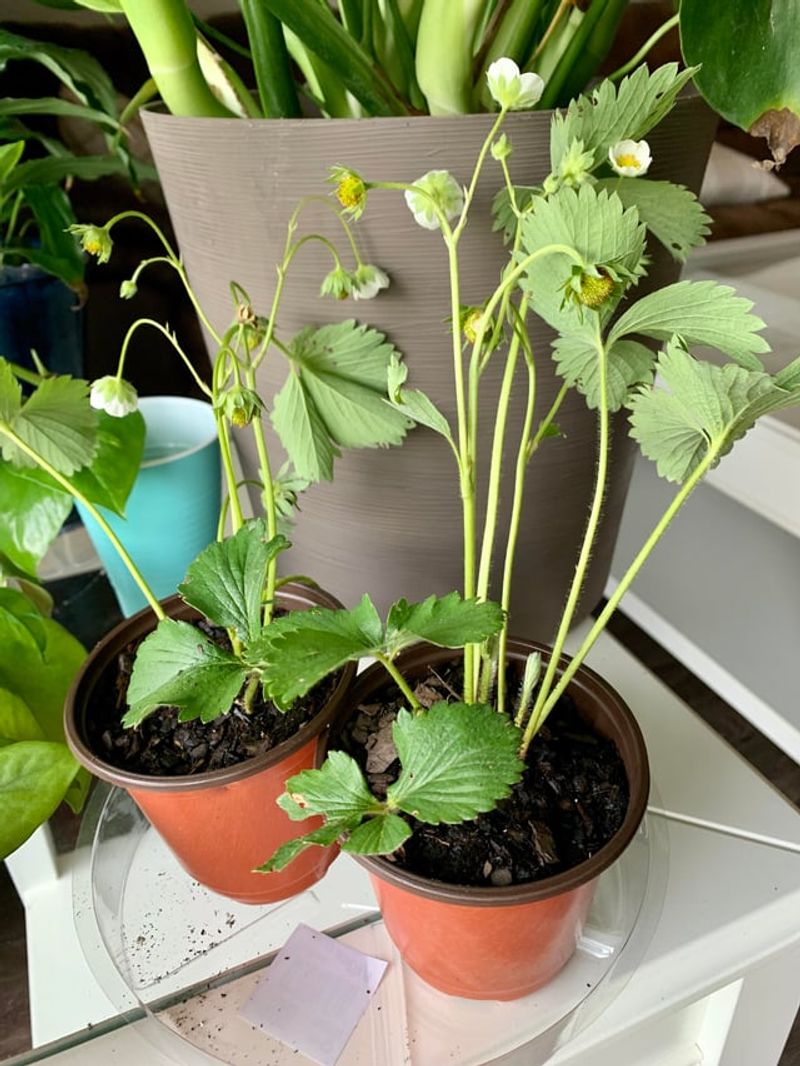
Container choice might seem simple, but picking the right pots makes a huge difference in how well your strawberries grow indoors in Minnesota homes.
Drainage holes are absolutely non-negotiable because strawberries hate sitting in waterlogged soil, which leads to root problems that can ruin your entire indoor crop quickly.
Containers should be at least six to eight inches deep to give strawberry roots enough room to spread out and access nutrients from the soil below.
Hanging baskets work beautifully for strawberries since the plants naturally send out runners and the berries can dangle down where they are easy to spot and pick.
Terra cotta pots allow soil to breathe better than plastic containers, though they dry out faster and require more frequent watering in dry Minnesota indoor winter air.
Self-watering containers can be helpful if you travel often or forget to water regularly, maintaining consistent moisture levels that strawberries prefer for healthy growth and fruiting.
Avoid containers that are too large because excess soil holds moisture longer, creating conditions where roots might struggle and plants fail to produce many berries at all.
Strawberry towers or tiered planters maximize vertical space, letting you grow multiple plants even if your Minnesota apartment or house has limited room for indoor gardening projects.
Clean your containers thoroughly before planting to remove any lingering bacteria or fungi that could harm your new strawberry plants right from the very start.
4. Use Quality Potting Mix
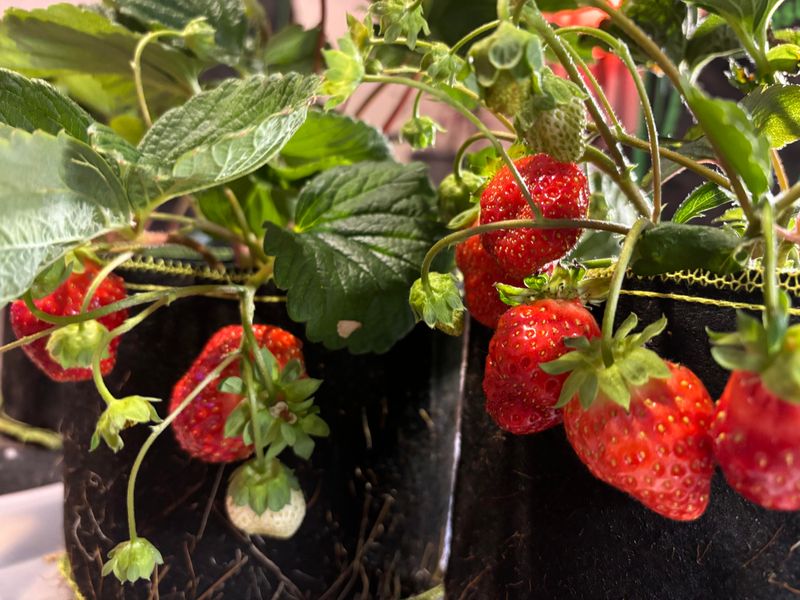
Soil quality directly impacts how well your strawberries grow indoors, so choosing the right potting mix is critical for success in your Minnesota home garden.
Never use regular garden soil from outdoors because it compacts badly in containers, drains poorly, and often contains pests or diseases that can devastate indoor plants.
Commercial potting mixes designed for containers provide the light, fluffy texture that strawberry roots need to spread easily and access oxygen for healthy growth throughout winter.
Look for mixes containing peat moss or coconut coir, perlite, and vermiculite, which together create excellent drainage while still retaining enough moisture for consistent plant hydration.
Strawberries prefer slightly acidic soil with a pH between 5.5 and 6.5, so testing your potting mix or choosing one formulated for acid-loving plants ensures optimal conditions.
Adding compost to your potting mix boosts nutrient content naturally, giving your plants organic matter that slowly releases food as they grow and produce berries over many months.
Avoid mixes that are too heavy or contain excessive fertilizer, as these can harm delicate strawberry roots or cause rapid foliage growth at the expense of fruit production.
Minnesota tap water can be alkaline, so using acidic potting mix helps balance pH over time and prevents nutrient deficiencies that show up as yellowing leaves.
Refreshing your potting mix annually keeps soil structure healthy and prevents salt buildup from fertilizers, ensuring your indoor strawberry plants remain productive year after year in Minnesota.
5. Maintain Proper Temperature and Humidity
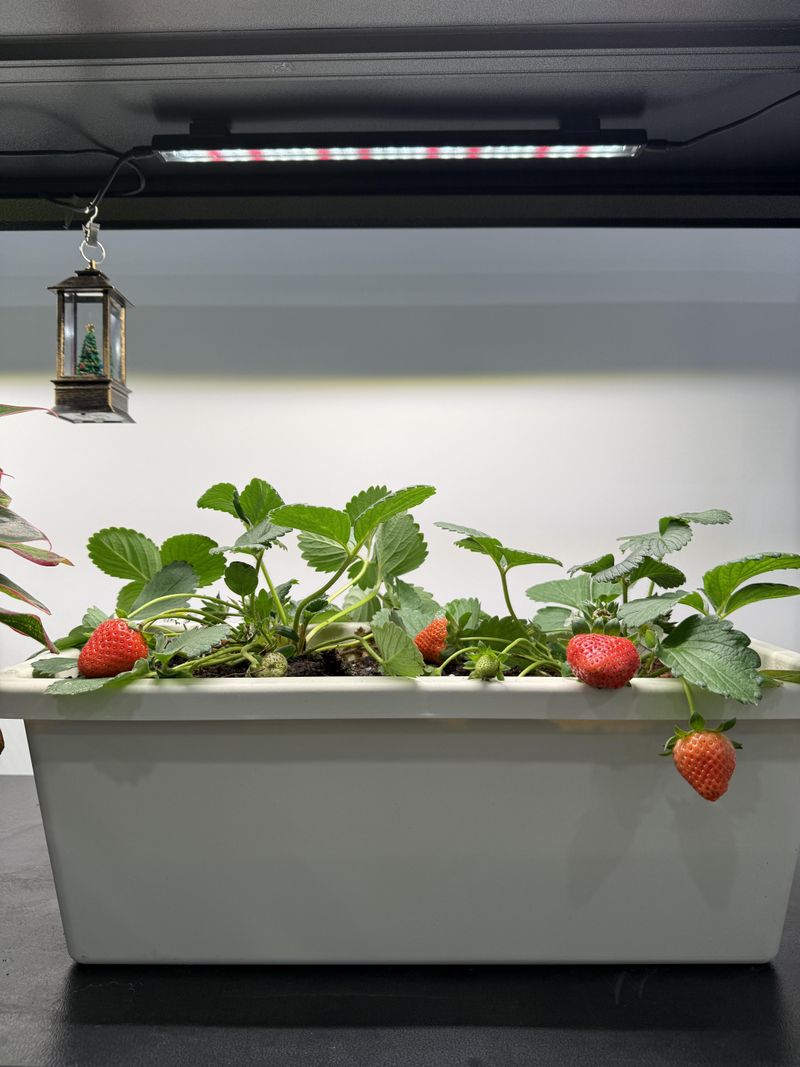
Temperature control is easier indoors than outside, but Minnesota homes can still present challenges when trying to keep strawberries comfortable during harsh winter months ahead.
Strawberries grow best when daytime temperatures stay between 65 and 75 degrees Fahrenheit, which is usually comfortable for people living in Minnesota homes during winter heating season.
Nighttime temperatures can drop slightly to around 55 to 65 degrees without harming your plants, and this cooler period actually encourages better flowering and fruit development.
Avoid placing strawberry containers near heating vents or radiators where blasts of hot, dry air can stress plants and cause leaves to dry out or flowers to drop.
Cold drafts from windows or doors can also shock your strawberries, so position plants away from areas where frigid Minnesota outdoor air might sneak inside your home.
Humidity levels in heated Minnesota homes often plummet during winter, but strawberries prefer moderate humidity around 50 to 70 percent for optimal health and productivity indoors.
Grouping plants together creates a microclimate where moisture released from leaves raises humidity slightly, benefiting all your strawberries without requiring expensive humidifiers or complicated equipment setups.
Placing a shallow tray filled with pebbles and water beneath your containers adds humidity as water evaporates, just make sure pot bottoms do not sit directly in water.
Monitoring temperature and humidity with a simple hygrometer helps you catch problems early and adjust conditions before your Minnesota indoor strawberries show signs of serious stress.
6. Water Consistently and Correctly
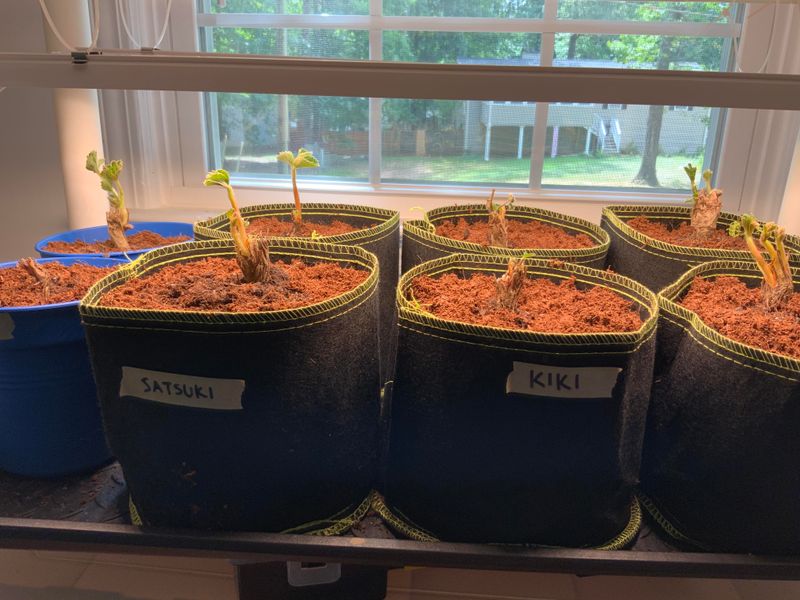
Watering strawberries properly requires attention and consistency, especially when growing indoors where conditions in Minnesota homes can vary dramatically from day to day during winter.
Strawberry plants like soil that stays evenly moist but never soggy, which means checking your containers regularly and watering when the top inch of soil feels dry.
Overwatering is one of the most common mistakes indoor gardeners make, leading to root rot and weak plants that never produce the abundant berries you are hoping for.
Underwatering stresses plants too, causing leaves to wilt and flowers to drop before they can develop into fruit, so finding the right balance is absolutely crucial for success.
Water slowly and deeply until you see liquid draining from the bottom holes, ensuring the entire root zone gets moisture rather than just wetting the surface soil.
Morning watering works best because it gives foliage time to dry before evening, reducing the risk of fungal diseases that thrive in damp conditions common in Minnesota homes.
Room-temperature water is gentler on roots than cold water straight from the tap, so letting it sit for a few hours before watering helps protect your strawberry plants.
Self-watering containers or drip irrigation systems can help maintain consistent moisture if you struggle with remembering to water or if your schedule keeps you busy throughout the week.
Adjusting watering frequency based on plant size, temperature, and humidity ensures your Minnesota indoor strawberries get exactly what they need without wasteful overwatering or harmful neglect.
7. Fertilize Regularly for Best Results
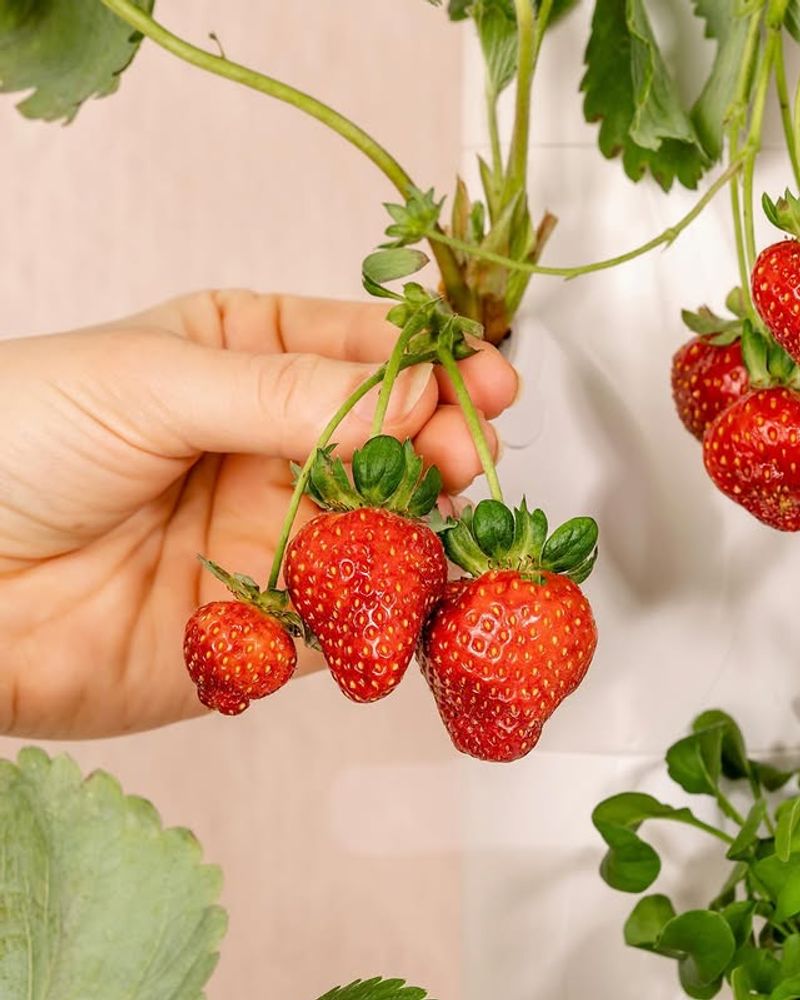
Fertilizing your indoor strawberries ensures they have all the nutrients needed to produce healthy foliage and delicious berries throughout the long Minnesota winter growing season.
Container plants deplete soil nutrients faster than outdoor gardens because frequent watering washes away minerals, so regular feeding becomes essential for maintaining plant health and productivity.
Balanced liquid fertilizers with equal amounts of nitrogen, phosphorus, and potassium work well for strawberries, supporting leaf growth, root development, and fruit production all at once.
Diluting fertilizer to half the recommended strength and applying it every two weeks prevents nutrient burn while still providing steady nutrition your Minnesota indoor plants can use effectively.
Organic options like fish emulsion or seaweed extract offer gentle, slow-release nutrition that feeds both plants and beneficial soil microbes, improving overall container health over many months.
Avoid high-nitrogen fertilizers once flowering begins because too much nitrogen encourages leafy growth at the expense of berries, which defeats your whole purpose for growing strawberries indoors.
Phosphorus becomes especially important during flowering and fruiting stages, so switching to a bloom-boosting fertilizer can increase your berry harvest significantly without harming plant health at all.
Flushing containers with plain water every few months prevents fertilizer salt buildup that can damage roots and cause leaf tips to turn brown, especially in Minnesota homes with hard water.
Watching your plants for signs like yellowing leaves or slow growth helps you adjust fertilizing schedules and ensure your indoor strawberries get exactly what they need for success.
8. Pollinate Flowers by Hand
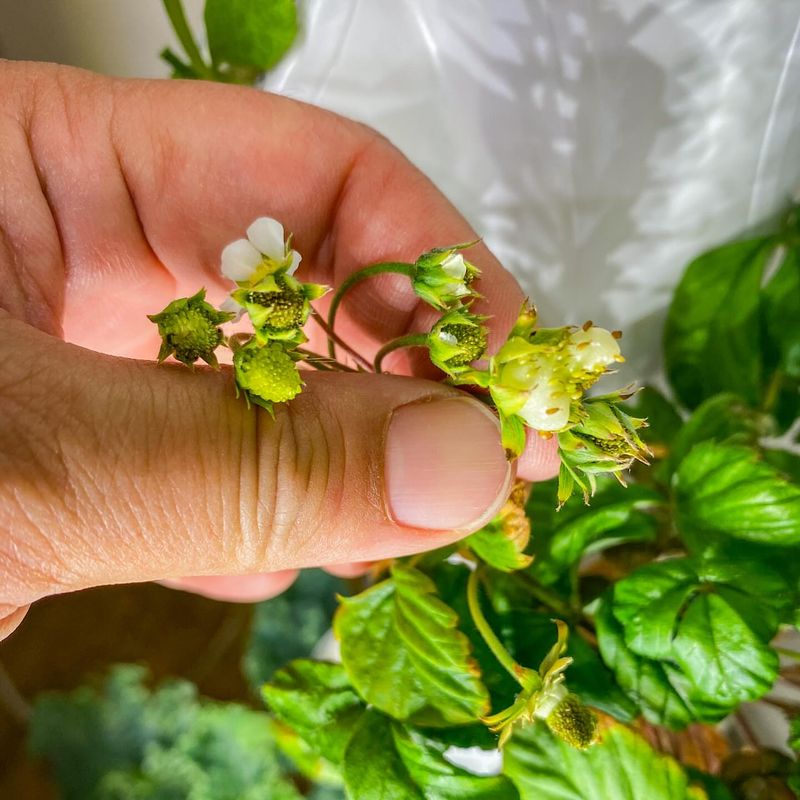
Pollination is absolutely necessary for strawberry flowers to develop into fruit, but indoor plants in Minnesota homes miss out on bees and wind that normally do this job.
Without pollination, flowers simply wither and drop off without forming berries, leaving you disappointed after all the work you put into growing healthy plants indoors during winter.
Hand pollination sounds complicated, but it is actually quite simple and only takes a few minutes every couple of days when your strawberries are actively flowering indoors.
Small, soft paintbrushes work perfectly for transferring pollen between flowers, just gently brush the center of each bloom to move the yellow pollen grains from flower to flower.
Cotton swabs are another excellent tool for hand pollination, and many Minnesota gardeners prefer them because they are inexpensive and easy to find in any household bathroom cabinet.
Gently shaking or tapping flowering stems can also help distribute pollen, mimicking the natural vibration that bees create when they visit outdoor strawberry plants in garden beds.
Pollinate in the morning when flowers are fully open and pollen is most viable, increasing your chances of successful fruit set and a bigger berry harvest later on.
Repeat the pollination process every two to three days as new flowers open, ensuring every bloom gets attention and has the best chance of developing into a strawberry.
Successful hand pollination results in noticeably better fruit production, making this small extra effort completely worthwhile for Minnesota indoor gardeners seeking abundant homegrown berries year-round.