7 Simple Tips For Keeping Lucky Bamboo Healthy In California Homes
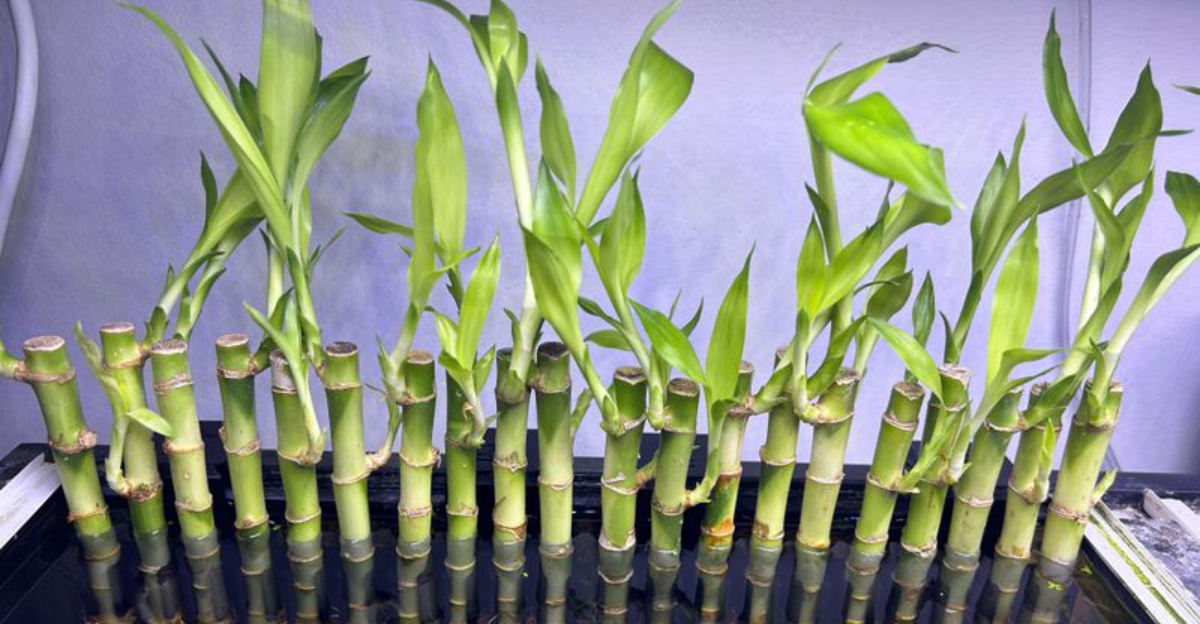
Lucky bamboo fits naturally into California homes, adding a calm, fresh touch that feels easy to live with year-round.
Even though it looks low effort, this plant still responds quickly to how it’s placed, watered, and cared for indoors.
Small adjustments can keep those green stalks looking vibrant instead of stressed or yellowing.
When lucky bamboo is happy, it quietly makes a space feel more balanced and alive.
1. Choose The Right Water For Your Plant

Water quality makes all the difference when you want your lucky bamboo to grow strong and stay beautifully green in your home.
Tap water in many California cities contains chemicals like chlorine and fluoride that can harm your plant over time if used regularly.
Filtered water or distilled water works much better because it removes those harsh chemicals that cause brown tips on the leaves.
Rainwater is another excellent option if you live in an area of California that gets occasional rainfall during the wet season months.
Always let tap water sit out overnight in an open container before using it so chlorine can evaporate into the surrounding air.
Change the water in your lucky bamboo container every week or two to prevent bacteria buildup and keep everything fresh looking.
California homes with hard water should definitely avoid using it directly because mineral deposits will accumulate on roots and cause problems.
Room temperature water is best since cold water can shock the plant and slow down its natural growth rate significantly over time.
If you notice any cloudiness or strange odors coming from the water, replace it immediately to protect your plant from potential harm.
Keeping water levels consistent is important too, making sure the roots stay submerged but the stalks remain mostly above the waterline always.
2. Find The Perfect Lighting Spot Indoors
Bright indirect sunlight creates the ideal growing conditions for lucky bamboo plants thriving inside California homes with lots of natural light available.
Direct sunlight streaming through windows can actually scorch the leaves and turn them yellow or brown, especially during hot summer afternoons.
Placing your plant near an east-facing or north-facing window gives it gentle morning light without the intense heat of midday sun.
California residents with south-facing windows should use sheer curtains or blinds to filter the strong sunlight coming into their living spaces.
Rooms with fluorescent lighting work well too if you don’t have access to much natural light in your home or apartment.
Avoid placing lucky bamboo in completely dark corners or closets because it needs some light to perform photosynthesis and stay healthy.
Too much shade will cause the stalks to grow weak and the leaves to lose their vibrant green color over several weeks.
Rotating your plant every few weeks helps all sides receive equal light exposure, promoting balanced growth throughout the entire structure of stalks.
California sunrooms or bright kitchens often provide perfect lighting conditions as long as the plant stays away from direct sun rays.
Watch for signs like yellowing leaves or slowed growth, which indicate your plant needs either more or less light than currently receiving.
3. Maintain Comfortable Temperature Levels Always
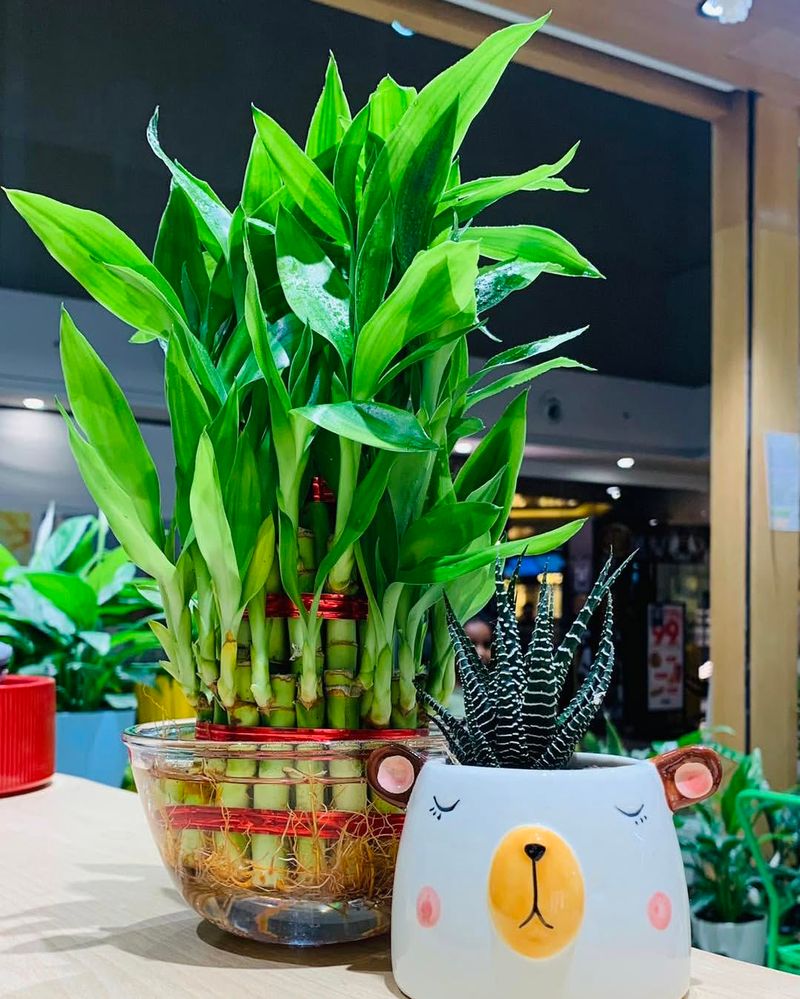
Lucky bamboo loves moderate temperatures similar to what most people find comfortable inside their California homes throughout the entire year ahead.
Keeping indoor temperatures between 65 and 90 degrees Fahrenheit creates the perfect environment for your plant to flourish without any stress.
California weather can get quite hot during summer months, so avoid placing your bamboo near heating vents or air conditioning units blowing.
Sudden temperature changes can shock the plant and cause leaves to turn yellow or drop off unexpectedly within just a few days.
Drafty windows or doors during cooler winter nights in California can also harm your plant by exposing it to cold air currents.
Most California homes naturally maintain good temperatures year-round, making it easier to keep lucky bamboo happy without much extra effort required.
Avoid placing your plant near appliances that generate heat like ovens, toasters, or electronics that warm up when used for long periods.
Garages or outdoor patios might seem convenient but temperature fluctuations in those spaces can stress your plant and slow its growth rate.
If you live in coastal California areas, your home probably stays cooler naturally, which works perfectly for lucky bamboo preferences overall.
Indoor desert regions of California might need extra attention to keep temperatures from getting too hot during intense summer heat waves lasting days.
4. Add Liquid Fertilizer Sparingly Each Month
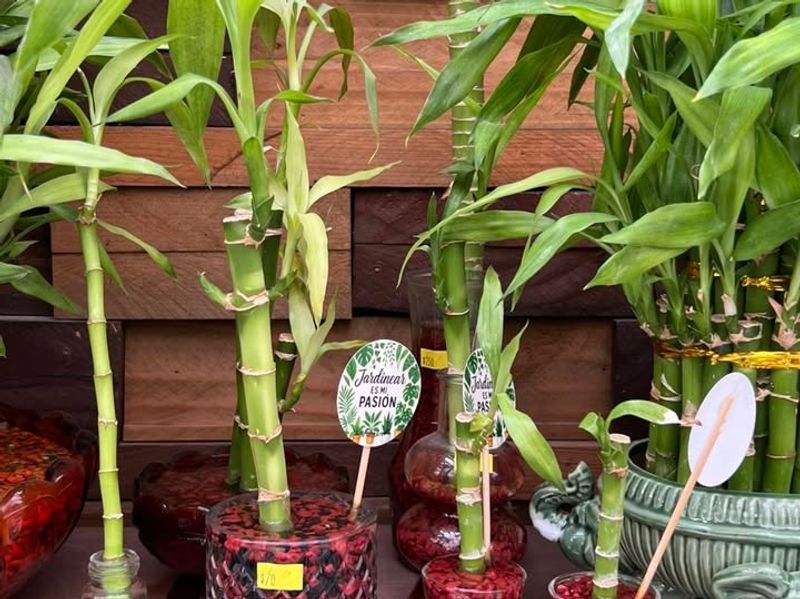
Feeding your lucky bamboo occasionally helps it maintain that gorgeous deep green color that California homeowners love seeing in their indoor spaces.
Use a diluted liquid fertilizer specifically designed for aquatic plants or bamboo about once every month during active growing seasons only.
Too much fertilizer can actually harm your plant by causing salt buildup in the water and burning the delicate root system.
One or two drops mixed into the water container is usually plenty for most lucky bamboo plants growing in California homes.
California tap water already contains some minerals, so you need even less fertilizer than you might think at first glance here.
Skip fertilizing during winter months when plant growth naturally slows down and your bamboo enters a semi-dormant resting phase temporarily each year.
Yellowing leaves might indicate too much fertilizer rather than too little, so always start with less and increase gradually if needed.
Organic fertilizers work wonderfully and provide gentle nutrition without harsh chemicals that could damage your plant over extended time periods of use.
If your lucky bamboo grows in soil instead of water, use a balanced houseplant fertilizer diluted to half strength every few weeks.
California gardeners often find that lucky bamboo needs minimal feeding compared to other houseplants, making it wonderfully low-maintenance for busy lifestyles today.
5. Keep Leaves Clean And Dust-Free Regularly
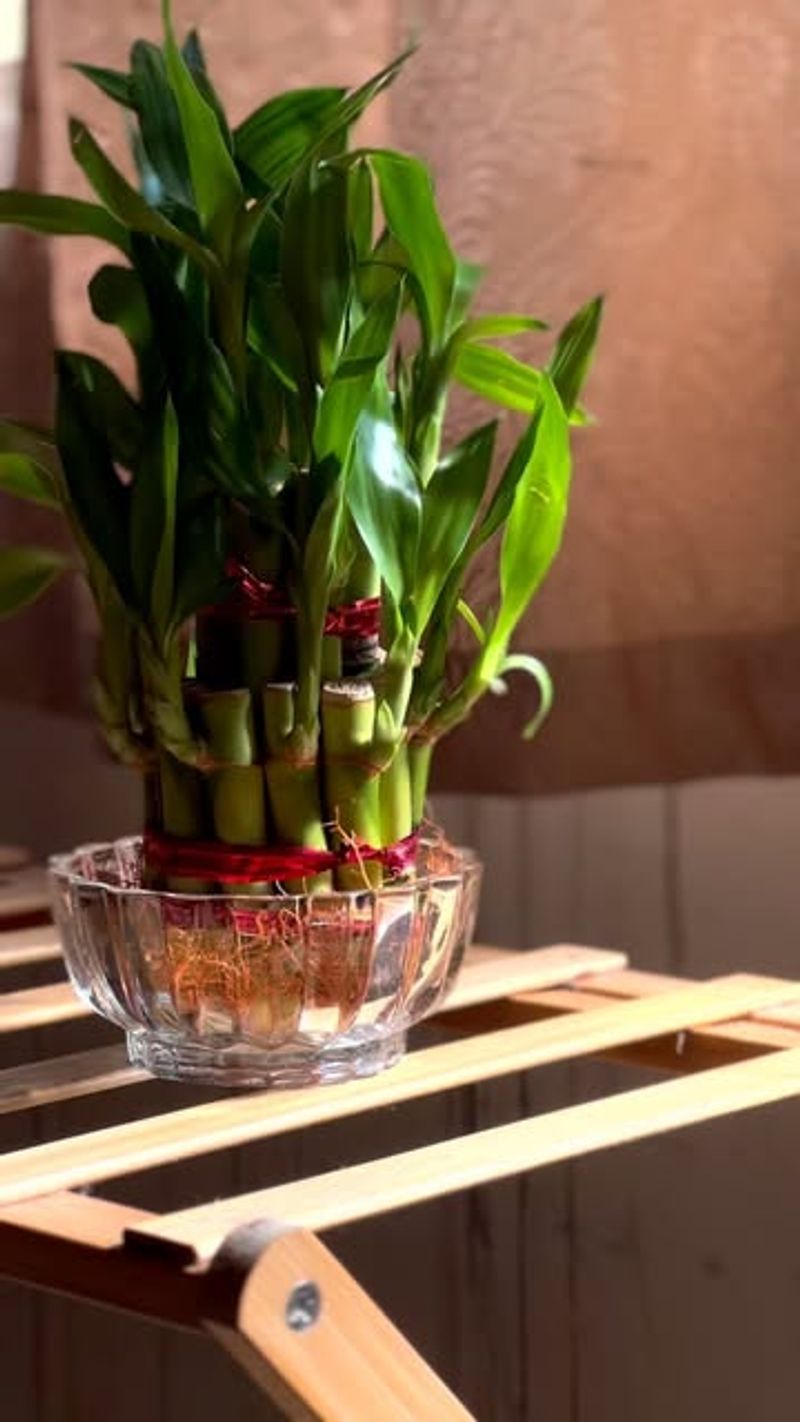
Dust accumulates quickly on lucky bamboo leaves, especially in California homes located near busy streets or during dry, windy seasons outdoors.
Wiping leaves gently with a soft, damp cloth every couple of weeks removes dust and allows the plant to breathe more efficiently.
Clean leaves can absorb more light and perform better photosynthesis, which keeps your bamboo looking vibrant and healthy throughout the year.
California homes with pets or lots of foot traffic tend to have more dust floating around, making regular cleaning even more important.
Avoid using leaf shine products or oils because they can clog the tiny pores on leaves and prevent proper air exchange.
Misting leaves lightly with filtered water helps increase humidity and rinses away light dust without requiring you to wipe each leaf individually.
Brown or yellowing leaf tips can be trimmed carefully with clean scissors to maintain a neat appearance and encourage new growth.
Removing dead or damaged leaves promptly prevents potential disease or pest problems from spreading to healthy parts of your California bamboo plant.
Bathrooms with showers create natural humidity that benefits lucky bamboo while also helping keep leaves cleaner from the moist air circulating regularly.
Checking leaves during cleaning time also lets you spot any early signs of pests or problems before they become serious issues.
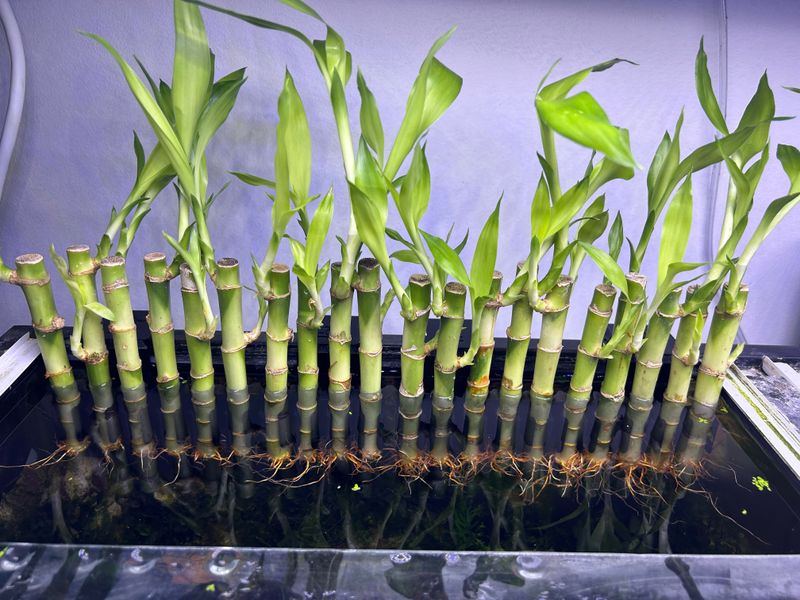
6. Trim Roots When They Grow Too Long

Root trimming might sound intimidating at first, but it actually helps your lucky bamboo stay healthy and fit properly in its container.
When roots grow too long or tangled, they can crowd the container and make it difficult for water to circulate properly around them.
California homeowners should check roots every few months and trim any brown, mushy, or excessively long roots with clean, sharp scissors carefully.
Healthy roots appear white or light tan, while unhealthy roots look dark, slimy, or smell bad when you remove the plant temporarily.
Rinsing roots gently under lukewarm running water removes any buildup or debris before placing the bamboo back into its freshly cleaned container.
Trimming also encourages new, healthy root growth that can better absorb nutrients and keep your plant thriving in California indoor conditions year-round.
Always use sterilized scissors or pruning shears to prevent introducing bacteria or diseases into the root system during the trimming process itself.
If your lucky bamboo grows in soil, root trimming becomes necessary less often, but checking roots annually remains a good practice.
California residents with multiple bamboo stalks should separate them occasionally to prevent roots from becoming too tangled and competing for limited resources.
After trimming, let your plant rest in fresh water for a day before adding any fertilizer to avoid stressing the roots.
7. Watch For Common Pests And Problems Early
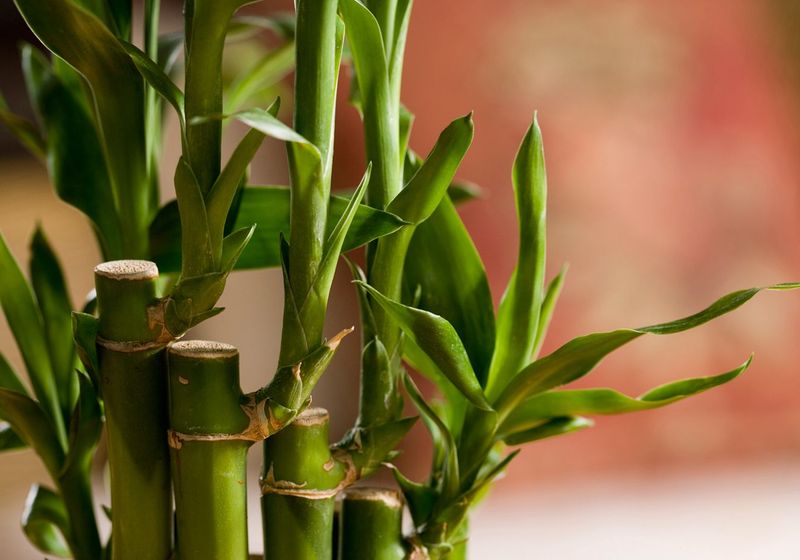
Catching pest problems early makes treatment much easier and prevents serious damage to your lucky bamboo growing in California indoor environments today.
Spider mites and mealybugs are the most common pests that affect lucky bamboo, appearing as tiny white or red specks on leaves.
Inspecting your plant weekly during watering or cleaning helps you notice any unusual spots, discoloration, or tiny bugs crawling around on stalks.
California homes with dry indoor air sometimes attract spider mites, so increasing humidity around your plant can help prevent infestations naturally.
Wiping leaves with a mixture of water and a tiny drop of mild dish soap removes many pests without harsh chemicals.
Yellowing leaves can indicate overfeeding, poor water quality, or too much direct sunlight rather than pests, so check all possible causes carefully.
Brown stalks that feel soft or mushy suggest root rot from sitting in dirty water too long, requiring immediate water changes always.
Algae growth in the water container looks unsightly but rarely harms the plant, though changing water more frequently prevents it from returning.
California residents should quarantine any new plants before placing them near existing lucky bamboo to prevent spreading pests or diseases between plants.
Natural remedies like neem oil work effectively against most pests and are safe to use indoors without worrying about toxic chemicals.