Simple Tricks Pennsylvania Homeowners Use To Make Jade Plants Bloom
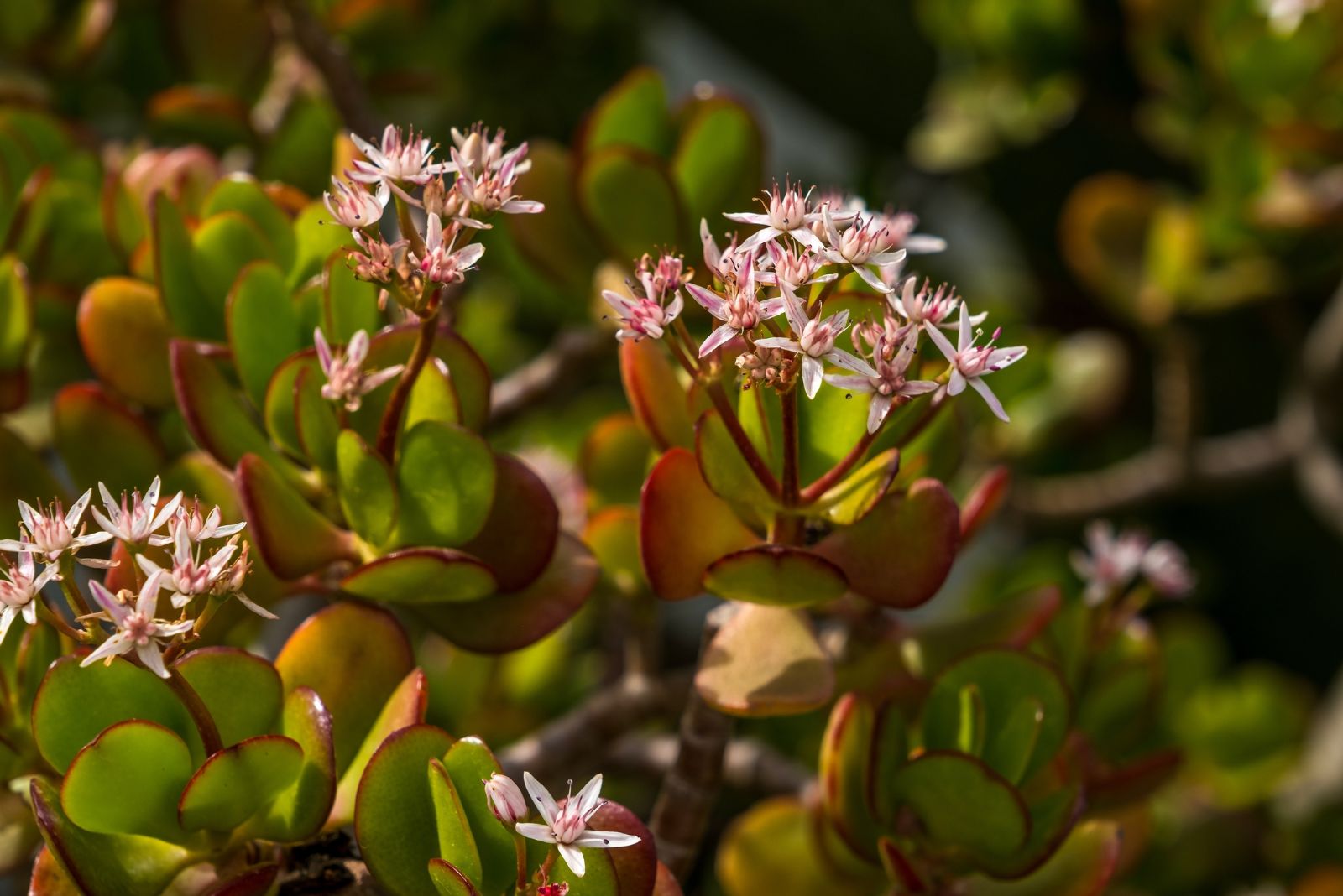
Jade plants are known for their thick, glossy leaves and easy-going nature, but did you know they can also bloom with small, star-shaped flowers?
Many Pennsylvania homeowners don’t realize these popular succulents can flower, especially during the colder months.
It’s not just luck. There are a few simple tricks that can encourage blooms and bring out the best in your jade plant.
With the right mix of light, temperature changes, and care routines, you can turn your leafy green houseplant into a stunning, flowering showpiece. The best part?
These techniques are easy to try and don’t require fancy tools or a greenhouse. Whether your jade plant sits on a windowsill or in a sunroom, just a few adjustments could make all the difference.
Ready to see those delicate blooms for yourself? Here’s how Pennsylvania homeowners are making it happen, without overcomplicating a thing.
1. Give Your Jade Plant A Cold Winter Rest
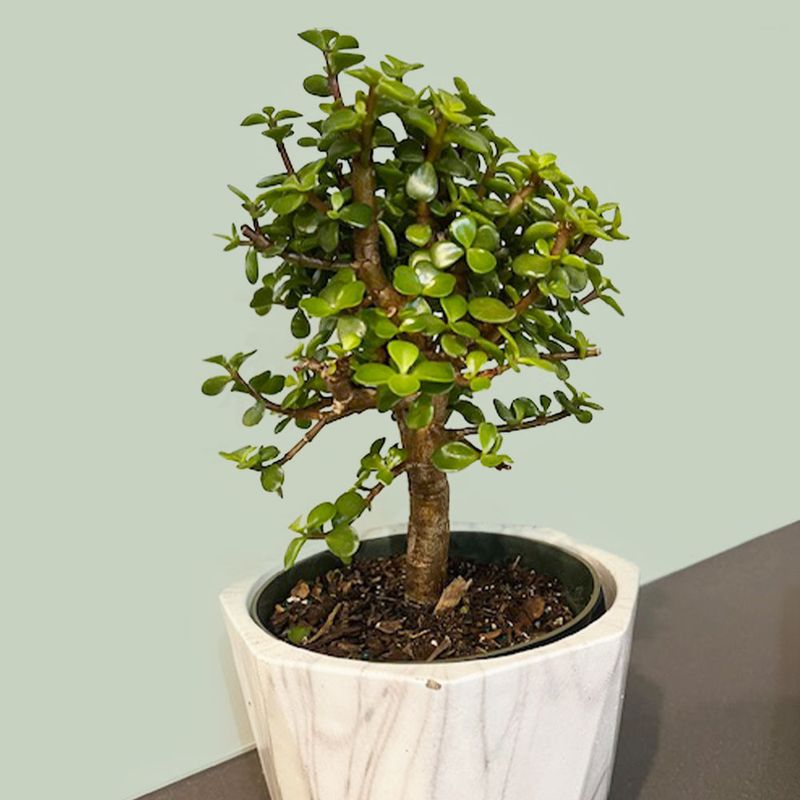
Pennsylvania winters provide the perfect opportunity to trigger blooming in jade plants. These succulents actually need a period of cooler temperatures to set flower buds.
During late fall and winter months, move your jade plant to a cooler room where temperatures stay between 50 and 55 degrees Fahrenheit at night.
Many Pennsylvania homes have spare bedrooms, enclosed porches, or basement areas that naturally stay cooler without being freezing.
This cold rest period mimics the natural conditions jade plants experience in their native South Africa. The temperature drop signals the plant that it’s time to prepare for blooming season.
Keep the plant in this cooler spot for about six to eight weeks during winter. Make sure the location still gets plenty of bright light during the day, even though it’s chilly at night.
During this cold rest period, cut back significantly on watering. Water only when the soil becomes completely dry, which might be just once every three to four weeks.
The combination of cool temperatures and reduced watering tells the plant to slow down its growth and focus energy on producing flowers instead.
This technique works especially well in Pennsylvania because our winter temperatures naturally create these conditions without any special equipment needed.
After the cold rest period ends and spring approaches, gradually move the plant back to a warmer location. Resume normal watering as temperatures warm up.
Within a few weeks of returning to regular conditions, you should start seeing tiny flower buds forming at the tips of the branches. The blooms typically appear in late winter or early spring, bringing cheerful color when Pennsylvania homeowners need it most.
2. Stop Watering So Much During Fall
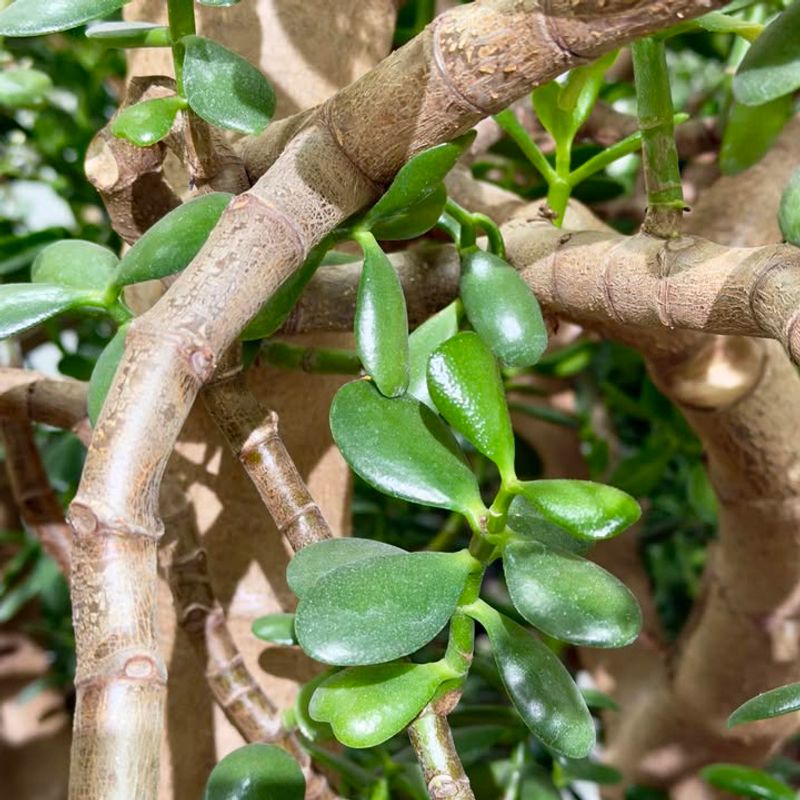
Most people water their jade plants too frequently, which actually prevents blooming. Pennsylvania homeowners who successfully get flowers have learned that less water is more when autumn arrives.
Starting in September or October, begin stretching out the time between watering sessions. Instead of watering every week or two, wait until the leaves start looking slightly wrinkled or feel less firm to the touch.
This reduced watering schedule stresses the plant just enough to trigger its survival instincts. When jade plants sense drought conditions, they respond by trying to reproduce through flowering.
The stress isn’t harmful if done correctly. Just watch the leaves carefully and water before they become completely shriveled or soft.
Pennsylvania’s lower humidity during fall and winter months actually helps with this technique. The drier indoor air means the soil takes longer to dry out completely, giving you a natural advantage.
Many successful growers in the state water their jade plants only once every three to four weeks during the cooler months. Always check the soil moisture by sticking your finger deep into the pot before adding any water.
When you do water during this period, give the plant a thorough soaking until water runs out the drainage holes. Then let it dry out completely again before the next watering.
This cycle of drought followed by deep watering mimics the seasonal rainfall patterns in the plant’s native habitat. The technique works best when combined with cooler temperatures, making Pennsylvania’s climate ideal for encouraging jade plant blooms.
Come spring, you can gradually return to a more regular watering schedule. By then, flower buds should already be forming as a reward for your patience during the drier months.
3. Find The Brightest Window In Your Pennsylvania Home
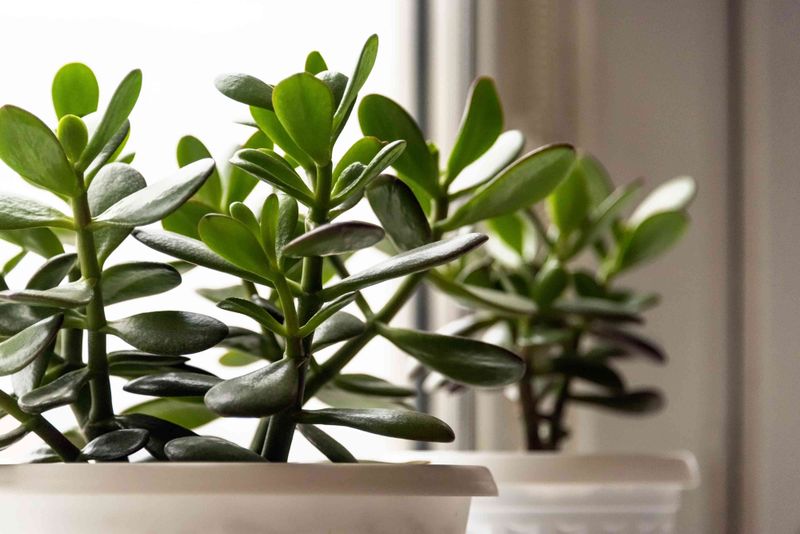
Light makes all the difference when you want jade plant flowers. These succulents need incredibly bright conditions to bloom, much brighter than what keeps them merely alive.
In Pennsylvania homes, south-facing windows provide the strongest light throughout the year. Place your jade plant as close to the glass as possible without the leaves actually touching the cold window during winter.
Jade plants require at least four to six hours of direct sunlight daily to produce flowers. Without enough light, they’ll stay green and healthy-looking but never bloom.
Many Pennsylvania homeowners make the mistake of keeping jade plants in medium-light areas where they survive but don’t thrive. Moving the plant to the absolute brightest spot available often makes blooming happen within a single season.
If your brightest window faces east or west instead of south, that can still work in Pennsylvania. Just make sure nothing blocks the light, like curtains, blinds, or furniture.
Clean the window glass regularly because dirt and grime reduce the amount of light reaching your plant. During summer months, you can even move jade plants outdoors to a sunny patio or deck, which gives them an extra boost of intense light.
Watch for signs that your plant is getting enough light. The leaves should have a slight reddish tinge around the edges when light levels are perfect.
If leaves stay completely green or start stretching toward the window, the plant needs even more brightness. Pennsylvania’s sunny winter days, though cold, actually provide excellent light for jade plants positioned correctly indoors.
Remember that windows facing north provide the weakest light and rarely work well for encouraging blooms. If that’s your only option, consider adding a grow light to supplement natural sunlight during the shorter days of fall and winter.
4. Skip The Fertilizer During Blooming Season
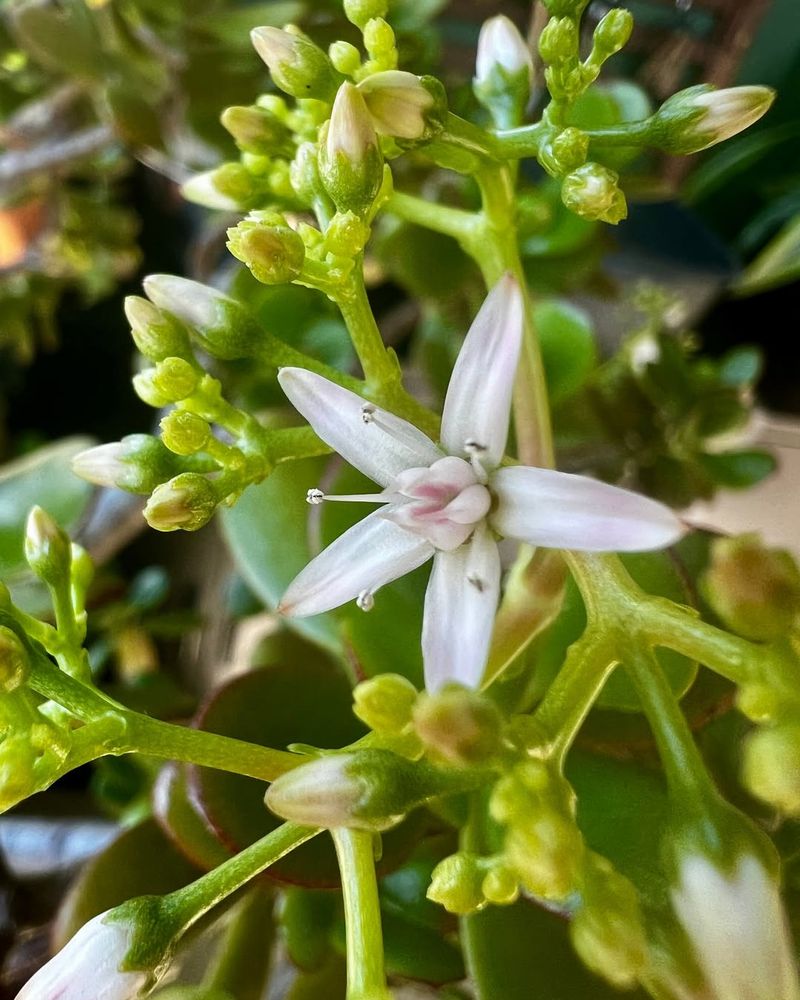
Fertilizer seems like it should help plants bloom, but jade plants actually flower better without it during certain times.
Pennsylvania gardeners who get consistent blooms have discovered that stopping fertilizer in late summer and throughout fall encourages flower production.
Too much nutrition, especially nitrogen, pushes jade plants to grow more leaves instead of making flowers.
If you’ve been feeding your jade plant regularly, stop completely by August or September. Let the plant use up stored nutrients in its thick leaves and stems.
This mild nutritional stress, combined with other techniques, helps shift the plant’s energy toward reproduction through blooming. The plant essentially thinks conditions are becoming challenging and responds by trying to make flowers and seeds.
During spring and early summer, you can feed jade plants with a balanced liquid fertilizer diluted to half strength. Apply it once every four to six weeks while the plant grows actively.
But as summer ends and Pennsylvania’s days start getting shorter, put the fertilizer away until the following spring. This seasonal feeding schedule matches the plant’s natural growth cycles.
Some Pennsylvania homeowners never fertilize their jade plants at all and still get blooms. These plants are adapted to poor soils in their native environment, so they don’t need rich nutrition to survive or flower.
In fact, plants grown in leaner conditions often bloom more reliably than those pampered with frequent feeding. The key is providing just enough nutrients for health but not so much that the plant gets lazy about flowering.
When spring returns and your jade plant finishes blooming, you can resume light fertilization to support new growth. Just remember to stop again before the next blooming season begins in fall and winter.
5. Keep The Same Spot Year After Year
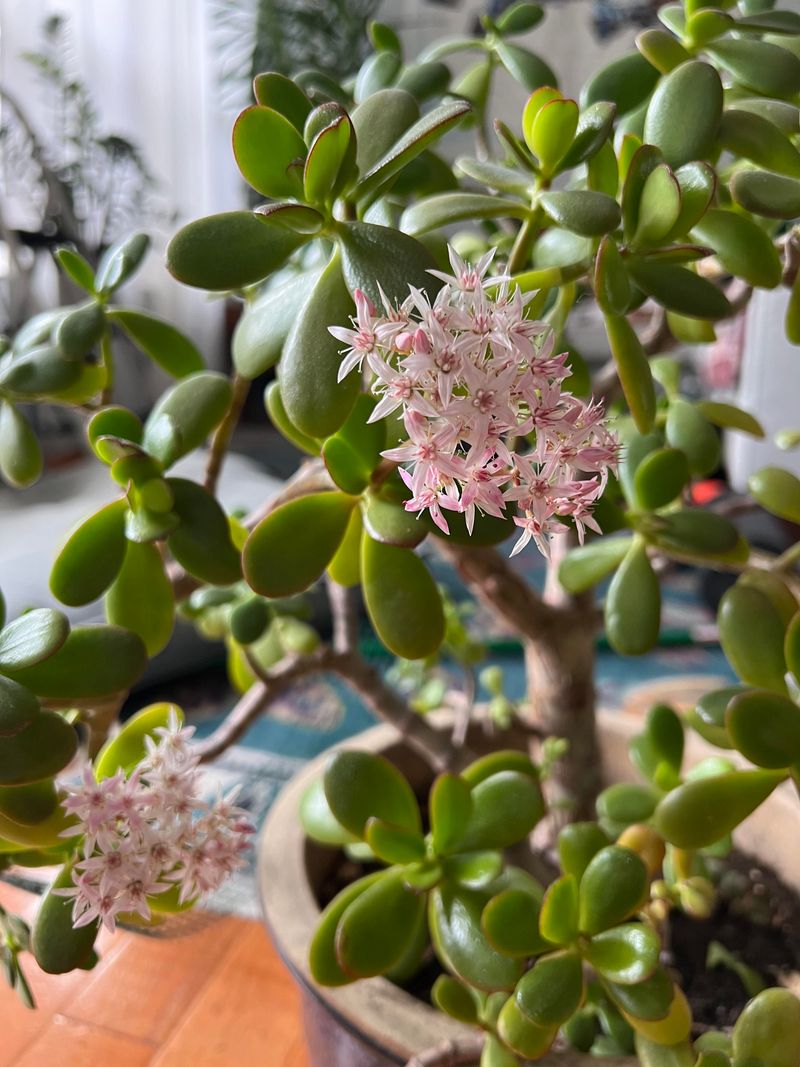
Jade plants are creatures of habit that bloom better when left alone. Moving them around your Pennsylvania home constantly stresses the plant and disrupts its natural rhythm.
Find the perfect bright, cool spot and resist the urge to relocate the plant frequently. Stability helps jade plants feel secure enough to invest energy in flowering rather than adjusting to new conditions.
When jade plants get moved, they need time to adapt to different light levels, temperature patterns, and humidity. This adjustment period delays or prevents blooming because the plant focuses on survival rather than reproduction.
Pennsylvania homeowners who keep their jade plants in the same location for years report much better flowering than those who move plants seasonally or rearrange them often.
Even rotating the pot can sometimes confuse the plant, though occasional turning helps maintain even growth. If you must move your jade plant, do it gradually over several days by shifting it a few feet at a time.
This gentle transition reduces shock and helps the plant adapt without completely stopping its blooming cycle. The exception is moving the plant to a cooler location for winter rest, which actually helps trigger flowering.
Once your jade plant blooms in a particular spot, that location has proven itself perfect. Keep the plant there year after year unless absolutely necessary to move it.
The combination of familiar light patterns, temperature fluctuations, and environmental conditions in that exact spot works for your plant. Pennsylvania’s seasonal changes provide enough variation without needing to relocate the plant artificially.
Mature jade plants that have occupied the same spot for five or more years tend to bloom most reliably. They develop thick trunks and extensive root systems that support flower production.
Patience and consistency pay off with these long-lived succulents that can bloom for decades in the right permanent location.
6. Let Your Jade Plant Get Rootbound
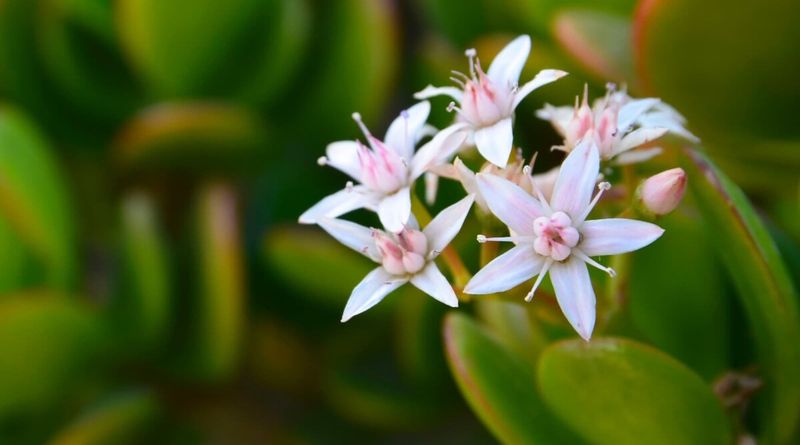
Repotting jade plants too often actually works against getting them to bloom. These succulents flower best when their roots fill the entire pot and have nowhere else to grow.
Pennsylvania gardeners have found that slightly rootbound jade plants produce flowers much more readily than those with plenty of root space. The crowded roots create just enough stress to trigger the blooming response.
Check your jade plant by carefully lifting it slightly from the pot. If you see roots circling around the outside of the soil ball or coming through drainage holes, that’s perfect for encouraging blooms.
Don’t rush to repot just because roots are visible. As long as the plant looks healthy with firm leaves and good color, the tight roots are actually helping it prepare to flower.
Most jade plants only need repotting every three to five years. When you do eventually repot, choose a container just one size larger than the current pot.
Going too big gives roots room to spread instead of focusing energy on flowering. Pennsylvania homeowners who want reliable blooms often keep mature jade plants in surprisingly small pots for years without any problems.
The rootbound condition works especially well when combined with the other blooming tricks. Tight roots plus cool temperatures, bright light, and reduced watering create the perfect storm of conditions that convince jade plants to flower.
The plant senses that its growing space is limited and responds by trying to reproduce through blooming before conditions get worse.
If your jade plant is in a huge pot with lots of extra soil, it might never bloom no matter what else you do. Consider moving it to a smaller container that fits the root ball more snugly.
Within a year of this change, combined with proper care, you should see your first flowers appearing on previously stubborn plants.