15 Simple Ways Ohio Homeowners Are Bringing Life Back To Boring Gardens
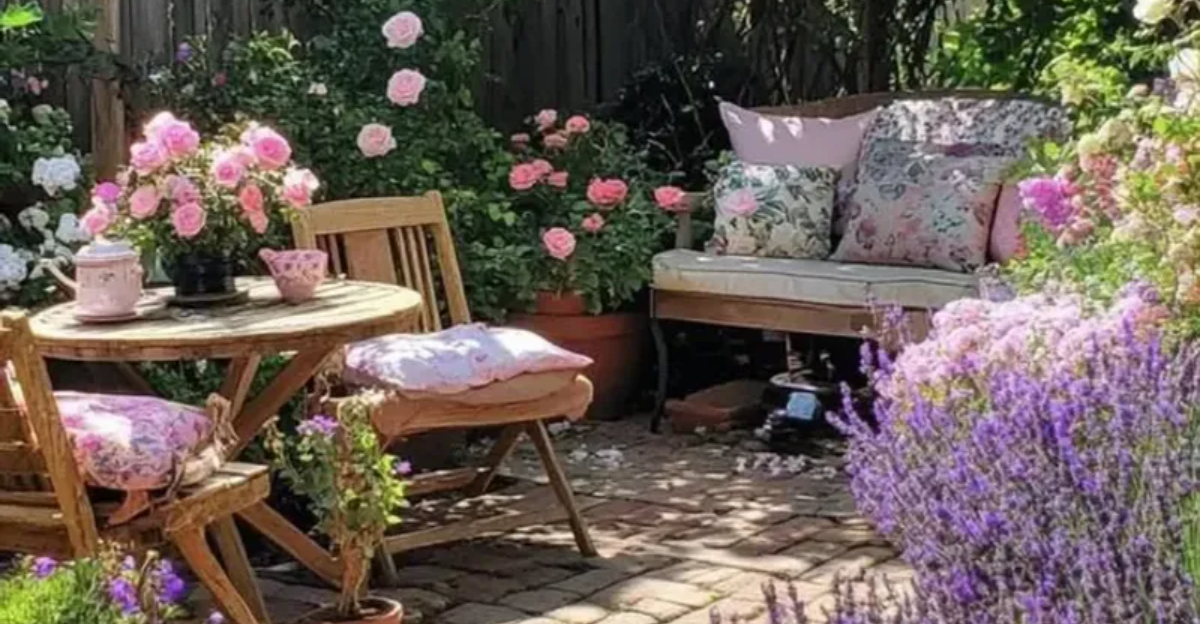
In Ohio, many gardens fall into a rut—not because they’re neglected, but because they lack spark.
Homeowners are discovering that it doesn’t take a full redesign to bring a garden back to life.
Small changes—adding layers, improving pathways, planting for wildlife—can transform flat spaces into inviting ones.
These simple updates work with Ohio’s seasons, not against them.
The result is a garden that feels intentional, personal, and alive again.
Sometimes, all a garden needs is a fresh idea and a little courage to try something new.
1. Adding Native Perennials Instead Of Annuals
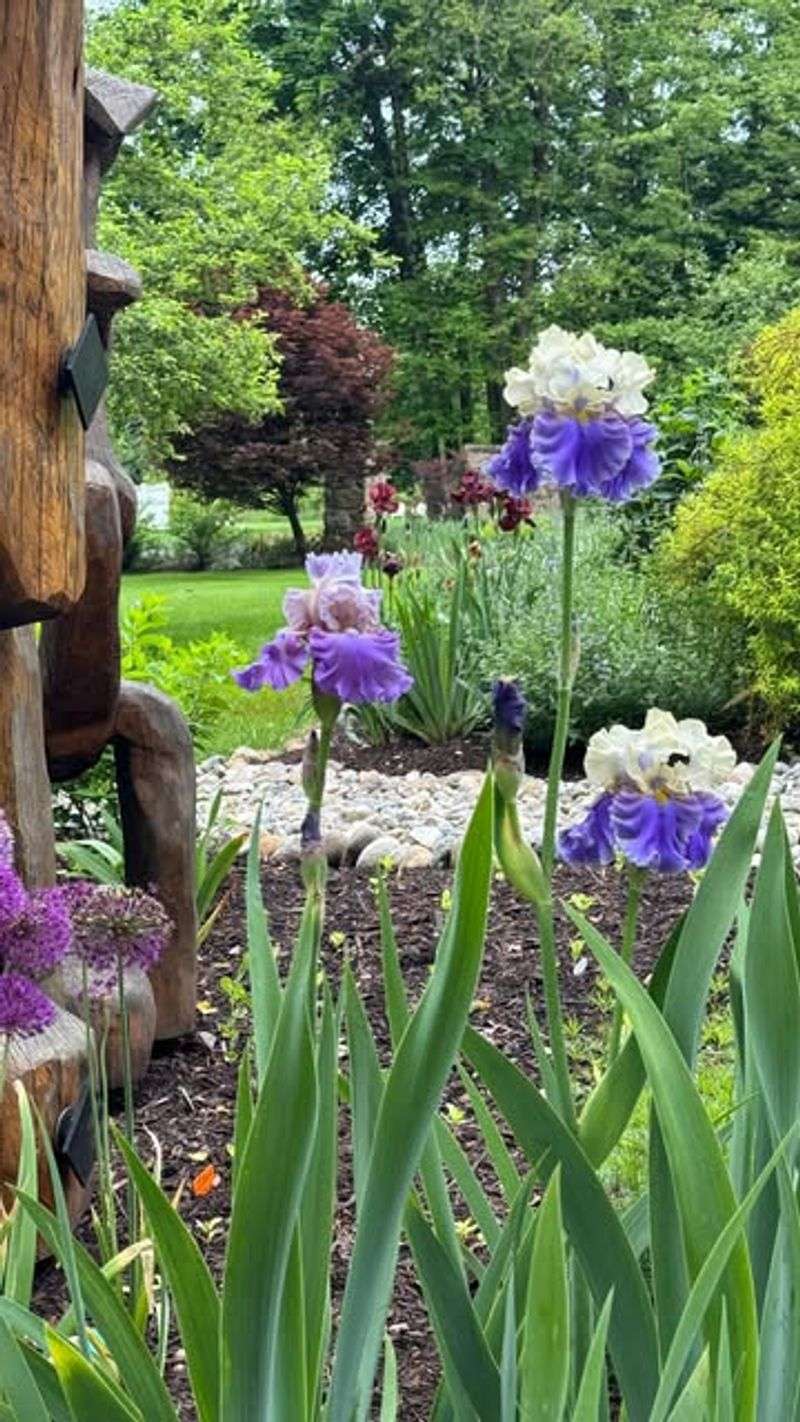
Planting flowers that come back year after year saves Ohio gardeners time, money, and plenty of frustration.
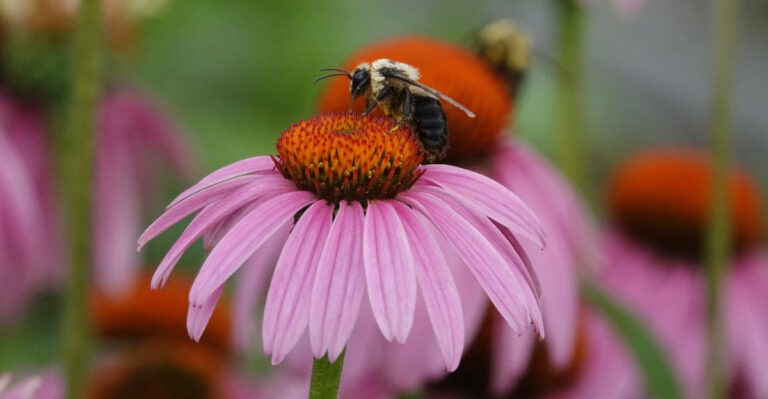
Native perennials like purple coneflower, wild bergamot, and Ohio spiderwort are perfectly adapted to local weather patterns and soil conditions.
They develop deep root systems that help them survive droughts and cold winters without constant babying.
Once established, these plants need far less water and fertilizer than traditional annuals that must be replanted every spring.
Pollinators absolutely love native species because they evolved together over thousands of years.
Bees, butterflies, and hummingbirds recognize these flowers as reliable food sources and visit gardens repeatedly throughout the growing season.
Watching monarchs flutter around swamp milkweed or goldfinches perch on coneflowers brings gardens to life in ways petunias simply cannot match.
Homeowners report spending less time gardening and more time enjoying the wildlife show unfolding right outside their windows.
2. Leaving Seed Heads Standing For Birds

Those dried flower stalks you might normally cut down in autumn actually serve as natural bird feeders all winter long.
Coneflowers, black-eyed Susans, and ornamental grasses produce seeds that goldfinches, chickadees, and juncos depend on when other food becomes scarce.
Leaving these seed heads standing through fall and winter transforms quiet gardens into bustling wildlife habitats.
The architectural beauty of frosted seed pods and graceful grass plumes adds unexpected visual interest during months when most gardens look completely bare.
Morning frost outlines each dried bloom like nature’s own artwork, creating scenes far more beautiful than empty mulch beds.
Birds bring movement and sound that make gardens feel genuinely alive even on the coldest January days.
Come spring, simply cut back the old stalks before new growth emerges, and the cycle begins again.
This approach requires zero effort during the busy fall season while providing maximum benefit to both wildlife and your garden’s winter appearance.
3. Reducing Lawn And Expanding Garden Beds
Grass lawns demand constant mowing, watering, and fertilizing while offering very little in return beyond a green carpet.
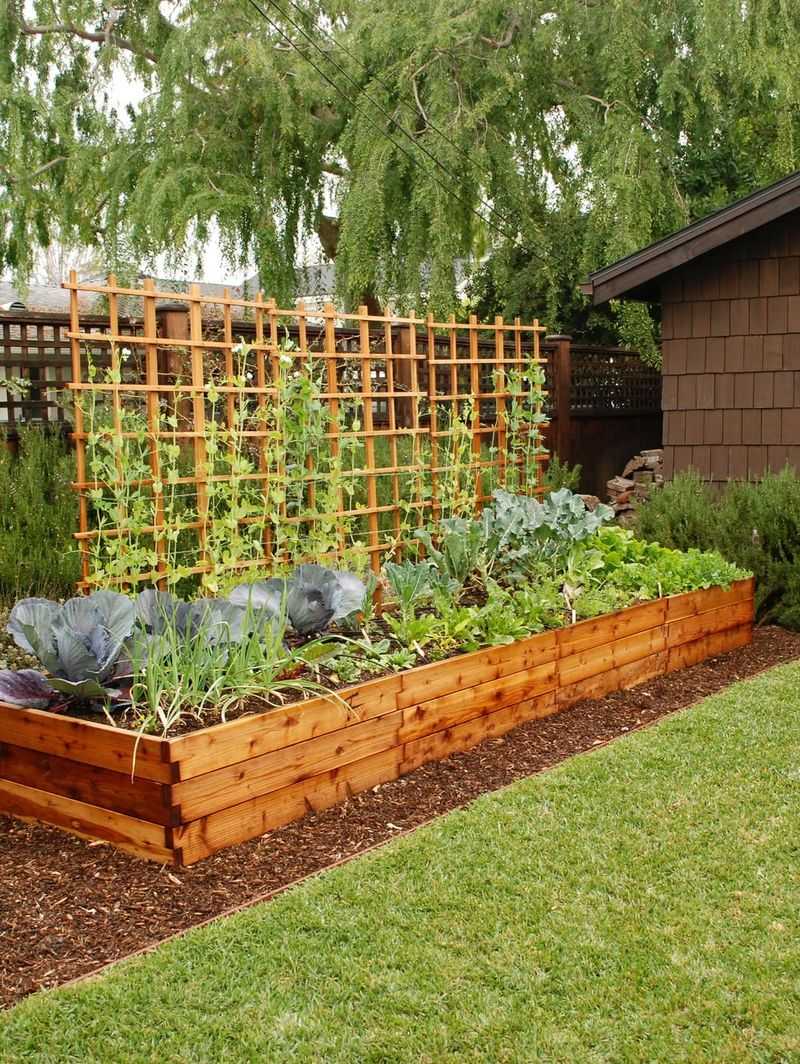
Ohio homeowners are reclaiming sections of unused lawn and converting them into garden beds packed with texture, color, and purpose.
Removing even a small strip of grass along fence lines or around trees instantly opens up space for interesting plants that actually do something.
These expanded beds can hold pollinator plants, berry-producing shrubs, or ornamental grasses that sway beautifully in the breeze.
The transformation happens surprisingly fast once you mark out new bed lines and either smother the grass with cardboard or remove the sod entirely.
Within a single growing season, formerly boring lawn areas become focal points that neighbors stop to admire.
Maintenance drops dramatically because diverse plantings require less frequent attention than grass that needs weekly mowing from April through October.
Gardens feel larger, more intentional, and infinitely more interesting when lawn shrinks and planting beds grow.
4. Planting One Small Ornamental Tree
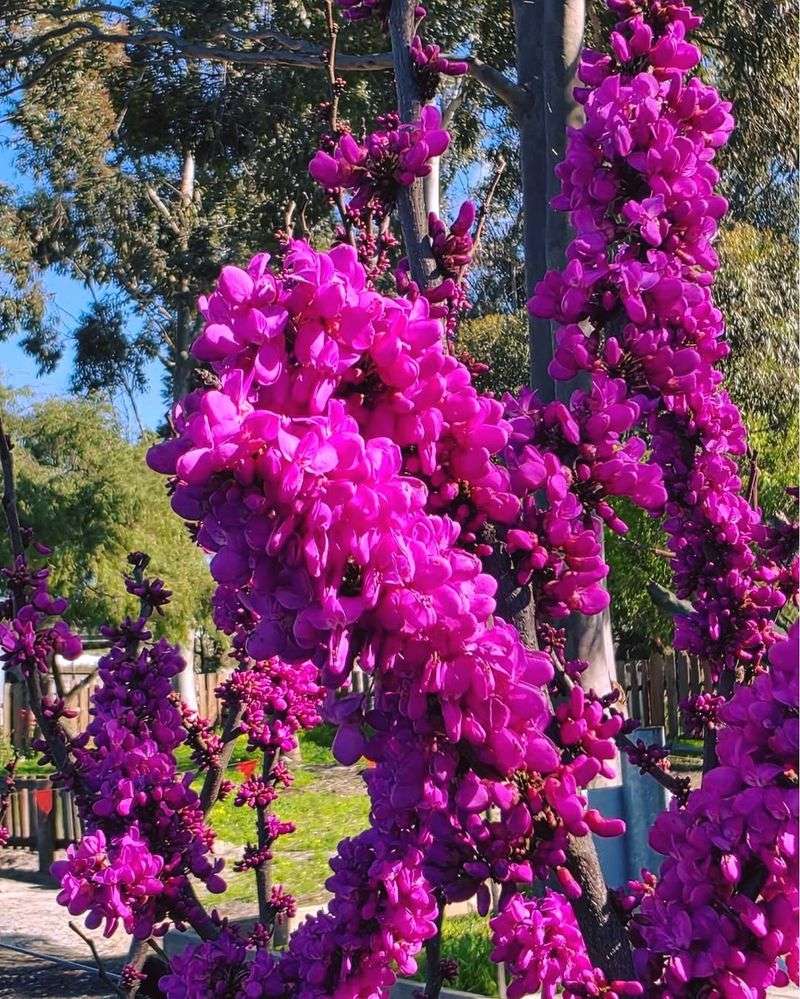
A single well-placed tree can completely change how a garden feels and functions.
Small ornamental varieties like redbud, serviceberry, or flowering dogwood grow slowly to manageable sizes perfect for typical Ohio yards.
These trees provide shade during summer heat waves, create vertical structure that draws the eye upward, and serve as natural focal points that anchor entire landscapes.
Spring blooms attract early pollinators when few other flowers are available, and fall foliage adds brilliant color just when gardens need it most.
Birds nest in branches, perch to survey the yard, and feast on berries that many ornamental trees produce.
Flat gardens lacking height feel instantly more mature and thoughtfully designed once a tree establishes itself.
Even a young sapling changes the entire vibe of a space, creating a sense of permanence and intentionality that shrubs and flowers alone cannot achieve.
Choosing the right spot takes some planning, but the transformation one small tree brings lasts for decades.
5. Using Mulch To Instantly Refresh Beds

Fresh mulch works like magic to make tired gardens look professionally maintained almost overnight.
A two to three inch layer of shredded hardwood mulch or composted bark gives beds clean, finished edges and a uniform appearance that immediately catches the eye.
Beyond aesthetics, mulch suppresses weeds by blocking sunlight from reaching weed seeds hiding in the soil.
It moderates soil temperature, keeping roots cooler during summer heat and warmer during cold snaps, which helps plants thrive with less stress.
As mulch breaks down over time, it adds organic matter that improves soil structure and feeds beneficial microorganisms.
Moisture retention improves dramatically under a good mulch layer, meaning less frequent watering even during dry Ohio summers.
Applying mulch in spring or fall takes just a few hours but delivers months of visual impact and practical benefits.
Gardens that looked neglected suddenly appear cared for and intentional, all thanks to this simple, affordable upgrade.
6. Adding Containers For Seasonal Color
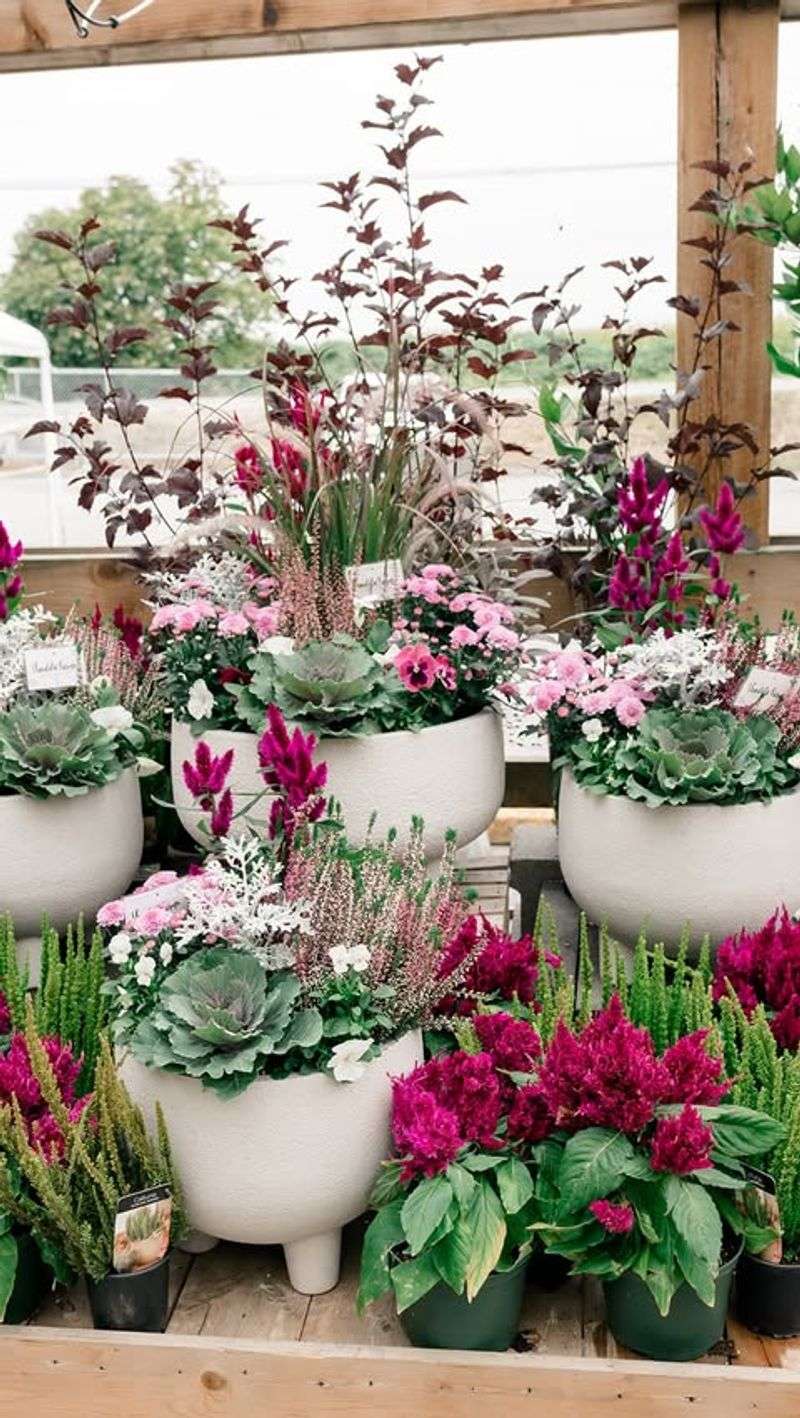
Pots and planters offer incredible flexibility for homeowners who want color without committing to permanent landscape changes.
Containers can be moved around to fill empty spots, flank doorways, line pathways, or brighten up patios and decks.
Seasonal swaps keep things interesting by allowing spring bulbs to give way to summer annuals, then transition to fall mums and ornamental kale.
Height variations among different sized pots create visual layers that add dimension to flat spaces.
Gardeners with challenging soil conditions can use containers filled with quality potting mix to grow plants that might otherwise struggle.
Renters and condo owners especially appreciate containers because they can take their gardens with them when they move.
Grouping several pots together creates instant focal points with far more impact than a single lonely planter.
Even during Ohio’s coldest months, evergreen arrangements or decorative branches keep container displays looking intentional and alive.
7. Creating Simple Garden Paths
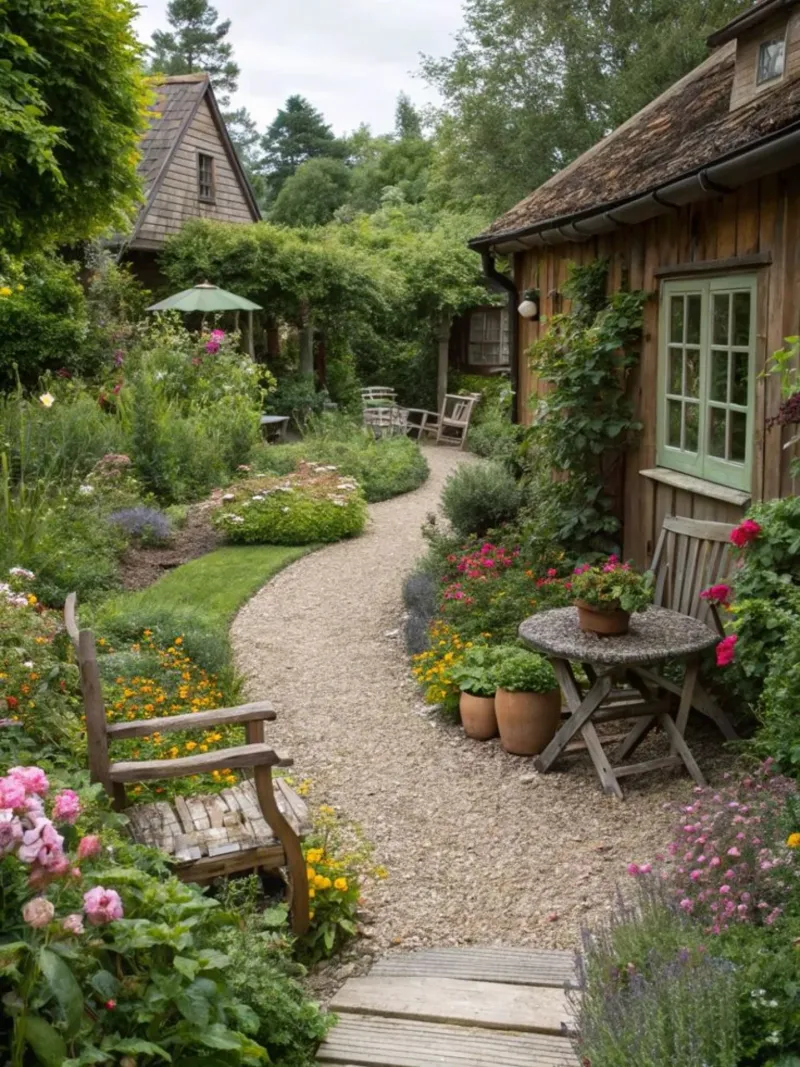
Pathways invite people to actually enter garden spaces instead of just viewing them from a distance.
Simple materials like mulch, pea gravel, or flat stepping stones create defined routes that guide visitors through plantings and around beds.
Curved paths feel more natural and interesting than straight lines, adding a sense of discovery as you walk along them.
Defining walkways also protects plants by keeping foot traffic confined to specific areas rather than trampling randomly through beds.
Installation requires minimal skills and can be completed over a single weekend using materials from local garden centers or home improvement stores.
Paths make gardens feel larger by creating separate zones and encouraging exploration of different areas.
Edging materials like bricks or landscape timbers keep path materials contained and prevent them from migrating into planting beds.
Once in place, paths require very little maintenance beyond occasional weeding or topping up gravel, yet they fundamentally change how people experience the garden.
8. Planting Pollinator-Friendly Flowers
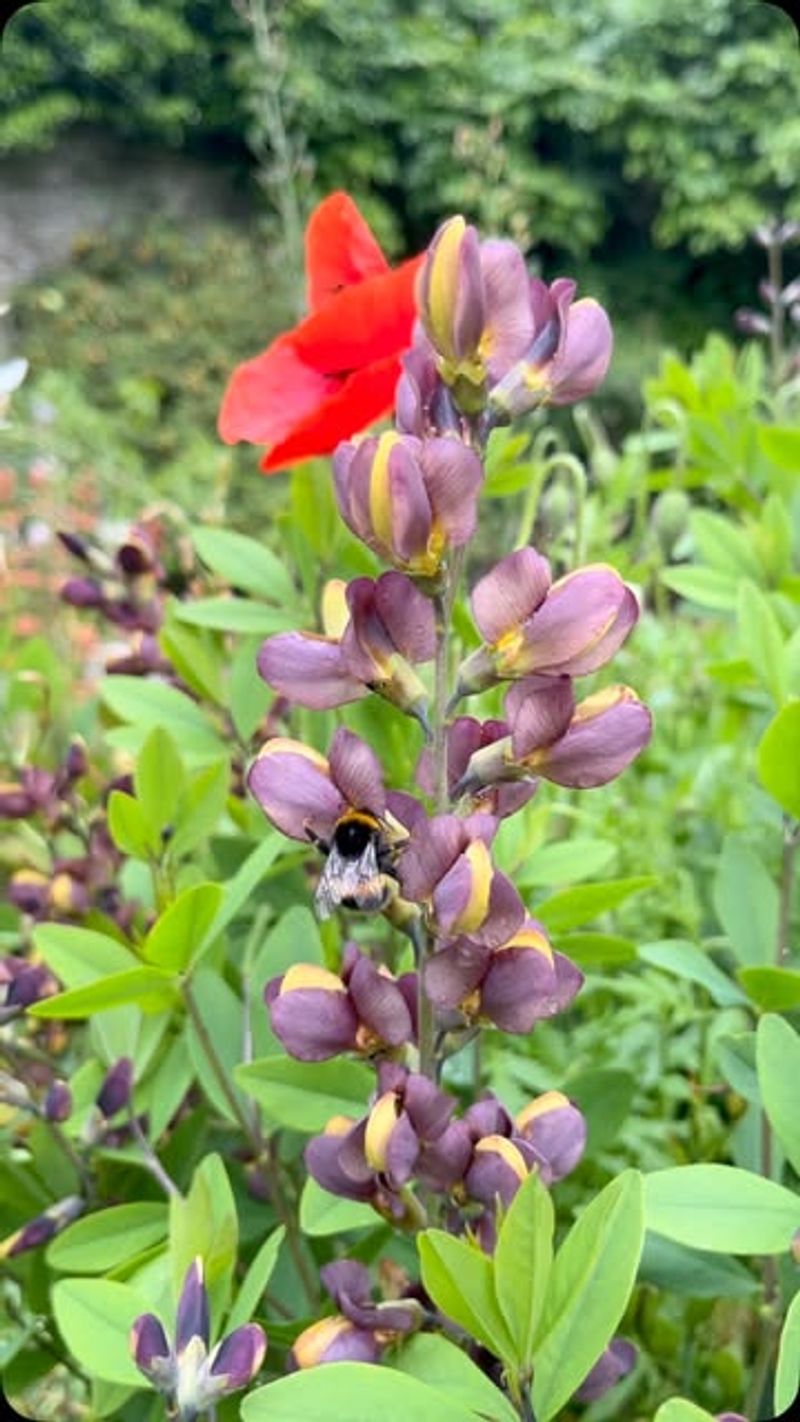
Nothing brings a garden to life quite like the constant buzz and flutter of pollinators moving from flower to flower.
Planting species specifically chosen to attract butterflies, bees, and hummingbirds guarantees visible activity throughout the growing season.
Milkweed supports monarch butterflies exclusively, providing the only food their caterpillars can eat and ensuring these stunning insects visit repeatedly.
Purple coneflower, bee balm, and wild bergamot draw dozens of native bee species along with honeybees and bumblebees.
Tubular flowers like cardinal flower and trumpet vine attract ruby-throated hummingbirds that hover dramatically while feeding.
Grouping pollinator plants together in clusters rather than scattering them makes it easier for insects to find them and increases visitation rates.
Avoiding pesticides becomes crucial once you commit to supporting pollinators, but healthy plant choices reduce pest problems naturally.
Watching a garden filled with fluttering wings and busy pollinators feels completely different from staring at static, lifeless flower beds.
9. Letting Leaves Stay Under Shrubs

Fallen leaves aren’t trash that needs removing but rather free mulch and habitat that benefits gardens in multiple ways.
Allowing leaves to remain under trees and shrubs mimics natural forest conditions where leaf litter constantly enriches the soil.
As leaves decompose, they release nutrients that plants absorb and create the rich, crumbly soil texture that roots love.
Beneficial insects including native bees, fireflies, and butterflies use leaf litter as winter shelter, emerging in spring to pollinate gardens and control pests.
Keeping leaves confined to areas under woody plants rather than letting them smother lawn or perennials maintains a tidy appearance.
This approach saves hours of fall cleanup labor while providing genuine ecological benefits that synthetic fertilizers cannot match.
Neighbors might need some education about this practice, but seeing healthier plants and increased wildlife usually wins them over.
Gardens managed with nature rather than against it require less work and support more life.
10. Using Solar Lighting For Evening Interest
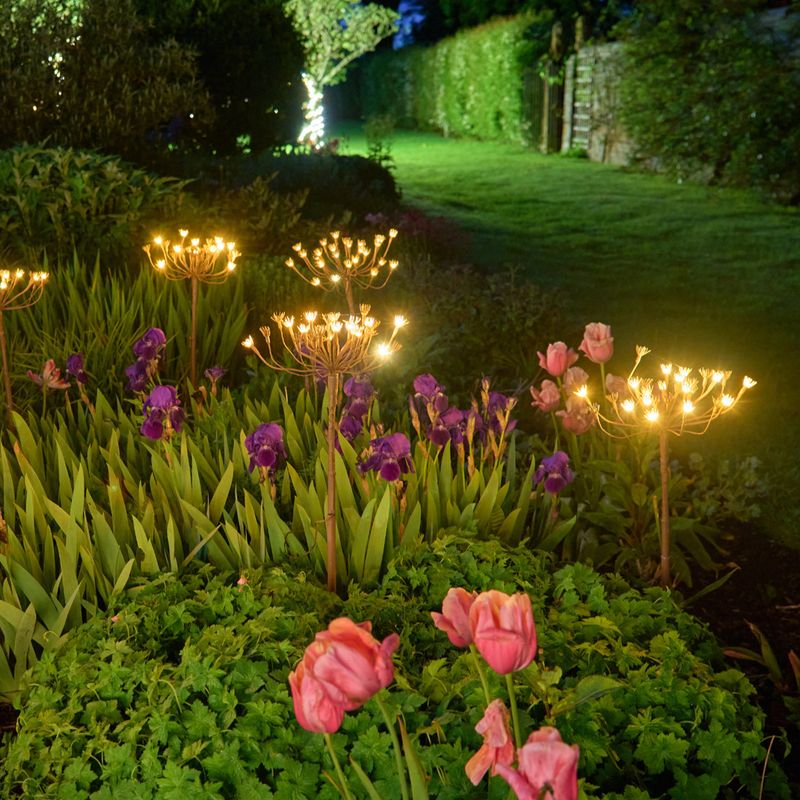
Gardens shouldn’t disappear the moment the sun goes down, and solar lighting extends enjoyment well into evening hours.
Modern solar lights have improved dramatically, offering reliable illumination without requiring electrical wiring or increasing utility bills.
Path lights guide visitors safely along walkways while creating a welcoming ambiance that makes outdoor spaces feel usable after dark.
Spotlights aimed upward at specimen trees or architectural plants add drama and highlight features that disappear in darkness.
String lights draped through pergolas or along fence lines create magical, festive atmospheres perfect for outdoor dining or relaxing.
Installation takes minutes since most solar fixtures simply stake into the ground or attach to existing structures.
Automatic sensors turn lights on at dusk and off at dawn, requiring zero daily effort once positioned correctly.
Evening gardens become destinations rather than voids, encouraging homeowners to spend more time enjoying the spaces they’ve created.
11. Adding Vertical Interest With Trellises Or Arbors
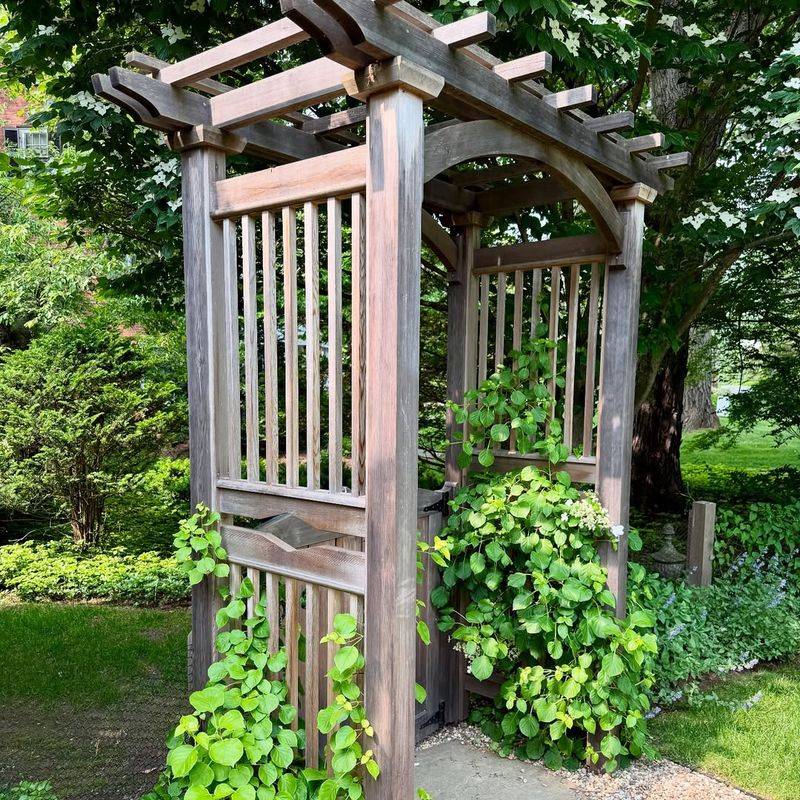
Flat gardens often feel one-dimensional until vertical elements add height and draw eyes upward.
Trellises, arbors, and obelisks provide support for climbing plants while creating architectural interest even before vines cover them.
Clematis, climbing roses, and native trumpet vine transform simple structures into living walls covered with flowers and foliage.
Vertical growing maximizes limited space by allowing plants to grow upward instead of spreading horizontally across valuable ground.
Arbors positioned over pathways create inviting entry points that frame views and make gardens feel more designed and intentional.
Annual vines like morning glories or hyacinth bean provide quick coverage for new structures while perennial climbers establish themselves.
Height variation throughout a garden creates visual rhythm that keeps spaces interesting rather than monotonous.
Even simple bamboo teepees supporting pole beans or sweet peas add charming vertical accents that change the entire feel of a garden bed.
12. Attracting Birds With Natural Food Sources
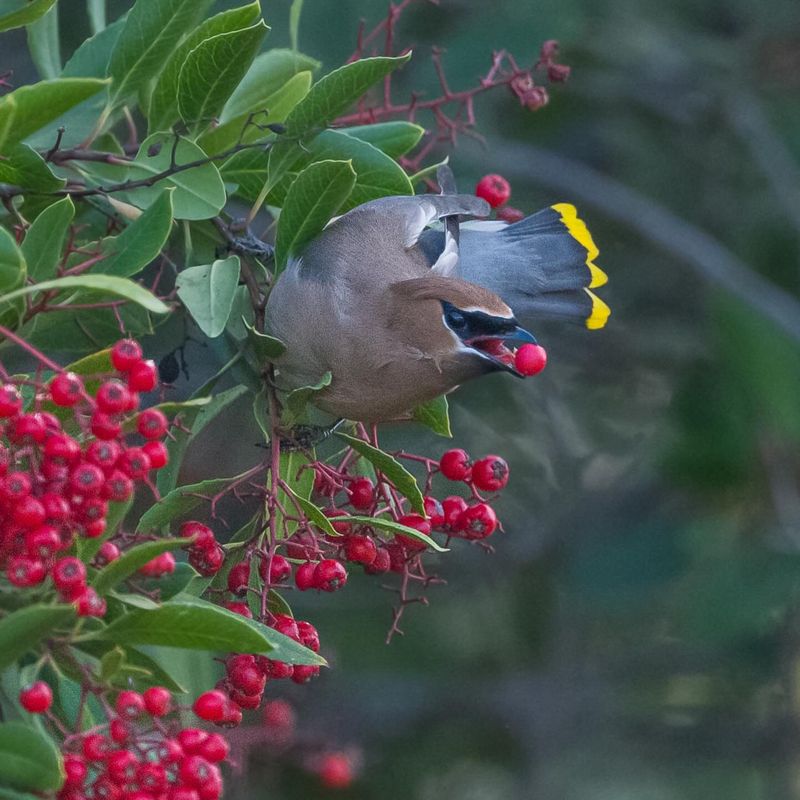
Bird feeders attract visitors, but gardens with natural food sources keep birds coming back all year long.
Berry-producing shrubs like serviceberry, elderberry, and viburnum provide nutritious food that birds evolved eating over millennia.
These shrubs bloom beautifully in spring, produce berries in summer, and offer shelter during harsh weather throughout the year.
Watching cedar waxwings devour serviceberries or robins feast on viburnum fruit brings constant movement and life to gardens.
Combining berry shrubs with seed-producing flowers creates a diverse buffet that supports different bird species across all seasons.
Natural food sources require no refilling, cleaning, or worrying about attracting unwanted visitors like rodents.
Birds that spend more time in gardens also help control insect populations, eating aphids, caterpillars, and other pests.
Creating habitat that meets birds’ needs for food, water, and shelter transforms yards into wildlife sanctuaries that feel genuinely alive.
13. Dividing And Replanting Existing Perennials
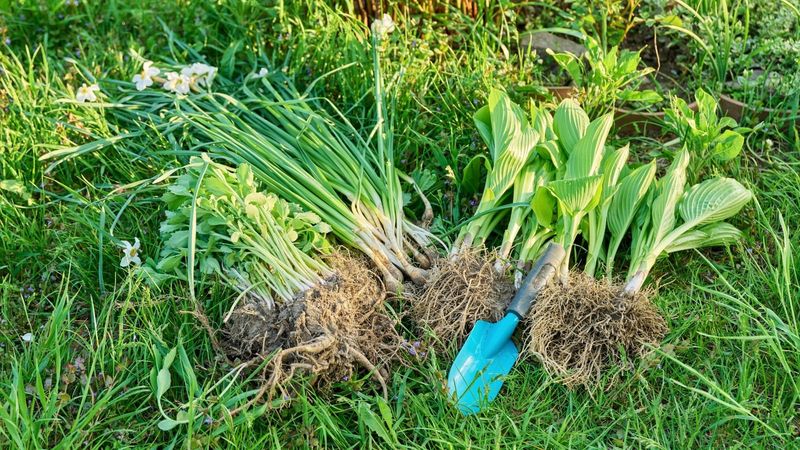
Mature perennials often grow so vigorously they become overcrowded, with blooming declining as plants compete for resources.
Dividing these overgrown clumps rejuvenates the original plants while creating free divisions to fill empty spots throughout the garden.
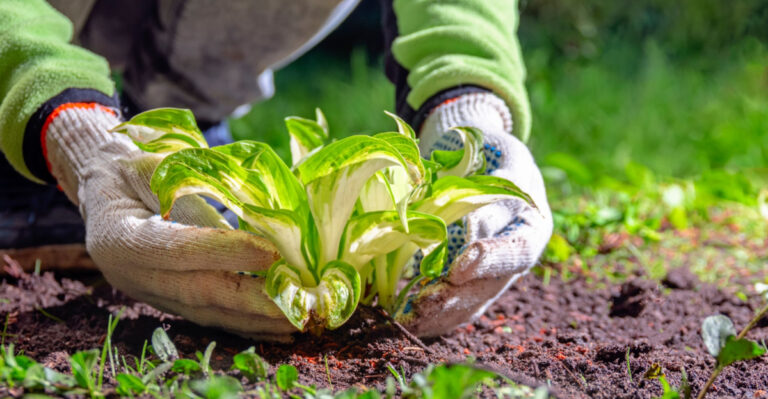
Hostas, daylilies, coneflowers, and ornamental grasses divide easily in spring or fall using just a sharp spade or garden fork.
Each division grows into a full-sized plant within a season or two, multiplying your garden at absolutely no cost.
Sharing divisions with neighbors and friends spreads beautiful plants through the community while strengthening gardening connections.
Bare spots that once looked neglected quickly fill in as divisions establish themselves and begin spreading.
This approach teaches valuable skills about plant growth cycles and builds confidence in working directly with living plants.
Gardens feel more abundant and intentional when every available space contains healthy, thriving plants rather than weedy gaps.
14. Creating Small Seating Areas

Gardens become genuinely lived-in spaces when they include comfortable spots to sit and actually enjoy them.
Even a single weatherproof bench positioned beneath a tree or surrounded by flowering plants encourages regular garden visits.
Seating areas don’t require elaborate construction or expensive furniture, just a stable, comfortable spot to pause and observe.
Positioning seats where they catch morning sun or afternoon shade makes them naturally inviting at different times of day.
Nearby plantings of fragrant herbs or flowers enhance the sensory experience of sitting quietly in the garden.
Children love having their own small chairs or benches where they can watch insects or draw pictures of plants.
Gardens with seating feel intentionally designed for people rather than existing merely as outdoor decorations viewed from windows.
Spending time sitting in your garden reveals details you’d never notice while rushing past, deepening your connection to the space.
15. Accepting A More Natural Garden Look
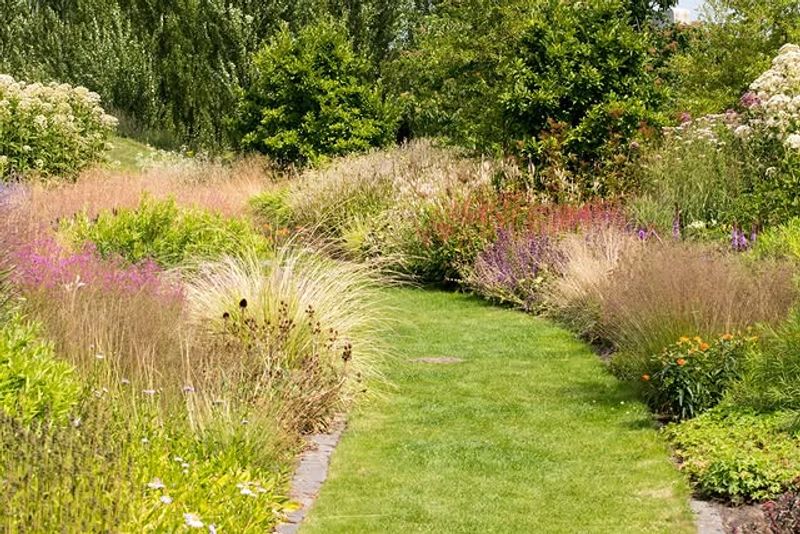
Perfectly manicured gardens with rigid lines and constant maintenance are giving way to looser, more naturalistic styles that embrace seasonal change.
Allowing plants to self-seed, spread naturally, and intermingle creates gardens that feel more like meadows than formal displays.
This relaxed approach welcomes beneficial insects, provides better wildlife habitat, and reduces the pressure to maintain unrealistic perfection.
Grasses sway in breezes, flowers lean naturally toward sunlight, and seed heads persist through winter instead of being immediately removed.
Gardens managed this way show visible personality and respond to weather, seasons, and wildlife in ways that rigid designs never can.
Neighbors may need time adjusting to gardens that look intentionally wild rather than neglected, but the wildlife abundance speaks for itself.
Maintenance focuses on guiding rather than controlling, removing only truly problematic plants while letting nature handle most details.
This philosophy brings movement, surprise, and genuine life back to gardens in ways that sterile, overly controlled landscapes simply cannot match.