10 Simple Ways To Bring Natural Beauty To Your California Garden
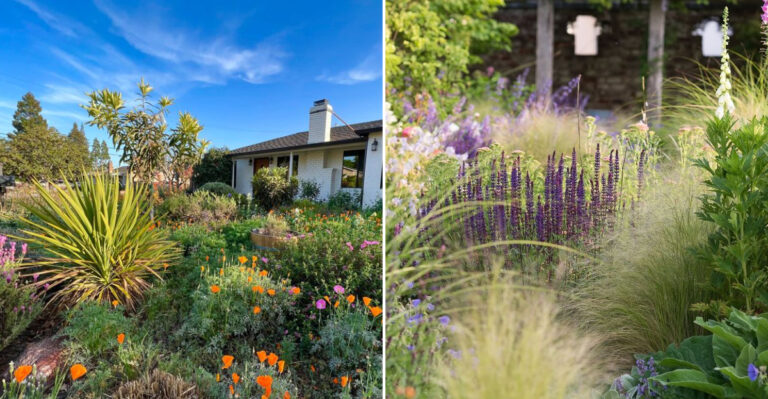
California gardens thrive on creativity, climate, and a little know-how, and adding natural beauty doesn’t require a full redesign.
Strategic plant choices, thoughtful textures, and clever arrangements turn ordinary yards into eye-catching escapes.
Native plants take center stage, blending with the landscape while saving water and standing up to the sun.
Stone, mulch, and subtle pathways create rhythm, while small water features or bird-friendly spots bring movement and life.
Even minimal tweaks, like grouping plants by color or height, make spaces feel intentional and inviting.
Seasonal blooms keep gardens lively year-round, and layering foliage adds depth without clutter.
California’s diverse climates reward experimentation, from coastal breezes to inland heat, offering endless possibilities to elevate a yard naturally.
1. Plant Native California Wildflowers
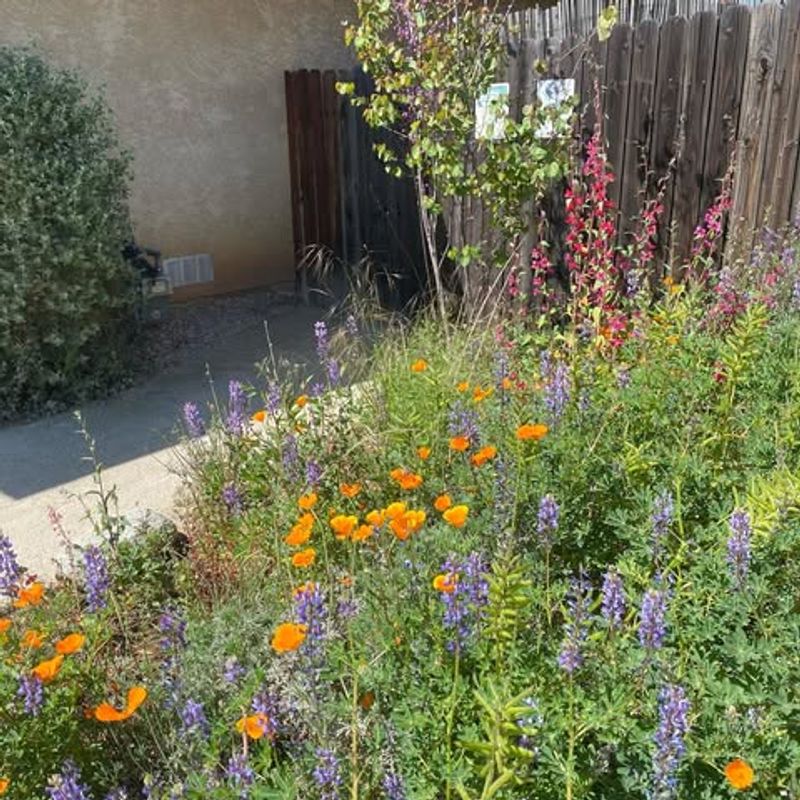
Native wildflowers bring color and life to any California garden without demanding much effort.
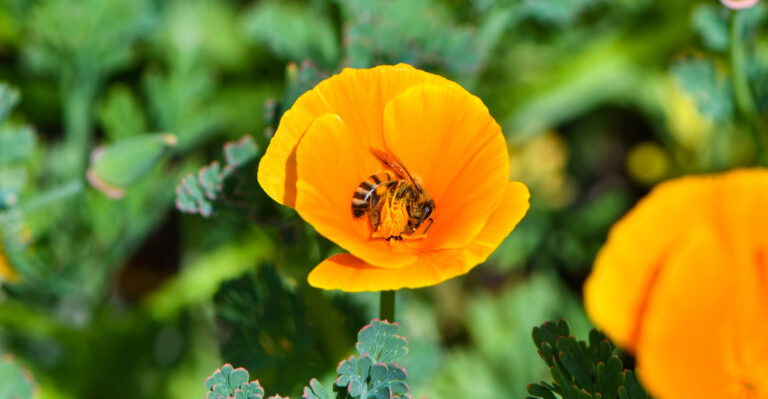
California poppies, lupines, and clarkias grow naturally across the state and need far less water than imported plants.
Once established, they thrive with minimal care and return year after year.
Wildflowers also attract butterflies, bees, and hummingbirds, turning your garden into a lively ecosystem.
You can scatter seeds in fall or early spring, and within weeks, vibrant blooms will emerge.
Many wildflower mixes are available specifically for California climates, making it easy to find varieties that suit your region.
They work beautifully in borders, meadow areas, or containers.
The best part is how they adapt to California’s dry summers.
Unlike thirsty annuals, native wildflowers have evolved to handle our unique weather patterns.
Their deep roots help prevent soil erosion too.
Plus, they add a cheerful, natural look that feels authentically Californian.
Children love watching the flowers bloom and observing the insects that visit.
Planting wildflowers is one of the simplest ways to enhance your garden’s natural beauty while supporting local ecology.
2. Add A Water Feature With Reclaimed Materials
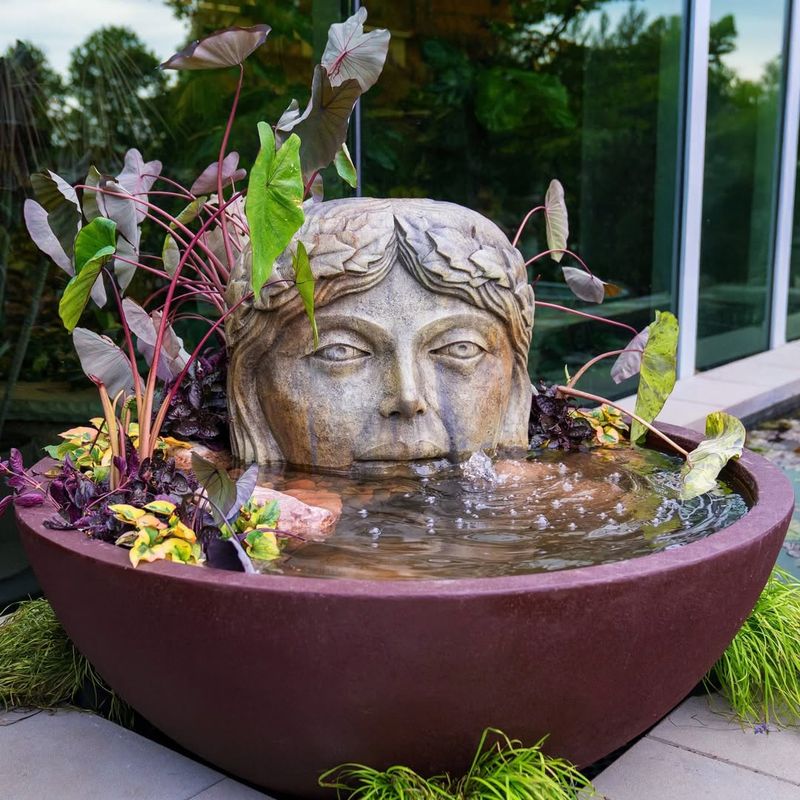
Water features create soothing sounds and focal points that instantly elevate garden ambiance.
Building one from reclaimed materials adds character while being environmentally friendly.
Old terracotta pots, vintage watering cans, or salvaged stones can become charming fountains or small ponds.
The gentle trickle of water attracts birds and beneficial insects, adding movement and life to your space.
You can find reclaimed materials at salvage yards, garage sales, or even in your own garage.
A simple solar-powered pump keeps costs low and eliminates the need for electrical wiring.
Position your water feature where you can enjoy it from a favorite sitting spot.
Even a small basin with a bubbling rock can make a big impact.
The sound of flowing water helps mask neighborhood noise and creates a peaceful atmosphere.
In California’s warm climate, water features also provide hydration stations for local wildlife.
Birds will bathe and drink, while butterflies may rest on the edges.
Maintenance is straightforward—just keep the water fresh and clean the pump occasionally.
This project combines creativity with sustainability, resulting in a unique garden element that reflects your personal style.
3. Create Pathways Using Natural Stone
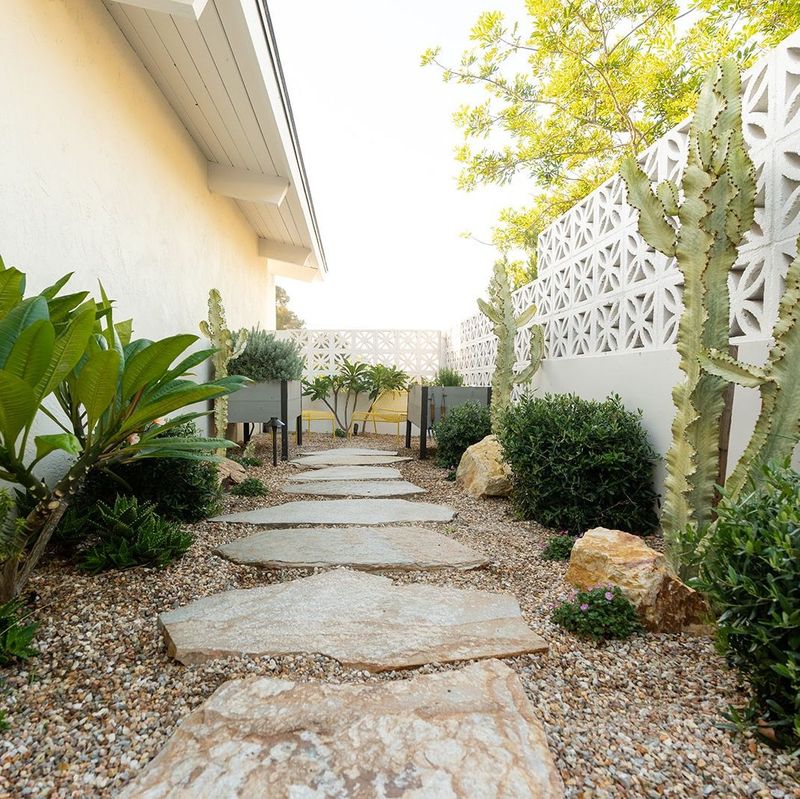
Natural stone pathways guide visitors through your garden while adding timeless elegance.
Flagstone, decomposed granite, or river rock work wonderfully in California landscapes.
Unlike concrete, natural stone blends seamlessly with plants and soil, creating an organic feel.
You can arrange stones in formal patterns or let them meander informally through flower beds.
The spaces between stones offer opportunities for low-growing ground covers like thyme or dymondia.
These plants soften the hardscape and release pleasant scents when stepped on.
Stone pathways also help define garden zones and protect delicate plants from foot traffic.
Installation is surprisingly simple—just clear the area, add a sand base, and set the stones in place.
Natural stone stays cool underfoot compared to pavement, making it comfortable even on hot days.
The varied colors and textures of stone add visual interest throughout the seasons.
Rain drains naturally through stone pathways, reducing runoff and helping conserve water.
Over time, stones develop a weathered patina that enhances their natural beauty.
This approach works equally well in formal gardens or casual cottage-style landscapes, adapting to your vision.
4. Incorporate Drought-Tolerant Succulents
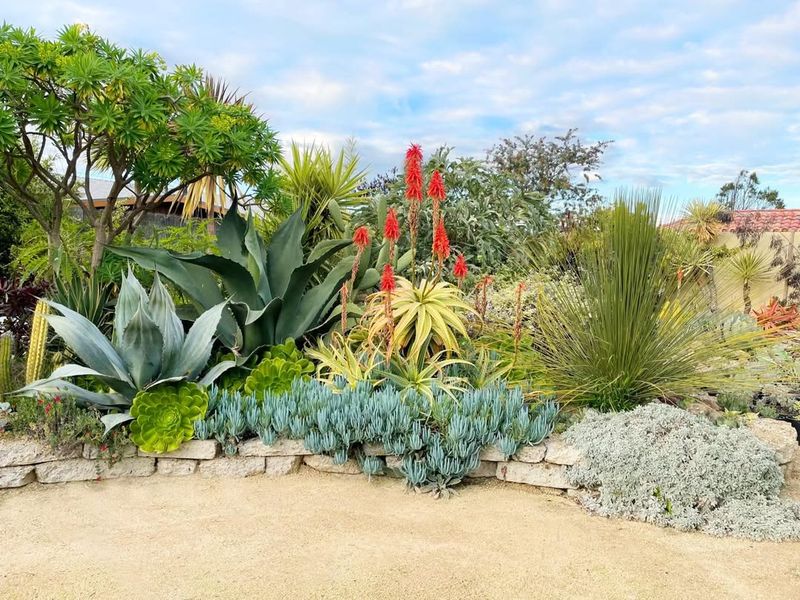
Succulents offer incredible variety in shapes, colors, and textures while requiring very little water.
California’s climate is perfect for growing everything from tiny sedums to dramatic agaves.
Their sculptural forms create living art that changes subtly through the seasons.
Many succulents produce surprising blooms in shades of red, orange, yellow, and pink.
You can plant them in ground beds, containers, or even vertical wall gardens.
Mixing different species creates depth and visual interest.
Succulents store water in their leaves, allowing them to thrive during California’s dry months.
They need minimal fertilizer and rarely suffer from pest problems.
Some varieties change color based on sun exposure and temperature, adding seasonal drama.
Propagation is easy—many succulents grow from cuttings or fallen leaves.
This means you can expand your collection without spending much money.
Pairing succulents with rocks or driftwood emphasizes their natural beauty.
They look stunning in modern, Mediterranean, or desert-inspired garden designs.
Children enjoy their unusual appearances and the ease of caring for them.
Incorporating succulents is a smart, water-wise choice that delivers year-round beauty.
5. Install A Simple Pollinator Garden
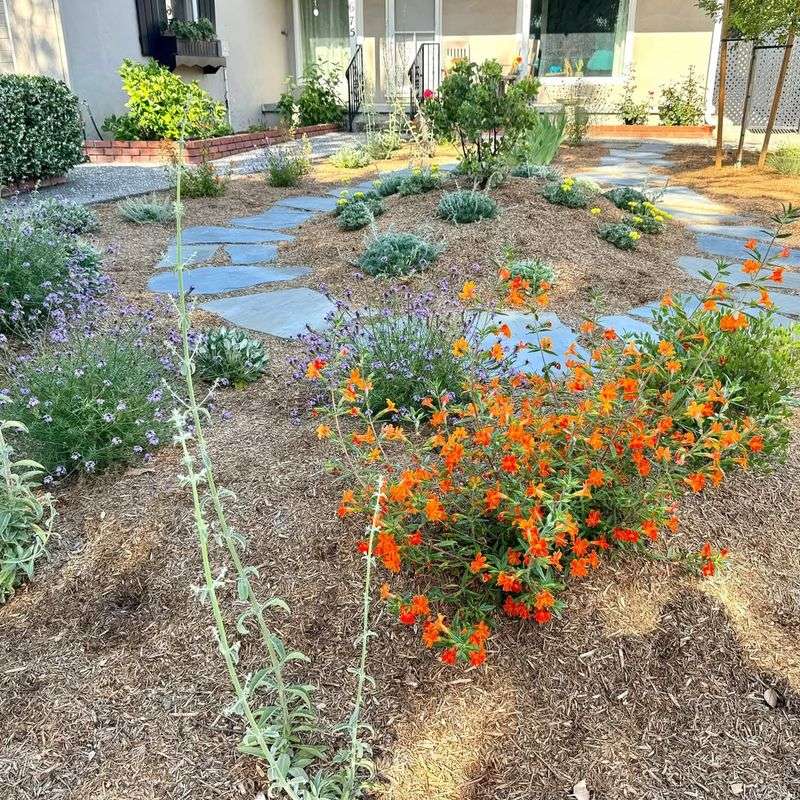
Pollinator gardens support essential insects while filling your space with color and movement.
Bees, butterflies, and hummingbirds flock to gardens rich in nectar-producing flowers.
Plants like lavender, salvia, penstemon, and California buckwheat are pollinator favorites.
Creating a pollinator haven requires little more than choosing the right plants and avoiding pesticides.
Group similar flowers together to make them easier for pollinators to find.
Include plants that bloom at different times to provide food throughout the year.
California’s long growing season means you can have blooms from early spring through late fall.
Watching butterflies dance among flowers or hummingbirds hover near blossoms brings joy to any gardener.
Pollinator gardens also improve fruit and vegetable yields if you grow edibles.
Many pollinator plants are drought-tolerant, making them practical for California conditions.
Adding a shallow water source helps pollinators stay hydrated.
Leave some areas of bare soil where native bees can nest.
Your garden becomes part of a larger network supporting biodiversity.
This approach connects you to nature’s rhythms and teaches children about ecological relationships in an engaging, hands-on way.
6. Use Mulch From Local Materials
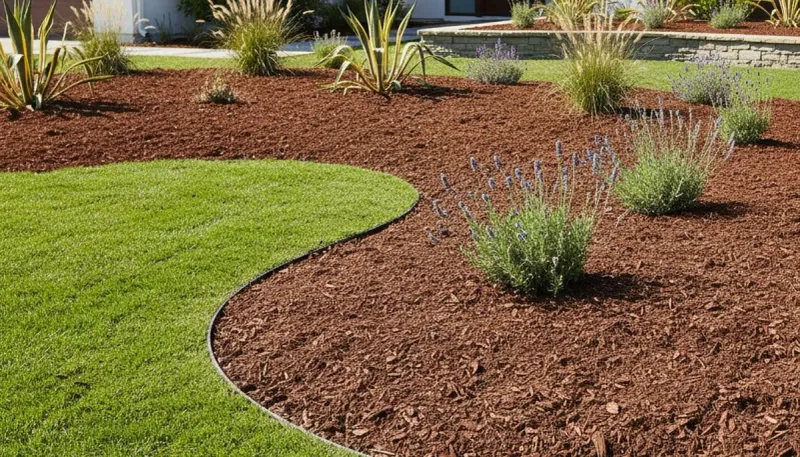
Mulch transforms bare soil into a finished landscape while providing numerous practical benefits.
Local materials like wood chips, shredded bark, or pine needles work beautifully in California gardens.
A thick layer of mulch suppresses weeds, reducing the time you spend pulling unwanted plants.
It also retains soil moisture, meaning you water less frequently.
As organic mulch breaks down, it enriches the soil with nutrients and improves its structure.
Many municipalities offer free wood chips from tree trimming operations.
This makes mulch an affordable option that also reduces waste.
Apply mulch around trees, shrubs, and flower beds, leaving space around plant stems to prevent rot.
The natural colors of mulch complement plants and create a cohesive look.
Mulch moderates soil temperature, keeping roots cooler in summer and warmer in winter.
It prevents soil erosion during winter rains, protecting your garden’s foundation.
Refreshing mulch annually maintains its appearance and effectiveness.
Different mulch types offer varied textures and colors to match your garden style.
This simple addition makes gardens look professionally maintained while supporting plant health and water conservation efforts throughout California’s challenging climate.
7. Design A Container Garden Display
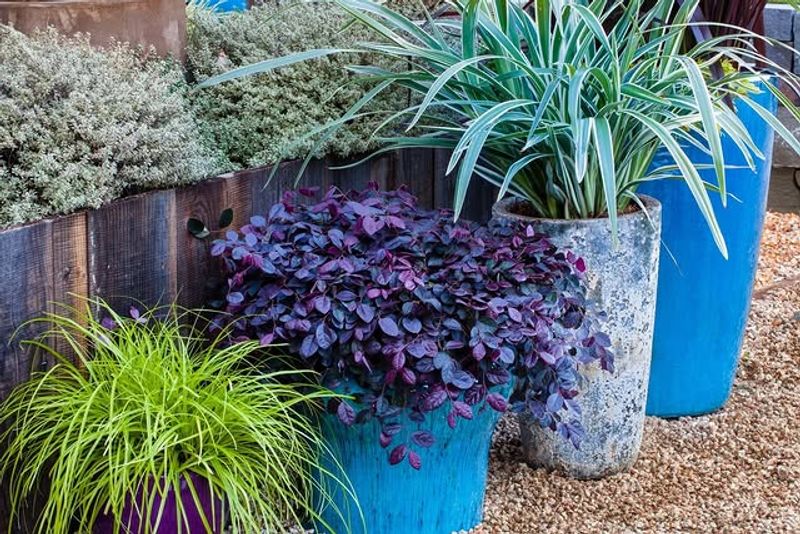
Container gardens bring flexibility and beauty to spaces of any size.
Patios, balconies, and entryways become lush retreats with strategically placed pots.
Mixing container sizes, shapes, and materials creates visual rhythm and interest.
Terracotta pots offer classic appeal, while glazed ceramics add color pops.
You can change plantings seasonally, keeping your garden fresh and exciting.
Containers allow you to control soil quality and drainage for each plant’s specific needs.
They also make gardening accessible if you have limited mobility or poor native soil.
Group containers in odd numbers for the most pleasing arrangements.
Vary plant heights within each container by combining upright, mounding, and trailing species.
Herbs, flowers, and small vegetables all thrive in containers.
California’s mild climate means many container plants can stay outdoors year-round.
Containers dry out faster than ground plantings, so check moisture regularly.
Adding saucers underneath helps conserve water and protect surfaces.
Move containers to follow the sun or create shade as needed.
This approach lets you experiment with different plant combinations without permanent commitment, making it perfect for renters or gardening beginners exploring their style preferences.
8. Establish A Shaded Seating Area
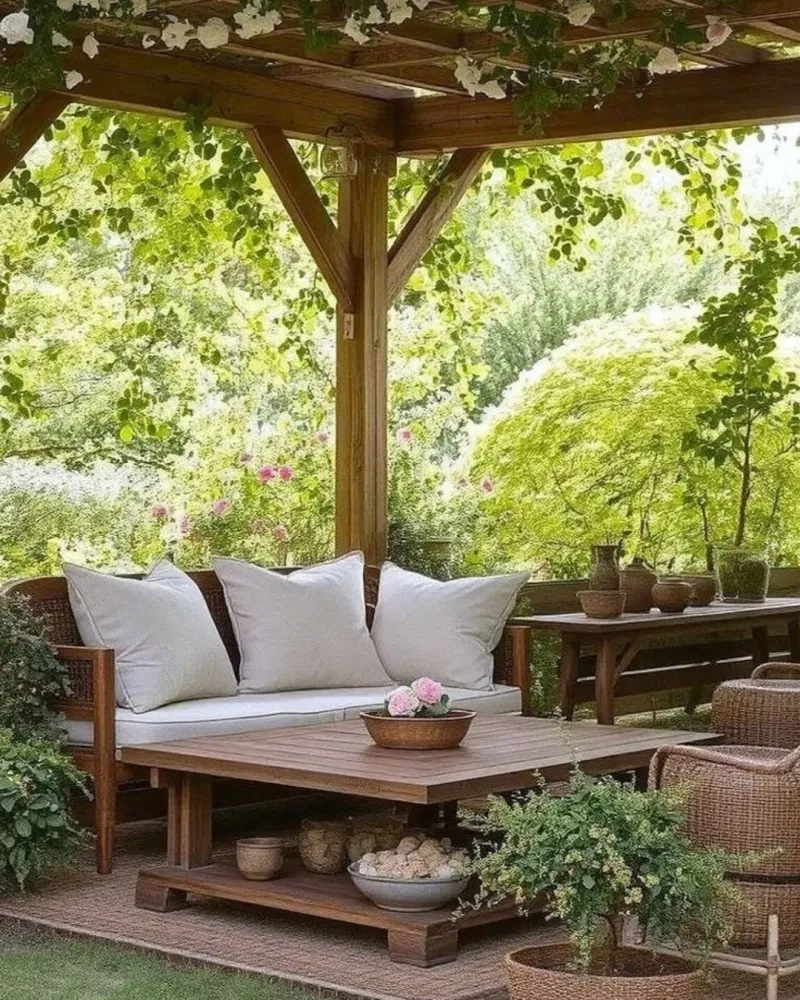
Every beautiful garden needs a comfortable spot to sit and appreciate your handiwork.
Shaded seating areas provide relief from California’s intense sun while extending your outdoor living space.
Position a bench or chairs under existing trees, or create shade with a pergola draped in vines.
Climbing plants like wisteria, jasmine, or grapes offer natural cooling and lovely scents.
Surround your seating with shade-loving plants such as ferns, hostas, or coral bells.
The cooler microclimate attracts different birds and insects than sunny areas.
Add cushions in weather-resistant fabrics for extra comfort and color.
A small side table holds drinks, books, or garden journals.
Morning coffee tastes better when enjoyed among blooming flowers and singing birds.
Evening gatherings in your garden create memorable moments with family and friends.
Consider the view from your seating area when planning garden layouts.
Position it to overlook your favorite plantings or water features.
Shade structures also protect outdoor furniture from weather damage.
String lights or lanterns add ambiance for nighttime relaxation.
Creating this retreat encourages you to spend more time outdoors, deepening your connection with your garden and the natural beauty you have cultivated around your home.
9. Add Ornamental Grasses For Movement

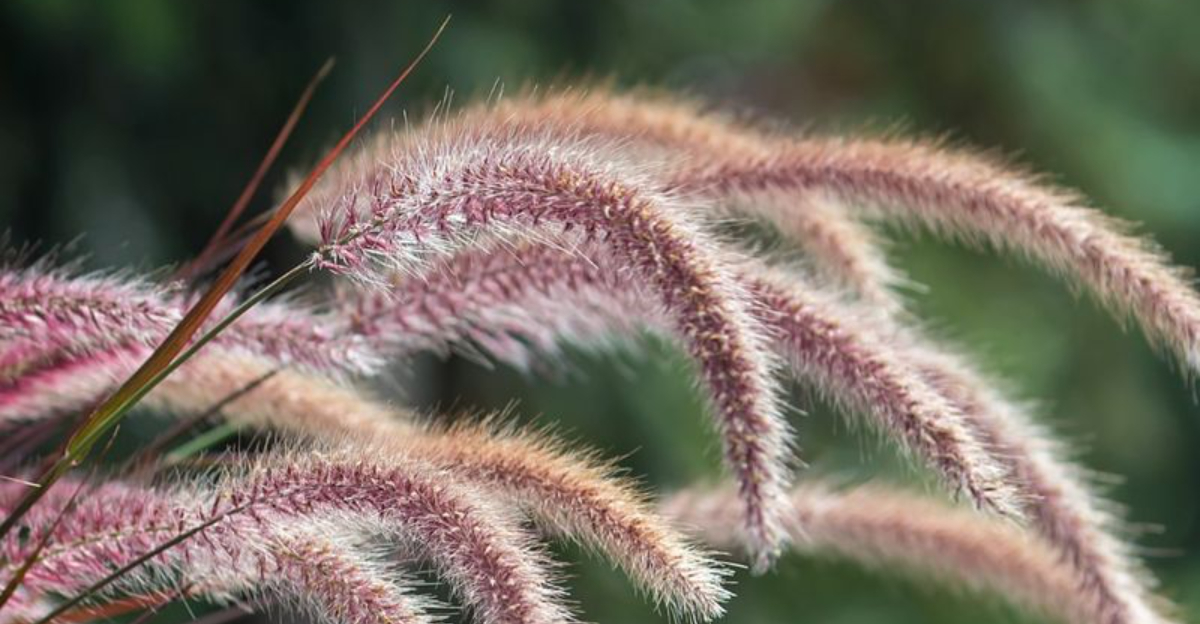
Ornamental grasses introduce graceful movement and soft textures that contrast beautifully with flowering plants.
Varieties like fountain grass, blue fescue, and deer grass thrive in California conditions.
Their flowing forms sway with even the slightest breeze, creating dynamic visual interest.
Grasses provide structure through all seasons, looking attractive even when dormant.
Many produce feathery plumes or seed heads that catch sunlight and add vertical elements.
They require minimal water once established, making them ideal for sustainable landscapes.
Grasses work wonderfully as borders, accents, or mass plantings.
Their neutral tones complement bold flower colors without competing for attention.
Birds appreciate grass seeds as food sources during fall and winter.
The rustling sound of grasses adds an auditory dimension to your garden experience.
Most ornamental grasses need only an annual trim to remove old growth.
They rarely suffer from diseases or pest problems.
Mixing different grass heights and textures creates layers and depth.
Some varieties turn golden or bronze in autumn, extending seasonal interest.
Ornamental grasses bridge the gap between formal and wild garden styles, offering natural beauty that feels effortless while providing year-round structure and visual appeal to California landscapes.
10. Encourage Beneficial Wildlife Habitats
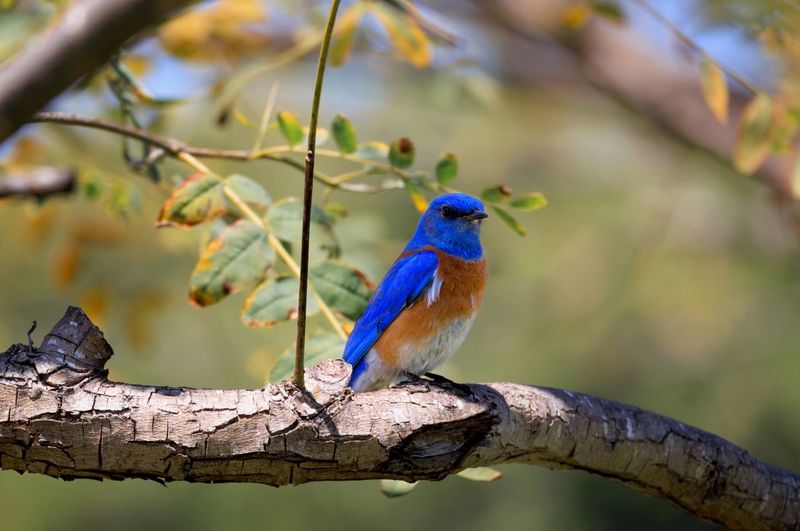
Gardens become richer and more balanced when they welcome beneficial creatures.
Birds, ladybugs, lacewings, and lizards all help control pest populations naturally.
Providing food, water, and shelter encourages these helpful visitors to take up residence.
Native plants offer the seeds, berries, and insects that wildlife depends on.
Leave some leaf litter and small brush piles where beneficial insects can overwinter.
Install bird houses, bee hotels, or bat boxes to provide nesting sites.
A shallow dish of water with stones for perching serves many species.
Avoid chemical pesticides, which harm beneficial creatures along with pests.
Dense shrubs offer safe hiding spots for birds and small animals.
Watching wildlife interact with your garden provides endless entertainment and learning opportunities.
Children develop appreciation for nature by observing these relationships firsthand.
A diverse ecosystem is more resilient and requires less human intervention.
Your garden becomes part of a wildlife corridor connecting natural areas.
Even small urban gardens can support surprising biodiversity.
Creating habitat demonstrates environmental stewardship while enhancing your garden’s natural beauty through the vibrant life it supports, turning your outdoor space into a thriving ecosystem.