8 Simple Ways To Cool Down Your Phoenix, Arizona Backyard
In Phoenix, Arizona, heat does not stay in the sky. It settles into concrete, seeps into block walls, and rises from gravel long after sunset.
A backyard that looks inviting in photos can feel overwhelming once surfaces begin storing warmth and releasing it back into the air.
Comfort depends on how that heat is managed. Hardscape materials, shade placement, plant density, and airflow patterns all influence how much warmth builds up and how quickly it dissipates.
Small changes in these areas can shift the entire experience of the space.
Strategic cooling upgrades reduce stored heat and make outdoor time realistic again, even under relentless desert conditions.
1. Install Shade Sails To Block Harsh Afternoon Sun
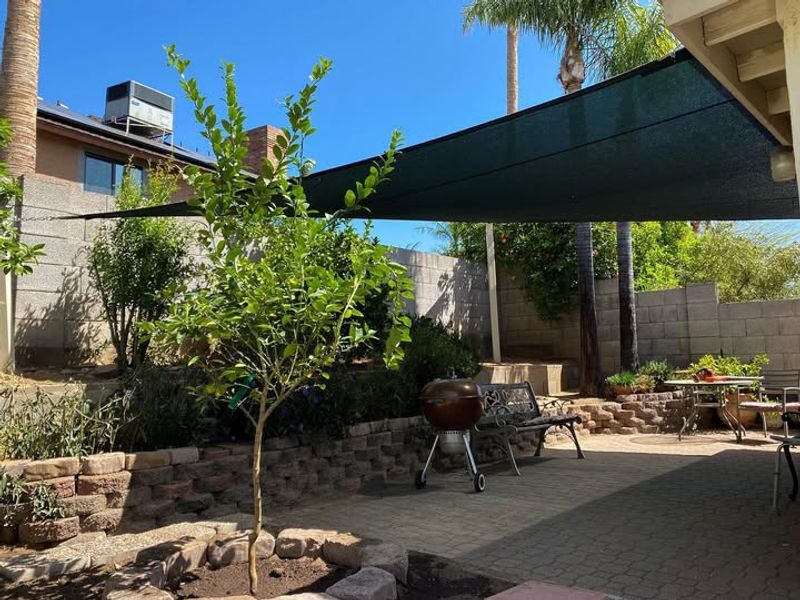
Afternoon sun in Phoenix hits your backyard like a blowtorch, turning patios and pools into no-go zones. Shade sails offer one of the fastest and most affordable ways to create instant relief, blocking up to 95 percent of UV rays while letting breezes flow through.
These stretched fabric canopies come in triangles, rectangles, and custom shapes that can cover dining areas, playgrounds, or entire pool decks.
Installation takes just a weekend if you have sturdy anchor points. Attach them to existing posts, your home’s exterior walls, or dedicated poles set in concrete.
Position sails to block the western sun between 2 PM and sunset when heat peaks. Layering multiple sails at different heights creates even better coverage and adds visual interest to your Phoenix outdoor space.
Choose light colors like sand or light gray to reflect heat rather than absorb it. Quality marine-grade fabrics withstand intense Arizona UV exposure for years without fading or weakening.
The fabric breathes, preventing the stuffy feeling you get under solid covers.
Shade sails drop surface temperatures underneath by 15 to 25 degrees compared to full sun exposure. They’re also removable, so you can take them down during Phoenix’s mild winters to enjoy maximum sunshine.
2. Plant Desert-Adapted Shade Trees On The West Side
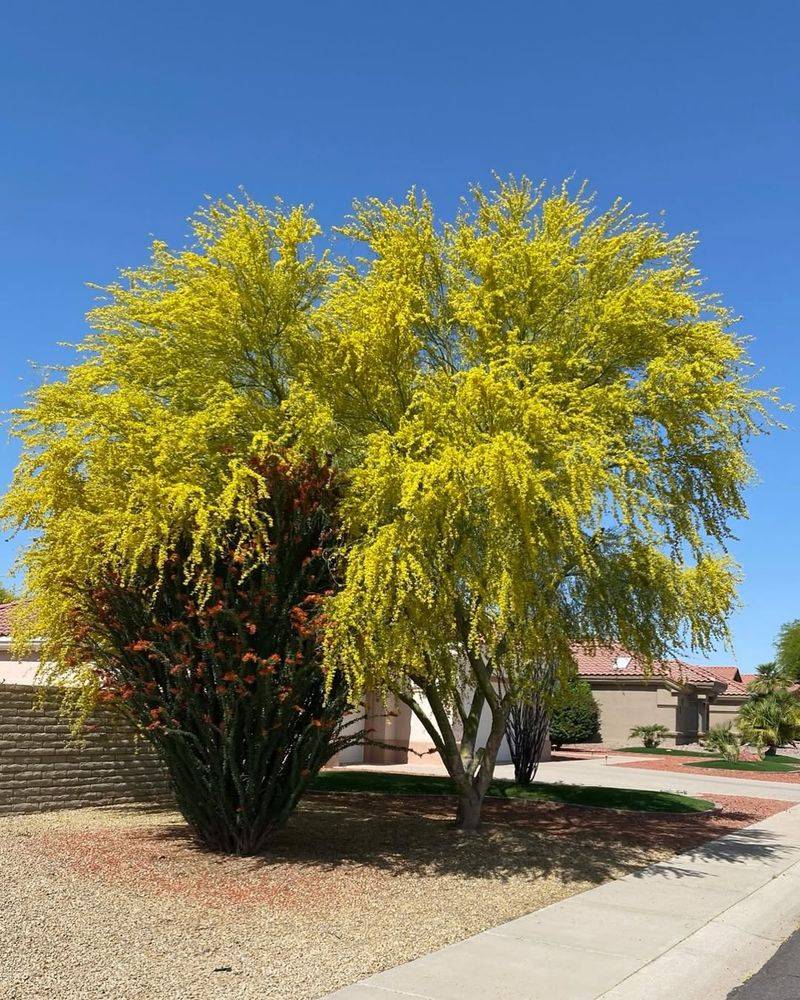
Nothing beats the cooling power of mature trees strategically placed where afternoon sun hammers your Phoenix property. Planting on the west side creates a natural barrier that intercepts solar radiation before it heats your yard and home.
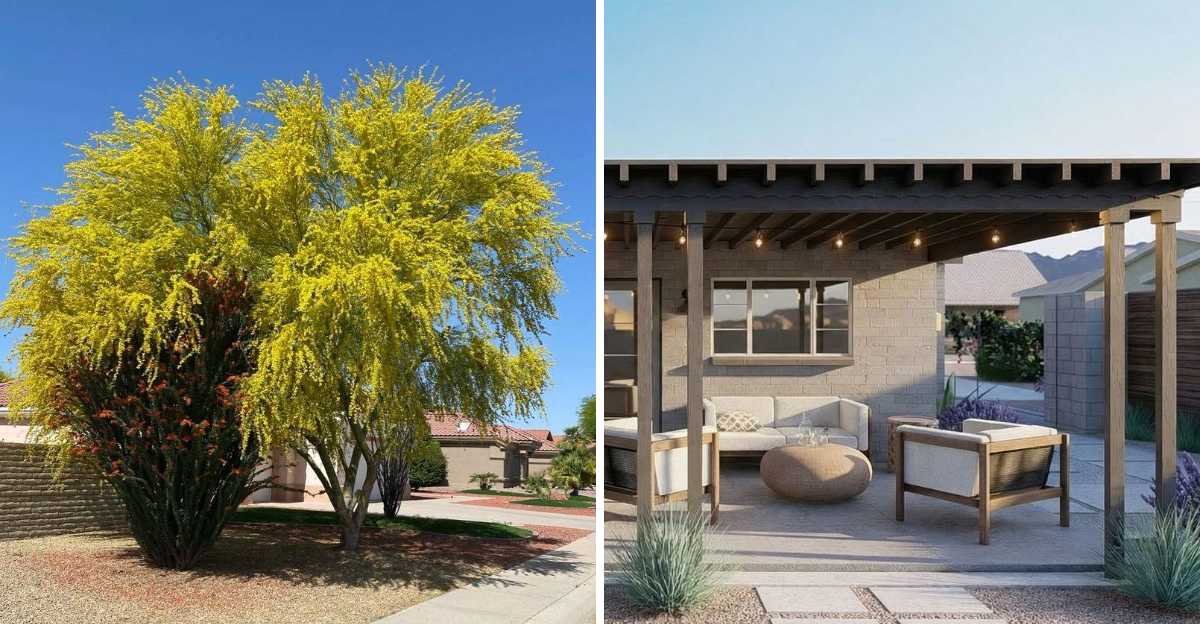
Desert-adapted species like Palo Verde, Desert Willow, and mesquite thrive in Arizona conditions while providing substantial shade once established.
These native trees require minimal water after their first two years, unlike thirsty imports that struggle in Phoenix heat. Their deep root systems access groundwater without constant irrigation.
Palo Verde grows quickly, reaching 20 feet in just five years, while mesquite offers dense canopy coverage perfect for blocking intense rays.
Position trees 15 to 20 feet from structures to allow for mature growth without foundation issues. Space multiple trees to create overlapping shade patterns that shift throughout the day.
The filtered light underneath stays 10 to 15 degrees cooler than open areas.
Young trees need consistent watering during establishment, but patience pays off. Within three to five years, you’ll have living shade that actually improves over time rather than wearing out.
Trees also release moisture through their leaves, creating localized cooling through transpiration.
Beyond temperature reduction, mature trees add property value and create habitat for desert birds. They reduce dust, muffle noise, and give your Phoenix backyard a finished, established look that no manufactured shade structure can match.
3. Use 30 To 50 Percent Shade Cloth Over Seating Areas
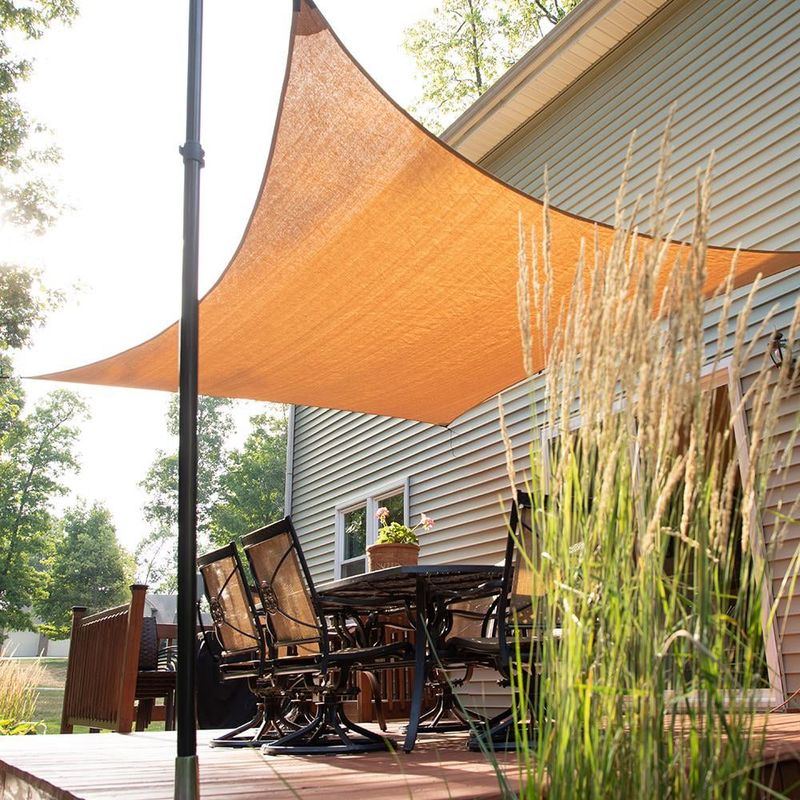
Commercial-grade shade cloth gives you precise control over how much sun reaches your Phoenix seating areas. The percentage rating tells you how much light gets blocked, with 30 to 50 percent offering the sweet spot between cooling and brightness.
Go darker and your space feels cave-like; lighter and you don’t get enough heat reduction.
Shade cloth costs a fraction of solid roofing while delivering impressive temperature drops. A 40 percent cloth reduces direct sun exposure enough to make metal furniture touchable and keeps cushions from fading.
It’s essentially sunscreen for your patio, filtering harmful UV while maintaining visibility and airflow.
Installing shade cloth over existing pergolas or ramadas takes just hours using zip ties or shade cloth fasteners. For standalone applications, stretch it between posts or attach it to your home’s exterior.
The material is lightweight but incredibly durable, engineered to withstand Phoenix wind and sun for five to ten years.
Black cloth actually works best despite seeming counterintuitive. It absorbs light before it reaches surfaces below, while lighter colors can create glare.
The weave pattern prevents that trapped-heat feeling you get under solid covers.
Shade cloth transforms unusable midday spaces into comfortable hangout spots. Temperatures underneath run 12 to 18 degrees cooler than full sun exposure.
You can also layer it seasonally, adding extra coverage during peak summer months and removing it when Phoenix weather moderates in fall and winter.
4. Replace Heat-Holding Gravel With Cooler Ground Covers
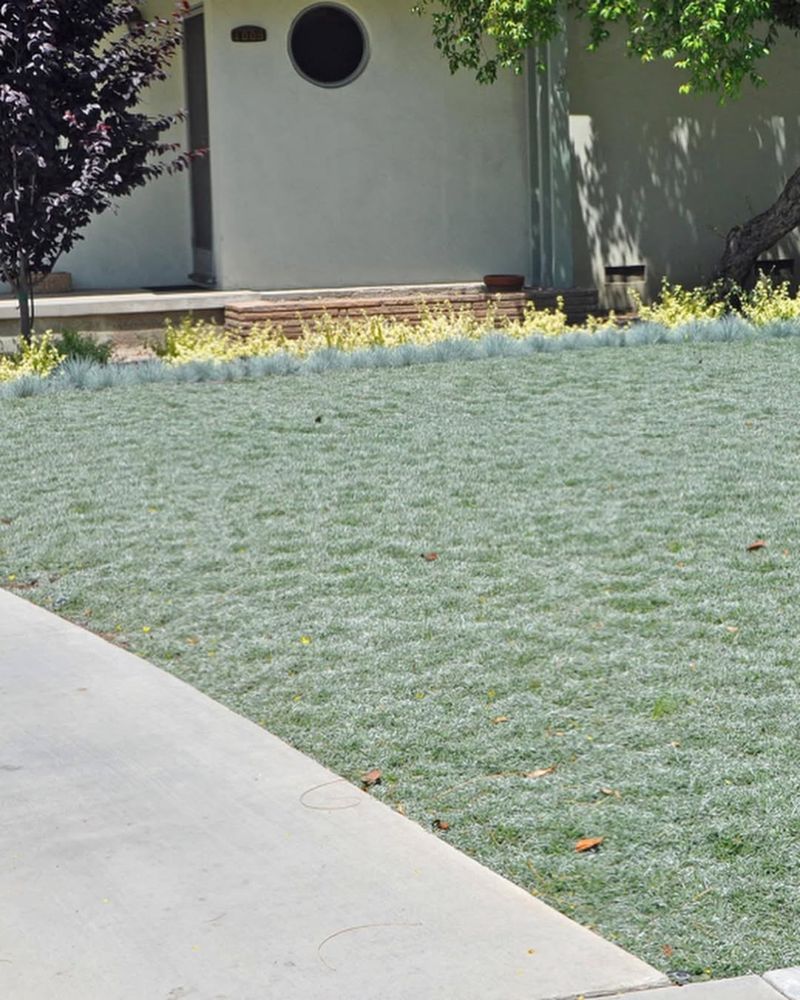
Gravel yards are everywhere in Phoenix, but they turn your backyard into a heat storage unit that radiates warmth long after sunset.
Those rocks absorb solar energy all day and release it slowly, keeping your outdoor space uncomfortable well into the evening.
Switching to cooler alternatives can drop ground-level temperatures by 20 degrees or more.
Decomposed granite offers a similar desert aesthetic without the heat retention. This finely crushed stone compacts into a firm surface that stays significantly cooler than chunky gravel.
It costs about the same to install and provides better footing for furniture and foot traffic.
Living ground covers like dymondia or trailing lantana add even more cooling power through transpiration. These low-water plants create a green carpet that feels pleasant underfoot while actively cooling the air around them.
They need some irrigation but far less than traditional grass.
Artificial turf has improved dramatically and now includes cooling technology that reflects heat rather than absorbing it.
Modern products designed for Arizona conditions stay significantly cooler than older versions, though they can still become hot during peak summer afternoons.
They eliminate the dust and maintenance issues that come with gravel.
The key is reducing exposed rock surfaces that act like storage heaters. Even partially replacing gravel with cooler materials around seating areas and pathways makes a noticeable difference.
Your Phoenix backyard will feel more inviting and comfortable throughout the day and well into the night when those rocks would normally still be radiating stored heat.
5. Add A Misting System For Targeted Evaporative Cooling
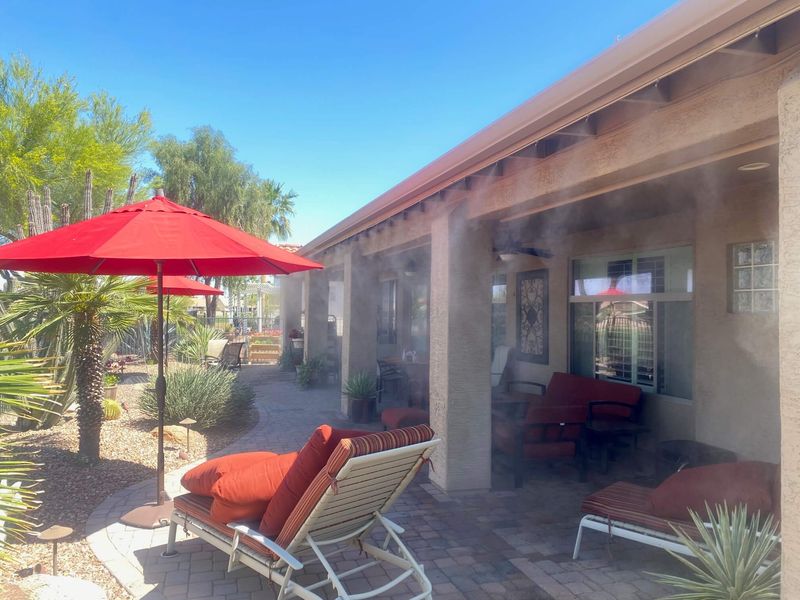
Evaporative cooling works beautifully in Phoenix’s bone-dry climate, and misting systems deliver that cooling exactly where you need it.
Fine water droplets evaporate almost instantly in low humidity, pulling heat from the surrounding air and dropping temperatures by 15 to 30 degrees within the misted zone.
It’s like having your own personal weather system.
High-pressure misting systems produce droplets so tiny they evaporate before wetting furniture or people. Lower-pressure versions cost less but create larger droplets that can leave surfaces damp.
Install misting lines around patio perimeters, over outdoor kitchens, or along pergola edges. Space nozzles every two to three feet for even coverage.
The system connects to your regular water supply and uses surprisingly little water since the droplets are so fine.
Timers let you run misters during the hottest afternoon hours in Phoenix without thinking about it. Some systems include temperature sensors that activate automatically when heat exceeds your set threshold.
Operation costs pennies per hour, far less than air conditioning an enclosed space.
Misting works best in open areas where air circulates freely. Enclosed patios can become humid and uncomfortable if mist can’t dissipate.
Position nozzles to create a cooling envelope around seating areas without oversaturating.
The cooling effect is immediate and dramatic, transforming sweltering Phoenix afternoons into pleasant outdoor experiences. Guests always notice the temperature difference when stepping into a misted zone.
6. Install A Pergola To Reduce Direct Radiant Heat
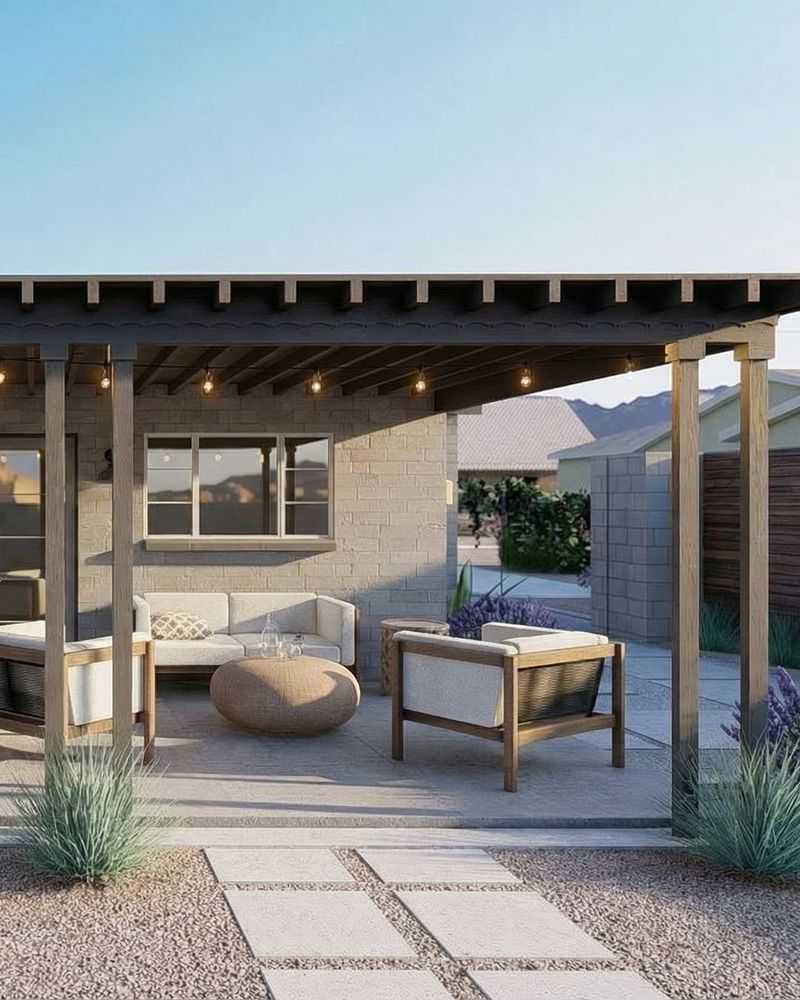
Solid roofs trap heat and block breezes, but pergolas strike the perfect balance for Phoenix backyards. The slatted design intercepts direct sun rays while allowing hot air to rise and escape.
You get substantial shade without the stuffy greenhouse effect that comes with enclosed covers.
Pergolas reduce radiant heat by breaking up sunlight into filtered patterns that shift throughout the day. The moving shadows keep surfaces underneath from absorbing continuous direct exposure.
This passive cooling approach needs no electricity or water, just smart design working with the sun’s path.
Wood pergolas offer classic beauty but require maintenance in harsh Arizona conditions. Aluminum versions withstand Phoenix weather indefinitely without warping, fading, or needing refinishing.
Both materials work well when properly engineered for wind loads.
Orient slats east to west for maximum afternoon shade, the most critical time in Phoenix. Space them four to six inches apart to block high-angle summer sun while allowing lower winter rays through.
This seasonal adjustment keeps spaces comfortable year-round.
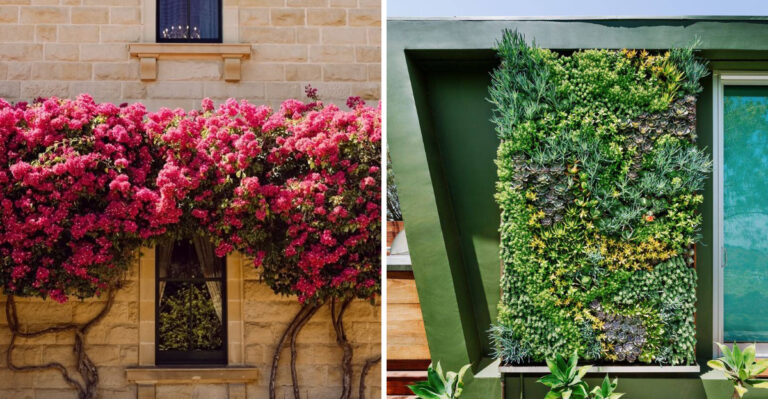
Adding climbing vines like bougainvillea or desert-adapted grape varieties increases cooling over time. The plants create a living roof that blocks additional heat while staying naturally adapted to Arizona’s climate.
Just ensure your structure can handle the extra weight as vines mature.
Pergolas also define outdoor rooms, creating destination spaces in your Phoenix backyard. They support hanging plants, lights, and fans that further enhance comfort.
7. Choose Light-Colored Hardscaping To Reflect Sunlight
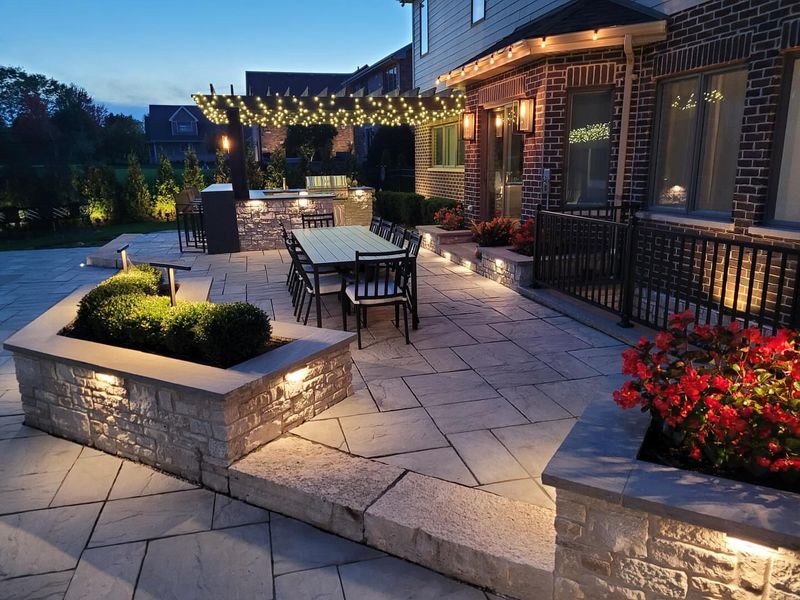
Dark pavers and concrete in Phoenix backyards become scorching hot plates that burn bare feet and radiate heat for hours. Surface temperatures on black or dark gray materials can exceed 160 degrees during peak afternoon sun.
Switching to light colors reduces those temperatures by 40 to 50 degrees, making a dramatic difference in overall comfort.
Light-colored concrete, pavers, and flagstone reflect solar radiation instead of absorbing it. Cream, tan, and light gray options stay cool enough to walk on barefoot even during summer afternoons.
They also bounce light upward rather than trapping it at ground level.
When installing new hardscaping or replacing existing surfaces, choose materials with high solar reflectance values. Many manufacturers now list these ratings specifically for desert climates.
Textured surfaces work better than smooth ones because they reduce glare while maintaining cooling benefits.
Existing dark surfaces can be lightened with specialized concrete stains or cool-coating products designed for Phoenix conditions. These treatments cost far less than replacement while delivering significant temperature reductions.
They typically last three to five years before needing reapplication.
Light hardscaping also reduces the urban heat island effect that makes Phoenix neighborhoods hotter than surrounding desert areas. Every cool surface in your backyard contributes to lower ambient temperatures throughout your property.
The visual impact matters too. Light colors create a brighter, more open feeling that makes outdoor spaces seem larger and more inviting.
They show less dust and dirt than dark surfaces, an important consideration in Arizona’s dusty environment.
8. Design Plant Placement To Encourage Natural Airflow
Still air in Phoenix feels oppressive, but even gentle breezes make heat more tolerable. Strategic plant placement channels natural airflow through your backyard rather than blocking it.
Think of your landscaping as an air circulation system that guides cooling breezes where you need them most.
Avoid solid plant walls that trap hot air against your home and seating areas. Instead, stagger plants at varying heights to direct airflow horizontally through your space.
Low shrubs near the ground, medium plants at eye level, and taller specimens as accents create layers that funnel breezes rather than stopping them.
Position taller plants on the south and west sides to block sun while leaving north and east sides more open for airflow. Phoenix’s prevailing winds come from the southwest during summer, so work with these patterns rather than against them.
Create intentional gaps between plant groupings that act as air corridors. These openings should align with seating areas and outdoor living spaces to deliver maximum cooling effect.
Even three-foot-wide gaps make a noticeable difference in air movement.
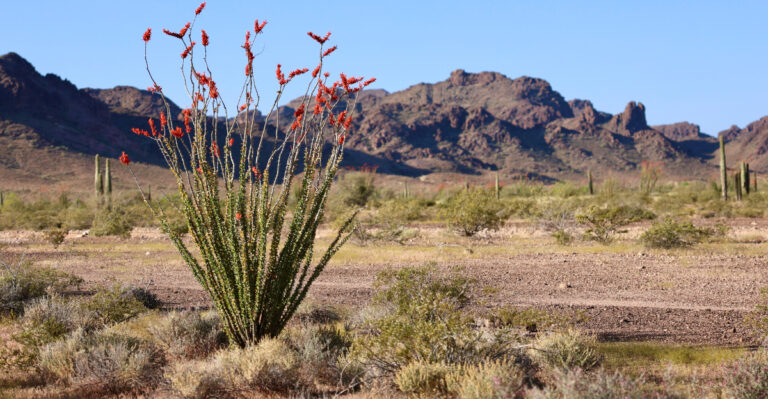
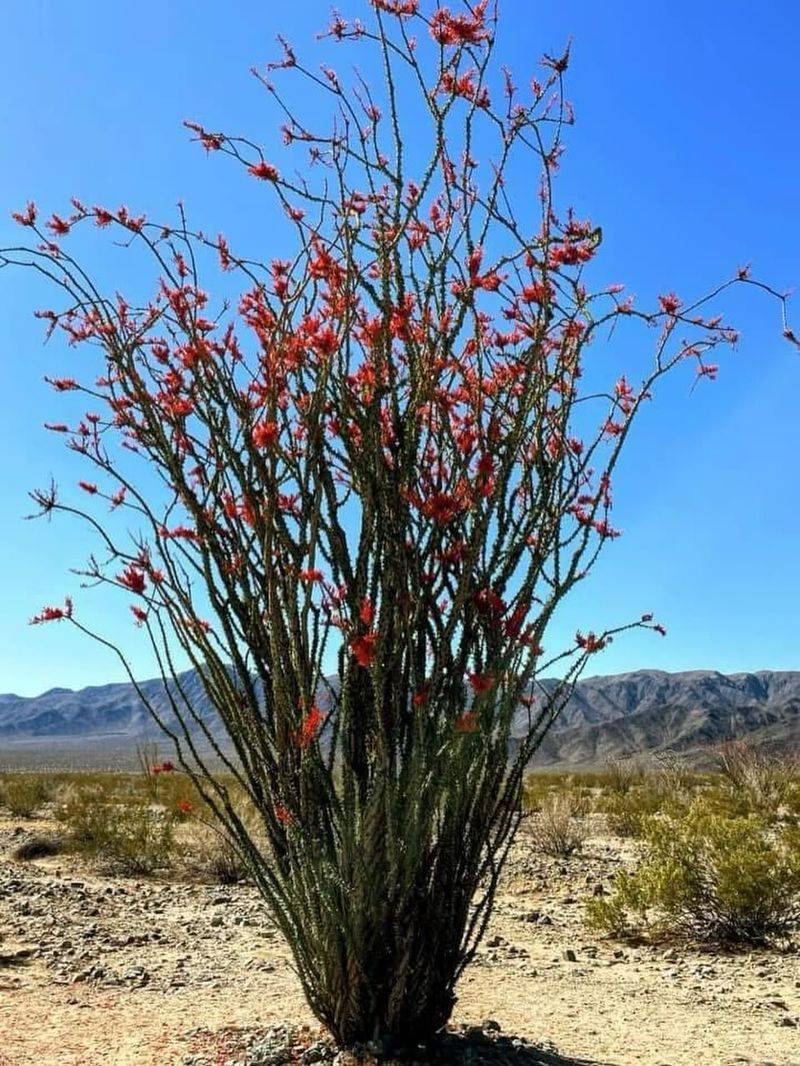
Desert plants with open, airy structures like Palo Verde trees and ocotillo allow wind to pass through rather than around them. Avoid dense evergreens that create solid barriers.
The goal is filtered shade with maintained airflow.
Proper plant placement costs nothing extra but dramatically improves comfort in Phoenix backyards. Moving air feels 5 to 10 degrees cooler than still air at the same temperature, making this one of the most effective passive cooling strategies available.