8 Simple Ways To Enchant Your Oregon Garden Naturally

Oregon gardens hold a special magic that comes from our Pacific Northwest climate and natural beauty.
With misty mornings, rich soil, and abundant rainfall, creating an enchanting outdoor space doesn’t require fancy chemicals or complicated techniques.
Nature provides everything you need to transform your backyard into a peaceful sanctuary that feels almost mystical.
Gardens in Oregon benefit from the state’s unique environment, where native plants thrive and wildlife naturally visits.
By working with what nature offers instead of against it, you can create a garden that looks stunning year-round while supporting local ecosystems.
These natural methods not only save money but also protect the environment and create healthier spaces for your family and pets.
Whether you live in Portland, Eugene, Bend, or anywhere across Oregon, these simple strategies will help you craft a garden that feels truly magical.
From attracting colorful butterflies to creating cozy corners with native plants, each method brings its own special charm.
Get ready to discover how easy it is to make your Oregon garden a place where nature’s enchantment comes alive every single day.
1. Plant Native Oregon Wildflowers For Year-Round Color
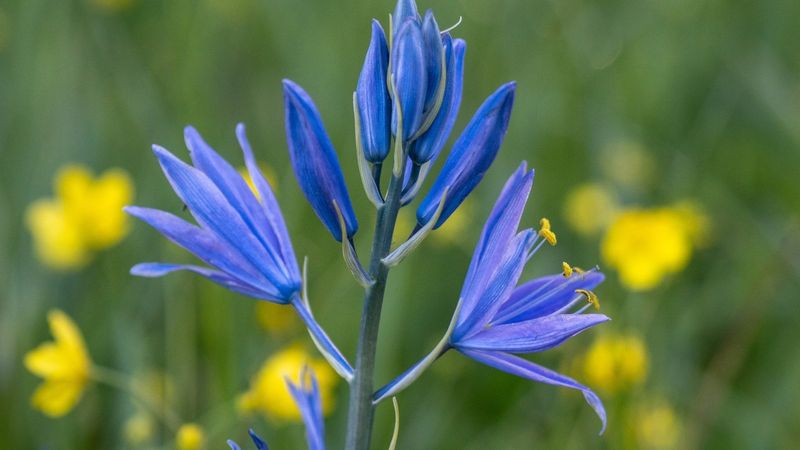
Native wildflowers bring Oregon’s natural beauty right into your backyard without any fuss or complicated care routines.
Species like lupines, Oregon iris, Indian paintbrush, and camas lilies have adapted to our climate over thousands of years, making them incredibly easy to grow.
Once established, these beauties require minimal watering and practically take care of themselves through Oregon’s wet winters and dry summers.
Your garden becomes a living painting when you choose wildflowers that bloom at different times throughout the seasons.
Trilliums appear in early spring, followed by columbines in late spring, then coneflowers and black-eyed Susans carry you through summer.
This natural succession means your Oregon garden always has something interesting happening, creating that enchanted feeling visitors notice immediately.
Local pollinators absolutely adore native wildflowers because they evolved together over millennia.
Bees, butterflies, and hummingbirds will flock to your garden, adding movement and life that makes the space feel truly magical.
Native plants also support caterpillars and other insects that birds depend on for feeding their babies.
Planting wildflowers from Oregon also helps preserve genetic diversity of species that might be disappearing from wild areas due to development.
Many nurseries across the state now specialize in true native plants propagated from local seeds.
By choosing these over generic garden center varieties, you’re creating an authentic piece of Oregon’s natural heritage right in your own yard, which adds a special connection to the landscape around you.
2. Create A Water Feature Using Natural Stone
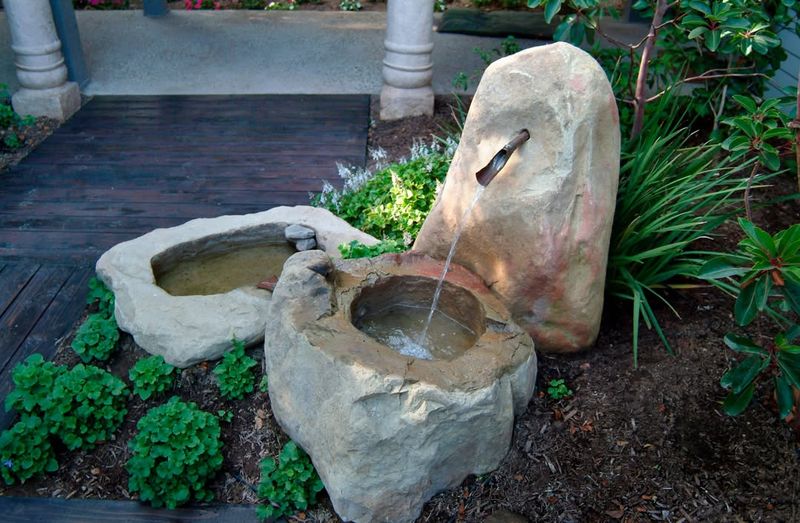
Water transforms any garden space into something extraordinary, and Oregon’s abundant rainfall makes water features especially fitting for our climate.
A simple birdbath, small pond, or trickling fountain constructed with natural stones collected from Oregon rivers or beaches creates instant enchantment.
The sound of moving water immediately makes your garden feel like a hidden forest retreat where stress melts away.
Building a water feature doesn’t require professional help or expensive materials if you keep things simple and natural-looking.
Stack river rocks to create a small waterfall, or arrange flat stones around a shallow basin where birds can safely drink and bathe.
Even a large pottery bowl filled with water and floating plants adds that magical water element without any complicated installation.
Oregon’s native frogs, dragonflies, and beneficial insects will discover your water feature surprisingly quickly, sometimes within just days of installation.
Watching dragonflies hover over the water or hearing Pacific tree frogs sing on spring evenings adds layers of enchantment you simply cannot buy.
These creatures also help control mosquitoes and other pests naturally, making your garden more comfortable.
Surrounding your water feature with moisture-loving plants like ferns, hostas, and Oregon grape creates a lush microclimate that looks especially magical.
The combination of water, stone, and greenery mimics the natural streams and springs found throughout Oregon’s forests and mountains.
This natural approach means your water feature blends seamlessly into the landscape rather than looking like an artificial addition stuck awkwardly into the yard.
3. Add Moss And Lichen To Garden Pathways
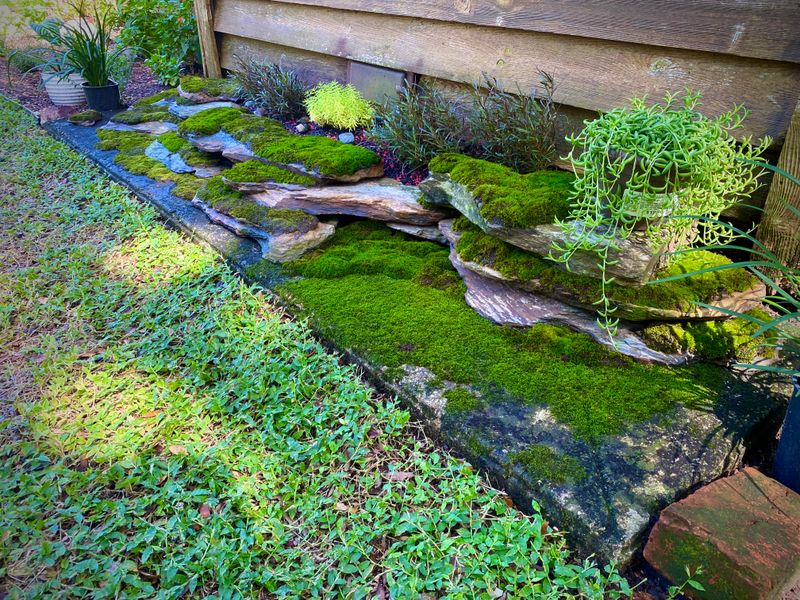
Moss creates that fairytale atmosphere found in Oregon’s ancient forests, and encouraging it to grow in your garden is surprisingly simple.
Our naturally moist climate provides perfect conditions for dozens of moss species that will happily colonize shady pathways, stone edges, and even pottery.
That velvety green carpet transforms ordinary surfaces into something that looks centuries old and deeply enchanting.
Encouraging moss growth requires patience rather than effort, which makes it perfect for busy gardeners seeking low-maintenance beauty.
Simply keep shady areas slightly moist during dry summer months, and moss will gradually spread on its own.
You can speed the process by collecting small amounts of moss from your property and pressing it onto damp surfaces where you want it to grow.
Stepping stones partially covered with moss look especially magical, as though your garden has existed for generations instead of just years.
The soft texture feels wonderful underfoot and prevents pathways from becoming slippery, unlike algae.
Moss also provides habitat for tiny beneficial creatures like springtails that help break down organic matter and keep your soil healthy.
In Oregon, moss gardens require almost no maintenance once established, unlike traditional lawns that demand constant mowing, fertilizing, and watering.
Many Portland and Eugene gardeners are replacing grass with moss in shady areas where lawns struggle anyway.
This creates a distinctly Pacific Northwest aesthetic that celebrates our regional climate instead of fighting against it.
The result feels authentically Oregon and undeniably enchanting to everyone who visits your garden.
4. Install Simple Wooden Birdhouses And Feeders

Birds bring gardens to life with their songs, colors, and entertaining behaviors that make outdoor spaces feel truly inhabited by nature.
Installing simple wooden birdhouses and feeders throughout your Oregon garden invites chickadees, nuthatches, wrens, and dozens of other species to become regular visitors.
Their presence creates constant movement and sound that transforms your garden from a static display into a living, breathing ecosystem.
Choosing natural wood feeders and houses rather than plastic or metal versions helps maintain your garden’s enchanted aesthetic.
Cedar and redwood weather beautifully in Oregon’s damp climate, developing a silvery patina that looks increasingly charming over time.
Position houses in quiet corners where birds feel safe, and place feeders where you can easily watch the activity from windows or seating areas.
Different bird species prefer different foods, so offering variety ensures you attract maximum diversity to your Oregon garden.
Black oil sunflower seeds appeal to most songbirds, while suet attracts woodpeckers and nuthatches during winter months.
Native plants that produce seeds and berries provide natural food sources that birds actually prefer over commercial feed.
Watching birds raise families in houses you provided creates a special connection between you and the wildlife sharing your space.
Oregon’s mild climate means many species nest multiple times per season, giving you extended opportunities to observe their fascinating behaviors.
The enchantment deepens when you recognize individual birds returning year after year, treating your garden as their permanent home rather than just a temporary stopover.
5. Incorporate Driftwood And Natural Branch Structures
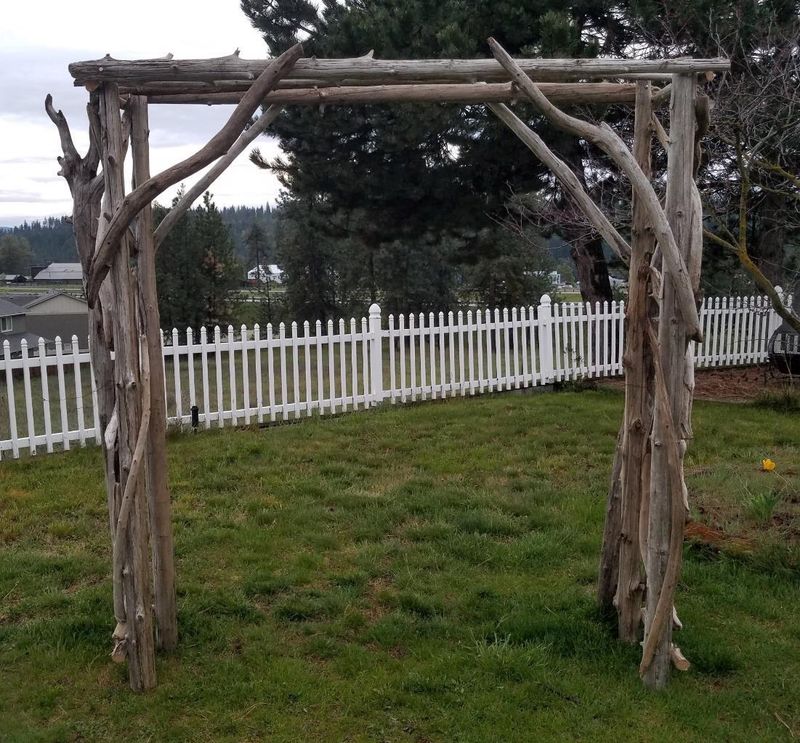
Weathered wood pieces collected from Oregon beaches or forests add instant character and a sense of timelessness to garden spaces.
Driftwood bleached silver by sun and saltwater creates beautiful sculptural elements that look like natural art installations.
Large branches can become supports for climbing plants or simply stand as striking focal points that draw the eye and spark imagination.
Finding perfect pieces is part of the fun, turning beach walks or forest hikes into treasure hunts for interesting shapes and textures.
Oregon’s coastline offers abundant driftwood, while fallen branches from your own property or nearby wild areas provide free materials.
Look for pieces with interesting curves, knots, or textures that suggest stories about where they came from.
Arranging driftwood requires no special skills, just an eye for balance and a willingness to experiment with different positions.
Lean large pieces against fences or walls, lay smaller pieces among plantings, or stand dramatic branches upright as living sculptures.
Over time, moss and lichen will colonize the wood, making it look even more magical and integrated into your Oregon garden.
Natural wood structures provide habitat for beneficial insects and tiny creatures while adding vertical interest to flat garden beds.
Climbing vines like native honeysuckle or clematis will eagerly scramble up branches, creating living sculptures that change with seasons.
This approach costs nothing but adds enormous visual interest, proving that enchantment doesn’t require expensive materials or professional design.
The weathered, organic quality of driftwood perfectly captures the Pacific Northwest aesthetic that makes Oregon gardens so special.
6. Grow Fragrant Herbs Along Walking Paths
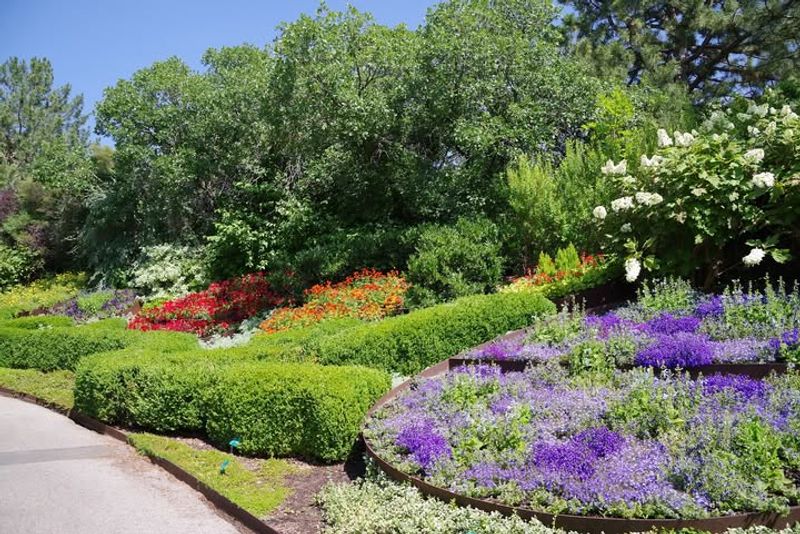
Scent creates powerful memories and emotions that visual beauty alone cannot match, making fragrant herbs essential for truly enchanting gardens.
Planting lavender, rosemary, thyme, mint, and oregano along pathways means every walk through your Oregon garden becomes a sensory journey.
Brushing against these plants releases their essential oils, filling the air with delicious aromas that make your outdoor space feel like a Mediterranean retreat.
Most culinary herbs thrive in Oregon’s climate with minimal care, especially in well-drained spots that get good sun exposure.
Lavender particularly loves our dry summers once established, while mint spreads enthusiastically in shadier, moister areas.
Rosemary grows into substantial shrubs in milder Oregon regions like the Willamette Valley, providing year-round greenery and fragrance.
Harvesting fresh herbs for cooking creates a practical connection between your garden and daily life that feels satisfying and grounding.
There’s something almost magical about stepping outside to snip fresh basil for dinner or rosemary for morning potatoes.
This connection to homegrown ingredients makes your garden feel like an essential part of your home rather than just decorative landscaping.
Bees and butterflies adore herb flowers, turning your pathways into pollinator highways buzzing with beneficial activity throughout summer months.
Allowing herbs to bloom rather than constantly trimming them back increases both wildlife value and visual interest.
The combination of fragrance, flavor, beauty, and ecological benefit makes herbs incredibly efficient plants for creating enchantment.
Every sense gets engaged when you walk through herb-lined paths in your Oregon garden.
7. Design A Cozy Seating Area With Living Walls
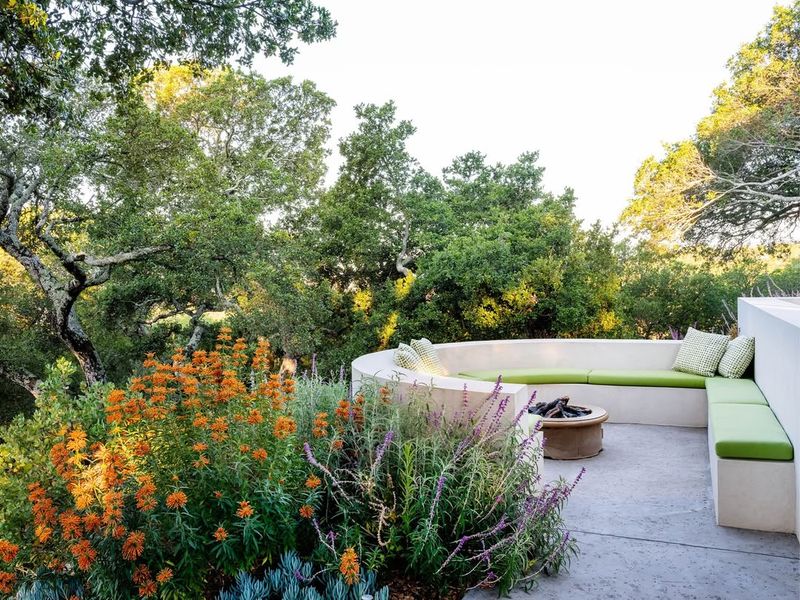
Creating a special spot where you can actually sit and enjoy your garden transforms it from something you admire while rushing past into a true outdoor sanctuary.
A simple bench or a couple of comfortable chairs surrounded by lush plantings becomes an enchanted retreat where you can read, sip coffee, or simply watch the world go by.
Adding vertical plantings around your seating area creates a sense of enclosure that makes the space feel private and magical.
Living walls don’t require complicated hydroponic systems or professional installation when you take a natural approach suited to Oregon’s climate.
Training climbing plants like native honeysuckle, clematis, or even edible vines up trellises creates green walls that look lush and established within just one or two growing seasons.
Ferns and shade-loving perennials planted densely behind seating areas provide that enclosed, secret-garden feeling.
Positioning your seating area where you can observe birds, butterflies, and other wildlife adds entertainment value that keeps you coming back again and again.
Morning coffee tastes better when you’re watching hummingbirds visit nearby flowers or listening to songbirds announce the new day.
Evening relaxation deepens when you’re surrounded by fragrant plants and the gentle sounds of rustling leaves.
In Oregon’s climate, outdoor seating areas remain usable for much of the year, making them worthwhile investments in your garden’s functionality.
Even during rainy months, a covered spot surrounded by greenery provides a peaceful place to experience nature without getting soaked.
This encourages you to actually use your garden rather than just maintaining it, which ultimately makes all your enchanting efforts feel meaningful and rewarding.
8. Attract Butterflies With Host And Nectar Plants
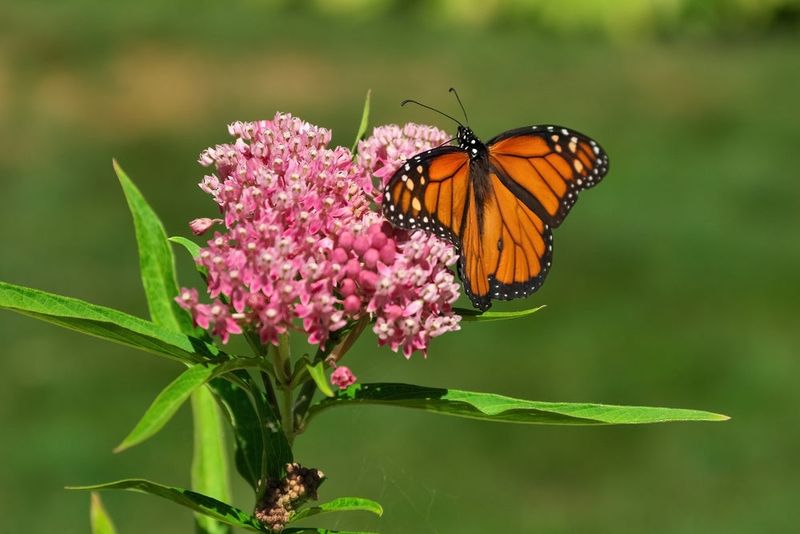
Few things add more magic to gardens than butterflies dancing from flower to flower on sunny afternoons.
Oregon hosts dozens of beautiful butterfly species, including swallowtails, painted ladies, and the iconic monarch during migration seasons.
Creating habitat that supports their complete lifecycle rather than just providing nectar turns your garden into a true butterfly sanctuary that contributes to conservation efforts.
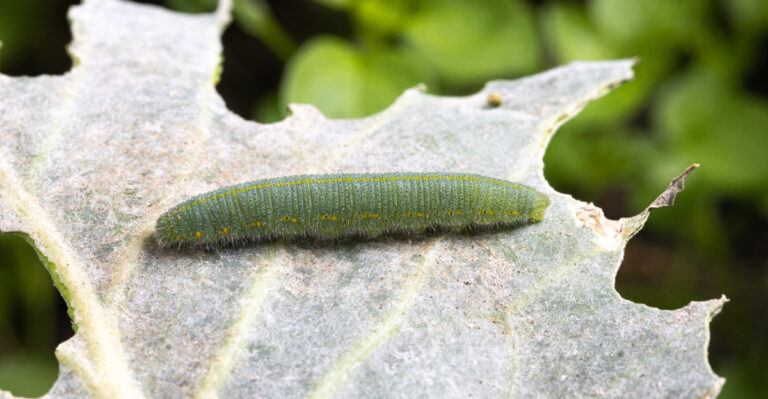
Butterflies need two types of plants: nectar sources for adults and host plants where they lay eggs and caterpillars feed.
Oregon grape, milkweed, lupines, and native violets serve as host plants for various species, while flowers like asters, coneflowers, and butterfly bush provide nectar.
Planting both types ensures butterflies stick around rather than just passing through briefly.
Watching the complete butterfly lifecycle unfold in your own Oregon garden creates wonder that never gets old, no matter how many times you witness it.
Finding tiny eggs, observing hungry caterpillars munching leaves, discovering chrysalises hanging like jewels from stems, then finally seeing fresh butterflies emerge feels miraculous every single time.
Children especially love this real-life nature education happening right in their own backyard.
Avoiding pesticides becomes absolutely essential once you commit to attracting butterflies, since caterpillars are extremely sensitive to chemicals.
This pushes your entire garden toward healthier, more natural practices that benefit all wildlife.
The presence of butterflies indicates your Oregon garden has become a genuinely healthy ecosystem rather than just an attractive collection of plants.
That ecological health creates the deepest kind of enchantment, knowing your garden actively supports life in meaningful ways.