Simple Ways To Fill Your Georgia Garden With Useful Plants
At some point in the season, you look across your Georgia garden and realize certain plants are working harder than others.
Some give food, shade, or steady growth, while others take up space without offering much back. That moment usually comes when the heat settles in and maintenance starts to feel heavier.
Not every plant needs to earn its keep, but when large areas feel underwhelming, it’s often a sign of mismatched choices.
The good news is that Georgia’s long growing season supports plants that do more than just look nice.
With the right mix, a garden can feel fuller, more useful, and easier to manage at the same time.
1. Grow Herbs That Thrive In Georgia’s Long Growing Season
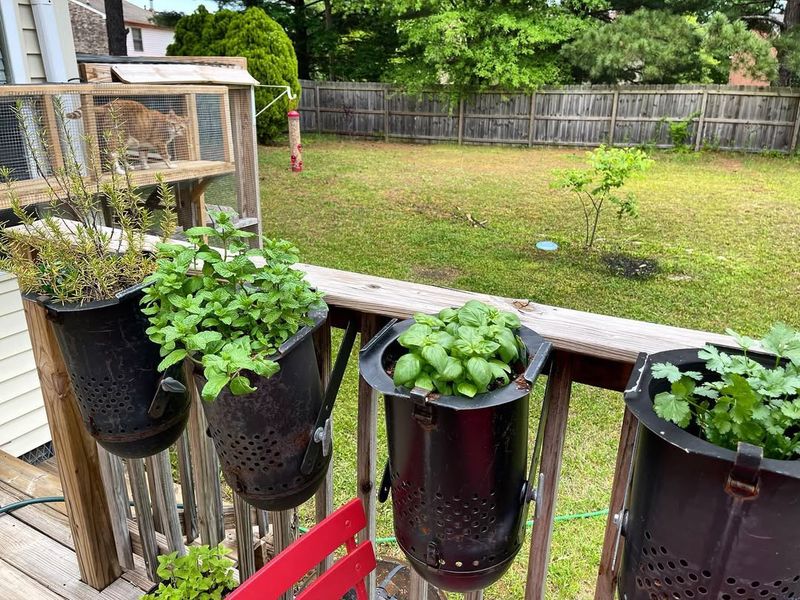
Fresh basil on your windowsill beats dried herbs from a jar every single time. Georgia summers stretch long enough to harvest multiple crops from one planting, and your kitchen benefits all season.
Basil, rosemary, oregano, and thyme handle the heat beautifully when you give them decent soil and regular water.
Your herb garden can start small with just a few pots on a sunny porch. Many herbs actually prefer containers because you control drainage better than in heavy Georgia clay.
Mint grows so enthusiastically that containers keep it from taking over your entire yard.
Perennial herbs like rosemary and sage come back year after year in most Georgia zones. You plant them once and harvest for several seasons without replanting.
That saves money and effort compared to buying fresh herbs at the grocery store every week.
Summer heat makes some herbs bolt and go to seed quickly. Cilantro and parsley prefer cooler weather, so you plant them in early spring or fall for best results.
Succession planting every few weeks keeps your harvest steady.
Herb flowers attract beneficial insects that help your whole garden stay healthy. Let some of your basil or oregano bloom and watch the pollinators arrive.
These tiny helpers control pests naturally without you spraying anything.
Most herbs need at least six hours of direct sun daily. Morning sun works better than afternoon sun during Georgia’s brutal summer months.
A little afternoon shade prevents scorching on the hottest days.
Harvesting regularly keeps your herbs producing more leaves instead of going to seed. Pinch off the top growth and your plants bush out fuller.
You get more flavor and longer harvests with this simple trick.
Georgia’s humidity can cause fungal problems if herbs stay too wet. Space plants far enough apart for air circulation and water at the base rather than overhead.
Healthy plants resist disease better than stressed ones.
Container herbs need fertilizer more often than garden beds because frequent watering washes nutrients away. A light feeding every few weeks keeps them growing strong.
Organic options like compost tea work wonderfully without harsh chemicals.
2. Add Perennials That Come Back Without Replanting
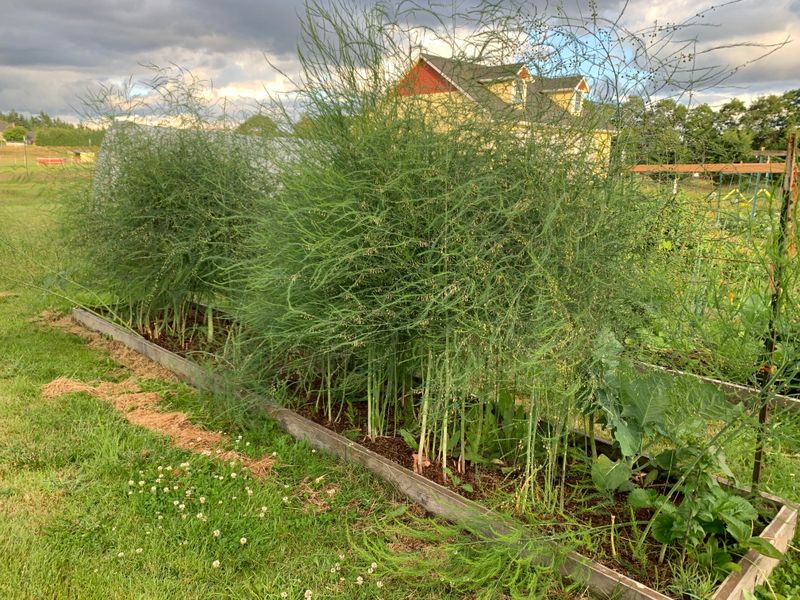
Planting once and harvesting for years sounds too good to be true, but perennials make it happen. Georgia gardeners can grow asparagus, rhubarb, and perennial onions without starting over each spring.
Your initial effort pays off for a decade or more with proper care.
Asparagus takes patience because you wait three years before harvesting heavily. Those first seasons let the roots establish deeply in Georgia soil.
After that waiting period, you harvest spears every spring for fifteen to twenty years from the same plants.
Rhubarb grows best in North Georgia where winters provide enough chill hours. The stalks produce reliably each spring and early summer for pies and jams.
Southern parts of the state struggle with rhubarb because it needs cold dormancy.
Perennial onions like Egyptian walking onions and multiplier onions spread gradually across your garden bed. You harvest some bulbs and leave others to multiply for next year.
They handle Georgia heat better than regular onions that need replanting annually.
Artichokes grow as perennials in most Georgia zones if you mulch them heavily for winter protection. The large silvery leaves look beautiful even when you are not harvesting the flower buds.
One plant produces multiple artichokes each season once established.
Strawberries return each year and spread through runners that create new plants. June-bearing varieties produce one large crop while everbearing types give you berries throughout the growing season.
Georgia summers can stress them, so afternoon shade helps.
Perennial herbs like oregano, thyme, and chives come back reliably each spring. You cut them back hard in late winter and fresh growth appears as temperatures warm.
These herbs handle Georgia winters without any special protection in most areas.
Blackberries and raspberries produce fruit on canes that live two years. The plants themselves live much longer and send up new canes annually.
Georgia’s wild blackberries prove these plants thrive in local conditions.
Perennials need good soil preparation before planting because you will not get another chance to improve it. Mix in compost deeply and remove weeds thoroughly.
Your plants will live in that spot for years, so do it right the first time.
3. Choose Plants That Attract Pollinators And Beneficial Insects
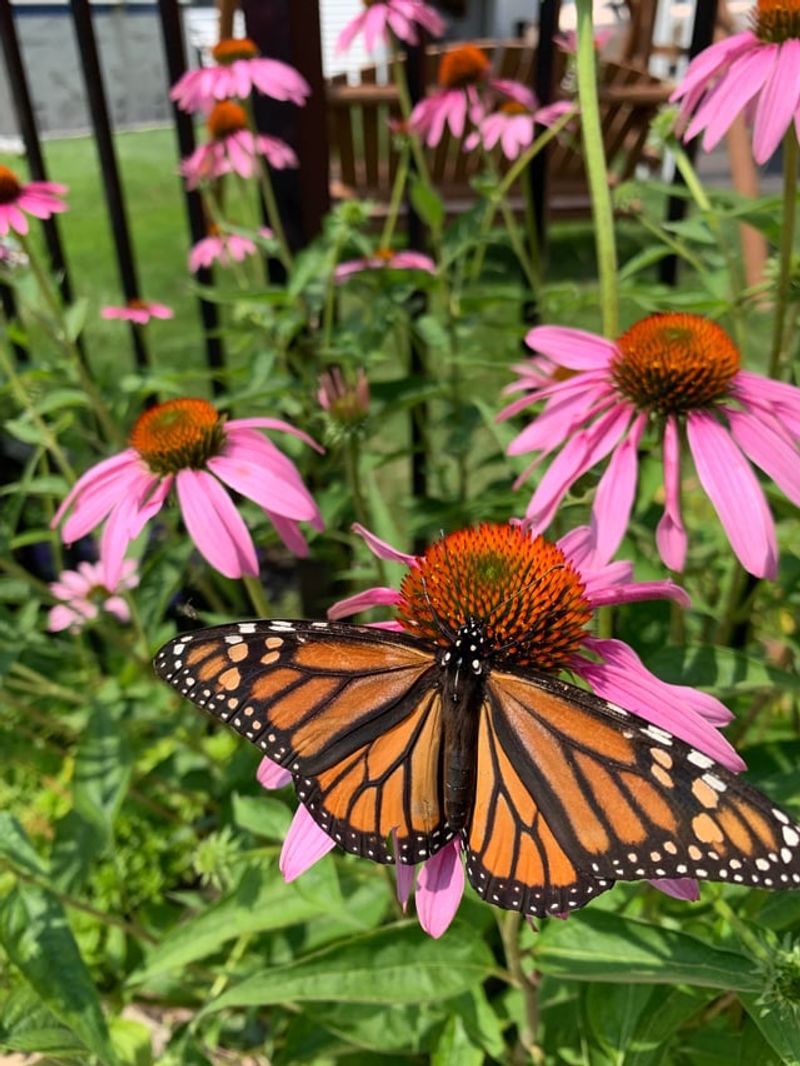
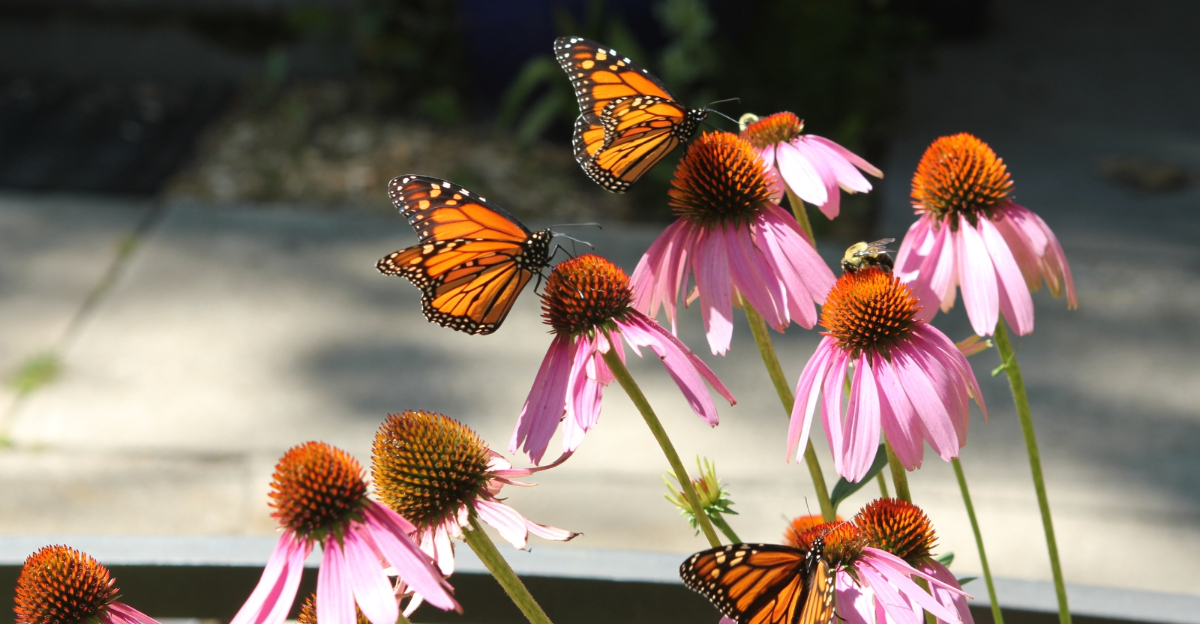
Butterflies landing on your flowers mean more than just pretty scenery for your Georgia garden. Those pollinators increase fruit and vegetable production dramatically when they visit regularly.
Beneficial insects also hunt the pests that would otherwise damage your plants.
Native plants like coneflowers, black-eyed Susans, and milkweed support local pollinator populations better than exotic species. Georgia butterflies and bees evolved alongside these plants and recognize them as food sources.
Your garden becomes a refueling station for insects traveling through the area.
Milkweed specifically supports monarch butterflies that migrate through Georgia twice yearly. The caterpillars eat only milkweed leaves, so planting it helps this threatened species survive.
Several native milkweed varieties grow well across different parts of the state.
Planting flowers with different bloom times keeps pollinators visiting from early spring through late fall. Early bulbs feed bees emerging from winter dormancy while fall asters provide nectar before cold weather arrives.
Continuous blooms mean continuous pollination for your vegetables.
Herbs like dill, fennel, and parsley attract beneficial insects when allowed to flower. Ladybugs, lacewings, and parasitic wasps feed on the tiny flowers then hunt aphids and other pests in your garden.
These natural pest controllers work better than sprays without harming anything.
Single-petal flowers provide easier access to nectar than fancy double blooms. Pollinators struggle to reach food in heavily bred ornamental varieties.
Simple flowers like zinnias and cosmos feed more insects with less effort.
Water sources help pollinators survive Georgia’s hot summers. A shallow dish with pebbles for landing spots gives bees and butterflies a safe drinking area.
Change the water regularly to prevent mosquitoes from breeding.
Avoid pesticides entirely if you want beneficial insects in your garden. Even organic sprays harm helpful bugs along with pests.
Hand-picking problem insects and using barriers work better for maintaining a healthy insect population.
Native plants need less maintenance than exotics because they suit Georgia’s climate naturally. They handle heat, humidity, and local soil without constant attention.
Your pollinator garden practically takes care of itself once established.
4. Plant Edibles That Handle Heat And Humidity Well
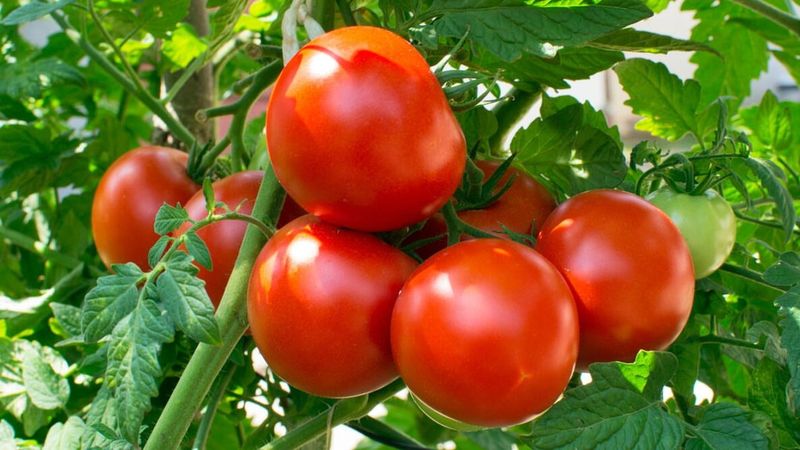
Tomatoes love Georgia summers, but only if you choose varieties bred for Southern heat. Heirloom tomatoes from cooler regions often struggle with fungal diseases that thrive in humidity.
Heat-tolerant varieties like Phoenix and Heatwave keep producing when temperatures soar into the nineties.
Okra practically begs for hot weather and laughs at Georgia’s summer intensity. This Southern staple produces more pods as temperatures rise, unlike crops that shut down in extreme heat.
One packet of seeds provides enough okra for fresh eating, freezing, and sharing with neighbors.
Peppers handle heat beautifully and produce heavily throughout Georgia’s long growing season. Sweet bell peppers and hot varieties both thrive when given consistent moisture.
They keep flowering and setting fruit long after tomatoes finish for the season.
Southern peas like black-eyed peas, crowder peas, and zipper peas tolerate heat that would wilt other legumes. They actually fix nitrogen in your soil while producing protein-rich harvests.
Georgia farmers have grown these peas for generations because they suit the climate perfectly.
Sweet potatoes thrive in Georgia heat and produce enormous harvests from relatively small spaces. The vines spread across garden beds and crowd out weeds while tubers develop underground.
You plant slips in late spring and harvest before the first frost in fall.
Eggplant needs warmth to produce well, making Georgia summers ideal for this crop. Japanese and Italian varieties both grow successfully when planted after soil warms thoroughly.
The beautiful purple fruits add color and nutrition to summer meals.
Squash and cucumbers grow quickly in Georgia heat if you keep them well-watered. Summer squash produces so prolifically that you will share with everyone you know.
Cucumbers climb trellises to save space and keep fruits clean and straight.
Melons need Georgia’s long, hot summers to develop full sweetness. Watermelons and cantaloupes both thrive in the heat that other crops find stressful.
Sandy soil warms quickly and drains well for excellent melon production.
Heat-loving greens like Malabar spinach and amaranth replace lettuce during summer months. These nutritious alternatives handle temperatures that make traditional greens bolt immediately.
You harvest leaves continuously throughout the hottest months without replanting.
5. Use Ground Covers That Reduce Weeds And Bare Soil
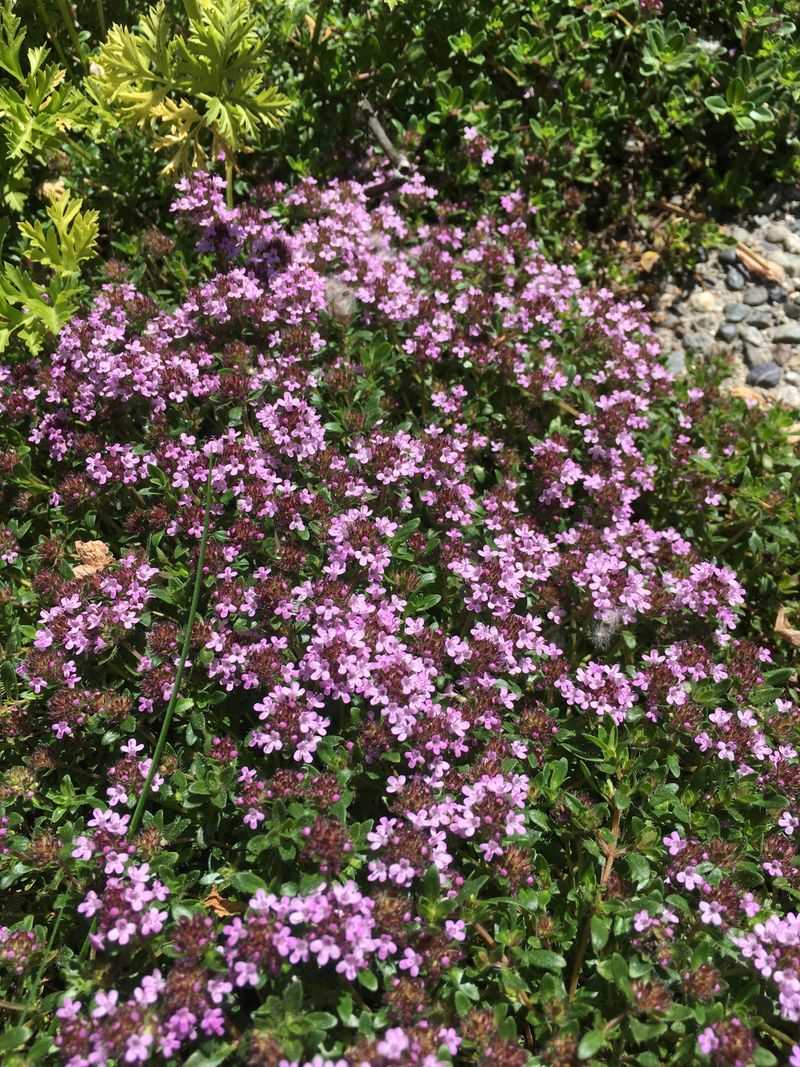
Bare soil invites weeds and loses moisture faster than covered ground. Living mulch in the form of low-growing plants solves both problems while adding beauty to your Georgia landscape.
Ground covers spread to fill empty spaces and choke out unwanted plants naturally.
Creeping thyme creates a fragrant carpet that handles foot traffic reasonably well. It blooms with tiny flowers that attract pollinators and releases scent when you brush against it.
This herb works beautifully between stepping stones in Georgia gardens.
Sweet potato vines spread quickly to cover bare ground around taller vegetables. The edible leaves provide nutritious greens while the vines shade soil and prevent weeds.
Some varieties produce edible tubers as a bonus harvest at season’s end.
Clover fixes nitrogen while covering ground, improving your soil as it grows. White clover stays low and handles Georgia heat well in partial shade.
It feeds pollinators with abundant flowers and never needs mowing if you let it grow naturally.
Strawberries spread through runners and create living mulch around themselves. You get fruit harvests plus weed suppression from the same plants.
The attractive leaves stay green most of the year in Georgia’s mild winters.
Creeping oregano and other low-growing herbs serve double duty as ground covers and seasonings. They handle Georgia’s heat well and spread steadily without becoming invasive.
Harvesting for cooking keeps them compact and bushy.
Native partridgeberry creates evergreen mats in shady areas where other ground covers struggle. The small leaves and red berries add year-round interest while preventing erosion on slopes.
This Georgia native needs no maintenance once established in suitable conditions.
Perennial peanuts cover ground with attractive foliage and small yellow flowers. They handle Georgia heat and humidity better than grass in some areas.
The deep roots bring up nutrients while fixing nitrogen like other legumes.
Living mulch keeps soil temperatures more moderate than bare ground exposed to Georgia sun. Plant roots stay cooler and moisture evaporates more slowly.
Your garden stays healthier with less work than maintaining bare soil between plants.
6. Include Native Plants That Support Local Wildlife
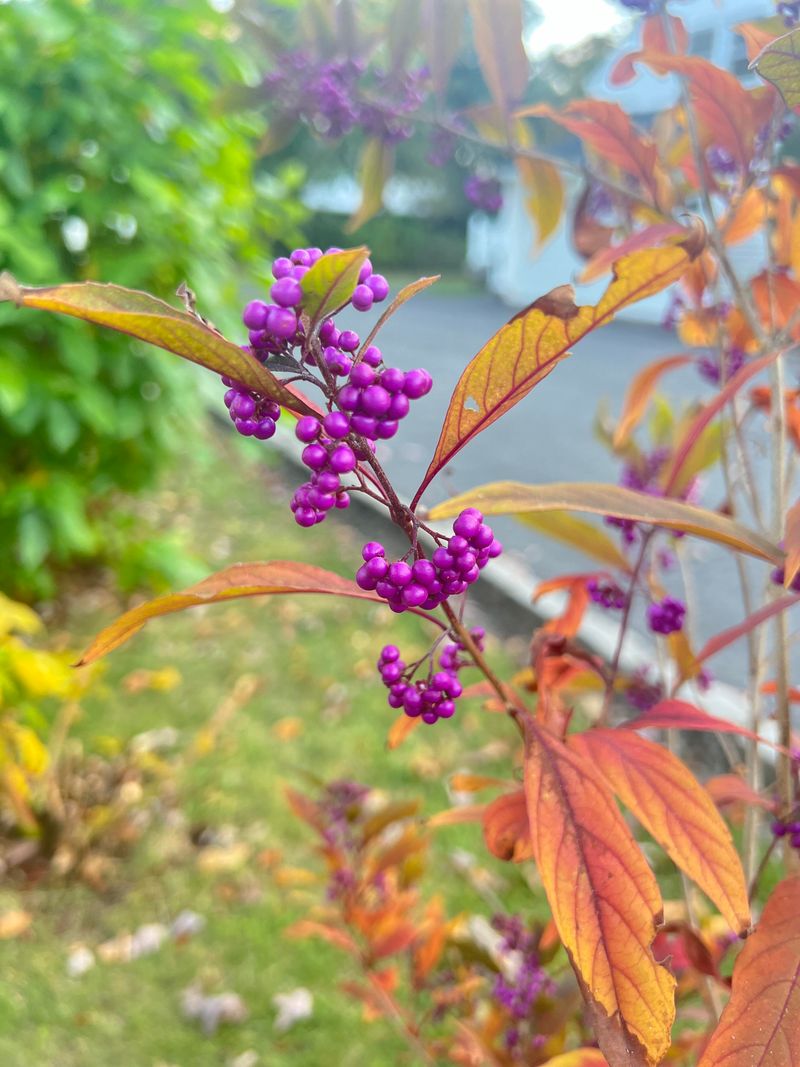
Georgia wildlife evolved eating native plants, not ornamentals shipped from other continents. Your garden can provide critical habitat for birds, butterflies, and beneficial insects by including plants they recognize as food.
Native plants also handle local weather patterns without constant attention from you.
Beautyberry produces striking purple fruits that birds devour in fall and winter. This Georgia native shrub grows in sun or shade and needs almost no care once established.
The berries look decorative until wildlife strips them clean.
Oak trees support more caterpillar species than any other plant, and those caterpillars feed baby birds. Even a small yard has room for one oak tree that will provide wildlife value for generations.
Georgia’s native oaks handle local pests and diseases better than imported species.
Joe Pye weed grows tall with massive flower clusters that butterflies mob in late summer. This native perennial thrives in Georgia’s heat and humidity without any help.
The hollow stems provide winter shelter for beneficial insects.
Elderberries produce fruits that birds and humans both enjoy. Native elderberry shrubs grow quickly and tolerate various soil conditions across Georgia.
The flowers bloom in spring when pollinators need early food sources.
Coral honeysuckle vines feed hummingbirds with tubular flowers from spring through fall. Unlike invasive Japanese honeysuckle, this Georgia native behaves politely and provides better nutrition for wildlife.
The red tubular flowers practically glow against green foliage.
Native grasses like little bluestem provide seeds for birds and shelter for ground-nesting species. These grasses turn beautiful colors in fall and stand through winter for visual interest.
They handle Georgia droughts better than lawn grass without irrigation.
Serviceberry trees bloom early with white flowers that feed emerging pollinators. The berries ripen in early summer for birds and humans to share.
Fall foliage turns brilliant colors before leaves drop in Georgia’s mild autumn.
Creating wildlife habitat means tolerating some leaf damage from caterpillars and other insects. Those holes in leaves prove your garden supports the food chain that feeds birds and other animals.
Perfect leaves often mean nothing is eating in your yard, which means fewer birds and butterflies overall.
7. Mix In Low-Maintenance Plants That Do More Than Look Good
Comfrey grows almost anywhere in Georgia and produces leaves you can cut repeatedly for compost. The deep taproot mines minerals from far below the surface and brings them up into leaves.
Chop those nutrient-rich leaves and add them to compost or use as mulch around other plants.
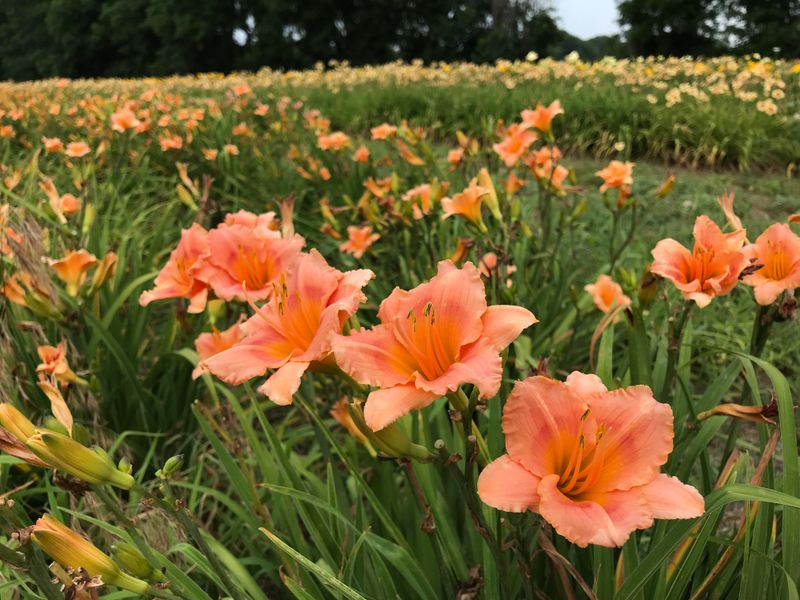
Daylilies bloom beautifully while the flowers and young shoots provide edible options. These tough perennials handle Georgia heat, drought, and poor soil without complaining.
Different varieties bloom at different times for months of color and occasional harvests.
Yarrow attracts beneficial insects, makes good cut flowers, and has medicinal uses. This hardy perennial spreads steadily in Georgia gardens without becoming a nuisance.
The ferny foliage looks attractive even when plants are not blooming.
Jerusalem artichokes produce tall sunflower-like blooms in fall and edible tubers underground. They grow enthusiastically in Georgia and provide food plus beauty from one planting.
The tubers multiply each year, so you harvest some and leave others to regrow.
Nasturtiums bloom in cheerful colors while the leaves and flowers add peppery flavor to salads. These easy annuals reseed themselves in Georgia gardens and handle various growing conditions.
They also attract aphids away from more valuable crops, acting as trap plants.
Lemon balm grows vigorously and provides leaves for tea while attracting pollinators with small flowers. This perennial herb tolerates shade better than most edibles and handles Georgia humidity well.
The lemony scent makes harvesting pleasant even on hot days.
Sunflowers feed you, birds, and pollinators from the same plant. Tall varieties provide shade for heat-sensitive crops during Georgia summers.
The massive flower heads produce seeds for roasting or feeding wildlife through winter.
Borage blooms with beautiful blue flowers that bees adore while the leaves add cucumber flavor to drinks. This annual reseeds itself readily in Georgia gardens and improves soil with deep roots.
The flowers are edible and look stunning frozen in ice cubes.
Multi-purpose plants give you more value from the same garden space and effort. Instead of growing purely ornamental flowers, you can choose plants that feed you, support wildlife, and improve soil simultaneously.
Georgia’s long growing season lets these useful plants reach their full potential each year.