10 Simple Ways To Help Pollinators Survive Winter In Pennsylvania
Winter can be tough on pollinators in Pennsylvania, but small choices in the garden can quietly make a big difference once cold weather settles in.
Many helpful insects rely on leftover plants, fallen leaves, and sheltered corners to survive until spring warmth returns again.
Helping them through winter often takes less effort than people expect, and it keeps gardens healthier and more active when the growing season comes back.
1. Leave the Leaves
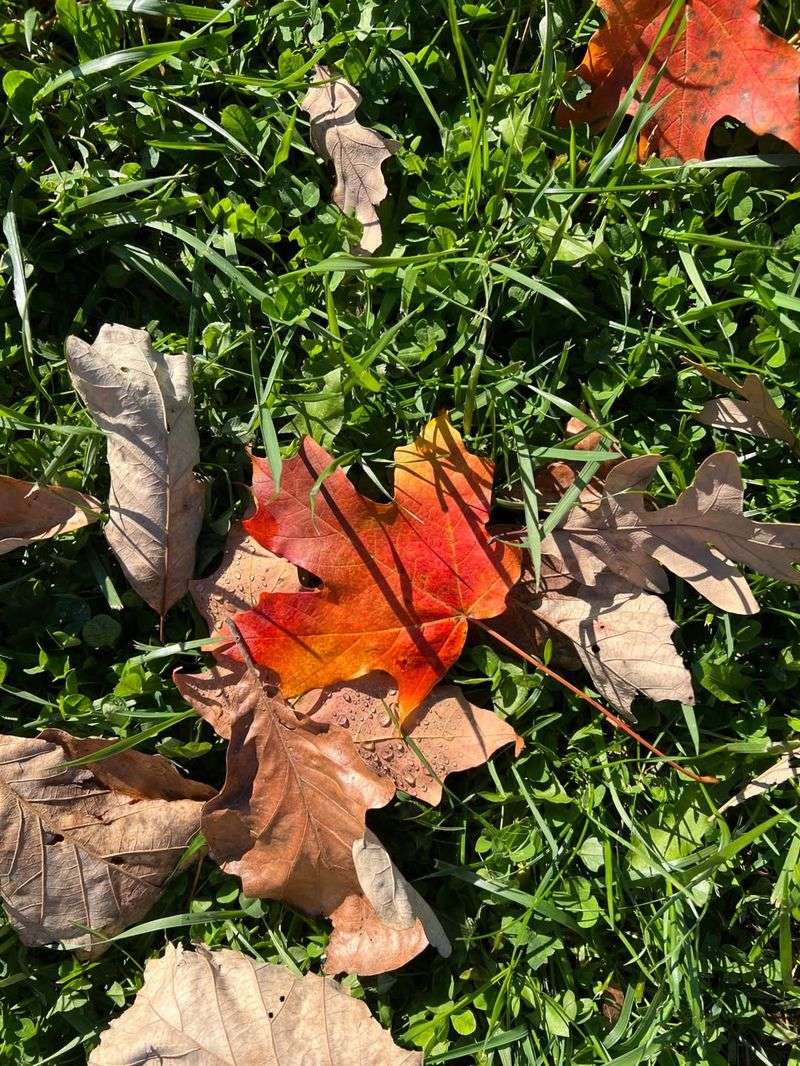
Fallen leaves create perfect hiding spots where many pollinators spend the coldest months tucked away from wind and snow.
Butterfly larvae often rest under leaf piles, waiting patiently for warmer days to arrive in Pennsylvania backyards and gardens.
Queen bumblebees burrow beneath leaf litter to stay safe and insulated throughout the entire winter season ahead of them.
Raking every single leaf removes these natural shelters, leaving insects exposed to freezing temperatures and hungry predators searching for meals.
Instead of bagging leaves, pile them in garden corners or under trees where they can decompose slowly over time.
This approach benefits both pollinators and your soil, as decaying leaves add nutrients that plants will use when spring arrives.
Pennsylvania homeowners who leave leaves also reduce yard work while supporting local ecosystems in meaningful ways that cost nothing at all.
Your neighbors might wonder why you stopped raking, but you will know you are helping tiny creatures survive until flowers bloom again.
2. Plant Native Winter Blooms
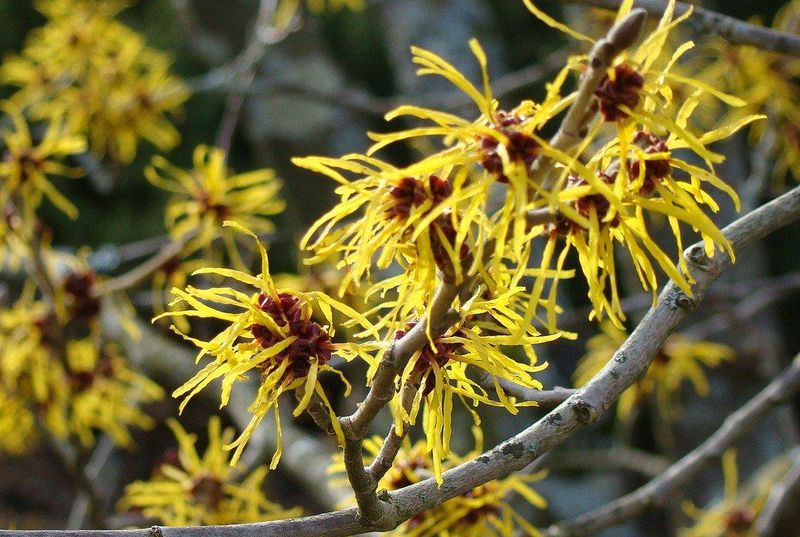
Some flowers continue blooming even when temperatures drop, providing crucial food sources for pollinators still active during Pennsylvania’s milder winter days.
Witch hazel produces fragrant yellow blooms in late fall and early winter, attracting bees on sunny afternoons when they venture out.
Native asters and goldenrod bloom into November, offering nectar to butterflies and bees preparing for their long rest period ahead.
These late-season flowers give pollinators extra energy to build fat reserves, which helps them survive months without any food available.
Planting native species ensures flowers are adapted to Pennsylvania climate conditions and local pollinator needs throughout every season of the year.
Garden centers often carry native plants, or you can collect seeds from wild areas to grow your own winter blooms next fall.
Even a small patch of late-blooming flowers makes a significant difference for hungry insects searching for their last meals before winter.
Watching bees visit witch hazel on a chilly December day reminds us that nature stays active even when most people stay indoors.
3. Build a Bee Hotel
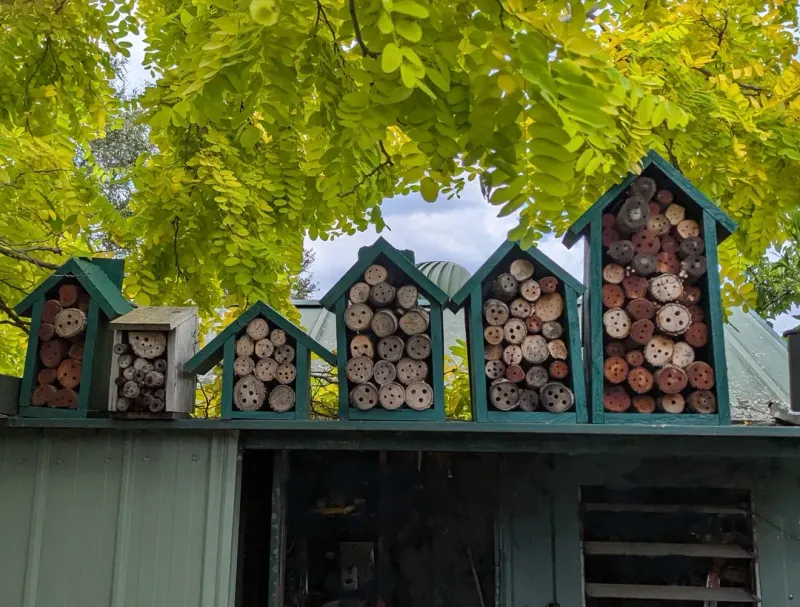
Solitary bees need hollow stems or small holes where they can rest safely through winter, unlike honeybees that live in hives together.
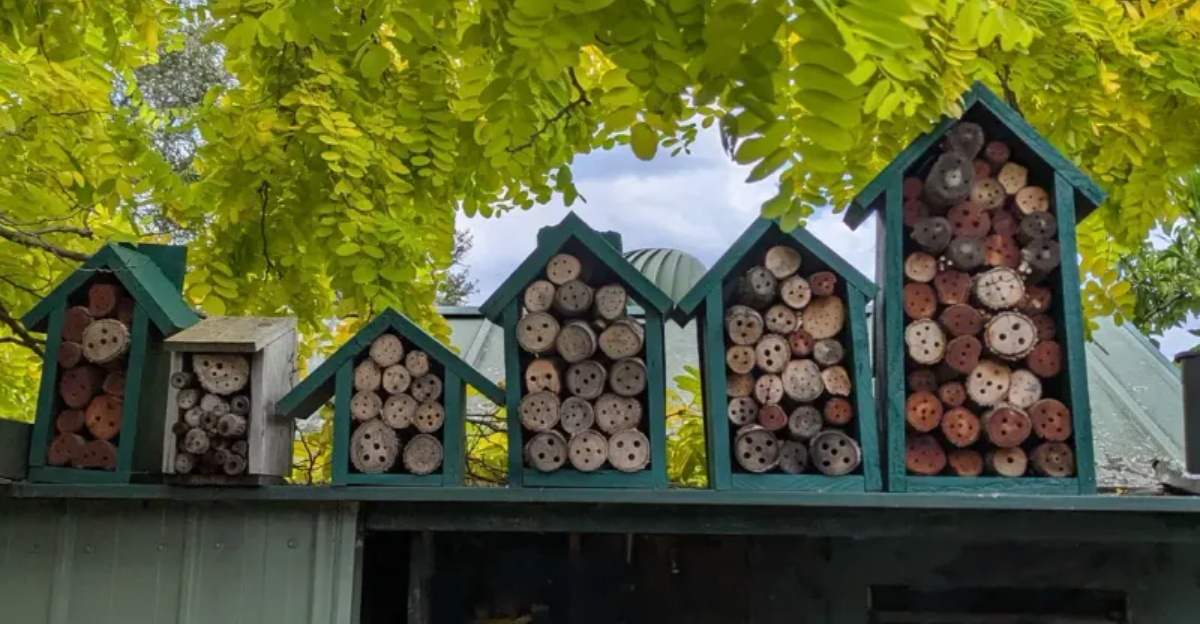
Creating a bee hotel gives these important pollinators a cozy place to overwinter in your Pennsylvania yard or garden space nearby.
Gather bamboo tubes, hollow plant stems, or drill holes into untreated wood blocks to make simple nesting spots for solitary bees.
Holes should measure between six and ten millimeters across and several inches deep, providing adequate space for bees to settle in.
Place your bee hotel in a sunny, south-facing location where it stays dry but sheltered from harsh winds blowing across Pennsylvania.
Female bees lay eggs inside these tubes in summer, and the young bees develop inside throughout fall and winter months.
When spring arrives, adult bees emerge ready to pollinate flowers and start the cycle again for another year of growth.
Bee hotels are fun projects for families, teaching kids about pollinator lifecycles while providing real help to local insect populations nearby.
4. Skip Fall Garden Cleanup
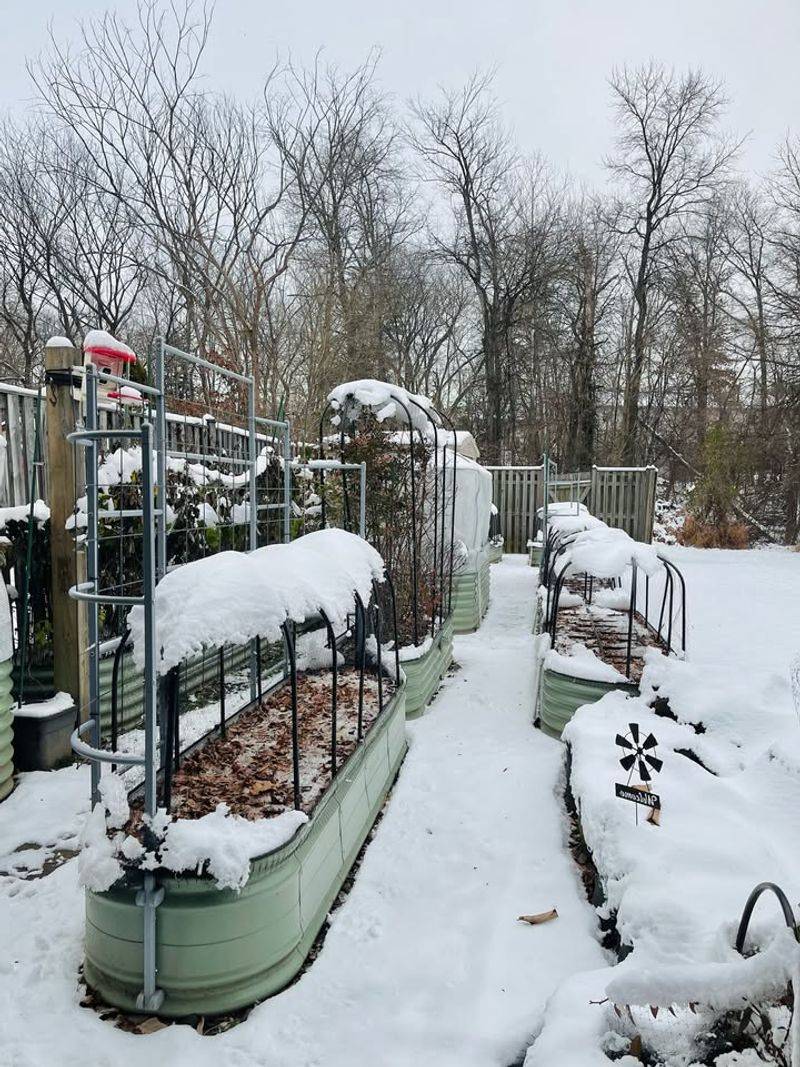
Many gardeners feel tempted to cut down all dead plants and tidy up flower beds before winter settles over Pennsylvania landscapes.
However, those hollow stems and seed heads provide essential shelter and food for overwintering pollinators and beneficial insects needing protection.
Native bee larvae develop inside pithy stems of plants like Joe Pye weed and sunflowers throughout the cold months ahead of spring.
Butterfly chrysalises attach to dead plant stems, where they remain motionless until warm weather triggers their transformation into adult butterflies.
Birds also appreciate seed heads left standing, as they provide nutritious meals when other food sources become scarce during snowstorms.
Waiting until late spring to clean up gardens gives pollinators time to emerge safely before you remove their winter homes.
Your garden might look a bit messy, but that natural appearance actually supports a healthy ecosystem full of life and activity.
Pennsylvania gardeners who embrace a wilder look discover their yards become havens for wildlife, creating beauty in unexpected ways throughout winter.
5. Provide Fresh Water Sources
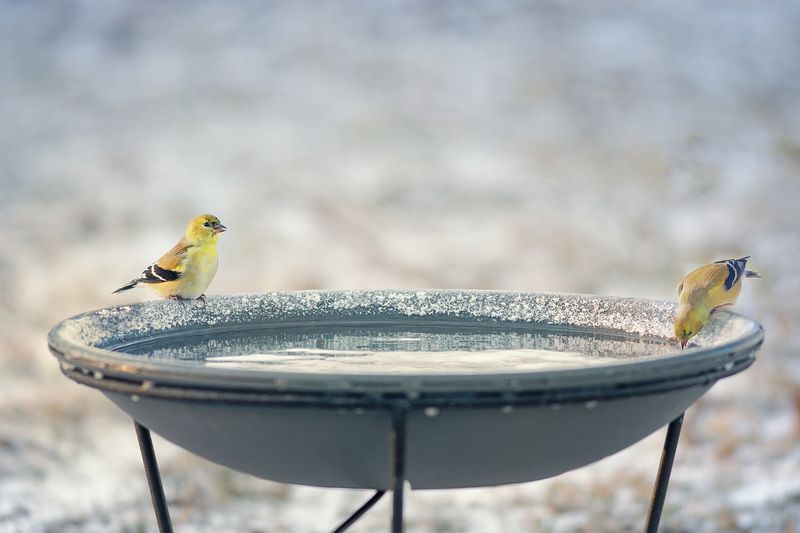
Even during winter, pollinators need access to water on warmer days when they become active and venture out from their shelters.
Pennsylvania experiences many mild winter days when temperatures rise above freezing, bringing bees and other insects out to search for water.
A shallow dish filled with pebbles or marbles gives pollinators a safe place to drink without the risk of drowning accidentally.
Place water sources in sunny spots where they are less likely to freeze solid, and check them regularly to refill as needed.
Adding a small aquarium heater to a birdbath can keep water liquid even on colder days, though this requires electricity nearby.
Pollinators use water for drinking and for regulating their body temperature, making it essential for their survival through changing weather conditions.
Fresh water also attracts birds and other wildlife, turning your yard into a bustling hub of activity even during quiet winter.
Watching a bumblebee sip from your water station on a February afternoon proves that small efforts make big differences for creatures.
6. Avoid Pesticides Year-Round
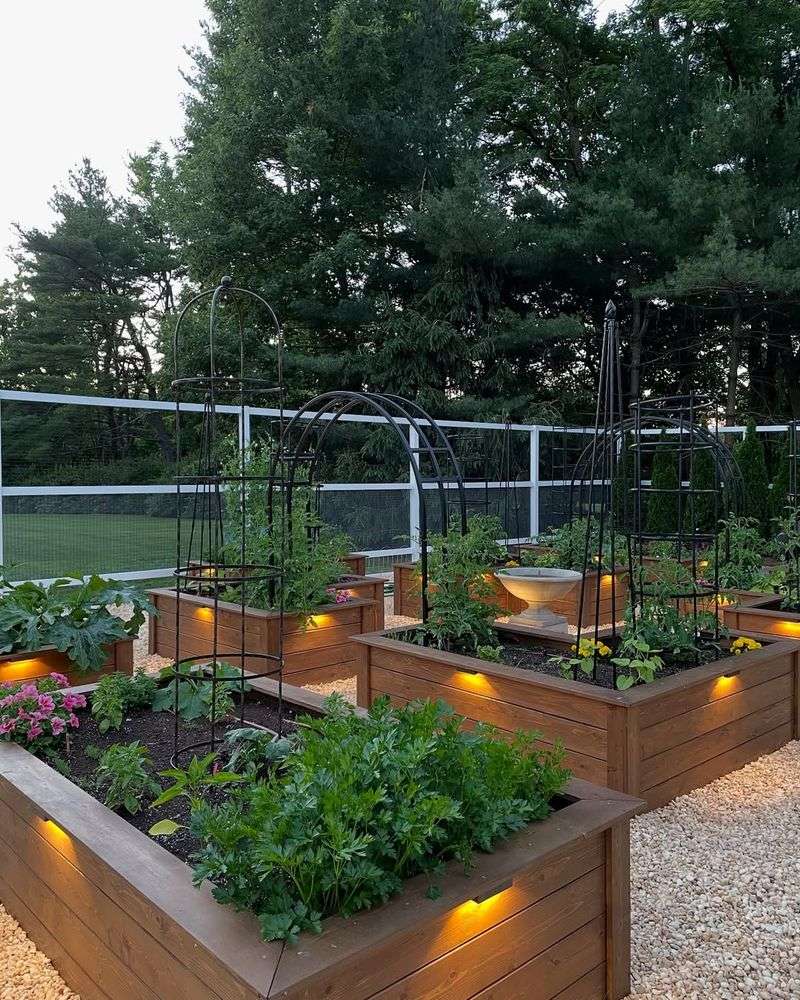
Chemical pesticides harm pollinators even when applied during seasons when insects seem less active around Pennsylvania homes and gardens everywhere.
Many pesticides persist in soil and plant tissues for months, poisoning pollinators when they emerge from winter rest in spring.
Neonicotinoids, a common class of pesticides, are particularly harmful because they affect insect nervous systems and navigation abilities over long periods.
Choosing organic pest control methods protects pollinators while still managing problem insects that damage plants or invade homes during any season.
Hand-picking pests, using insecticidal soaps, or encouraging natural predators like ladybugs provide effective alternatives to chemical sprays and treatments.
Reading product labels carefully helps you avoid accidentally using pesticides that harm beneficial insects you are trying to protect in yards.
Pennsylvania gardeners who go pesticide-free often discover their gardens become more balanced, with beneficial insects naturally controlling pest populations over time.
Protecting pollinators from chemicals is one of the most important steps you can take to ensure their survival through every season.
7. Create Brush Piles
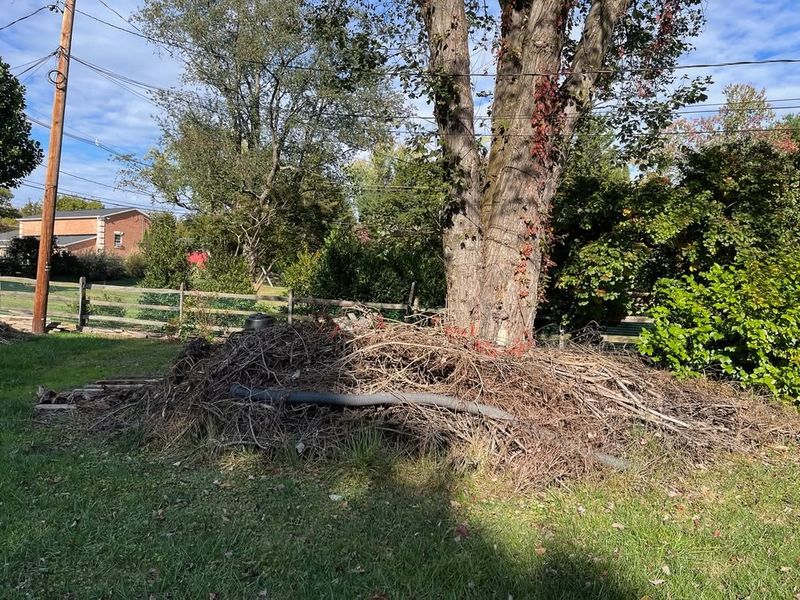
Stacking branches, twigs, and woody debris in a corner of your yard creates valuable habitat for overwintering pollinators throughout Pennsylvania winters.
Brush piles offer protection from wind, snow, and predators, giving insects safe spaces to rest until temperatures rise again in spring.
Native bees, butterflies, and beneficial beetles seek out these sheltered spots where they can remain undisturbed for several months of dormancy.
Building a brush pile is easy: simply pile branches of varying sizes loosely together, leaving gaps and spaces for insects to crawl.
Larger branches on the bottom provide structure, while smaller twigs on top create cozy nooks perfect for tiny creatures seeking shelter.
Brush piles also attract birds, small mammals, and amphibians, increasing biodiversity and creating a thriving ecosystem in your own backyard space.
Pennsylvania homeowners often find that brush piles become favorite wildlife watching spots, where interesting creatures appear throughout the entire year ahead.
What looks like a messy pile of sticks actually serves as a life-saving refuge for countless creatures waiting for spring warmth.
8. Protect Ground-Nesting Areas
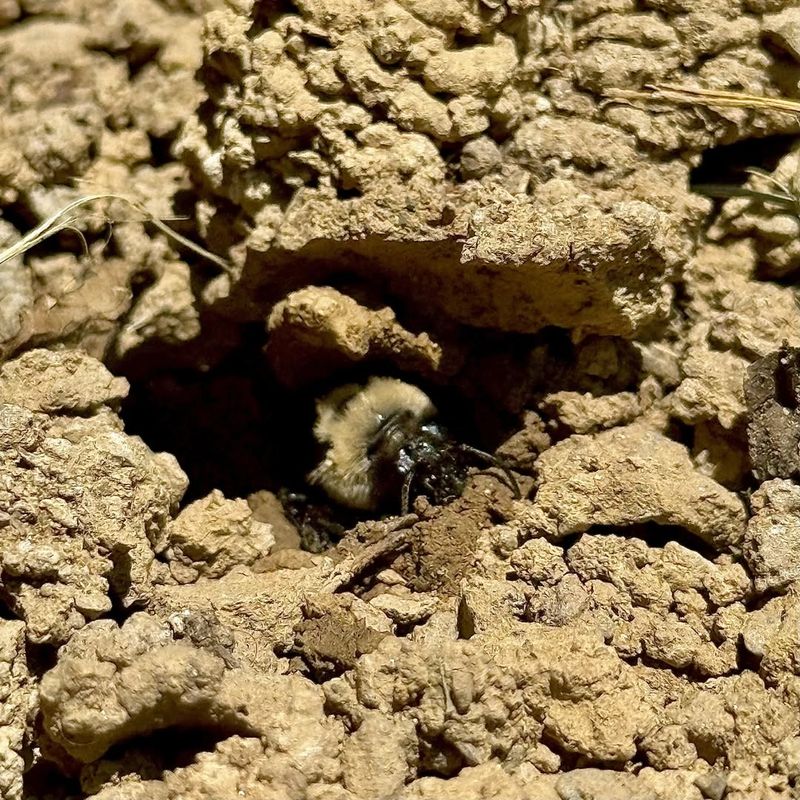
Approximately seventy percent of native bee species nest underground, digging tunnels in bare soil where they raise their young safely.
These ground-nesting bees overwinter as adults or larvae in their underground burrows throughout Pennsylvania’s coldest months each year without disturbance.
Tilling, digging, or covering soil with mulch or landscape fabric destroys these nests, leaving bees without homes when they need them.
Leaving patches of bare, undisturbed soil in your yard provides essential nesting habitat for these important but often overlooked pollinator species.
South-facing slopes with well-drained soil are particularly attractive to ground-nesting bees, who prefer sunny, dry locations for their tunnel systems.
Marking these areas with small signs or stones helps you remember not to disturb them during fall and winter yard work activities.
Pennsylvania gardeners who protect ground-nesting areas often notice increased pollination in their gardens, as these bees are highly efficient workers visiting flowers.
Respecting the ground beneath your feet means recognizing that invisible underground communities depend on your careful stewardship for their continued survival.
9. Reduce Outdoor Lighting
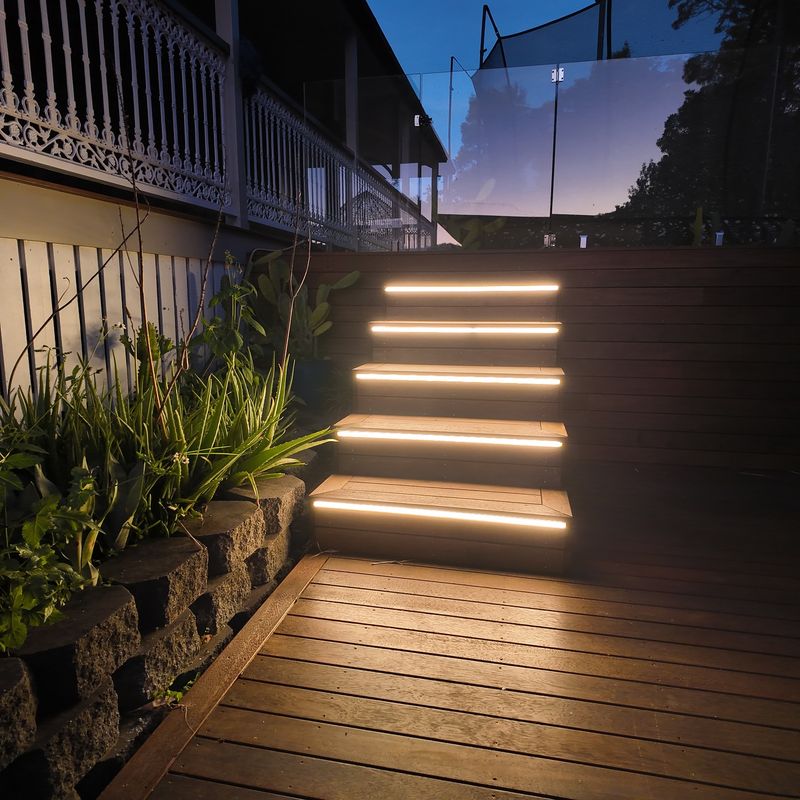
Artificial lights confuse pollinators, disrupting their natural rhythms and making it harder for them to prepare properly for winter rest periods.
Moths and other nocturnal pollinators become disoriented by outdoor lights, wasting precious energy flying around bulbs instead of seeking shelter safely.
Light pollution also affects the internal clocks of insects, potentially triggering activity during times when they should be resting in Pennsylvania.
Turning off unnecessary outdoor lights, especially decorative landscape lighting, helps pollinators conserve energy and follow their natural seasonal behavior patterns correctly.
Using motion sensors or timers reduces light exposure while still providing security and visibility when you actually need illumination around your property.
Warm-colored bulbs with lower intensity are less disruptive to insects than bright white or blue lights that mimic daylight conditions at night.
Pennsylvania residents who reduce outdoor lighting often enjoy darker skies, better sleep, and lower electricity bills along with helping local pollinators.
Simple changes to outdoor lighting habits create ripple effects that benefit both human health and wildlife populations sharing our neighborhoods and spaces.
10. Support Local Conservation Groups
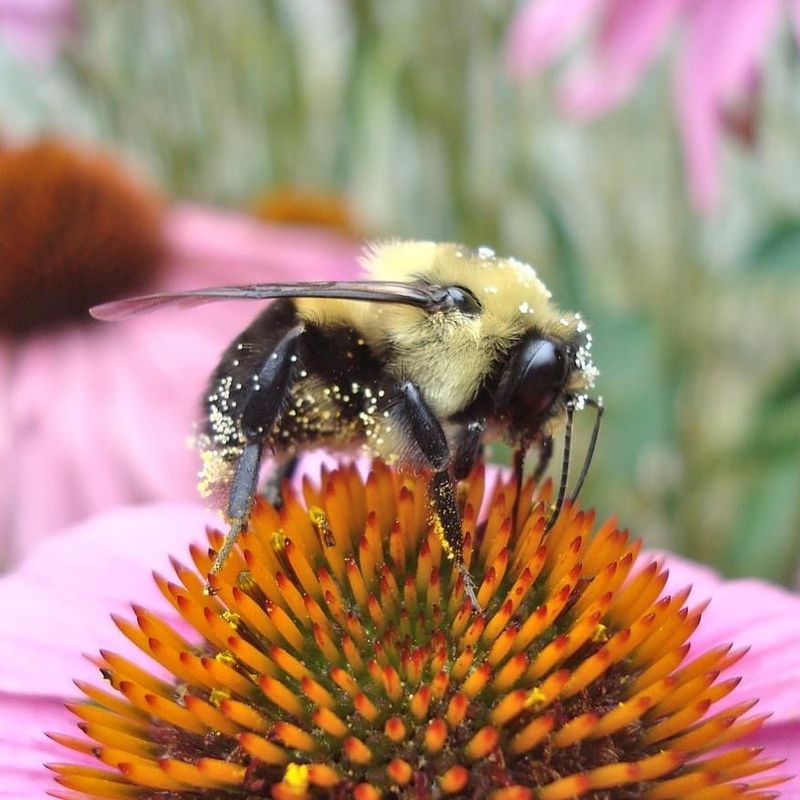
Joining or donating to Pennsylvania conservation organizations amplifies your individual efforts to protect pollinators on a much larger community scale.
Local groups work to preserve natural habitats, plant pollinator gardens, and educate communities about the importance of these essential creatures year-round.
Many organizations offer volunteer opportunities like seed collecting, habitat restoration, or citizen science projects that monitor pollinator populations throughout winter and spring.
Supporting these groups helps fund research into pollinator health, tracks population trends, and develops effective strategies for protecting declining species across regions.
Pennsylvania Audubon, native plant societies, and beekeeping associations all work toward goals that benefit pollinators and the ecosystems they support statewide.
Even small donations or a few volunteer hours contribute to larger conservation efforts that create lasting positive impacts for future generations ahead.
Connecting with like-minded people through conservation groups builds community while making meaningful differences in protecting local wildlife and natural areas nearby.
Collective action creates change that individuals alone cannot achieve, multiplying the positive effects of everyone’s efforts to help pollinators survive and thrive.