8 Simple Ways To Revive And Strengthen Unhealthy Houseplants In Arizona
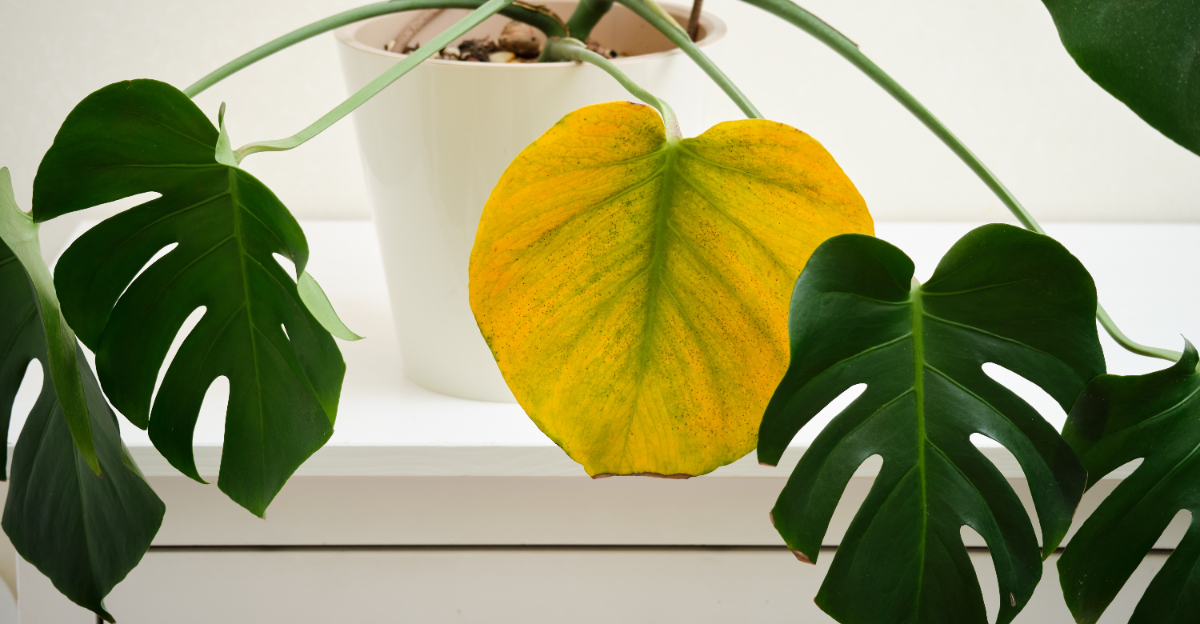
Houseplants in Arizona can decline quickly, and it often happens before you even realize something is wrong. Dry air, intense sunlight, and inconsistent watering patterns create stress that shows up as yellow leaves, weak stems, or stalled growth.
One week a plant looks fine, and the next it feels like it is barely holding on. The good news is that most struggling houseplants are not beyond saving.
Arizona’s climate demands a slightly different care approach than other states, especially indoors where light and humidity shift throughout the year. Small adjustments can completely change how a plant responds.
A stressed plant can bounce back faster than you expect once the root cause is corrected.
The right steps can restore strength, encourage fresh growth, and bring tired houseplants back to life without replacing them.
1. Check Light Levels And Adjust Placement
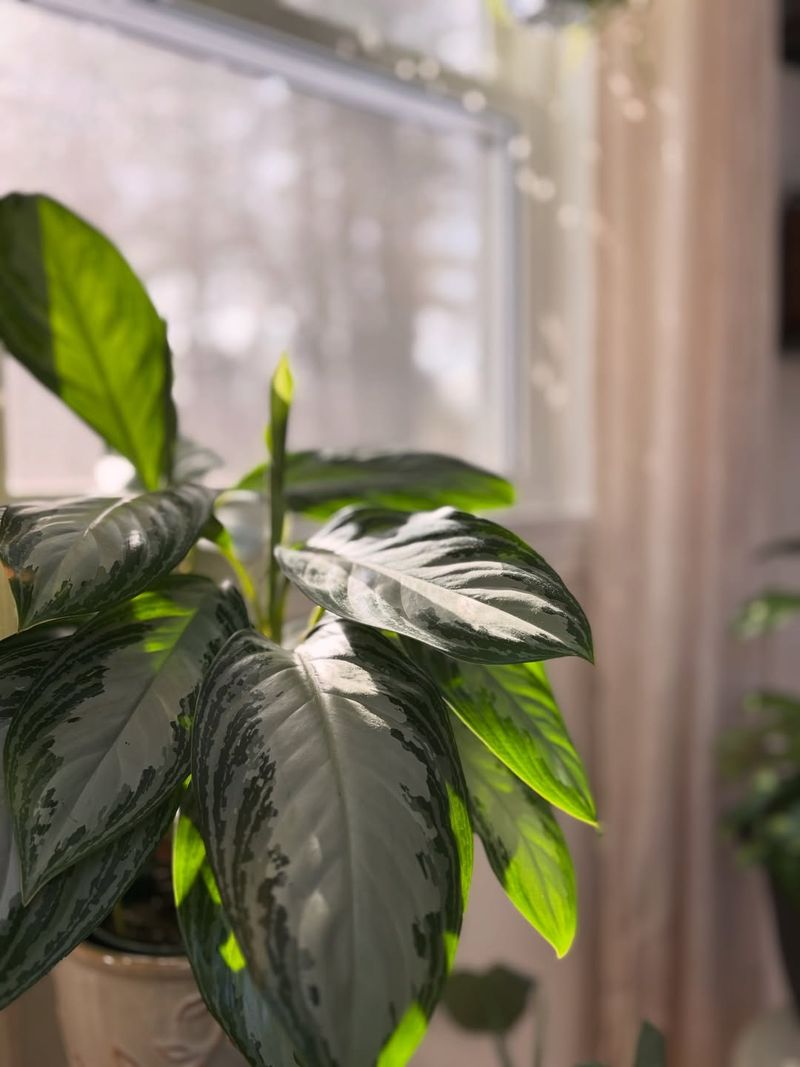
Sunlight in Arizona is incredibly intense, even indoors. What works for plants in Seattle or Boston can scorch leaves here within hours.
That blazing desert sun coming through south-facing windows can raise temperatures to levels that damage delicate foliage, creating brown patches and crispy edges that signal your plant is getting too much direct exposure.
Moving struggling plants away from windows might seem counterintuitive, but filtered light often works better in Arizona homes.
Place light-loving plants about three to five feet from sunny windows, or use sheer curtains to diffuse the harsh rays.
North-facing windows provide gentler illumination that many houseplants prefer, especially during summer months when the sun is particularly brutal.
Low-light plants like pothos, snake plants, and peace lilies actually thrive in Arizona homes when positioned away from windows entirely. Artificial lighting can supplement natural light during winter when days are shorter.
Rotate your plants weekly so all sides receive equal exposure, preventing lopsided growth.
Watch for signs your plant needs relocation. Bleached or faded leaves indicate too much light, while leggy stems reaching toward windows signal insufficient exposure.
Arizona’s year-round sunshine means you have flexibility to experiment with placement until you find the sweet spot where your specific plant variety flourishes. Adjusting position is often the single most effective change you can make.
2. Inspect Roots And Repot When Needed
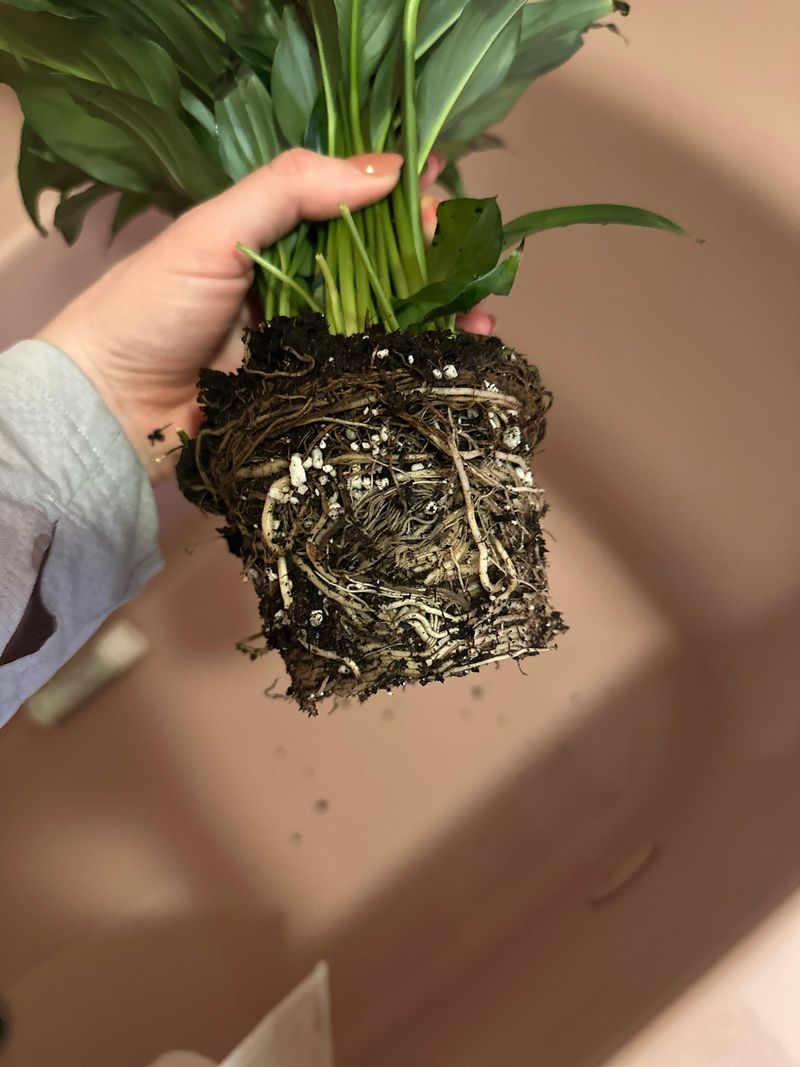
Root health determines everything above the soil line. When plants stop growing or water runs straight through without absorption, root problems are usually the culprit.
Gently slide your plant from its container to examine what’s happening underground. Circling roots that spiral around the pot’s edge indicate your plant has outgrown its home and needs more space to expand.
Arizona’s dry air can cause soil to pull away from pot edges, creating gaps where water flows without reaching roots. Compacted soil becomes hydrophobic, actually repelling moisture instead of absorbing it.
Fresh potting mix restores proper water retention and provides renewed nutrients that struggling plants desperately need.
Choose containers only one to two inches larger than the current pot. Oversized pots hold excess moisture that can lead to problems in Arizona’s low humidity.
Terracotta pots work exceptionally well here because they breathe and allow excess moisture to evaporate, preventing issues common in plastic containers.
Trim any mushy or discolored roots before repotting, keeping only firm, white healthy tissue. Use quality indoor potting mix rather than garden soil, which becomes too dense for container growing.
Water thoroughly after repotting, then wait until the top inch dries before watering again. Spring and early fall are ideal repotting times in Arizona, avoiding the stress of extreme summer heat or winter cold snaps that can shock recently transplanted roots.
3. Adjust Watering To Match Plant Needs
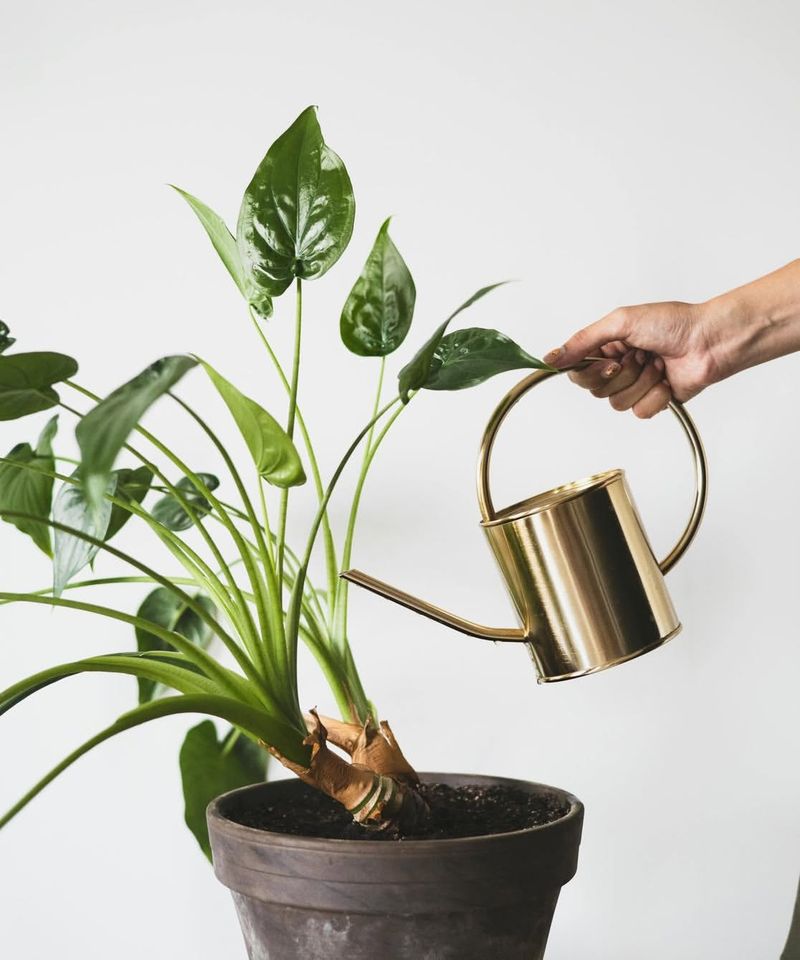
Watering mistakes account for most houseplant problems in Arizona. Our extremely low humidity tricks people into overwatering, thinking plants need constant moisture to compensate for dry air.
Actually, soil moisture and air humidity are separate issues requiring different solutions. Soggy soil suffocates roots regardless of how dry the surrounding air feels.
Stick your finger two inches into the soil before watering. If it feels damp, wait a few more days.
Different plants have vastly different needs—succulents and cacti prefer drying out completely between waterings, while ferns and calatheas like consistently moist (not wet) soil.
Arizona’s low humidity means water evaporates quickly from leaves but can linger in soil, especially in plastic pots or corners with poor air circulation.
Water thoroughly until excess drains from the bottom, ensuring the entire root ball gets moistened. Shallow watering encourages shallow roots that make plants vulnerable to stress.
Empty saucers after fifteen minutes so plants don’t sit in standing water. Use room-temperature water rather than cold tap water, which can shock sensitive roots.
Seasonal adjustments matter significantly in Arizona. Plants need less water during winter when growth naturally slows and indoor heating runs constantly.
Summer’s intense heat and air conditioning increase water needs. Watch your specific plants rather than following rigid schedules.
Drooping leaves that perk up after watering signal thirst, while yellow leaves and mushy stems suggest overwatering.
4. Clean Leaves To Remove Dust And Debris
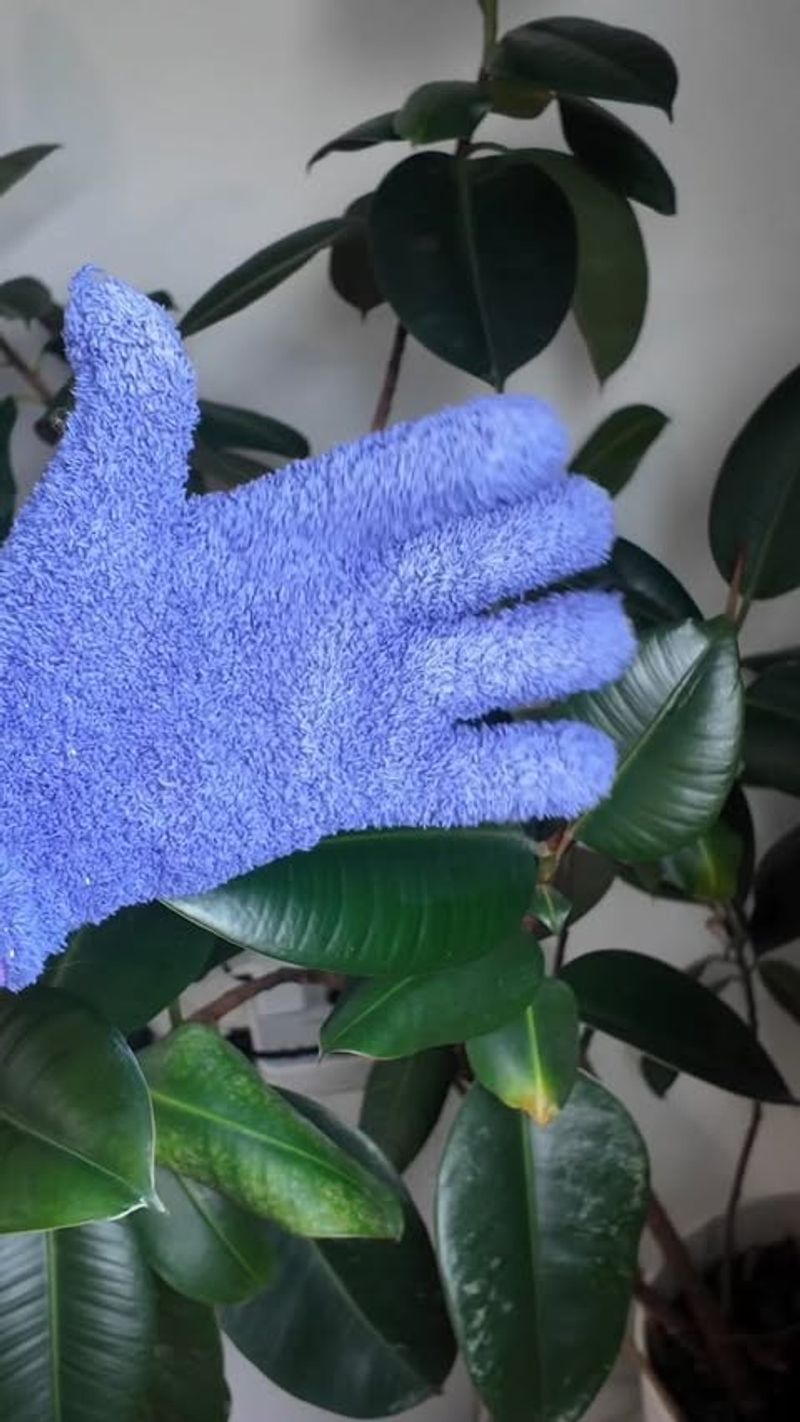
Dust accumulates incredibly fast in Arizona homes. Our dry, windy conditions mean fine particles constantly settle on every surface, including plant leaves.
That dusty coating blocks sunlight from reaching the leaf surface where photosynthesis happens, essentially starving your plant of energy. Cleaning leaves is simple maintenance that makes a surprisingly big difference in plant vitality.
Wipe large-leaved plants like fiddle leaf figs, rubber plants, and monsteras with a damp microfiber cloth every two weeks. Support each leaf from underneath while gently cleaning the top surface to avoid tearing delicate tissue.
Don’t forget leaf undersides, where pests often hide and dust also accumulates.
For plants with smaller leaves, like ficus or ivy, take them to the shower for a gentle rinse. Use lukewarm water and low pressure, allowing water to run over foliage for a few minutes.
Let plants drain completely before returning them to their spots, and avoid showering fuzzy-leaved plants like African violets, which can develop spots from water on their foliage.
Clean leaves absorb more light and exchange gases more efficiently, boosting overall plant health. You’ll notice brighter, shinier foliage within days of cleaning.
Arizona’s dust problem makes this task more important here than in humid climates. Regular cleaning also helps you spot pest problems early, before infestations become serious.
Combine leaf cleaning with your regular watering routine to establish a consistent care schedule.
5. Trim Faded Or Damaged Foliage
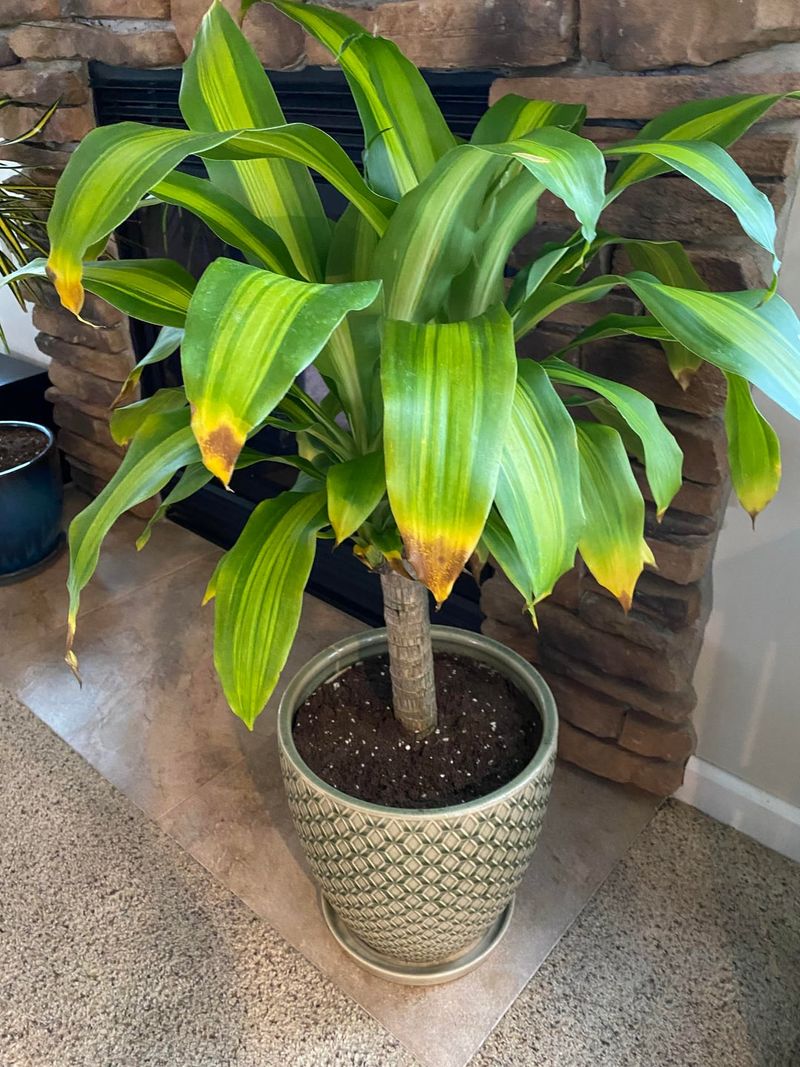
Brown tips, yellow leaves, and damaged foliage drain energy from your plant. Rather than supporting new growth, the plant continues sending resources to tissue that can’t recover.
Removing compromised leaves redirects that energy toward healthy parts, often triggering fresh growth within weeks. Strategic pruning also improves air circulation around remaining foliage, reducing pest and disease risks.
Use clean, sharp scissors or pruning shears to make cuts just above a leaf node or where the stem meets the main branch. Ragged tears create entry points for problems, so clean cuts heal faster and cleaner.
Sterilize tools between plants using rubbing alcohol to prevent spreading issues from one plant to another.
Remove entirely yellow or brown leaves at their base. For leaves with just brown tips, you can trim off the damaged portion in a natural leaf shape rather than removing the whole leaf.
Arizona’s dry air causes tip browning on many plants, but if the rest of the leaf looks healthy, partial trimming works fine.
Pruning encourages bushier growth on many houseplants. Pinching back leggy stems promotes branching and fuller appearance.
Spring is the best pruning time in Arizona when plants enter active growth, but removing damaged tissue can happen anytime. Don’t remove more than one-quarter of a plant’s foliage at once, as this creates too much stress.
Gradual pruning over several weeks works better for heavily damaged plants.
6. Feed With Balanced Indoor Fertilizer
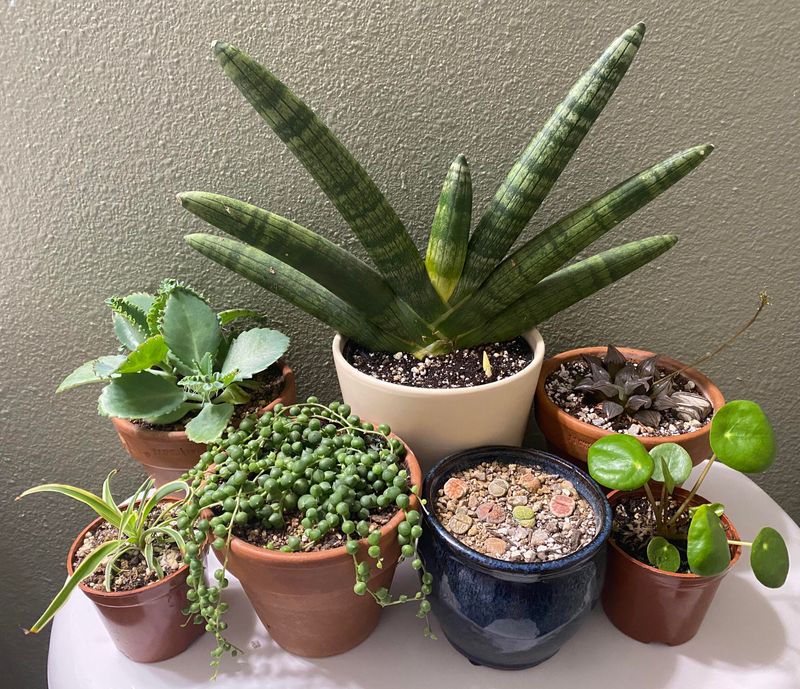
Potting soil provides nutrients initially, but those resources deplete within months as plants consume them. Yellowing leaves, slow growth, and pale new foliage often indicate nutrient deficiency rather than watering problems.
Fertilizing replenishes essential elements that support photosynthesis, root development, and overall plant vigor.
Balanced liquid fertilizers with equal nitrogen, phosphorus, and potassium ratios work well for most houseplants. Dilute to half the recommended strength for Arizona conditions, as our intense light can make plants sensitive to full-strength feeding.
Apply during watering every four to six weeks during spring and summer when plants actively grow.
Skip fertilizing during winter months when most houseplants rest. Feeding dormant plants forces unwanted growth that becomes weak and spindly in reduced winter light.
Resume feeding when you notice new growth emerging in spring, typically March or April in Arizona.
Organic options like worm castings or compost tea provide gentle, slow-release nutrition. These work especially well for sensitive plants that react badly to synthetic fertilizers.
Avoid getting fertilizer directly on leaves, which can cause burning, especially in Arizona’s intense light. Always water plants before fertilizing to prevent root burn from concentrated nutrients hitting dry roots.
Signs of over-fertilizing include white crust on soil surface, brown leaf edges, and stunted growth. If this happens, flush soil with plain water several times to remove excess salts.
Proper feeding transforms struggling plants into vigorous growers with deep green foliage and steady new growth throughout the growing season.
7. Monitor And Treat Pests Promptly
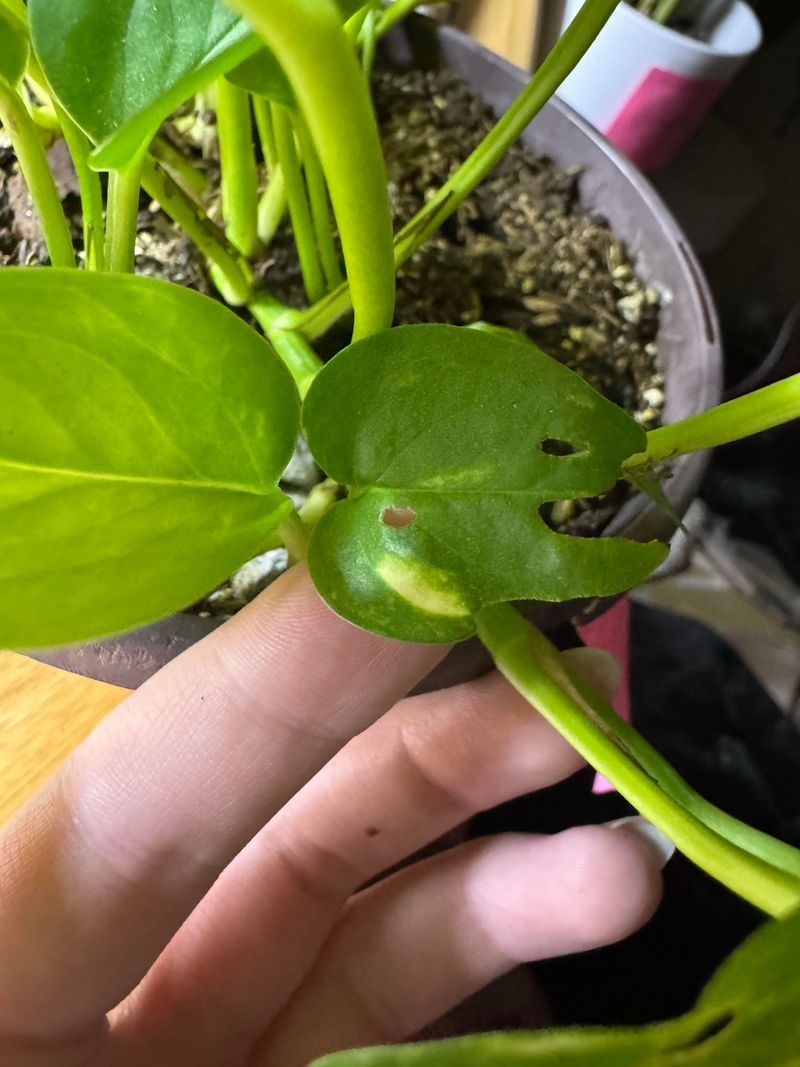
Arizona’s warm indoor temperatures create ideal conditions for houseplant pests year-round. Spider mites thrive in our dry air, while mealybugs and scale insects hide in leaf crevices and stem joints.
Early detection makes treatment much easier than waiting until infestations become severe. Weekly inspections during watering help you catch problems before they spread.
Look for tiny webs between leaves and stems indicating spider mites. Check leaf undersides for small bumps or cottony masses signaling scale or mealybugs.
Sticky leaves often mean aphids or whiteflies are feeding overhead. Yellowing leaves and stunted growth can result from pest damage rather than care issues.
Isolate affected plants immediately to prevent pests spreading to your entire collection. Wipe visible insects off with cotton swabs dipped in rubbing alcohol.
Spray plants thoroughly with insecticidal soap or neem oil, covering all leaf surfaces including undersides. Repeat treatments weekly for three to four weeks to catch newly hatched insects.
Increase humidity around plants to discourage spider mites, which hate moisture. Regular leaf cleaning removes eggs and disrupts pest life cycles.
Avoid bringing outdoor plants inside without thorough inspection, as they often harbor pests that quickly spread to houseplants.
Healthy plants resist pests better than stressed ones. Proper watering, adequate light, and good air circulation create conditions where plants thrive and pests struggle.
Maintaining plant health through consistent care remains your best defense against infestations in Arizona homes.
8. Increase Humidity Around Sensitive Plants
Arizona’s humidity regularly drops below twenty percent, creating challenges for tropical plants accustomed to moisture-rich environments.
Calatheas, ferns, orchids, and prayer plants struggle in our bone-dry air, developing brown leaf edges and crispy tips despite perfect watering.
Raising humidity around these sensitive species makes dramatic improvements in their appearance and growth.
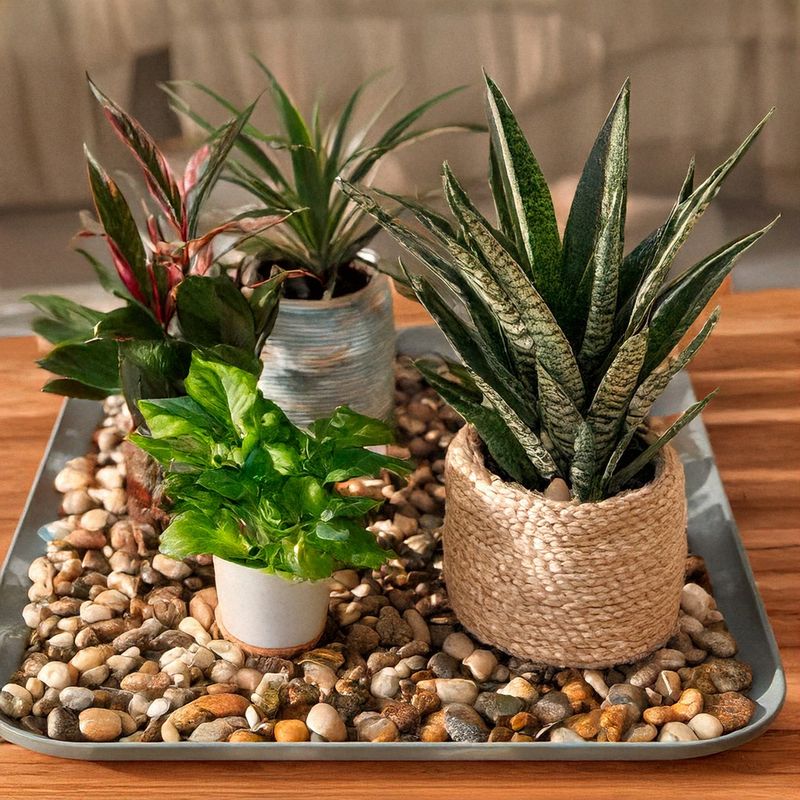
Group plants together to create a microclimate where moisture released through their leaves benefits neighbors. This simple arrangement can raise humidity several percentage points in the immediate area.
Place plants on trays filled with pebbles and water, ensuring pots sit above the waterline rather than in it. As water evaporates, it moistens the air around foliage.
Small humidifiers work wonderfully for plant clusters, especially during winter when heating systems make indoor air even drier. Position the humidifier near but not directly on plants to avoid water spots on leaves.
Run it during daytime hours when plants actively photosynthesize and transpire.
Misting provides temporary relief but isn’t a long-term solution, as moisture evaporates within minutes in Arizona’s dry air.
Bathrooms and kitchens naturally have higher humidity from showers and cooking, making them good spots for moisture-loving plants if light levels are adequate.
Avoid placing humidifiers near electronics or wood furniture. Monitor humidity with an inexpensive hygrometer, aiming for forty to sixty percent for tropical plants.
Even modest increases make visible differences in plant health, reducing stress and promoting lush, vibrant growth throughout the year in your Arizona home.