7 Simple Ways To Save Water In Arizona Desert Gardens
Water disappears quickly in an Arizona desert garden, and the difference often shows up on your utility bill before it shows up in your plants.
Many landscapes rely on longer watering cycles instead of smarter ones, which leads to waste without improving root health.
The good news is that real water savings rarely require drastic changes or expensive upgrades.
Desert gardens respond best to practical adjustments that work with the climate instead of fighting it. Soil preparation, mulch coverage, plant grouping, and irrigation timing all influence how long moisture actually stays available below the surface.
Small refinements in these areas can lower water use while keeping growth steady and healthy.
With the right approach, your Arizona garden can stay structured, attractive, and far more efficient through the hottest stretch of the season.
1. Shape Your Yard With Swales And Berms To Capture Runoff
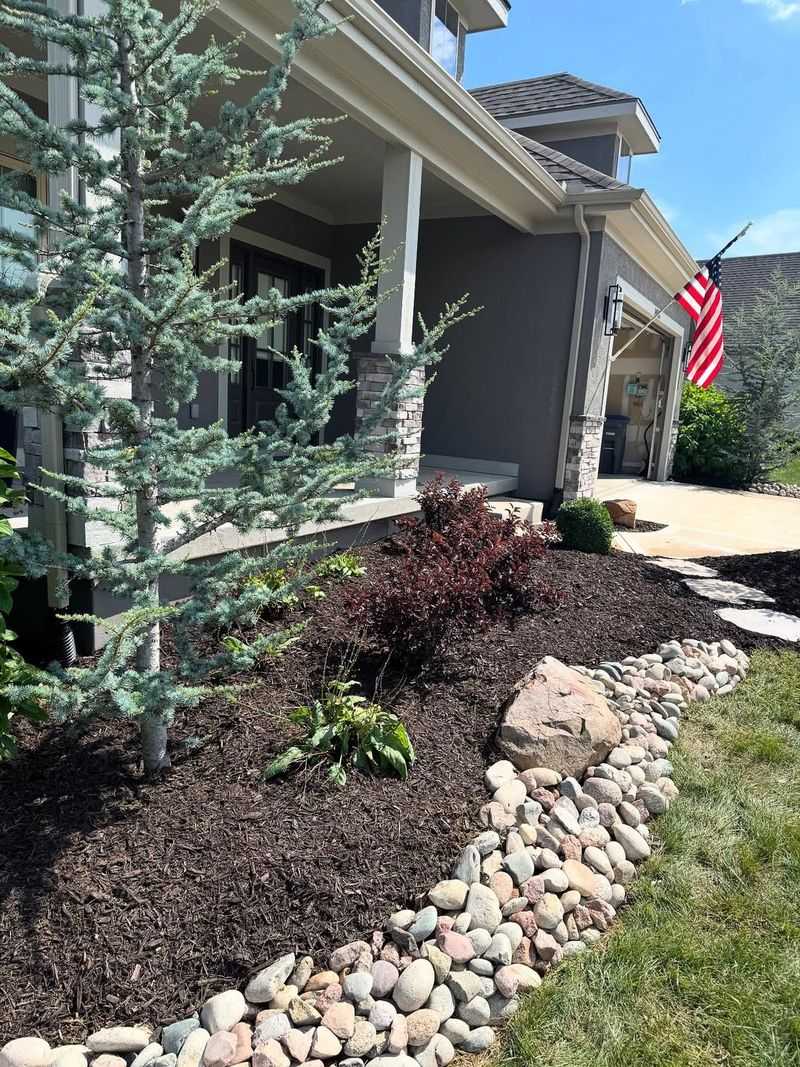
Flat yards waste water by letting it race across the surface and disappear into storm drains. Swales change that pattern by creating shallow channels that slow runoff and give it time to soak into the soil where plant roots can reach it.
These gentle depressions follow the natural contours of your property, working with gravity instead of against it.
Building a swale doesn’t require heavy machinery for most Arizona residential yards. You can shape one with a shovel and rake, creating a wide, shallow bowl that runs perpendicular to the slope.
The dirt you remove forms a berm on the downhill side, which holds water in place even longer and creates a perfect planting spot for shrubs or flowers.
Water moves differently in desert soil than in other climates. Arizona’s caliche layer and compacted earth can make absorption slow, which is exactly why swales work so well here.
They give hard desert soil extra time to accept moisture instead of shedding it like a roof.
Strategic placement makes swales even more effective in desert landscapes. Position them to catch runoff from patios, driveways, and roof areas where water concentrates during summer monsoons.
Plants installed along swales get natural irrigation without you turning on a single sprinkler.
Berms serve double duty in Arizona gardens by creating microclimates. The raised soil on the downhill side of a swale stays moister longer and provides slightly cooler root zones, letting you grow plants that might otherwise struggle in full desert conditions.
Combined with swales, they transform your yard into a water-catching system that works automatically every time it rains.
2. Add Mulch And Improve Soil To Reduce Evaporation
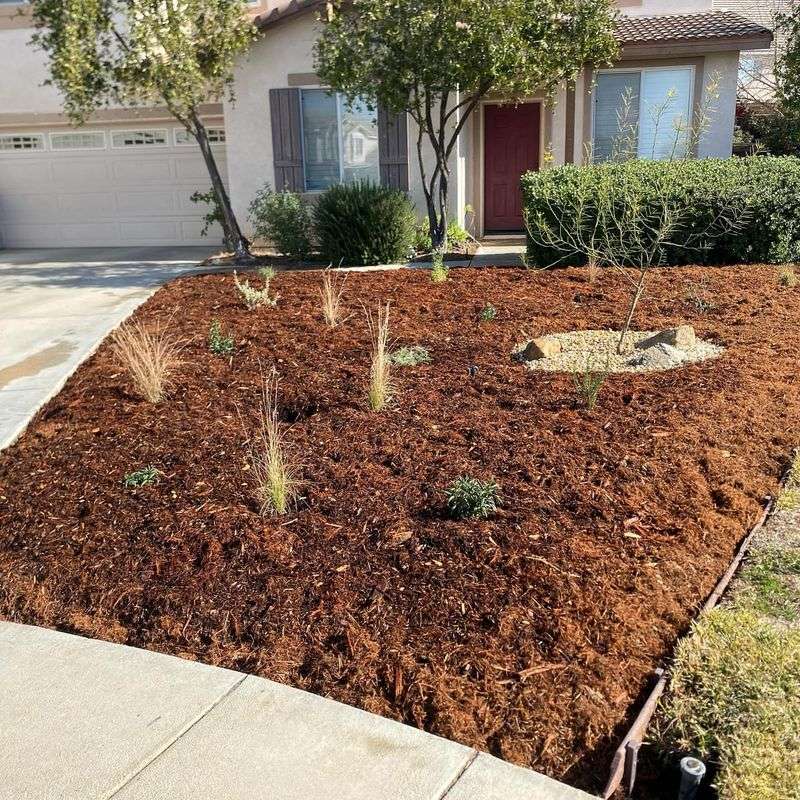
Bare soil in Arizona summer heat loses moisture faster than you can replace it. A three-inch layer of mulch acts like a protective blanket, keeping the sun from baking the ground and dramatically slowing water evaporation.
This simple addition can cut your watering needs by thirty percent or more during the hottest months.
Not all mulches work equally well in desert conditions. Organic options like shredded bark decompose and enrich soil but need replacement every year or two.
Decomposed granite gives a natural desert look and lasts much longer, though it doesn’t improve soil quality. Many Arizona gardeners use a combination, putting organic mulch right around plants and granite in pathways and open areas.
Soil improvement goes hand-in-hand with mulching for maximum water retention. Desert soils often lack organic matter, which means they can’t hold moisture effectively.
Mixing compost into planting areas before adding mulch creates a sponge-like texture that keeps water available to roots longer.
Application technique affects how well mulch performs in your Arizona landscape. Pull it back a few inches from plant stems to prevent rot and pest problems, but spread it generously everywhere else.
A thin layer won’t do much good, so aim for at least three inches of depth across all planted areas.
Replenishing mulch becomes part of your seasonal routine in desert gardens. Wind and decomposition gradually thin the layer, especially during Arizona’s intense summer heat.
Adding fresh mulch each spring before temperatures spike ensures your plants have maximum protection when they need it most, and the investment pays back quickly in reduced water bills.
3. Collect And Use Rainwater When Possible
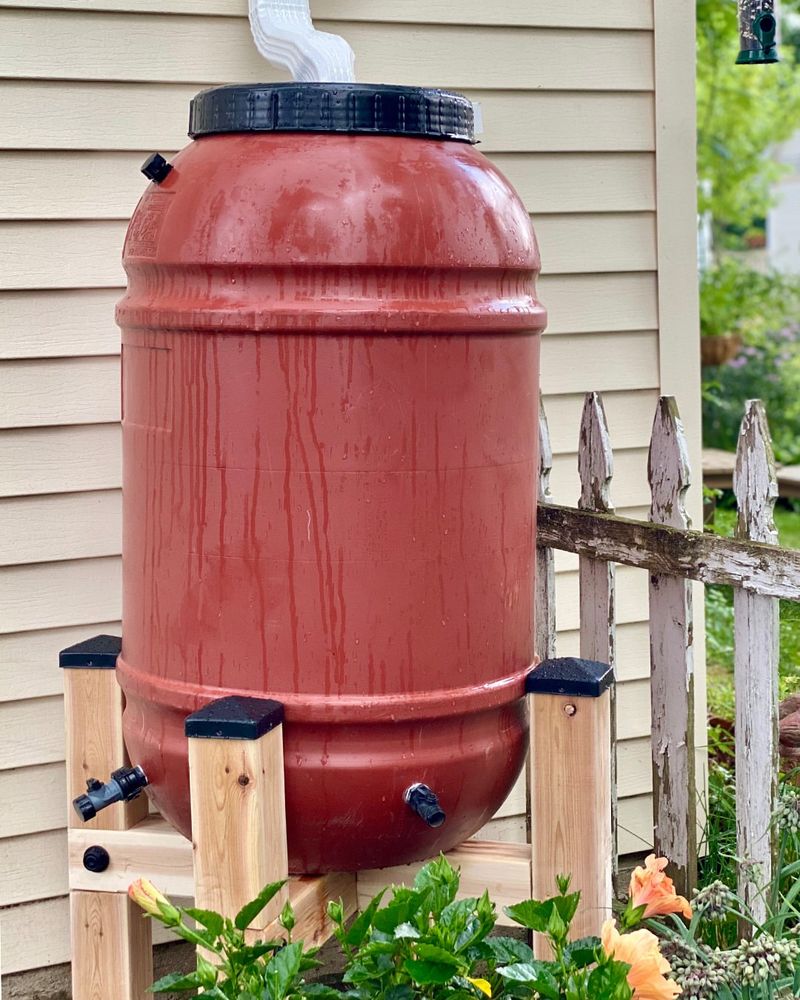
Rain might seem rare in Arizona, but when storms roll through, they can drop serious amounts of water in a short time. Capturing that free water means you’re not pulling from the tap later when your plants get thirsty.
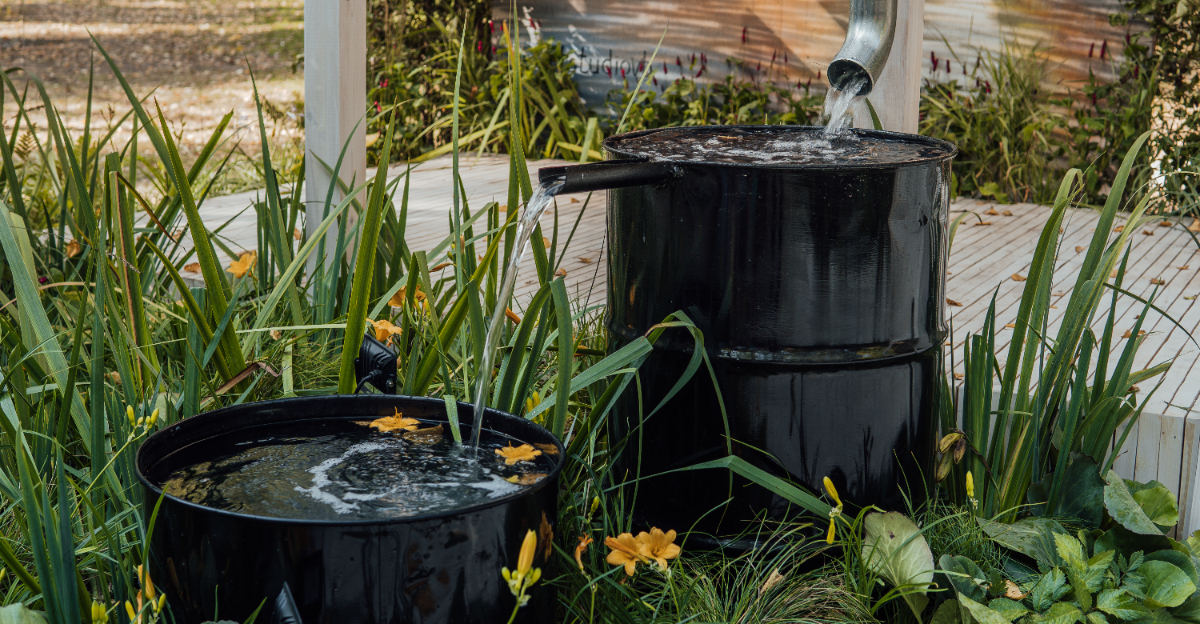
A basic rain barrel attached to your downspout can collect hundreds of gallons during monsoon season, giving you a reserve that costs nothing and helps the environment.
Setting up a collection system doesn’t require fancy equipment or expensive installations. Barrels with spigots near the bottom let you fill watering cans easily, or you can attach a hose for direct watering.
Some Arizona gardeners use multiple barrels connected together, storing enough water to last through dry spells between storms.
Placement matters when you’re harvesting rainwater in the desert. Position barrels where roof runoff naturally flows, and make sure they’re on stable, level ground.
Covering the top with mesh keeps mosquitoes from breeding and debris from clogging your system.
Rainwater actually benefits plants more than tap water in many Arizona communities. It lacks the salts and minerals that build up in municipal water, which can harm sensitive desert plants over time.
Your cacti, native shrubs, and even vegetable gardens will respond better to this naturally soft water.
Check local regulations before installing large collection systems, as some Arizona cities have specific rules about rainwater harvesting. Most residential setups are perfectly legal and even encouraged, but knowing the guidelines prevents problems down the road.
Once your system is running, you’ll wonder why you ever let all that valuable water just run off into the street.
4. Water Deeply Instead Of Watering Frequently
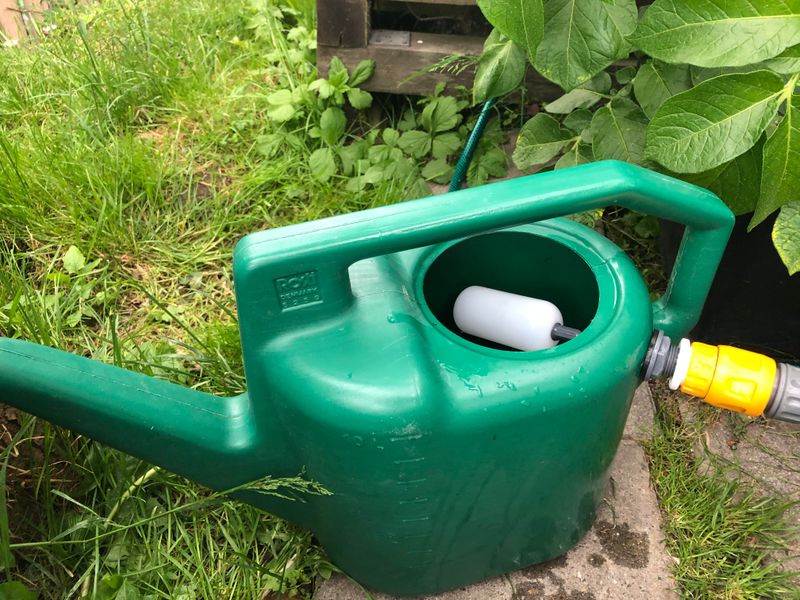
Shallow, frequent watering creates lazy roots that stay near the surface where Arizona heat quickly dries them out. Deep watering forces roots to grow downward, searching for moisture in cooler soil layers where it lasts much longer.
This approach builds stronger, more drought-resistant plants that need your attention less often.
Timing your watering sessions makes all the difference in desert conditions. Instead of sprinkling for ten minutes every day, run water for thirty to forty-five minutes once or twice a week.
The longer duration lets moisture penetrate twelve to eighteen inches down, reaching the root zone where plants actually use it rather than losing it to surface evaporation.
Different plants in your Arizona landscape need different watering depths. Established native shrubs might only need deep watering every two weeks, while vegetable gardens require more frequent sessions.
Trees need the deepest watering of all, sometimes requiring an hour or more to properly saturate their root zones.
Checking soil moisture helps you avoid guesswork in desert gardening. Push a long screwdriver into the ground near your plants a day after watering.
If it slides in easily to six or eight inches, you’ve watered deeply enough. If it hits hard, dry soil after just a few inches, you need to water longer next time.
Morning watering works best in Arizona’s climate because it gives plants all day to absorb moisture before nighttime temperatures drop.
Deep, infrequent morning sessions train your plants to be tough and self-sufficient while using far less water overall than traditional schedules.
5. Install Drip Irrigation For Targeted Water Use
Sprinklers throw water everywhere, including onto pavement, walls, and areas with no plants at all.
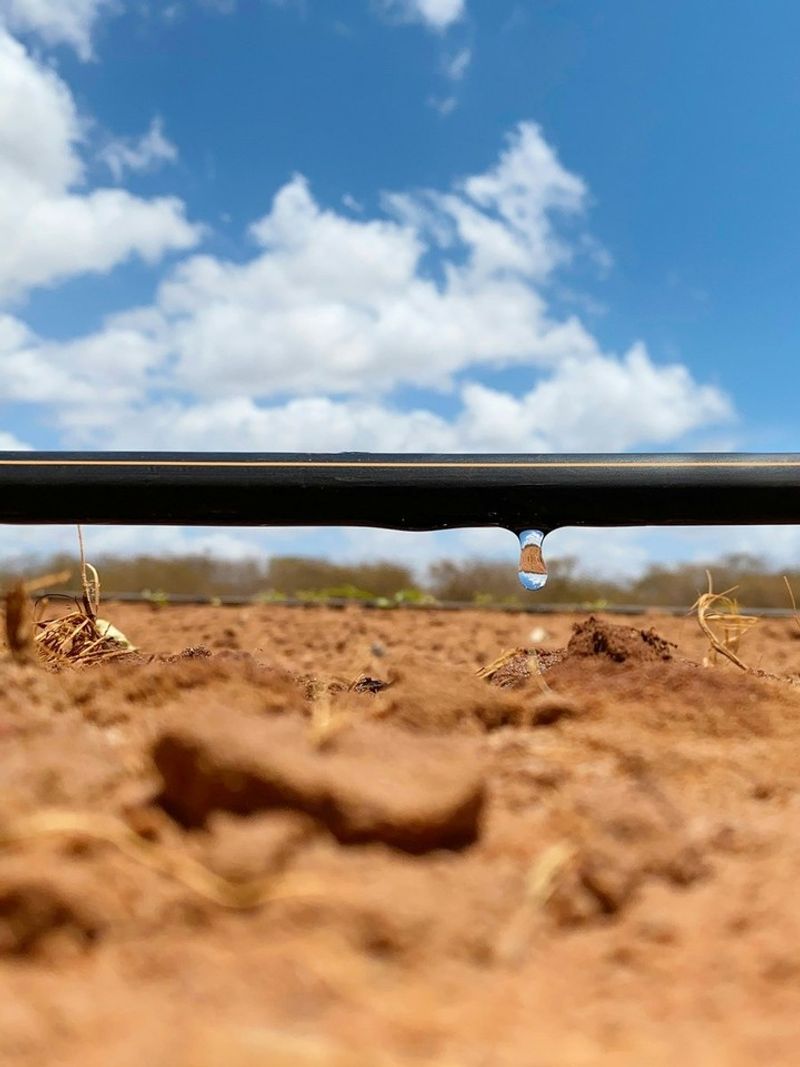
Drip systems deliver water directly to root zones through small emitters, eliminating waste and cutting water use by up to fifty percent compared to overhead watering.
For Arizona gardeners dealing with water restrictions and high utility bills, this efficiency makes a huge difference.
Installation is simpler than most people expect, even for those with no plumbing experience. Basic drip kits come with everything needed to set up a system in an afternoon.
Tubing runs along the ground or just under mulch, with emitters placed next to each plant. You control exactly how much water each area receives by choosing emitter flow rates.
Customization lets you match water delivery to plant needs across your entire Arizona yard. Desert natives might get one-gallon-per-hour emitters, while thirstier vegetables get four-gallon emitters.
This precision prevents overwatering drought-tolerant plants while ensuring others get enough moisture to thrive in harsh desert conditions.
Maintenance requirements stay minimal with properly installed drip systems. Flush the lines once a month during heavy use periods to clear any sediment buildup.
Check emitters occasionally to make sure they’re not clogged or damaged. These simple tasks take minutes and keep your system running efficiently for years.
Automation takes drip irrigation to the next level in Arizona landscapes. Adding a battery-operated timer means your plants get watered on schedule even when you travel or forget.
Smart controllers can adjust watering based on weather conditions, skipping sessions after rain and increasing duration during heat waves. This set-it-and-forget-it convenience makes consistent, efficient watering practically effortless.
6. Choose Drought-Tolerant And Native Plants
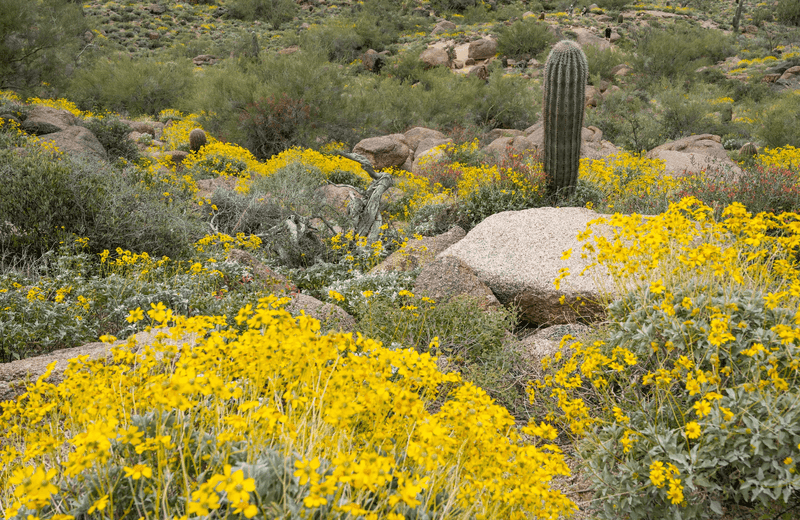
Fighting the desert climate by growing water-hungry plants is expensive, frustrating, and ultimately wasteful.
Native Arizona plants evolved over thousands of years to thrive in extreme heat with minimal rainfall, making them naturally suited to low-water gardens.
Switching to these adapted species can reduce your outdoor water use by seventy percent or more.
Beauty doesn’t require sacrificing water in desert landscapes. Palo verde trees provide stunning spring blooms and filtered shade.
Fairy duster shrubs offer pink pompom flowers that hummingbirds love. Desert marigold blankets areas with cheerful yellow blossoms for months.
These natives look gorgeous while needing only occasional deep watering once established.
Establishment periods matter when planting drought-tolerant species in Arizona. New plants need regular water for the first year to develop strong root systems, but once settled, their water needs drop dramatically.
This initial investment pays off with plants that practically care for themselves through scorching summers and dry winters.
Grouping plants by water needs creates zones in your yard that make irrigation more efficient. Put the few thirstier plants near the house where they’re easy to water separately.
Place low-water natives in outlying areas where they can survive on rain and minimal supplemental watering. This hydrozoning approach prevents waste and keeps every plant happy.
Local nurseries in Arizona carry native species suited to your specific area, whether you’re in Phoenix, Tucson, or Flagstaff. Staff can recommend plants that match your yard’s sun exposure, soil type, and aesthetic goals.
Starting with adapted plants sets you up for success and makes desert gardening enjoyable instead of a constant battle against nature.
7. Adjust Summer Watering Based On Plant Needs
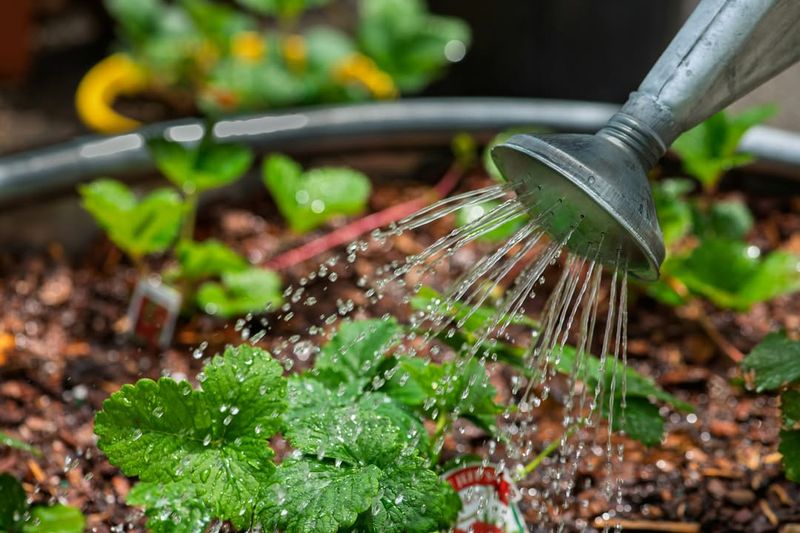
Arizona summers push plants to their limits with temperatures exceeding 115 degrees and humidity dropping below ten percent.
What worked for watering in April won’t cut it in July, and sticking to the same schedule year-round either wastes water or stresses plants unnecessarily.
Smart gardeners adjust their approach as seasons change.
Heat stress shows up differently than drought stress in desert plants. Wilting during the hottest afternoon hours is normal and doesn’t always mean plants need more water.
Check them again in the evening after temperatures drop. If they’ve perked up, they’re fine.
If they’re still droopy, it’s time to increase watering frequency or duration.
Established natives require surprisingly little extra water even during brutal Arizona summers. Many can go two weeks between deep waterings if they were planted correctly and have developed good root systems.
Newer plants and non-natives need more frequent attention, possibly twice weekly during peak heat.
Timing becomes critical when temperatures soar above 110 degrees. Watering during midday heat causes rapid evaporation and can actually shock plants with sudden temperature changes at the roots.
Early morning sessions between 4 and 8 a.m. give plants time to absorb moisture before the sun gets intense.
Monitoring weather patterns helps you fine-tune summer watering in the desert. Monsoon storms can dump inches of rain in minutes, eliminating the need for irrigation for days afterward.
Dry spells require more vigilance. Installing a simple rain gauge lets you track natural precipitation and adjust your watering schedule accordingly, ensuring plants get what they need without waste.