9 Slow-Growing Plants That Keep Your Georgia Yard Neat With Less Work
Does your Georgia yard start out neat, then slowly slip into looking overgrown no matter how often you stay on top of it? That constant upkeep usually isn’t about effort, it’s about plant choice.
Some plants grow so steadily that they quietly keep a yard looking controlled instead of chaotic. In Georgia’s long growing season, slow-growing plants help maintain structure without constant trimming or reshaping.
They hold their form longer and don’t demand attention every few weeks.
This approach isn’t about neglecting the yard. It’s about choosing plants that naturally grow at a manageable pace.
With the right slow-growing plants in place, beds stay cleaner, edges look sharper, and the yard feels easier to maintain throughout the season instead of becoming another ongoing project.
1. Boxwood
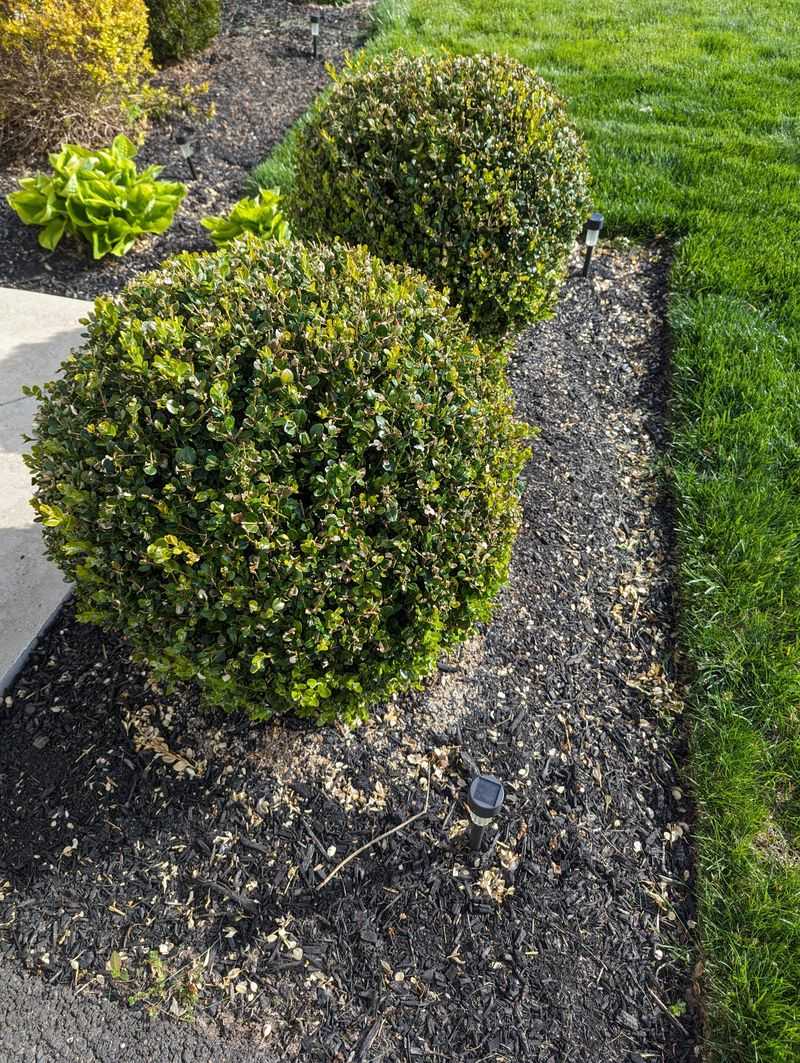
Boxwoods have been the backbone of Southern gardens for generations, and for good reason. Their dense, evergreen foliage stays attractive all year long, providing structure and formality to any landscape design.
In Georgia’s climate, these shrubs grow slowly and steadily, adding only a few inches each year, which means you won’t be constantly trimming them back to size.
Most varieties thrive in Georgia’s heat and humidity, though they appreciate some afternoon shade during the hottest summer months. Plant them in well-draining soil and water regularly during their first year to help establish strong roots.
Once established, boxwoods become remarkably low-maintenance, requiring only occasional watering during drought periods.
Trimming needs are minimal compared to faster-growing hedges. A light shaping once or twice a year keeps them looking crisp and tidy.
Choose varieties like ‘Green Velvet’ or ‘Wintergreen’ for compact growth that naturally stays in bounds. These selections work beautifully as foundation plantings, low hedges, or even container specimens on patios.
Their resistance to deer browsing makes them practical for Georgia yards where wildlife visits frequently. Boxwoods adapt well to both sun and partial shade, giving you flexibility in placement throughout your landscape.
2. Camellia
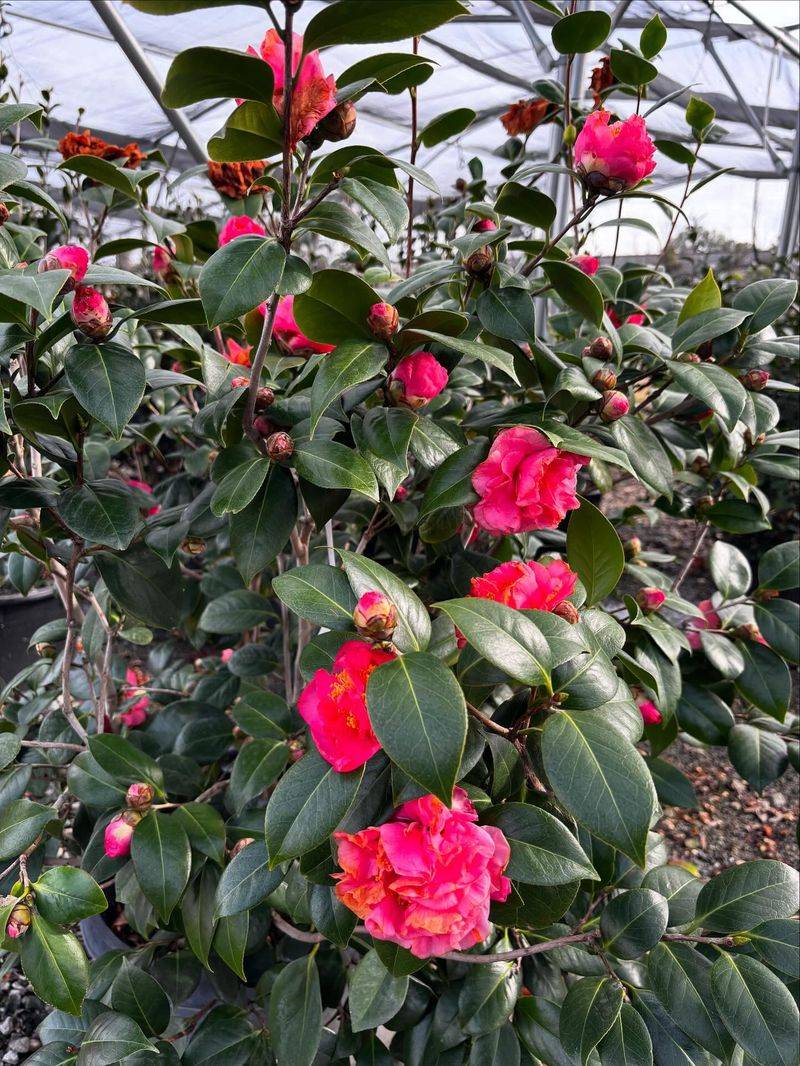
Few plants deliver such stunning winter and early spring blooms while maintaining such a manageable growth rate. Camellias light up Georgia gardens when most other plants look dormant, producing elegant flowers in shades of white, pink, and red.
Their glossy evergreen leaves provide year-round visual interest, creating a polished backdrop even when blooms aren’t present.
Growth happens gradually, with most varieties adding just a few inches annually. This slow pace means you can plant them near walkways or foundations without worrying about them outgrowing their space within a few seasons.
Camellias prefer the acidic soil naturally found in many Georgia locations, making them well-suited to the region’s growing conditions.
Shade tolerance sets camellias apart from many flowering shrubs. They actually prefer protection from intense afternoon sun, thriving under tall pines or on the north side of buildings.
This makes them perfect for those tricky shaded areas where other flowering plants struggle to perform.
Minimal pruning keeps them looking their best. Simply remove any damaged or crossing branches after flowering finishes in spring.
Water during extended dry periods, and apply a layer of mulch to keep roots cool and moist. These simple steps ensure healthy plants that reward you with spectacular blooms year after year.
3. Dwarf Yaupon Holly
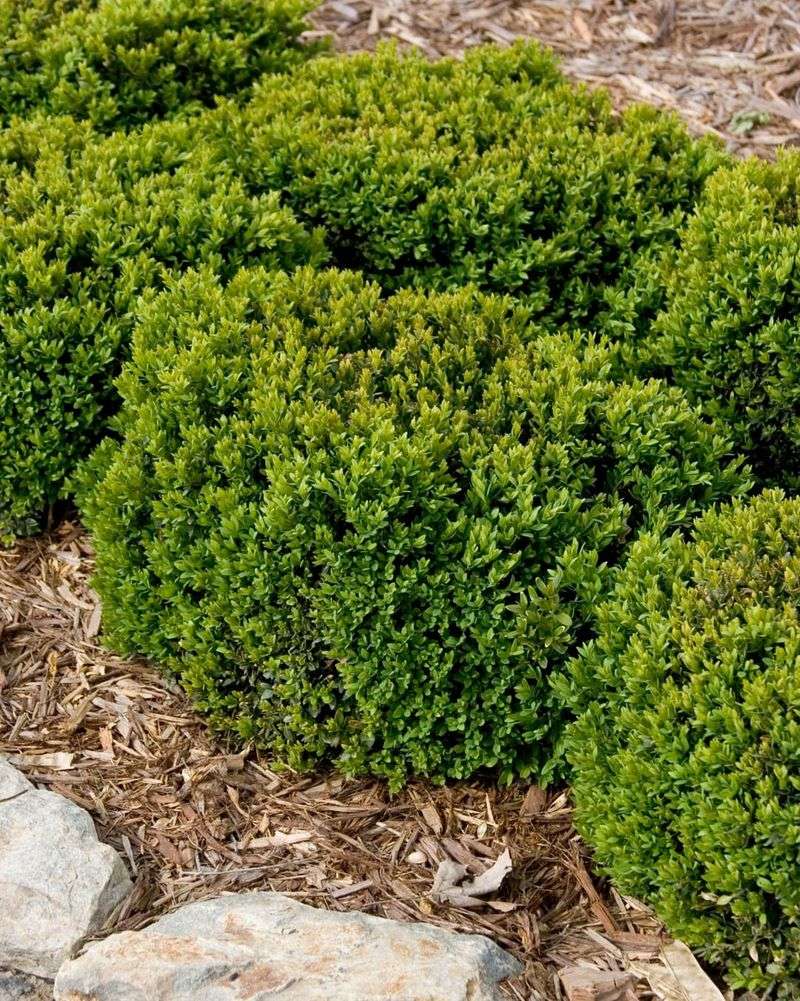
Native to the Southeastern United States, this tough little shrub handles Georgia’s climate like a champion. Dwarf yaupon holly stays naturally compact, rarely exceeding three feet in height and width, which eliminates the constant trimming taller hollies demand.
Its tiny leaves create a fine-textured appearance that adds visual interest without overwhelming smaller garden spaces.
Drought tolerance becomes a major advantage once these plants establish themselves in your yard. After the first growing season, they handle dry spells remarkably well, reducing your watering workload significantly.
This resilience makes them ideal for Georgia’s sometimes unpredictable rainfall patterns and occasional summer droughts.
Female plants produce bright red berries in fall and winter, attracting birds to your landscape while adding seasonal color. The berries persist for months, providing visual appeal during the coldest parts of the year when many other plants look bare and uninspiring.
Versatility in placement gives you plenty of options for incorporating dwarf yaupon holly into your design. Use them as foundation plantings, low hedges, or mass plantings in larger beds.
They tolerate both full sun and partial shade, adapting to various locations throughout your property. Pruning requirements stay minimal, with most gardeners finding that a single annual shaping maintains their tidy appearance perfectly.
4. Inkberry Holly
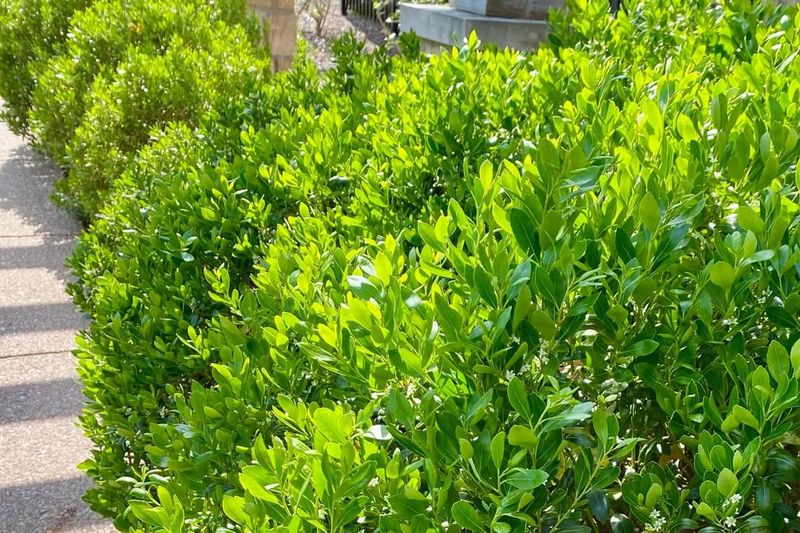
Another Georgia-friendly native, inkberry holly brings exceptional cold hardiness along with its slow growth habit. This evergreen shrub maintains a naturally rounded shape without constant intervention, making it perfect for gardeners who want structure without the work.
Dark green foliage stays attractive through all four seasons, providing consistent color and texture to your landscape.
Compact varieties like ‘Shamrock’ and ‘Gem Box’ grow even more slowly than the species, maxing out around three to four feet tall. These selections work wonderfully in smaller yards or tight spaces where larger hollies would quickly become problematic.
Their dense branching creates excellent privacy screening despite their modest size.
Wet soil tolerance sets inkberry apart from many landscape shrubs. While it grows well in average garden conditions, it also thrives in areas with poor drainage that challenge other plants.
This adaptability makes it valuable for those low spots in Georgia yards where water tends to collect after heavy rains.
Black berries appear on female plants in late summer, though they’re less showy than the red berries of other holly species. Birds appreciate them nonetheless, and the subtle color adds interest without drawing attention away from showier plants nearby.
Maintenance stays simple, requiring only occasional removal of any wayward branches to maintain the desired shape.
5. Gardenia
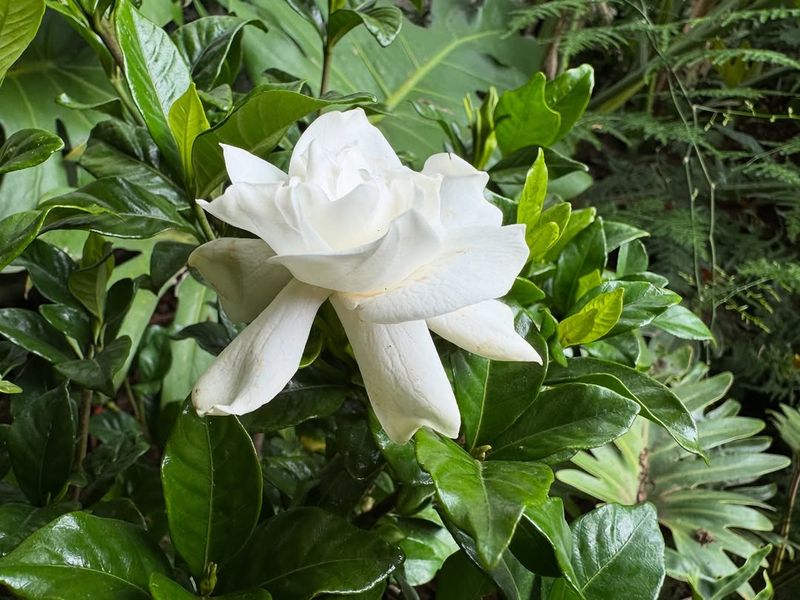
The intoxicating fragrance of gardenia blossoms defines Southern gardens in late spring and early summer. These evergreen shrubs grow slowly and deliberately, developing into neat, rounded specimens that fit beautifully into foundation plantings or mixed borders.
Glossy dark green leaves provide a handsome backdrop for the creamy white flowers that appear when temperatures warm.
Dwarf varieties like ‘Radicans’ or ‘Jubilation’ stay especially compact, making them suitable for smaller Georgia landscapes. These selections maintain their tidy form with minimal intervention, requiring pruning only to remove spent blooms or shape the plant lightly after flowering finishes.
Acidic soil preferences match well with Georgia’s natural soil chemistry in many areas. Add sulfur or use an acid-loving plant fertilizer if your soil tests neutral or alkaline.
Consistent moisture during the growing season keeps foliage looking its best and supports abundant flowering.
Morning sun with afternoon shade creates ideal growing conditions in Georgia’s climate. Too much direct afternoon sun can stress plants during the hottest summer months, while too much shade reduces flowering.
Finding that sweet spot ensures healthy growth and maximum bloom production. Watch for yellowing leaves, which often indicates an iron deficiency easily corrected with chelated iron supplements.
These simple care steps keep gardenias thriving and fragrant for years.
6. Loropetalum (Compact Varieties)
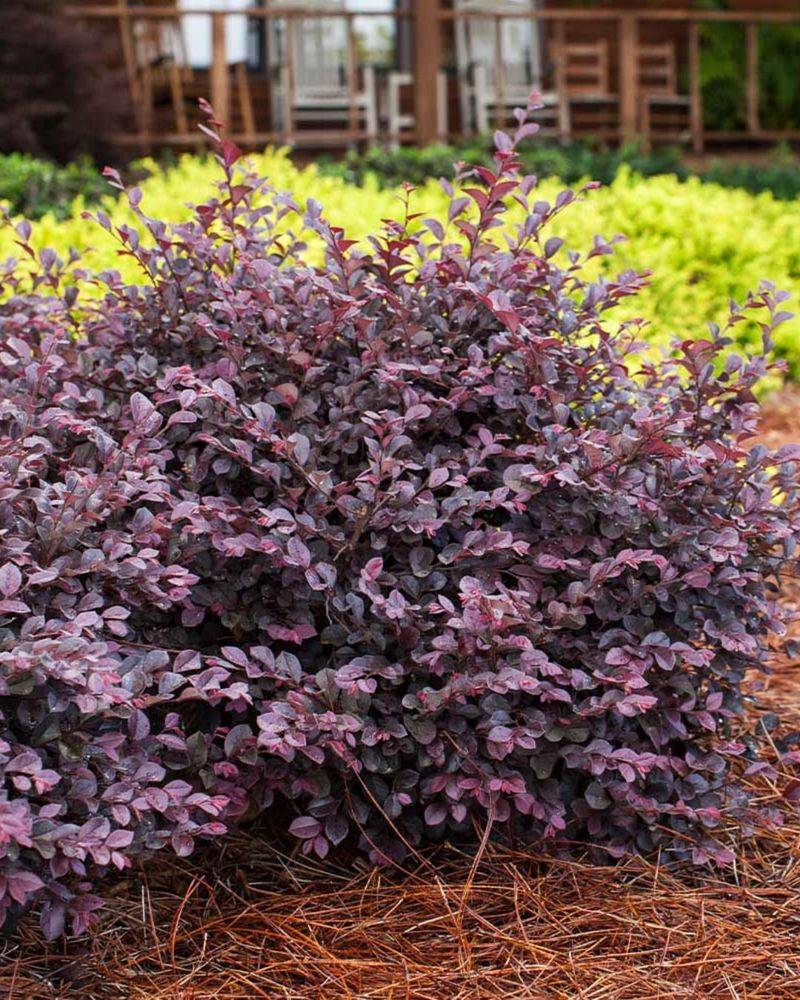
Burgundy foliage creates instant drama in Georgia landscapes, and compact loropetalum varieties deliver that color without the aggressive growth of larger selections. These shrubs produce unusual fringe-like pink or white flowers in spring, with sporadic repeat blooming throughout the growing season.
The purple-toned leaves maintain their rich color year-round, providing constant visual interest.
Varieties like ‘Purple Pixie’ or ‘Plum Delight’ grow slowly and stay naturally compact, typically reaching only two to three feet in height. This controlled growth makes them perfect for small spaces, container plantings, or areas where you need color without constant trimming.
Their weeping habit adds graceful movement to the landscape.
Heat tolerance makes loropetalum well-suited to Georgia summers. Plants handle full sun to partial shade, though the deepest purple leaf color develops with adequate sunlight.
In heavily shaded locations, foliage tends toward green with less dramatic color intensity.
Pruning needs stay light with compact varieties. Simply remove any branches that grow beyond the desired shape, and thin out interior growth occasionally to improve air circulation.
This minimal maintenance keeps plants healthy and attractive. Loropetalum adapts to various soil types as long as drainage stays adequate, making it versatile for different locations throughout your Georgia property.
7. Liriope
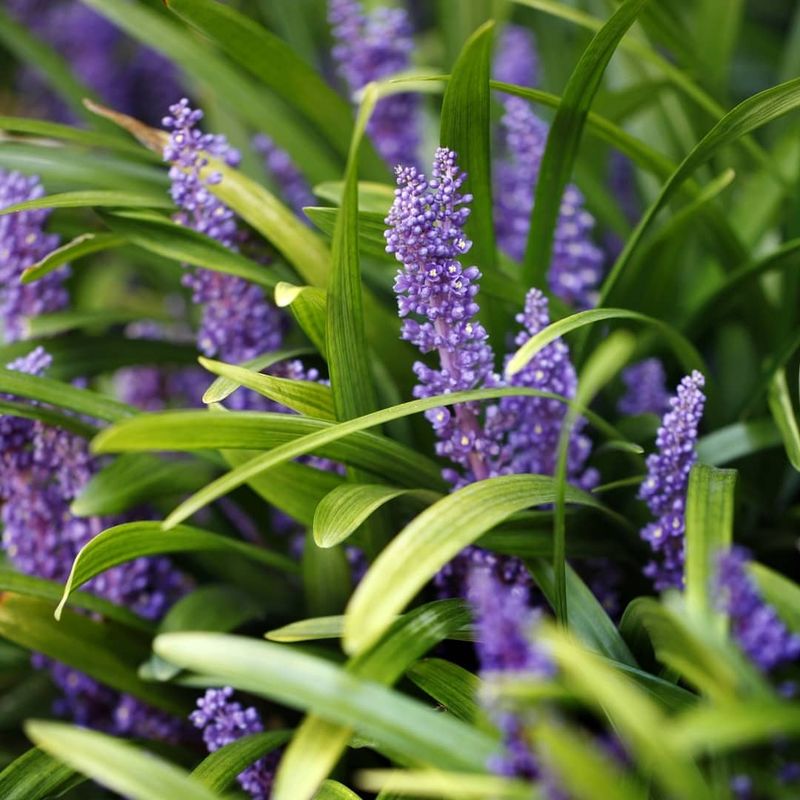
Clumping liriope (Liriope muscari) forms tidy clumps that edge beds and borders with consistent texture and form. Liriope grows slowly from its center, gradually expanding while maintaining a well-behaved, clumping habit.
Purple or white flower spikes emerge in late summer, adding vertical interest when many other perennials have finished blooming.
Evergreen leaves stay attractive through Georgia winters, though they may look a bit tattered by early spring. A quick mowing or trimming in late winter removes old foliage before new growth emerges, keeping plants looking fresh and rejuvenated.
This once-yearly maintenance represents the extent of care most liriope plantings need.
Shade tolerance makes liriope invaluable for challenging spots under trees or along shaded walkways. While it grows in full sun, it truly excels in partial to full shade where many other plants struggle.
Dense root systems help prevent erosion on slopes while outcompeting most weeds once plants establish themselves.
Variegated varieties like ‘Silvery Sunproof’ brighten shady areas with cream-striped foliage. These selections grow just as slowly as solid green types but add extra visual interest to darker corners of your Georgia landscape.
Space plants twelve to eighteen inches apart for a solid groundcover that fills in gradually over two to three seasons without requiring division or thinning for many years.
8. Dwarf Mondo Grass
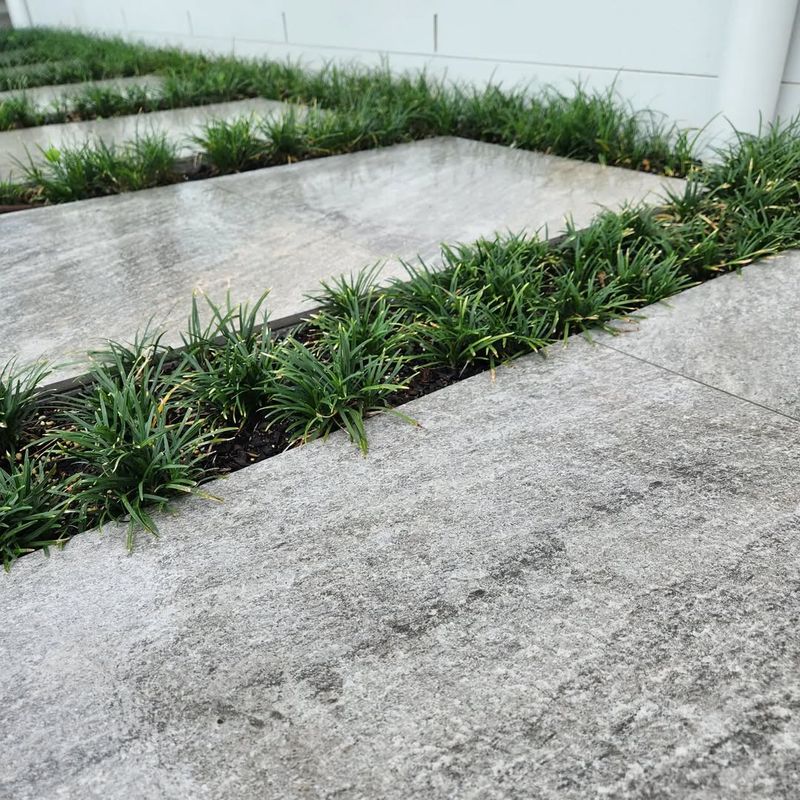
Extremely slow growth makes dwarf mondo grass the ultimate low-maintenance groundcover for Georgia gardens. This diminutive plant reaches only two to four inches in height, forming dense mats of dark green, almost black foliage.
Once established, it requires virtually no maintenance beyond occasional watering during severe droughts.
Perfect for tight spaces between stepping stones or as a lawn alternative in small areas, dwarf mondo spreads gradually through underground runners. Unlike regular mondo grass, the dwarf form expands so slowly that it stays exactly where you plant it for years.
This predictable behavior makes it ideal for formal designs where precise boundaries matter.
Shade preference aligns well with challenging areas under trees or beside buildings where grass struggles to grow. Dwarf mondo actually prefers shade and performs poorly in hot, sunny locations.
This makes it perfect for those problem spots in your Georgia yard where traditional groundcovers fail to thrive.
Foot traffic tolerance allows dwarf mondo to function as a grass substitute in low-traffic areas. While it won’t handle the constant wear of a main walkway, it works beautifully between pavers or in areas with occasional foot traffic.
The fine texture creates an elegant, almost moss-like appearance that adds sophistication to formal garden designs. Planting on two to four-inch centers creates faster coverage, though even widely spaced plants eventually knit together into a solid carpet.
9. Hellebore (Lenten Rose)
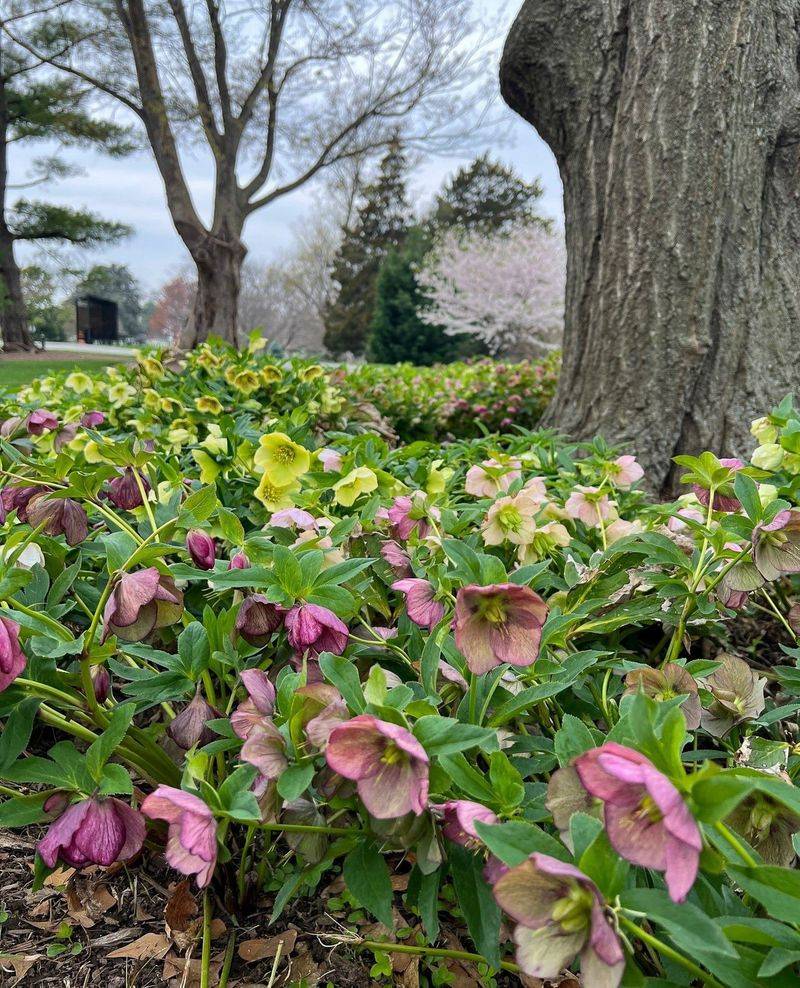
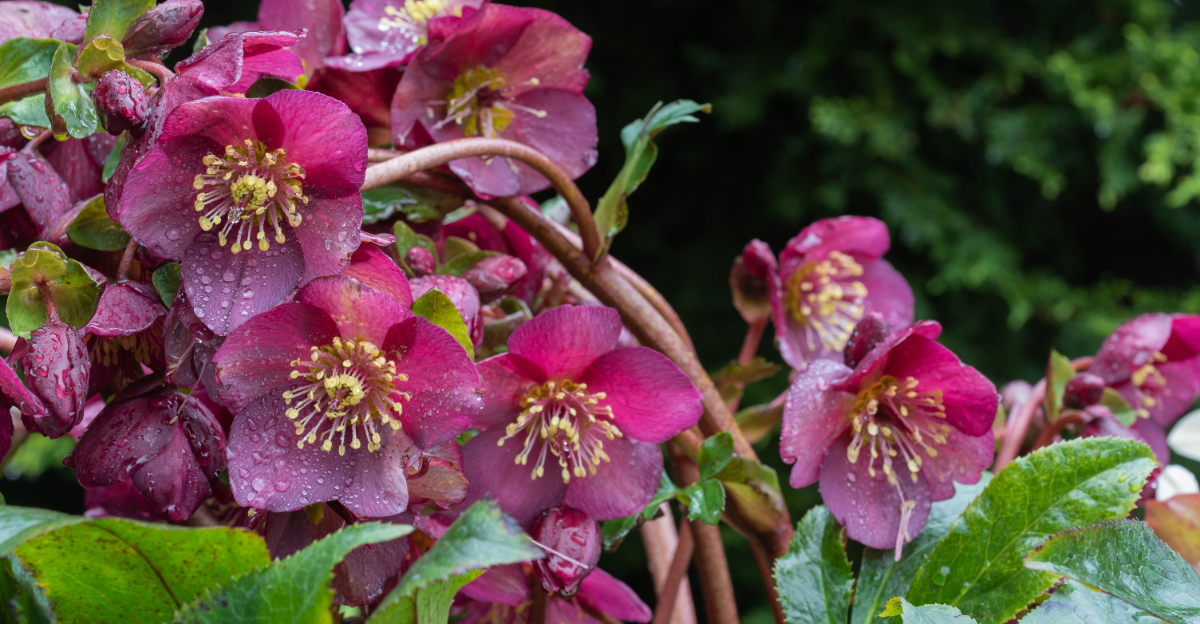
Late winter blooms arrive when Georgia gardens need them most, bringing color during the dreary months before spring truly arrives. Hellebores produce elegant, nodding flowers in shades of white, pink, purple, and even near-black, often with interesting speckles or picotee edges.
These long-lasting blooms persist for weeks, providing extended interest when little else offers color.
Evergreen foliage remains attractive year-round, forming substantial clumps of leathery, deeply divided leaves. Plants grow slowly, taking several years to reach their mature size of twelve to eighteen inches tall and wide.
This gradual development means they won’t quickly overtake neighboring plants or require frequent division.
Shade gardens come alive with hellebores tucked under deciduous trees or along shaded borders. They bloom before trees leaf out in spring, taking advantage of available sunlight during late winter.
Once tree canopies fill in, the plants coast through summer in shade, requiring minimal water and no deadheading or special care.
Deer resistance makes hellebores practical for Georgia properties where browsing wildlife presents challenges. The plants contain compounds that deer find unpalatable, so they typically leave them alone even when other garden plants get nibbled.
Combine hellebores with ferns, hostas, and other shade lovers for a low-maintenance woodland garden that requires little attention once established. Their slow growth and minimal needs make them ideal for busy gardeners seeking beauty without constant work.