10 Small Backyard Changes California Gardeners Can Make To Help Wildlife
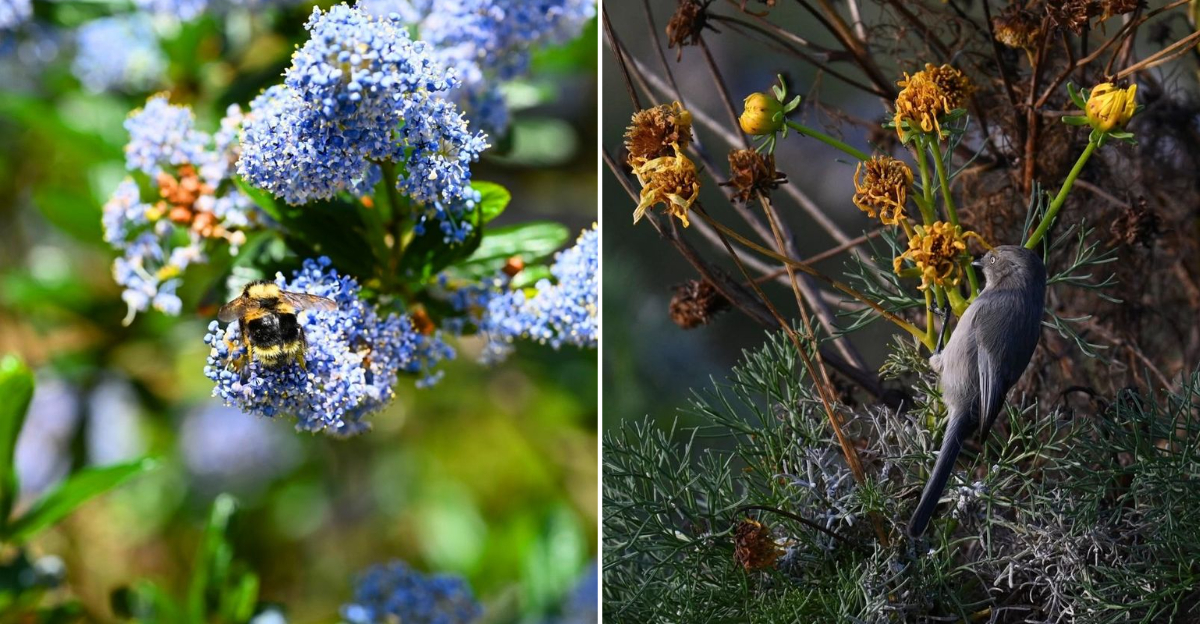
Helping wildlife does not require a huge yard or a total garden makeover. In California, even small backyard changes can create food, shelter, and safe resting spots for birds, bees, butterflies, and other helpful creatures.
A few thoughtful choices can turn an ordinary space into a lively mini habitat without adding extra work. Native plants, fresh water, and simple shelter features invite wildlife to visit and stay, while also supporting pollination and natural balance in your garden.
The result is more movement, more life, and a healthier outdoor space that works with nature instead of against it.
If you want to make a positive impact without big effort, these simple backyard changes can quietly transform your garden into a welcoming place for local wildlife.
1. Plant Natives
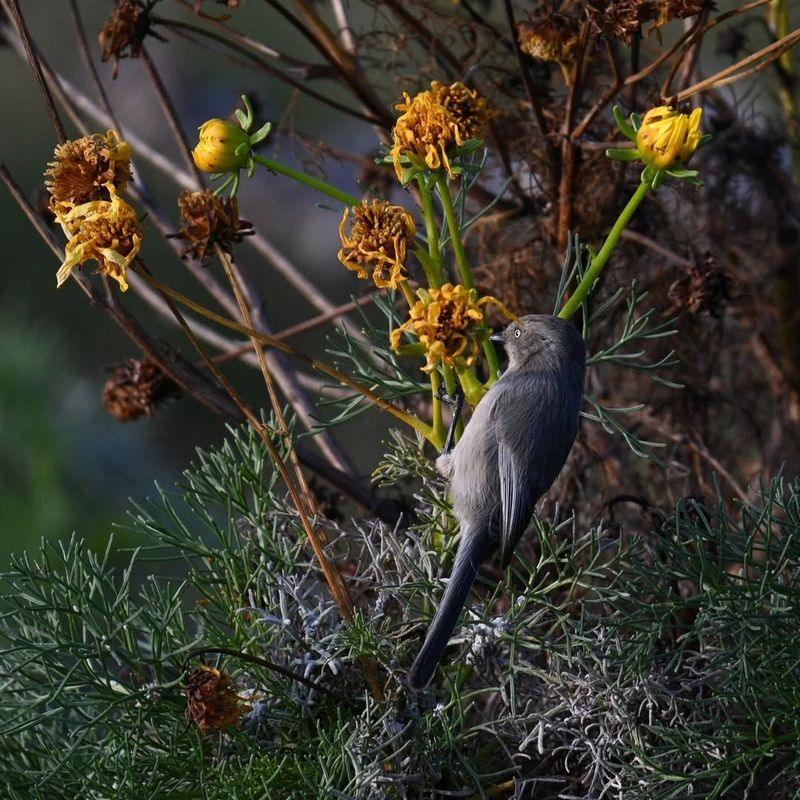
When you walk through California’s wild spaces, you notice something remarkable: native plants are buzzing, humming, and fluttering with life.
That’s because our local wildlife evolved alongside these plants over thousands of years, creating relationships that non-native ornamentals simply can’t replicate.
Native plants provide the specific pollen, nectar, seeds, and foliage that California’s birds, bees, and butterflies need to survive.
A single native oak can support over 300 species of caterpillars, crucial food for baby birds, while most ornamental imports support almost none.
California fuchsia draws hummingbirds during late summer when other nectar sources dry up, and native milkweed is the only plant monarch butterfly caterpillars can eat.
Start small if you’re new to natives. Replace one section of lawn or a struggling non-native shrub with a few California natives suited to your region – coastal, valley, or inland.
Choose plants that bloom at different times to provide year-round resources. Manzanita, toyon, ceanothus, and sages are all excellent choices that thrive in our Mediterranean climate with minimal water once established.
Many gardeners worry natives look messy, but modern cultivars offer tidy growth habits while maintaining their wildlife value. Your yard will become noticeably livelier within weeks as local creatures discover this newly available feast.
2. Add A Water Source (Yes, Even A Small One)
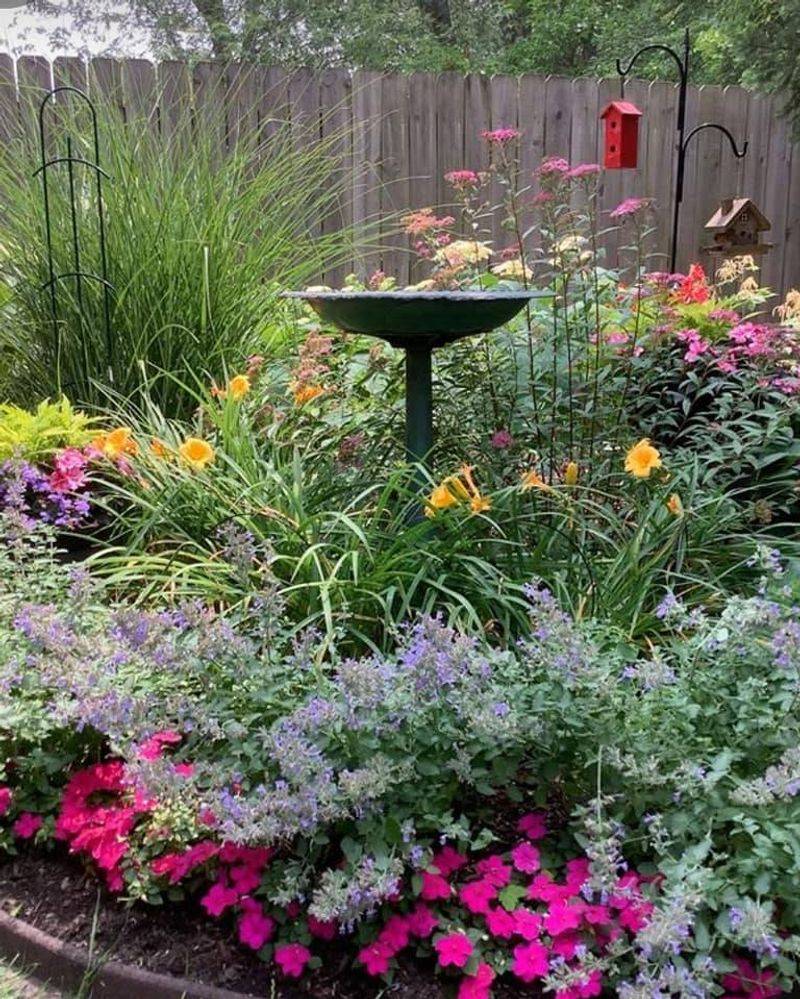
During California’s long, dry summers, water becomes the most precious resource in your garden, not just for your plants, but for every creature trying to survive the heat.
Even a simple, shallow dish of water can become a lifeline for birds, bees, butterflies, and beneficial insects when natural water sources disappear.
You don’t need an elaborate fountain or pond to make a difference. A terracotta saucer, a repurposed bowl, or a purpose-built birdbath all work beautifully.
The key is keeping water shallow, no deeper than two inches, and adding stones or twigs so insects and small birds can safely land and drink without drowning. Place your water source in a shaded spot if possible to keep it cooler and reduce evaporation.
Change the water every two to three days to prevent mosquito breeding and keep it fresh. During peak summer, you might need to refill daily as birds bathe enthusiastically and water evaporates quickly in the heat.
Position your water feature near shrubs or trees so birds have a quick escape route from predators, but keep it visible enough that you can enjoy watching the constant parade of visitors.
Once wildlife discovers your water source, you’ll be amazed at the variety of species that visit. Hummingbirds will hover and dip, finches will gather in chattering groups, and butterflies will perch delicately on the edges.
3. Let Nature Balance Itself
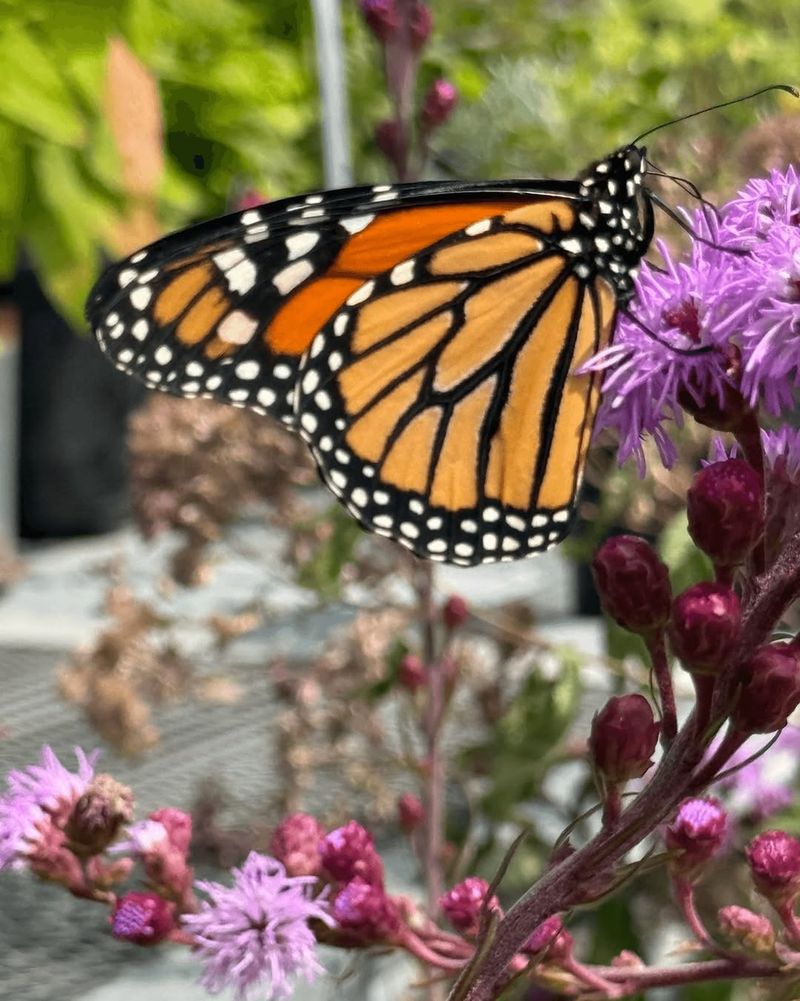
That bottle of insecticide might seem like a quick fix for aphids or caterpillars, but it’s actually working against the very wildlife you’re trying to help.
Chemical pesticides don’t discriminate, they harm beneficial insects right alongside the pests, disrupting the natural balance that keeps your garden healthy.
California gardens are home to countless helpful predators that will handle pest problems for you if given the chance. Ladybugs devour aphids by the hundreds.
Lacewings, parasitic wasps, and predatory beetles all feast on common garden pests. Even those caterpillars you’re tempted to eliminate might be future butterflies or essential food for baby birds learning to hunt.
When you spray pesticides, you eliminate these natural pest controllers, creating a cycle where you need more chemicals because the helpful insects never establish themselves.
Worse, many pesticides persist in soil and water, harming birds, amphibians, and other wildlife that weren’t even your target.
Instead of reaching for chemicals, tolerate a little damage and give beneficial insects time to move in. Plant flowers like yarrow, alyssum, and California natives to attract pest predators.
Hand-pick large pests if necessary, or use a strong spray of water to dislodge aphids. Most pest problems resolve naturally within a few weeks as predator populations respond and balance returns to your garden ecosystem.
4. Grow Flowers For Year-Round Nectar
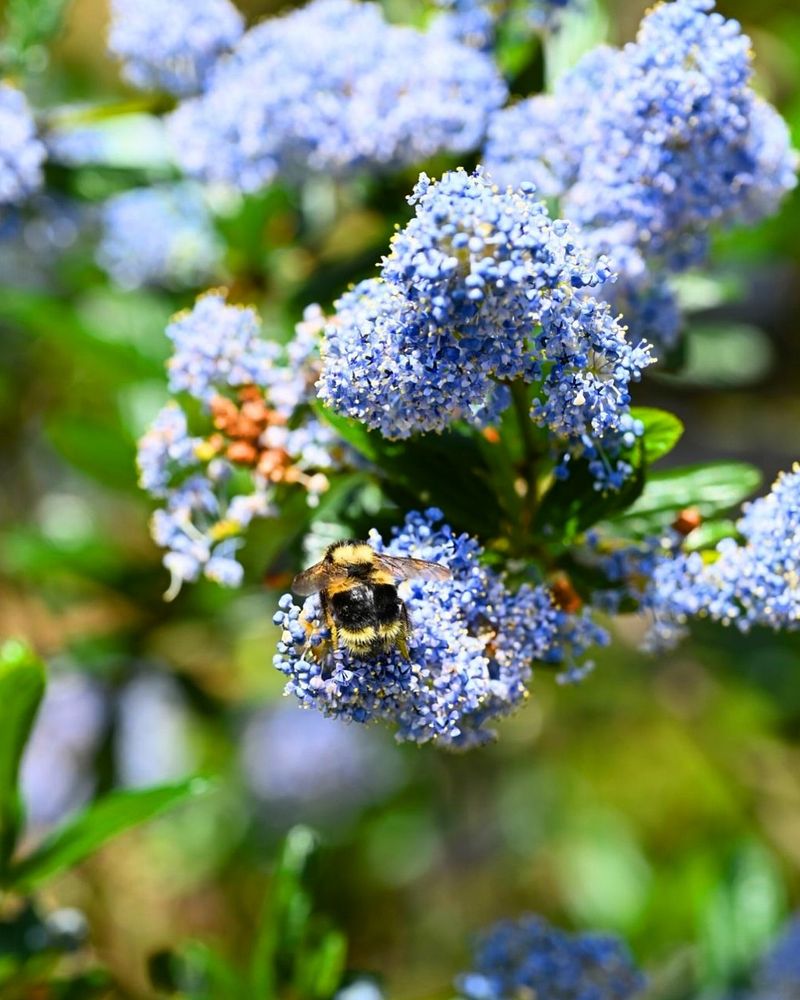
Most California gardeners focus on spring and summer blooms, but pollinators need food every month of the year in our mild climate.
Hummingbirds don’t migrate far, bees emerge on warm winter days, and butterflies can be active nearly year-round in many parts of the state.
Without nectar sources during fall and winter, these creatures struggle or starve.
Planning for continuous bloom takes a bit of thought but pays enormous dividends for wildlife. California fuchsia and autumn sage bloom prolifically from late summer through fall when many other plants have finished.
Manzanita and currant provide crucial early nectar in late winter and early spring before most gardens wake up. Salvias, penstemons, and native buckwheat bridge the gaps throughout summer.
Create a simple bloom calendar when planning your garden. List the months and note which plants flower when, then fill in gaps with additional species.
Aim for at least three different plants blooming during every season. This doesn’t mean more work, many California natives bloom longer and require less maintenance than thirsty ornamentals.
Non-native flowers can supplement natives, especially if they’re proven pollinator magnets like lavender, rosemary, or Mexican sunflower. Just prioritize natives as your foundation since they support the widest range of local species.
Your garden will hum with life year-round, and you’ll notice pollinators visiting even on sunny January afternoons.
5. Leave Some Leaf Litter For Hidden Habitat
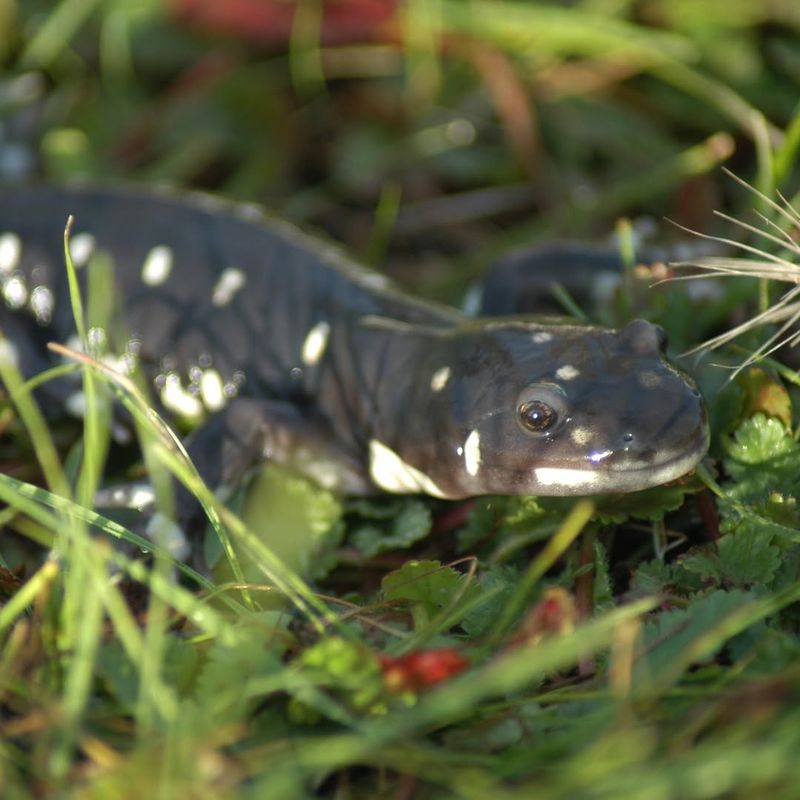
Our instinct is to rake, blow, and bag every fallen leaf until the garden looks pristine, but that tidiness comes at a steep cost to wildlife.
The layer of decomposing leaves, twigs, and plant debris under your shrubs and trees is actually a bustling micro-habitat supporting countless beneficial creatures.
Native bees – California has over 1,600 species – often nest in or near leaf litter. Many butterfly and moth species overwinter as pupae tucked into fallen leaves. Beetles, spiders, and other beneficial insects shelter there during cold snaps or heat waves.
Ground-feeding birds like towhees and thrashers scratch through leaf litter hunting for insects, and those insects are feeding on the decomposing organic matter, cycling nutrients back into your soil.
You don’t need to let your entire yard look wild. Compromise by keeping high-visibility areas tidy while allowing leaf litter to accumulate under shrubs, along fence lines, and in garden beds where it serves as natural mulch.
This layered debris also suppresses weeds, retains moisture, and slowly enriches your soil as it breaks down, benefits you’ll appreciate during California’s dry months.
If you must rake, consider piling leaves in an out-of-the-way corner rather than sending them to the landfill. That pile becomes premium wildlife habitat while slowly composting into rich soil amendment you can use later.
Nature’s recycling system works beautifully when we stop interrupting it.
6. Safe Wildlife Shelter
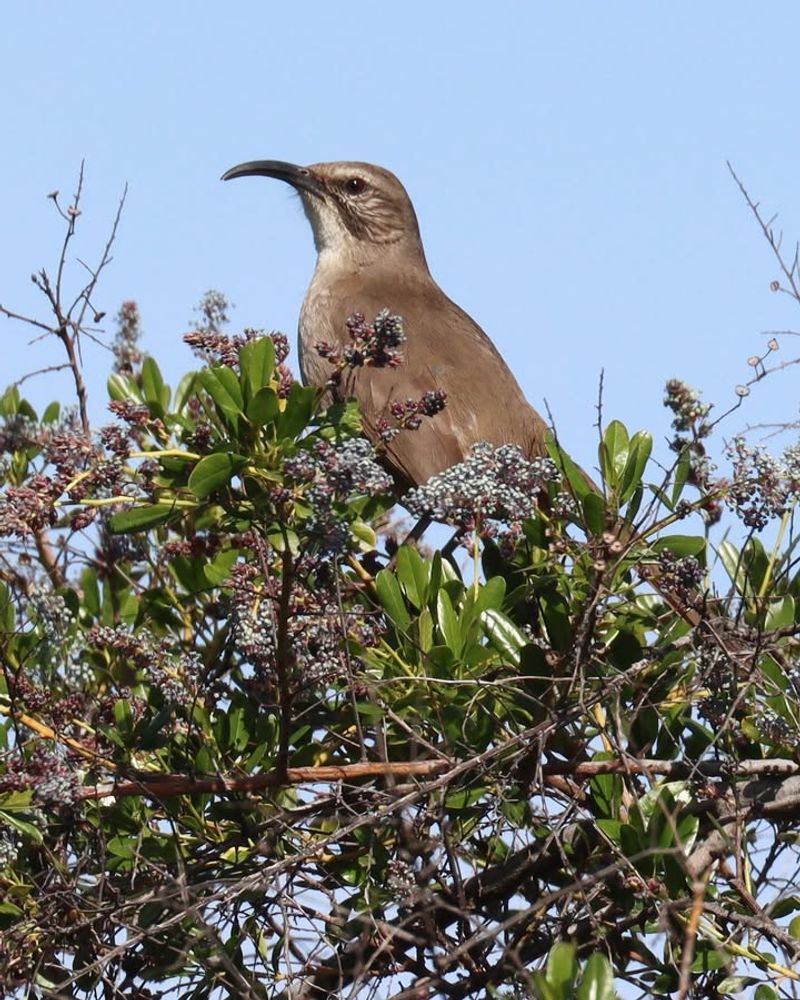
Open lawns and sparse plantings might look neat, but they leave wildlife dangerously exposed to predators and weather. Birds, lizards, beneficial insects, and small mammals all need dense, protective cover where they can hide, nest, and escape danger.
Shrubs planted in groups or allowed to grow into thickets provide this essential shelter.
Think about how wildlife moves through your yard. A bird hopping across open lawn is vulnerable to hawks and cats.
But a bird moving through connected shrub cover can travel safely, pausing to rest and forage without constant exposure. Dense plantings also provide crucial nesting sites, many California birds prefer to nest in the protected interior of shrubs rather than trees.
Native shrubs like toyon, coffeeberry, and ceanothus grow naturally into dense forms that wildlife instinctively recognize as safe zones. Plant them in groups of three or five rather than spacing them far apart.
Allow some shrubs to grow a bit wild rather than shearing them into tight balls, natural, layered growth provides better shelter and more nesting opportunities.
Create what wildlife biologists call “edge habitat” by letting shrubs mingle with taller perennials and groundcovers, forming gradual transitions rather than hard lines.
This layered approach mimics natural ecosystems and supports the greatest diversity of species.
Your garden might look slightly less manicured, but the increase in bird activity and the sense of abundant life will more than compensate.
7. Help Nocturnal Creatures Thrive
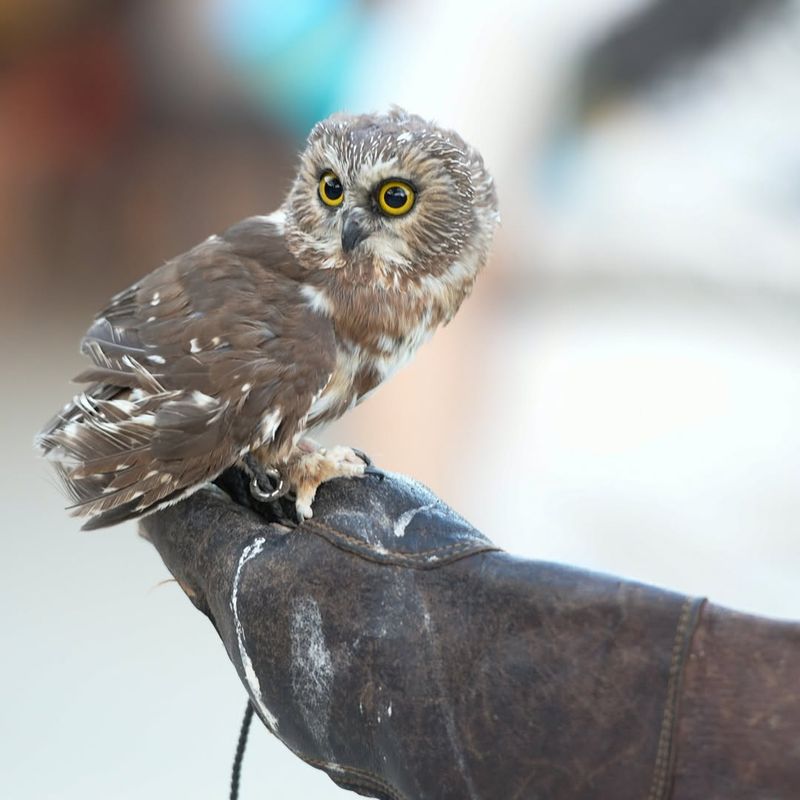
California’s night skies once teemed with moths, beetles, and other nocturnal insects that form the foundation of nighttime food webs. Bats, nighthawks, and owls depend on these insects for survival.
But artificial lighting disrupts everything, disorienting insects, interfering with pollination, and depleting the food sources that nocturnal predators need.
Outdoor lighting draws insects away from their natural behaviors. Moths that should be pollinating night-blooming plants instead exhaust themselves circling porch lights.
Bright security lights can prevent bats from hunting effectively, as many bat species avoid well-lit areas. Even fireflies, increasingly rare in California, can’t complete their bioluminescent mating displays in light-polluted yards.
Reducing light pollution doesn’t mean living in total darkness. Use motion sensors so lights activate only when needed rather than blazing all night.
Choose warm-colored bulbs (amber or red spectrum) rather than bright white or blue lights, which are most disruptive to wildlife. Shield fixtures so light points downward rather than spreading into the sky and surrounding vegetation.
Consider which lights are truly necessary. That decorative landscape lighting might create ambiance, but it’s actively harming nocturnal wildlife.
Experiment with turning off all but essential lights and notice what happens: you might spot bats swooping through your yard, hear owls calling, or discover moths visiting your night-blooming flowers.
Darkness is habitat too, and your nocturnal neighbors desperately need it.
8. Add A Pollinator Patch, Even In Tiny Spaces
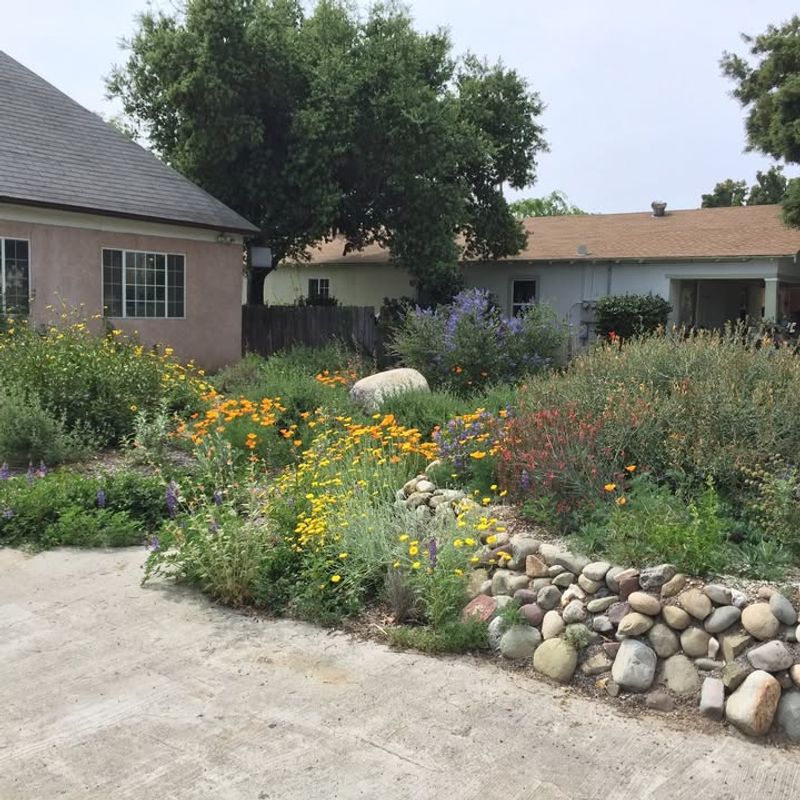
You don’t need a sprawling estate to support pollinators, even a three-by-three-foot patch can become a vital resource if you plant it thoughtfully.
California’s native bees, butterflies, and other pollinators are remarkably adaptable and will quickly discover even small flower-rich areas in urban and suburban settings.
Choose a sunny spot since most pollinator-friendly plants need at least six hours of direct sun. Remove the lawn or existing plants, improve the soil with compost, and pack your patch with a diverse mix of flowering plants.
Aim for at least five different species that bloom at overlapping times, creating continuous nectar and pollen availability.
Native perennials like California poppies, lupines, penstemons, and buckwheat are excellent choices that return year after year with minimal care.
Mix in heights and flower shapes, flat-topped flowers for beetles and flies, tubular flowers for hummingbirds and long-tongued bees, and clustered flowers for butterflies.
This diversity supports the widest range of pollinator species.
Avoid hybrid flowers bred for appearance rather than nectar production, many double-flowered varieties offer little or no food for pollinators. Skip the pesticides entirely in your pollinator patch, even organic ones, since you’re specifically trying to support insects.
Water deeply but infrequently once established, following California’s Mediterranean climate patterns. Within weeks, you’ll notice increased pollinator activity, and that tiny patch will be working harder for wildlife than your entire lawn ever did.
9. Don’t Remove Every Branch
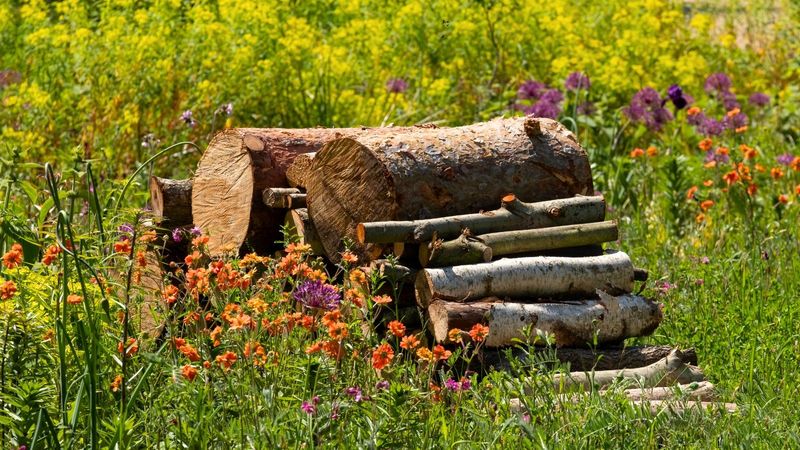
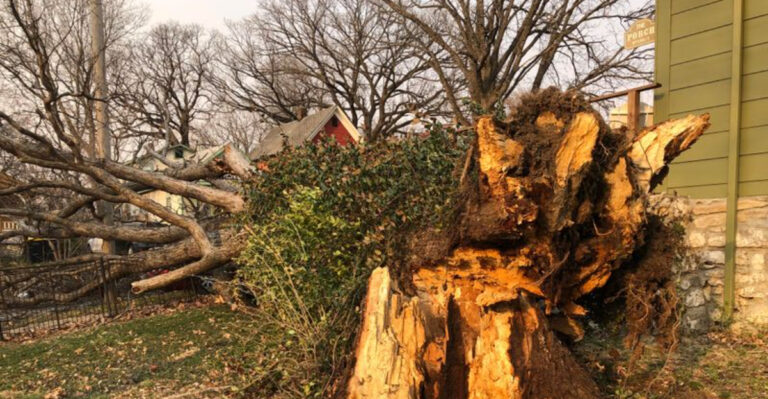
That dead tree limb or fallen log might look like garden debris to you, but it’s actually premium real estate for wildlife.
Damaged and decaying wood supports an incredible diversity of life, from cavity-nesting birds and native bees to beetles, fungi, and the insect-eating birds that hunt them.
Woodpeckers excavate nest holes in dead wood, then other species like bluebirds, chickadees, and nuthatches use those cavities in following years. Many of California’s native bees nest in hollow stems or bore into soft dead wood.
Beetles and their larvae tunnel through decaying wood, becoming food for woodpeckers and other insect-eaters in a continuous cycle that supports the entire food web.
You don’t need to leave hazardous dead trees that might fall on structures, but consider keeping wood that poses no danger. A standing snag can remain for years, gradually softening and hosting successive waves of wildlife.
Fallen logs can be positioned as garden borders or left in tucked-away corners where they’ll slowly decompose while providing shelter and food.
Even small withered branches have value. Drill holes of varying sizes (quarter-inch to half-inch diameter) into short sections of untreated wood and mount them in your garden as bee houses.
Stack dead branches loosely in a corner to create beetle habitat. This costs nothing, requires no maintenance, and transforms “waste” material into wildlife resources that will benefit your garden for years.
10. Let A Corner Go Wild
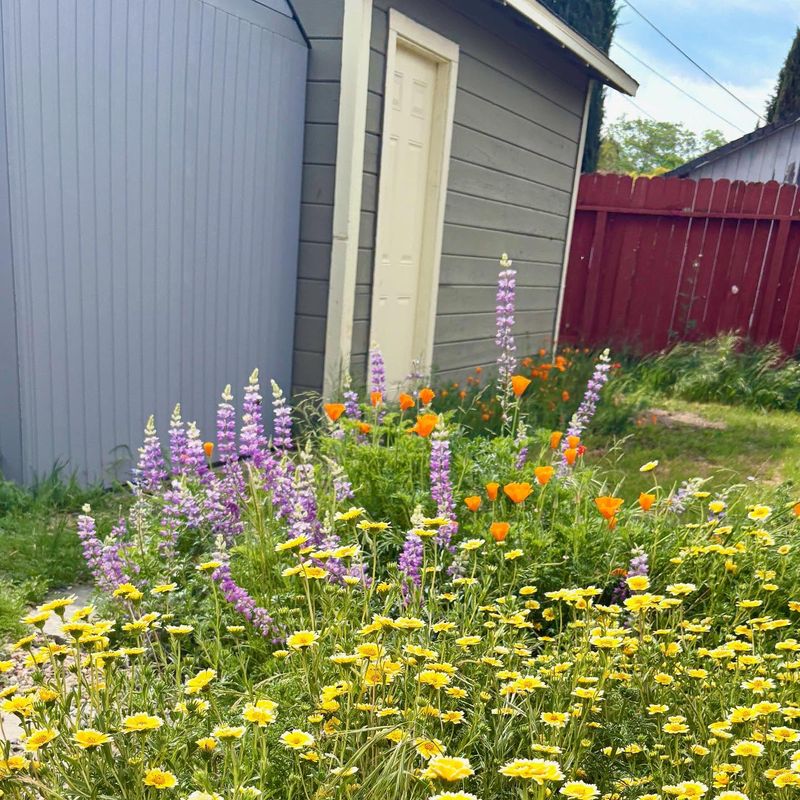
Sometimes the best thing you can do for wildlife is simply step back and let nature take over a small section of your yard.
A wild corner where plants grow untrimmed, leaves accumulate, and natural processes unfold without interference becomes incredibly valuable habitat that complements your more managed garden areas.
Choose a spot that’s out of sight from main living areas, along a back fence, behind a shed, or in a side yard. Stop mowing, stop raking, and stop removing volunteer plants.
You’ll be amazed at what appears: native plants whose seeds have been waiting in your soil, butterflies and moths that need specific wild host plants, and ground-nesting bees that require undisturbed soil.
This isn’t about creating an eyesore. You’re establishing a wildlife refuge that operates on nature’s terms rather than suburban aesthetic standards.
Birds will forage more successfully in this diverse, layered habitat. Small mammals will find shelter in the dense growth.
Insects will complete their life cycles undisturbed, supporting the predators that depend on them.
If a completely wild area feels too chaotic, compromise by planting it with low-maintenance natives, then letting them grow naturally without deadheading, pruning, or cleaning up. The principle remains: less intervention means more wildlife benefit.
You might even find this wilder section becomes your favorite part of the garden, a place where you can observe nature’s complexity and abundance right in your own backyard.