Small Birds That Make California Gardens Feel Alive Year-Round
Step into a California garden at almost any time of year and you will hear it first: cheerful chirping, soft fluttering, and the lively rustle of tiny wings.
Small birds bring constant motion, color, and personality, turning even the quietest backyard into a living, breathing nature scene.
Some dart through shrubs like little acrobats, others perch proudly on fence tops, singing as if they own the place.
Thanks to California’s mild climate and diverse habitats, many of these feathered visitors stay all year, brightening winter mornings and warm summer evenings alike.
Finches, chickadees, wrens, and bushtits add charm far beyond their size, filling gardens with energy and sound.
With the right plants, fresh water, and a safe place to rest, your yard can become a favorite stop for these delightful neighbors, bringing joy, movement, and music to your outdoor space every single day of the year.
1. House Finch
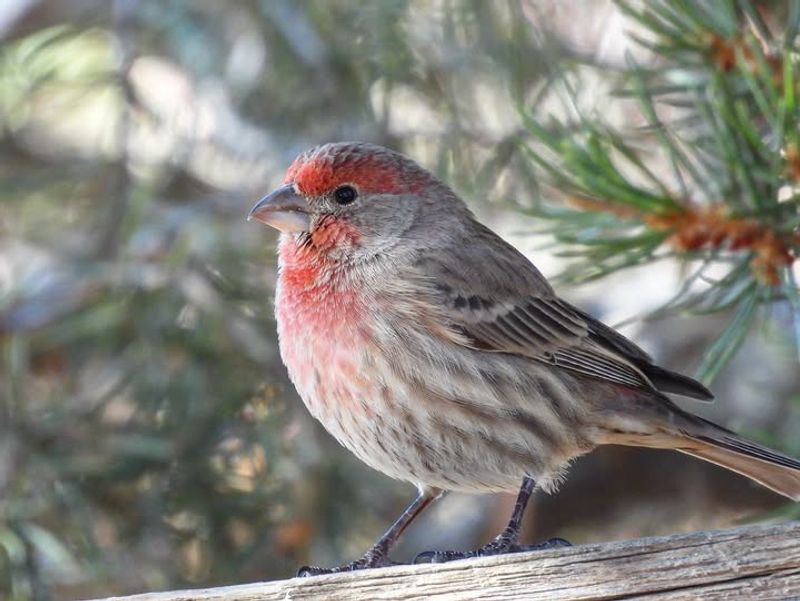
Cheerful warbling fills California gardens wherever House Finches gather, and their social nature means you’ll rarely see just one.
Males sport rosy-red heads and chests that vary from pale orange to deep crimson depending on their diet, while females wear subtle brown streaks that help them blend into branches.
Their constant chatter and bubbly songs create a soundtrack that makes any garden feel lively.
House Finches adapted remarkably well to suburban life, nesting in hanging baskets, porch lights, and dense shrubs without much fuss. They feed primarily on seeds, favoring sunflower and nyjer at feeders but also foraging for weed seeds in unmulched areas.
Some gardeners worry they’ll damage fruit, but they typically nibble rather than destroy entire crops.
Provide fresh water daily since these birds drink frequently, especially during California’s dry summer months. They’re cavity nesters by preference but adapt to open cup nests in protected spots.
Keep feeders clean to prevent eye disease, which spreads quickly among House Finches at crowded feeding stations. Their year-round presence and adaptable nature make them reliable garden companions that bring color and sound through every season.
2. Anna’s Hummingbird
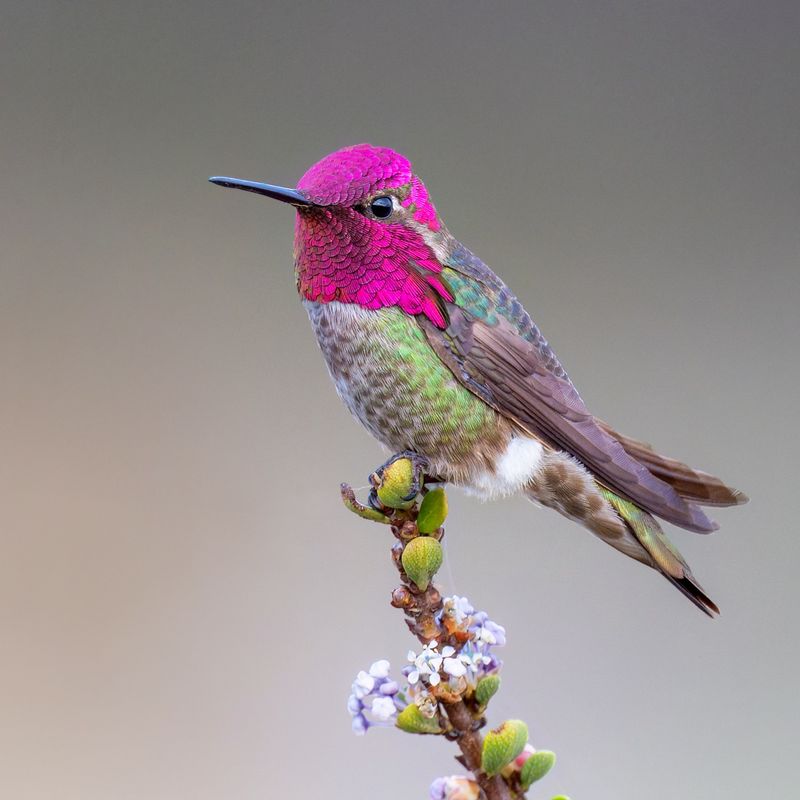
When most hummingbirds head south for winter, this California native sticks around your garden all year long. Anna’s Hummingbirds bring incredible energy to your yard, zipping between flowers and defending their favorite feeders with fierce determination.
Males flash brilliant magenta-pink throat feathers that catch the light like jewels, while their high-pitched chatter announces their presence from sunrise to sunset.
These tiny dynamos need nectar every fifteen minutes or so to fuel their rapid metabolism. Plant salvias, penstemons, and California fuchsia in rotating bloom times to keep them fed naturally.
They also eat small insects and spiders, which means pesticide-free gardening matters more than you might think.
Hang feeders with fresh sugar water year-round, changing it every few days in hot weather. Anna’s Hummingbirds nest surprisingly early, sometimes in December or January, building tiny cup nests from plant down and spider silk.
Leave some sheltered shrubs unpruned during winter to give nesting females safe spots. Water features with misters or shallow dishes attract them for bathing, and watching them splash around brings pure joy to any garden day.
3. Lesser Goldfinch
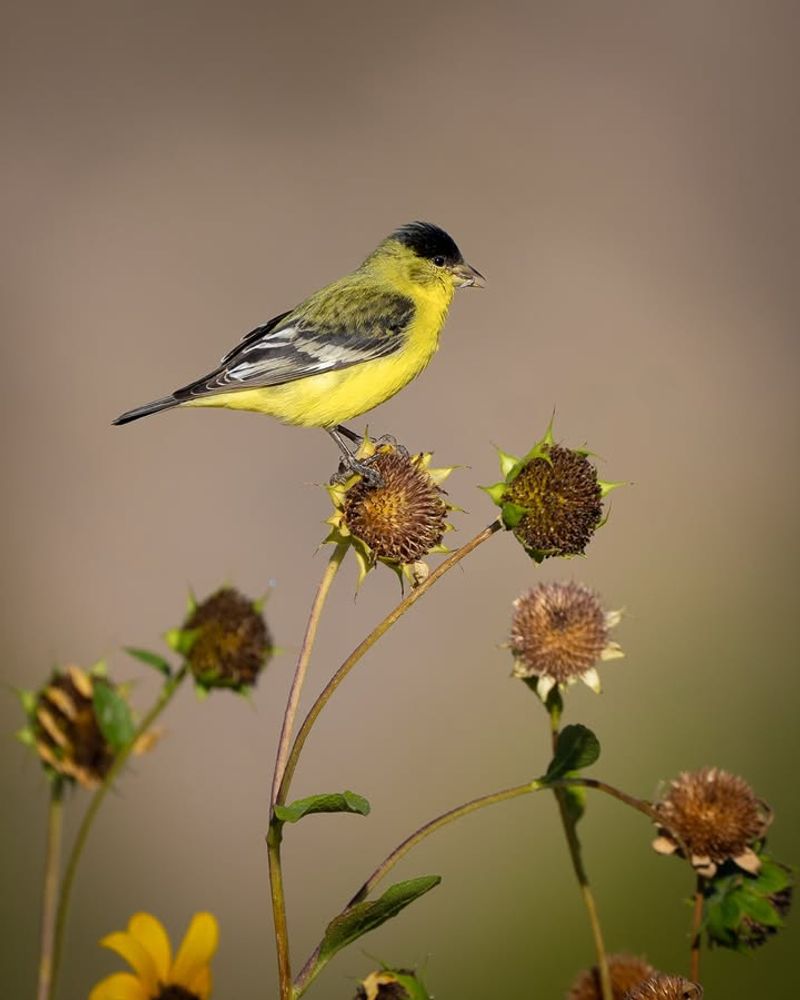
Bright yellow flashes catch your eye when Lesser Goldfinches bounce through California gardens, targeting seed heads with acrobatic precision.
These tiny birds hang upside-down on dried flower stalks, extracting seeds from sunflowers, zinnias, and native buckwheat with remarkable skill.
Males wear glossy black caps and backs that contrast beautifully with lemon-yellow undersides, while females sport more olive-green tones that still shimmer in good light.
Unlike their American Goldfinch cousins, Lesser Goldfinches stay put in California gardens year-round, breeding through spring and summer. They prefer weedy, slightly wild garden areas where native plants go to seed naturally.
Leaving seed heads standing instead of deadheading everything provides essential food, especially during late summer when young birds need easy nutrition.
Their twittering calls sound almost conversational as flocks move through gardens together. Plant California poppies, cosmos, and coreopsis for seed production, and avoid excessive tidiness in garden corners.
These goldfinches also visit feeders for nyjer and sunflower chips, though they seem happiest foraging naturally.
Water sources with shallow edges attract them for drinking and bathing, and their playful energy brings movement to even the smallest garden spaces throughout every season.
4. American Goldfinch
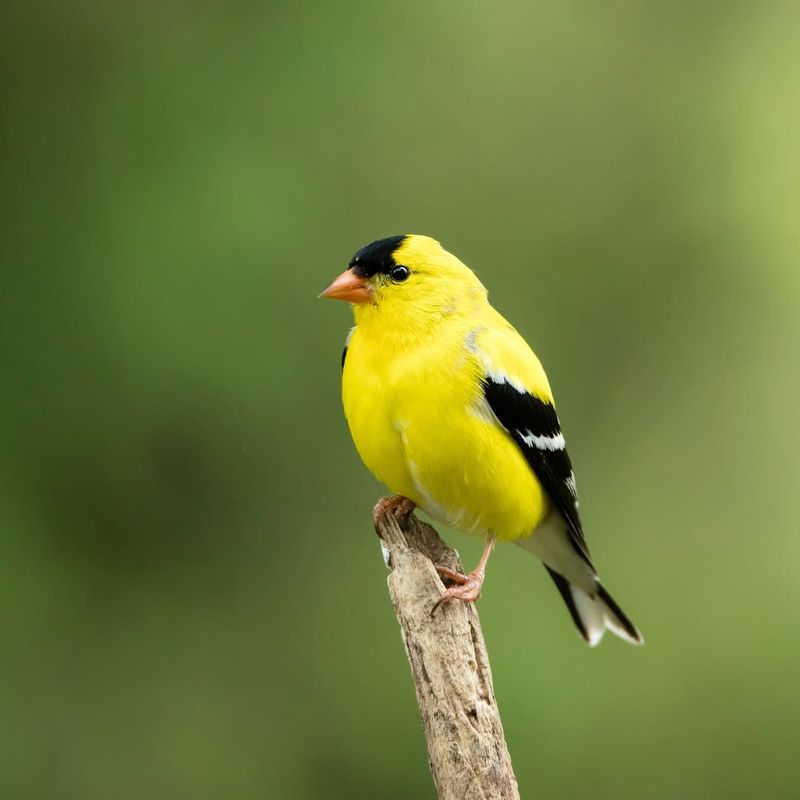
Brilliant canary-yellow breeding plumage makes American Goldfinches impossible to miss during California’s warmer months, though many gardeners don’t realize these birds shift to drab olive-brown for winter. This seasonal color change confuses people who think their goldfinches disappeared, but they’re still around, just dressed differently.
Males transform into vibrant yellow with black caps and wings by late spring, creating stunning contrast against green foliage.
American Goldfinches breed later than most birds, waiting until July or August when thistle and other composite flowers produce abundant seeds. They line nests with thistle down and feed nestlings regurgitated seeds rather than insects, making them unique among California garden birds.
This late breeding strategy means you’ll hear their roller-coaster flight calls and sweet warbling songs well into summer.
Plant native thistles, sunflowers, and asters to support their natural feeding habits, and consider leaving seed heads standing through fall and winter. Nyjer feeders attract them reliably, though they also visit sunflower chip feeders.
Their undulating flight pattern – flap, flap, glide – makes them easy to identify even from a distance. Providing water and avoiding pesticides helps these charming birds thrive in your garden through their dramatic seasonal transformations.
5. Bushtit
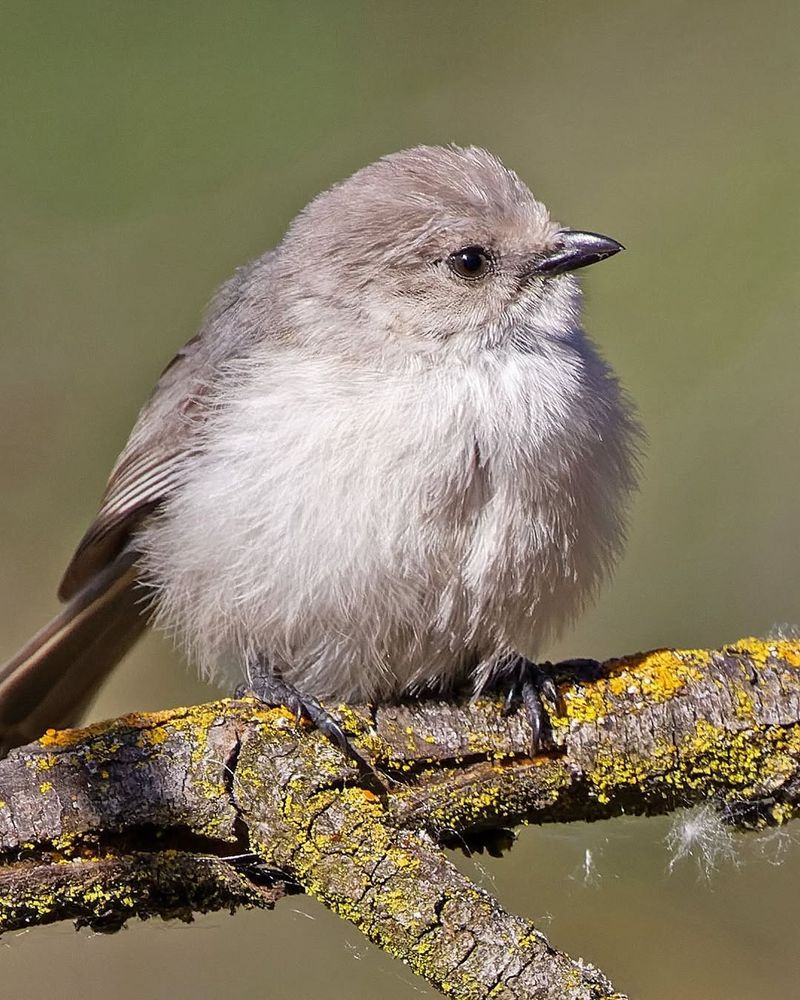
Watching a flock of Bushtits move through your garden feels like witnessing a small gray cloud with personality. These tiny, long-tailed birds travel in groups of twenty or more, chattering constantly as they pick aphids and spider eggs from leaves and branches.
Their high-pitched calls keep the flock connected as they work through shrubs and trees with impressive thoroughness, rarely staying still for more than a moment.
Bushtits weigh less than a quarter-ounce, making them among California’s smallest birds. Their plain gray-brown plumage and stubby bills don’t stand out individually, but their social behavior and acrobatic foraging make them endlessly entertaining.
They hang upside-down from twigs, hover briefly to snatch insects, and squeeze into dense foliage where larger birds can’t reach.
These birds build remarkable hanging sock nests from spider webs, moss, and lichen that can take over a month to complete. Plant layered shrubs and small trees to provide foraging habitat and nesting sites.
They rarely visit feeders but love birdbaths, often arriving in groups for communal bathing sessions. Avoid pesticides since their insect-based diet depends on healthy bug populations.
Their year-round presence and constant motion bring a sense of busy liveliness to California gardens that’s hard to match.
6. White-crowned Sparrow
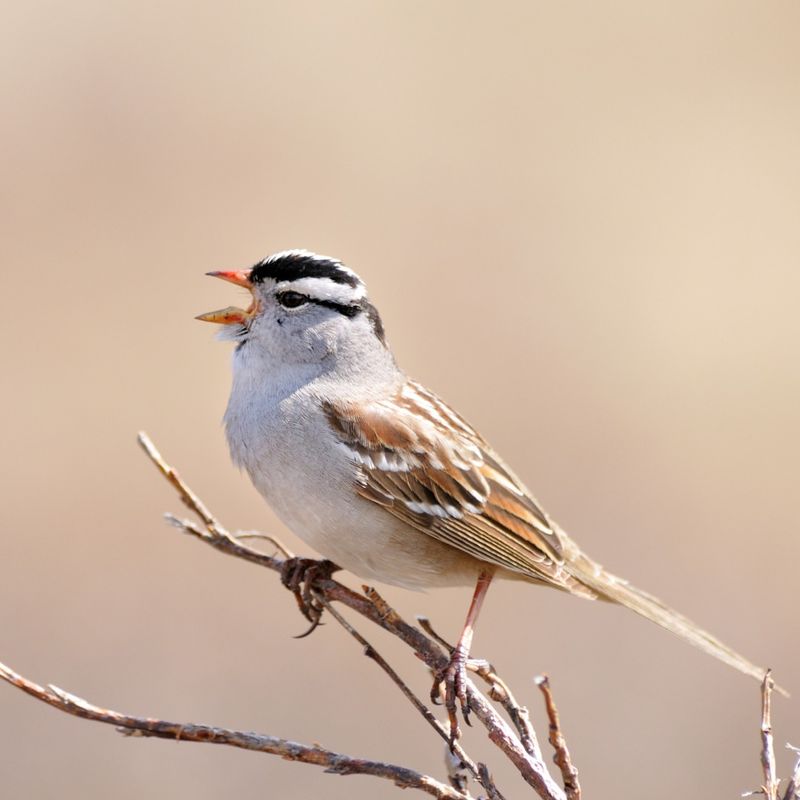
Bold black-and-white head stripes make White-crowned Sparrows one of California’s most recognizable winter visitors, though some populations stay year-round in coastal areas.
These handsome sparrows arrive in fall and spend winter scratching through leaf litter and mulched beds, searching for seeds and insects with methodical determination.
Their clear, whistled songs start up in late winter, adding melodic notes to gardens before they head to higher elevations or northern regions for breeding.
White-crowned Sparrows prefer ground feeding, hopping along pathways and under shrubs rather than perching at elevated feeders. They travel in small flocks that work through gardens systematically, often returning to the same spots day after day.
Their brown backs and gray breasts blend well with garden environments, but those striking head stripes catch attention immediately.
Leave some garden areas unmulched or loosely mulched so these birds can scratch and forage naturally. Scatter millet or sunflower chips on the ground or use low platform feeders.
They appreciate dense shrubs for quick cover when hawks pass overhead. Provide fresh water at ground level since they’re more comfortable bathing in shallow dishes than elevated birdbaths.
Their winter presence brings elegance and song to California gardens during months when other birds stay quieter.
7. Song Sparrow
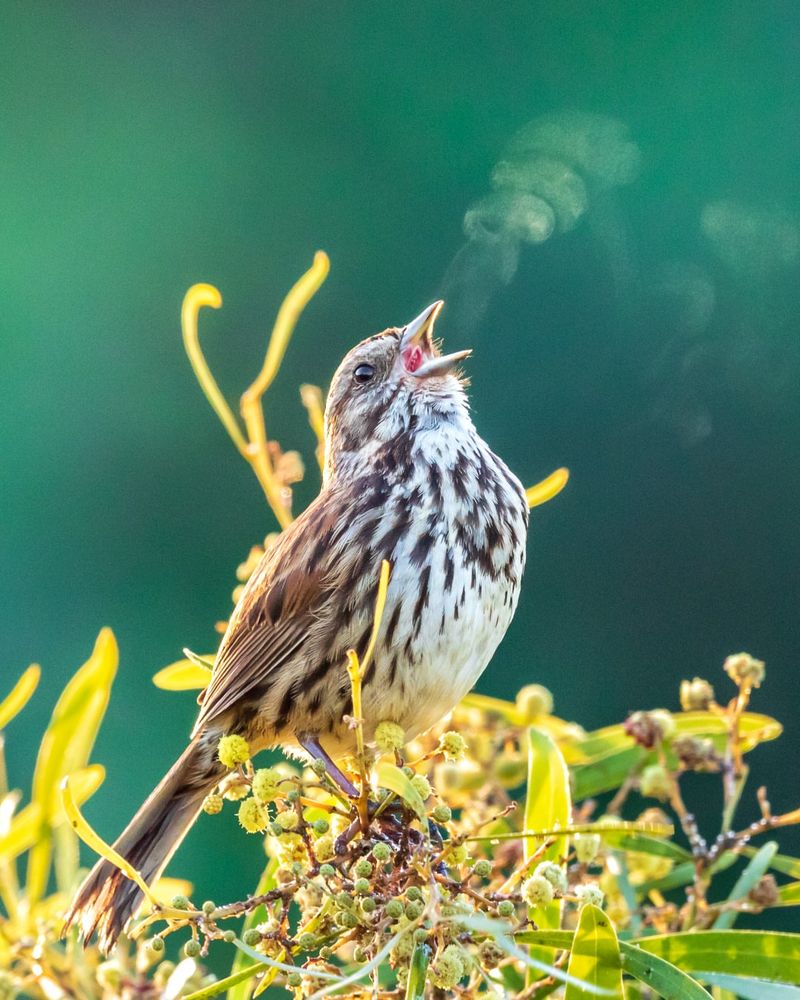
Rich, varied melodies pour from Song Sparrows throughout the year in California gardens, making them one of the most vocal residents you’ll host. These medium-sized sparrows wear heavy brown streaks on white breasts, often with a distinct central spot that helps identify them.
They sing from exposed perches, fence posts, shrub tops, garden stakes, repeating their complex songs with slight variations that sound almost conversational.
Song Sparrows thrive in gardens with water features, dense shrubs, and edges where open areas meet thicker vegetation. They nest low in dense growth, building cup nests from grasses and lining them with fine materials.
Males defend territories aggressively during breeding season, chasing other Song Sparrows away while tolerating different species nearby.
These sparrows forage on the ground for seeds and insects, scratching through leaf litter like tiny chickens. Plant native grasses and perennials that provide seeds and insect habitat.
They visit feeders occasionally but prefer natural foraging opportunities. Water sources attract them reliably, they drink frequently and bathe almost daily when water’s available.
Their year-round presence and constant singing create a musical backdrop that makes California gardens feel truly alive, especially during early morning hours when their songs ring out most persistently.
8. Dark-eyed Junco
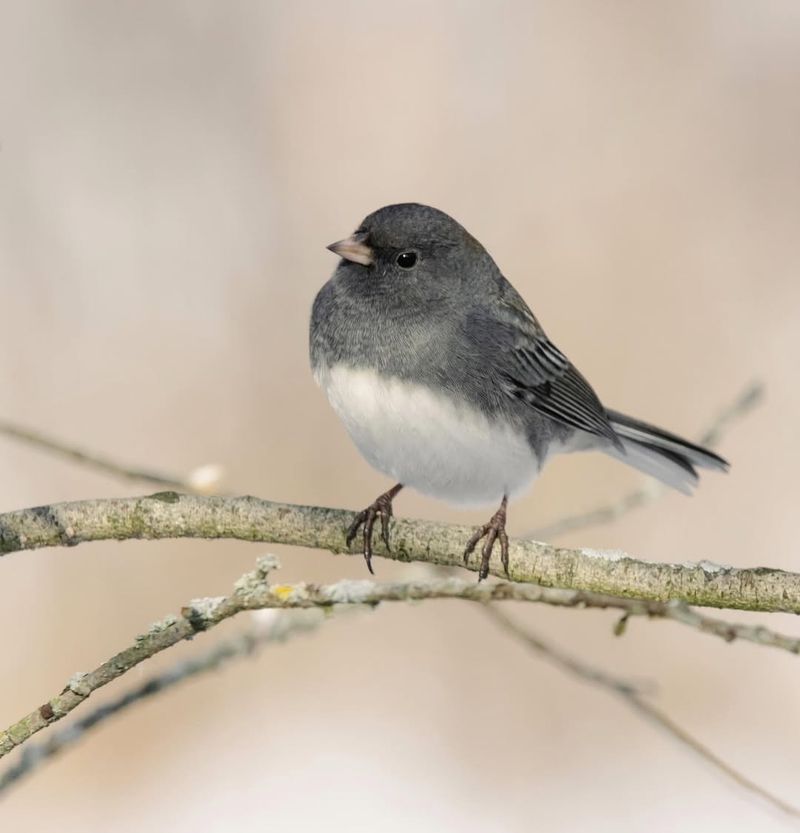
Slate-gray hoods and crisp white bellies make Dark-eyed Juncos look like they’re wearing little tuxedos as they hop around California gardens during cooler months. These ground-feeding sparrows arrive in fall from higher elevations and northern regions, spending winter in lowland gardens before returning to mountain breeding grounds in spring.
Their white outer tail feathers flash distinctively when they fly, creating a flickering pattern that helps identify them instantly.
Juncos prefer feeding directly on the ground, pecking at scattered seeds and hopping in short bursts across patios, pathways, and under feeders. They travel in loose flocks that sometimes mix with White-crowned Sparrows and other winter visitors.
Their soft trilling calls and simple chip notes create gentle background sounds in quiet winter gardens.
Scatter millet, cracked corn, or sunflower chips on the ground or use low platform feeders to accommodate their feeding style. They appreciate brush piles and low shrubs for quick cover, darting underneath when startled.
Keep some bare ground or thin mulch areas where they can easily spot seeds. Fresh water at ground level attracts them for drinking and bathing.
Their presence signals seasonal changes in California gardens, arriving reliably each fall and departing as spring temperatures rise and breeding season calls them back to higher elevations.
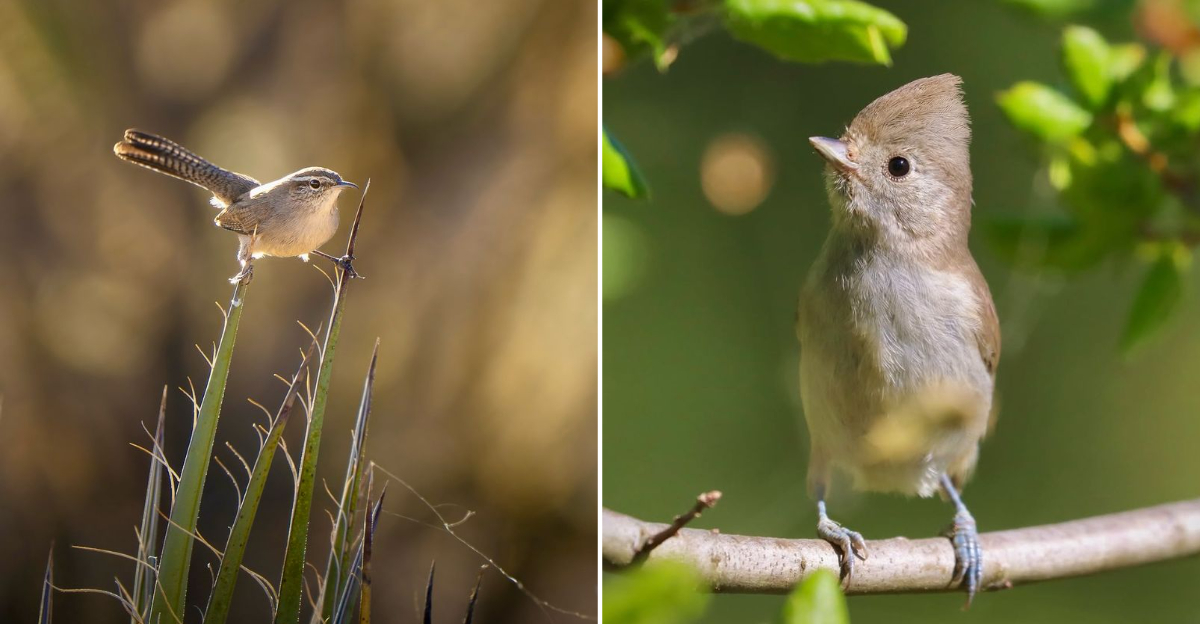
9. Oak Titmouse
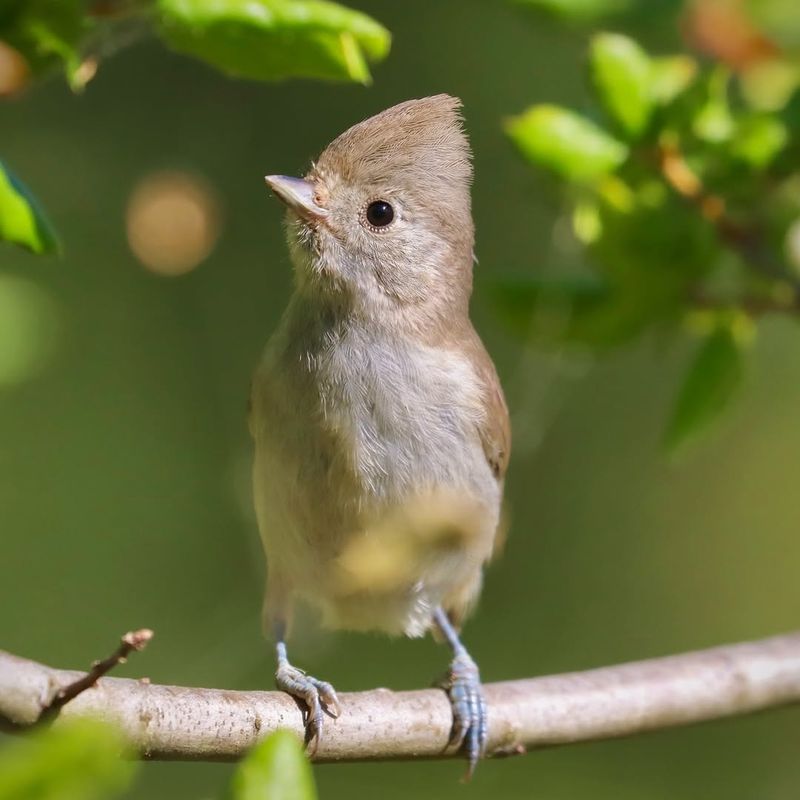
Plain gray plumage might not sound exciting, but Oak Titmouses bring personality and charm that more than compensates for their subtle coloring. These California natives wear small crests and sport expressive black eyes that give them alert, curious expressions.
They move through gardens with confidence, investigating bark crevices, examining leaves, and visiting feeders with bold determination despite their small size.
Oak Titmouses mate for life and defend territories year-round, making them reliable garden residents you’ll see daily. Their whistled songs sound like repeated “peter-peter-peter” calls that echo through oak-studded neighborhoods and gardens.
They’re cavity nesters, using old woodpecker holes or nest boxes with appropriately sized entrance holes.
These birds eat insects during breeding season and switch to more seeds and acorns during fall and winter. They’re enthusiastic feeder visitors, taking sunflower seeds one at a time and flying off to cache them in bark crevices for later.
Plant native oaks if space allows, or provide nest boxes with 1.25-inch entrance holes. They appreciate water sources and will visit birdbaths regularly.
Their year-round presence and active foraging behavior make Oak Titmouses wonderful garden companions that bring movement and sound to California landscapes through every season, rain or shine.
10. Bewick’s Wren
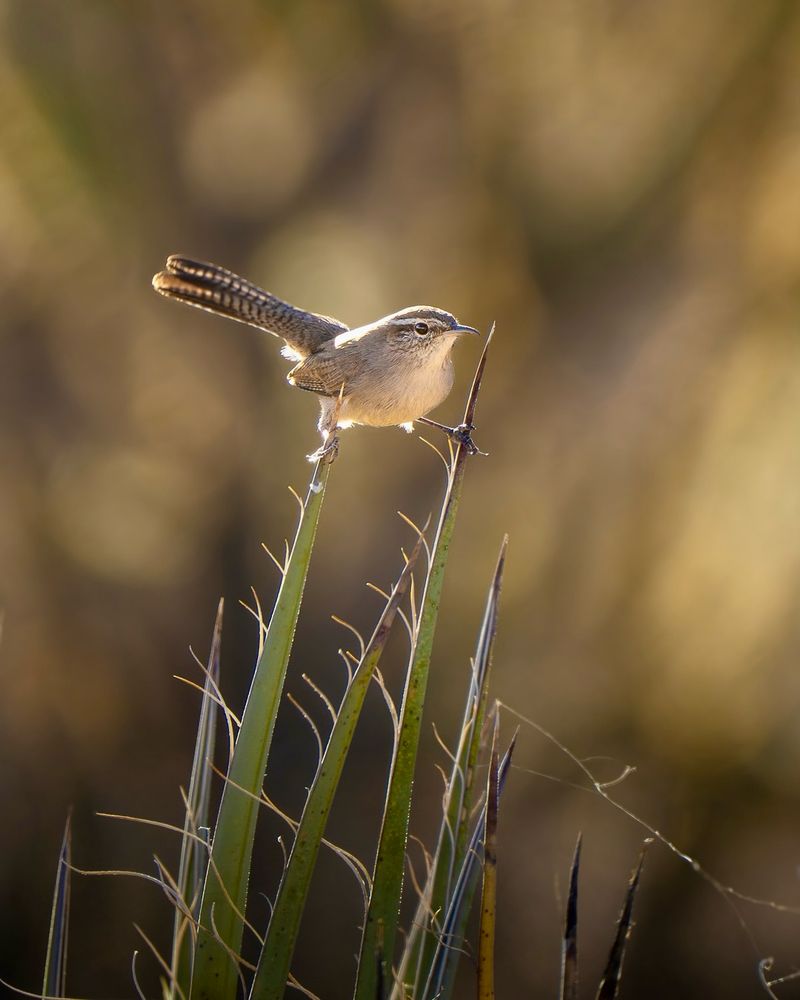
Loud, bubbling songs announce Bewick’s Wrens long before you spot these small brown birds skulking through garden shrubs and brush piles. Their bold white eyebrow stripes and long tails held at jaunty angles give them distinctive profiles, and their fearless attitudes make them entertaining garden residents.
Males sing persistently from exposed perches, defending territories with vocal enthusiasm that seems oversized for their tiny bodies.
Bewick’s Wrens explore every garden nook, poking into flowerpots, checking under eaves, and investigating brush piles for insects and spiders. They’re cavity nesters but adapt readily to unusual spots, mailboxes, coiled hoses, and hanging baskets all become potential nest sites.
Their adaptability to human environments makes them common in California suburbs and urban gardens.
Provide brush piles, dense shrubs, and nest boxes with small entrance holes to attract these wrens. They rarely visit seed feeders but appreciate mealworm offerings, especially during breeding season when they’re feeding nestlings.
Keep some garden areas slightly wild with leaf litter and low vegetation where they can hunt insects. Water sources attract them for drinking and bathing.
Their year-round presence and constant singing bring spirited energy to California gardens, and their insect-eating habits make them valuable allies in natural pest control throughout every season.