Small-Space Garden Ideas That Work For City Homes In Massachusetts
Small-space garden ideas can completely transform city homes in Massachusetts into lush, productive retreats even when outdoor room is tight.
By using vertical planters, containers, and clever layouts, even the smallest patios and balconies start to feel like intentional green spaces.
Choosing the right plants and flexible furniture helps gardens stay beautiful and functional without feeling cluttered.
With a little creativity and smart planning, city gardens become cozy, thriving spots you’ll love spending time in.
1. Vertical Wall Planters
Wall-mounted planters let you grow upward instead of outward, making them perfect for tight spaces found throughout Massachusetts cities.
You can attach modular pocket systems to fences, railings, or exterior walls without taking up valuable floor space in your area.
Herbs like basil, parsley, and thyme thrive in vertical arrangements and stay within easy reach for cooking fresh meals every day.
Succulents and trailing plants also work beautifully in these setups, creating living art that transforms blank walls into green focal points.
Boston and Cambridge residents often use vertical planters on apartment balconies where horizontal space remains extremely limited but walls offer opportunity.
Installing these systems requires only basic tools, and many designs allow you to rearrange plants seasonally based on sunlight and temperature changes.
Watering can be simplified with drip irrigation attachments that deliver moisture evenly across all levels without creating messy runoff or puddles.
Vertical gardens also improve air quality and provide insulation, keeping your outdoor space cooler during hot Massachusetts summers while adding natural beauty.
2. Container Vegetable Gardens
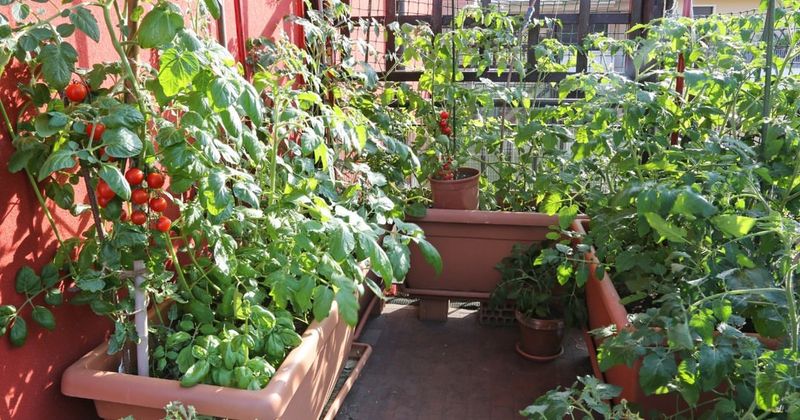
Growing vegetables in containers gives city dwellers complete control over soil quality, drainage, and placement, making gardening accessible even without traditional yards.
Tomatoes, peppers, lettuce, and radishes adapt exceptionally well to pot life and produce generous harvests throughout the Massachusetts growing season each year.
Choosing containers with adequate drainage holes prevents root rot, while using quality potting mix ensures plants receive proper nutrients and moisture retention.
Five-gallon buckets, decorative ceramic pots, or even repurposed wooden crates can become productive vegetable gardens with minimal investment and creative thinking.
Springfield and Worcester residents enjoy fresh salads from balcony containers, proving you need not own land to eat homegrown produce regularly at home.
Positioning containers where they receive at least six hours of sunlight daily maximizes growth and yields, especially for sun-loving crops like tomatoes.
Regular feeding with liquid fertilizer keeps container vegetables healthy since nutrients leach out faster than in ground gardens due to frequent watering cycles.
Moving containers indoors before the first frost extends your harvest, allowing you to enjoy fresh vegetables even as Massachusetts temperatures begin dropping.
3. Window Box Herb Gardens
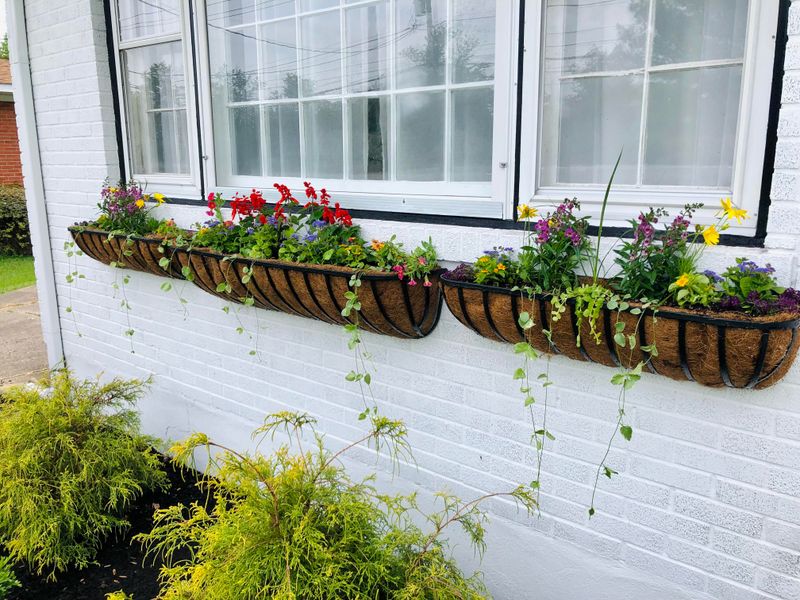
Window boxes bring greenery directly to your view while utilizing space that otherwise goes unused on city apartment exteriors across Massachusetts neighborhoods.
Culinary herbs flourish in shallow window boxes since their root systems need not go deep, making them ideal candidates for this compact style.
Rosemary, mint, cilantro, and chives grow vigorously in these settings, providing fresh flavors just outside your kitchen window for convenient meal preparation.
Securing boxes properly with sturdy brackets ensures safety, especially on upper floors where falling planters could pose serious hazards to pedestrians walking below.
Cambridge and Somerville renters appreciate window boxes because they add character without requiring permanent modifications that might violate lease agreements or building codes.
Selecting boxes with built-in water reservoirs reduces watering frequency, which proves especially helpful during busy weeks when daily maintenance becomes challenging to maintain.
Mixing different herb varieties in one box creates visual interest while ensuring you always have multiple flavors available for cooking diverse recipes.
During Massachusetts winters, you can bring entire boxes indoors to windowsills, allowing herbs to continue growing under natural light throughout cold months ahead.
4. Tiered Raised Bed Systems
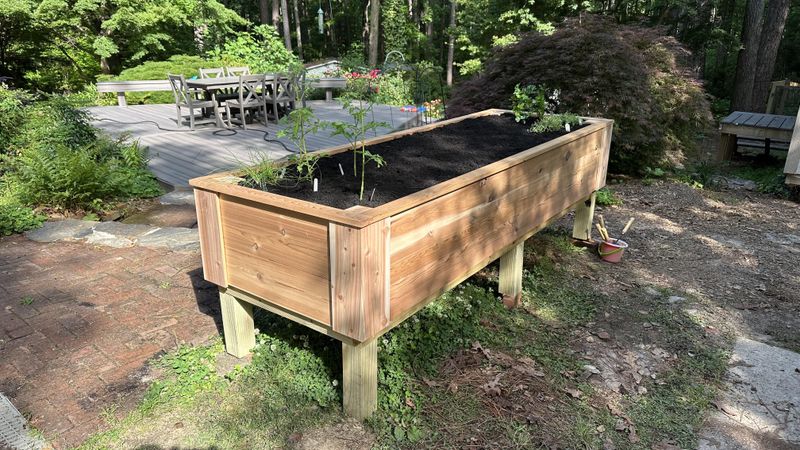
Tiered raised beds stack growing areas vertically, multiplying planting space while maintaining a compact footprint perfect for small Massachusetts city yards and patios.
Building these structures from untreated cedar or composite materials ensures longevity and safety, avoiding chemicals that might leach into soil and affect plants.
Each tier can host different crops based on sunlight exposure and water needs, creating microclimates that support diverse plant varieties in one location.
Strawberries work wonderfully cascading down tier edges, while taller plants like beans or peas can occupy upper levels without shading lower companions.
Lowell and Lynn homeowners with narrow side yards find tiered systems ideal for maximizing production without overwhelming their limited outdoor living spaces available.
Filling beds with quality soil mix gives plants the nutrients and drainage they need, while the raised design warms soil faster in spring.
Accessing upper tiers requires minimal bending, making these gardens easier on your back compared to traditional ground-level beds that demand constant stooping.
Adding decorative elements like painted wood or stone facing transforms functional tiered beds into attractive landscape features that enhance overall property appeal significantly.
5. Hanging Basket Gardens
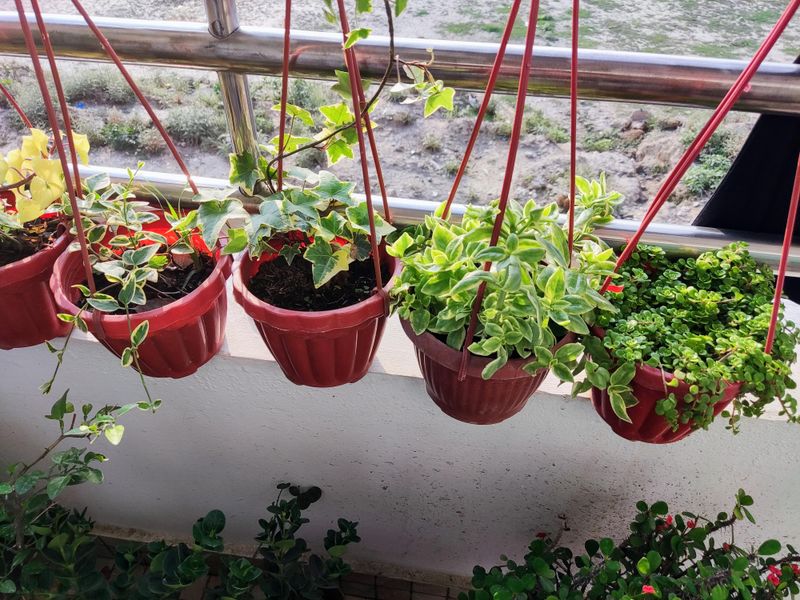
Suspending baskets from hooks, brackets, or pergolas frees up ground space while adding vertical interest that draws eyes upward in compact urban settings.
Trailing varieties like petunias, fuchsias, and cherry tomatoes look spectacular spilling over basket edges, creating cascading displays that soften hard architectural lines.
Hanging baskets dry out quickly, so choosing self-watering models or lining traditional baskets with moisture-retaining materials helps maintain consistent hydration levels.
Rotating baskets periodically ensures all sides receive equal sunlight exposure, promoting balanced growth and preventing plants from becoming lopsided or leggy over time.
Boston balcony gardeners often hang multiple baskets at varying heights, creating layered displays that maximize vertical space without cluttering walking areas below.
Lightweight plastic or resin baskets work better than heavy ceramic options for overhead installations, reducing stress on mounting hardware and ceiling structures.
Fertilizing weekly with diluted solutions keeps basket plants blooming vibrantly throughout the Massachusetts growing season since frequent watering washes nutrients away faster.
Before winter arrives, you can move tender basket plants indoors to sunny windows, extending their life and providing indoor color during dreary months.
6. Pallet Garden Structures
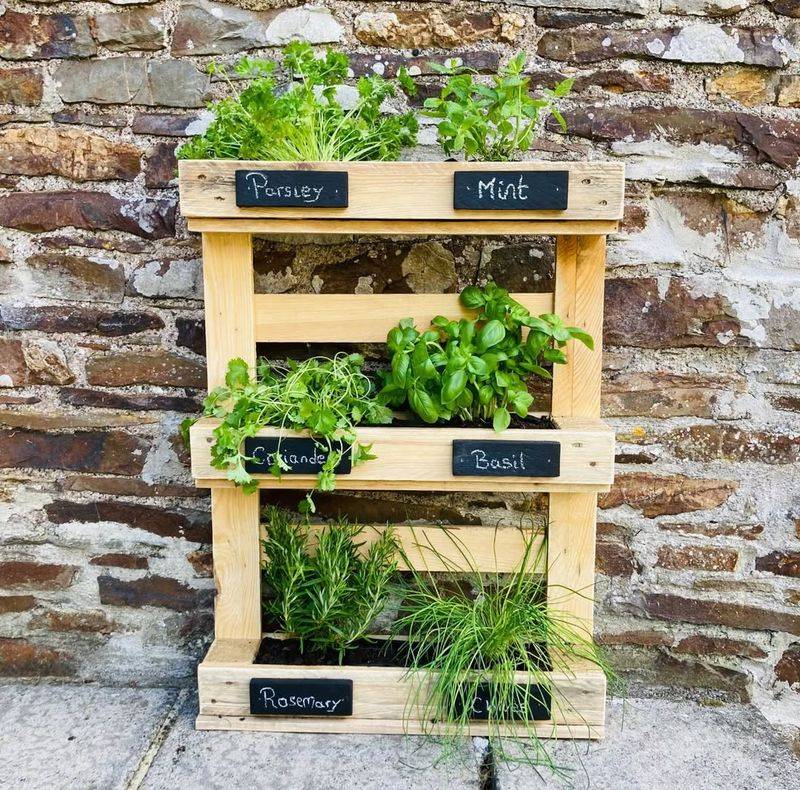
Repurposing wooden pallets creates free or low-cost garden structures that add rustic charm while solving space constraints common in Massachusetts city homes.
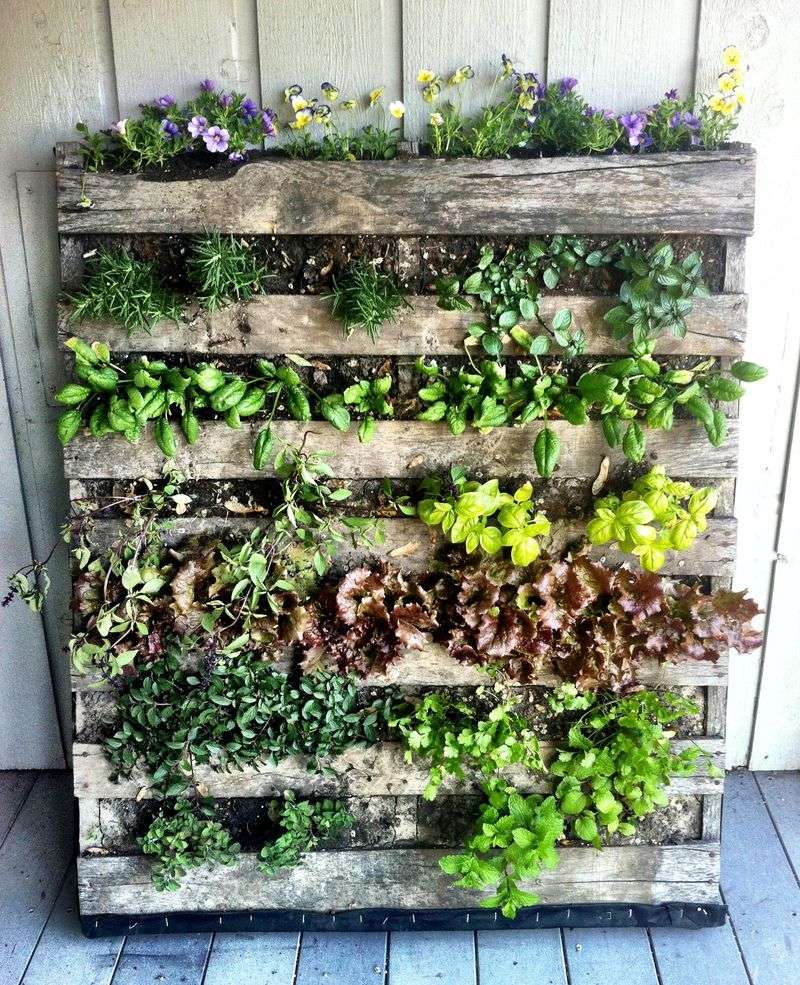
Standing pallets upright and filling slats with soil transforms them into vertical planters that hold dozens of plants in just a few square feet.
Sanding and sealing pallets protects against splinters and weather damage, extending their useful life and ensuring they remain attractive throughout multiple growing seasons.
Shallow-rooted plants like lettuce, spinach, and various flowers establish well in pallet pockets, creating edible or ornamental walls with minimal maintenance requirements.
Worcester and Quincy gardeners enjoy the industrial-chic aesthetic pallets provide, blending functional growing space with trendy urban design that suits contemporary city living.
Leaning pallets against walls or fences saves even more space compared to freestanding installations, while still offering ample planting opportunities for diverse crops.
Lining pallet backs with landscape fabric prevents soil from falling through while allowing proper drainage, keeping your growing environment healthy and productive always.
Painting pallets in bright colors or leaving them natural creates customizable garden art that reflects your personal style while serving practical growing purposes.
7. Compact Fruit Trees in Pots
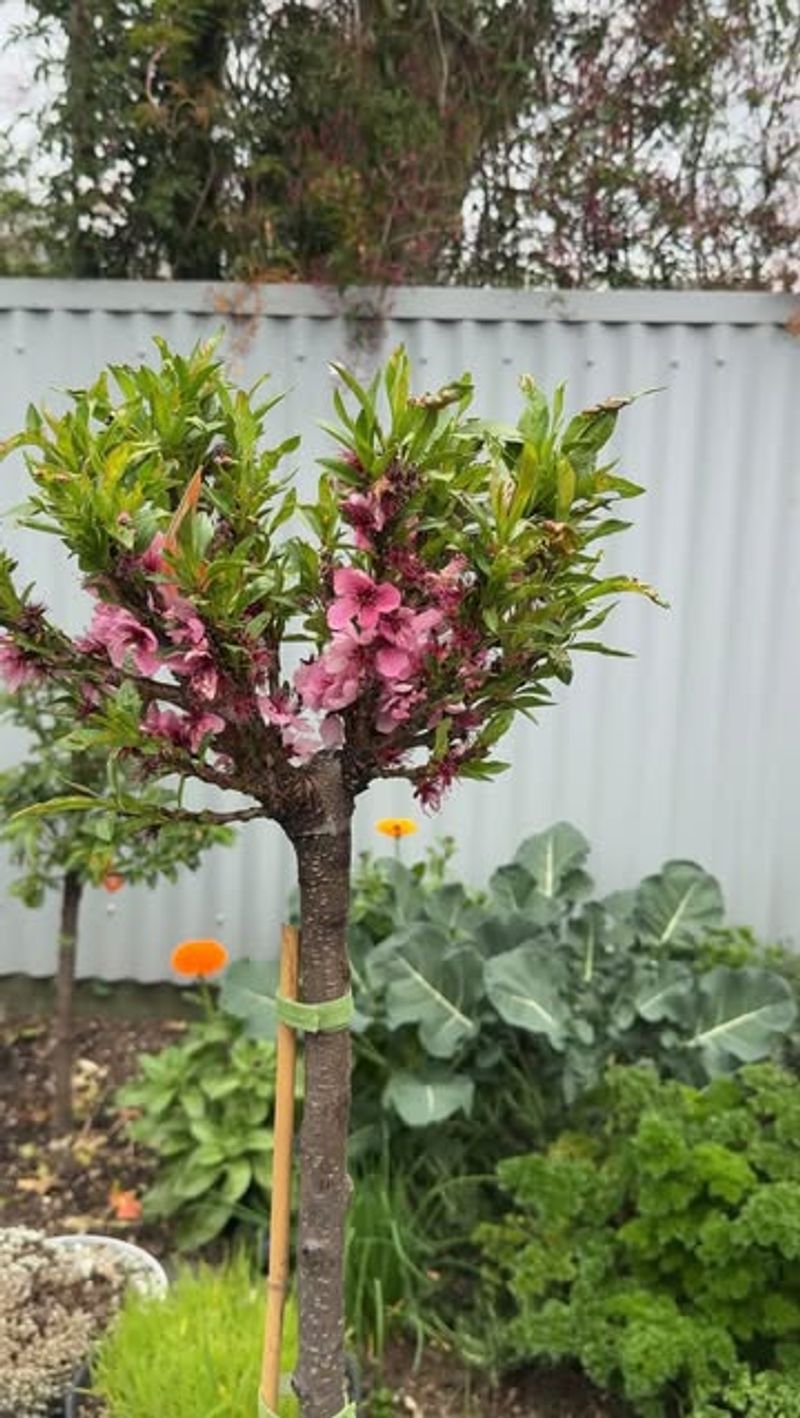
Dwarf and semi-dwarf fruit trees thrive in large containers, bringing fresh apples, pears, or cherries to Massachusetts city patios without requiring traditional orchards.
Selecting varieties bred specifically for container growing ensures trees remain manageable in size while still producing full-sized, delicious fruit each season reliably.
Using containers at least 20 gallons in volume provides adequate root space, while quality potting mix with good drainage prevents waterlogging that damages trees.
Apple varieties like Honeycrisp and cherry types such as Stella adapt particularly well to container life and tolerate Massachusetts climate fluctuations throughout the year.
Cambridge and Newton residents enjoy harvesting fresh fruit from their balconies, creating conversations with neighbors who marvel at urban fruit production possibilities available today.
Positioning potted trees where they receive full sun maximizes flowering and fruiting, though moving containers occasionally lets you optimize light exposure seasonally.
Pruning annually maintains compact shapes and encourages productive branching, keeping trees attractive and fruitful without overwhelming your limited growing space available outside.
Protecting containers from freezing by wrapping them or moving trees to sheltered spots helps roots survive harsh Massachusetts winters successfully each year.
8. Railing Planter Boxes
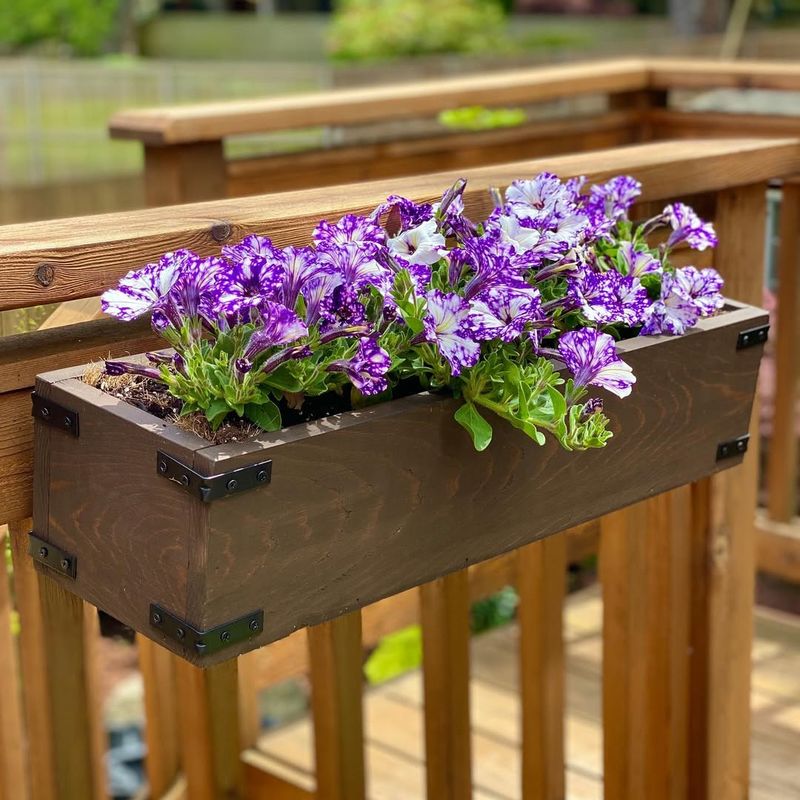
Attaching planters directly to balcony or deck railings utilizes overlooked space while keeping pathways clear for furniture and movement in tight quarters.
Adjustable brackets let you secure boxes firmly without drilling holes, making these ideal for renters who cannot make permanent modifications to their properties.
Flowers like geraniums, marigolds, and pansies create vibrant displays that greet you each time you step outside into your Massachusetts urban oasis.
Railing planters also work beautifully for growing compact vegetables such as leaf lettuce, arugula, and dwarf pepper varieties that produce generously in limited soil.
Somerville and Brookline apartment dwellers appreciate how railing boxes add privacy by creating green screens that soften views of neighboring buildings and streets.
Ensuring boxes have drainage holes prevents water from pooling, which could damage railings and create mosquito breeding sites during humid Massachusetts summer months.
Combining different plant heights and textures in railing boxes creates dynamic compositions that change throughout the season as flowers bloom and foliage matures.
Removing boxes before winter storms protects both plants and railings from damage caused by snow accumulation and freezing temperatures common in the region.
9. Vertical Trellis Gardens
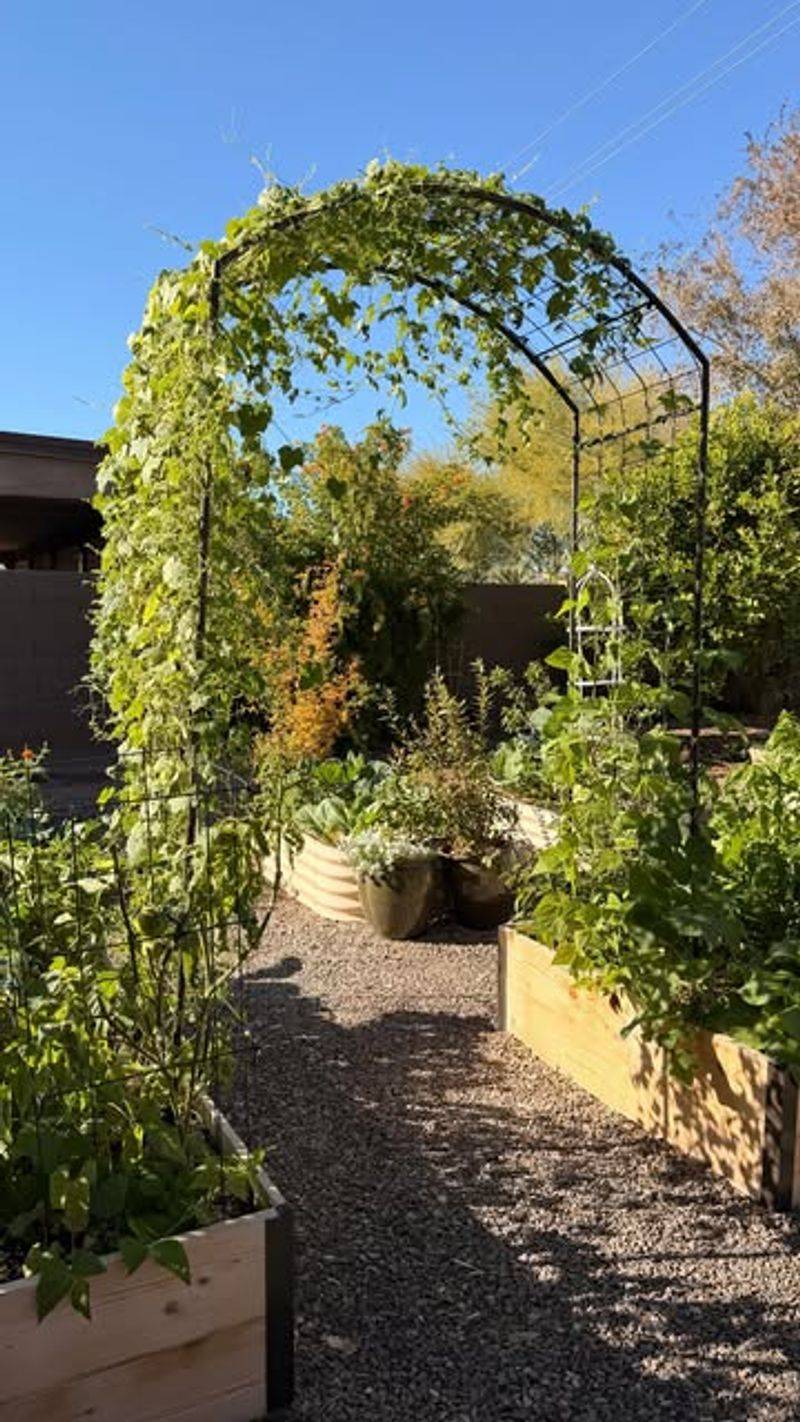
Installing trellises allows climbing plants to grow upward rather than sprawling outward, dramatically increasing yields without consuming precious ground space in urban settings.
Pole beans, sugar snap peas, and cucumbers produce abundantly on vertical supports, making them excellent choices for Massachusetts city gardens with limited square footage.
Positioning trellises along fences or walls maximizes space efficiency while providing sturdy support that withstands wind and the weight of mature, fruit-laden vines.
Morning glories, clematis, and climbing roses add vertical beauty that transforms plain structures into living tapestries bursting with color throughout the growing season.
Lynn and Brockton gardeners find trellises essential for creating privacy screens that block unsightly views while producing food or flowers simultaneously in tight spaces.
Building simple trellises from bamboo poles, wire mesh, or wooden stakes costs little but delivers significant returns in both aesthetics and productivity.
Training plants onto supports early in their growth encourages proper climbing habits and prevents tangling that makes harvesting difficult later in the season.
Cleaning and storing trellises after frost protects materials from weather damage, ensuring they remain functional and attractive for many Massachusetts growing seasons ahead.
10. Tabletop Mini Gardens
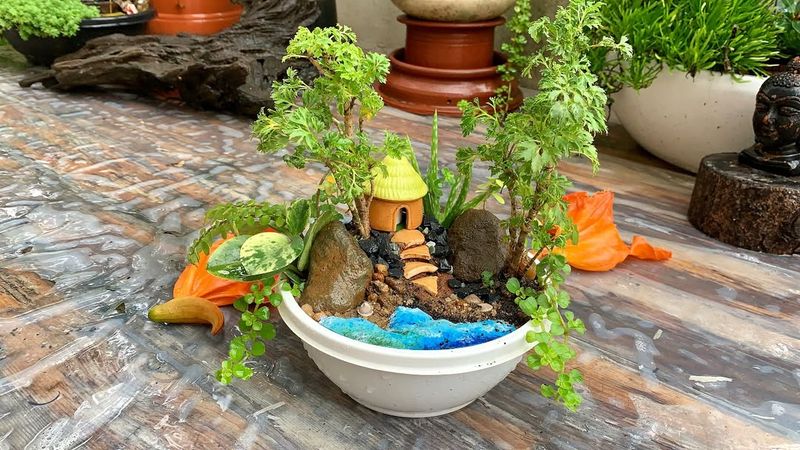
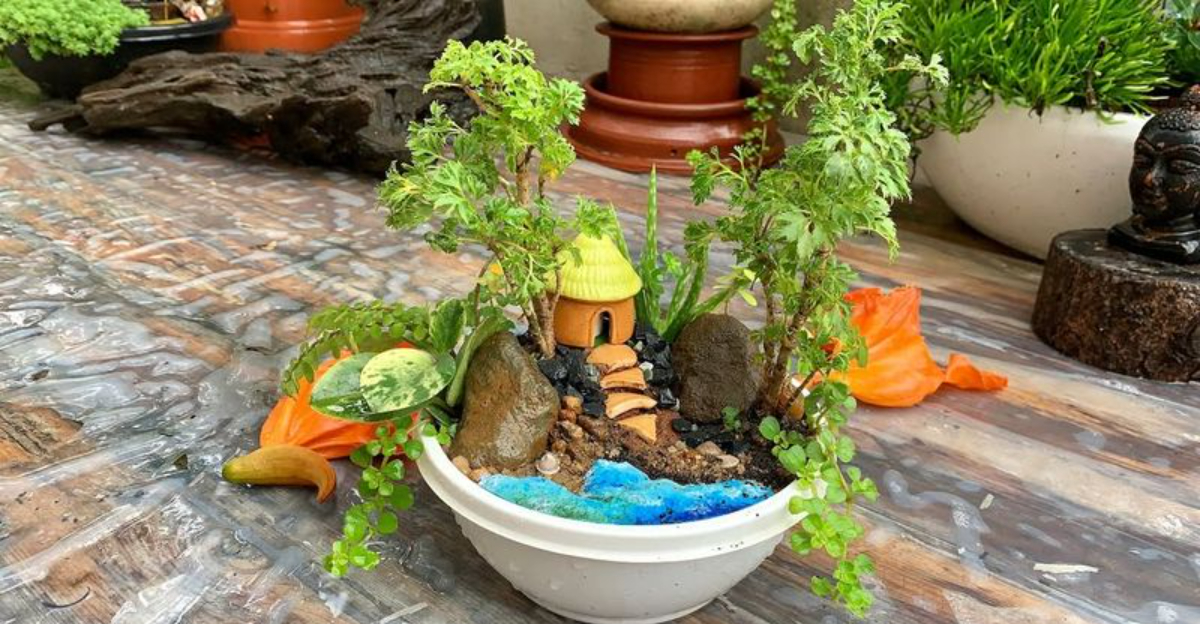
Creating miniature gardens in shallow trays or decorative containers brings greenery to tables, sills, and shelves where traditional pots would not fit properly.
Microgreens, small succulents, and compact herbs like thyme or oregano thrive in these petite environments, offering beauty and utility in minimal space.
Arranging multiple small containers together creates visual impact greater than individual pots alone, letting you design attractive compositions that change with seasons.
Tabletop gardens work perfectly for Massachusetts renters with extremely limited outdoor access, allowing them to grow plants even on small balconies or fire escapes.
Boston and Cambridge studio apartment residents use tabletop setups to bring nature indoors, placing them near windows where sunlight streams in throughout the day.
Watering carefully prevents overflow that could damage furniture, while using saucers beneath containers catches excess moisture and protects surfaces from staining or warping.
Rotating plants within your tabletop garden ensures each receives adequate light exposure and keeps displays looking fresh and interesting over time as conditions change.
Experimenting with different container styles, from vintage teacups to modern geometric planters, lets you express creativity while maintaining functional growing spaces indoors.